Commercial Roofing Services in Miami Gardens, FL
South Florida Commercial Roofing
Review commercial roof repair, inspection, and replacement options for Miami Gardens properties. Compare scope, access, and operating needs before work begins.
All Commercial Roofing Services
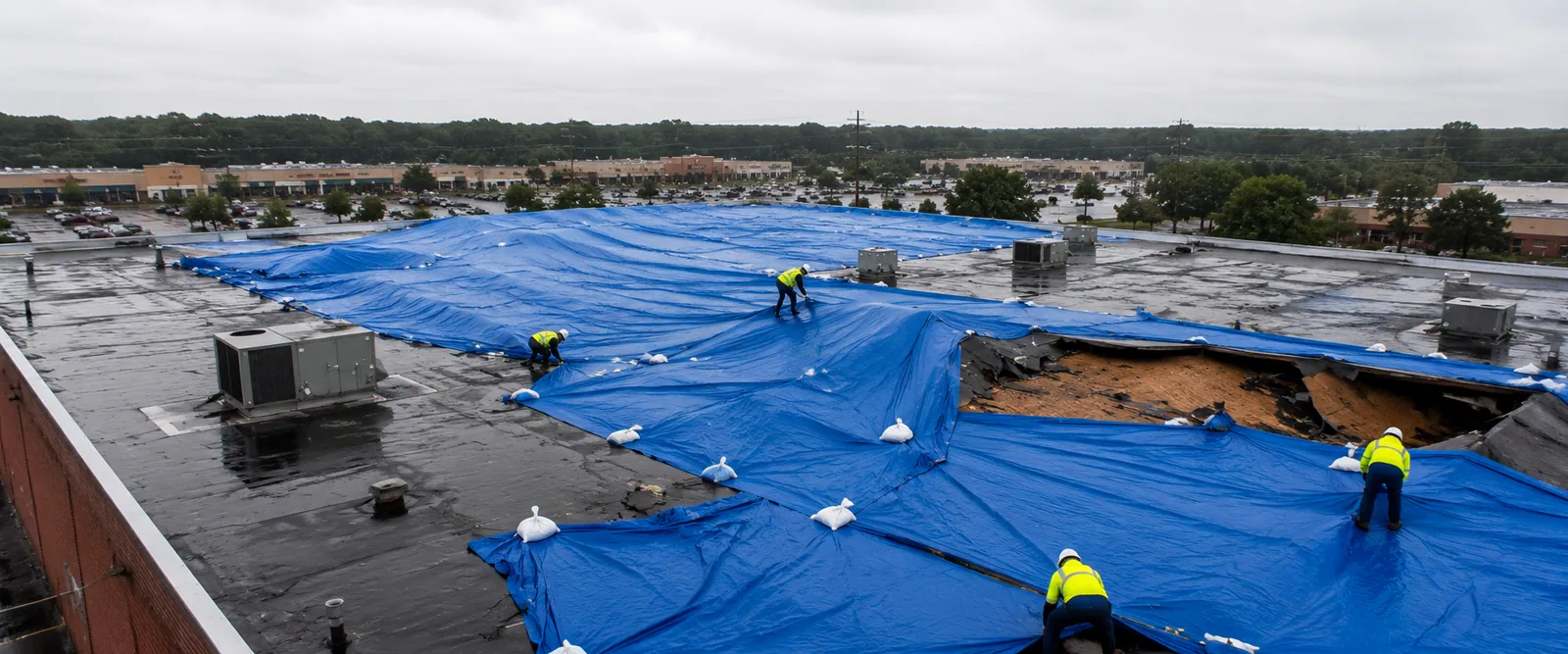
Commercial roofing questions tend to arrive as a symptom: a ceiling mark, a seam that opened, a drain that holds water, or a tenant asking when a crew can enter. The first decision is not automatically a full replacement. It is to locate the affected roof area, understand what sits below it, and choose a response that fits the evidence and the building's operating schedule. For Miami Gardens properties, the next step may be a bounded commercial roof repair or planned replacement, based on the affected area and condition evidence.

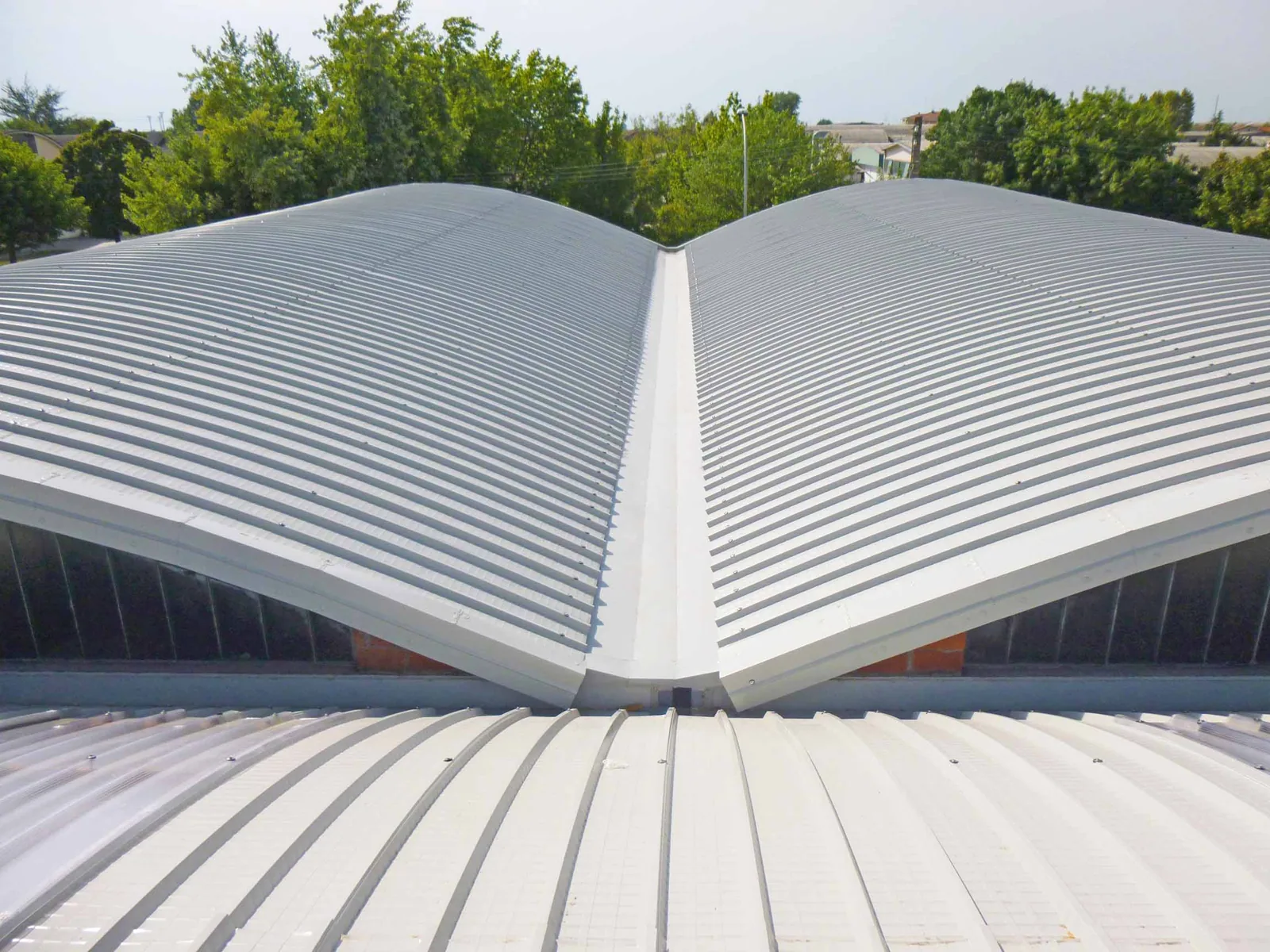
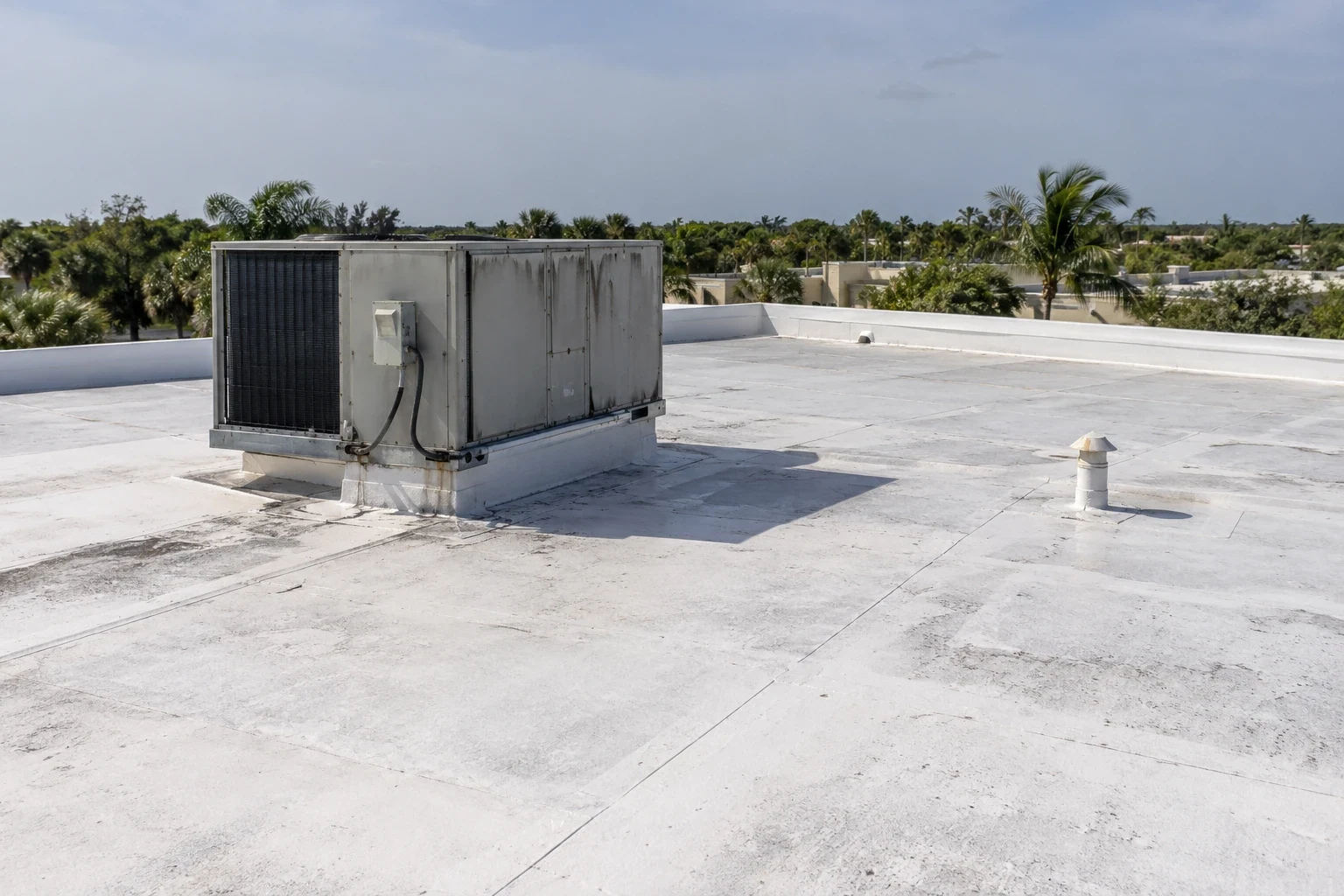
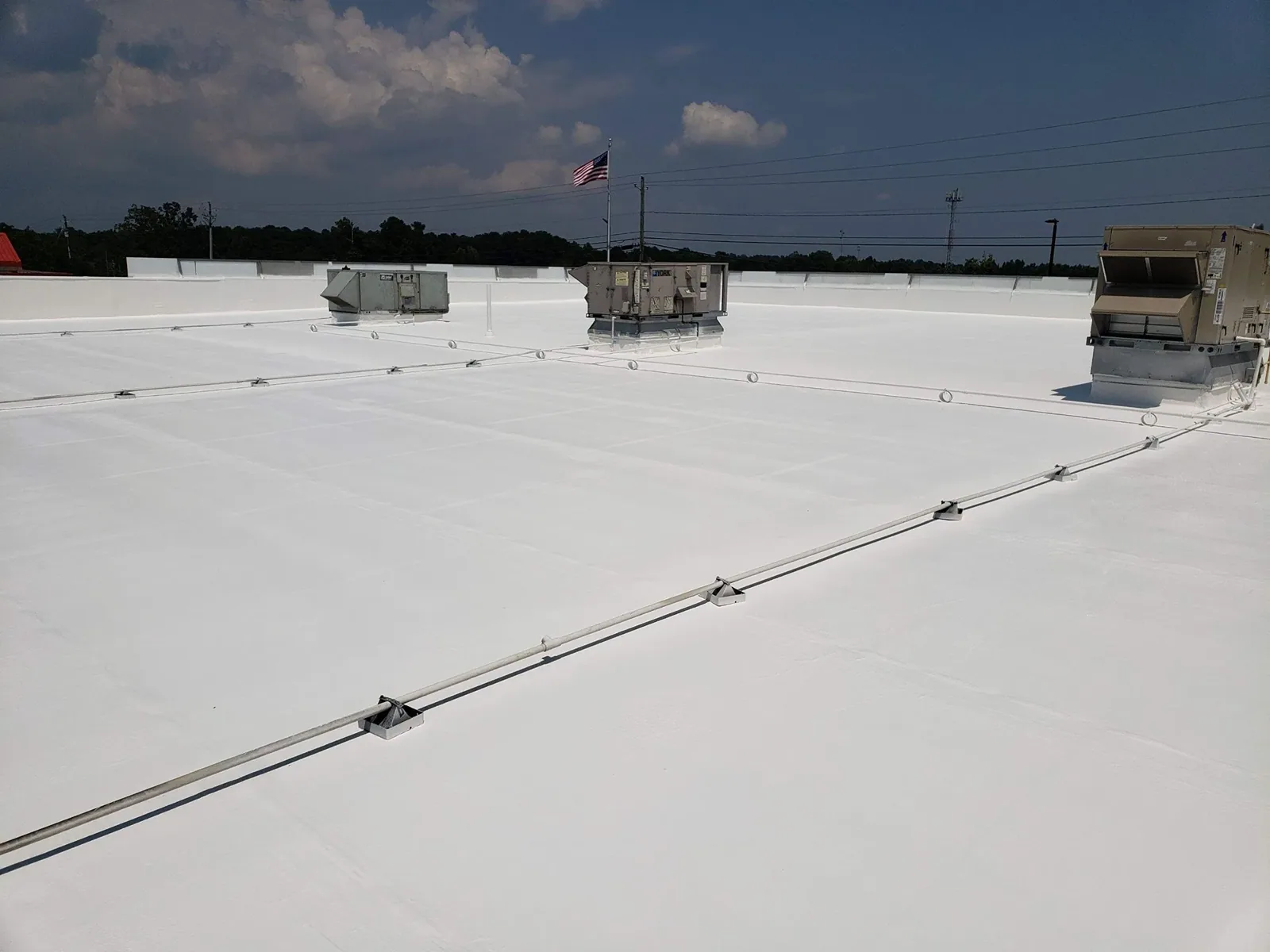
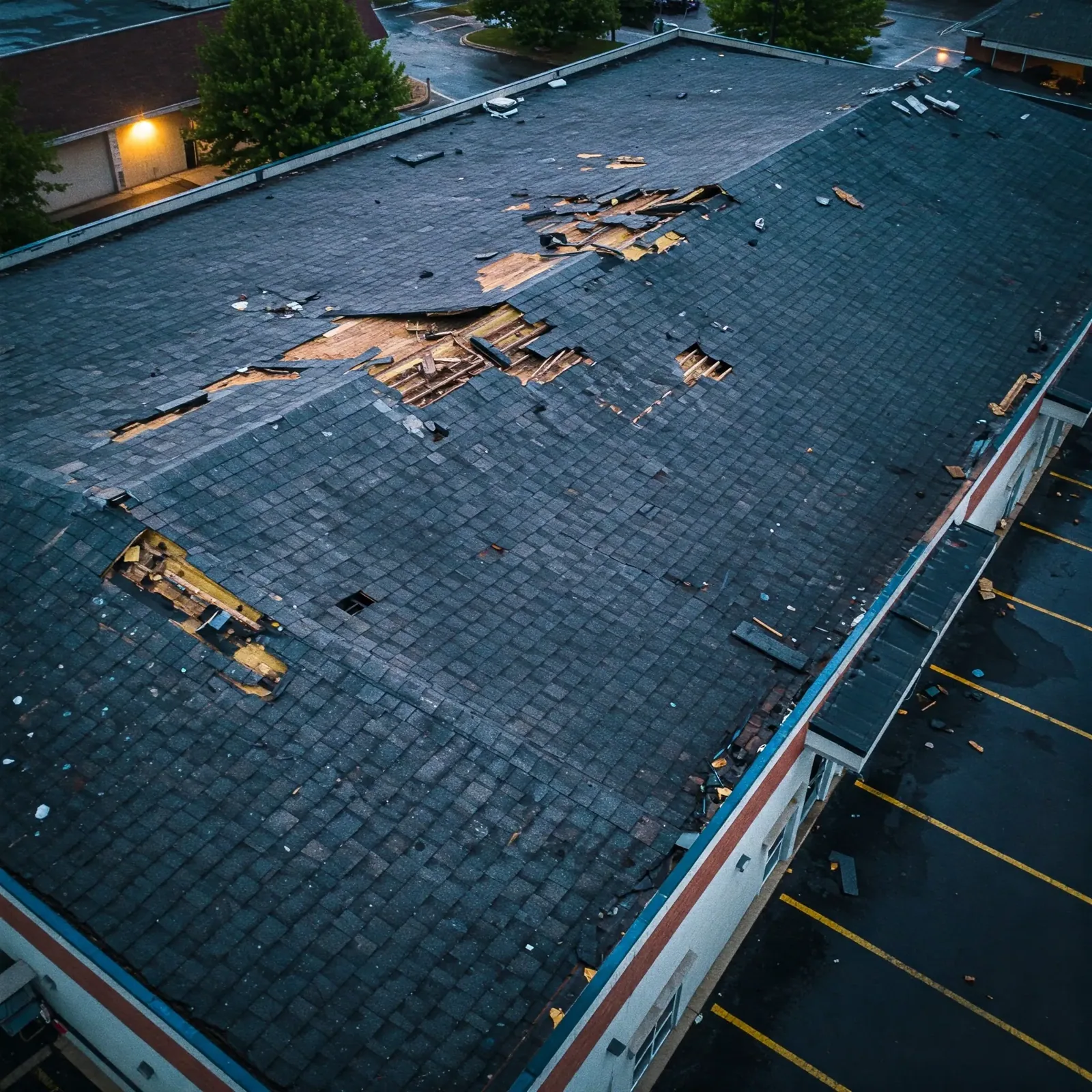
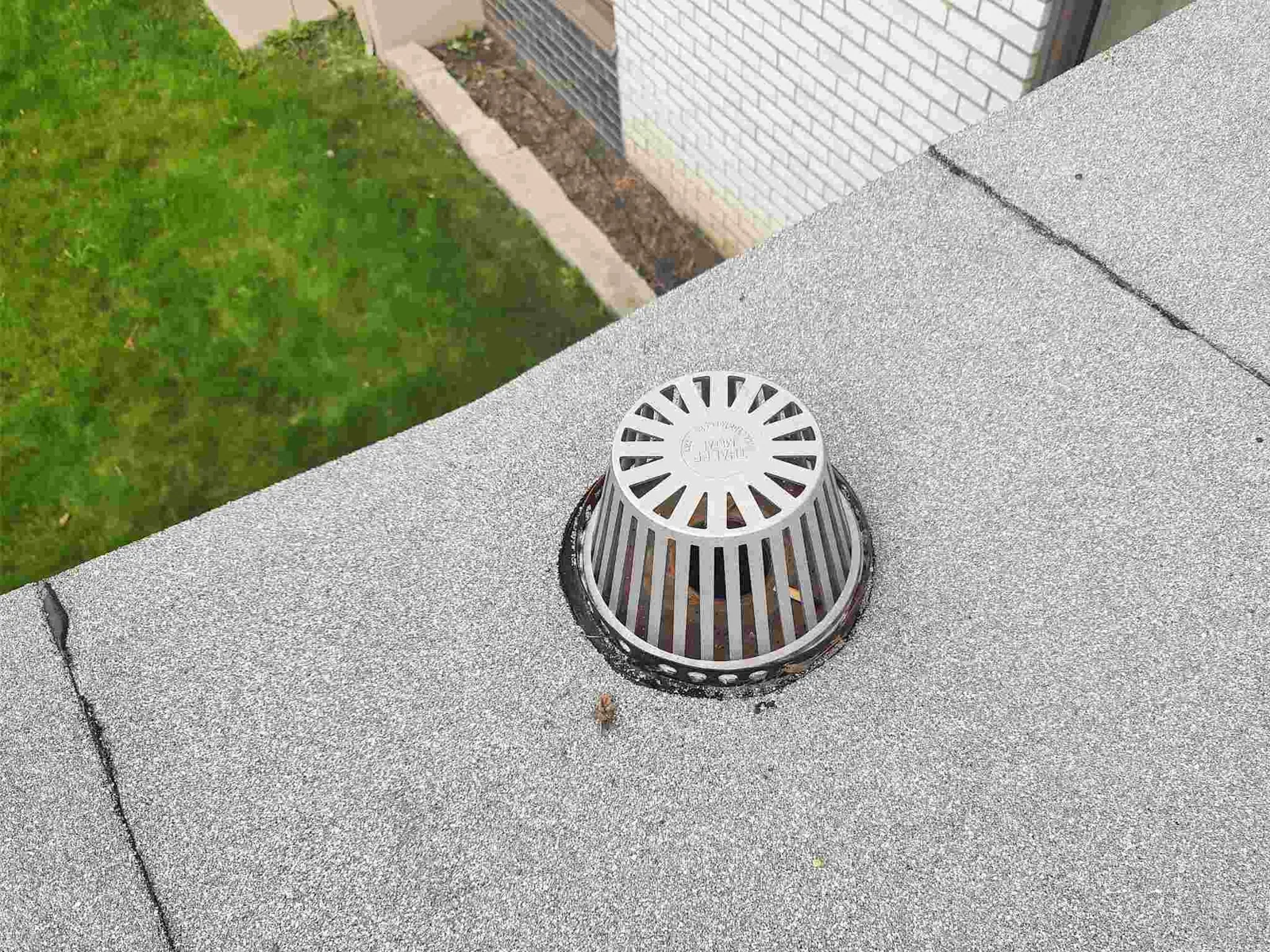
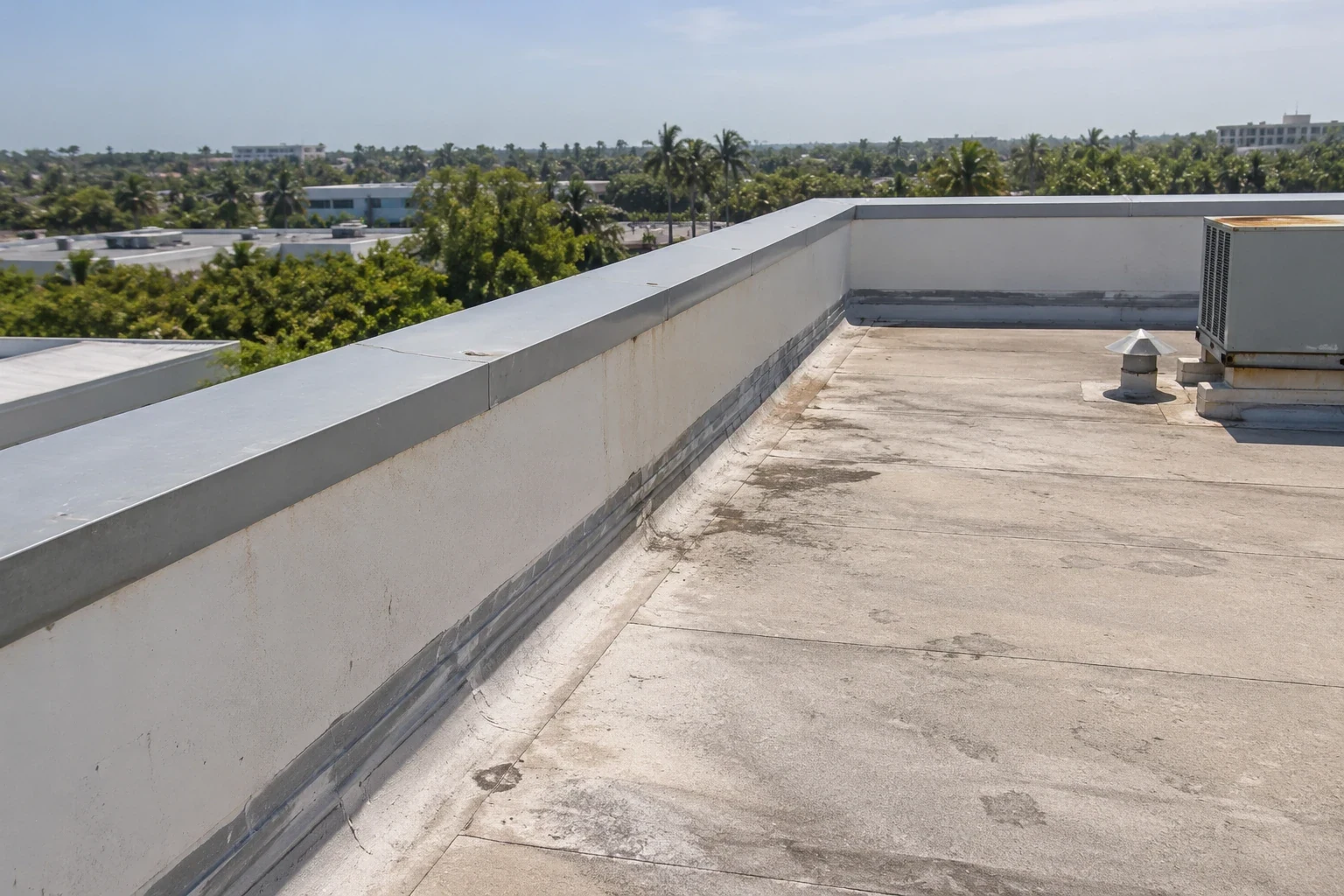
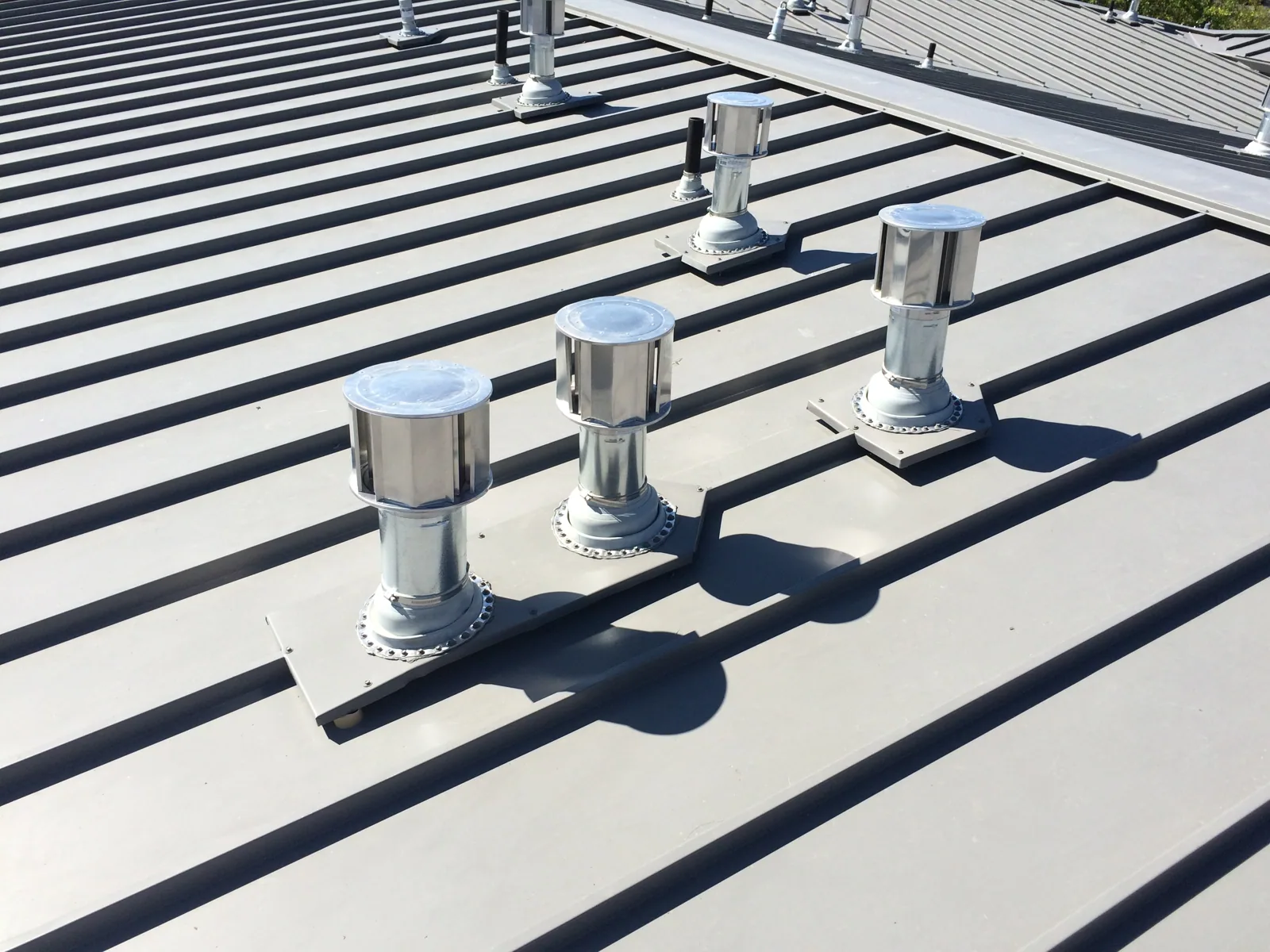
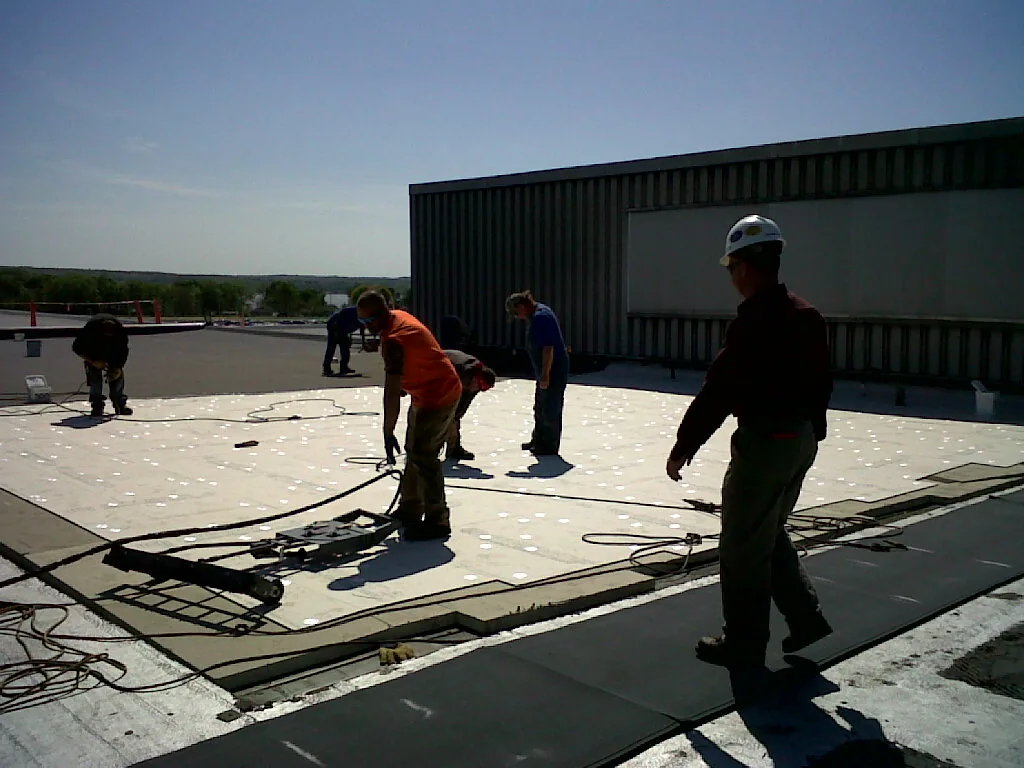
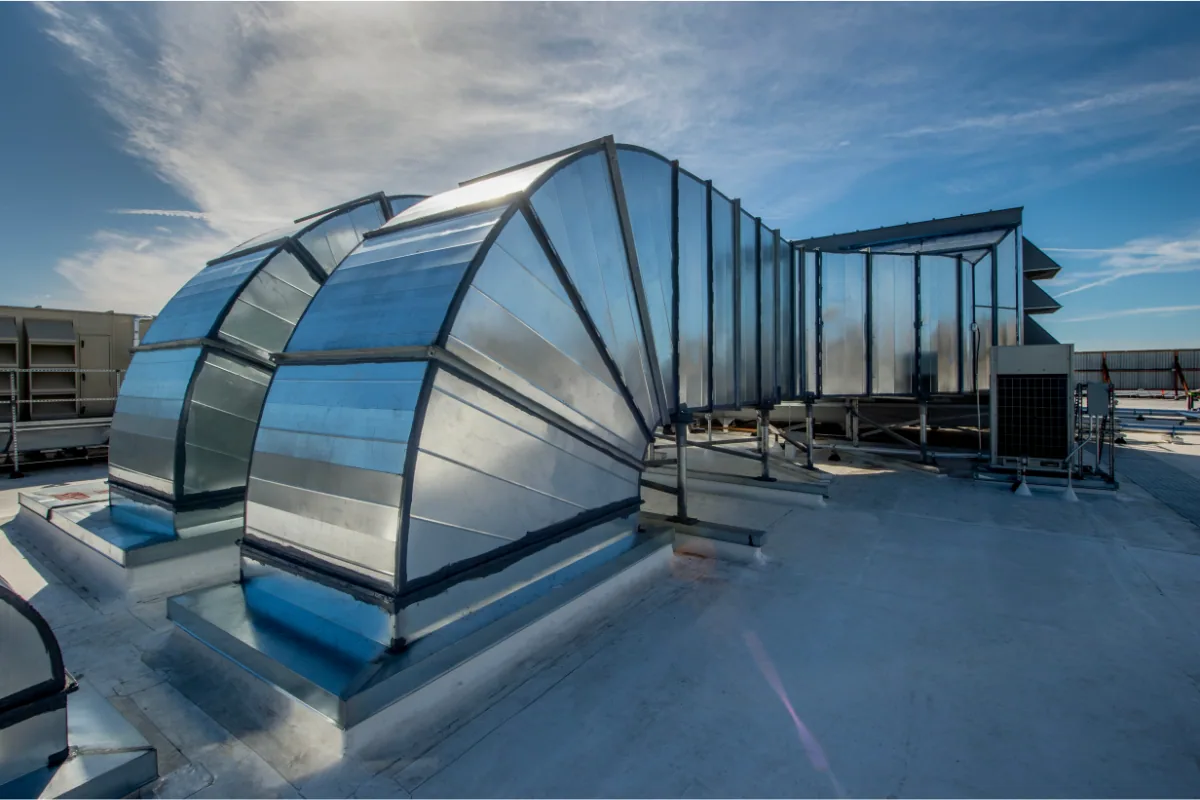
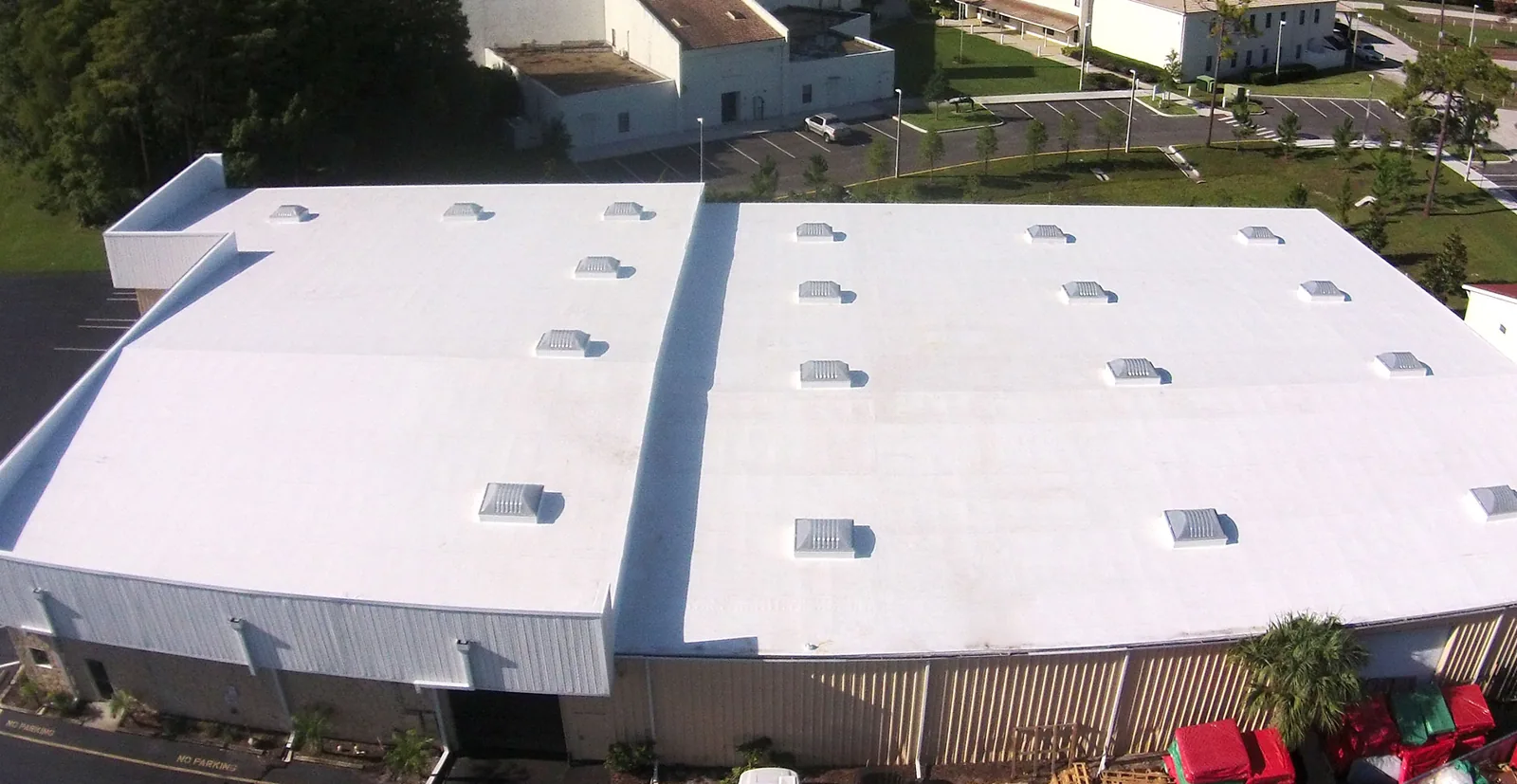
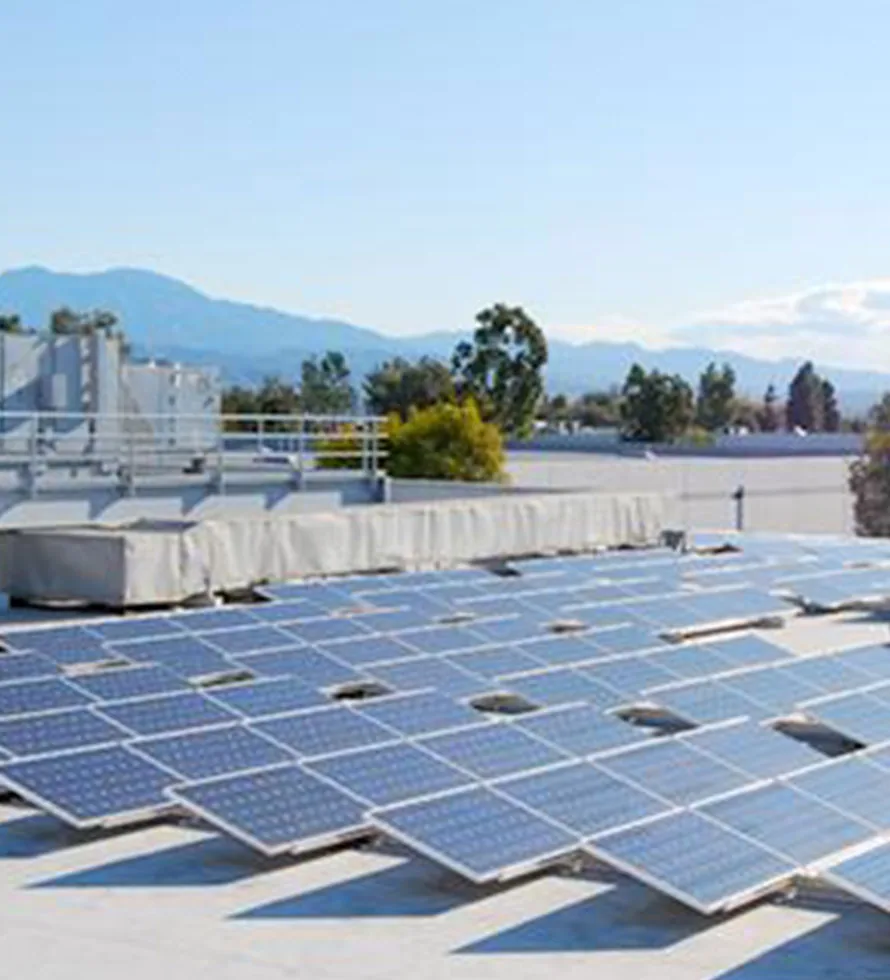
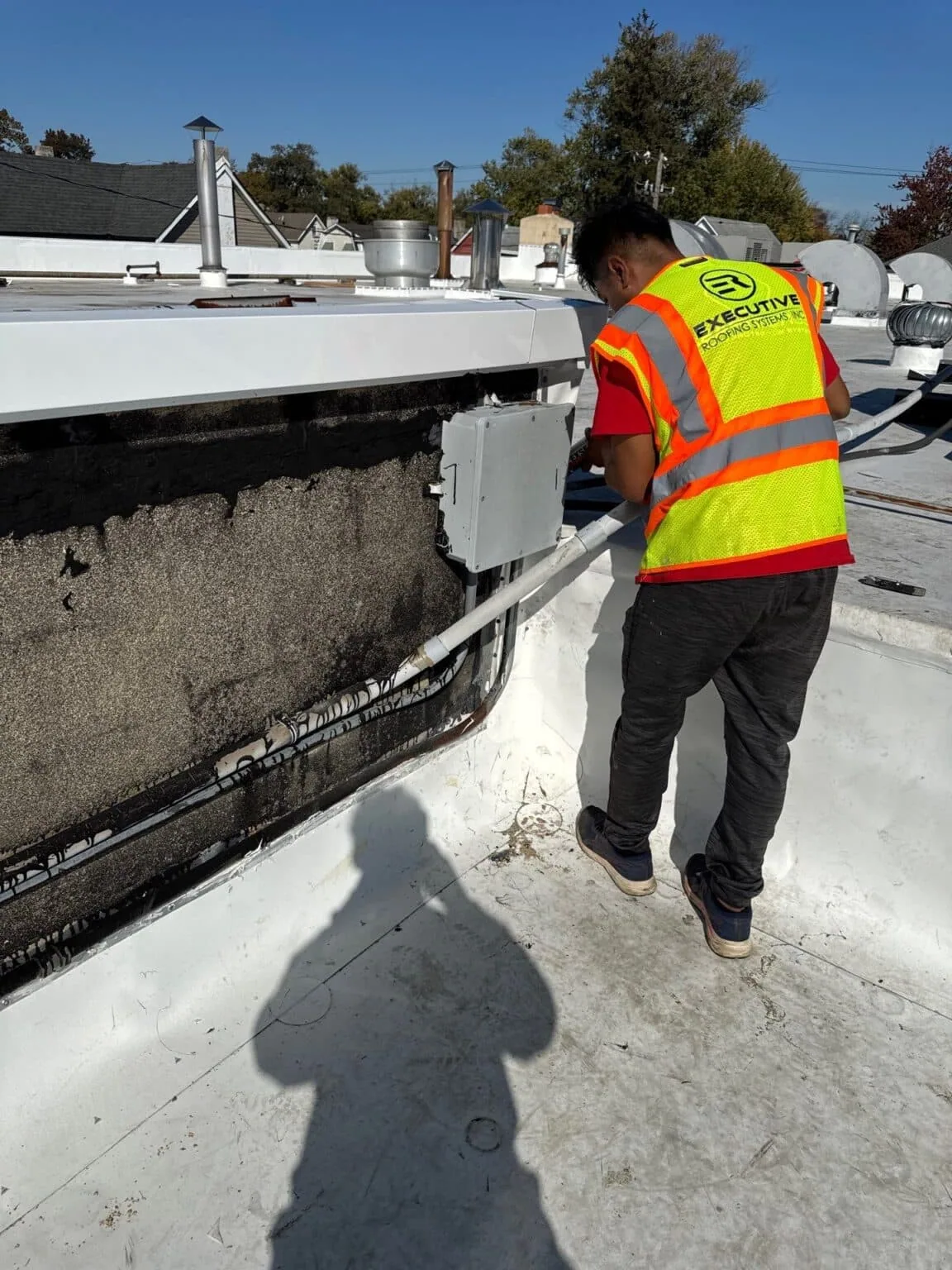
Choose the work that fits the condition
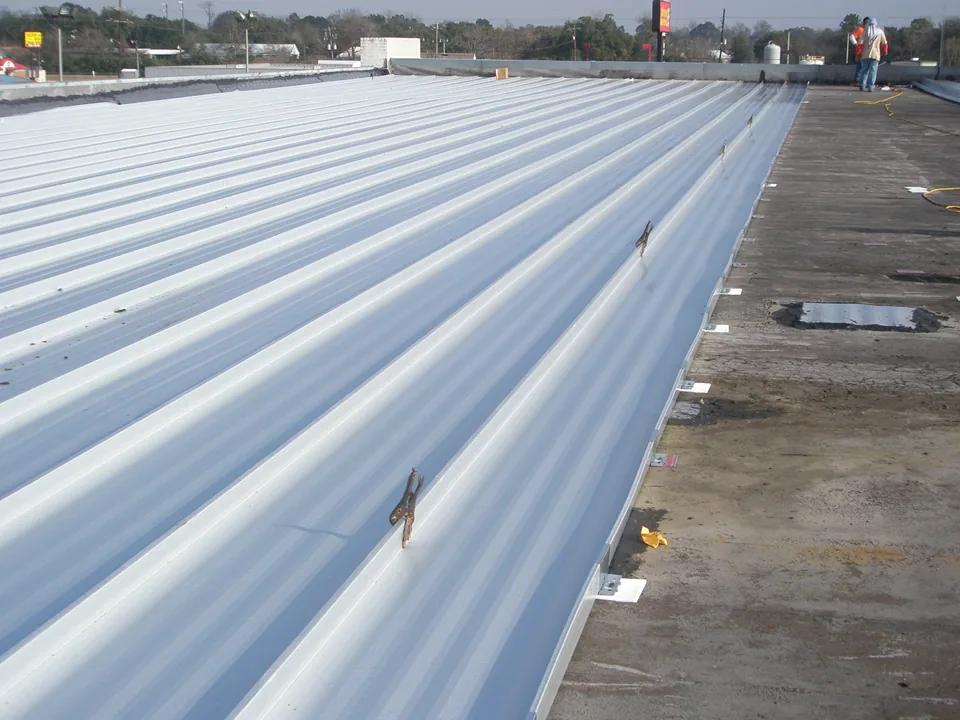
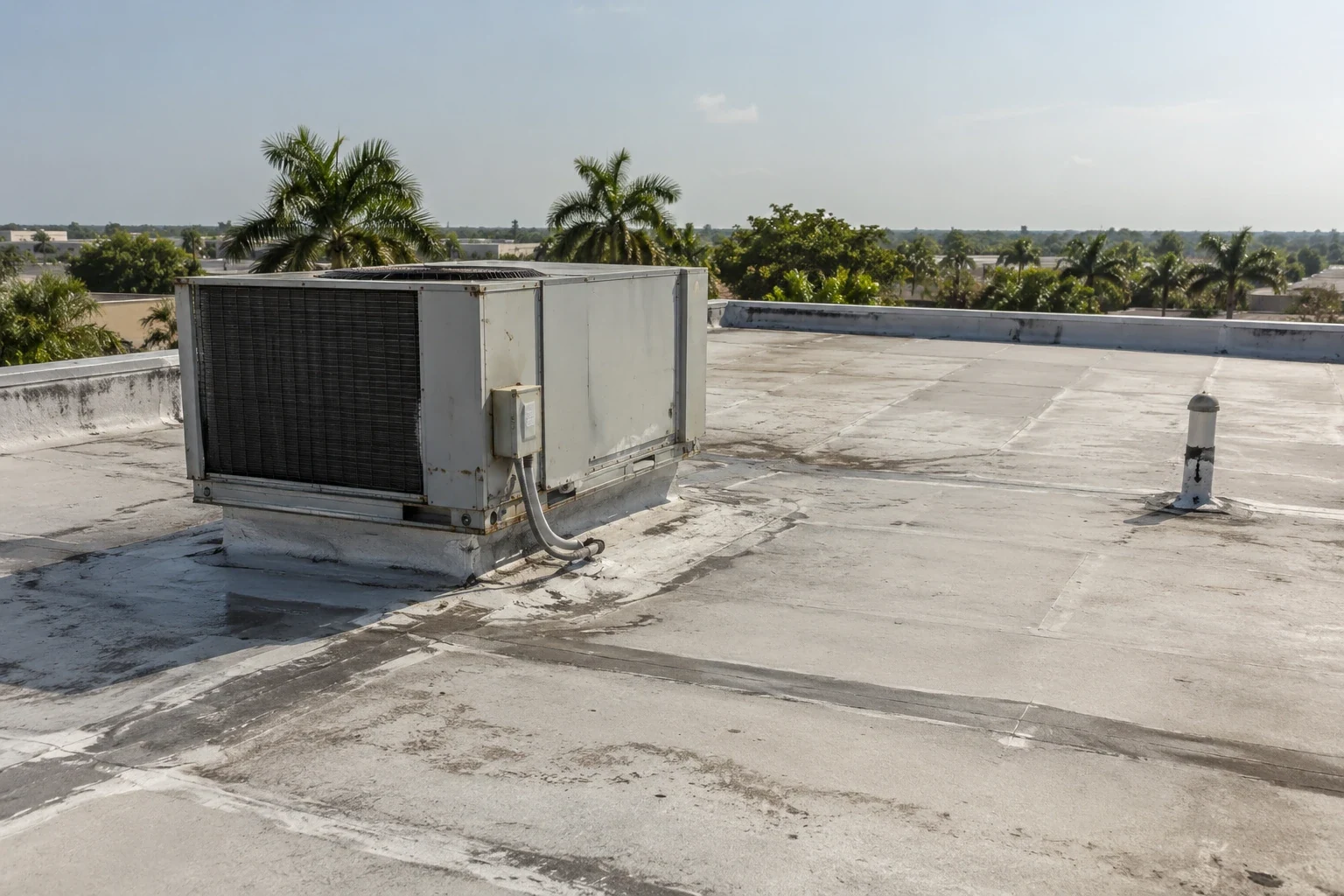
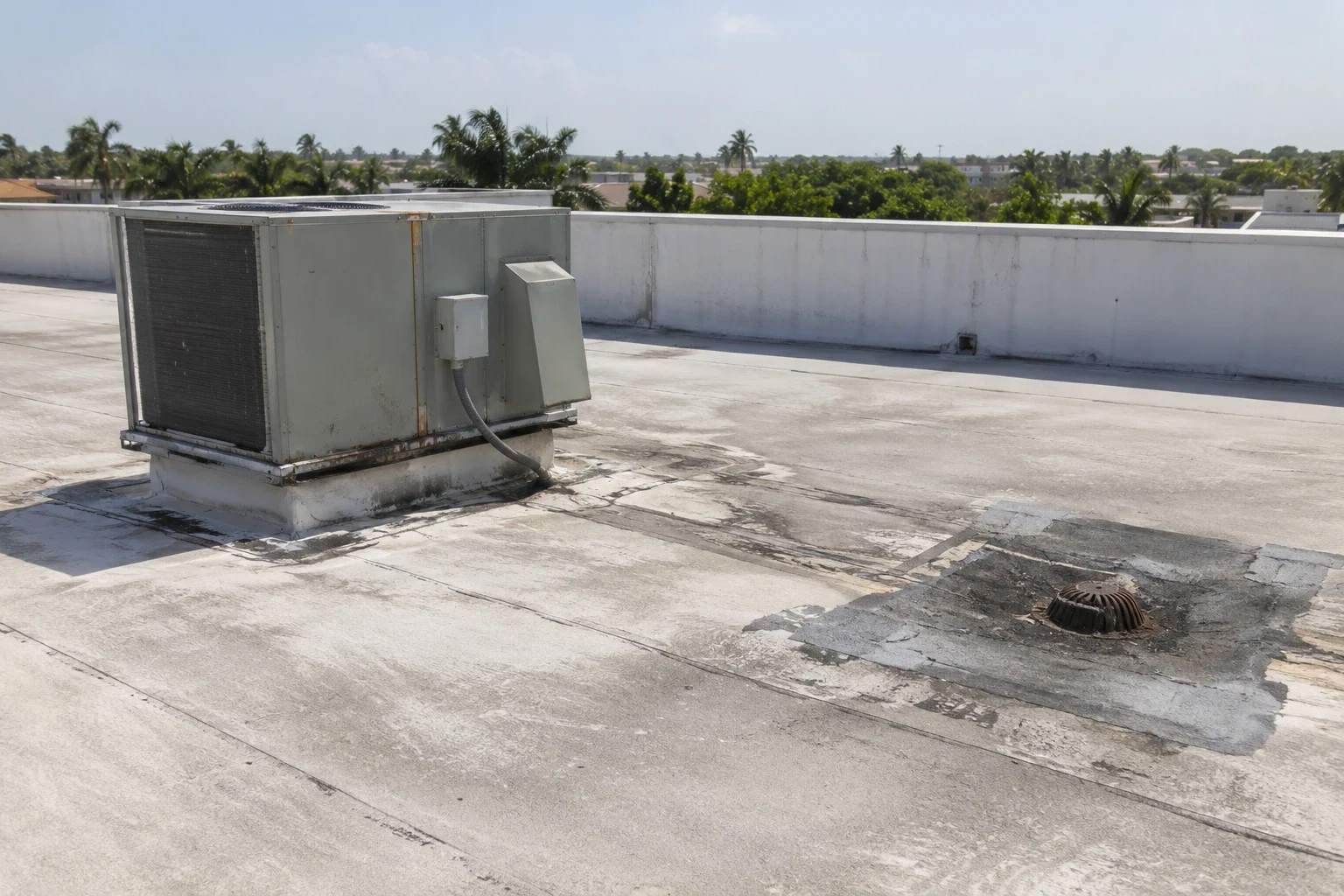
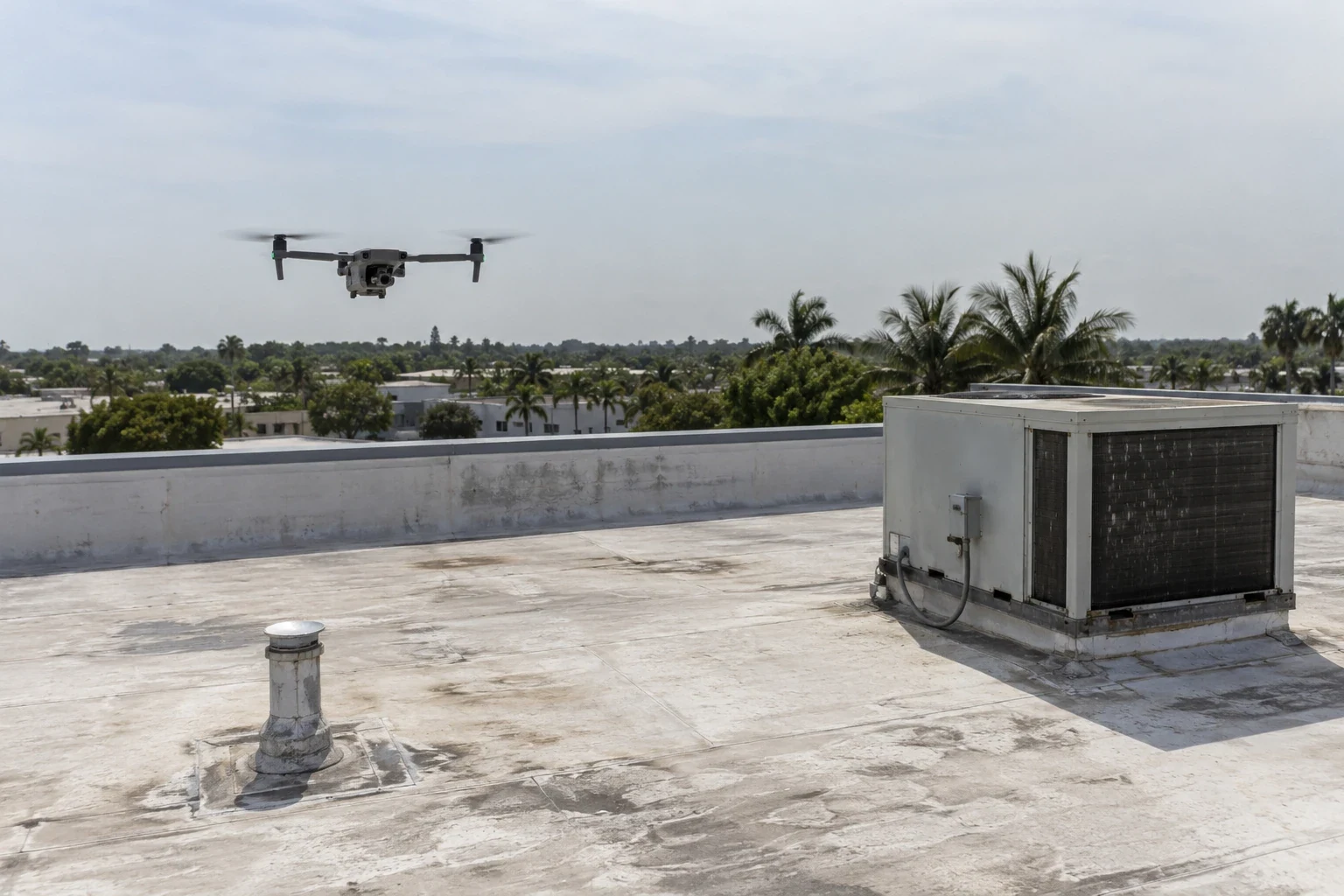
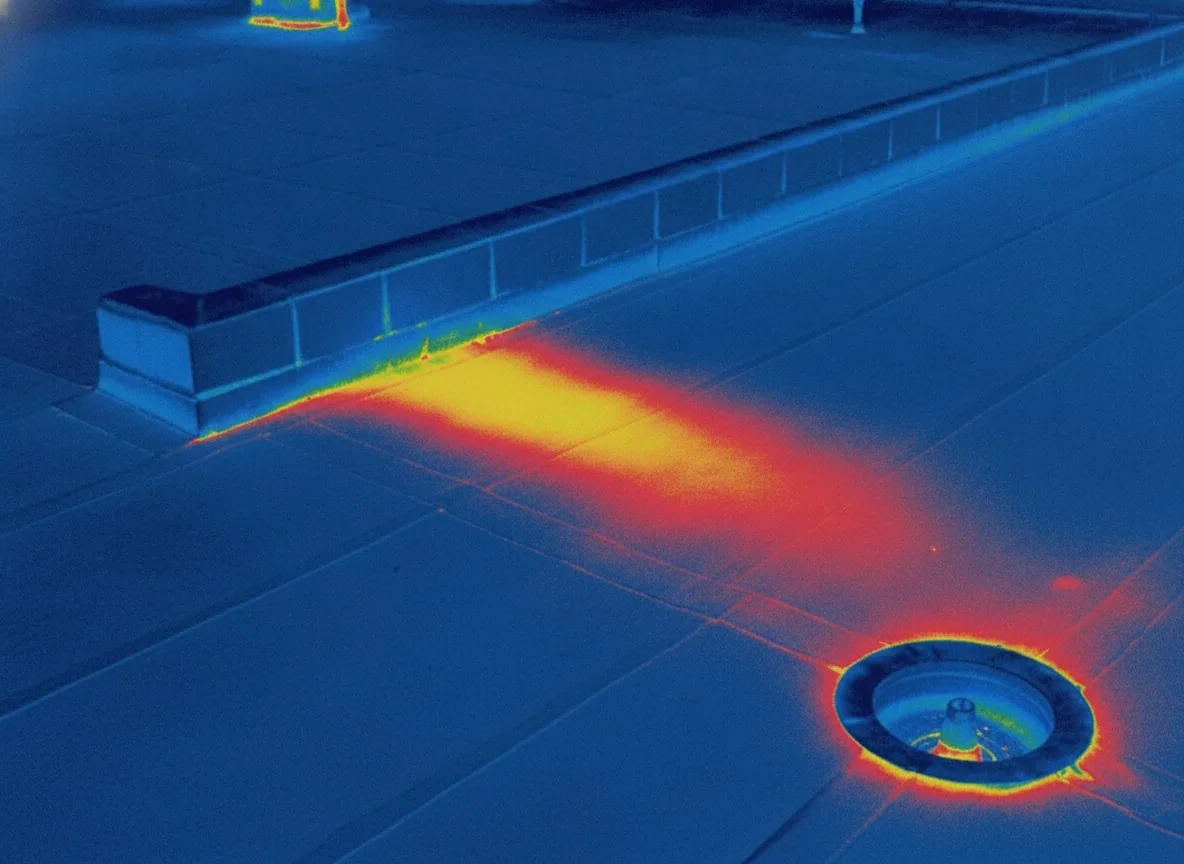
A localized split or failed flashing may call for a bounded repair, while widespread wet insulation or recurring seam problems can change the scope. A useful commercial roof inspection records where the concern appears, what the accessible surface shows, and what could not be confirmed without opening the assembly. Replacement becomes a separate conversation when repair boundaries no longer address the pattern. If the deck and existing layers support a new membrane, roof recover overlay may be worth evaluating alongside removal. Each path carries different access, disposal, and sequencing needs.
- Services for repair, replacement and maintenance
- Roof systems from TPO to standing seam metal
- Property types from warehouses to hospitals
- Service areas across Miami-Dade and Broward
Make access and business hours part of the plan
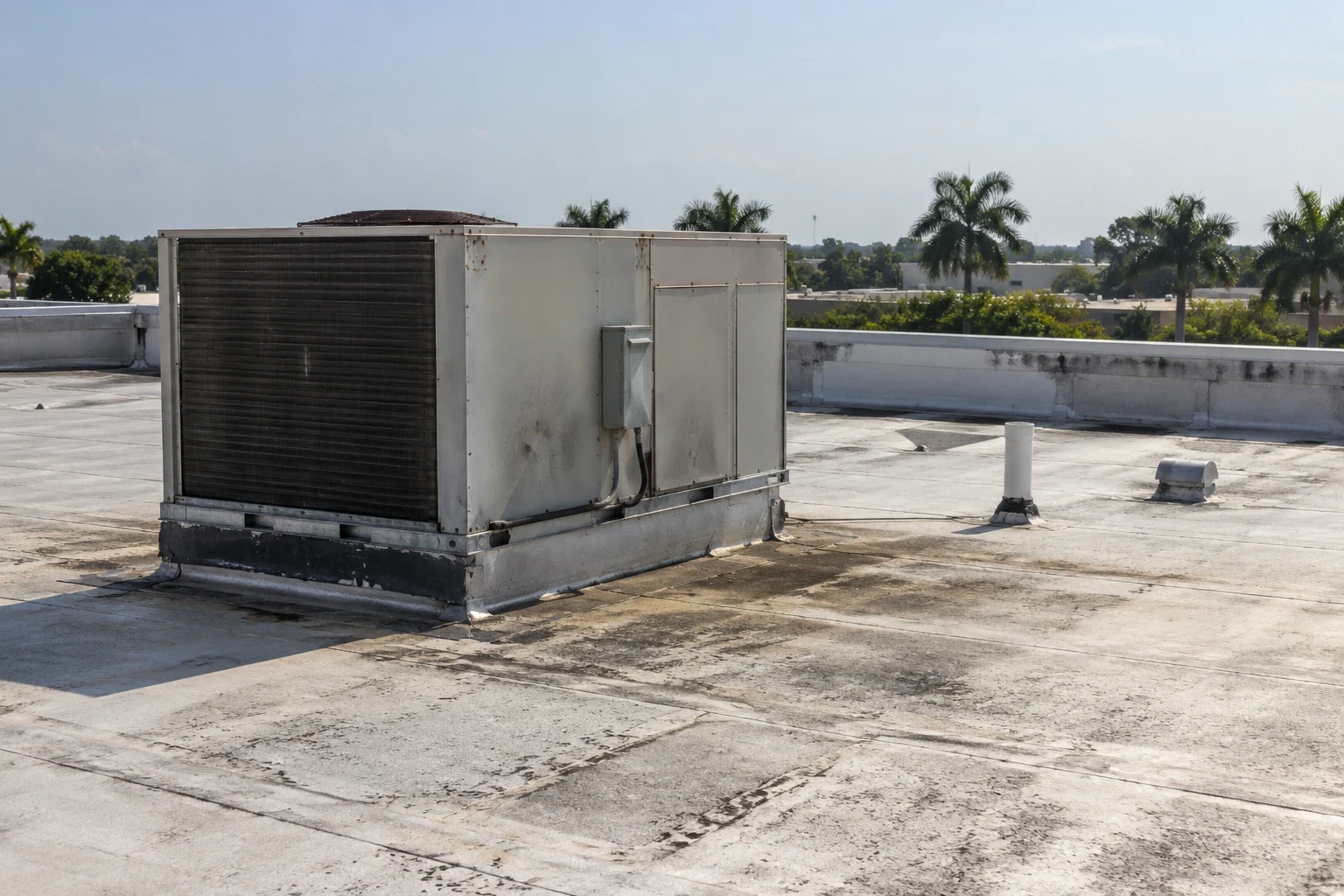
Roof work above active shops, schools, warehouses, and offices must account for people and deliveries below. A proposed work window should identify where ladders or lifts can be staged, which doors remain available, and how materials reach the roof. Interior protection and advance notice matter when crews work above occupied rooms. For buildings that cannot pause ordinary activity, review the approach to occupied-building reroofing before approving a schedule. At a Miami Gardens property, the work plan should tie staging, egress, and material routes to the specific roof area.
Ask for boundaries, observations, and next steps
A clear scope separates observed conditions from assumptions. It names the roof section, describes the repair limit, notes penetrations or drainage details that affect the work, and explains what remains unknown. When the proposal includes a new assembly, ask which layers will stay and why. A recommendation involving TPO roofing should address substrate preparation, attachment, edge details, and transitions to existing construction. A condition review should set the basis for a commercial roof replacement discussion, with the inspection findings and proposed work boundary tied to the same roof area.
Compare cost, disruption, and useful life
Pricing cannot be compared responsibly from a single square-foot figure when scopes differ. Ask whether removal, insulation, edge metal, drain work, interior safeguards, and disposal are included. A lower initial number can leave important transitions outside the contract, while a larger scope may address several connected conditions at once. The proposal should make those differences visible before the owner weighs schedule and capital timing.
Keep the decision record with the property
Save photographs, marked roof plans, observations, approved changes, and closeout notes together. That record helps a future facility manager understand which sections were repaired, which remained in service, and what conditions were not opened. It also gives the next inspection a starting point that is more useful than a date alone. For multi-building portfolios, apply the same naming convention to each address without assuming their assemblies match.
Commercial Roofing Questions
Can a leak be repaired without replacing the whole roof?
Sometimes. A defined opening or failed detail may be repairable, but concealed moisture and repeated failures can change that conclusion after inspection.
What should be ready before a site visit?
Share the affected area, access rules, operating hours, prior repair notes, and any interior symptoms. Plans and roof records help, but are not required to begin.
Can work happen while a building remains open?
Often a phased approach is possible, subject to roof access, weather, safety controls, noise, and protection needs. The work plan should state limits.
How should a proposal describe an unknown condition?
It should distinguish confirmed observations from allowances or concealed conditions, then explain the review and approval step before added work proceeds.