Commercial Roof Leak Repair in Miami Gardens, FL
Commercial Roofing Services
Trace and repair commercial roof leaks in Miami Gardens, FL with roof-area findings, interior protection, active-water response, and documented follow-up.
Commercial Roof Leak Repair Overview
A ceiling mark gives the response team a place to start, not a repair boundary. In Miami Gardens, FL, we check the roof area above and around the interior symptom, including seams, curbs, drains, walls, and prior patches. The crew records active water, wet materials, and the route needed to reach the detail. The general contractor can then assign immediate protection and a permanent repair without confusing the indoor location with the roof defect.
How do we trace the water path?
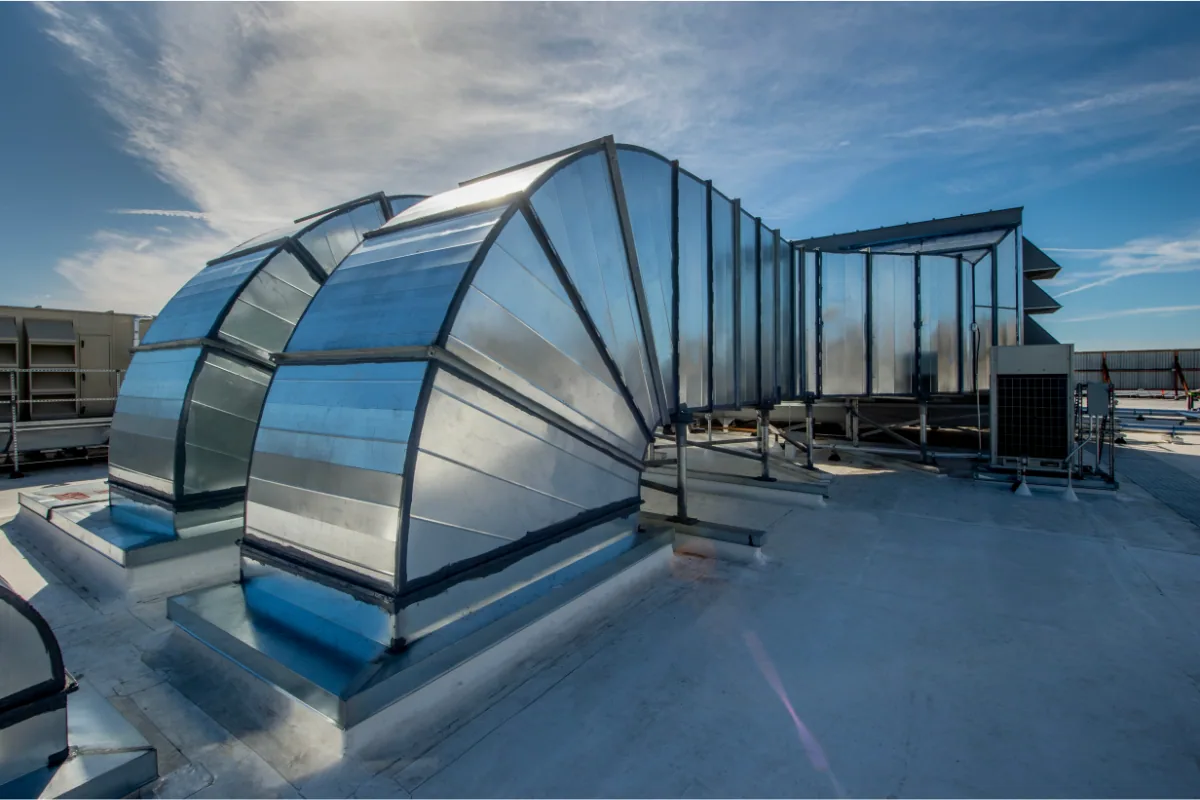
We inspect the roof surface, transitions, penetrations, and drainage path, then compare those findings with the reported leak timing and interior location. Water may move under a membrane or along a deck before it appears in a room. We therefore check adjacent details and any earlier repair, rather than sealing the first visible opening. Each observation is tied to a roof area and photo.
Miami Gardens has commercial activity near the Palmetto Expressway and U.S. 441, including furniture-oriented retail and automobile trade. Those business patterns help us plan customer routes, vehicle access, and interior protection with the site team. They do not tell us what is on a particular roof. Hialeah identifies manufacturing and retail among its major economic sectors; a leak response at any property still needs its own roof plan and access record.
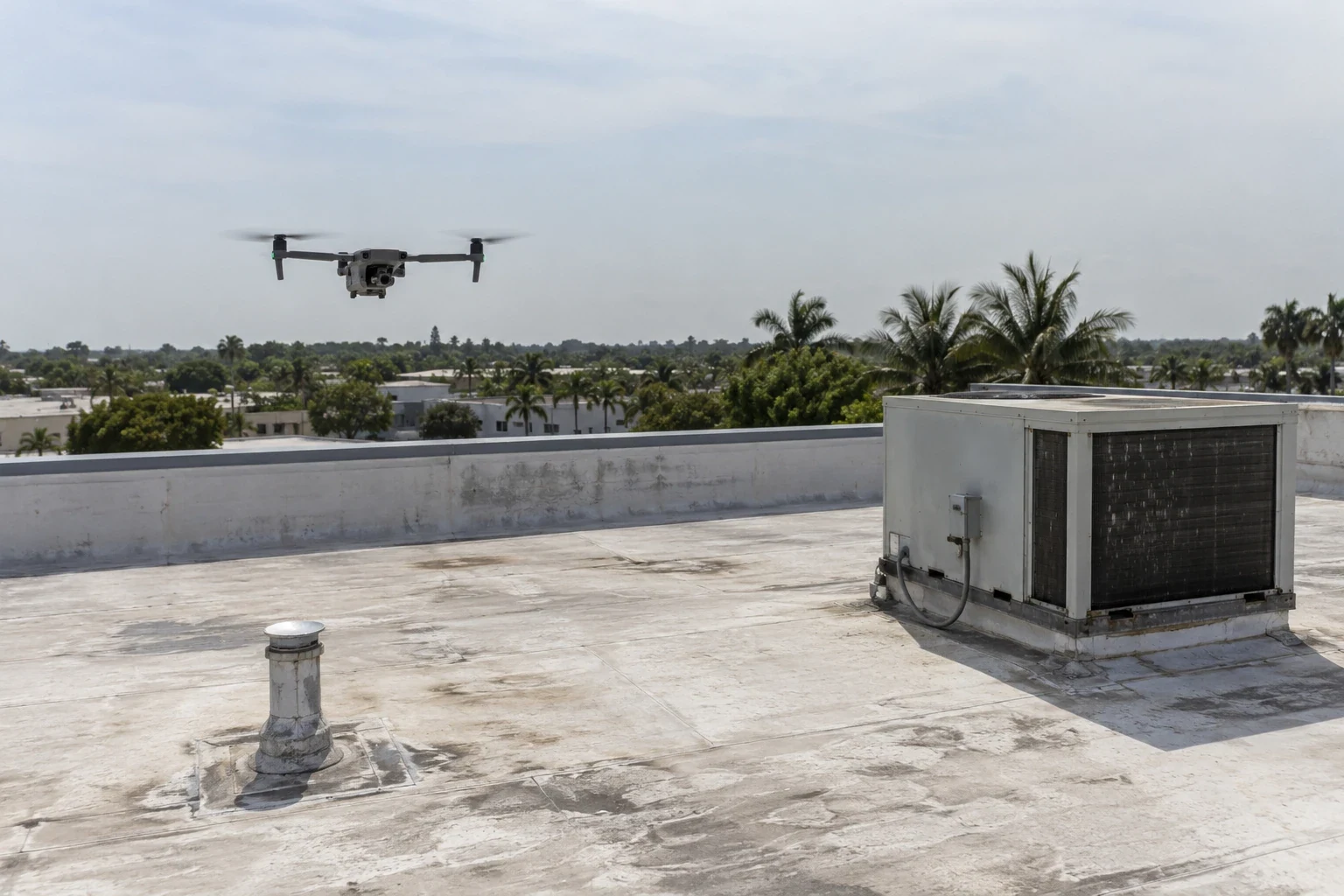
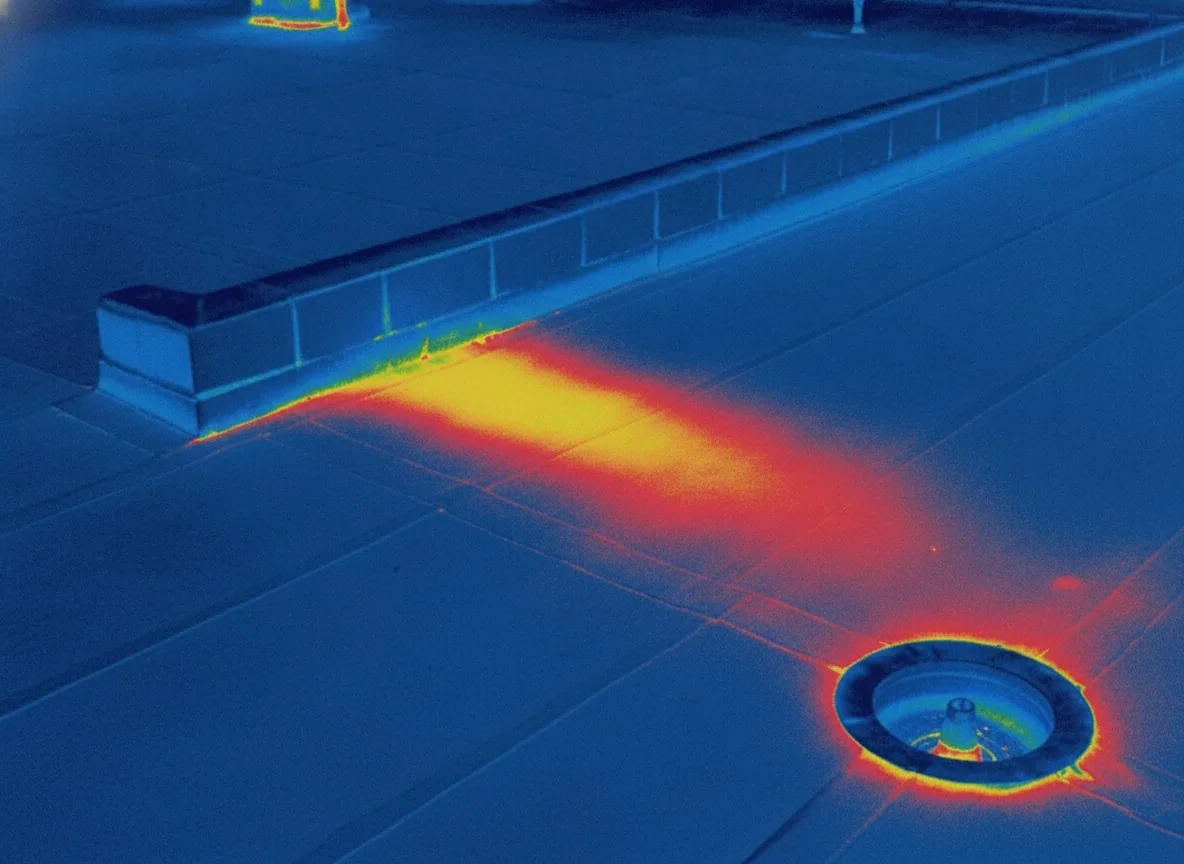
A hands-on roof inspection can check the membrane and surrounding details. For a larger or hard-to-reach surface, drone imaging can document visible roof areas, while an infrared moisture survey can help prioritize confirmation points. We note what each method observed and what still requires direct testing.
More on Commercial Roof Leak Repair
The sections below cover the questions property teams ask before they approve the work.
What happens while water is still entering?
First, we identify the affected interior zone and protect equipment, inventory, finishes, and occupied paths as the site directs. On the roof, we locate the active opening and determine whether a temporary cover, compatible patch, or controlled dry-in is appropriate for current conditions. We communicate the work area and access limits to the general contractor. That keeps the response focused while the permanent repair package is prepared.
South Florida’s wet season runs May 15 through October 15 and brings most of the region’s average annual rainfall. For dispatch planning, the regional outlook connects South Florida’s muggy wet-season air with showers and thunderstorms on most days. This weather pattern makes temporary protection and end-of-shift closure important, but it cannot confirm why one building is leaking. We use the field findings for the diagnosis and short-range weather for the work sequence.
If the leak is active outside normal hours, our emergency roof repair response can arrange around-the-clock protection, including holidays. The crew documents the temporary measure, the conditions it addresses, and any limits that remain until permanent repair. An emergency dry-in is a controlled first step; it does not replace a follow-up inspection of the assembly and affected interior.
What detail should the permanent repair address?
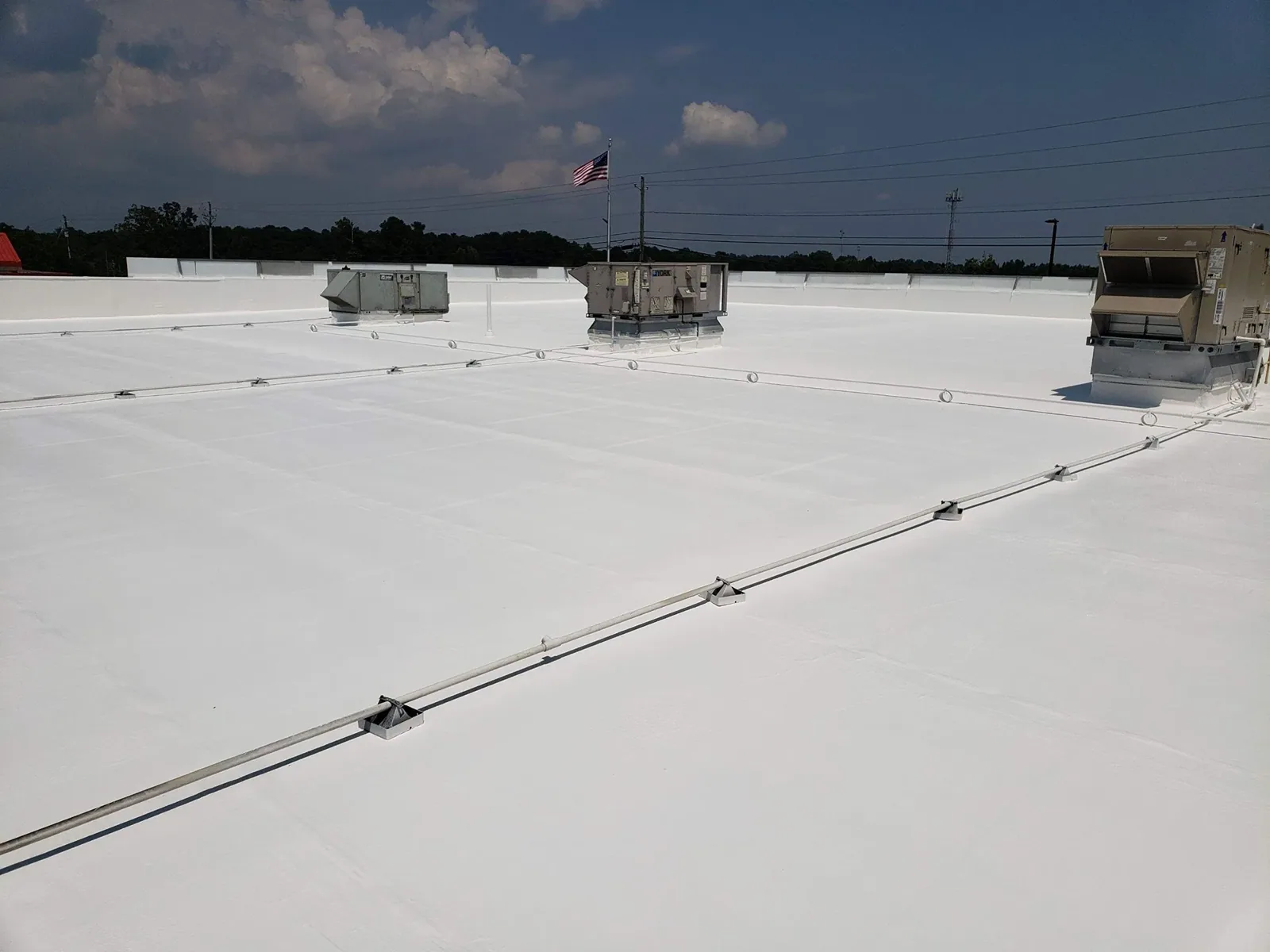
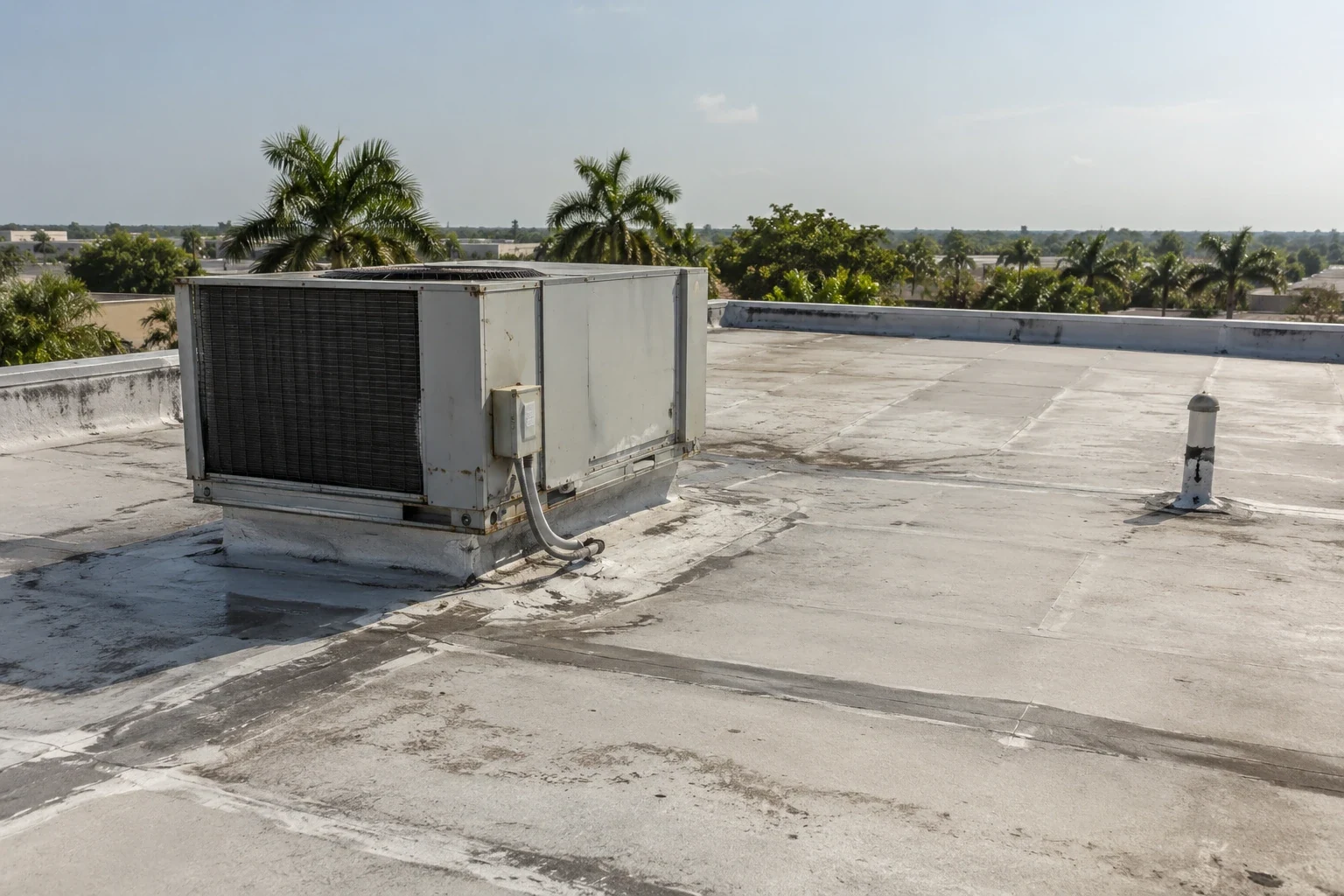
Once water entry is controlled, we identify the failed component and any connected weaknesses. A seam split may require membrane preparation and a compatible weld or cover strip. Failed flashing may call for removing loose material and rebuilding the transition. A puncture near equipment needs a patch that fits the membrane and the movement around the curb. The written scope states which detail will be corrected and how it will be checked.
We also look at drains, scuppers, edge conditions, and nearby penetrations that can keep water at the repair area. If a blocked outlet or deteriorated roof drain or scupper contributes to ponding, that item belongs in the work package. A repair that treats only the membrane opening could leave a recurring water path in place. Our report separates the confirmed leak source from conditions that need maintenance or a broader review.
For an owner managing properties across Miramar and Miami Gardens, separate building records help compare repair candidates without assuming similar roof construction. We note dates, photos, materials, and any open follow-up item by site. The team can review roof condition findings with the general contractor and align permanent work with other trades, permit points, and occupied-area restrictions.
Industries We Work With
Owners and operators in these fields rely on us to plan roof work around their buildings.
Coordinate healthcare roof work in Miami Gardens, FL around patient routes, critical rooms, equipment, infection controls, and documented approval windows.
Coordinate 3PL roof work in Miami Gardens, FL around dispatch cycles, dock access, inventory protection, equipment routes, and phased closeout.
Plan school district roof work in Miami Gardens, FL around student routes, athletic spaces, summer windows, classroom protection, and board approvals.
Coordinate portfolio roof work in Miami Gardens, FL with area records, access windows, repair priorities, and approvals that keep each asset distinct.
Related Roofing Work
Other pages that cover the same roof question.
Roof leaking now? Call 555-555-5555 and we will send a crew to look at it.
What local weather facts matter to the repair plan?
South Florida severe-weather impacts include strong or damaging winds, tornadoes, hail, and flooding, with the stormiest period described as mid-May through early July. After a storm, we photograph visible conditions and distinguish the immediate leak response from any larger damage assessment. A weather outlook is regional context, not proof that a particular event caused a roof failure. The repair scope follows what the inspection can document at that property.
Tropical systems can materially influence local rainfall, and their influence cannot be reliably predicted more than seven to ten days ahead. For that reason, a permanent repair should not be scheduled around a long-range rainfall assumption. We coordinate near-term access and temporary protection, then close openings as the work advances. If the assembly has repeated failures or widespread wet insulation, we present a broader repair or replacement boundary for approval.
Where code or product approval questions arise, Miami-Dade County’s building-code ordinance adopts the Florida Building Code with local administration and enforcement provisions. Miami-Dade and Broward are within the High Velocity Hurricane Zone definition. The project team should review applicable requirements for work affecting the roof assembly; we provide repair details and product information for that coordination.
How do we close the leak response?
We record the reported interior area, the roof findings, temporary protection, permanent repair, and any remaining test or observation. Completion photos show the detail after work, while notes identify material compatibility and areas that should be reviewed during maintenance. The general contractor can use the record to coordinate interior restoration and notify building users about any remaining access restriction.
When a leak returns, earlier photos and repair notes help us compare the new condition with the original path. A preventive roof maintenance visit can check the repaired seam, flashing, and drainage area. If the membrane shows broader wear, a planned repair package or a capital comparison may be more useful than repeating the same emergency measure.
At a Miami Gardens commercial property, we arrange a field review around its use and access plan. Share the leak location, recent photos, roof plan, operating schedule, and contact who can approve access. We will document the suspected path, immediate protection, repair candidate, and next approval point in a sequence the project team can use.
Trace the leak and set the repair
Send the reported leak location, roof plan, photos, prior repair history, access contact, and operating schedule. We will inspect the roof area, control active water where possible, and document the permanent work package.
Questions About Commercial Roof Leak Repair
Can you find a leak from an interior stain alone?
The stain helps us target the roof review, but water may travel before it reaches the ceiling. We compare the report with seams, penetrations, edges, and drainage above and around the area, then document the findings before choosing a repair.
What should the site team do during active water entry?
Protect equipment, inventory, and occupied routes as directed by the building team, then give us a safe roof-access contact and the reported timing. We locate the opening, set temporary protection, and record the permanent repair items that remain.
Is emergency dry-in the final repair?
A dry-in controls immediate exposure while the assembly is made safe for further work. We document the temporary measure and return to verify the permanent detail, moisture conditions, and any associated repair candidate.
Can infrared imaging identify the exact leak opening?
Infrared can show temperature patterns that help prioritize moisture checks, but it does not by itself establish the water path or material condition. We use direct inspection and selective confirmation where the repair decision depends on what is below the membrane.
What do you need to schedule a leak inspection?
Send the roof plan, interior leak location, recent photos, prior repair notes, access rules, and operating hours. Those records help us plan the route and protect the affected area while we inspect the roof details.