Cool Roof Installation for Commercial Buildings in Miami Gardens, FL
Commercial Roofing Services
Evaluate reflective commercial roof systems in Miami Gardens, FL, with substrate checks, drainage review, installation sequencing, and closeout records.
Cool Roof Installation for Commercial Buildings Overview
A reflective roof changes the surface layer, but the assembly below it still determines whether the project will perform as intended. In Miami Gardens, FL, we review the existing membrane, insulation, drainage, and access plan before comparing reflective coatings or roof systems. The proposal identifies preparation, repairs, transitions, and the work area that can be completed in sequence. That gives the general contractor a clear decision about surface restoration, a new membrane, or a larger replacement package.
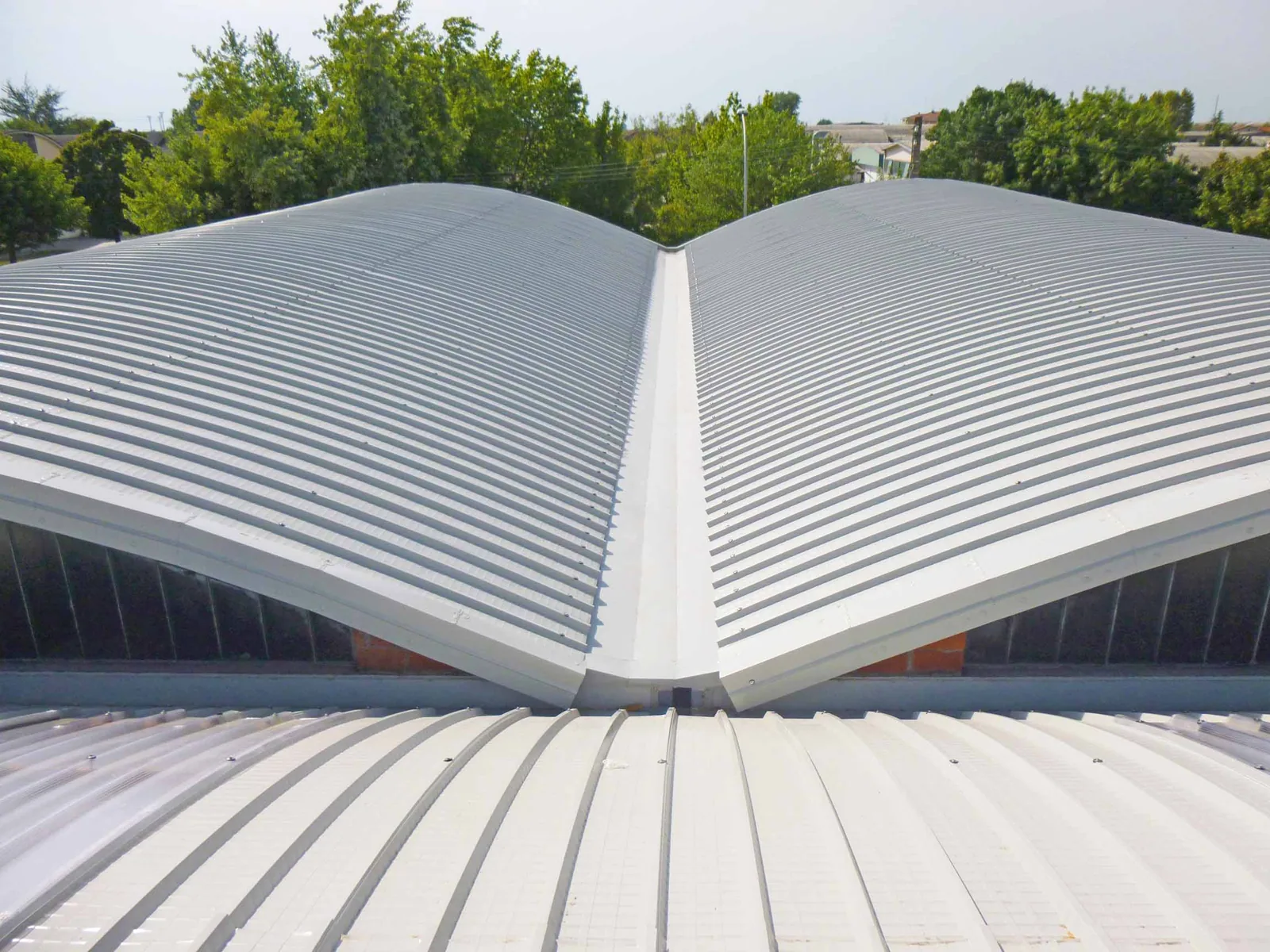
Where does a reflective system fit?
A lighter, reflective surface can reduce solar heat absorbed at the roof surface, while indoor conditions also depend on insulation, air movement, equipment, and building use. We first check whether the existing assembly is dry and stable enough to remain. Open seams, weak flashing, wet insulation, or a soft substrate need a defined repair or removal scope before a new surface is applied. The field record marks sound areas and repair candidates separately so a reflective finish is not used to hide a deeper condition.
The roof slope and outlet layout matter too. Water that remains at low points can affect preparation and cure timing, so we map drainage concerns with the coating or membrane candidate. We also note rooftop units, skylights, curbs, and edge metal that need compatible tie-ins. If the roof contains several assemblies or prior coatings, each area gets its own compatibility review. A roof inspection can document the visible build-up and identify where a sample or test patch would help.
Miami Lakes Business Park sits within a town that plans for commercial and industrial uses as well as neighborhoods, so an occupied property may need delivery windows and tenant access built into the work sequence. Near the North Miami NW 7 Avenue Commercial Corridor, we confirm the actual loading, roof-entry, and customer routes with the site contact instead of inferring them from geography. We ask the site contact about actual staging routes, roof entry, and work hours rather than infer building operations from nearby transport access. Those local settings inform the schedule, while the existing roof condition determines whether a reflective assembly is a candidate.
More on Cool Roof Installation for Commercial Buildings
The sections below cover the questions property teams ask before they approve the work.
Which reflective system belongs in the scope?
A roof coating and a reflective single-ply membrane solve different conditions. Coating work depends on adhesion, dry substrate, compatible repairs, film build, and a complete edge and penetration detail. A new membrane may require tear-off or recover review, insulation decisions, attachment design, and new transitions. We compare the condition record with the proposed assembly and list what must happen before either route can proceed. The owner sees the preparation and detail work alongside the visible finish.
Silicone and acrylic coatings have different surface and water-exposure requirements, while membrane selections vary by assembly, attachment, and manufacturer system. We confirm the substrate, existing layer, slope, and intended use before presenting options. A silicone coating system or TPO membrane may be considered when its compatibility and approval path fit the project. Product selection remains tied to the roof plan, details, and specified assembly rather than a general promise about cooling performance.
Miami Gardens’ commercial planning process covers industrial and mixed-use sites as well as retail and service activity. That means a roofing package may need coordination with separate permit documents or trade work, depending on the property. We provide the assembly description, product information, and field dimensions for the design professional and contractor to review. The project team confirms the requirements that apply to its submittal and installation date.
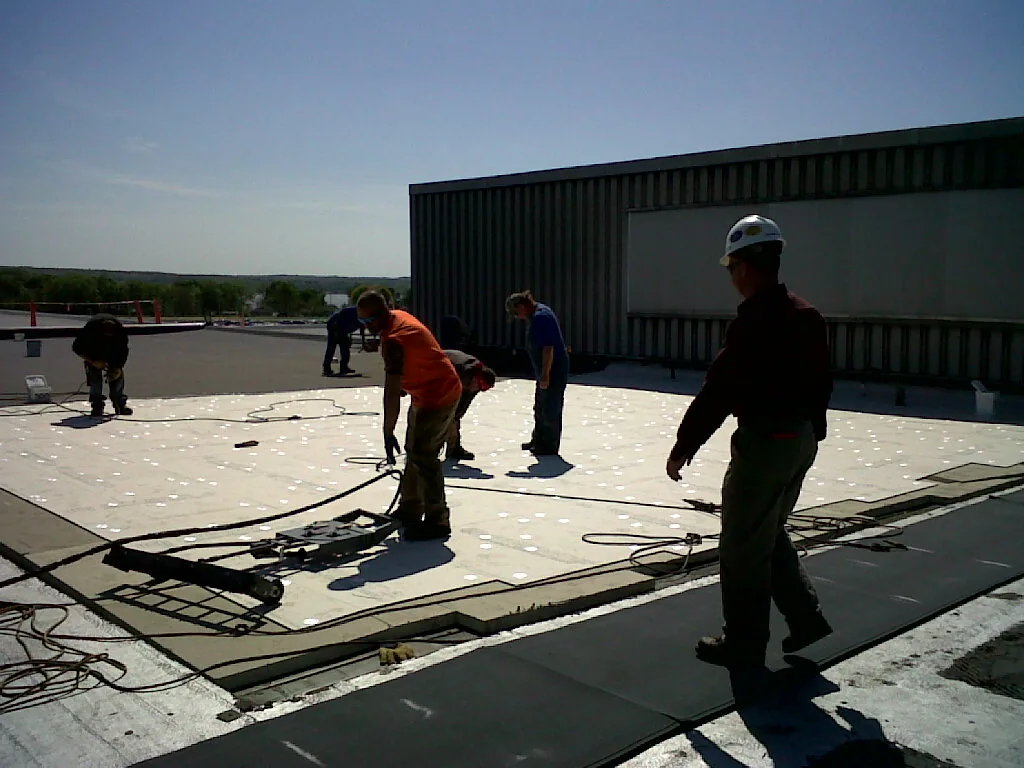
What has to happen before the roof surface is installed?
Preparation begins with removing loose material and cleaning the surface using a method suited to the existing assembly. The crew repairs seams, penetrations, edges, and other details included in the approved package, then allows the roof to reach the condition required by the system. A test patch may help evaluate adhesion where earlier coatings or substrate changes create uncertainty. If moisture or a weak layer is found, we identify the affected area and request a decision on removal or further testing before it is covered.
South Florida’s humid heat supports frequent showers and thunderstorms during the wet season. For installation, we review the short-range forecast, substrate moisture, temperature limits, and product instructions for each work shift. The field lead records the completed area and the protection method if conditions interrupt the sequence. Regional weather context helps set a work window; the crew still checks the roof surface and system requirements at the site.
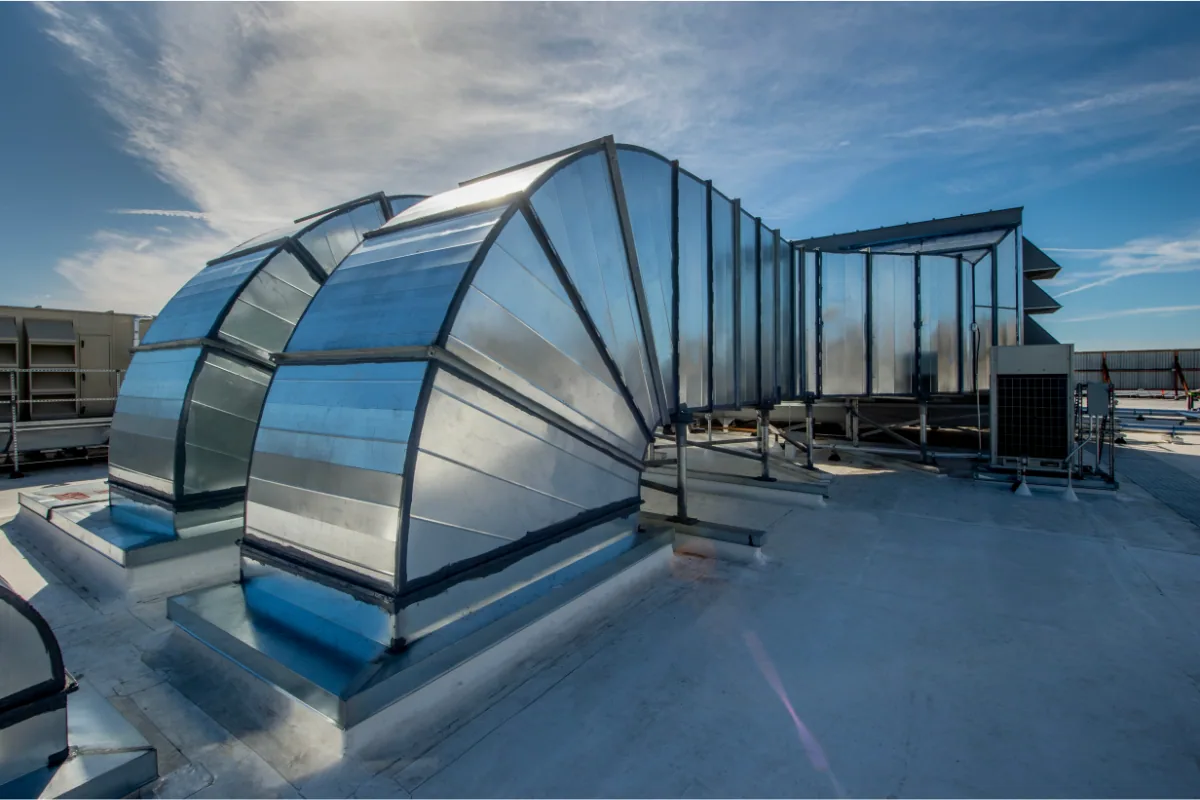
We also plan around equipment service clearances, access routes, and sensitive interior areas. A curb and support review can identify details that must be coordinated before coating or membrane work begins. A drain or scupper check may establish whether an outlet needs service before the finish is applied. The approval package lists those interfaces so the owner can release preparation and installation in a controlled order.
Industries We Work With
Owners and operators in these fields rely on us to plan roof work around their buildings.
Coordinate healthcare roof work in Miami Gardens, FL around patient routes, critical rooms, equipment, infection controls, and documented approval windows.
Coordinate 3PL roof work in Miami Gardens, FL around dispatch cycles, dock access, inventory protection, equipment routes, and phased closeout.
Plan school district roof work in Miami Gardens, FL around student routes, athletic spaces, summer windows, classroom protection, and board approvals.
Coordinate portfolio roof work in Miami Gardens, FL with area records, access windows, repair priorities, and approvals that keep each asset distinct.
Related Roofing Work
Other pages that cover the same roof question.
Roof leaking now? Call 555-555-5555 and we will send a crew to look at it.
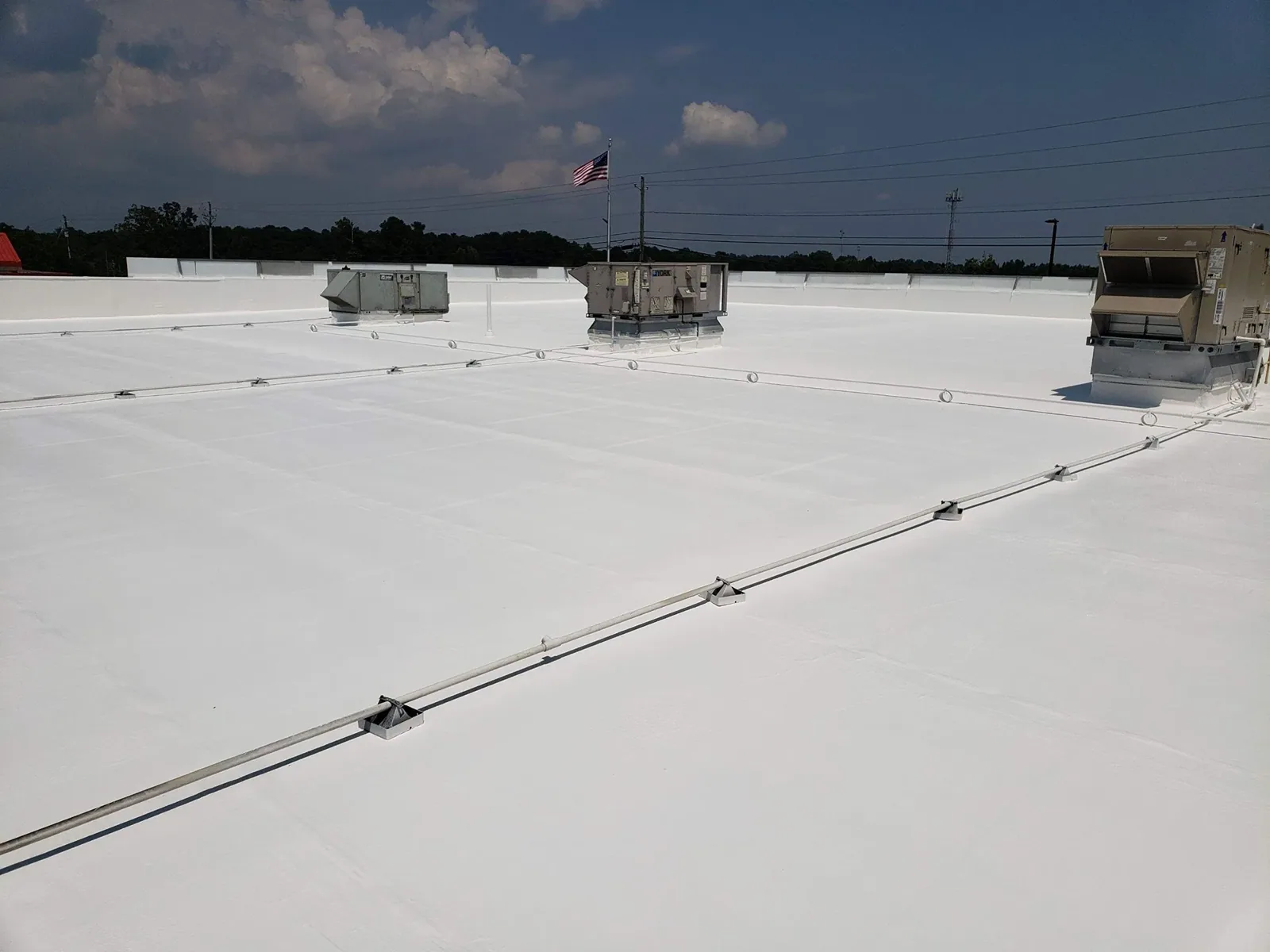
What drives timing and cost?
Roof area is only one part of the work package. Preparation, repairs, number of penetrations, edge length, access, lift needs, surface condition, and the treatment of wet materials can change both labor and schedule. Material compatibility or a required test patch can also affect when the crew is ready to proceed. We separate the base installation from optional repairs and unresolved field conditions, giving the general contractor an approval point before materials are committed.
For a coating, the work sequence can include washing, drying, priming, reinforcement, application, and inspection of film thickness or coverage according to the selected system. For a membrane installation, removal, insulation layout, attachment, seam work, and flashing transitions carry different crew and material needs. If a building must remain occupied, work is split into areas that can be protected at the end of each shift. The site contact receives the sequence and a clear description of any service interruption.
A restoration review can compare coating with other repair candidates, while a replacement scope sets the boundary for a new assembly. The capital plan can place those options in a broader sequence across properties without assigning the same solution to every building.
How do you confirm the finished system?
Closeout records the roof sections completed, materials installed, preparation steps, photographs, and follow-up items. We identify areas that remained outside the approved scope and note any test or inspection that still needs an owner decision. For a coating, the record lists application dates and the conditions checked during the work. For a membrane, it identifies representative seams, flashing transitions, drains, and edges for review before the work area is released.
Miami Gardens’ commercial corridors and North Miami’s NW 7 Avenue corridor each have their own access and delivery patterns, so closeout stays tied to the actual building and roof zone. A condition report can preserve the initial assembly review, installed details, and future inspection points. We coordinate work throughout the Miami Gardens area and invite the general contractor to share roof plans, prior repair records, access windows, and the project schedule for a sequenced field review.
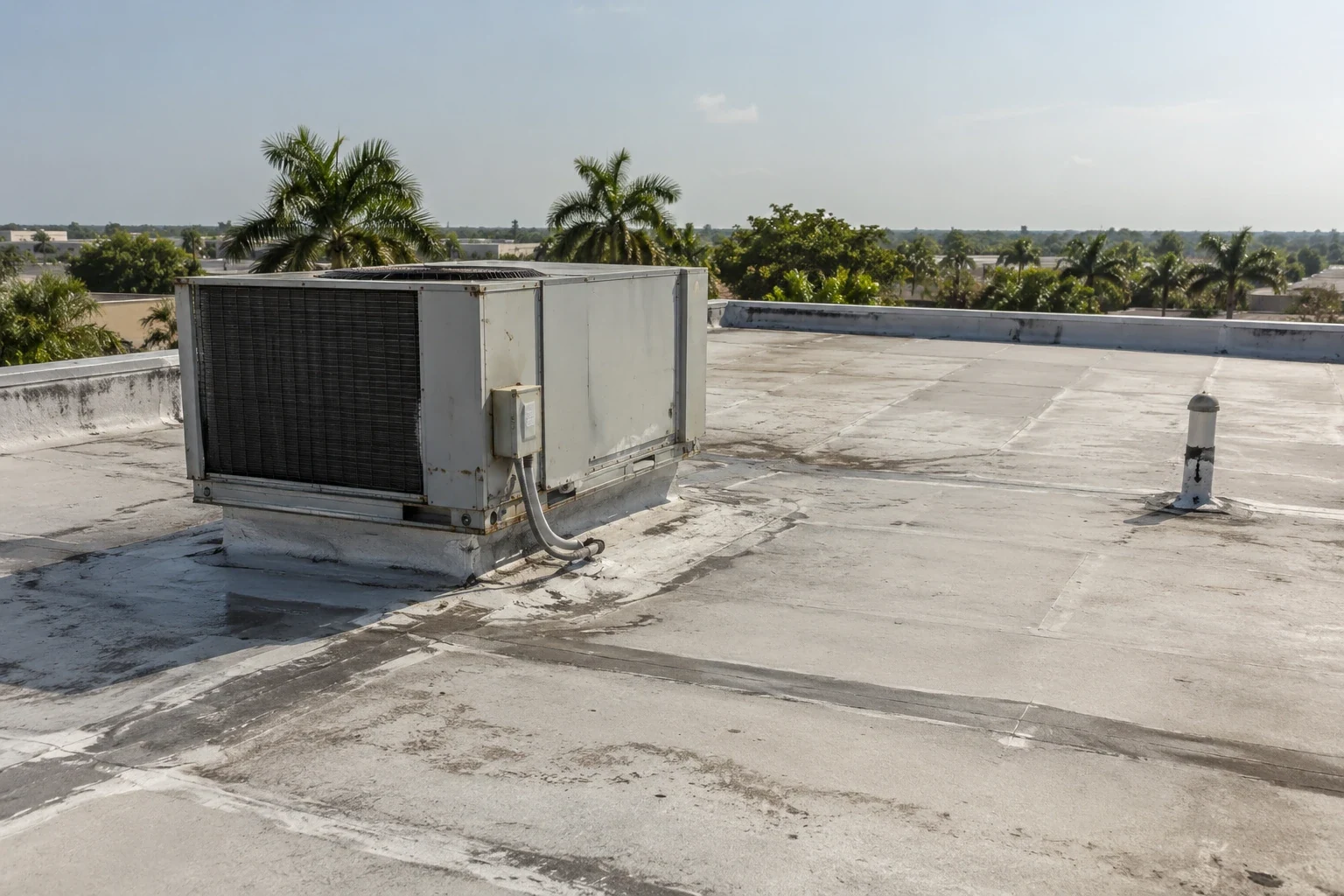
Compare reflective roof options
Send roof plans, prior coating or membrane records, leak notes, access limits, and the project schedule. We will inspect the assembly and prepare a sequenced recommendation with preparation, repair, and installation requirements.
Questions About Cool Roof Installation for Commercial Buildings
Can a reflective roof be installed over the existing surface?
A coating or recover may be suitable when the existing assembly is stable, dry, compatible, and approved for the proposed system. We inspect the roof and identify repairs, testing, or removal needed before selection.
Will a cool roof reduce the building’s cooling costs?
A reflective finish changes solar absorption at the roof surface. Building energy use also depends on insulation, air leakage, equipment, schedules, and other conditions, so savings require project-specific analysis.
How do you schedule coating work in humid weather?
We check the surface condition, forecast, temperature and moisture limits, and product instructions before each shift. Completed sections are recorded and protected if weather changes the planned sequence.
What happens if moisture is found under the membrane?
We map the affected area and separate removal or testing from the reflective installation scope. The owner receives an approval point before the assembly is covered.
Can coating work and equipment upgrades happen together?
They can be coordinated when the equipment contractor, access plan, curb details, and work sequence are defined. We list each trade interface before the roof surface is prepared.