Commercial Roof Drain and Scupper Service in Miami Gardens, FL
Commercial Roofing Services
Trace ponding and drainage problems, inspect drains and scuppers, and plan documented commercial roof corrections in Miami Gardens, FL.
Commercial Roof Drain and Scupper Service Overview
A roof drain can be clear at the time of a visit and still sit within a low area that holds water after a heavy shower. In Miami Gardens, FL, we inspect the path from roof surface to drain, scupper, leader, and discharge point, then document the condition that interrupts it. The work starts with safe access and a roof-area map so the owner can distinguish an isolated blockage from a slope, flashing, or downstream problem. We report what is visible and identify where testing or access is needed before a permanent correction is priced.
How do you determine where water is being held?
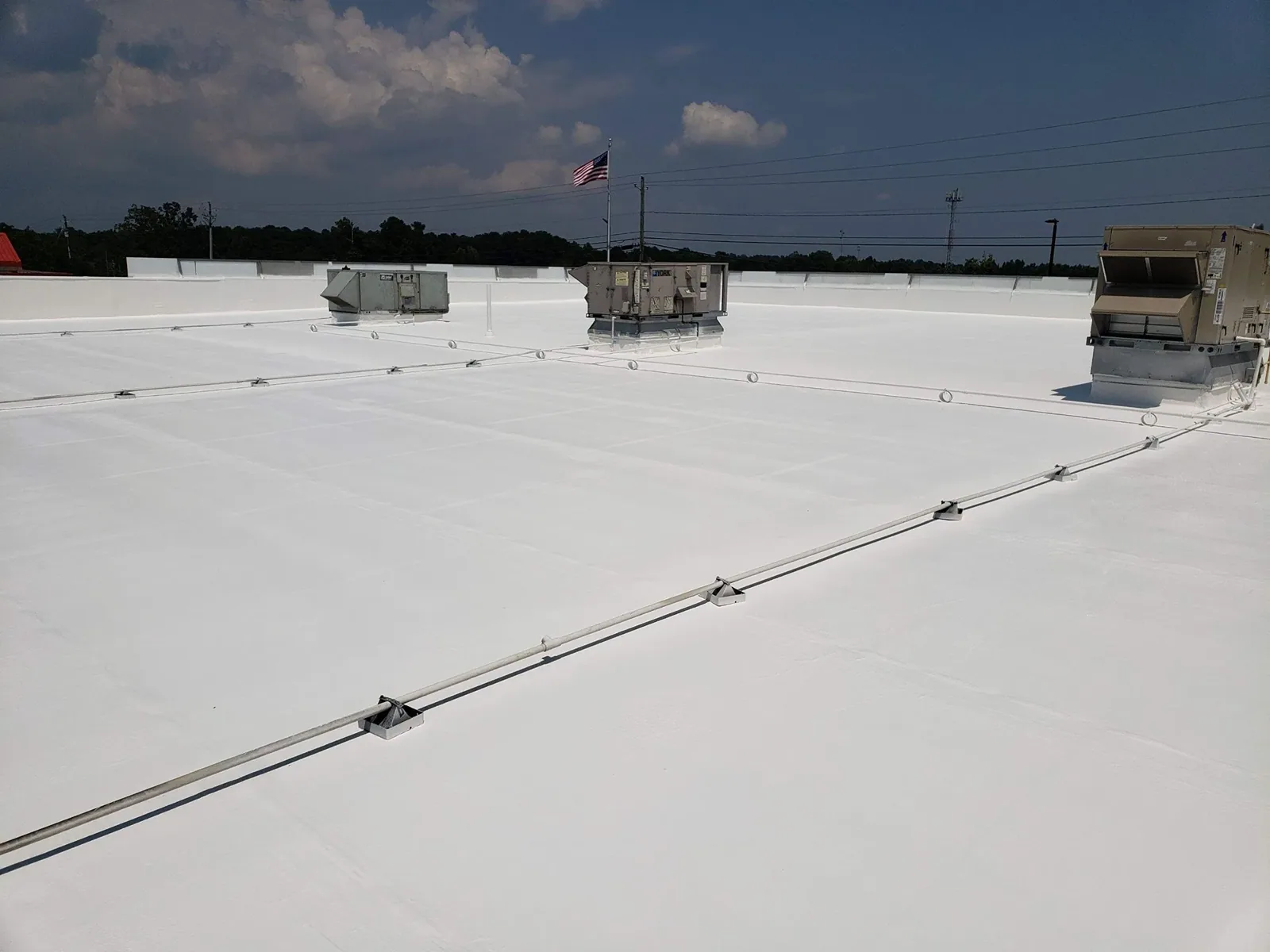
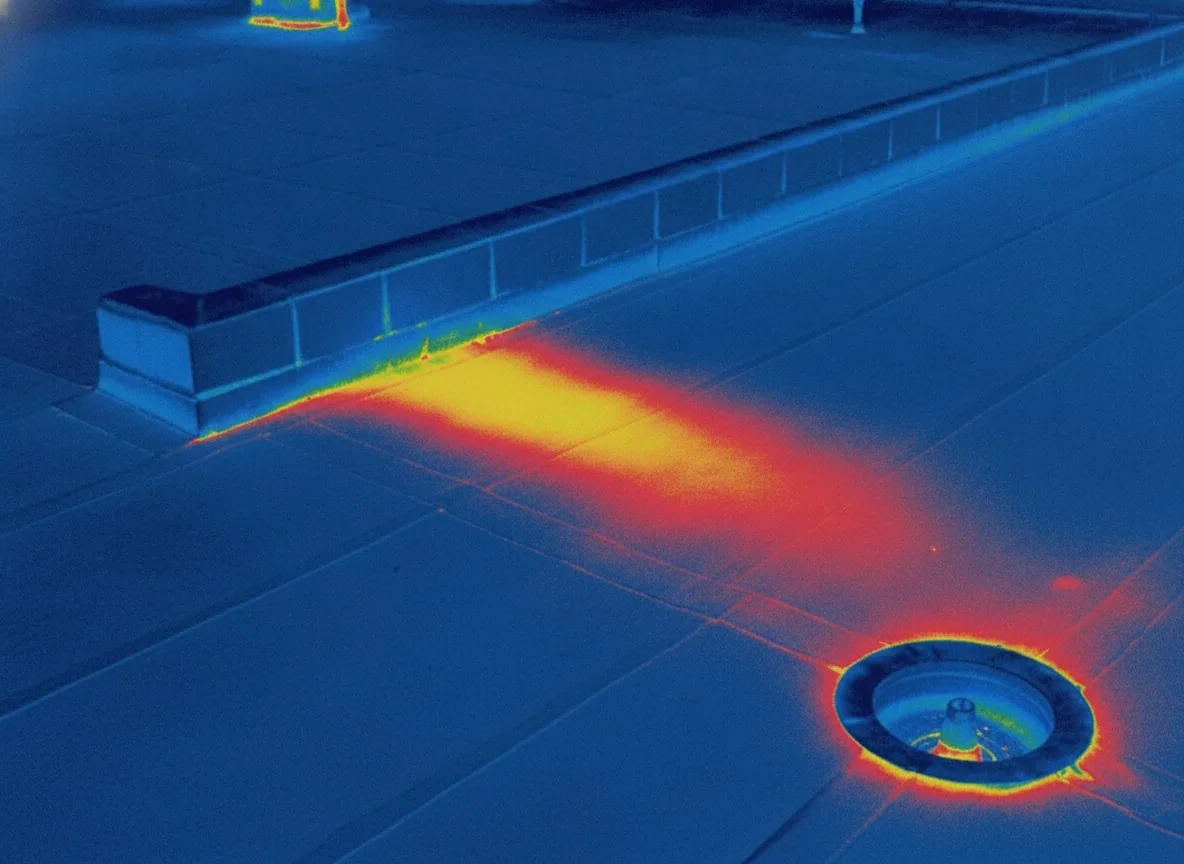
We first mark the ponded area, estimate its boundary, and compare that boundary with the roof plan, drain locations, seams, penetrations, and known low points. Photos show the broader field and the outlet. We record the visit time and owner-provided weather context. A puddle alone does not prove a drain defect; low areas, deck deflection, blocked strainers, damaged bowls, or downstream restrictions can look similar.
Our technician checks the strainer or dome, drain bowl, visible clamping ring, surrounding membrane, sealant condition, and signs of movement or prior patching. At a scupper, we inspect the opening, lining, transition through the wall, exterior discharge, and any evidence that water is backing up. We also note whether the outlet is accessible, protected by a screen, or affected by debris. Where a concealed connection or interior leader cannot be seen, the report names that limit instead of treating an unseen section as confirmed serviceable.
Pembroke Park lies between Hallandale Beach and Miramar, extending from Pembroke Road toward the Miami-Dade line along I-95. A drain inspection near that county edge still begins with the property’s actual outlet map and access rules. We verify the site address with the manager, record the discharge point, and plan below-roof controls when a scupper opens above a delivery lane or walkway.
More on Commercial Roof Drain and Scupper Service
The sections below cover the questions property teams ask before they approve the work.
What happens during drain and scupper service?
Once the owner approves the work package, the crew protects the work area, removes loose debris that can be safely reached, and checks the outlet components against the approved scope. We identify material removed, components reset or replaced, and any condition that prevents a complete correction. A drain bowl that has separated from the membrane may require a detail repair around the flange; an outlet that is intact but receives water poorly may point to slope or deck conditions beyond simple cleaning. These paths are kept separate in the field record so a maintenance task does not conceal a larger assembly issue.
For scuppers, work may include clearing the opening, repairing a failed transition, or replacing damaged metal where the surrounding assembly allows. The correct detail depends on the roof system and wall condition. We confirm material compatibility, dimensions, attachment, and the expected water path before closing the detail. If deterioration extends into concealed construction, we stop at the agreed boundary, photograph the opening, and request direction before expanding the work. A leak investigation can follow water migration beyond the outlet itself.
Cleaning does not correct a low roof plane, an undersized outlet, or a disconnected leader. Where the observed geometry limits drainage, we document the low area and present a separate evaluation for slope, tapered insulation, deck movement, or outlet capacity. Those recommendations may require a designer or plumbing contractor depending on the connection involved. We do not promise a dry roof based on one drain visit, because rainfall intensity, debris, downstream piping, and roof geometry all affect performance.
How do you confirm the repair is useful?
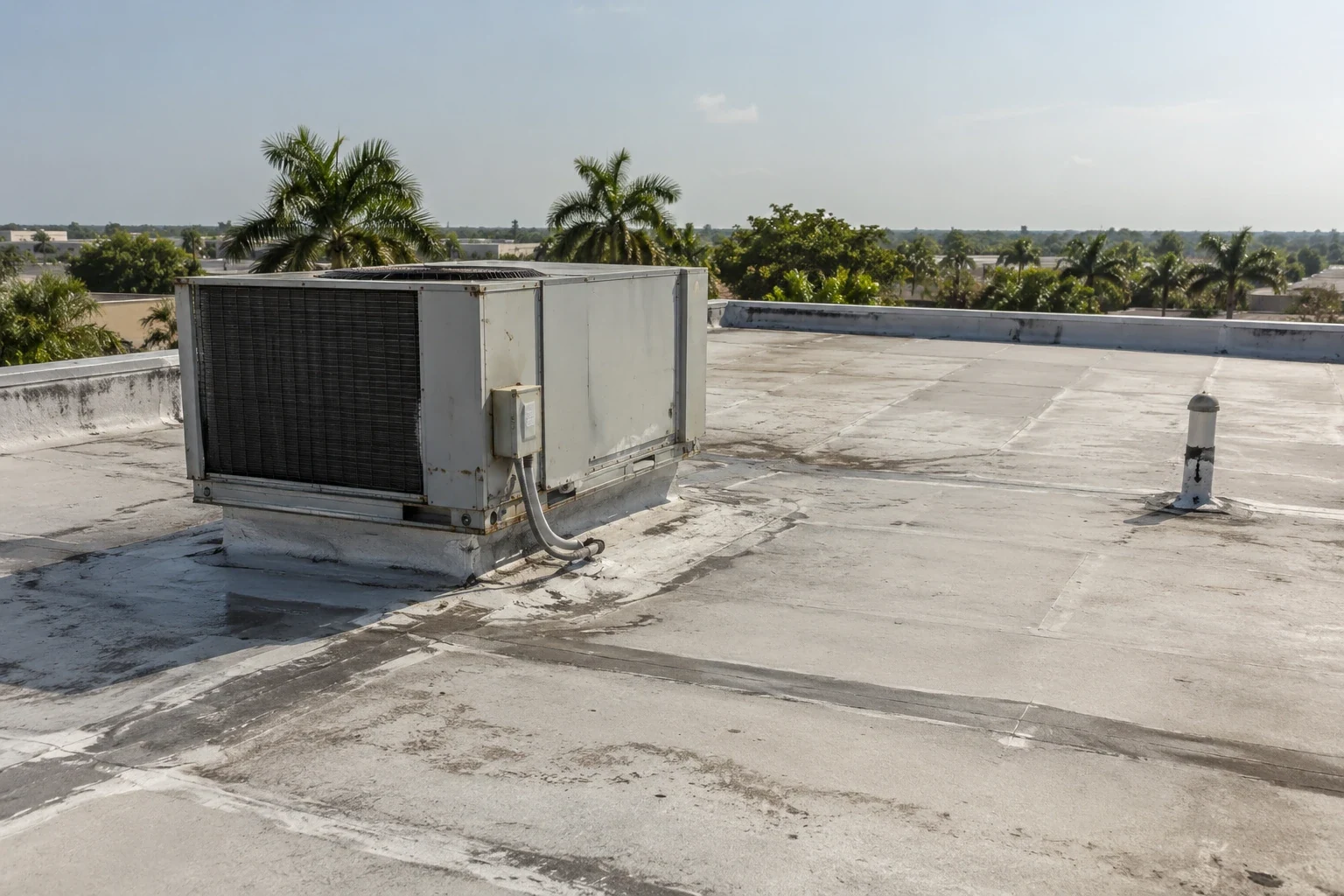
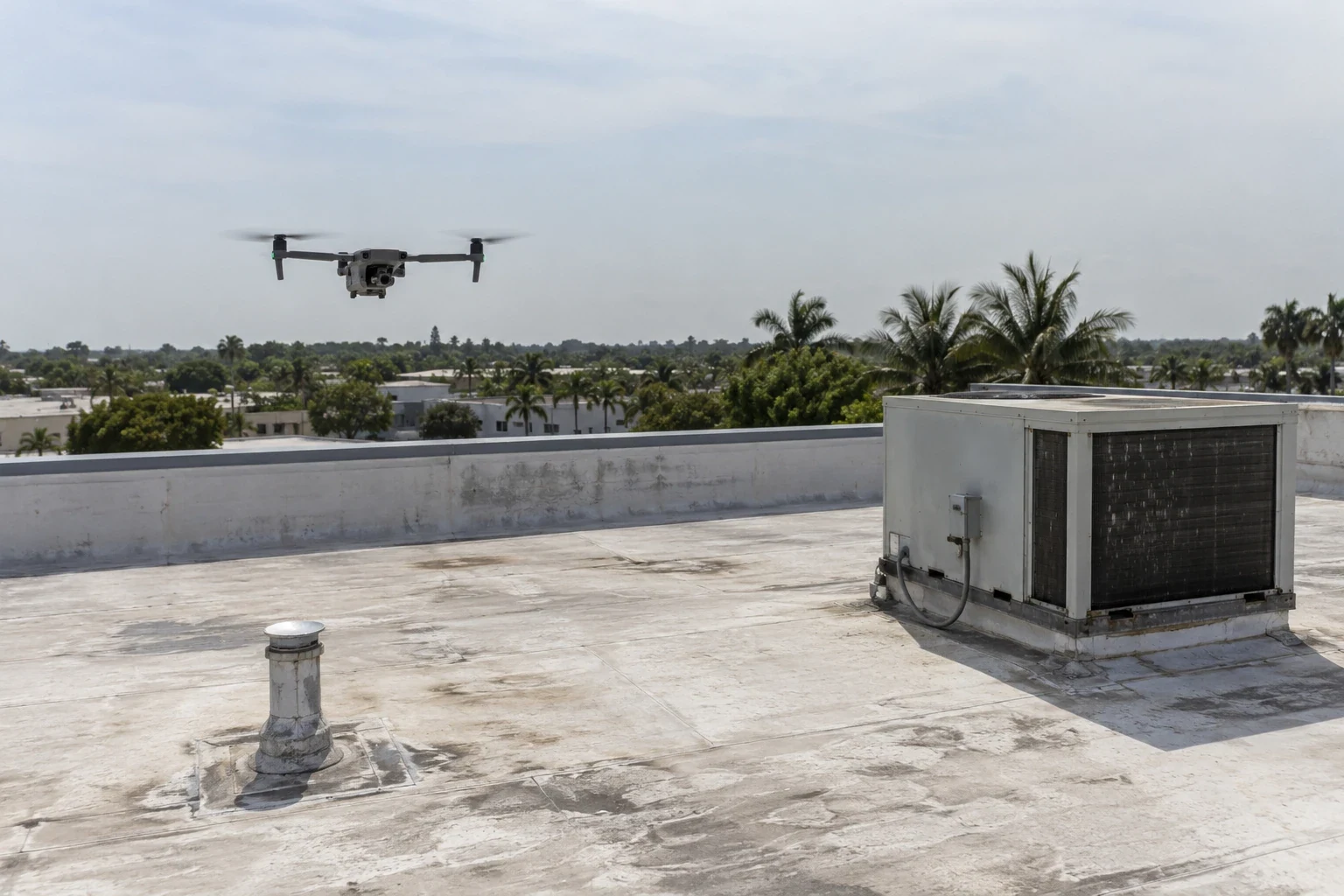
Closeout records identify the drain or scupper by roof zone, list the completed work, and include photographs of the outlet and surrounding field. If a component was opened, the report notes what was exposed and what remained concealed. Where the approved scope includes a controlled water test, the crew records the test method, area, and observed result. Testing requires authorization and a safe assembly. A roof inspection can add a broader condition record when the same building has unrelated defects.
We review nearby seams, penetrations, and edges because a leak may occur before water reaches the outlet. A working drain can sit beside a leaking curb, while ponding may occur without an interior leak. The report identifies the observed condition and labels each roof section separately.
The service record identifies who may reset a strainer, where cleared material is placed, and which outlets need a follow-up check after rainfall. If an outlet backs up again, the next visit compares the same roof-zone photographs and asks whether the obstruction returned or water was arriving from a different area. A maintenance visit can track that pattern and keep cleaning tasks separate from geometry or connection repairs.
Industries We Work With
Owners and operators in these fields rely on us to plan roof work around their buildings.
Coordinate healthcare roof work in Miami Gardens, FL around patient routes, critical rooms, equipment, infection controls, and documented approval windows.
Coordinate 3PL roof work in Miami Gardens, FL around dispatch cycles, dock access, inventory protection, equipment routes, and phased closeout.
Plan school district roof work in Miami Gardens, FL around student routes, athletic spaces, summer windows, classroom protection, and board approvals.
Coordinate portfolio roof work in Miami Gardens, FL with area records, access windows, repair priorities, and approvals that keep each asset distinct.
Related Roofing Work
Other pages that cover the same roof question.
Roof leaking now? Call 555-555-5555 and we will send a crew to look at it.
How do access and facility operations affect the work?
Drain access often crosses occupied roof areas, equipment routes, and tenant-controlled space. Before dispatch, we confirm roof access, escort rules, restricted hours, and any need to protect interior areas. The property manager identifies active leaks and sensitive inventory so we can agree on a safe sequence. If a scupper discharge opens onto a pedestrian or loading area, the crew coordinates below-roof access and temporary controls with the site representative.
For owners managing several buildings, we maintain separate roof maps, contact lists, photographs, and outlet histories. The site representative confirms working hours and pedestrian controls for each visit. A drain detail at one property should not be applied to another without checking the assembly and discharge path first.
We coordinate service across the Miami Gardens area and set each visit around the building’s operating plan. When severe weather is forecast, temporary protection and permanent work may require different mobilizations. Our emergency response addresses urgent exposure, while drain corrections are scheduled as a controlled scope when conditions permit. The owner receives a written division between immediate measures and follow-up work.
What should the property team track between visits?
Maintain an outlet register with roof zone, outlet type, service date, debris, repairs, and open downstream questions. After storms, note where water remains and for how long; interior reports should include the area and time noticed. These details make the next visit more useful than a general “drain problem” entry.
When a drain has repeated blockages, document the material found and whether it appeared to originate from nearby equipment, trees, construction, or roof surfacing. Do not push debris into an outlet to make the surface look clear; it may move the obstruction into a concealed line. If the outlet is not safe to reach, record the access constraint and request a qualified visit. A condition report can preserve these recurring observations by date and location.
At closeout, we provide the work record, photographs, open items, and recommended follow-up. Portfolios can retain this with roof asset records so drainage repairs can be compared by building and assembly. A separate coating evaluation may be appropriate when surface deterioration affects flow, but coating is not a substitute for correcting outlet geometry or a failed drain connection.
Request a roof drainage inspection
Share the building location, known low areas, prior drain work, access requirements, and active interior concerns. We will confirm the scope and document findings, repair options, and unresolved testing limits.
Questions About Commercial Roof Drain and Scupper Service
Will clearing debris restore drainage?
No. Debris removal addresses maintenance only. Slope, deck deflection, outlet capacity, piping, and low areas also affect drainage.
Can you test a drain during the visit?
A controlled test may be included when authorized and safe. We record the method and result, but avoid testing that could introduce water or hide an unresolved defect.
What is the difference between a roof drain and a scupper?
A roof drain passes through the assembly to a drainage connection; a scupper opens through a wall or edge to discharge water outward. Each has its own transition and outlet path.
Will you repair the interior plumbing connected to a drain?
We service roofing components in the approved scope. Concealed leaders or plumbing beyond the visible connection may need a qualified plumbing contractor, and we note that boundary.
What information should we provide before scheduling?
Share a roof plan, ponding locations, prior repairs, interior leak notes, access rules, and operating hours so we can plan a safe visit and label findings correctly.