
Commercial Roof Coating Restoration in Miami Gardens, FL
Commercial Roofing Services
Assess commercial roof coating restoration in Miami Gardens, FL with substrate checks, drainage review, detail repairs, and a documented system proposal.
Commercial Roof Coating Restoration Overview
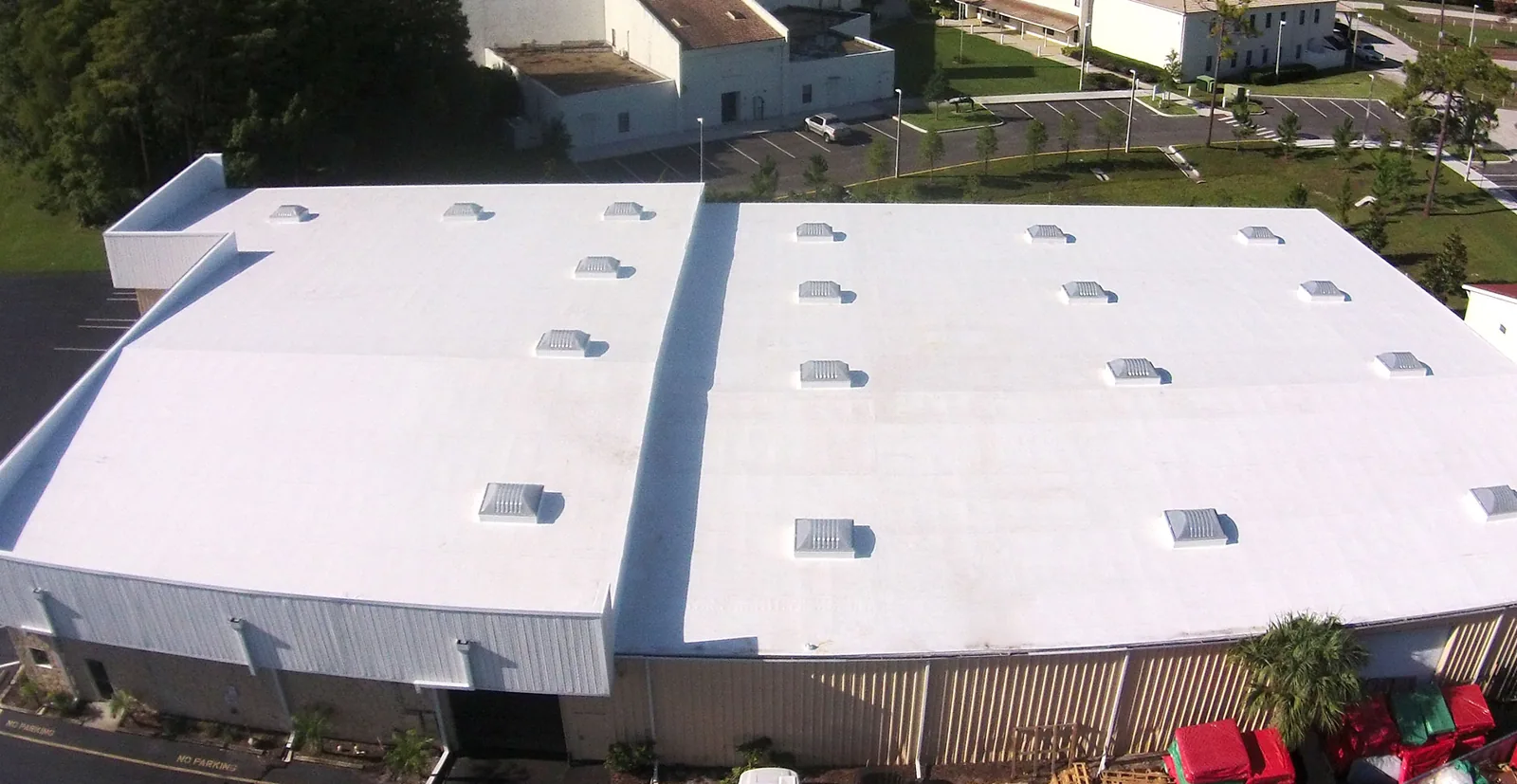
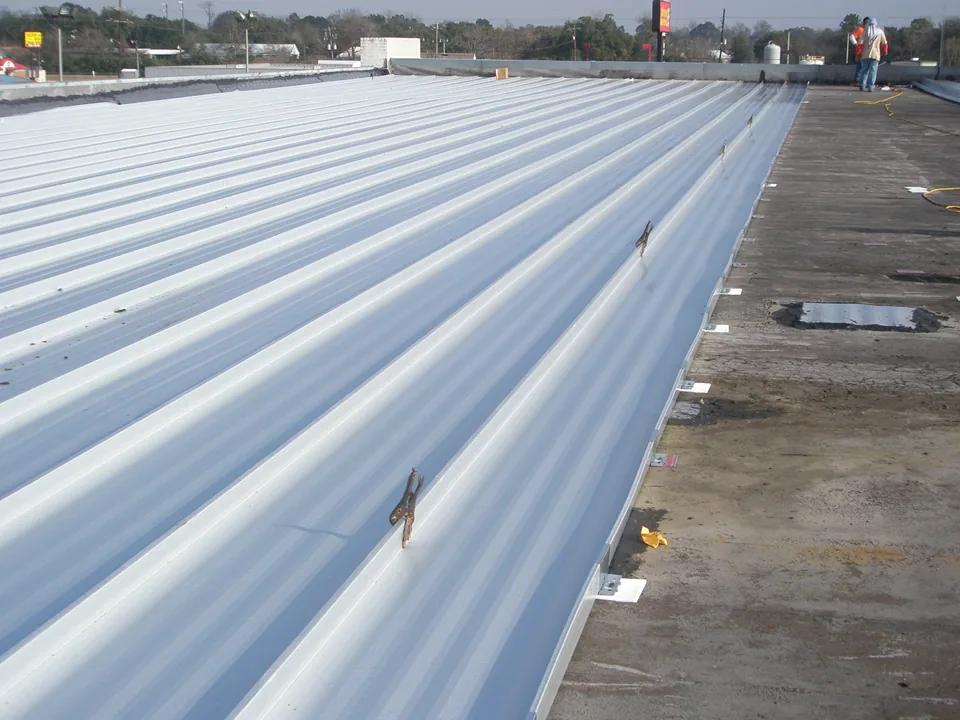
A coating proposal begins with the roof surface that would carry the new layer. In Miami Gardens, FL, we inspect membrane condition, seams, flashings, drainage, and prior repairs before deciding whether restoration is a candidate. A coating can renew a sound, prepared roof, but it cannot correct wet insulation, a weak deck, or open details by itself. The work package identifies which areas need repair, preparation, or removal before a system is considered.
What must the existing roof support?
We check whether the membrane or metal surface is stable, cleanable, and compatible with a coating. Open seams, loose flashing, trapped moisture, and failed fasteners require correction before the field surface receives a new layer. We also inspect the edge terminations, penetrations, drains, and transitions where movement or standing water can undermine adhesion. A roof-area record shows which conditions are confirmed and which require sampling or a test patch.
Miami Gardens’ planning office reviews commercial, industrial, and mixed-use projects, so restoration may be one part of a broader site package. We coordinate with the general contractor on access, rooftop equipment, and other trades. A building near the Palmetto furniture corridor may have different staging needs from one on the U.S. 441 automobile-trade corridor, while the coating decision still comes from the actual roof surface.
Our hands-on roof inspection documents the assembly and details before the proposal is prepared. If moisture is suspected, an infrared survey can help select confirmation points, with core cuts used where the material condition must be established. We state which areas are eligible for a coating candidate and which need a different work package.
More on Commercial Roof Coating Restoration
The sections below cover the questions property teams ask before they approve the work.
Which coating chemistry fits the roof?
Silicone and acrylic coatings differ in how they handle water exposure, surface preparation, and recoat requirements. We review the substrate, roof slope, drainage, temperature conditions, and compatibility before proposing either system. A silicone coating may suit some roofs that experience recurring water exposure, while an acrylic system may fit another set of conditions. The proposal identifies primer, reinforcement, film build, and detail work for the selected assembly.
Miami-Dade and Broward counties fall within the High Velocity Hurricane Zone definition in county code. When a coating project changes the roof assembly or perimeter details, the design professional and permit reviewer determine which product approvals and wind requirements apply. We provide system information and installation details for that coordination. A coating label alone does not establish compliance for a particular roof.
Restoration also affects roof height, drain bowls, curbs, and transitions to untreated surfaces. We check these interfaces and identify any metal or flashing work needed before the coating crew starts. If the existing surface is not a recover candidate, we can compare a recover assessment or a replacement scope with coating restoration, using the same condition record.
How is the surface prepared?
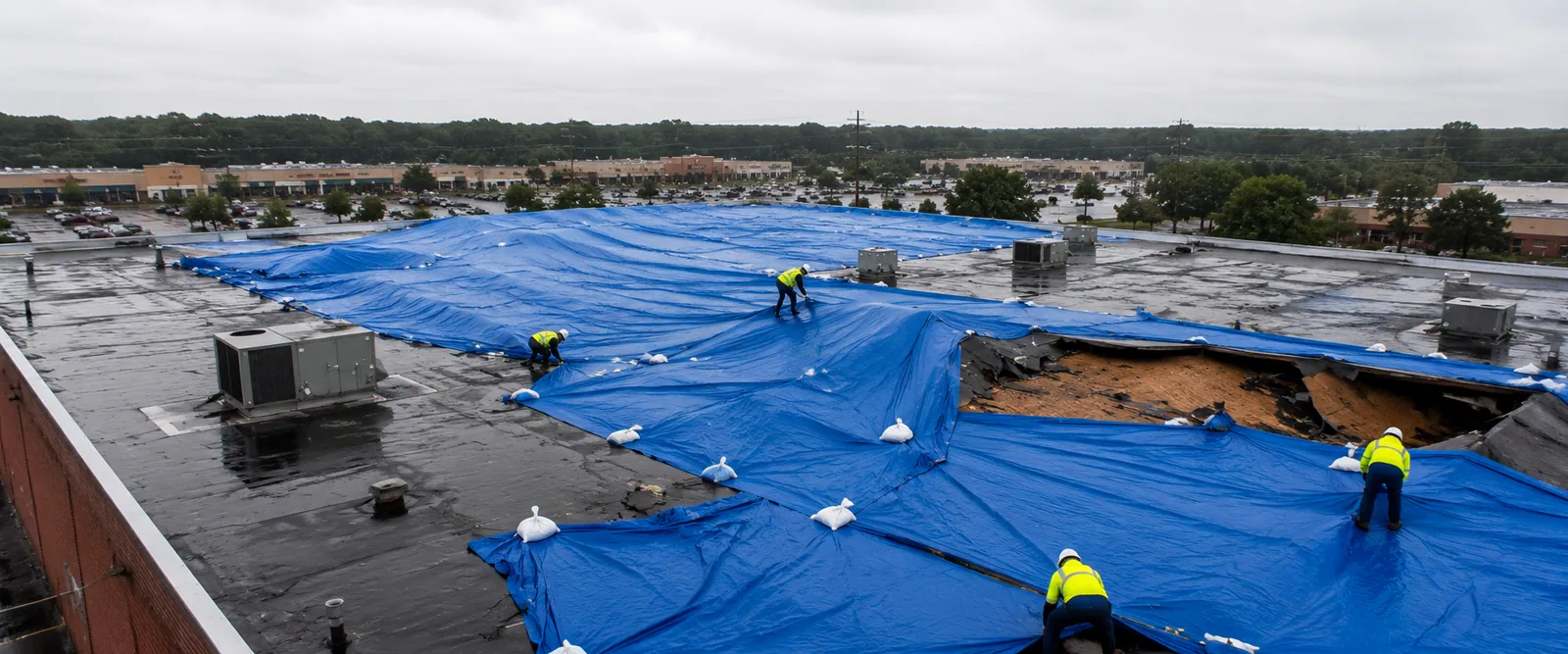
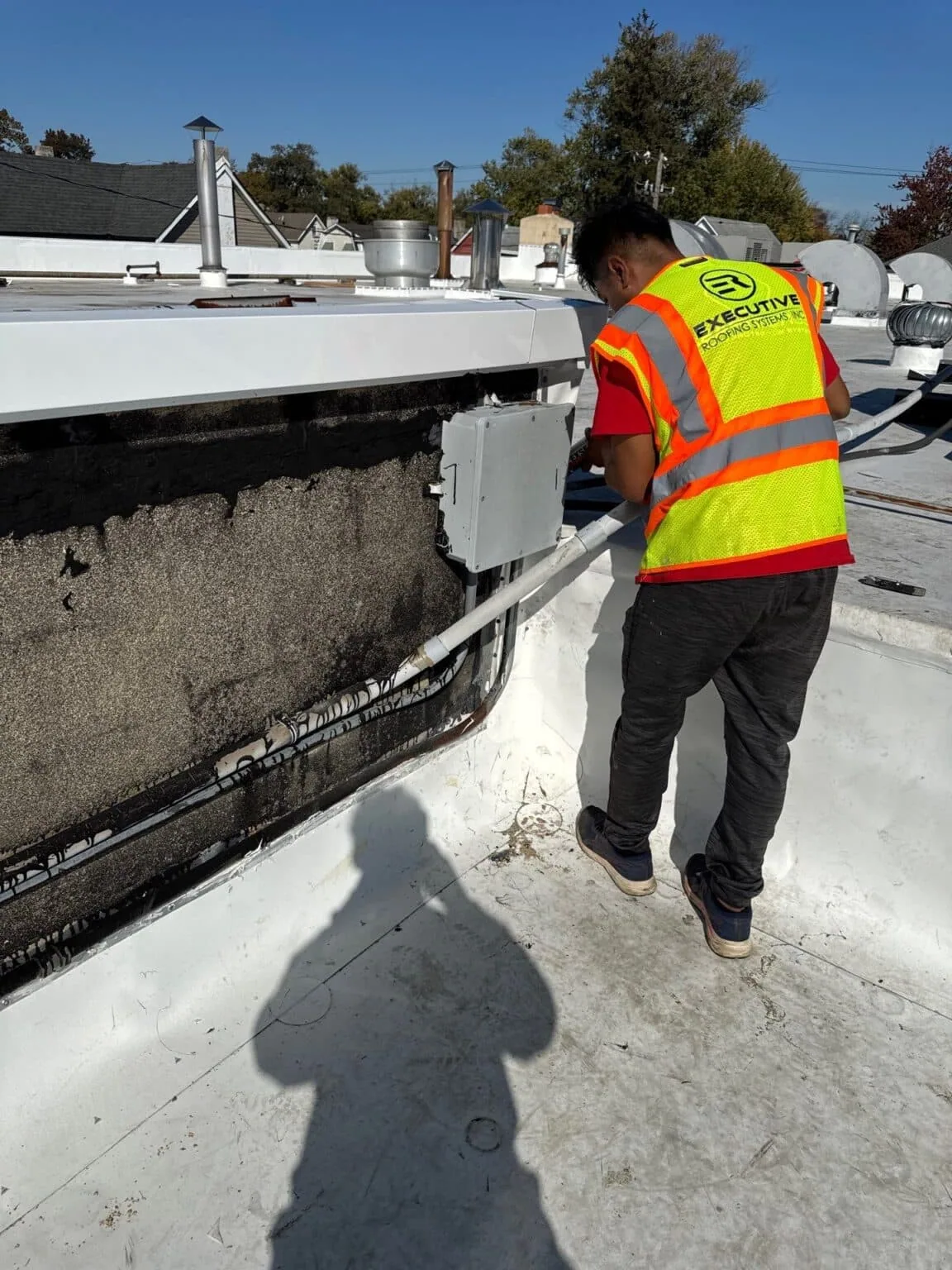
Preparation starts by removing debris, loose coating, and material that cannot support the new system. We clean the surface using a method suited to the assembly, then allow it to dry before applying primer or coating. Seams, penetrations, flashings, and fasteners receive compatible repairs and reinforcement details. A field test can help verify adhesion where the existing surface or past coating history creates uncertainty.
Application planning accounts for substrate temperature, humidity, surface moisture, dew point, and rain exposure. We review the manufacturer’s requirements and forecast for each shift; the specified cure conditions govern when work can proceed. If conditions change, the foreman records the completed section and protects it according to the system instructions. A regional seasonal pattern can assist budgeting, but it cannot confirm a dry substrate at the job site.
Opa-locka’s community mix includes residential and commercial uses alongside retail and recreation. A contractor coordinating work there and in Miami Gardens needs separate access routes and closure plans for each property. We record the actual staging constraint, then sequence surface preparation around deliveries, tenant movement, and other roof work. A work plan for an occupied building can keep those limits visible to the site team.
Industries We Work With
Owners and operators in these fields rely on us to plan roof work around their buildings.
Coordinate healthcare roof work in Miami Gardens, FL around patient routes, critical rooms, equipment, infection controls, and documented approval windows.
Coordinate 3PL roof work in Miami Gardens, FL around dispatch cycles, dock access, inventory protection, equipment routes, and phased closeout.
Plan school district roof work in Miami Gardens, FL around student routes, athletic spaces, summer windows, classroom protection, and board approvals.
Coordinate portfolio roof work in Miami Gardens, FL with area records, access windows, repair priorities, and approvals that keep each asset distinct.
Related Roofing Work
Other pages that cover the same roof question.
Roof leaking now? Call 555-555-5555 and we will send a crew to look at it.
When is a coating the wrong scope?
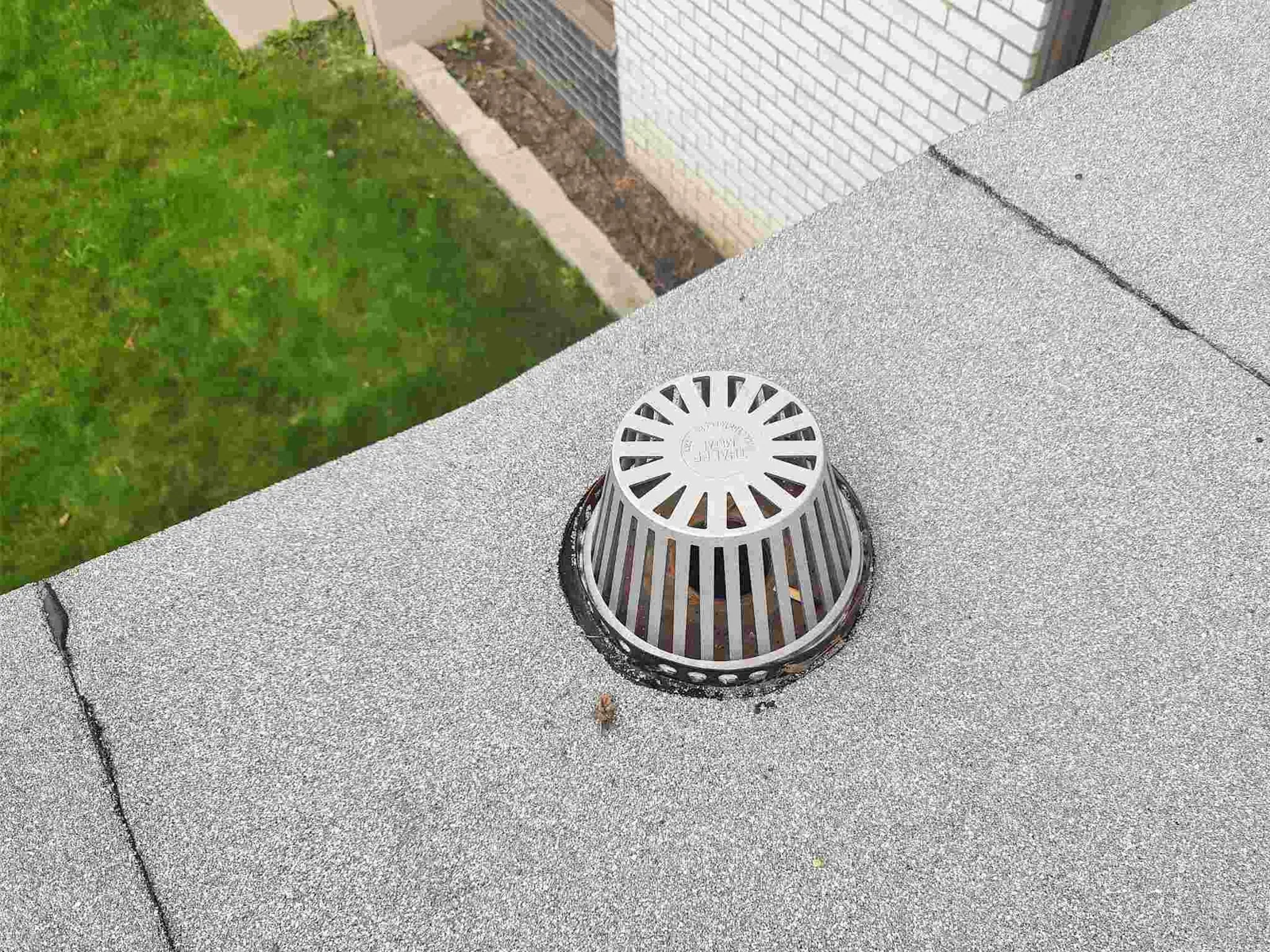
Widespread wet insulation, deteriorated decking, recurring leaks beneath the membrane, or unstable seams can make a coating an unsuitable repair. A coating covers a prepared surface; it does not remove trapped water or rebuild a weak substrate. We map those findings and set a replacement boundary where materials must come off. If only a few defects are present and the surrounding assembly is stable, targeted repairs may be completed before restoration.
Cost and schedule move with cleaning, preparation, primer, reinforcement, detail count, access, and the extent of repairs needed first. We separate those tasks so the owner can see what the coating package includes. A condition report can pair photos with the repair list and the proposed restoration areas. That record supports an approval point before the coating materials are ordered.
Miami Lakes integrates residential, commercial, industrial, and mixed uses and has dedicated business parks. For a property group with a second site there, we compare each roof independently rather than assume the same coating fits both. The inspection history, roof area, and drainage determine the next step. Where moisture remains uncertain, a core sample is completed before retention or coating is approved.
What does the restoration record contain?
The completed record identifies cleaned and repaired areas, coating system components, application limits, photos, and remaining follow-up items. We note transitions, drains, penetrations, and edge details that require periodic review. The property team can use those records to plan future inspections and compare the restored area with untreated sections.
After application, we inspect coverage and detail work according to the system requirements. If a repair remains open or rain interrupted the sequence, the report identifies the area and the next step. Scheduled maintenance checks can review adhesion, drainage, and exposed details over time. The record keeps maintenance separate from any new repair or capital scope. We note the application date and areas completed, giving the project team a clear starting point for later condition comparisons and any recoat review. The owner can compare later changes against this baseline.
For a commercial roof in Miami Gardens, we inspect the substrate and details before recommending coating restoration. Send roof plans, prior coating records, leak notes, equipment locations, and the access schedule. We will inspect the surface, verify suspect moisture, and prepare a repair and preparation plan before recommending restoration, recover, or removal.
Check the roof before restoration
Share roof plans, prior coating records, leak history, access rules, and equipment locations. We will inspect the substrate and details, verify moisture concerns, and prepare a restoration or replacement comparison.
Questions About Commercial Roof Coating Restoration
Can a coating go over any existing commercial roof?
No. The substrate must be sound, dry enough for the system, and compatible with the proposed coating. We inspect seams, flashings, moisture, attachment, and drainage before defining eligible areas.
Will coating stop an existing leak?
It can correct some surface-level defects after preparation, but an active leak must be traced and repaired at its actual entry detail. We document the water path and separate immediate repair from the restoration proposal.
How do you choose silicone versus acrylic?
The roof surface, drainage, water exposure, project requirements, and manufacturer application instructions guide the selection. We compare compatible systems and identify the preparation and detail work each requires.
Does a coating require maintenance afterward?
The restored surface and its details should be checked periodically for drainage, adhesion, penetrations, and edge conditions. We record follow-up items so later visits can track the same areas.
What should be repaired before coating begins?
Open seams, failed flashing, loose fasteners, damaged edges, and wet materials need evaluation first. We mark the repair areas and obtain approval before applying a coating over the prepared roof.