Roofing Capabilities in Miami Gardens, FL
South Florida Commercial Roofing
Review commercial roof surveys and planning for Miami Gardens facilities. Organize observations, priorities, and next steps around documented conditions.
All Roofing Capabilities
Roof-planning capabilities turn scattered observations into information a property team can review. Survey notes, marked plans, photographs, and repair history may help with acquisition, budgeting, or portfolio decisions, provided the record distinguishes observed conditions from assumptions. For business planning, keep the work type and the limits of each roof record visible whenever a report informs an acquisition, budget, or portfolio decision.
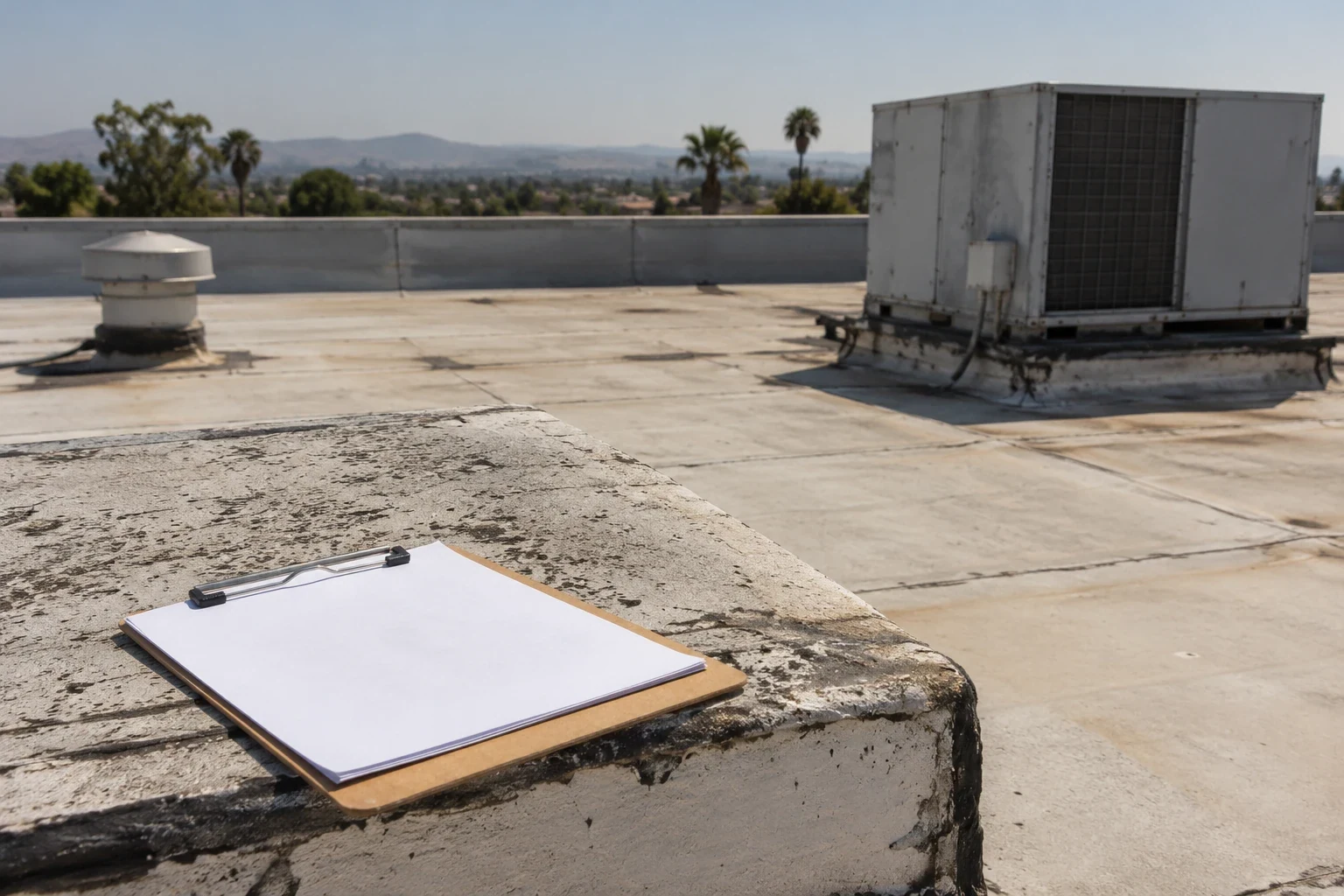
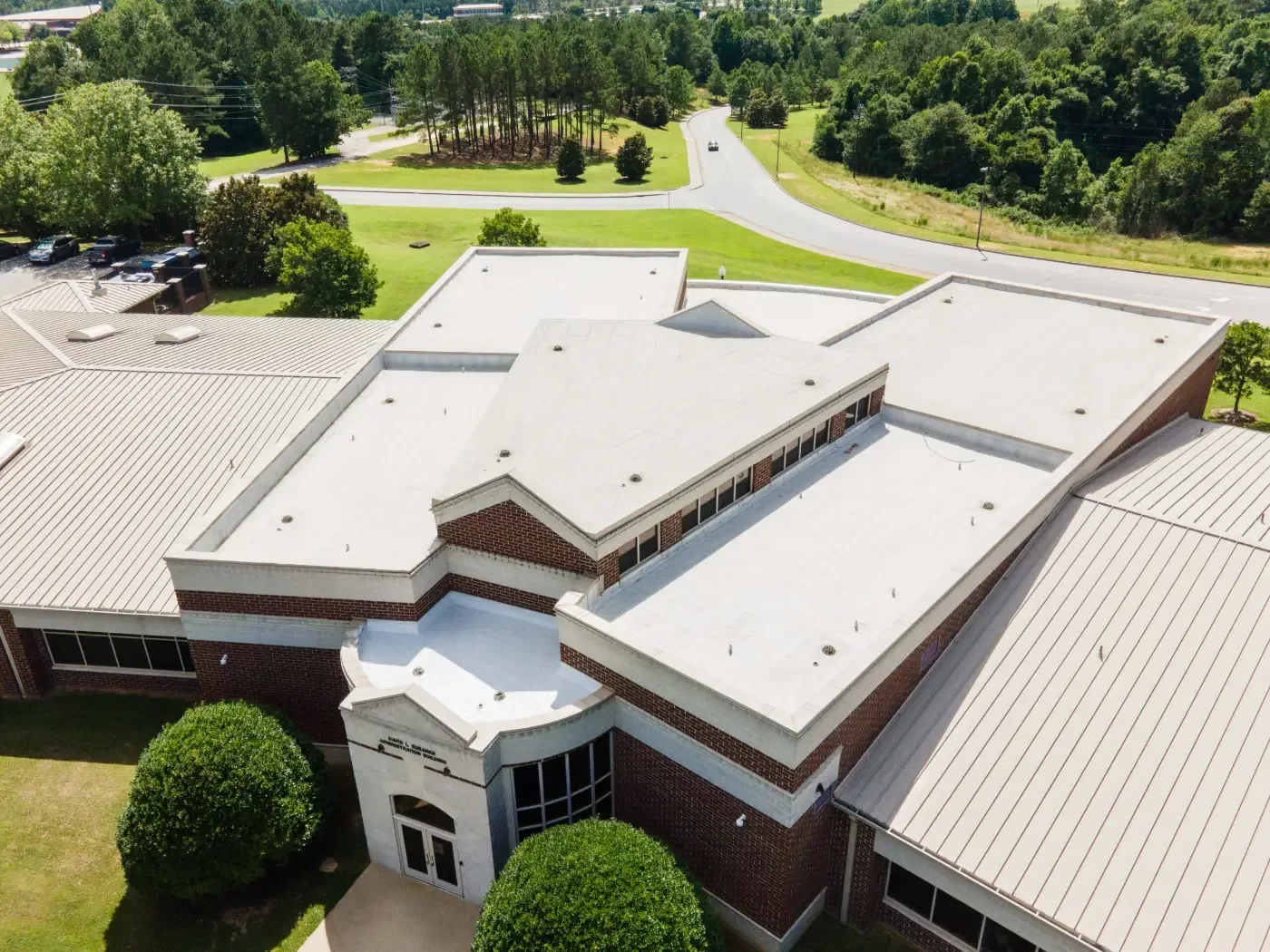
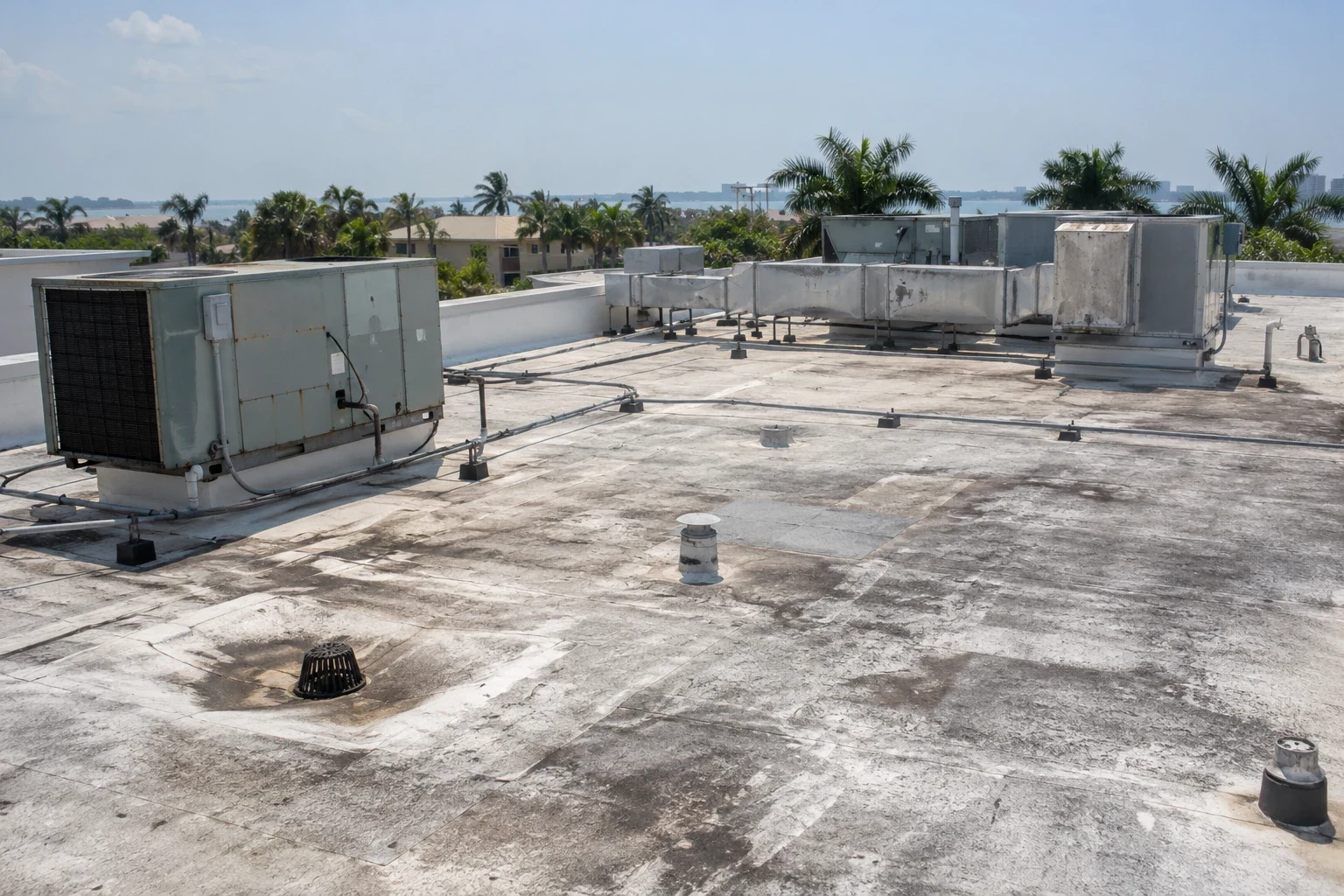
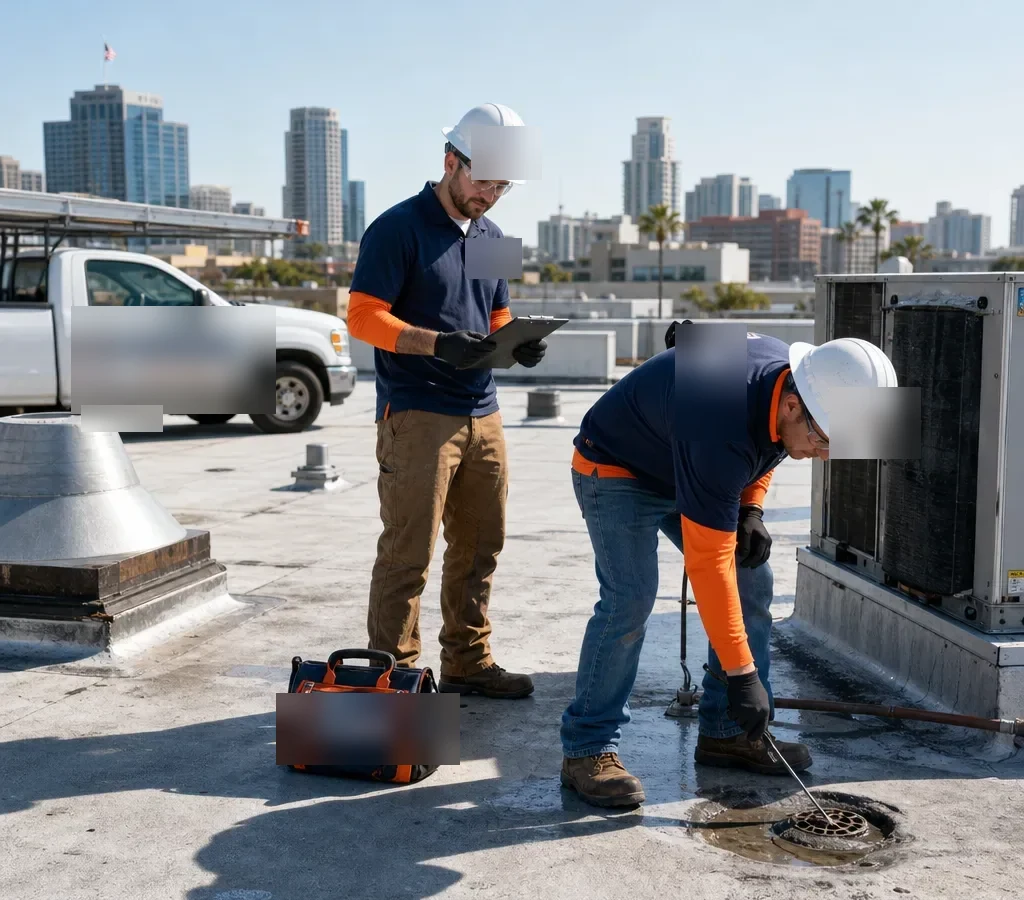
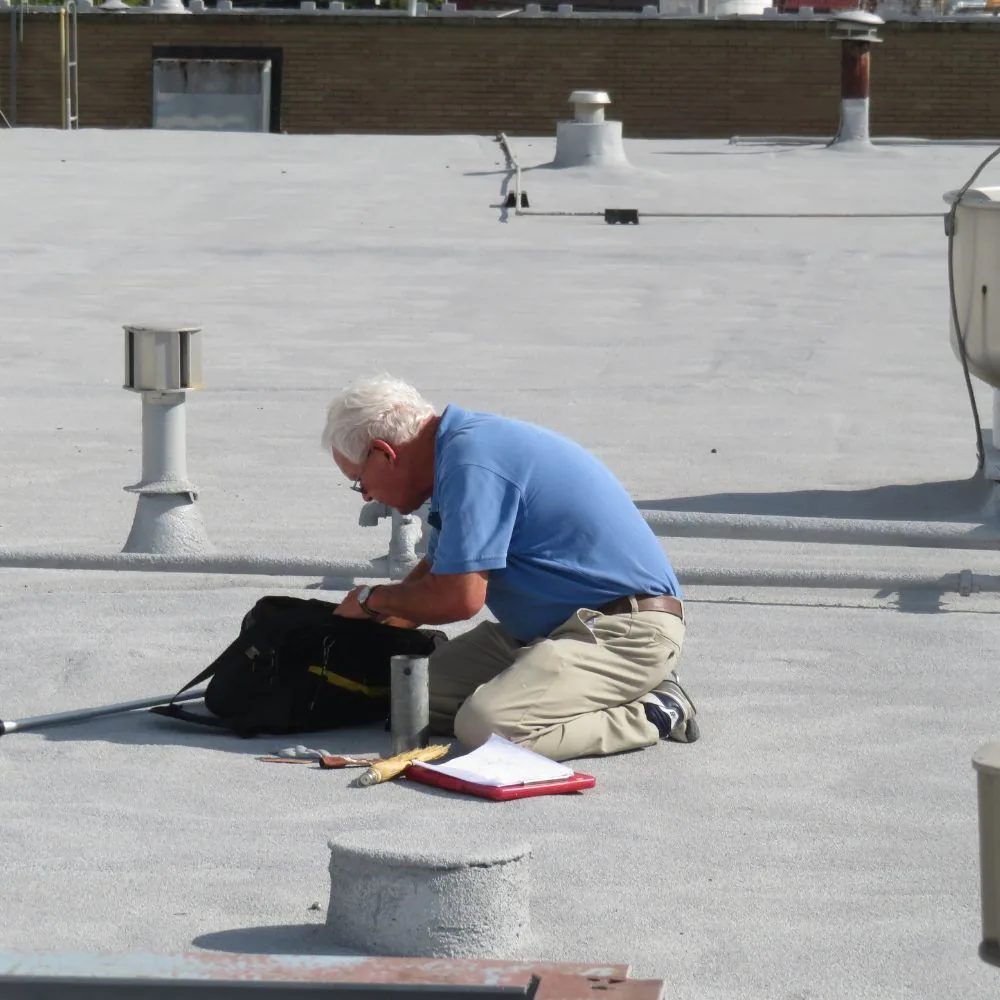
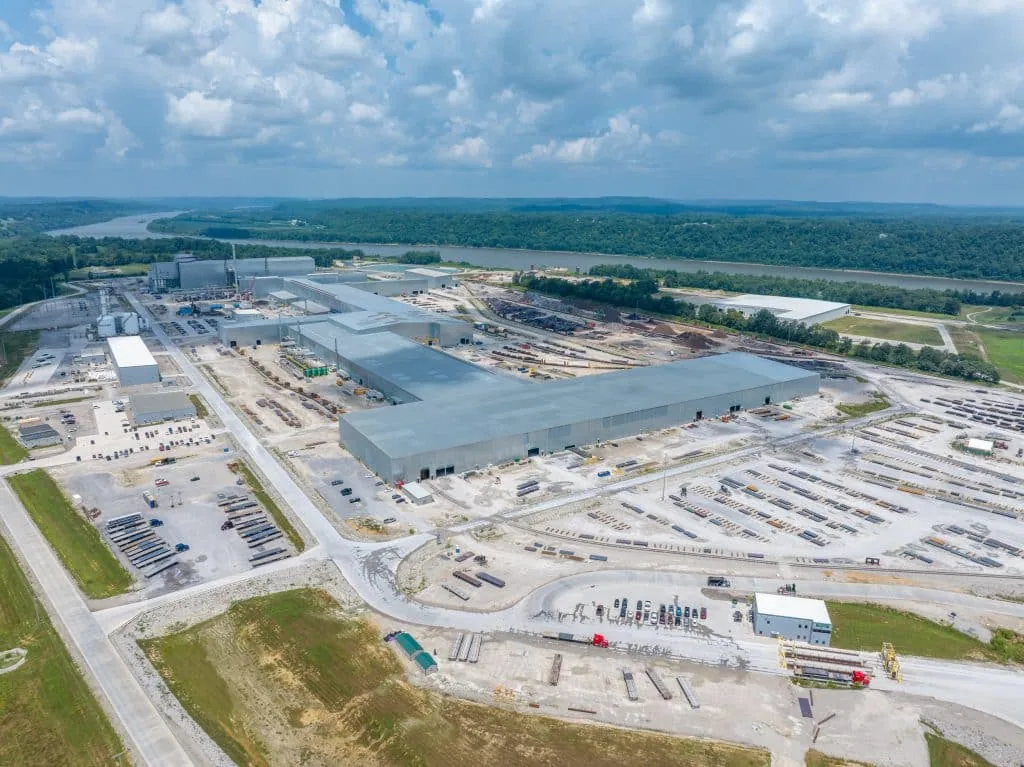
Move from field observations to planning
A transaction review may ask what is known about a building before a purchase, while a portfolio manager may need priorities across several addresses. A due-diligence roof survey records conditions for an acquisition, a multi-site roof program coordinates separate property records, and capital planning connects roof observations to budget timing. Each still depends on current site access and a clearly identified roof area.
- Services for repair, replacement and maintenance
- Roof systems from TPO to standing seam metal
- Property types from warehouses to hospitals
- Service areas across Miami-Dade and Broward
Build condition records others can use
Condition records should note inspection date, access limits, assembly information, visible concerns, and areas not reviewed. A commercial roof inspection records visible field conditions, while an infrared moisture survey adds temperature-pattern evidence under suitable conditions; both require interpretation tied to the roof assembly. These activities should not be blended into a conclusion that claims certainty beyond the evidence collected.
Separate budget forecasts from verified scope
A planning report can separate urgent attention, near-term maintenance, and longer-horizon replacement considerations. State the basis for each priority, the estimated area, assumptions about concealed layers, and what would trigger another review. A Miami Gardens roof review should connect budget priorities to each building's measured area, field evidence, and access limits.
Revisit priorities as conditions change
For repeat reviews, use consistent roof-zone labels and retain source dates for budgets, photos, and work orders. When a new observer returns, the record should make it possible to see what changed, what work was completed, and which questions remain open. Review the plan after repairs, tenant changes, rooftop equipment changes, or severe weather rather than allowing an old condition summary to stand in for a current assessment.
Reports should distinguish current observations from forecasts and recommendations. State which roof sections were reached, what methods were used, and what evidence supports a priority. If a budget assumes an area or assembly that was not verified, label that assumption and describe the step needed to confirm it. A decision maker can then compare alternatives while keeping uncertainty visible instead of treating a preliminary number as a fixed bid.
Commercial Roofing Questions
What makes a roof survey useful?
It identifies reviewed areas, observations, limitations, dates, and the follow-up needed to resolve uncertainty.
Can an asset plan set replacement dates?
It can support a forecast, but dates should remain assumptions until conditions, scope, access, and funding are confirmed.
Does a specialized survey replace visual review?
No. Its results need context from the assembly, site conditions, method, and an appropriate follow-up process.
How should teams compare portfolio properties?
Use common identifiers and reporting fields while preserving building-level differences in condition, access, and scope.