PVC Roofing Systems for Commercial Properties in Miami Gardens, FL
Roof Systems
Review PVC membrane selection, chemical exposure, hot-air seams, drainage, attachment, and repair planning for commercial roofs in Miami Gardens, FL.
PVC Roofing Systems for Commercial Properties Overview
Chemical exposure can change the PVC scope. We ask what reaches the roof from exhausts, equipment service, kitchen operations, and stored materials before comparing membrane options. The field review also records existing layers, insulation, drains, perimeter details, and roof access. With those observations tied to a roof plan, the general contractor can consider a specified PVC assembly and identify compatibility questions before ordering material.
Hialeah identifies manufacturing, retail, and restaurants among its major economic activities, while Miramar includes employment centers, corporate parks, restaurants, and retail. Those citywide contexts do not describe a particular roof, but they reinforce why the property’s actual exhaust, discharge, and maintenance routines belong in the review. We document observed conditions and confirm operating details with the site contact.
What should be checked before PVC is selected?
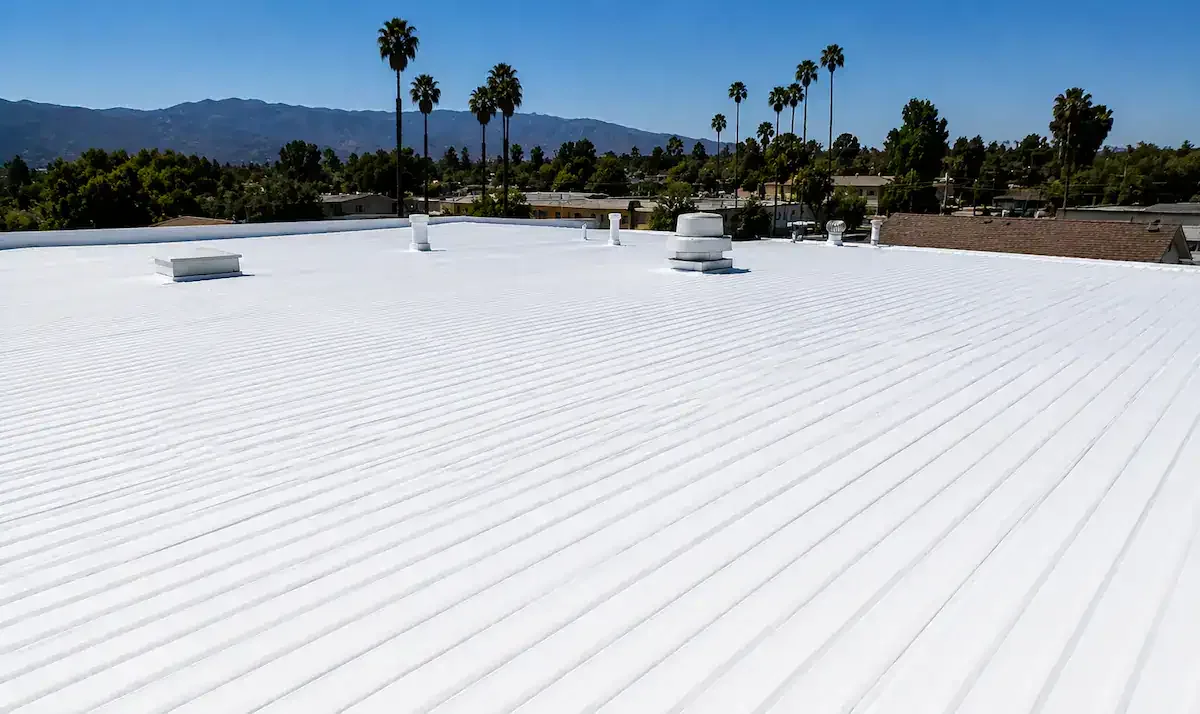
PVC is a thermoplastic single-ply membrane with heat-welded seams. Product formulation, reinforcement, thickness, attachment, and flashing accessories depend on the specified assembly. We look at the substrate and prior roof layers, then flag contamination, trapped moisture, incompatible materials, or repairs that need removal. A commercial roof inspection can document that starting condition before the contractor compares recover and replacement paths.
Where oils, grease, chemical discharge, or process residues may reach the roof, the design team should verify suitability with the selected product documentation. We identify the source and affected roof area rather than applying a broad material claim to the entire building. The condition report can preserve photographs, observations, and the follow-up item assigned to the owner or design professional.
South Florida’s wet-season humidity and heat support frequent showers and thunderstorms across the peninsula. That climate context makes protection and work sequencing relevant, while actual substrate condition is confirmed at the property.
More on PVC Roofing Systems for Commercial Properties
The sections below cover the questions property teams ask before they approve the work.
How do drains and discharge points shape the assembly?
Drain bowls, scuppers, overflow paths, and downspout connections must be coordinated with the membrane detail. We check whether outlets are clear, whether surrounding material remains sound, and whether water appears to collect at a low point. If a depression or blocked outlet is present, the work package identifies correction or testing needs; the membrane itself does not change the roof’s slope.
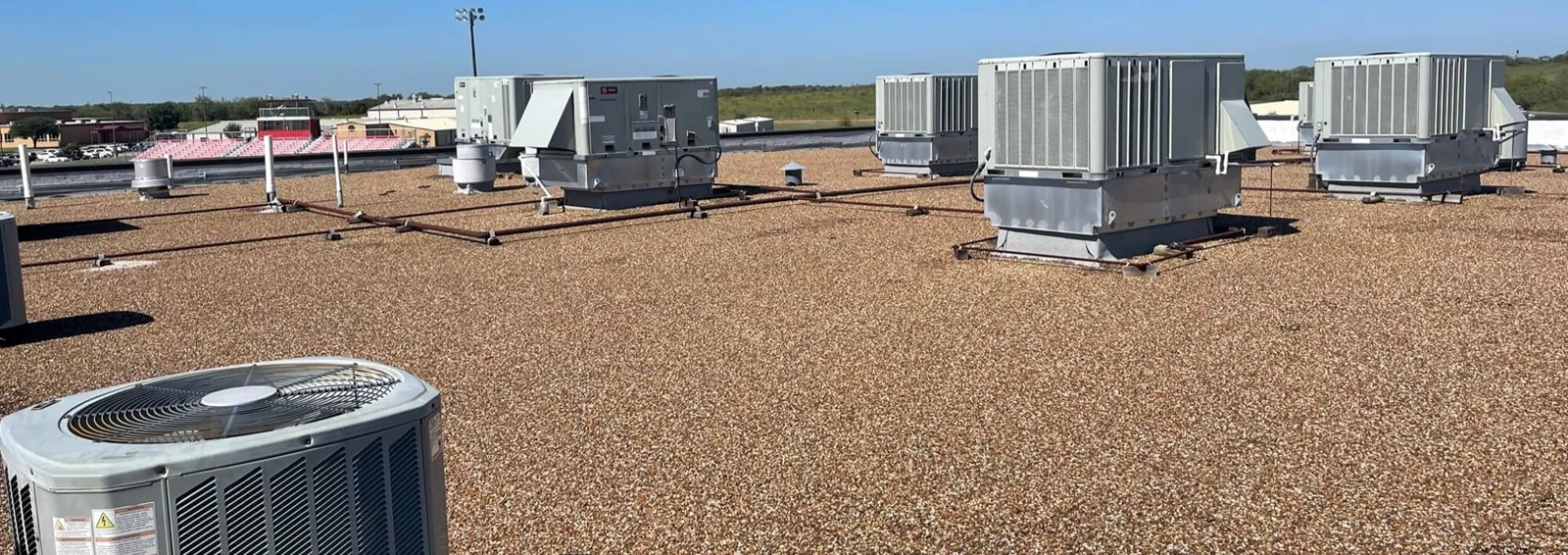
Kitchen exhaust or equipment discharge needs attention as well. We document visible deposits and the route by which material reaches the surface, then coordinate cleaning or operational work with the responsible trade. A PVC product should not be treated as an automatic fix for an unresolved discharge problem. If a detail has failed, a drain and scupper repair can be scoped with compatible flashing and inspection access.
Miami Gardens identifies furniture commerce near the Palmetto Expressway and automobile-related activity along U.S. 441. For a roof serving nearby retail or service uses, we verify actual discharge sources and cleaning routines rather than infer them from the corridor’s businesses.
What makes a PVC seam acceptable?
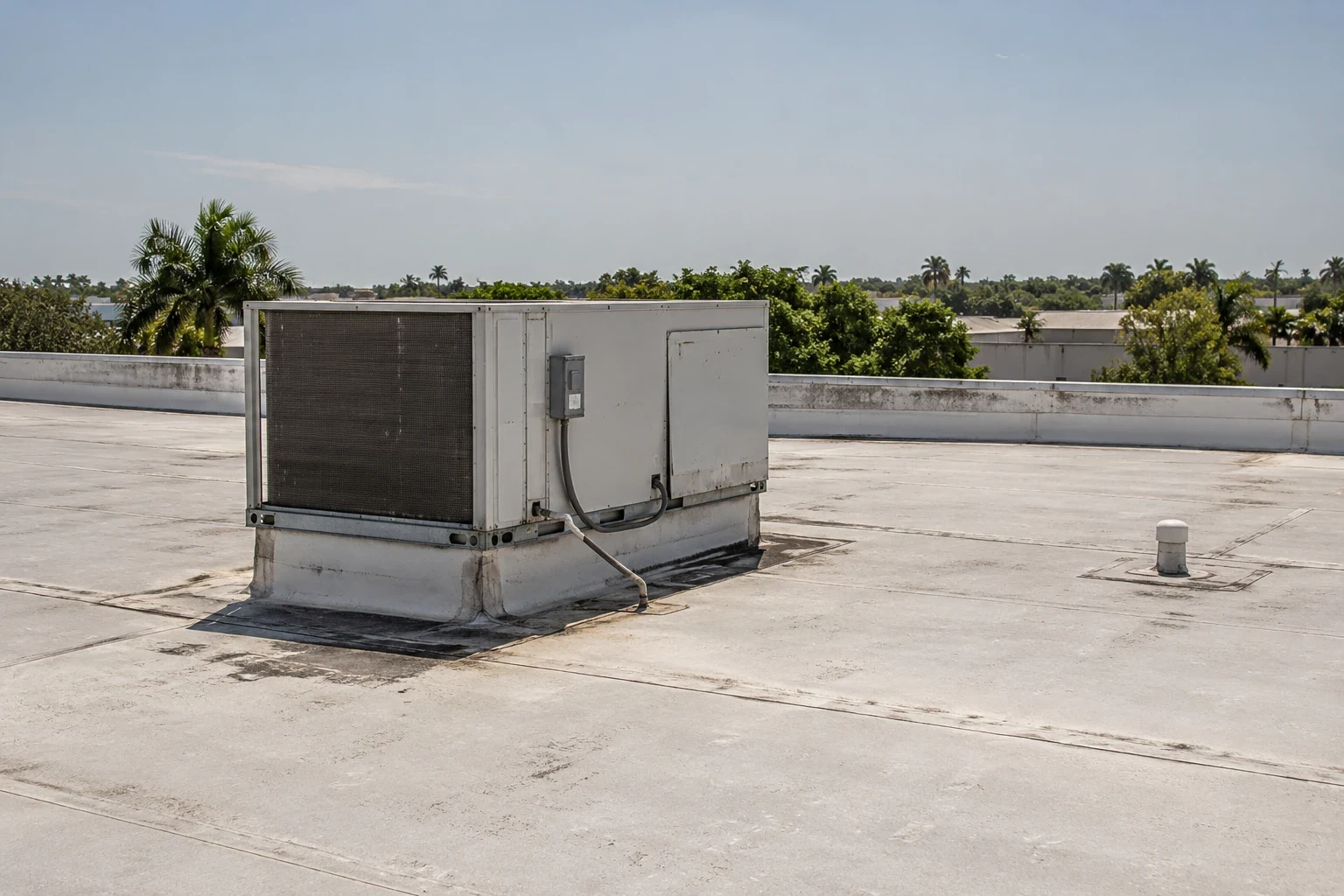
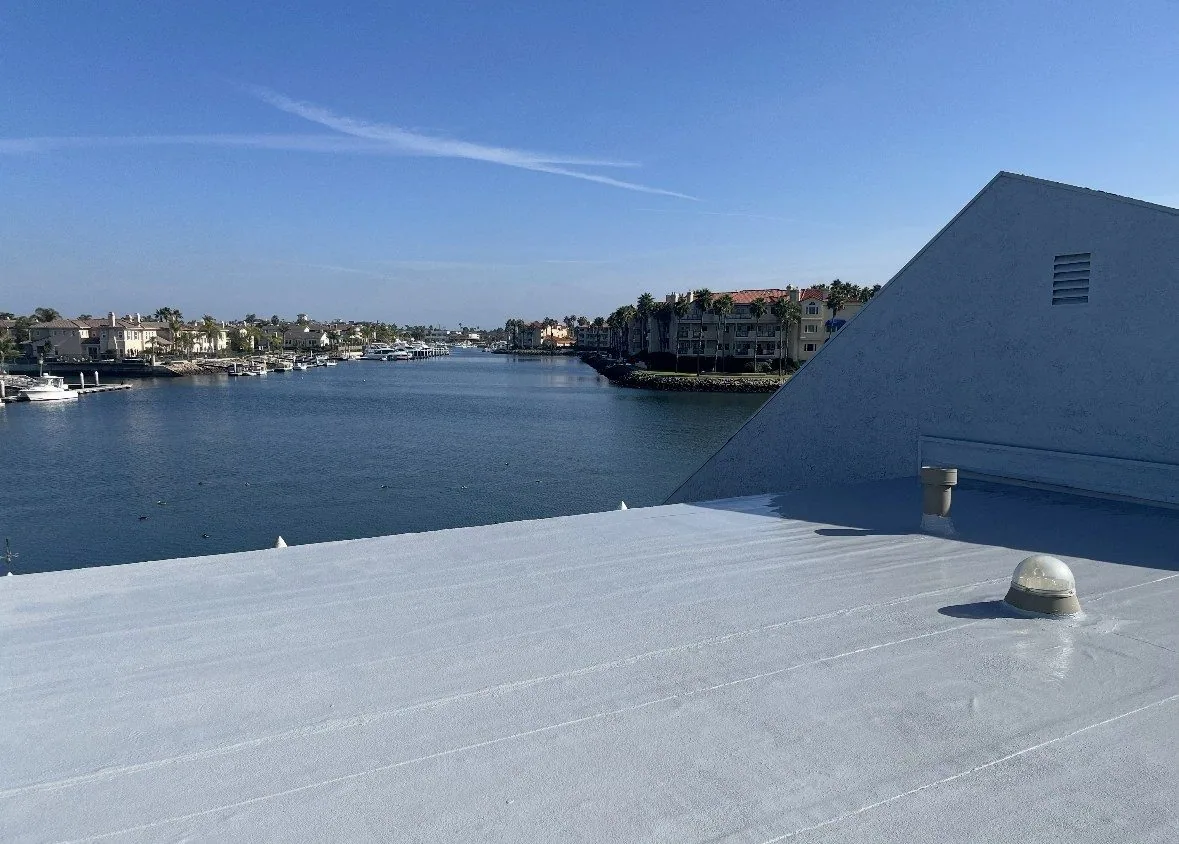
Hot-air welding requires clean, compatible surfaces and equipment settings suited to the material and conditions. The crew prepares a test weld, checks the result as required by project documents, and records seam inspections as the field progresses. Corners, T-joints, curbs, pipe penetrations, and edge transitions need their specified details, since a field-sheet seam is only one part of the water-control system.
We set sheet direction and seam locations to avoid narrow closures at walls, drains, and equipment. If moisture, dust, or incompatible residue affects a weld area, installation pauses there until the surface is suitable. A penetration flashing scope may be coordinated with the same roof plan when equipment lines or skylights intersect the membrane.
The submittal should identify the membrane thickness, reinforcement, attachment method, insulation layers, perimeter securement, and flashing accessories. Roof zones with equipment need space for welders and future service routes. When a penetration sits close to a planned seam, we flag the layout before sheet placement so the design team can resolve the transition while it remains accessible. These details become inspection points in the work package. Different single-ply products have different chemistry and welding details. A TPO membrane or KEE/PVC alloy should be reviewed under its own product instructions and approved project design.
Industries We Work With
Owners and operators in these fields rely on us to plan roof work around their buildings.
Coordinate healthcare roof work in Miami Gardens, FL around patient routes, critical rooms, equipment, infection controls, and documented approval windows.
Coordinate 3PL roof work in Miami Gardens, FL around dispatch cycles, dock access, inventory protection, equipment routes, and phased closeout.
Plan school district roof work in Miami Gardens, FL around student routes, athletic spaces, summer windows, classroom protection, and board approvals.
Coordinate portfolio roof work in Miami Gardens, FL with area records, access windows, repair priorities, and approvals that keep each asset distinct.
Related Roofing Work
Other pages that cover the same roof question.
Roof leaking now? Call 555-555-5555 and we will send a crew to look at it.
When is repair, recover, or replacement the better path?
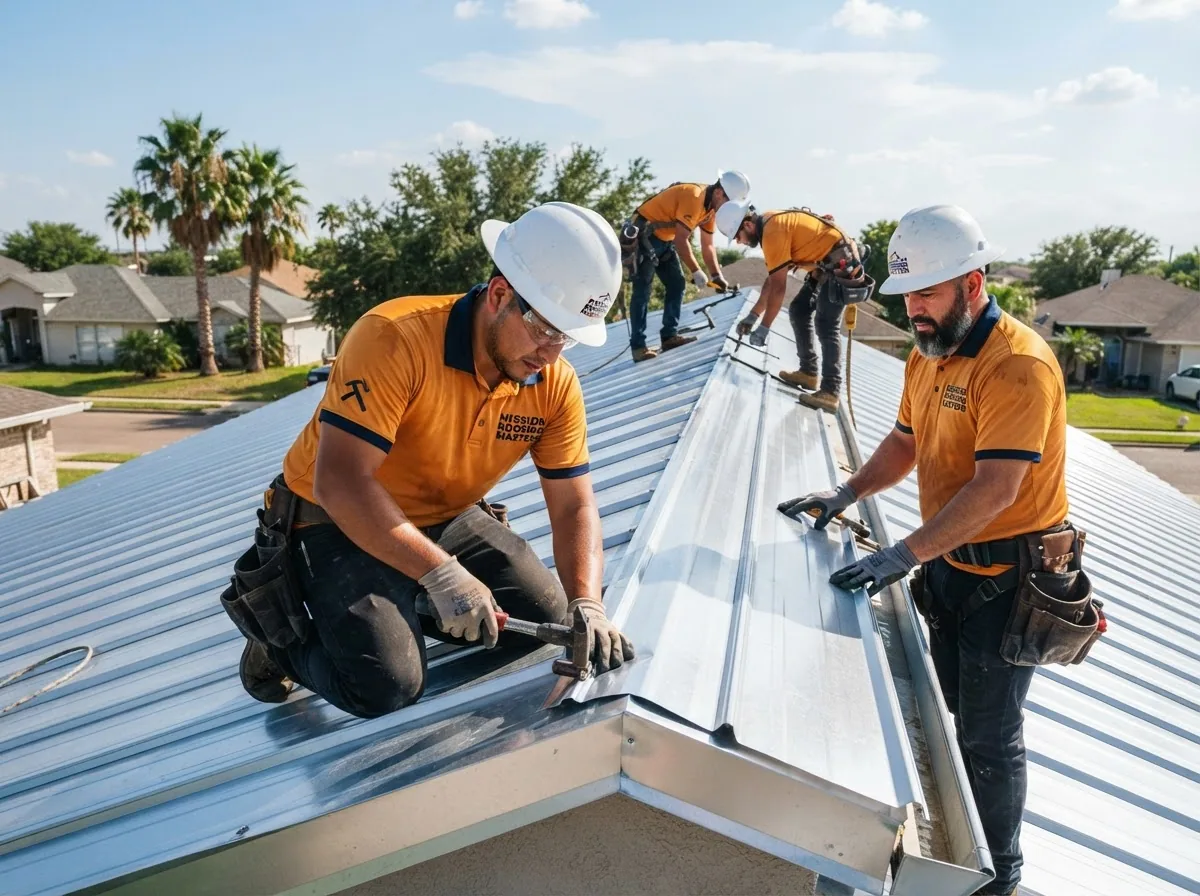
A localized PVC repair can suit a defined puncture, seam concern, or flashing defect when surrounding membrane and substrate remain compatible. We mark the repair boundary and check nearby details for related movement or surface contamination. If multiple areas show deterioration, wet insulation, or recurring separation, the owner can compare a broader roof replacement package with isolated repairs.
Attachment choices depend on the deck, wind design, edge zones, insulation, and approved system. We identify whether the proposed work includes mechanical fastening, adhesive, or another specified configuration, then route design questions to the general contractor and design professional. Lift access, demolition quantity, perimeter metal, rooftop equipment, and temporary dry-in affect cost and calendar; concealed conditions are listed separately for approval once exposed.
A EPDM assembly may enter a comparison when project documents and building use permit another membrane. Each option has its own seam, flashing, compatibility, and maintenance requirements, so we keep system choices tied to field evidence. Before a recover is considered, we compare insulation joints, roof slope, deck attachment, and perimeter heights with the proposed assembly. A test cut can establish the number of existing layers, identify wet material, and reveal whether the deck remains suitable. The recover detail must also preserve drain access and enough edge height for flashing. If those conditions do not align, removal becomes a separately priced alternative.
What information should remain with the building?
Closeout identifies the PVC product and assembly, roof zones completed, detail photographs, seam checks, and unresolved follow-up items. The owner retains approved submittals, warranty documents, maintenance instructions, and contact information for access. We note which rooftop equipment or discharge routes remain outside our scope, so a later trade change does not silently alter the membrane detail.
For a property in the Miami Gardens service area, send roof plans, prior repair notes, equipment locations, discharge concerns, and proposed operating windows. We will map the affected zones, record compatibility questions, and prepare a sequenced work package for review.
After the project, maintenance staff can keep drain paths clear and report new deposits, seam openings, or changes around penetrations. Scheduled maintenance can check accessible roof areas and log repair candidates as operations or rooftop equipment change.
Review the PVC assembly before material release
Provide roof plans, operating details, prior repair records, equipment locations, and known discharge conditions. We will document affected zones and identify compatibility or design decisions before work is scheduled.
Questions About PVC Roofing Systems for Commercial Properties
Is PVC suitable above a commercial kitchen?
It may be considered when the specified product is compatible with the actual exhaust and discharge conditions. We document the source and route, then request design review where needed.
Can PVC be welded in humid weather?
The crew checks surface condition, moisture, temperature, forecast, and product instructions before a weld. Work proceeds only when the specified preparation and quality checks can be met.
Can PVC be placed over an older membrane?
A recover requires review of existing layers, moisture, deck capacity, attachment, and code limits. We identify test or removal needs before the assembly is approved.
How are chemical deposits handled?
We record where material is reaching the roof and coordinate source control with the responsible building trade. Product compatibility is checked against the selected system information.
What affects the proposal amount?
Roof height, removal volume, seam layout, perimeter work, penetrations, staging, and hidden substrate conditions can alter labor and sequence. We separate known scope from open items.
What records should be saved after PVC work?
Keep approved submittals, installation records, photographs, warranty documents, and maintenance instructions with the building file. Note who controls roof access for future trades.