Industries We Serve in Miami Gardens, FL
South Florida Commercial Roofing
Review roofing needs for Miami Gardens healthcare, logistics, education, and other organizations. Plan around continuity, access, and records.
All Industries We Serve
Industry changes the way a roof project is approved and sequenced. A healthcare facility may protect sensitive rooms and continuous access; a logistics operator may keep loading and dispatch lanes available; a district can coordinate several campuses around calendars. Each organization sets its own procurement rules and operating limits, so the roof sequence must be reviewed against the facility's actual access and approval needs.
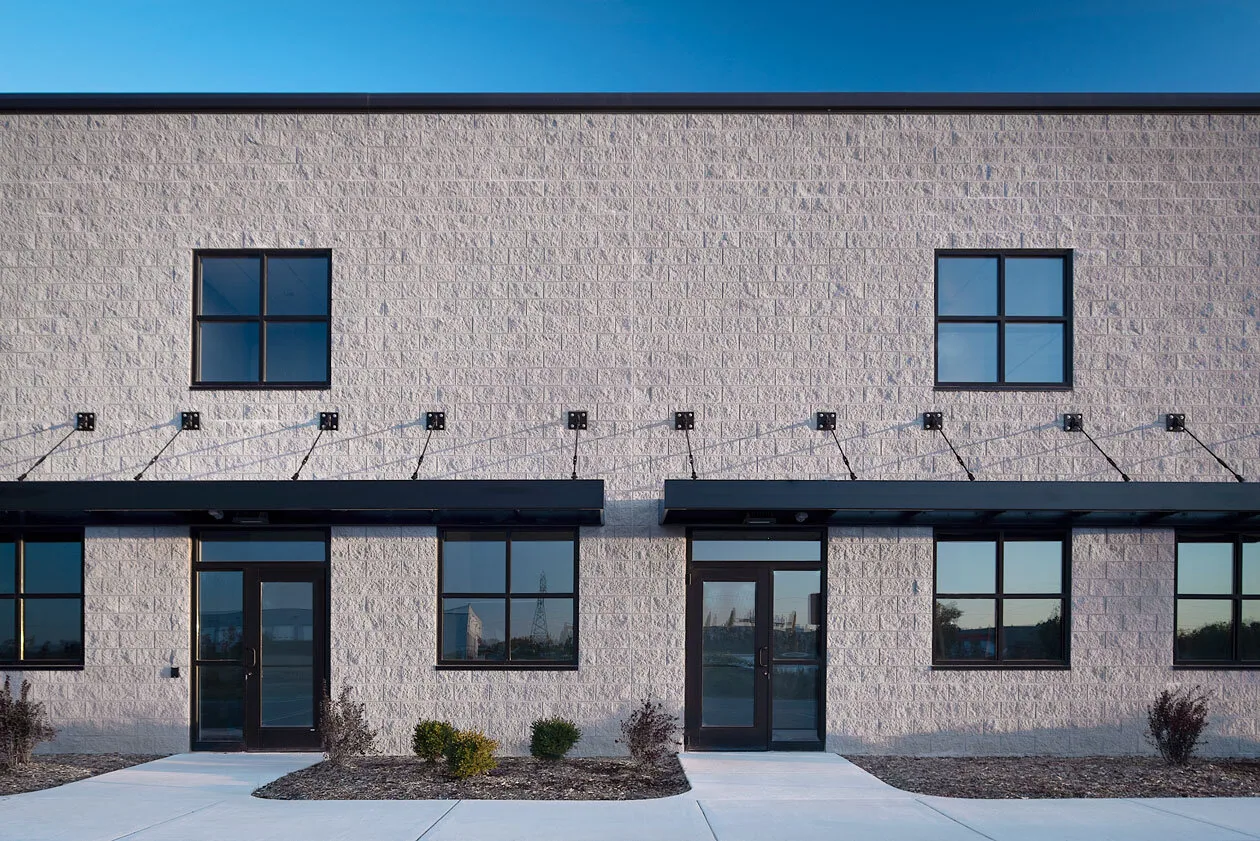
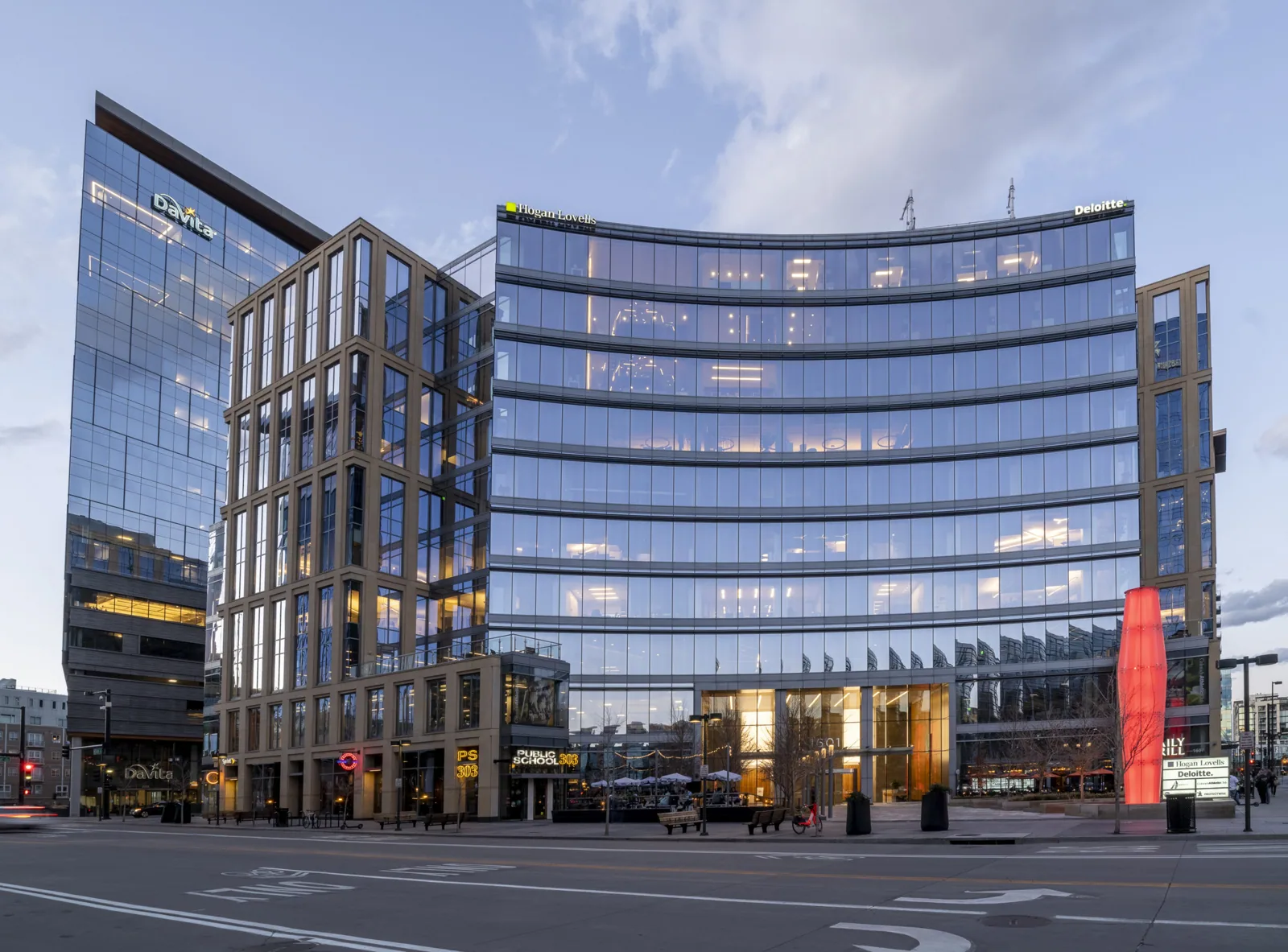
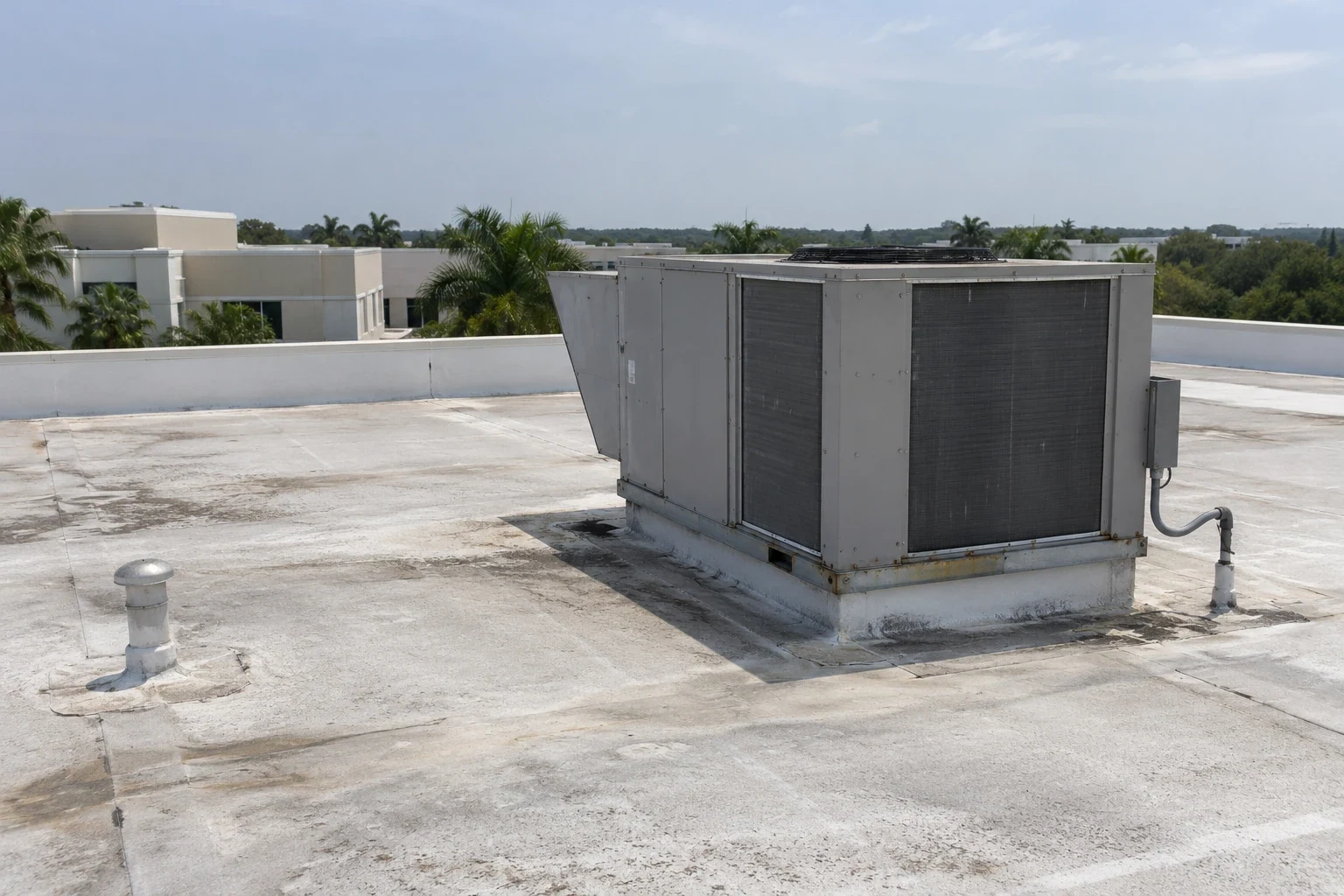
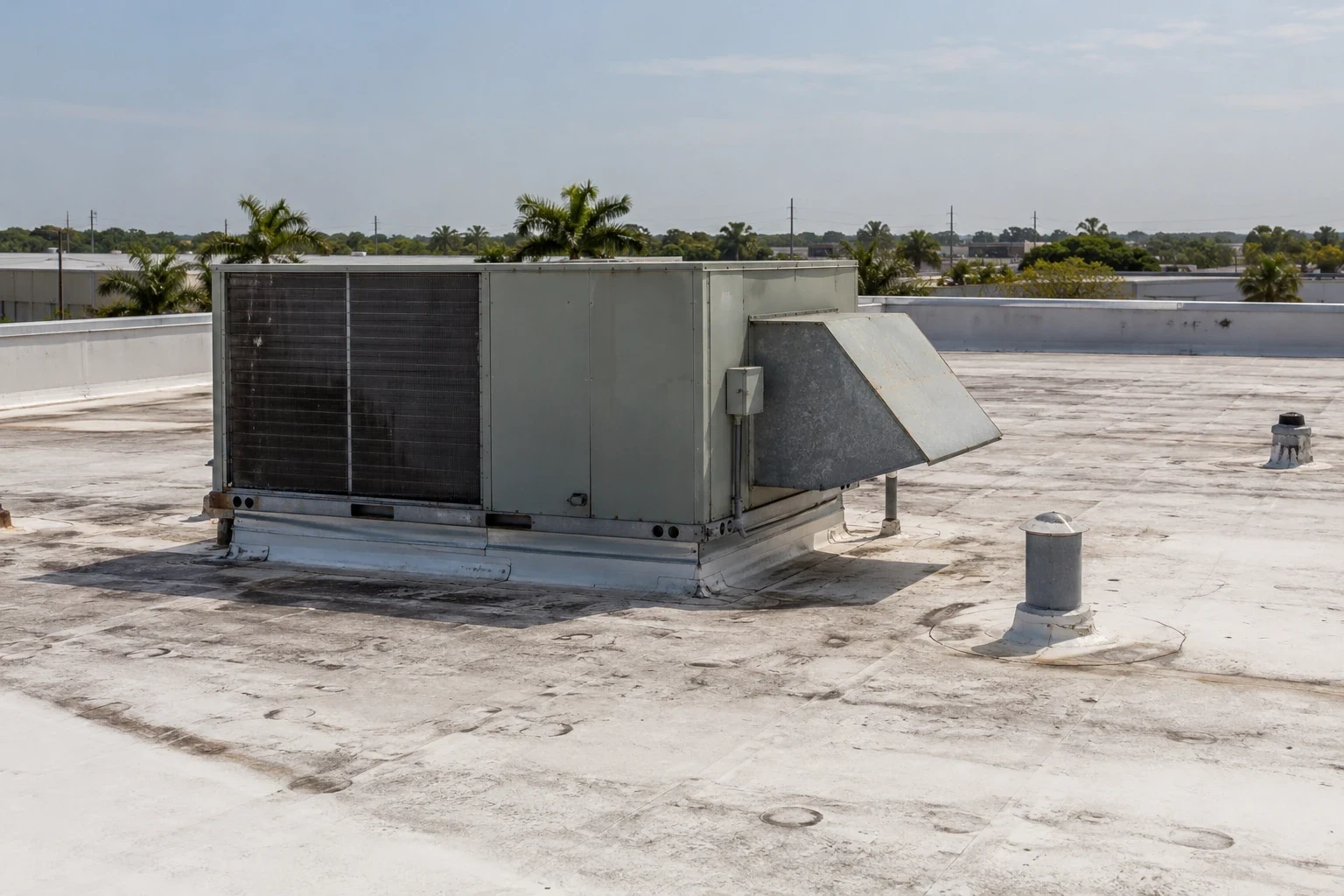
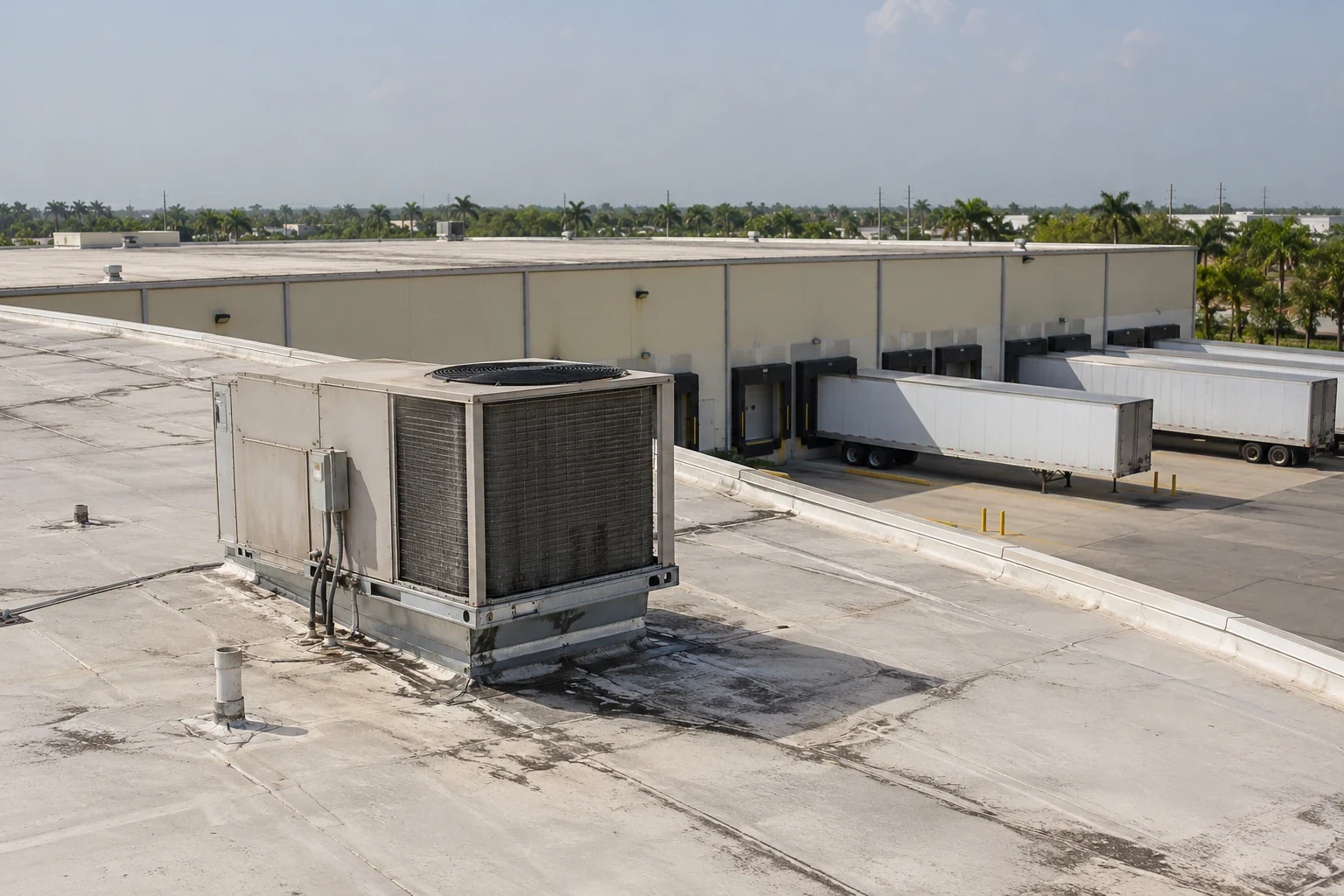
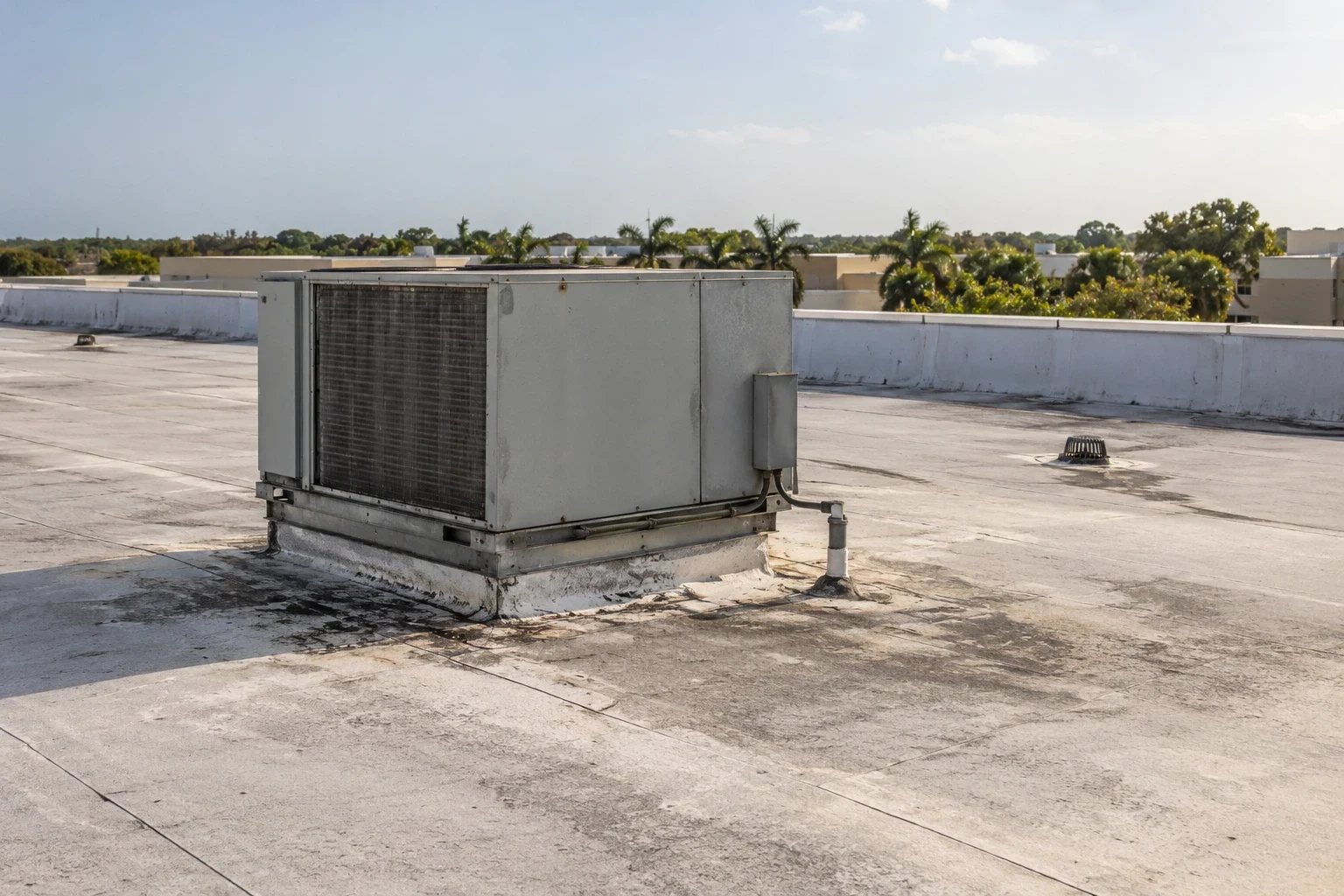
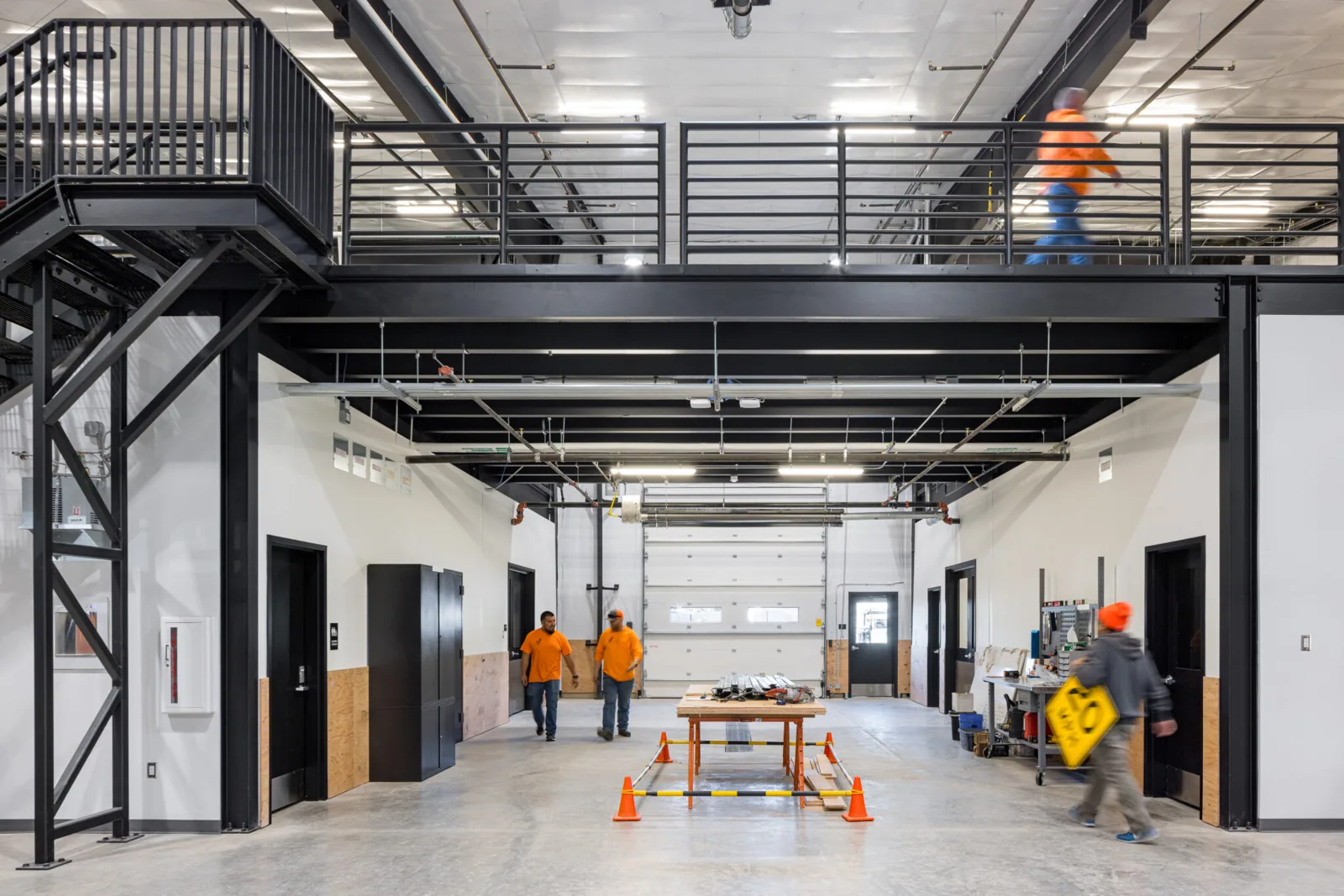
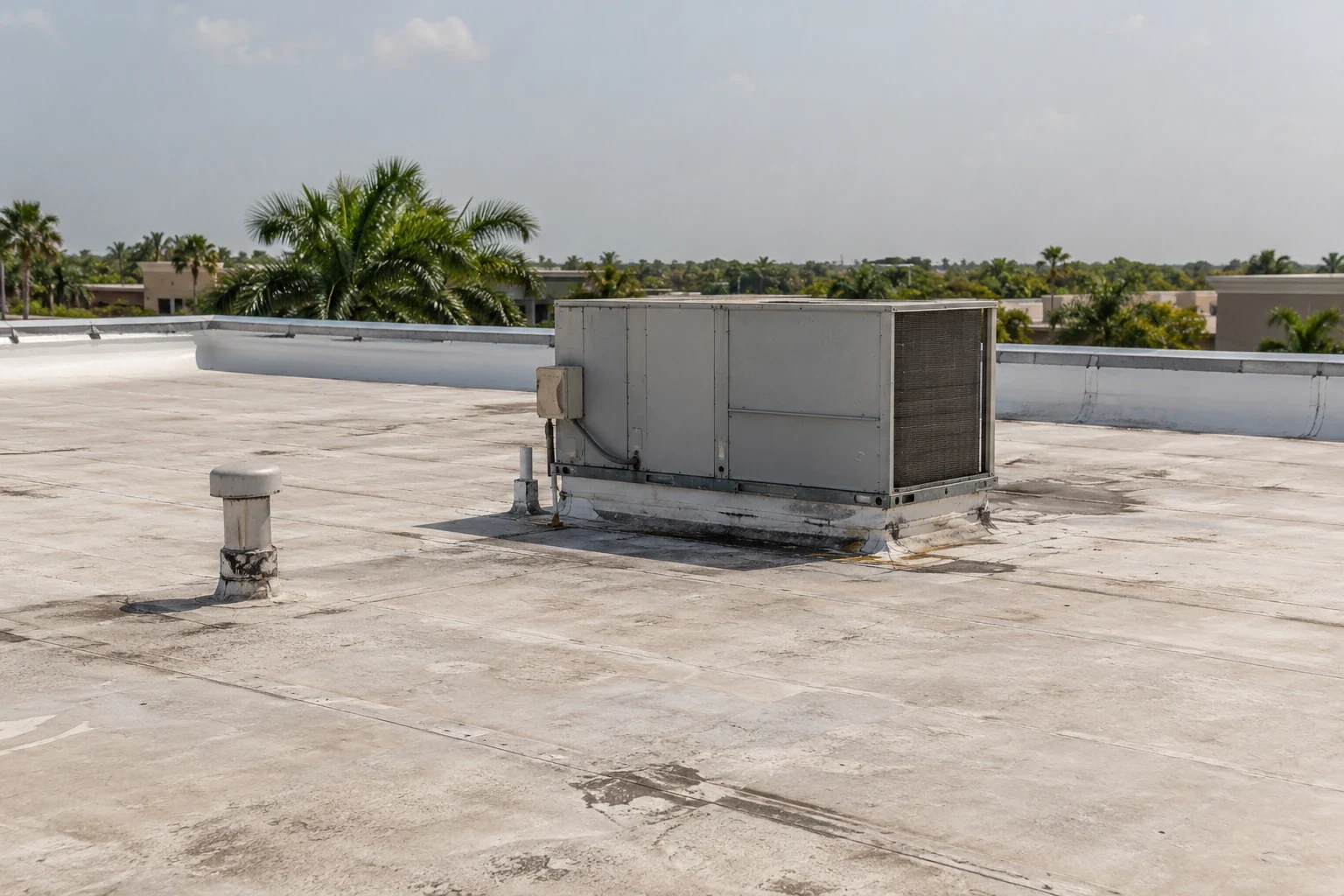

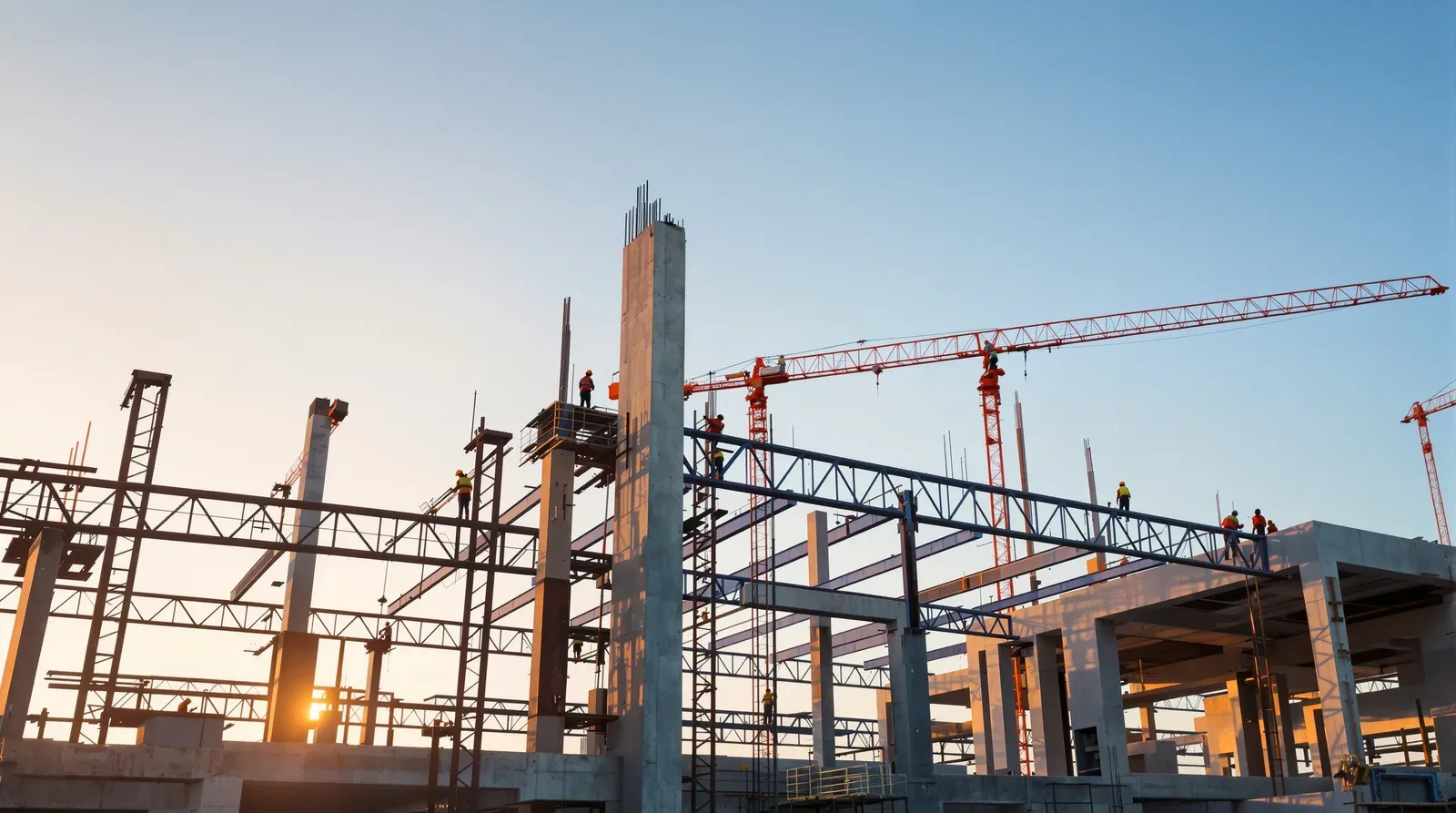
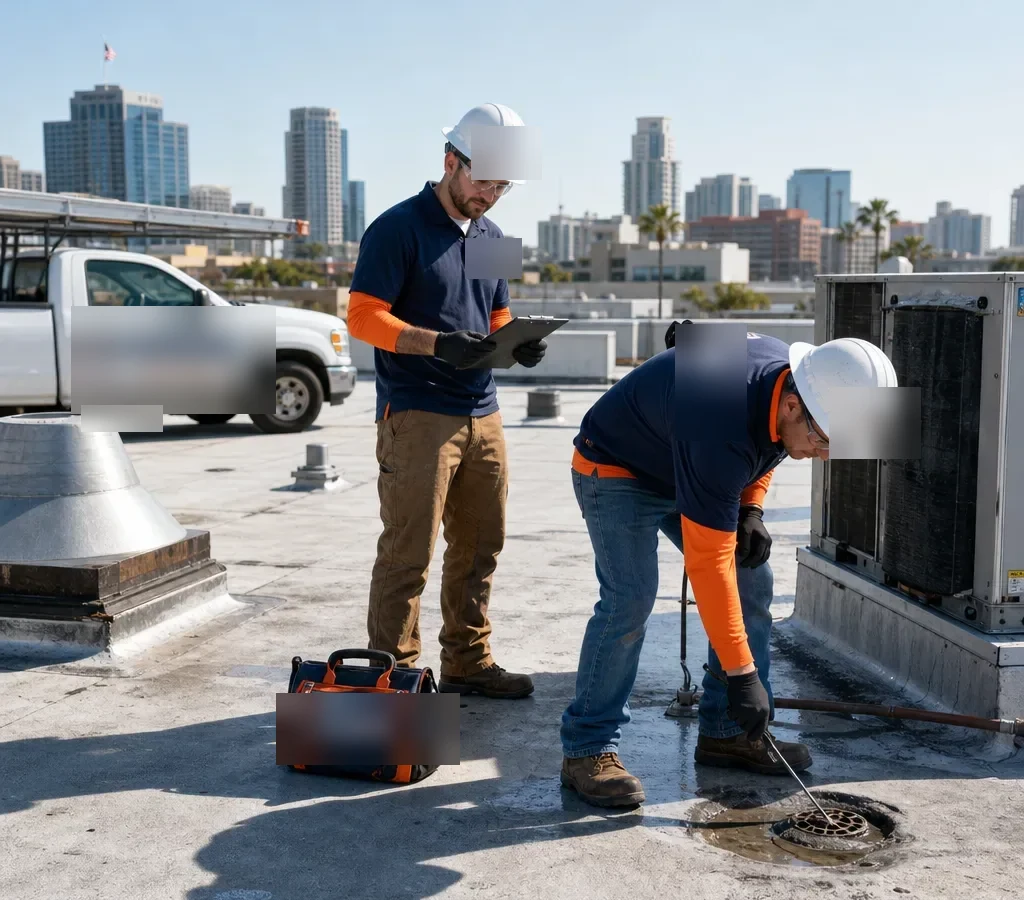
Different operating models shape roof work
A clinic's healthcare roof plan can protect patient routes, a distribution site's logistics work sequence can keep dispatch moving, and a school district roof program can set approvals around the academic calendar. A useful plan names the facility contact, roof zone, work window, safety boundary, delivery route, and any system whose operation cannot pause. Those details help the decision team decide which stakeholders must review a proposed sequence before a contract is approved.
- Services for repair, replacement and maintenance
- Roof systems from TPO to standing seam metal
- Property types from warehouses to hospitals
- Service areas across Miami-Dade and Broward
Map decisions to facility roles
Organizations with multiple properties may need a shared naming method for roof sections, photographs, repair history, and budget timing. multi-site roof programs can help frame program-level coordination, while roof asset management relates to keeping condition records available for later planning. Neither removes the need to confirm each building's assembly, moisture condition, access, and scope on its own merits.
Coordinate a portfolio without losing detail
Miami Gardens has furniture commerce near the Palmetto Expressway and automobile trade along U.S. 441, two corridors that can create different delivery and access constraints for nearby roof work. The team's commercial roofing around Miami Gardens still begins with the actual building and its approved work window. Before a project starts, verify procurement steps, insurance requirements, contractor credentials, site rules, and communication responsibility. For work over occupied spaces, agree who receives notices and who can stop or resequence the operation if conditions change.
Store records by organization
Closeout records should match the organization's own facility identifiers. Include the included roof areas, materials approved, changes authorized, photos, warranties or product documents received, and unresolved items. A portfolio report is useful only when its source dates and building references remain clear. Keep forecast assumptions separate from confirmed work so future capital discussions do not mistake an estimate for a completed inspection.
Decision processes also vary. Some organizations require procurement review or board approval; others coordinate through a facility manager and operations lead. Confirm who can approve access, changes, and expenditures before selecting a sequence. If a project touches critical rooms or delivery routes, include those stakeholders early and record any restriction in the scope. The resulting plan can then be evaluated against actual operations rather than a generic statement about minimizing disruption.
Commercial Roofing Questions
Why does industry affect roofing work?
Operations, access rules, procurement, occupant needs, and downtime consequences differ by organization, so the sequence and approvals should reflect the facility.
Do similar organizations need the same roof scope?
No. Existing assembly, observed condition, deck, drainage, building use, and project boundary all affect the recommendation.
What belongs in a multi-property report?
Use consistent building identifiers and include dates, roof zones, observations, priorities, assumptions, exclusions, and approved work.
Who should approve occupied-site sequencing?
Identify the facility authority and any department responsible for safety, occupants, deliveries, or equipment before setting work windows.