Roof Damage Repair in Miami Gardens, FL
South Florida Commercial Roofing
Review commercial roof repair paths in Miami Gardens. Compare puncture, flashing, storm, and drainage concerns with inspection and access needs.
All Roof Damage Repair
A damage report is more useful when it identifies where the condition appears and what changed. A wet ceiling, loose edge, puncture, or lifted seam can have different causes, and visible symptoms do not always mark the roof opening. Damage categories help a property team connect an observed condition to the next repair decision. A useful work record ties the symptom, date, roof zone, approved repair, and follow-up to one property file.
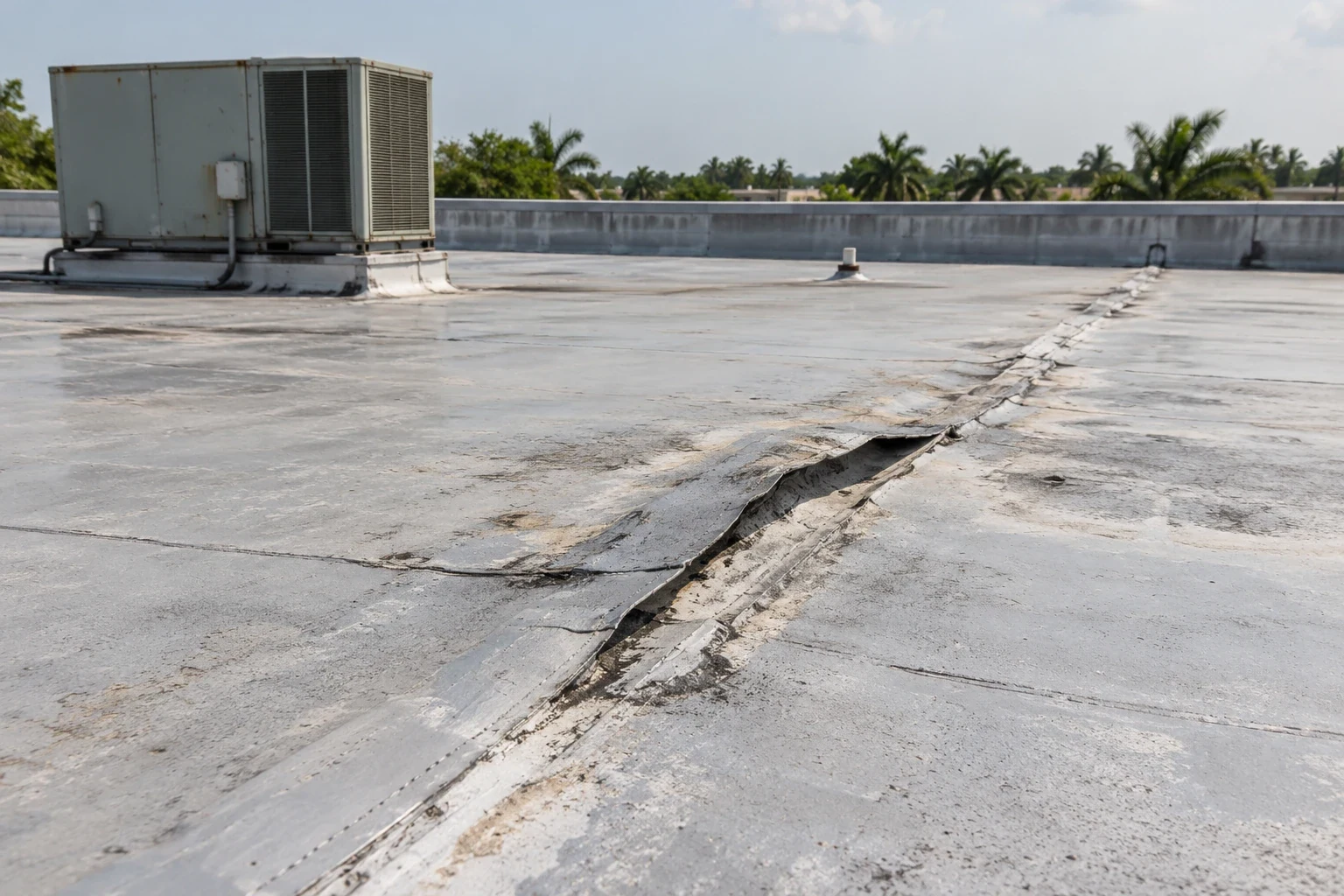
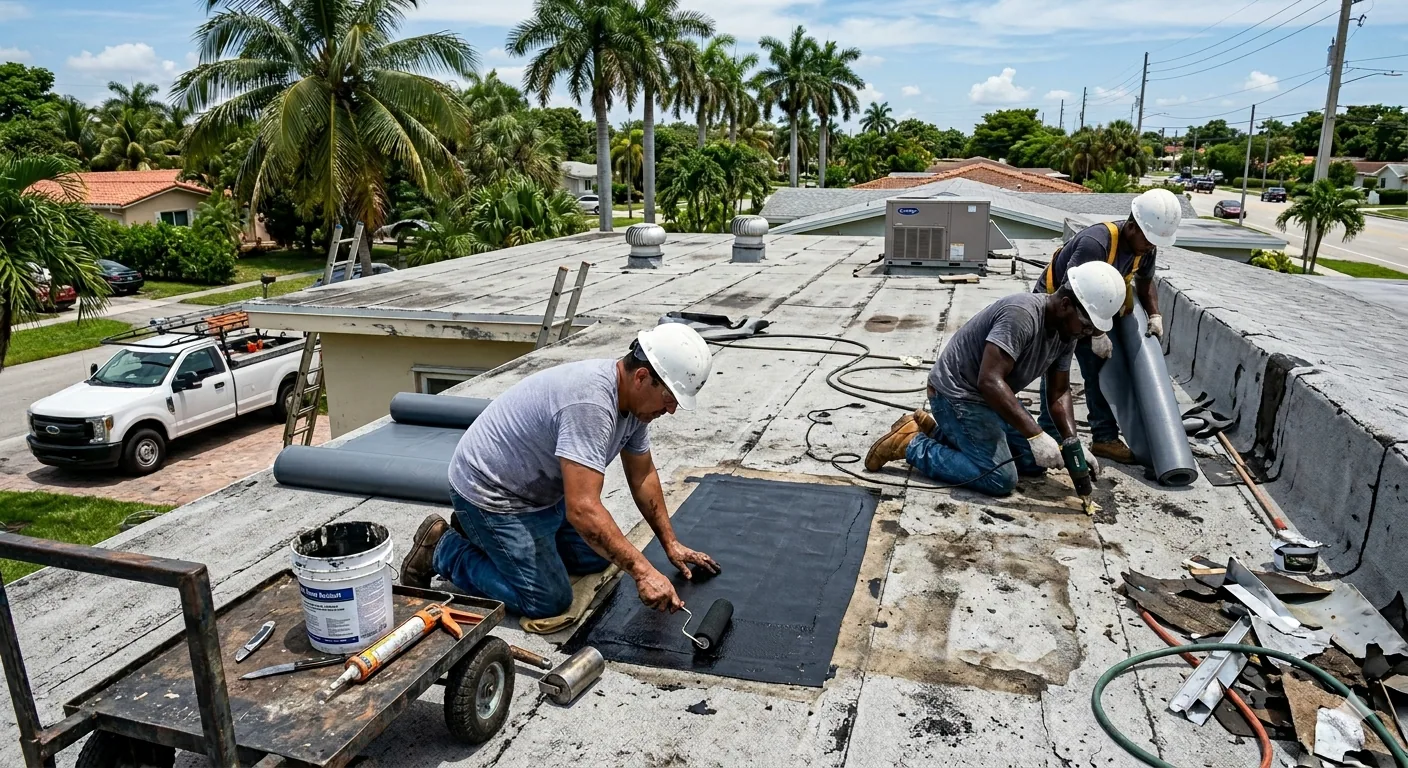
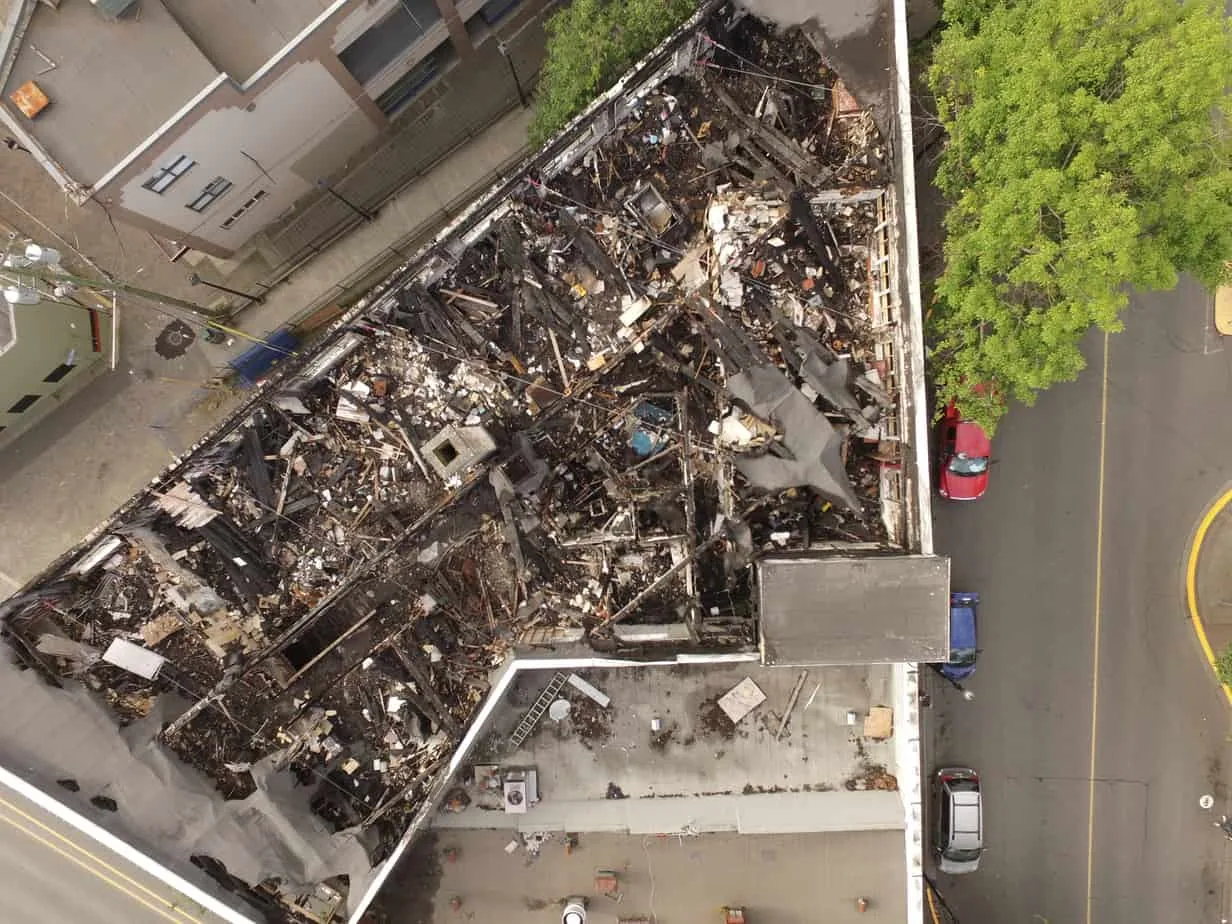
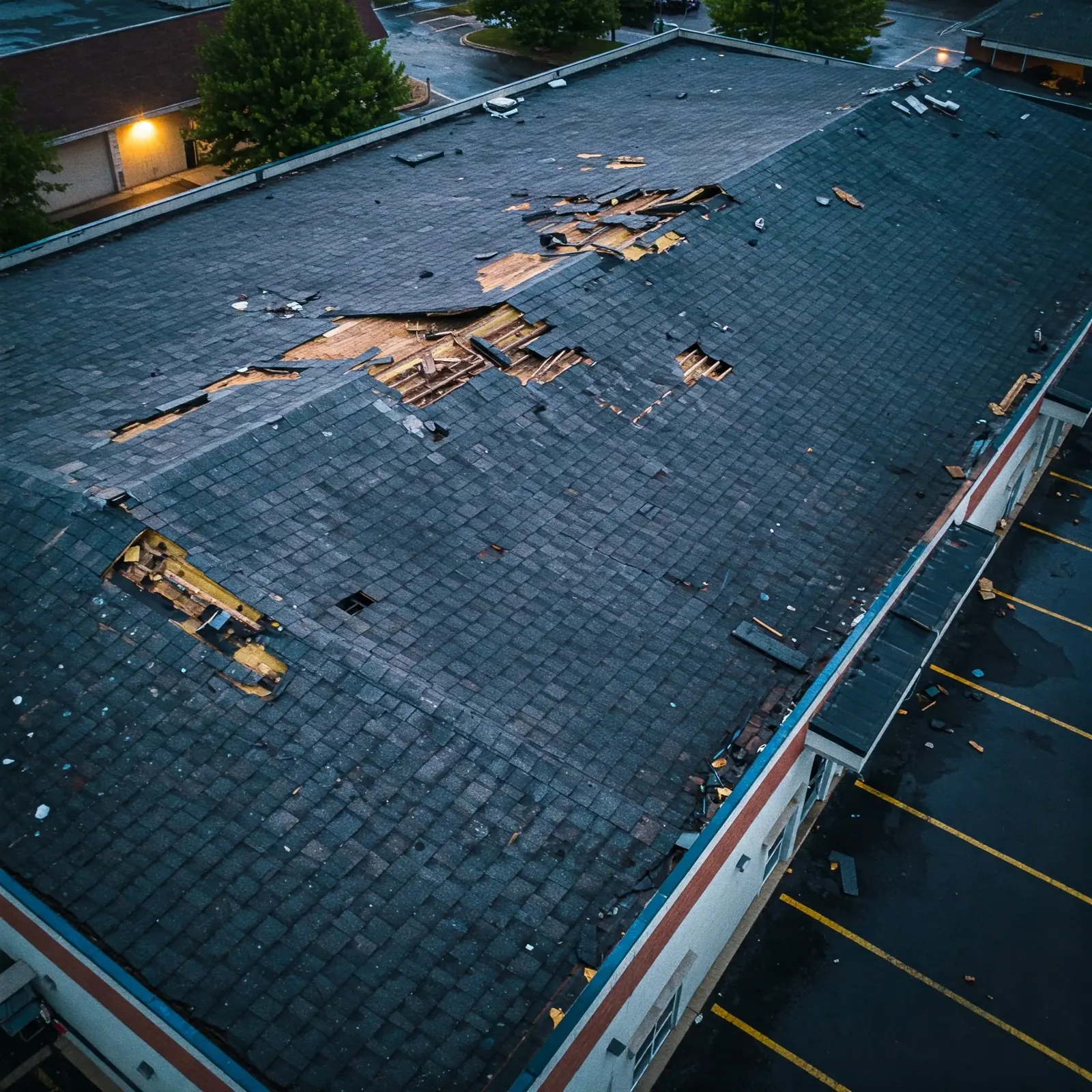
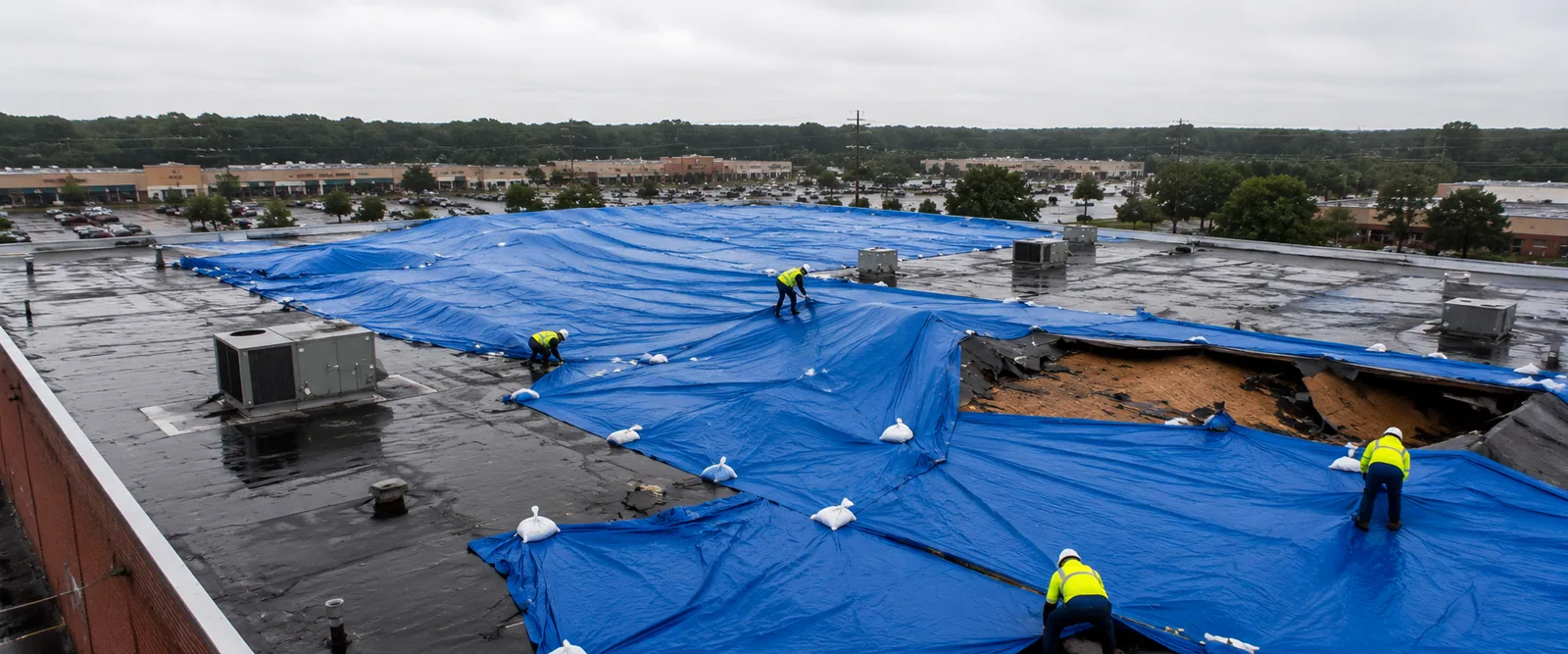
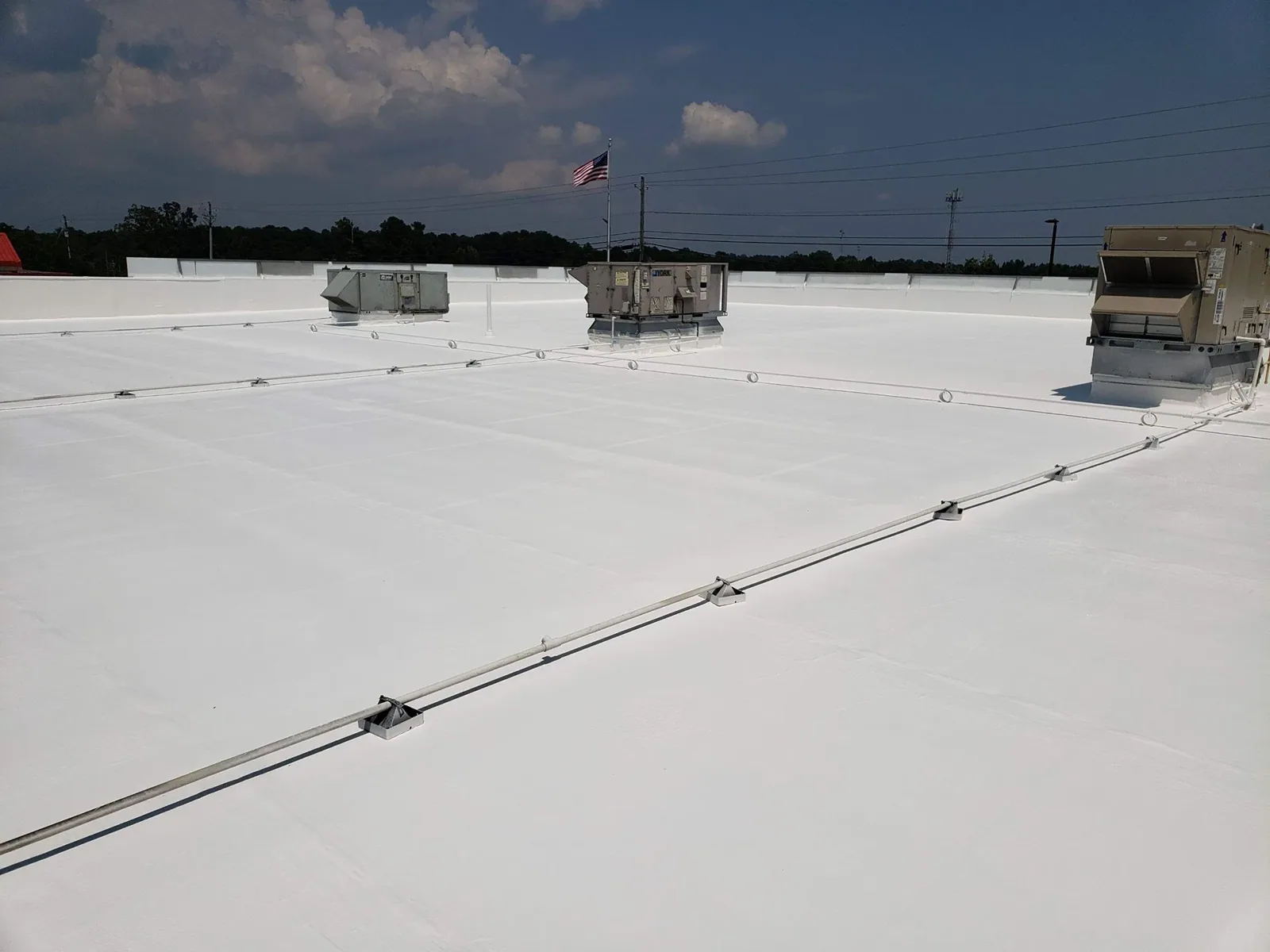
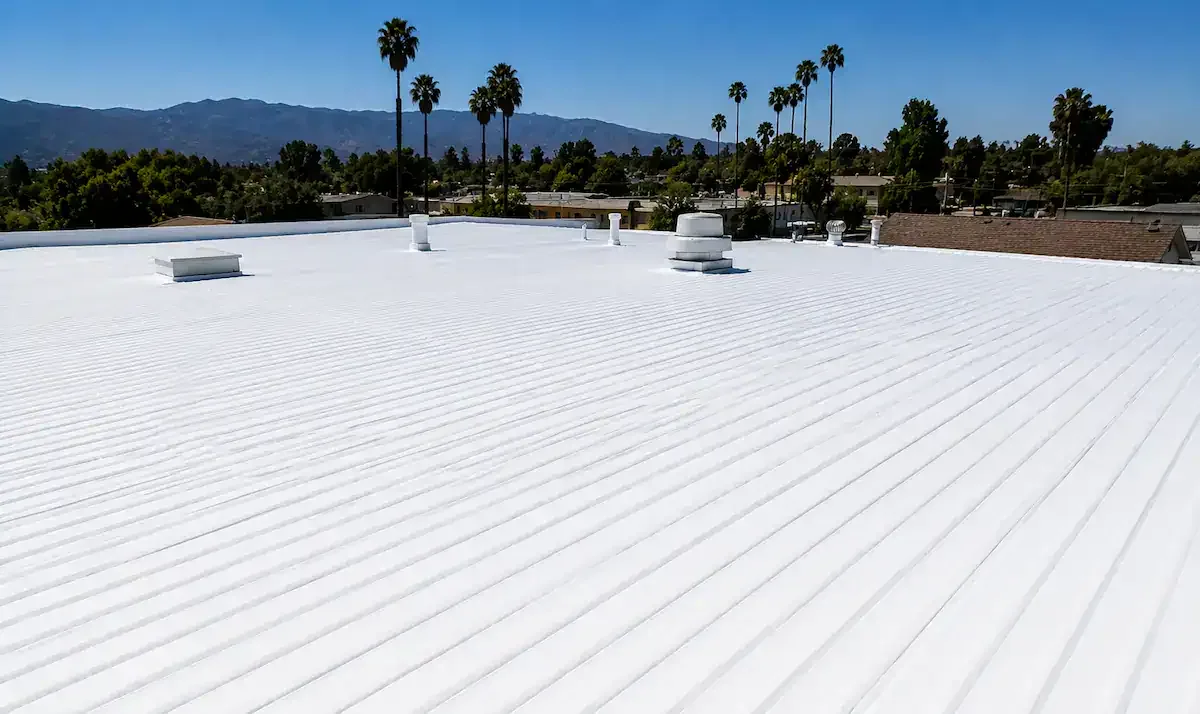
Read the damage before choosing a repair
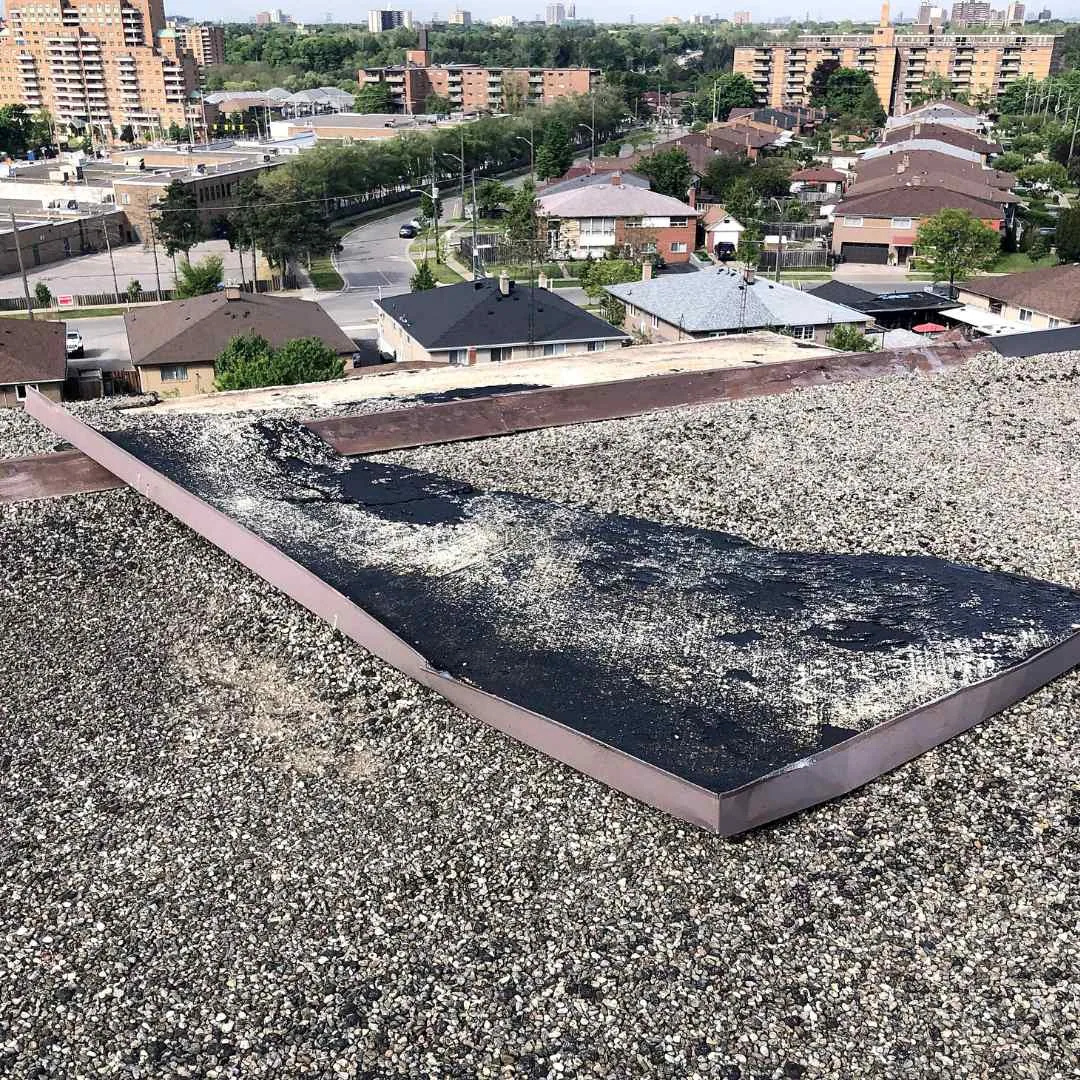
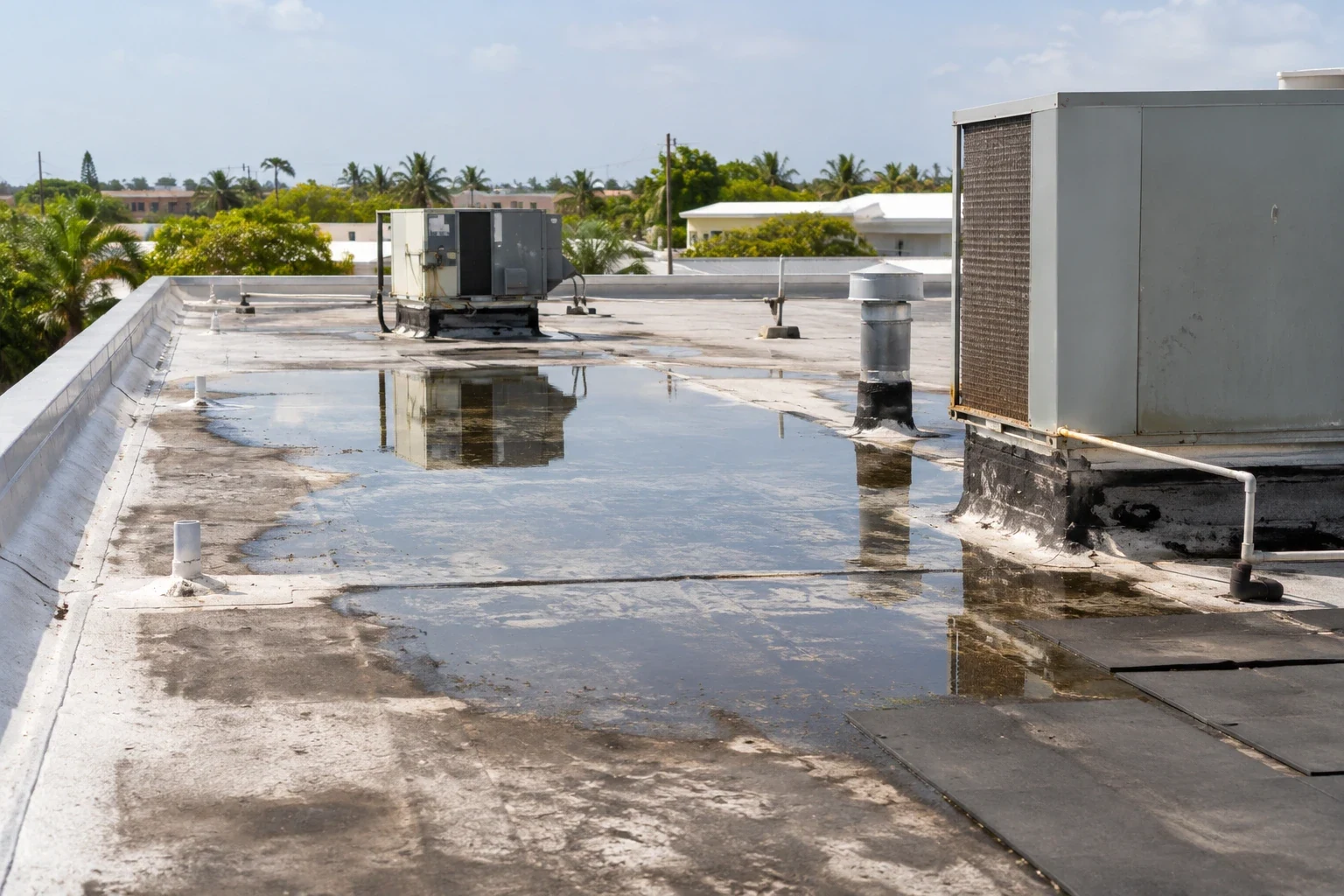
Surface exposure, impact, and failed details call for different questions. heat and UV roof damage describes deterioration concerns, hail damage roof repair focuses on impact-related conditions, and flashing failure repair addresses transitions that can admit water. These categories help organize a review; they do not confirm cause, severity, or claim responsibility without site observations and supporting records.
- Services for repair, replacement and maintenance
- Roof systems from TPO to standing seam metal
- Property types from warehouses to hospitals
- Service areas across Miami-Dade and Broward
Document the affected roof zone
Photograph the affected interior and roof areas when safe, record when the symptom appeared, and preserve prior work orders. A commercial roof repair proposal should define the repair boundary, materials, included transitions, temporary protection, and exclusions. If the water path remains uncertain, commercial roof inspection can be a separate review step rather than a promise that one visible mark identifies the whole condition.
Plan protection during review
Active facilities need a plan for access, equipment, occupant notice, staging, and weather protection if a roof area is opened. Before scheduling commercial roofing work in Miami Gardens, confirm the property address, roof condition, access window, and requested scope.
Keep the repair limits on record
Keep repair photos, field records, product information, approvals, and invoices together under a roof-zone identifier. If the repair exposes a different layer or substrate than expected, record the discovery and decision before expanding work. A documented boundary helps a future reviewer distinguish a new event from a recurring condition and compare the original recommendation with what was authorized.
Where weather or impact is involved, preserve dated photographs and any available incident records. Record when the symptom was first noticed, which interior areas were affected, and whether temporary protection was installed. If the roof surface was wet or inaccessible during review, document that limitation. These details support a later comparison but do not independently establish cause, coverage, or the full extent of concealed damage. Keep them with the property file for review.
Commercial Roofing Questions
Does a ceiling mark show where water entered?
Not always. Water can travel along a deck, insulation, or framing before becoming visible, so roof-level review may be needed.
What should an urgent repair request include?
Provide the site address, affected area, reported timing, safe access information, interior protection needs, and a contact authorized to coordinate.
Can one repair category explain the cause?
No. Category pages describe common conditions; cause and extent depend on observations, assembly details, and any testing performed.
Should temporary protection be listed separately?
Yes. State its location, intended duration, limitations, and whether a permanent repair remains pending.