
Commercial Roofing for Logistics and 3PL in Miami Gardens, FL
Industries We Serve
Coordinate 3PL roof work in Miami Gardens, FL around dispatch cycles, dock access, inventory protection, equipment routes, and phased closeout.
Logistics and 3PL Overview
Dispatch handoffs often leave little room for an unplanned truck, lift, or roof opening. For logistics and 3PL buildings in Miami Gardens, FL, we map roof zones against dock cycles, staging yards, inventory aisles, and the contacts who control each operating window. Florida East Coast Railway and Tri-Rail serve Miami Gardens alongside its major road links; Miami Lakes has dedicated business parks. These regional connections inform delivery planning, but the site manager confirms the property’s actual route, gate hours, and access permission. The route and dock window remain site-specific.
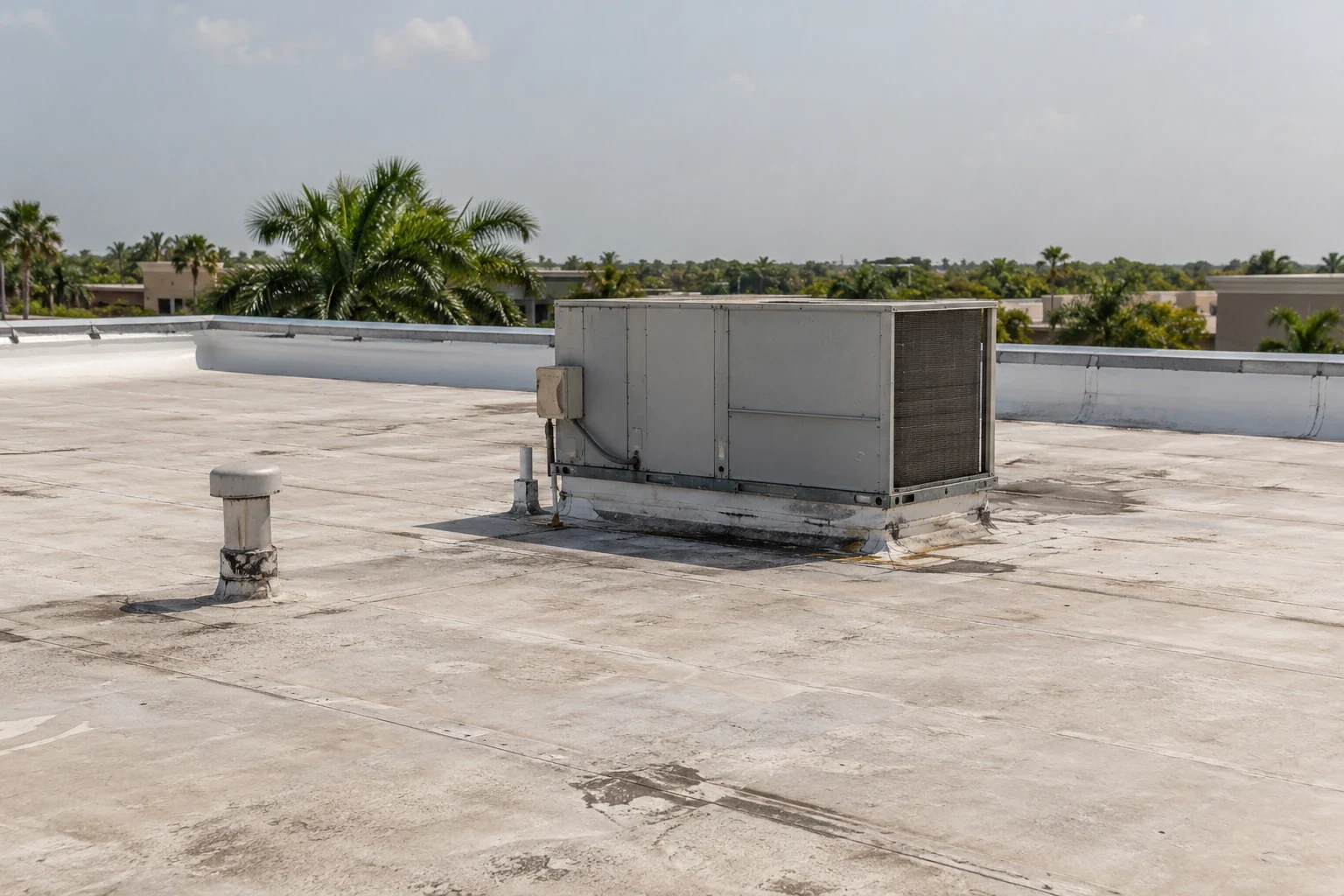
Where does the staging map start?
The facility lead identifies truck queues, dock doors, yard turns, trailer storage, fire access, and the hours when a lane cannot close. We mark where a crane, lift, debris container, and material drop may sit before pricing the work. The roof access route must avoid blocking a dispatch function or placing workers above a live loading operation without an approved protection plan. Each phase receives an access contact and a clear endpoint so the shift supervisor knows when the work zone is available again.
A 3PL building may have several tenants, client inventories, and carrier schedules under one roof. We record who can approve a path change and which customer must be notified when a portion of the building is affected. The manufacturing roof sequence may prioritize production changeovers, while a property-manager portfolio record tracks multiple owners and suites. Here, the dispatcher and facility manager define the dock constraints before the roofing crew sets its arrival and staging plan.
More on Logistics and 3PL
The sections below cover the questions property teams ask before they approve the work.
How can the work boundary protect inventory?
We identify roof zones above high-value, temperature-sensitive, or time-critical goods and note any inventory that should move before work begins. The building team can correlate reported leaks with rack locations, carton damage, floor marks, and prior dry-outs. Roof photographs and interior observations are labeled by area so one claim does not become a general statement about the entire facility. If a test opening is proposed, the owner approves the position and protection method before the assembly is disturbed.
A drone roof review can document portions of a broad roof when access and conditions allow, while a field inspection confirms details that require close evaluation. The report records seams, penetrations, drains, curbs, edges, and previous patches. A repair package then states which defect it addresses and what remains outside the approved limit. The warehouse lead can compare the work boundary with aisle locations and assign any stock relocation before the crew opens the roof.
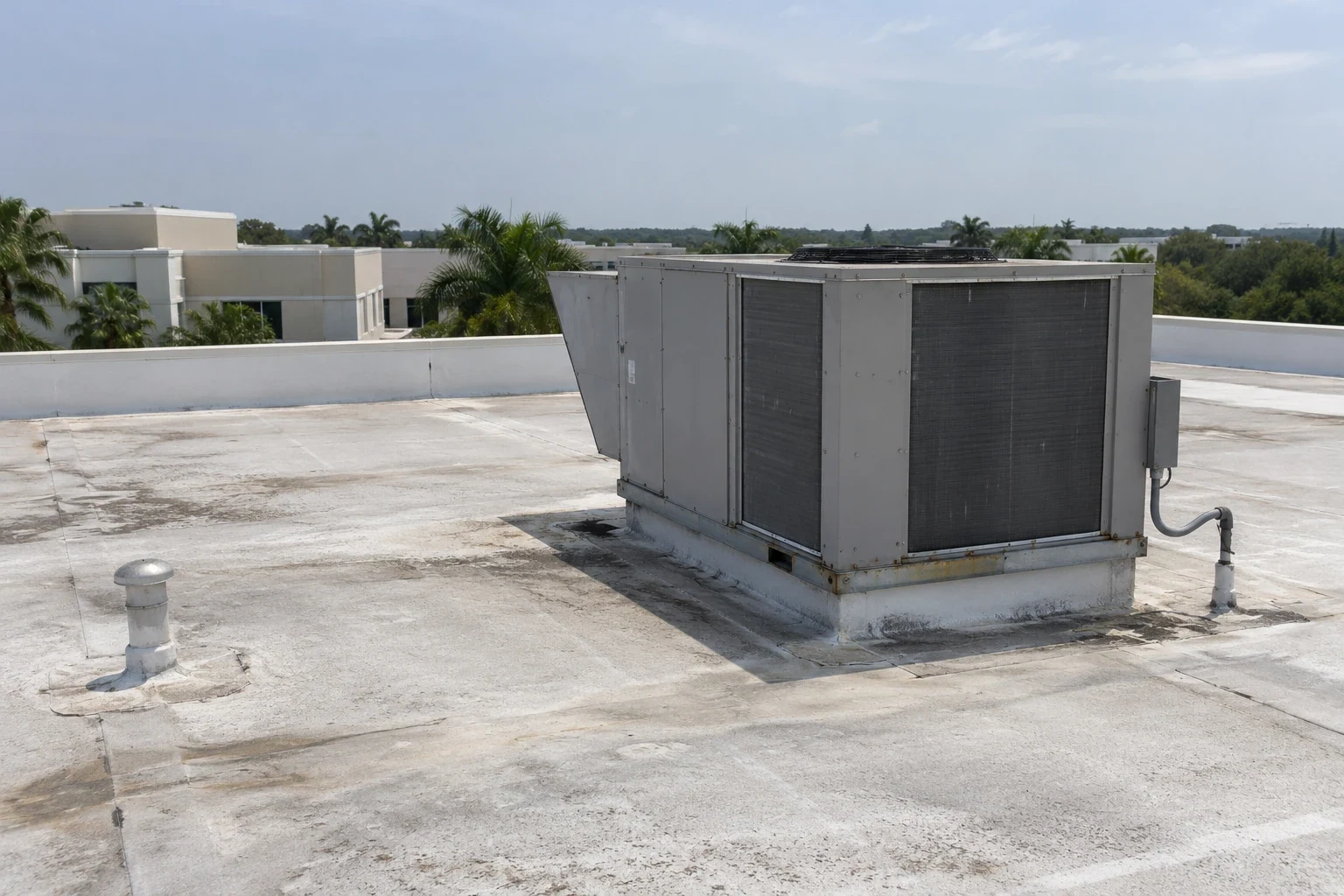
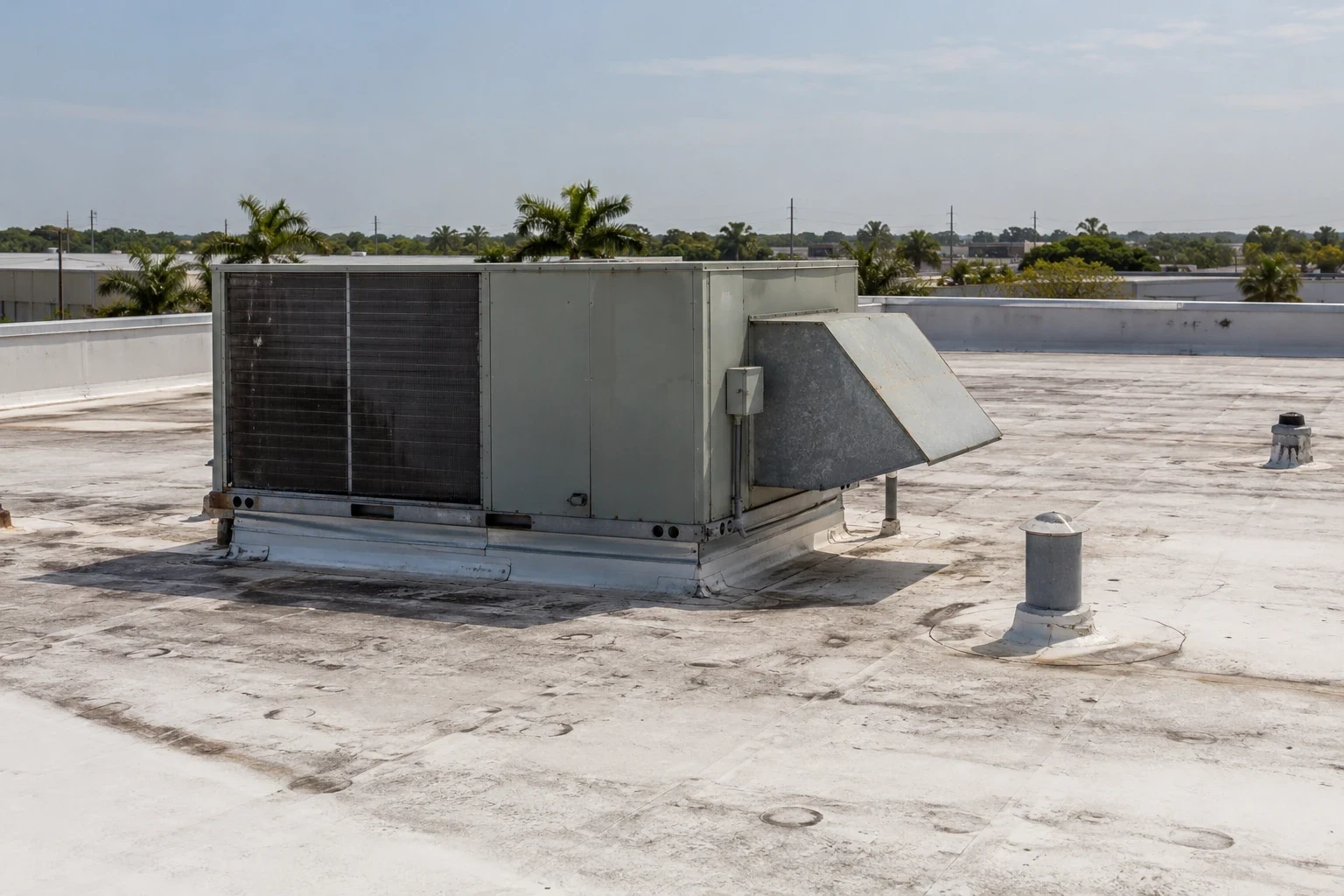
Which drainage details can affect a dock shift?
Water that collects near a roof low point can follow a different route than the drip seen below a dock office. We inspect drains, scuppers, overflows, leader connections, edge transitions, and the surface between the reported condition and its outlet. The manager identifies whether a discharge point crosses a truck lane or receiving area. A drainage scope can specify clearing, repair, or a design question, while the daily work map shows whether a temporary outlet changes yard access.
A furniture-shopping corridor lies near Miami Gardens’ Palmetto Expressway, and automobile-related commerce runs along U.S. 441. Manufacturing, retail, and restaurants are among Hialeah’s major sectors, and West 49th Street serves businesses and shoppers. These real commercial corridors reflect regional activity, not a particular 3PL’s truck route. We confirm the carrier approach and delivery hour with the site team. If a roof repair intersects a dock lane, the proposal states how it will be protected and when the route returns to service.
Industries We Work With
Owners and operators in these fields rely on us to plan roof work around their buildings.
Coordinate healthcare roof work in Miami Gardens, FL around patient routes, critical rooms, equipment, infection controls, and documented approval windows.
Coordinate 3PL roof work in Miami Gardens, FL around dispatch cycles, dock access, inventory protection, equipment routes, and phased closeout.
Plan school district roof work in Miami Gardens, FL around student routes, athletic spaces, summer windows, classroom protection, and board approvals.
Coordinate portfolio roof work in Miami Gardens, FL with area records, access windows, repair priorities, and approvals that keep each asset distinct.
Related Roofing Work
Other pages that cover the same roof question.
Roof leaking now? Call 555-555-5555 and we will send a crew to look at it.
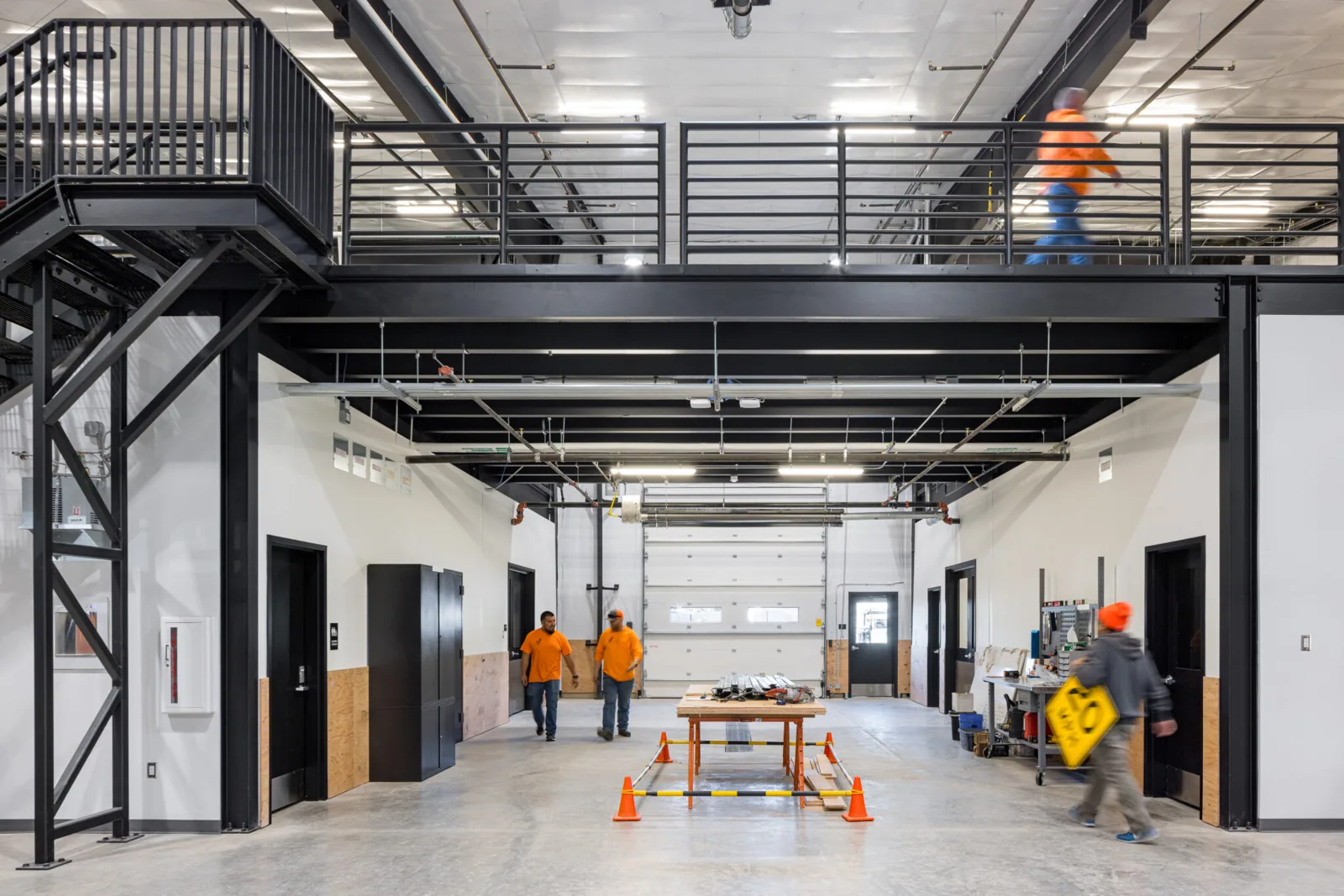
What should the end-of-shift weather check record?
In South Florida, 60 to 70 percent of average annual rainfall falls during the wet season, May 15 through October 15. Across the peninsula, wet-season heat and humidity often bring showers and thunderstorms on nearly every day. For a distribution building, the daily closeout must identify open roof areas, temporary protection, interior spaces below, and the person who checks the site after a weather update. These are regional conditions for planning; current forecasts guide the individual work window.
Severe-weather impacts are most likely during the stormiest mid-May to early July, including damaging winds, tornadoes, hail, and flooding. We do not infer damage from a calendar or a regional outlook. After an event, the crew documents actual conditions and separates emergency protection from permanent repair. The facility receives a status by roof area, with the next approval point noted before dispatch schedules a return. A rapid protection response may address an active opening while the owner reviews a broader work package.
How should a roof package match the dispatch window?
Repair, recover, and replacement plans affect loading in different ways. A repair may need a bounded zone and limited surface preparation; a replacement can add tear-off, disposal, new insulation, and several tie-ins. A recover requires review of existing layers, moisture, attachment, drainage, and edge height. The EPDM assembly and TPO system are evaluated against the deck, specification, wind design, and maintenance requirements, not selected by warehouse label.
Roofing submittals for projects in Miami-Dade and Broward may need to address Florida’s High Velocity Hurricane Zone requirements. Applicable provisions and approved assemblies may affect the submittal. The Ninth Edition of the Florida Building Code takes effect December 31, 2026, so confirm the permit date during scheduling. The design team reviews product documents, details, and inspection points. A multi-site roof program can line up procurement across facilities, but each building retains its own approval and scope assumptions.
How do records follow the building after turnover?
At each phase close, the owner receives the completed zone, remaining opening, dated photographs, material records, and any condition that needs follow-up. The site contact can compare the work record with inventory movements and service calls. If a concealed issue changes the repair boundary, the crew records its location and submits a written change before additional work proceeds. That makes the cost and operating effect visible to the facility and the client whose goods are stored there.
Opa-locka’s redevelopment plan covers commercial, mixed-use, infrastructure, and transportation initiatives across designated districts. Miami Lakes is a planned community with dedicated business parks. These neighboring contexts make regional facility coordination relevant without assigning a roof type to any site. The property manager and logistics lead maintain the actual delivery route and access rules. A dated closeout file keeps the next work package tied to observed roof conditions instead of relying on a dispatch note or a carrier’s report alone.
Coordinate a distribution roof window
Share the dispatch calendar, dock and yard constraints, roof plans, and repair history. We will map field evidence to the operating plan and return a phased work package for review.
Questions About Logistics and 3PL
Can roofing work avoid peak dispatch hours?
The dispatcher and property lead identify the periods when lanes and docks must remain open. We use those windows to set staging, lifting, and the daily roof boundary.
Who decides whether inventory should move?
The facility owner or tenant evaluates goods below the proposed work zone. We provide the roof location, work method, and protection assumptions so operations can make that decision before mobilization.
How are carrier routes handled during a lift?
The site manager approves the lift position and temporary traffic control. The work plan records the route affected, hours, and person who can release it back to dispatch.
Can a leak be repaired while shipments continue?
Often the work can be limited to a defined zone, subject to access, weather, and protection review. We document the area and sequence so the facility can approve the operating limits.
What should the closeout report include?
Keep the roof map, dated photographs, completed repair areas, materials, approved changes, and follow-up items together. The dispatch team can then relate later reports to the correct building zone.