Commercial Roof Inspection in Miami Gardens, FL
Commercial Roofing Services
Schedule a commercial roof inspection in Miami Gardens, FL with hands-on checks, photos by roof area, repair priorities, and clear follow-up records.
Commercial Roof Inspection Overview
An inspection should leave the project team with usable roof-area findings and a next decision. In Miami Gardens, FL, we walk the accessible roof, check the assembly and details, and record conditions that affect repair, maintenance, or capital work. The review accounts for access, tenant activity, equipment, and the schedule for the property. The general contractor receives photographs and a written work package that separates repair candidates from follow-up items.
What does the hands-on review cover?
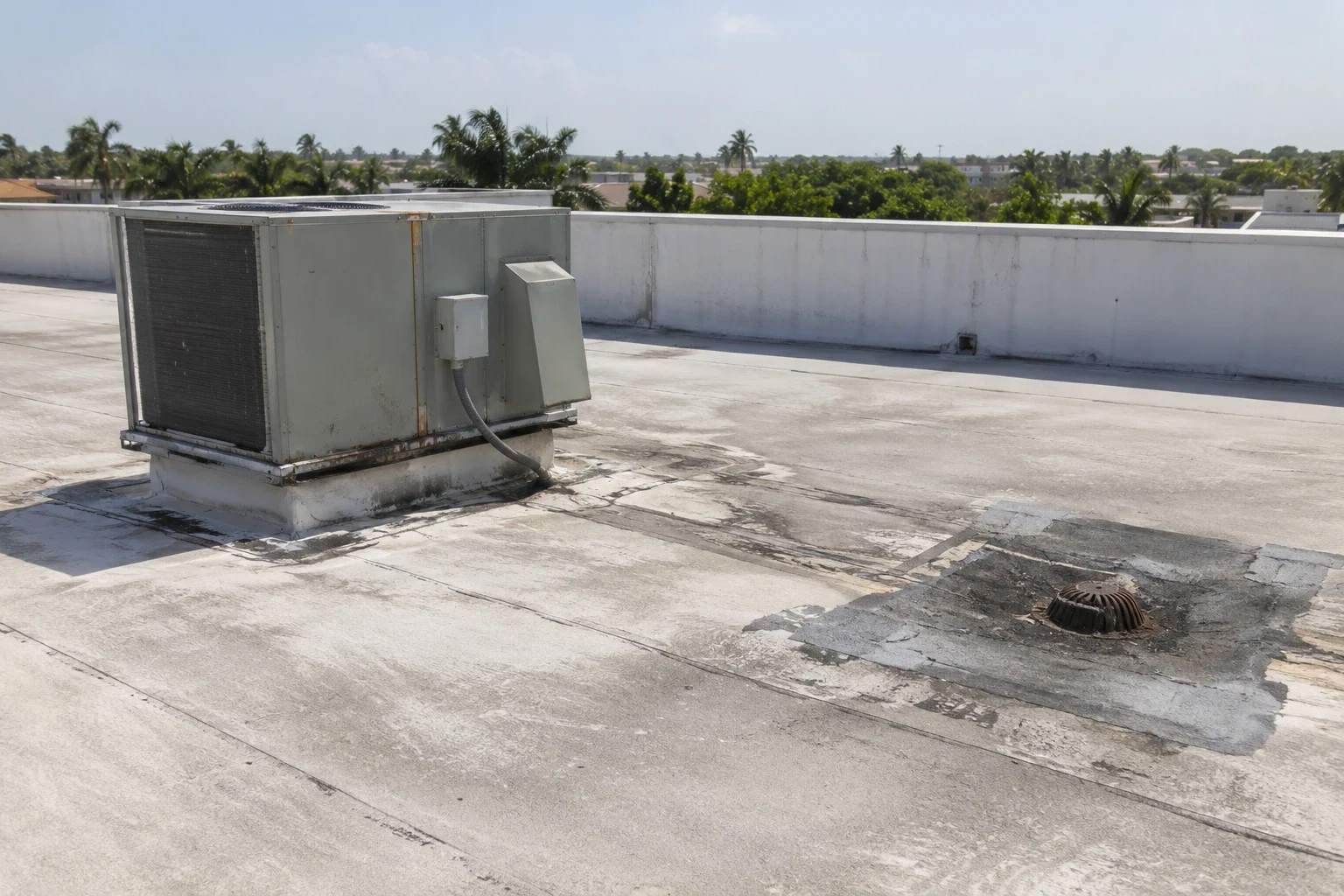
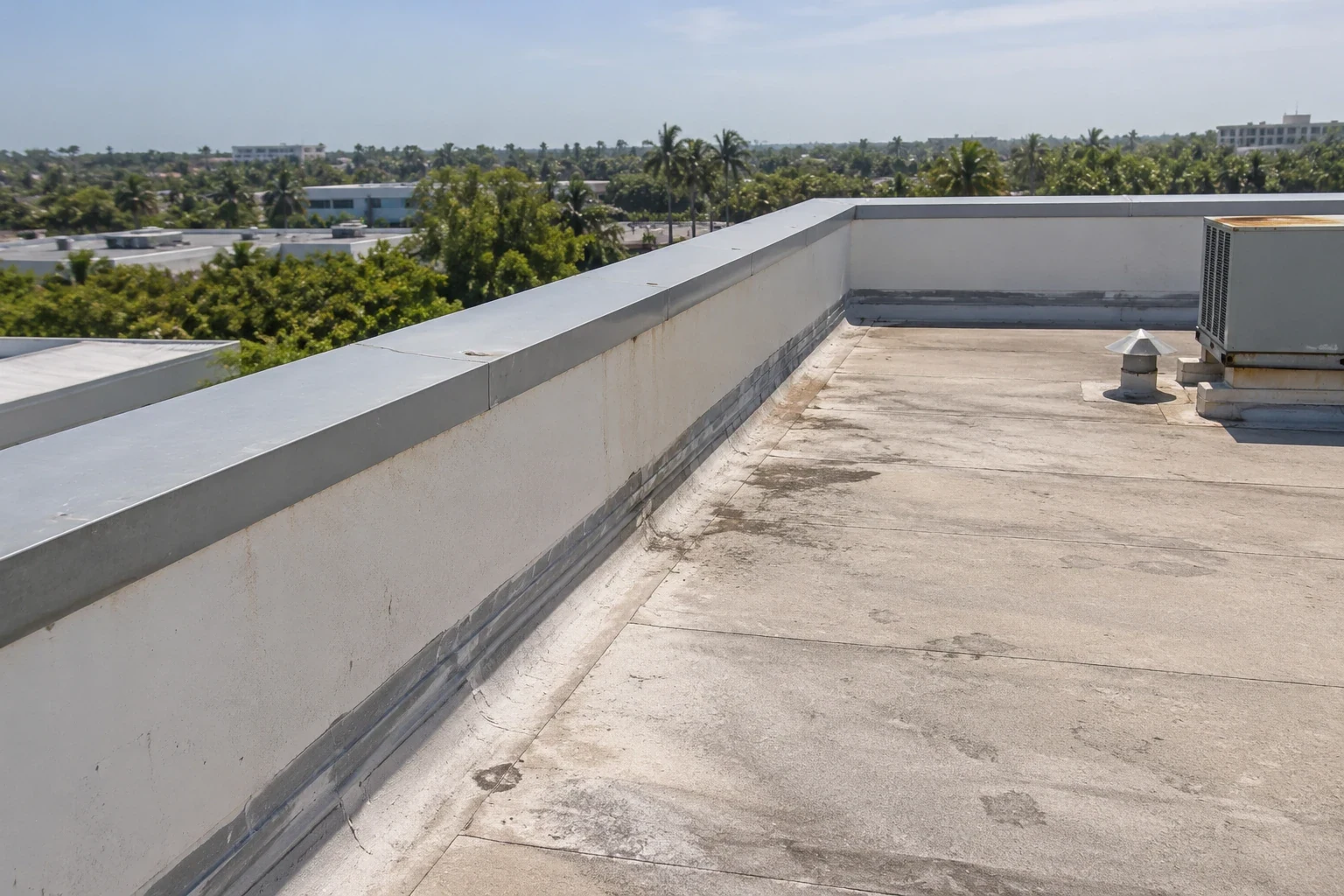
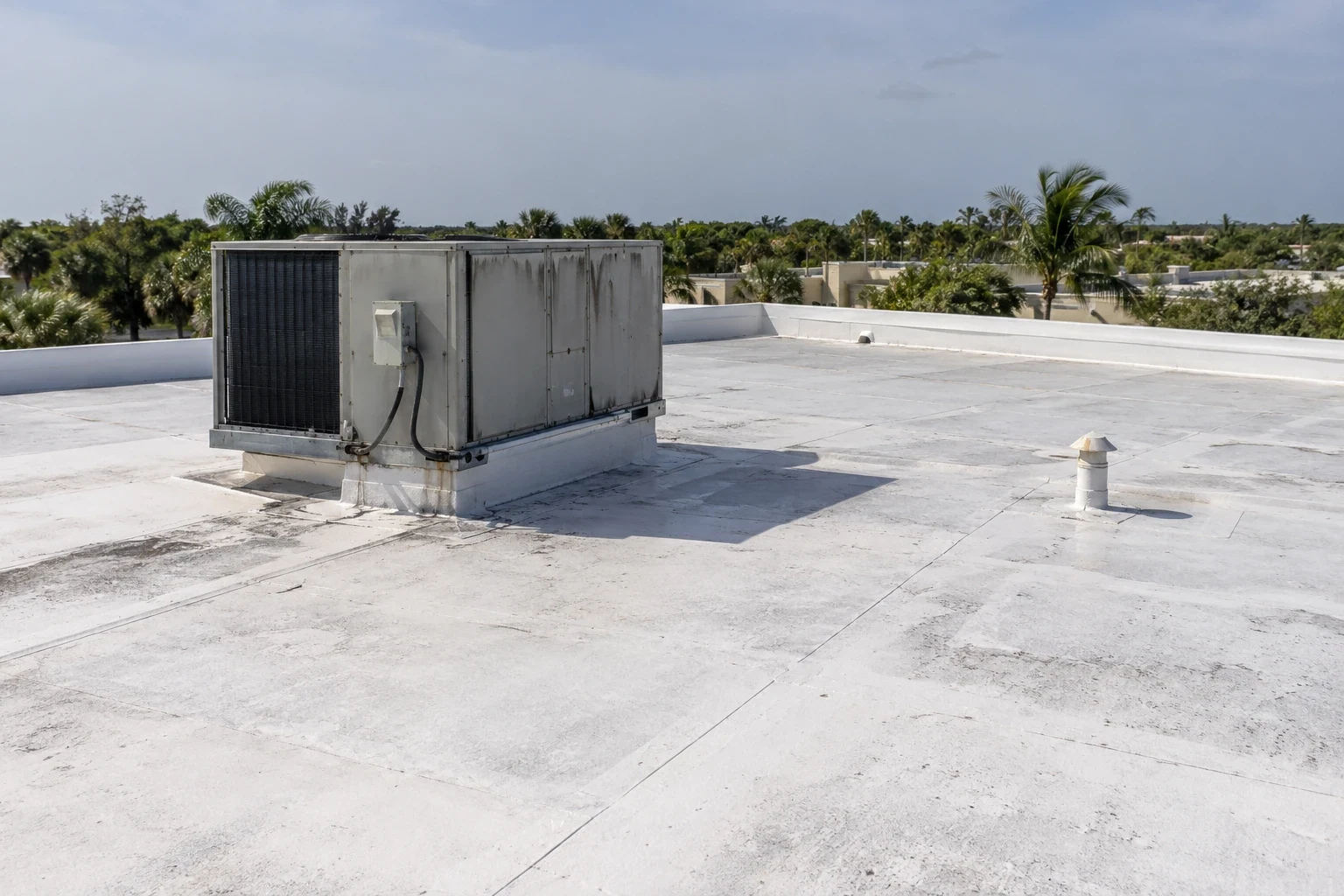
We identify the roof system where visible, then inspect membrane seams, flashing, penetrations, edge metal, drains, scuppers, and transitions. We look for movement, open joints, loose terminations, surface wear, ponding indicators, and signs of moisture. Each finding is located by roof area and photographed with enough context for the owner to understand where it sits. We record inaccessible sections separately instead of treating them as inspected.
Miami Gardens reviews commercial, industrial, and mixed-use projects, and the property’s use can affect both access and inspection sequence. A furniture business near the Palmetto Expressway may have a customer route to protect, while an automobile operation along U.S. 441 may need vehicle circulation kept open. We confirm these conditions with the site representative before moving equipment or crossing active work zones.
Where a review identifies possible concealed moisture, we can arrange an infrared moisture survey or selective core cuts for confirmation. An aerial roof review may help document large or difficult-to-access areas, but direct inspection remains necessary for detail condition. The written record says which method supports each observation.
More on Commercial Roof Inspection
The sections below cover the questions property teams ask before they approve the work.
How are observations turned into priorities?
We distinguish immediate repair needs from conditions that can be monitored and work that belongs in a longer capital sequence. A single open flashing transition may call for a defined repair, while repeated seam failures or wet insulation may require broader review. The report connects each item to its location, evidence, recommended next step, and approval point. This makes the inspection useful to the person scheduling roof work, not just an archive of photographs.
The city’s furniture and automobile trade corridors and its mix of commercial and industrial uses provide local context for planning. They do not establish an individual building’s roof type or condition. For a general contractor with sites in Hialeah, where manufacturing, retail, and restaurants are part of the economy, each site receives its own access notes and condition record. We compare portfolios only after keeping each property’s observations separate.
Our roof condition report can include mapped photos, a repair candidate list, and follow-up questions for the owner. If an inspection shows a specific leak path, a leak investigation can trace the entry and distinguish temporary protection from permanent work. Each service is scoped to what the inspection actually observed.

What does the South Florida weather calendar change?
Inspection scheduling in South Florida uses a seasonal baseline alongside the day’s site conditions. The wet-season calendar spans mid-May through mid-October, and long-term regional averages place most annual rain inside that period. Those averages do not tell us whether a specific roof is wet or damaged. The inspector records observed surface conditions separately from event reports, then checks access and footing before moving between roof areas.
Severe impacts such as damaging wind, tornadoes, hail, and flooding are more likely during the stormier stretch from mid-May into early July. After an event, we photograph visible displacement and openings, compare them with prior records, and identify any location that needs testing. A regional outlook is not a substitute for a property-level finding, and the report does not assign hidden damage without supporting evidence.
Tropical systems can shift rainfall locally, with reliable detail limited beyond roughly a week to ten days. For that reason, the inspection uses the current forecast and confirmed site needs to set its access window. If a moisture test or approved opening is needed, the owner and site contact agree on temporary protection before the work starts.
Industries We Work With
Owners and operators in these fields rely on us to plan roof work around their buildings.
Coordinate healthcare roof work in Miami Gardens, FL around patient routes, critical rooms, equipment, infection controls, and documented approval windows.
Coordinate 3PL roof work in Miami Gardens, FL around dispatch cycles, dock access, inventory protection, equipment routes, and phased closeout.
Plan school district roof work in Miami Gardens, FL around student routes, athletic spaces, summer windows, classroom protection, and board approvals.
Coordinate portfolio roof work in Miami Gardens, FL with area records, access windows, repair priorities, and approvals that keep each asset distinct.
Related Roofing Work
Other pages that cover the same roof question.
Roof leaking now? Call 555-555-5555 and we will send a crew to look at it.
How does an inspection support a capital decision?
A useful inspection helps the owner compare repair, maintenance, coating, recover, and replacement options. We describe what can be repaired, what requires testing, and which areas should be reviewed again. Cost and timing depend on access, preparation, material compatibility, moisture extent, deck condition, and other trades. The report identifies those drivers without pretending that a roof-wide recommendation fits every section.
Miami-Dade adopts the Florida Building Code with county administrative, enforcement, and product-approval provisions. The county and Broward are in the High Velocity Hurricane Zone definition. If a proposed roof assembly or repair affects regulated details, the project team should confirm which provisions apply to its permit and submittals. We can provide field records and roofing product information to support that review, while the design professional confirms the code path.
For an owner coordinating multiple buildings, capital planning can use the inspection record to stage work by condition and access window. An ongoing maintenance program can revisit repair candidates, clear drainage, and update the report after work. These records help the contractor compare roofs without carrying one building’s findings into another property.
What should the site team prepare?
Before the visit, share roof plans if available, prior leak reports, repair records, equipment locations, access rules, and the operating schedule. Identify fall-protection requirements, roof hatches, escorts, and areas that must remain clear. We confirm which surfaces can be reached and whether lift or drone access needs coordination. These details define the inspection route and help the crew avoid interfering with building operations.
For a facility in Miramar’s employment centers or corporate parks, the site team may need to align the review with office, service, and delivery activity. That type of local context supports scheduling but does not identify any particular roof assembly. We confirm the actual roof access point and safe working conditions with the property contact. If multiple trades are present, the general contractor assigns a time window and coordination lead.
For a roof in the Miami Gardens commercial roofing coverage area, we inspect the property and record its own findings. Send the plans, recent photos, access contact, and the question the project team needs answered. We will walk the roof, organize observations by area, and return a written record with repair candidates, approvals, and follow-up steps. If an urgent issue appears, we can coordinate a repair response through the same site contact.
Set up a roof-area review
Send roof plans, access instructions, leak and repair history, equipment locations, and the project question. We will inspect accessible areas and prepare findings, repair priorities, and follow-up points for the general contractor.
Questions About Commercial Roof Inspection
What will the inspection report include?
The report organizes photos and observations by roof area, with repair candidates, access notes, and follow-up items. We identify sections we could not safely reach and state where additional testing is needed.
Can an inspection tell whether the roof needs replacement?
It can compare visible condition, moisture evidence, repeated failures, and assembly limits with repair or replacement options. Where conditions are concealed, we recommend confirmation before setting a final boundary.
Do you inspect every roof area during one visit?
We inspect the areas that are safely accessible within the agreed scope. The report records restricted locations and any section that needs a separate access plan or additional review.
Should we schedule after a storm?
A post-event review can document visible conditions and prioritize areas for closer inspection. We separate what is observed at the property from regional weather context and do not infer concealed damage without evidence.
Which records should we send in advance?
Roof plans, leak history, repair invoices, equipment locations, access rules, and upcoming project dates help us prepare. The site contact should also identify roof-entry procedures and any areas that must stay operational.