
Commercial Roof Insurance Claim Assistance in Miami Gardens, FL
Commercial Roofing Services
Organize commercial roof claim documentation in Miami Gardens, FL with dated photos, area findings, temporary work records, and repair scope coordination.
Commercial Roof Insurance Claim Assistance Overview
An insurance file needs a clear record of what the crew saw, where it was, and what work followed. In Miami Gardens, FL, we document roof conditions by area, photograph visible damage, and separate emergency protection from permanent repairs. The owner or general contractor can provide event timing, interior reports, and prior repair history so observations stay tied to the correct building. We prepare roofing information for the claim file without deciding coverage or promising an insurer’s response.

What belongs in a useful roof record?
We record the inspection date, access limits, roof area, membrane or metal details observed, and the condition that needs attention. Photographs include enough context to show the location, followed by close views of seams, flashing, edges, or penetrations. Temporary protection and completed repair work are listed separately. If concealed damage remains uncertain, we identify the testing or opening needed before a permanent scope is set.
The regional outlook places the greatest likelihood of severe conditions in the mid-May through early-July stretch, including hail, flooding, tornadoes, and damaging winds. That seasonal window helps prioritize a prompt inspection and begin a dated field record. Our record separates the event time reported by the owner from inspection observations, photographs, and authorized repairs. The contractor documents roofing work and can provide those materials for a claim file; policy interpretation and coverage decisions remain with the owner and insurer.
Miami Gardens identifies automobile trade along U.S. 441 and furniture-oriented shopping near the Palmetto Expressway. Those citywide uses provide context, while the site contact confirms inspection hours, staging, interior areas, and operating restrictions for the property. A storm damage assessment can map visible conditions, while a hands-on roof inspection records assembly details and repair candidates.
More on Commercial Roof Insurance Claim Assistance
The sections below cover the questions property teams ask before they approve the work.
How are emergency measures recorded?
When water is active, we coordinate immediate protection with the site team and document the area covered. The record shows the temporary material, work date, access limit, and remaining exposure. A dry-in is described as a temporary measure, not a completed permanent repair. If a return visit is needed, the open item and intended inspection are stated so the project file reflects the sequence.
For an orderly file, separate the report date, first site visit, temporary-work authorization, and date the permanent scope was ready for review. If the adjuster later asks for another image, add it to the same roof-zone record and retain the original photo. A short change log notes who requested the new item and when, so a supplemental document remains distinguishable from the initial field observations.
Emergency response operates around the clock, including weekends and holidays. Our emergency roof service can document temporary protection and return needs, while leak tracing can identify the likely water path. The file then separates urgent mitigation from repairs that require approval, material coordination, or additional testing.
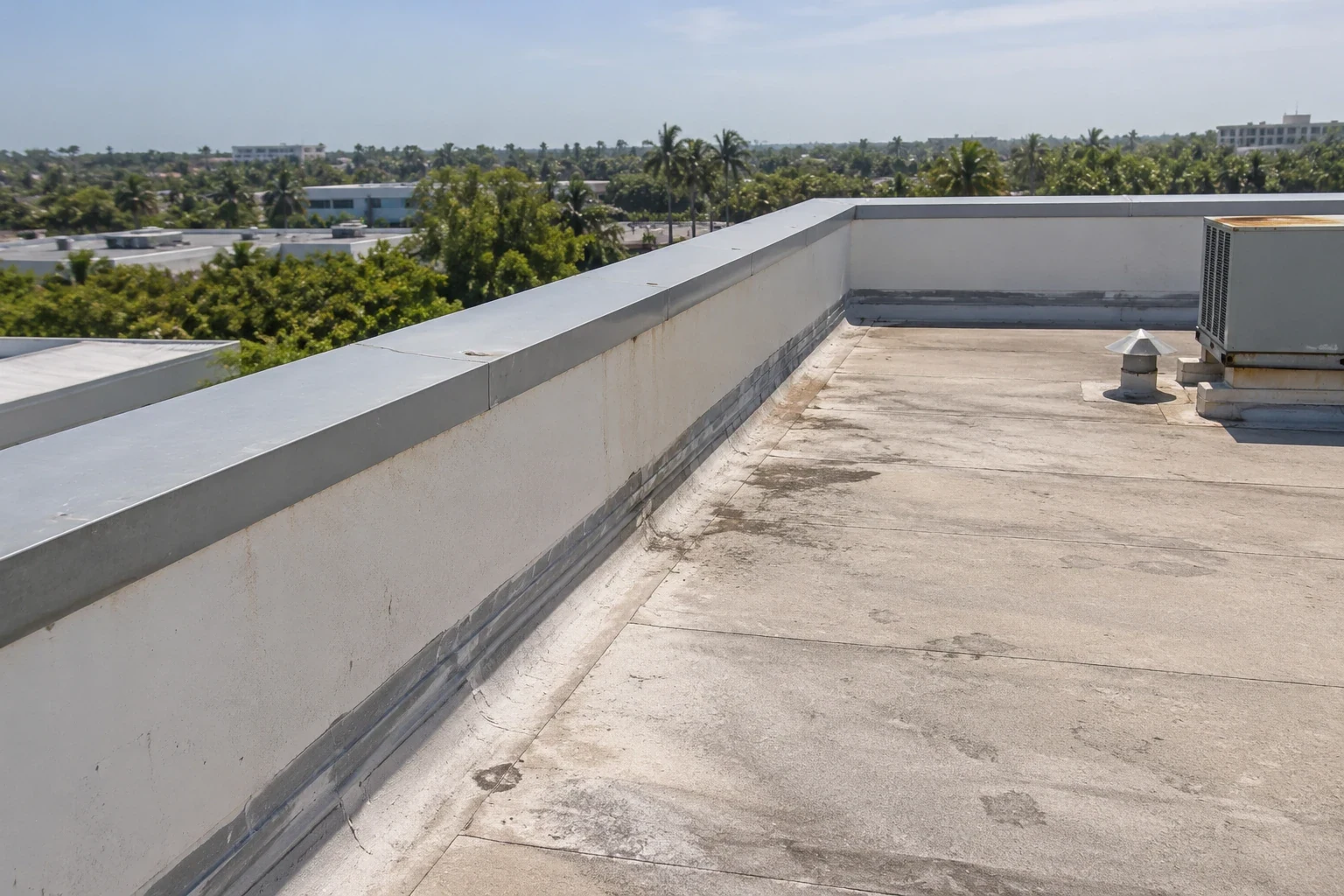
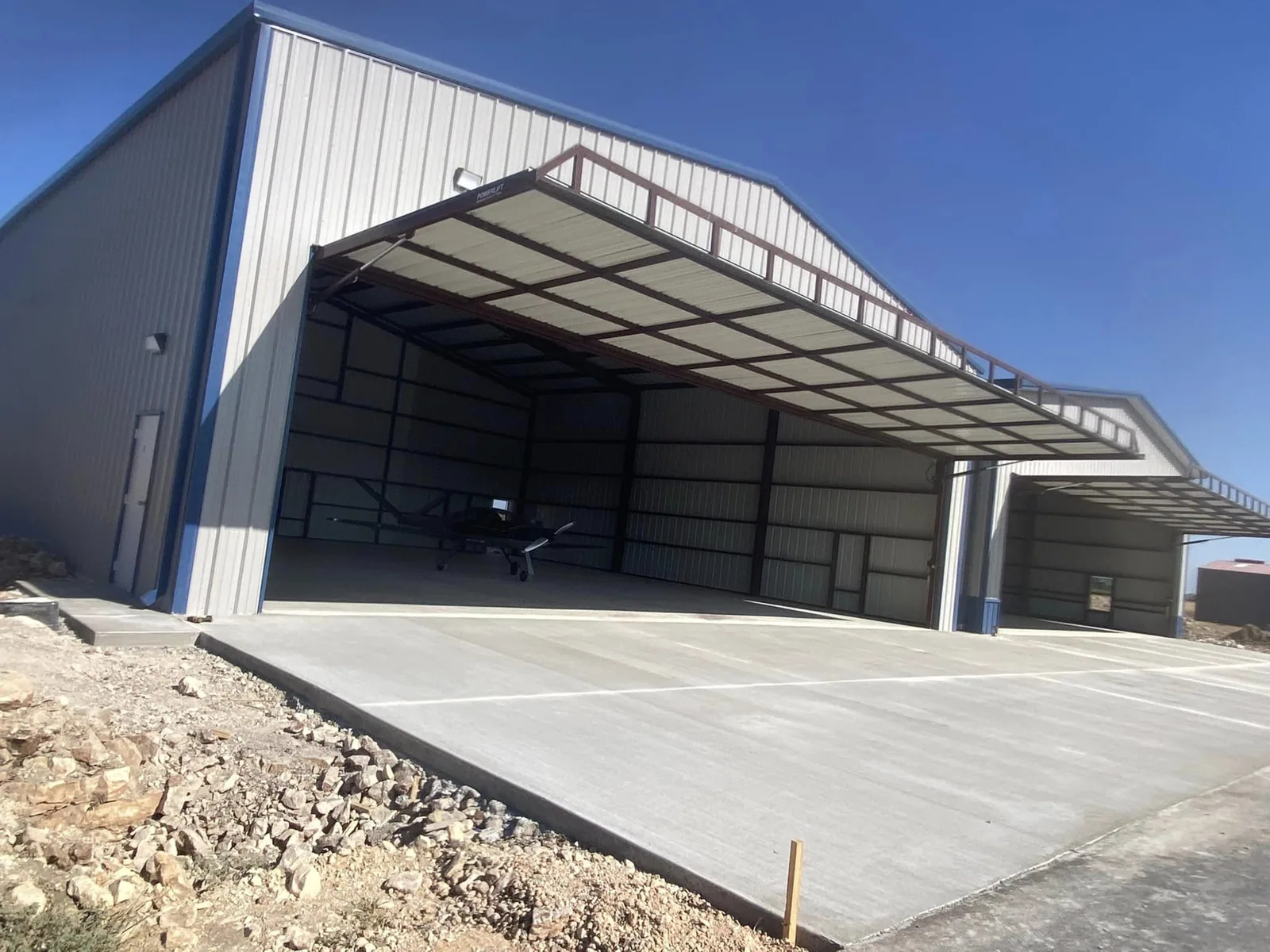
How is repair scope kept distinct from claim decisions?
We describe the roofing work supported by the field evidence: patching a seam, rebuilding flashing, replacing edge metal, correcting drainage, or opening a roof area for confirmation. The scope identifies material, quantity assumptions, access needs, and any concealed condition that could change the package. It does not state that an insurer will pay for the work. The owner can send the contractor’s record through its preferred claim process.
Cost and schedule depend on the repair boundary, assembly, access, temporary protection, interior coordination, and material lead time. We separate those drivers from coverage questions. If the roof has recurring failure beyond the reported area, a broader repair plan or replacement scope can be presented as a separate capital decision.
When the proposed scope moves beyond localized repair, the file can include the assembly description, product data, field dimensions, and the open design or permit questions. We label those attachments by roof zone and revision date so the general contractor can route them to the appropriate reviewer. The contractor’s observations stay separate from the insurer’s coverage decision and from any design professional’s approval.
Industries We Work With
Owners and operators in these fields rely on us to plan roof work around their buildings.
Coordinate healthcare roof work in Miami Gardens, FL around patient routes, critical rooms, equipment, infection controls, and documented approval windows.
Coordinate 3PL roof work in Miami Gardens, FL around dispatch cycles, dock access, inventory protection, equipment routes, and phased closeout.
Plan school district roof work in Miami Gardens, FL around student routes, athletic spaces, summer windows, classroom protection, and board approvals.
Coordinate portfolio roof work in Miami Gardens, FL with area records, access windows, repair priorities, and approvals that keep each asset distinct.
Related Roofing Work
Other pages that cover the same roof question.
Roof leaking now? Call 555-555-5555 and we will send a crew to look at it.
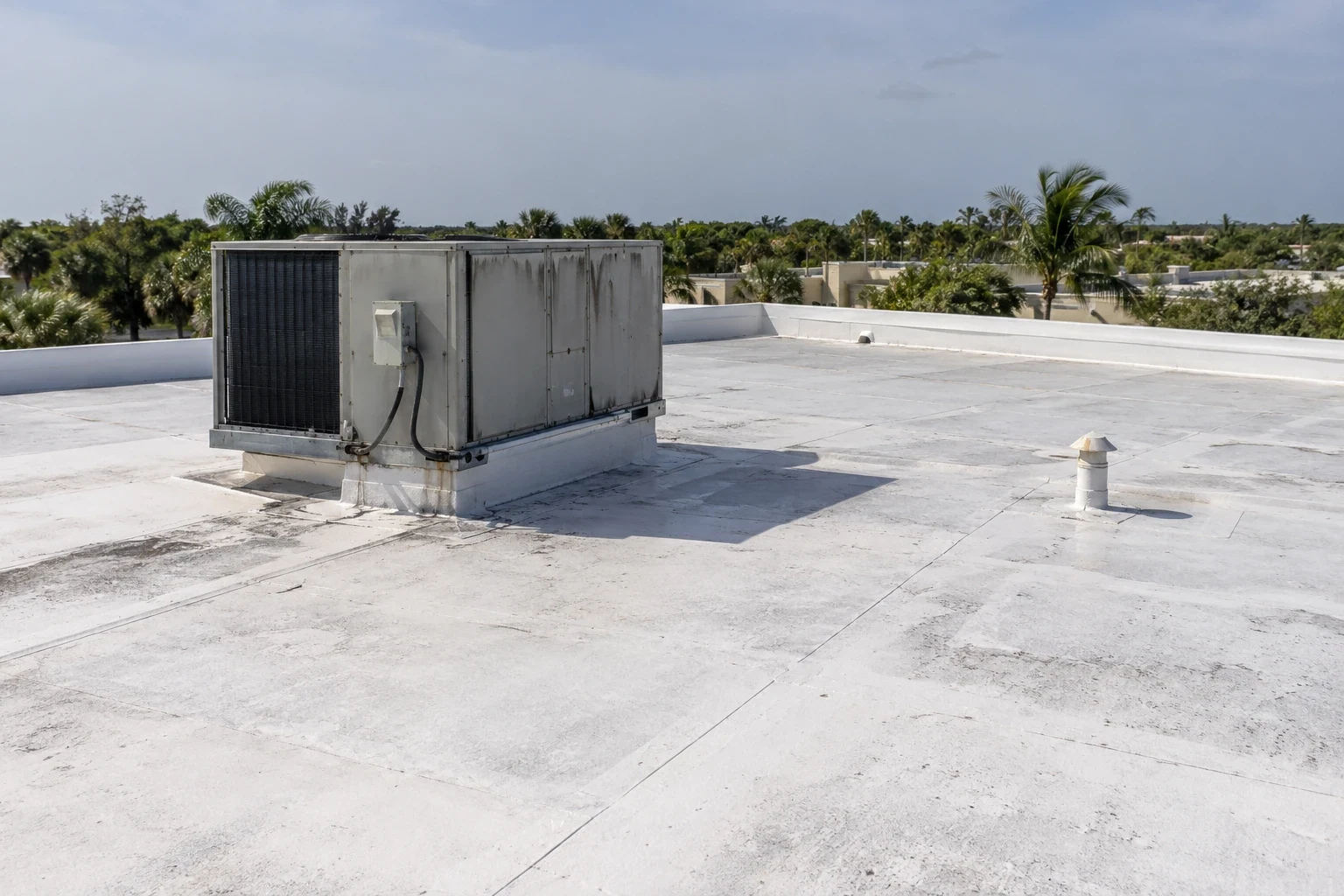
Which parties need the same information?
The property manager, general contractor, insurer, adjuster, and roofing crew may each use a different part of the record. We label photographs and scopes by roof area so the discussion stays tied to the same condition. If an adjuster requests another view or a sample, we document the request and arrange access with the owner. Any change to the repair package is recorded with its basis and approval.
A portfolio owner with buildings in Hialeah and Miramar should keep each event, inspection, and repair tied to its own property. Hialeah identifies manufacturing and retail among its major sectors, while Miramar has employment centers and corporate parks. These city facts provide economic context; property-specific access and roof conditions come from the site review. We preserve separate files and site contacts to keep evidence tied to each location.
Our roof condition report can include dated photos, findings, and follow-up items. If the owner needs a wider property comparison, asset records can track repairs and approvals by building. For a roof in Miami Gardens, we coordinate the field package with the general contractor and prepare the documents the owner requests for its project file.
Before a joint visit, the owner can identify who may authorize roof access, who holds the current plan, and who will receive the field package. We can group files by date and roof zone, then flag missing items such as an inaccessible area, an undated interior photo, or an unconfirmed repair boundary. That short exception list gives the next discussion a practical starting point and reduces the chance that a requested document is mistaken for a completed inspection.
What should the owner keep after repairs?
Keep the original inspection record, photographs, work authorization, material and repair notes, temporary protection details, and any follow-up report together. The owner should also retain the policy correspondence and adjuster documents separately from the contractor’s field findings. A repair closeout should show what changed and which roof zone was completed. Areas that were not opened or could not be reached remain noted for a later visit.
After repair, a scheduled maintenance visit can check the seam, edge, flashing, or drain included in the scope. If moisture or concealed layers remain uncertain, agree on test locations before selecting a method. Each follow-up record adds to the chronology without changing the original inspection observations.
Send the event date, roof plan, prior repairs, interior report, access rules, and claim-file questions when requesting a field review. We will document observable roof conditions, identify the work supported by that evidence, and provide a clear package for the owner and general contractor. Coverage and policy interpretation remain with the insurer and the policyholder.
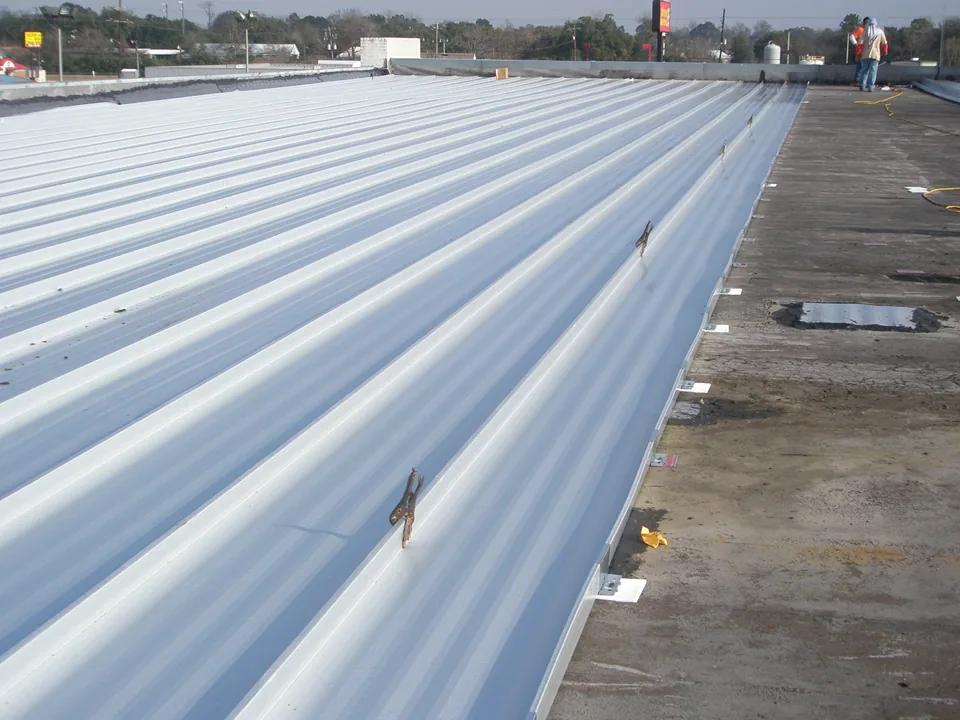
Prepare the roofing field record
Share the roof plan, event timing, interior reports, prior repair history, claim questions, and access contact. We will inspect the roof, document observable conditions, and coordinate a repair scope for the project file.
Questions About Commercial Roof Insurance Claim Assistance
Can you tell us whether the insurer will cover the roof work?
No. We document observed conditions and the roofing scope, while the insurer and policyholder determine coverage under the policy. Our report can help keep the repair record clear for that review.
What should be photographed after a storm?
Photograph visible openings, displaced metal, interior water, and the broader roof area that shows each location. We can add a dated inspection set with labels, access notes, and repair findings for the project file.
How do you record temporary protection?
We note the date, affected roof zone, material or method used, remaining exposure, and return visit needed. Permanent repairs are recorded separately so the owner can follow the work sequence.
Can the contractor prepare a repair estimate for the claim file?
We can provide a scope based on inspected conditions, with assumptions, access needs, materials, and concealed-work limits identified. That scope describes roofing work and does not make a coverage determination.
What if the roof condition is unclear during the first visit?
We document the visible evidence and identify what needs testing or access before finalizing the repair boundary. Core sampling, infrared review, or another inspection may be appropriate depending on the assembly and question.