Commercial Roofing for Property Managers in Miami Gardens, FL
Industries We Serve
Coordinate portfolio roof work in Miami Gardens, FL with area records, access windows, repair priorities, and approvals that keep each asset distinct.
Property Managers Overview
A portfolio review is useful only when each roof keeps its own evidence and operating limits. The record should show when each condition was observed and which approval remains open, because both details affect the order of work. For managed properties in Miami Gardens, FL, we separate the field record by building, map access windows, and identify which repair candidates need an immediate decision. The city reviews commercial, industrial, and mixed-use development, and Miramar has employment centers, corporate parks, retail, and restaurants. That broader business mix can inform regional coordination, while each manager’s roof-area record remains tied to the specific site and its approval path.

What belongs in a usable roof-area record?
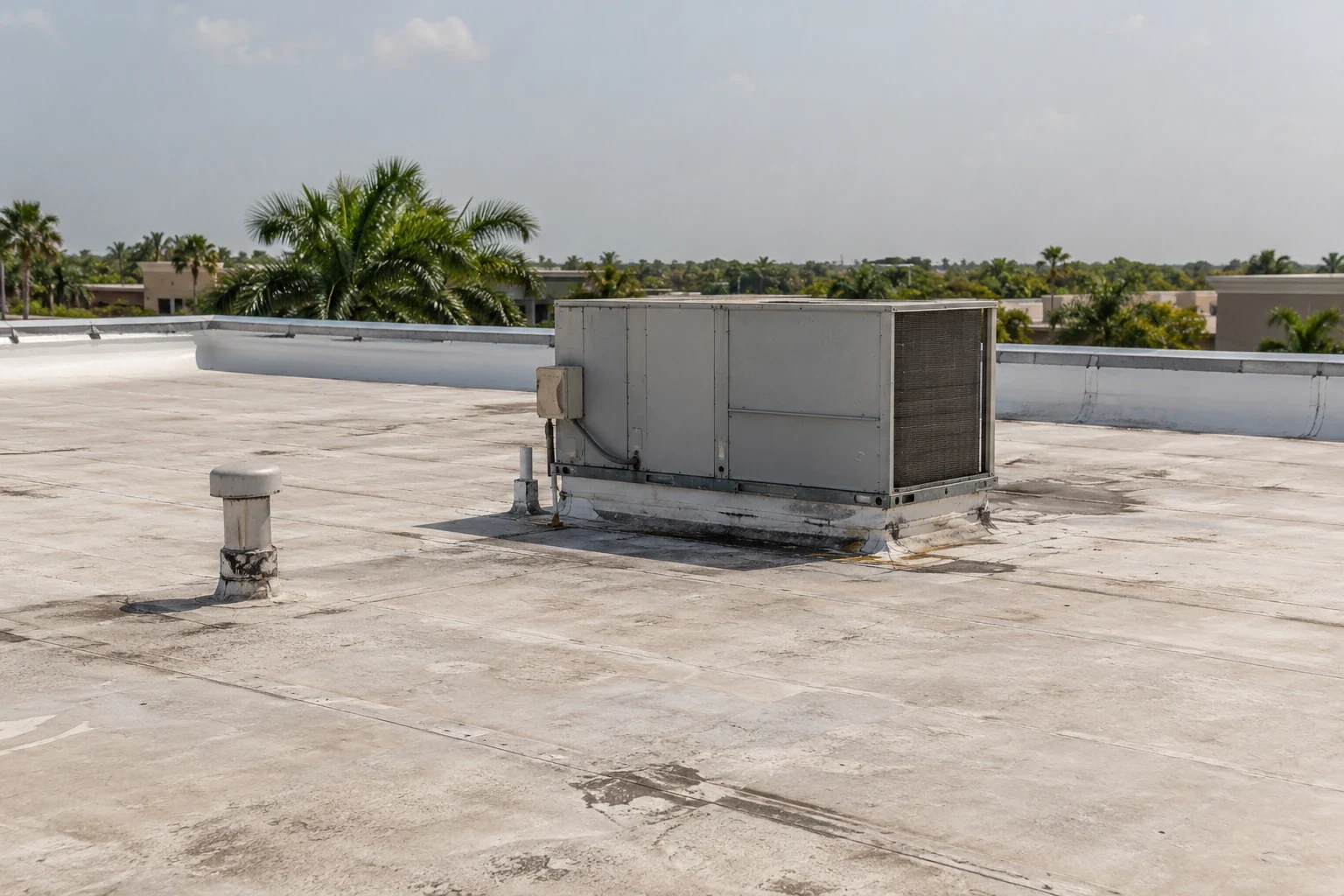
We begin with the property list, available roof plans, prior repair notes, service calls, and the people who can approve access. Each record identifies the roof areas inspected, visible conditions, drainage details, equipment, tenant constraints, and follow-up items. If a drawing does not match what the crew can see, the difference is documented before a scope is priced. The manager can then distinguish an observed defect from a question that needs testing, selective removal, or design review.
A useful portfolio register does not flatten unlike buildings into one score. A retail property, warehouse, and occupied office can have different roof assemblies, consequences of a leak, and windows for access. For portfolio budgeting, investment-property comparisons help managers weigh capital priorities, while a general contractor's work package needs field limits and trade interfaces. Each location keeps its own photographs, dates, repair history, and owner decisions so one roof never stands in for another.
More on Property Managers
The sections below cover the questions property teams ask before they approve the work.
How do repair candidates enter the capital sequence?
A recurring leak, open seam, damaged curb, ponding area, or loose edge detail becomes a repair candidate only after its surrounding conditions are reviewed. We note severity, affected area, interior use, access, and any uncertainty that changes the proposed work. The manager can sort the findings into a bounded repair, a wider condition survey, or future replacement planning. A roof capital sequence can group decisions by urgency and access without combining unrelated findings.
The decision is easier when the estimate shows cost drivers in plain terms: roof area, preparation, tear-off assumptions, insulation, equipment coordination, protection, and the number of phases. We flag allowances and exclusions instead of burying them in a general description. A commercial roof inspection can establish the condition baseline, and a repair scope can define the immediate work. The manager retains the evidence and approval record for later budget and tenant conversations.
Which operating limits change the work window?
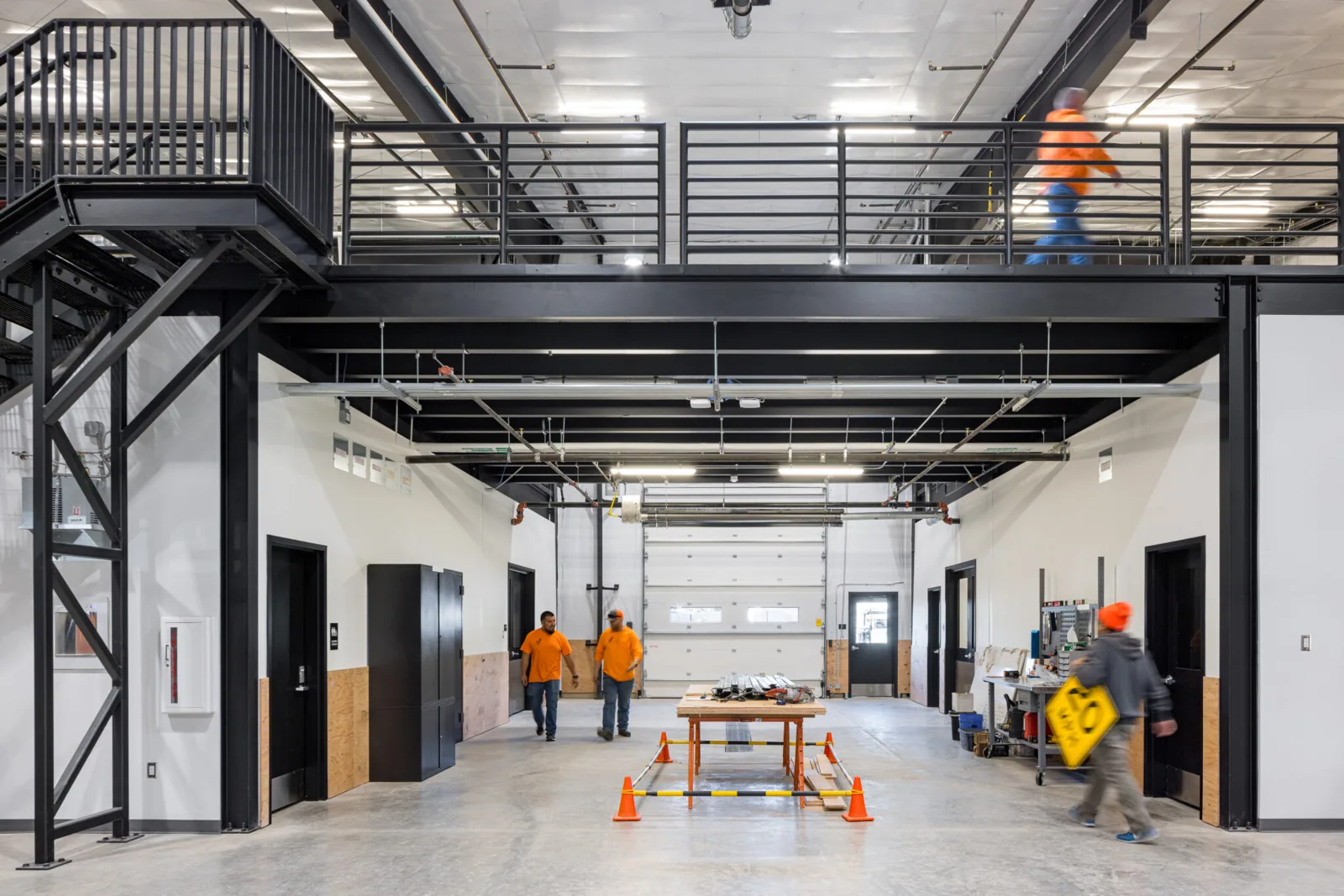
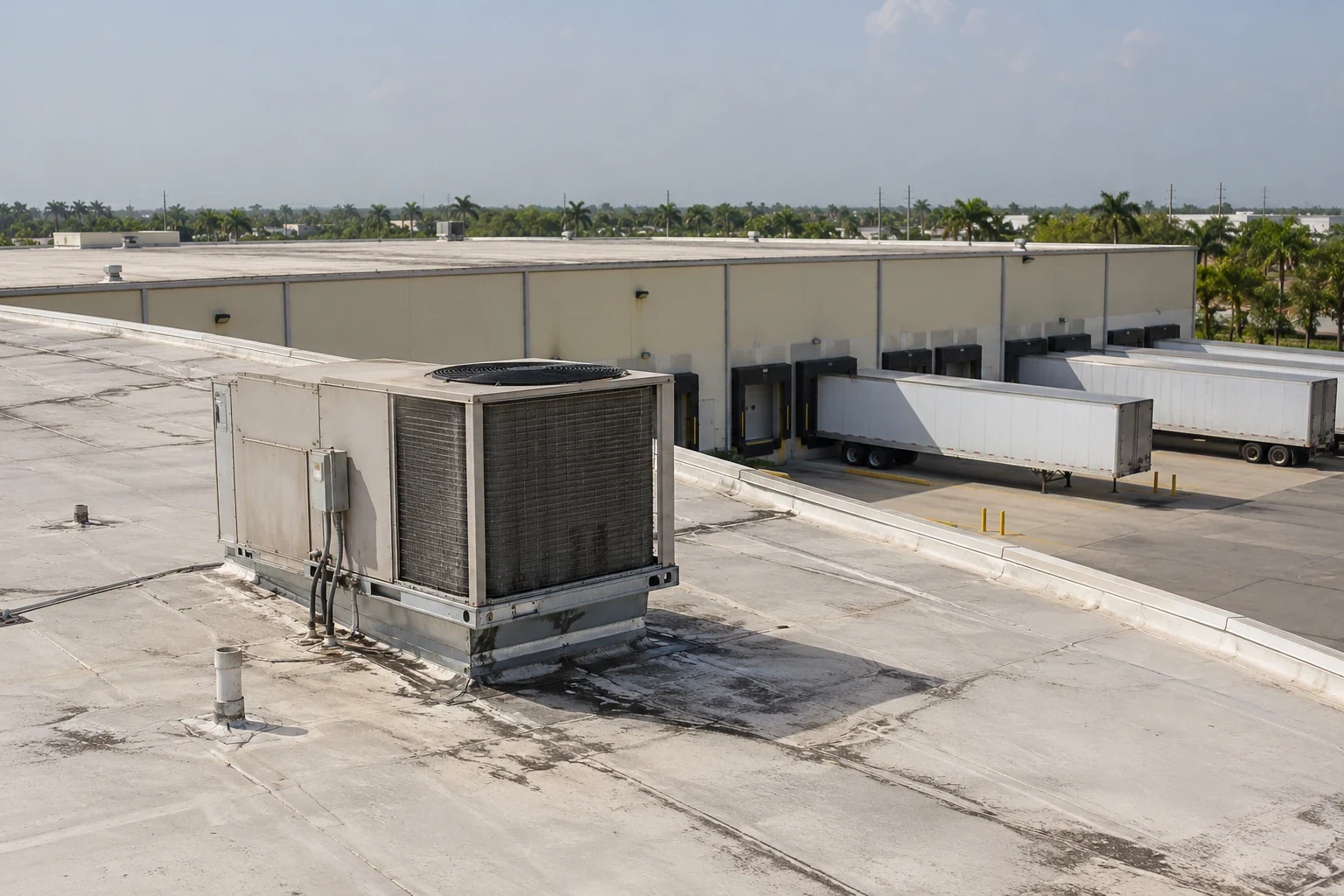
Property managers coordinate tenant hours, loading, deliveries, emergency routes, roof entry, vertical-access limits, and work near occupied rooms. We map the proposed zone against those limits and name a site contact who can approve a changed boundary. The staging plan identifies where a lift or materials may sit, how debris leaves the roof, and which routes must remain open. If multiple trades are active, the schedule notes when a rooftop unit, curb, or penetration moves from one contractor’s responsibility to another’s.
I-95, State Road 826, and the Florida Turnpike connect Miami Gardens to the region, alongside Florida East Coast Railway and Tri-Rail. Those links may help frame delivery planning across a regional portfolio; they do not set a particular tenant’s loading hours. The manager confirms each property's gate, staging, and work restrictions. A phased occupied-building plan can then set tenant communications and the agreed access window.
Industries We Work With
Owners and operators in these fields rely on us to plan roof work around their buildings.
Coordinate healthcare roof work in Miami Gardens, FL around patient routes, critical rooms, equipment, infection controls, and documented approval windows.
Coordinate 3PL roof work in Miami Gardens, FL around dispatch cycles, dock access, inventory protection, equipment routes, and phased closeout.
Plan school district roof work in Miami Gardens, FL around student routes, athletic spaces, summer windows, classroom protection, and board approvals.
Coordinate portfolio roof work in Miami Gardens, FL with area records, access windows, repair priorities, and approvals that keep each asset distinct.
Related Roofing Work
Other pages that cover the same roof question.
Roof leaking now? Call 555-555-5555 and we will send a crew to look at it.
How should wet-season exposure enter scheduling?
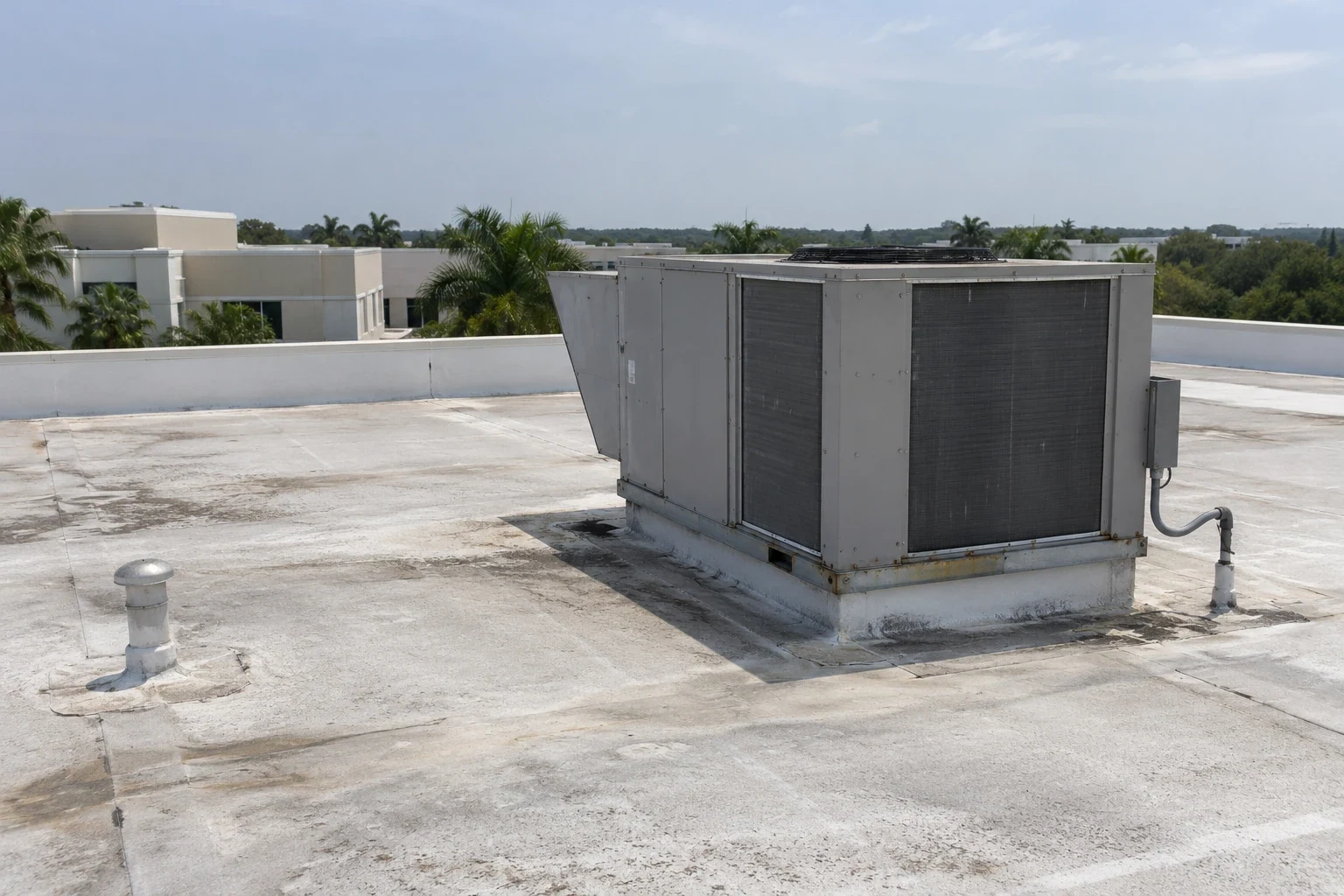
During South Florida’s May 15 through October 15 wet season, 60 to 70 percent of average annual rainfall typically occurs. Warm, humid wet-season conditions support showers and thunderstorms on nearly every day across the peninsula. Those regional conditions matter when deciding how large a roof opening can remain active and what temporary protection is required at shift close. We use current forecasts for daily choices, then preserve the approved protection method and closure point in the work record.
The Palmetto Expressway shopping district and U.S. 441 automobile-trade corridor are two distinct parts of Miami Gardens' commercial map. The manager confirms each property's delivery schedule and tenant access rather than inferring those details from the corridor description. Seasonal averages do not predict rain at an individual building. The project lead checks the work window, identifies areas below the active zone, and names who will receive a weather update. A rapid roof-response scope can address immediate protection needs, while permanent work follows its own inspection and approval steps. The portfolio file records which building needs action and why.
What should a manager compare between proposals?
Proposals should use a common format but preserve the details that make each roof different. We list the observed condition, repair or replacement boundary, specified system, drainage work, protection, access assumptions, schedule, and open decisions. If a proposal includes a recover or coating, the file should state how the existing layers, moisture, attachment, and surface condition were evaluated. A TPO system review and EPDM assembly review can compare options without assuming either suits every building.
Miami Gardens operates small-business and resident economic-growth programs that include local enterprise and procurement support. For a manager coordinating work across the area, this is useful local business context, not a substitute for procurement policy or property-level bid review. The condition-report format keeps field observations distinct from estimates and approved changes. A maintenance schedule can carry forward the follow-up items. The manager can then compare current work with budget cycles while each asset’s record remains readable and complete.
How does the record stay useful after turnover?
At closeout, we deliver dated roof-area photographs, inspection notes, installed product information, approved changes, and remaining recommendations. The handoff identifies what was completed and what remains for the owner to decide. If a repair is expected to receive follow-up observation, the specific location and target detail are named. That allows a new manager to read the record without relying on a verbal summary or treating the last invoice as a full condition history.
Miami Lakes integrates commercial, residential, industrial, and mixed uses and has dedicated business parks. That regional context helps coordinate site reviews while keeping each roof area's access and approval chain property-specific across the portfolio. The manager retains the roof map, maintenance history, and current contact list for each building. Share those records with the next facilities lead before a new repair is priced. A consistent file structure helps preserve continuity while the field evidence stays specific.
Review a managed-property roof list
Share the portfolio schedule, roof records, access limits, and current repair priorities. We will map the field review by property and return separate work packages with approval points identified.
Questions About Property Managers
Can we compare roofs across several properties?
Yes, if each property retains its own inspection record and repair boundary. We can summarize priorities across the portfolio without blending conditions, photos, or approvals from separate buildings.
Which files help start a portfolio review?
Send roof plans, prior proposals, repair history, leak reports, tenant limits, and the property contact list. We will note gaps that need a field check before budgeting.
How do you rank repair work against replacement planning?
We document the observed condition, interior impact, and scope boundary for each roof area. The manager can then review immediate repairs alongside longer-term capital work.
Who approves work when a tenant schedule changes?
The owner or manager names the approval contact before mobilization. We record the access window and pause for direction if a changed boundary affects price or protection.
What stays in the closeout file?
Keep dated photos, work notes, product documents, signed changes, and open follow-up items with the roof-area map. That record gives the next manager a usable starting point.