Commercial Roof Maintenance in Miami Gardens, FL
Commercial Roofing Services
Schedule preventive commercial roof maintenance in Miami Gardens, FL with drainage clearing, detail checks, photographs, and a tracked repair plan.
Commercial Roof Maintenance Overview
A maintenance visit should leave a short list the site team can act on before small defects interrupt operations. In Miami Gardens, FL, we check drainage, seams, flashing, edges, equipment supports, and prior repair areas, then record each finding by roof zone. The work sequence reflects the access window and the building’s daily use. Along the Palmetto Expressway furniture corridor or U.S. 441 automobile trade, staging can affect customer and vehicle paths, so we confirm those limits before the crew moves across the roof.
Which details belong on the recurring checklist?
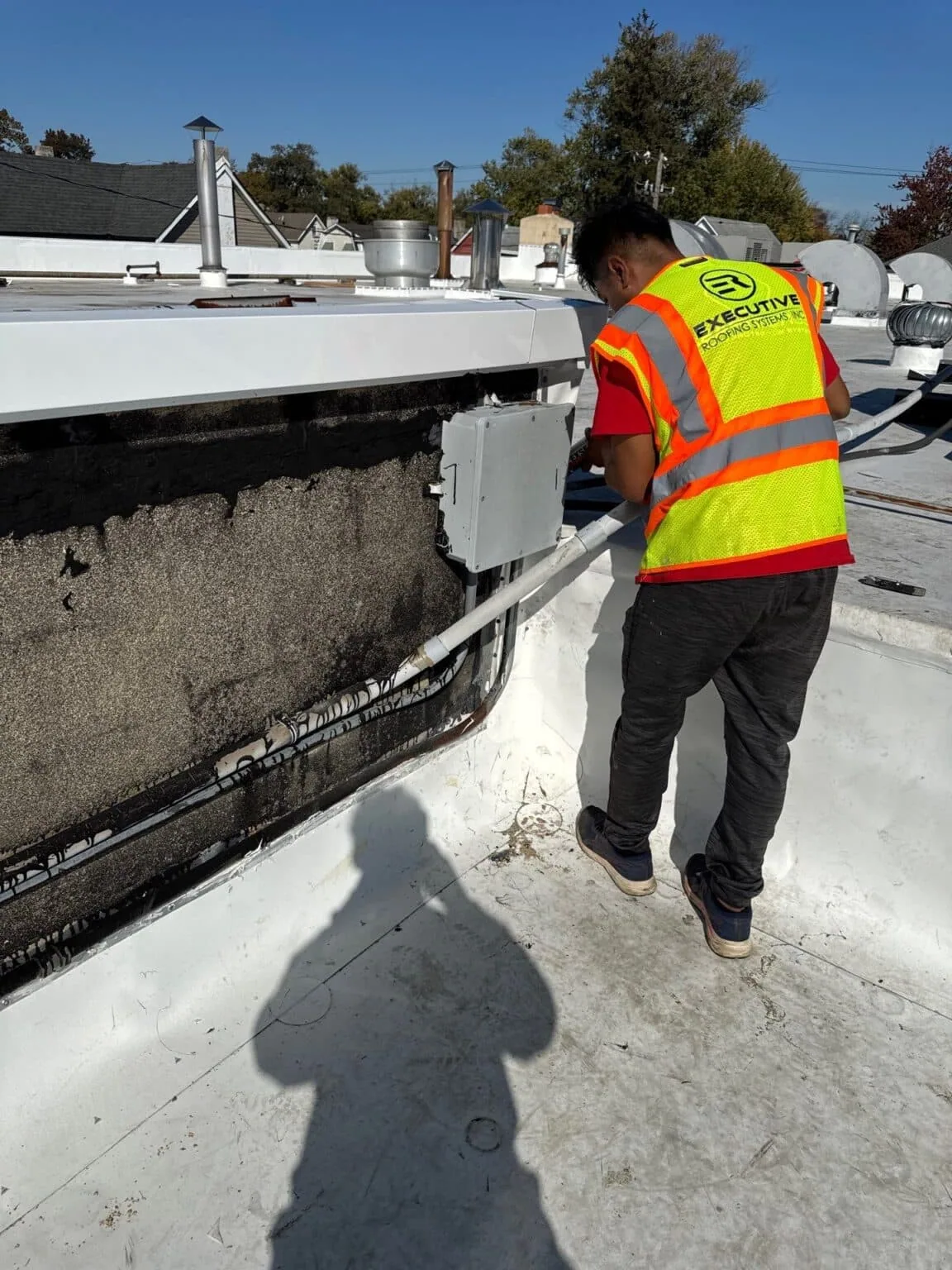
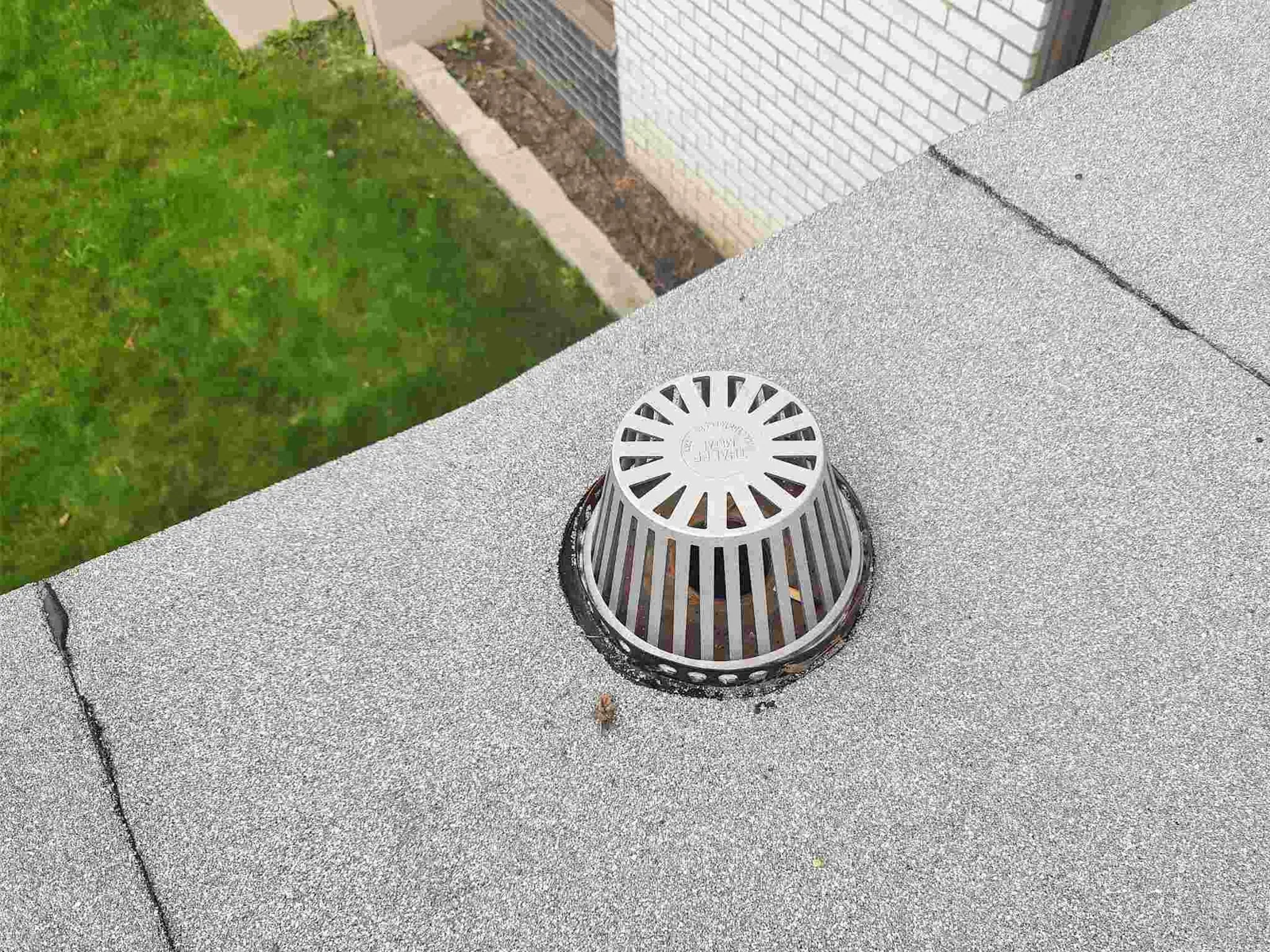
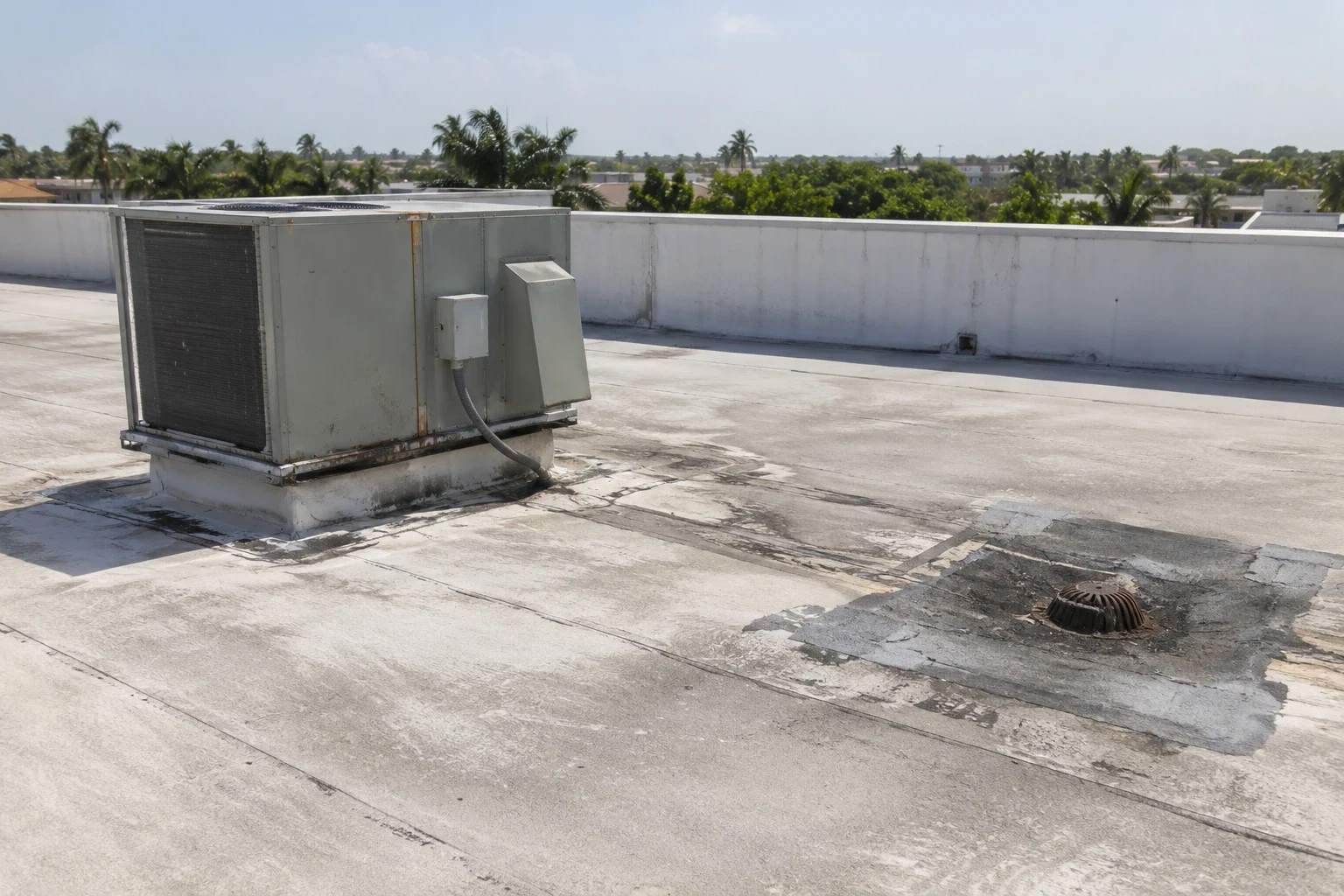
We clear loose debris from drains and scuppers, inspect strainers and overflows, and note where water remains after the roof has had time to drain. At seams and flashing, the crew looks for open edges, loose terminations, sealant gaps, punctures, or movement around curbs. We also inspect exposed fasteners, coping, gutters, and transitions between roof sections. Each observation gets a location, photograph, and action category.
Maintenance should not blur repair work with monitoring. A split seam or loose flashing may be a repair candidate, while a surface stain without an opening may need observation or another inspection. We mark urgent conditions separately from routine cleaning. That record helps a general contractor set an approval point, schedule a repair window, and keep the roof-area history intact for later comparison.
For a site with retail or service operations, we coordinate roof access with the building contact and protect routes below. A hands-on roof review can be added when the system history is unclear, and photo-based condition records let the owner follow changes between visits. We identify areas that were blocked or unsafe instead of counting them as complete.
More on Commercial Roof Maintenance
The sections below cover the questions property teams ask before they approve the work.
How should the visit fit the wet season?
South Florida’s rainy months run from May 15 through October 15 and account for most of the region’s typical yearly rainfall. Humid heat supports frequent showers and thunderstorms, so open work needs an end-of-shift protection plan. This calendar supports scheduling and drainage checks; it does not prove that a particular roof has damage. We base the inspection list on field conditions at the property and the work history supplied by the owner.
Damaging wind, hail, tornadoes, and flooding are among severe-weather concerns that rise in South Florida during the stormier stretch from mid-May to early July. After those periods, a maintenance visit can look for lifted edge details, displaced metal, debris, and new water paths. We photograph observed conditions and keep storm context separate from the roof finding. If active water is present, leak tracing can define a repair boundary before routine work continues.
Tropical systems can change local rainfall, with useful influence forecasts limited to roughly one to ten days ahead. We use current conditions to plan access and temporary protection rather than set an opening schedule far in advance. The site team receives a clear list of areas that need rechecking if weather interrupts the visit.
How are findings carried into the next capital step?
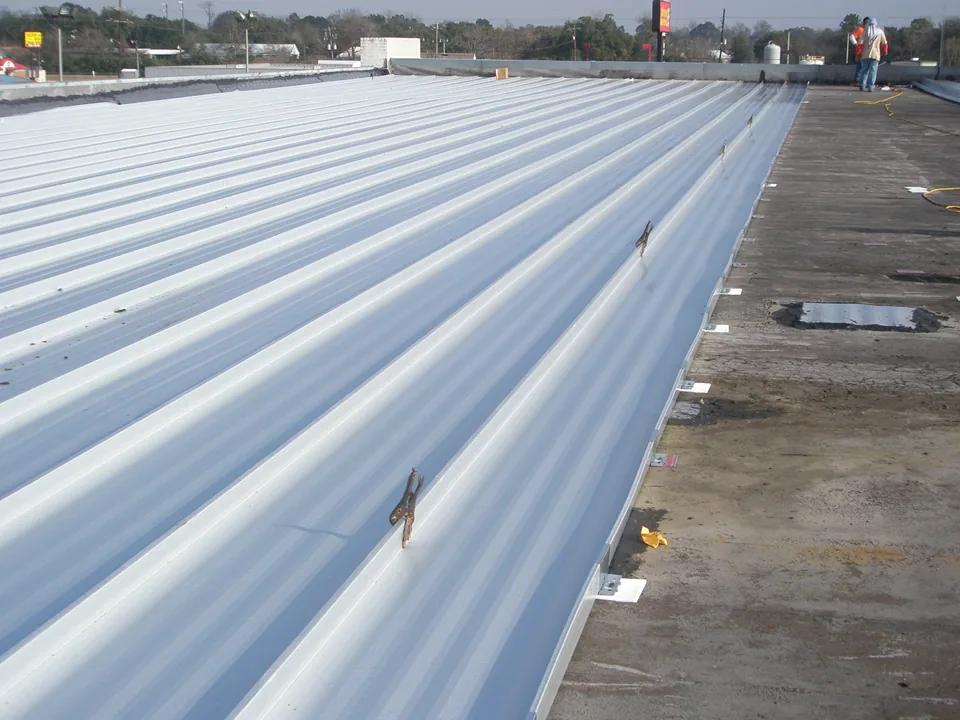
A recurring roof record lets the owner compare the same drains, seams, and equipment curbs over time. We track completion dates, photos, repairs, and follow-up items, while noting when a new inspection is needed. If similar defects appear across several roof areas, we separate local repairs from a broader assembly concern. That distinction helps the project team decide whether to maintain, restore, recover, or replace each section.
Miami Gardens reviews commercial, industrial, and mixed-use development, so property groups may coordinate maintenance with larger site projects. For a portfolio that includes Hialeah, where manufacturing and retail are major sectors, each building still needs its own access and repair history. We can compare the work record format without assuming that two roofs use the same materials or have the same condition.
Our roof asset records can organize area findings, approvals, and planned work. For an owner setting a longer horizon, capital planning can group repairs by access and priority. A coating or recover candidate is considered only after the surface and assembly have been reviewed, with restoration work scoped separately from routine maintenance.
Industries We Work With
Owners and operators in these fields rely on us to plan roof work around their buildings.
Coordinate healthcare roof work in Miami Gardens, FL around patient routes, critical rooms, equipment, infection controls, and documented approval windows.
Coordinate 3PL roof work in Miami Gardens, FL around dispatch cycles, dock access, inventory protection, equipment routes, and phased closeout.
Plan school district roof work in Miami Gardens, FL around student routes, athletic spaces, summer windows, classroom protection, and board approvals.
Coordinate portfolio roof work in Miami Gardens, FL with area records, access windows, repair priorities, and approvals that keep each asset distinct.
Related Roofing Work
Other pages that cover the same roof question.
Roof leaking now? Call 555-555-5555 and we will send a crew to look at it.

What should the site contact arrange?
Before the visit, share the roof plan, access route, prior work orders, active leak reports, equipment locations, and hours when roof entry is allowed. Identify spaces where debris or water must not fall, plus any lift, escort, or fall-protection requirements. We confirm the staging constraint with the property contact and agree on the areas the crew can reach during the window.
Miami Gardens lists I-95, State Road 826, the Florida Turnpike, the Florida East Coast Railway, and Tri-Rail as regional connections. That context supports commercial and distribution activity, but it does not set a service arrival or access route for a particular property. We confirm the actual gate, loading area, and material path with the contractor. If another trade is working near rooftop equipment, the site lead can reserve a clear sequence for the inspection.
A separate property in Miramar may follow different access hours across its employment centers and corporate parks. We record each site's rules independently, then share a maintenance calendar with the owner or general contractor. The Miami Gardens service area receives property-specific roof reviews, with repair scopes tied to the building inspected.
What does the maintenance report need to show?
The report should make the next action obvious. We list each roof-area observation, photo, repair candidate, monitoring item, and approval needed, with a closeout note for completed work. If water remains around a drain or a seam needs a patch, the location is stated clearly enough for the next crew to find it. The owner also receives items that were not checked because access was blocked.
When the record shows repeated membrane failure or wet insulation, we recommend additional diagnosis before another surface repair. An infrared survey may help select confirmation points, and a targeted repair can address documented defects. If findings extend across an assembly, the report can support a larger capital review while preserving the maintenance history behind that decision.
Send the latest repair notes, site schedule, and roof access instructions to set the first visit. We will map the roof zones, inspect the accessible details, and return a prioritized work package for the project team. That record gives the owner a clear follow-up item for the next maintenance cycle and a documented approval point for repairs.
Set the maintenance route
Share the roof plan, access window, leak history, prior work orders, and equipment locations. We will inspect the accessible areas, document repair and monitoring items, and prepare an approval-ready follow-up list.
Questions About Commercial Roof Maintenance
What does a maintenance visit cover?
We check drainage, seams, flashings, edges, penetrations, and past repair areas, then photograph findings by roof zone. The report separates cleaning, repair, monitoring, and additional testing so the owner can assign each item.
Can maintenance prevent every leak?
No roof visit can remove every exposure, but cleaning outlets and correcting visible defects can reduce avoidable water paths. We record what we found and what remains for inspection or repair.
How do you choose which repair to handle first?
We rank the item by water entry, material condition, interior exposure, and access needs. The general contractor receives the proposed work area and approval point before the crew begins a repair.
Should we schedule before or after seasonal storms?
The calendar can help plan safe access and temporary protection, while current weather sets the actual work window. We can also document visible conditions after a storm without assuming the event caused a specific defect.
What records are useful at the first visit?
Roof plans, leak reports, prior repairs, equipment locations, access rules, and site hours help us organize the route. We use them to connect new observations with the correct roof-area history.