
Commercial Roofing in Miramar, FL
Service Areas
Plan commercial roof inspection, repair, and replacement in Miramar with property-specific access records, weather sequencing, and clear approval points.
Miramar Overview
The first Miramar, FL, commercial roofing step is to separate confirmed conditions from questions that still require access or testing. Employment centers, corporate parks, restaurants, and retail centers create different operating constraints, but they do not establish the assembly or condition at any individual property. We start with the roof area, the approved access window, and the work that can be safely enclosed before the crew leaves. A concise field record gives the general contractor a capital sequence that can be reviewed before material, labor, or staging is released.

What do Miramar's employment uses change in the work plan?
Miramar includes employment centers, corporate parks, restaurants, and retail centers. We ask which doors, loading routes, occupied hours, and rooftop equipment must remain available.
The town-center district combines commercial, residential, civic, and educational uses. On a mixed-use property, the project lead may need separate notice, protection, and access plans for different occupants. We identify those boundaries with the owner, then note which areas are clear for inspection and which require an escort or a separate window. A Miami Gardens, FL project can be compared at the portfolio level, while Miramar's roof-area record remains specific to its own building and observed conditions.
Miramar lies between the Miami and Fort Lauderdale metropolitan areas. When a general contractor sequences work across markets, the site contact confirms access control, staging, and the roof closure time for each shift.
More on Miramar
The sections below cover the questions property teams ask before they approve the work.
Which conditions belong in the first roof-area record?
We divide the roof into recognizable sections and record the direction of each photograph, visible membrane seams, penetrations, curbs, wall flashings, drains, and prior patches. An interior leak report is useful, but water can travel before it appears below the roof opening. We compare the reported area with slope, drainage paths, and visible transitions, then mark where a closer look or test opening would answer an unresolved question. A roof condition report can keep observed evidence separate from a working assumption.
For each repair candidate, we describe the proposed limit, preparation, compatible tie-in, and closure method. If the substrate is wet, attachment is uncertain, or the defect continues beyond the marked area, the owner receives that finding before the scope expands.
When equipment, skylights, or edge conditions interrupt a roof section, we document those interfaces independently. Photographs and short notes can show whether a patch meets a curb, wall, drain, or metal transition and where additional review is required. A commercial roof inspection then follows a repeatable route through the areas the owner has authorized, with unresolved points carried forward as explicit follow-up items.
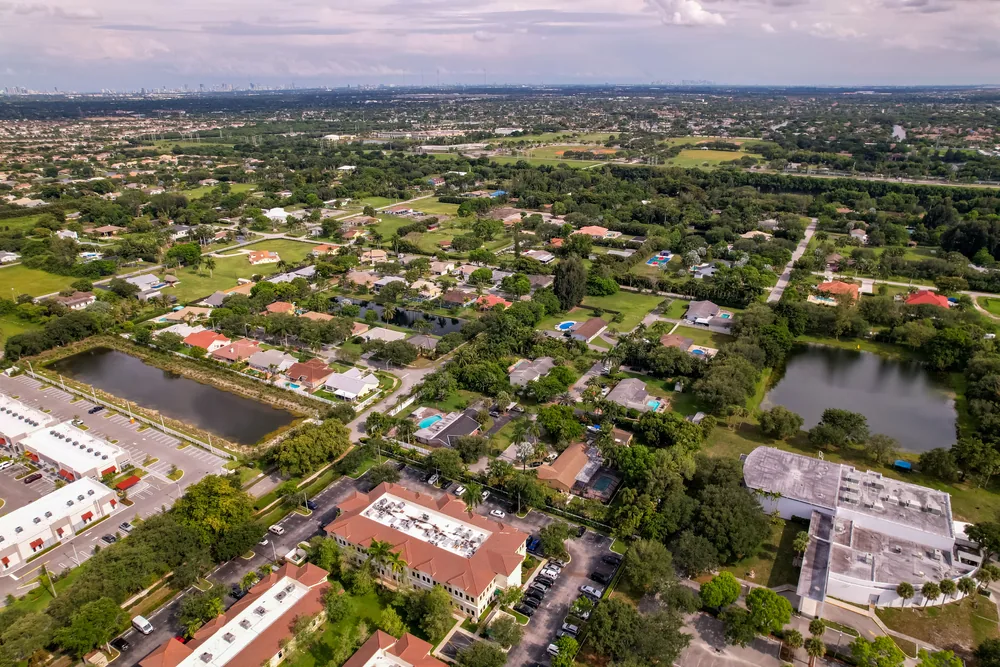

How can staging protect an occupied site?
Before mobilization, the general contractor identifies the access window, staging zone, material route, occupied areas, and the person authorized to pause the work. We match the sequence to the approved route and note any area that cannot be crossed or used for storage. For a property with several operating functions, the project lead can release one roof section at a time and retain the remainder as a separate work package. A phased occupied-building plan helps make those boundaries visible.
Daily closure deserves the same attention as opening. The crew needs a defined stopping point, temporary protection materials, and a person who can confirm that the exposed area has been secured. If another trade, delivery, or tenant activity affects roof access, the schedule should include a hold point instead of relying on an informal handoff. We record the constraint and the next approval point so the owner can decide whether to shift the sequence or keep the package unchanged.
We keep equipment clear of drains, preserve required egress, and identify the path for debris removal before removal begins.
Industries We Work With
Owners and operators in these fields rely on us to plan roof work around their buildings.
Coordinate healthcare roof work in Miami Gardens, FL around patient routes, critical rooms, equipment, infection controls, and documented approval windows.
Coordinate 3PL roof work in Miami Gardens, FL around dispatch cycles, dock access, inventory protection, equipment routes, and phased closeout.
Plan school district roof work in Miami Gardens, FL around student routes, athletic spaces, summer windows, classroom protection, and board approvals.
Coordinate portfolio roof work in Miami Gardens, FL with area records, access windows, repair priorities, and approvals that keep each asset distinct.
Related Roofing Work
Other pages that cover the same roof question.
Roof leaking now? Call 555-555-5555 and we will send a crew to look at it.
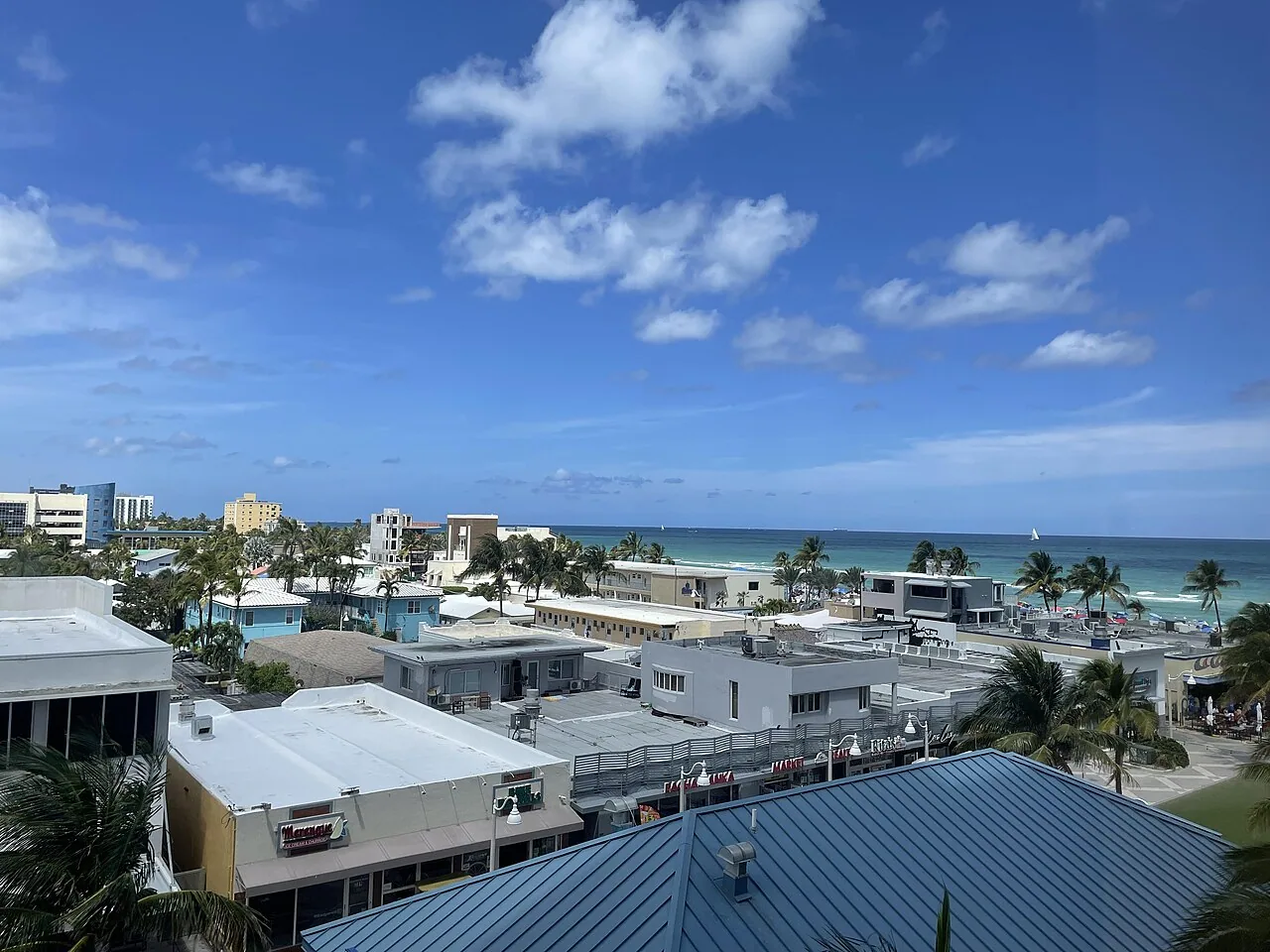
What does the South Florida rain cycle change?
South Florida’s rainy season spans late spring to mid-fall, so Miramar roof work should follow live forecasts, secure tie-ins, and manageable daily openings rather than regional averages. We check the current forecast, identify who can suspend work, and set the maximum area that can be closed with the labor and protection materials actually available.
Humid-season showers narrow the dry work window for membrane and coating work in Miramar. Strong winds, tornadoes, hail, and flooding are more likely during the stormiest period from mid-May into early July. A drain and scupper review can document visible drainage components as one part of that record.
Tropical systems can influence regional rainfall, while local effects cannot be predicted reliably beyond a short forecast window. We therefore keep the material release and access plan adjustable instead of treating a seasonal outlook as a day-specific schedule. The site contact confirms the closure procedure before removal, and the project lead records any weather pause with the roof area affected and the protection status. That provides a useful handoff if work resumes under different conditions.
When can a repair remain a repair candidate?
A repair can remain a candidate when the defect is localized, surrounding material is secure, and a compatible tie-in can be made after preparation. We check seam condition, flashing continuity, visible moisture indicators, and drainage around the area. If the defect crosses the proposed limit or the substrate cannot support the repair, we document the reason to stop and request an owner decision. A commercial roof repair scope names the area and closure method rather than implying that one patch resolves unrelated conditions.
Replacement enters the comparison when evidence indicates a broader boundary, repeated failures, widespread moisture, or an assembly that cannot be repaired with a reliable transition. We identify the observed basis and separate it from any test that remains outstanding. A replacement work package can then define removal depth, deck review, insulation decisions, edge details, and the dry-in sequence for approval. The owner can compare that scope with a repair candidate using the same roof-area record.
An overlay or restoration option needs its own review of existing layers, moisture, attachment, added elevation, drainage, and compatibility. We do not treat a coating or recover as a default response to a leak. The design professional reviews assembly, warranty, and permit questions before materials are ordered.
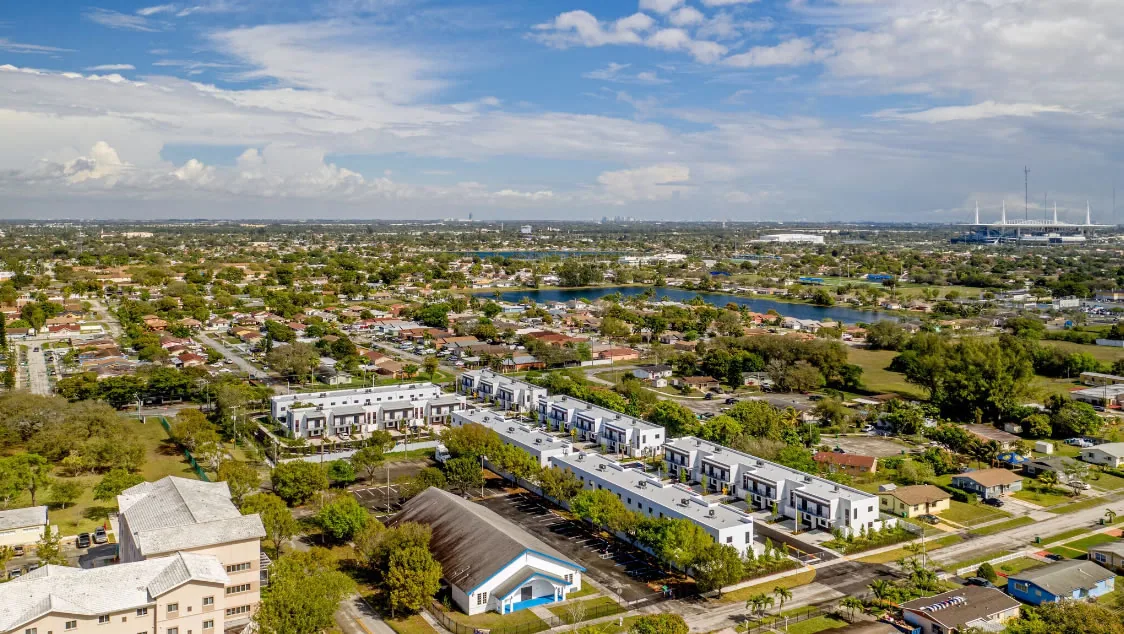

Which approval point belongs before mobilization?
Miramar permit files should identify the roof assembly and needed product approvals. The Eighth Edition remains current as of October 18, 2026; the Ninth Edition takes effect December 31, 2026, with permit submittals on or after that date subject to the new edition. We flag the anticipated permit timing for the project team, while the design professional and authority having jurisdiction confirm the applicable requirements for the specific scope.
Miami-Dade and Broward counties are defined within Florida's High Velocity Hurricane Zone. Roofing submittals may require review of the applicable HVHZ provisions and approved assemblies. That is a code coordination point, not a conclusion that a chosen product or detail is approved. We collect the project information needed for review, identify the responsible design professional, and keep the approval point separate from field observations. The owner can then release procurement after the submittal path and scope boundary are clear.
For portfolio work, Pembroke Pines or Hollywood may have separate roof records and permit timing. A replacement package for each property should retain its own approved assembly, access plan, and evidence. We invite the project team to share plans, prior repair records, occupancy limits, and schedule constraints so the next work package can be scoped against the actual Miramar roof.
Set a Miramar roof review
Share available roof plans, access windows, occupancy limits, and repair records. We will document the roof area, identify unresolved conditions, and define the next approval point.
Questions About Miramar
Does regional commercial activity identify the roof assembly?
No. We verify the property, inspect visible conditions, and list any test or record needed before naming an assembly.
What should the first field record include?
It should identify roof areas, photographs, access limits, visible transitions, drainage, and unresolved conditions that need follow-up.
Can occupied operations continue during roofing work?
The owner and general contractor set allowed hours, access routes, protected zones, and pause authority for the property.
How do seasonal storms affect the work plan?
We use current forecasts and a defined closure procedure. Regional seasonal patterns guide planning but do not predict parcel-level conditions.
When should the team compare repair with replacement?
Compare the documented defect boundary, surrounding material, moisture evidence, tie-in feasibility, and any open test before authorizing scope.