
Commercial Skylight and Roof Penetration Flashing in Miami Gardens, FL
Commercial Roofing Services
Inspect skylight curbs, pipe penetrations, equipment supports and flashing transitions with documented commercial roof repairs in Miami Gardens, FL.
Commercial Skylight and Roof Penetration Flashing Overview
A roof opening interrupts the membrane or metal field, so its curb, boot, counterflashing, and surrounding layers must work as one detail. We inspect skylights and penetrations in Miami Gardens, FL, then map each item by roof zone and record the condition that needs attention. The visit distinguishes an aged sealant bead from a failed flashing transition or damaged curb. We confirm access and operating limits with the site representative before planning work, because an occupied facility may require interior protection, equipment coordination, and a controlled sequence above and below the roof.
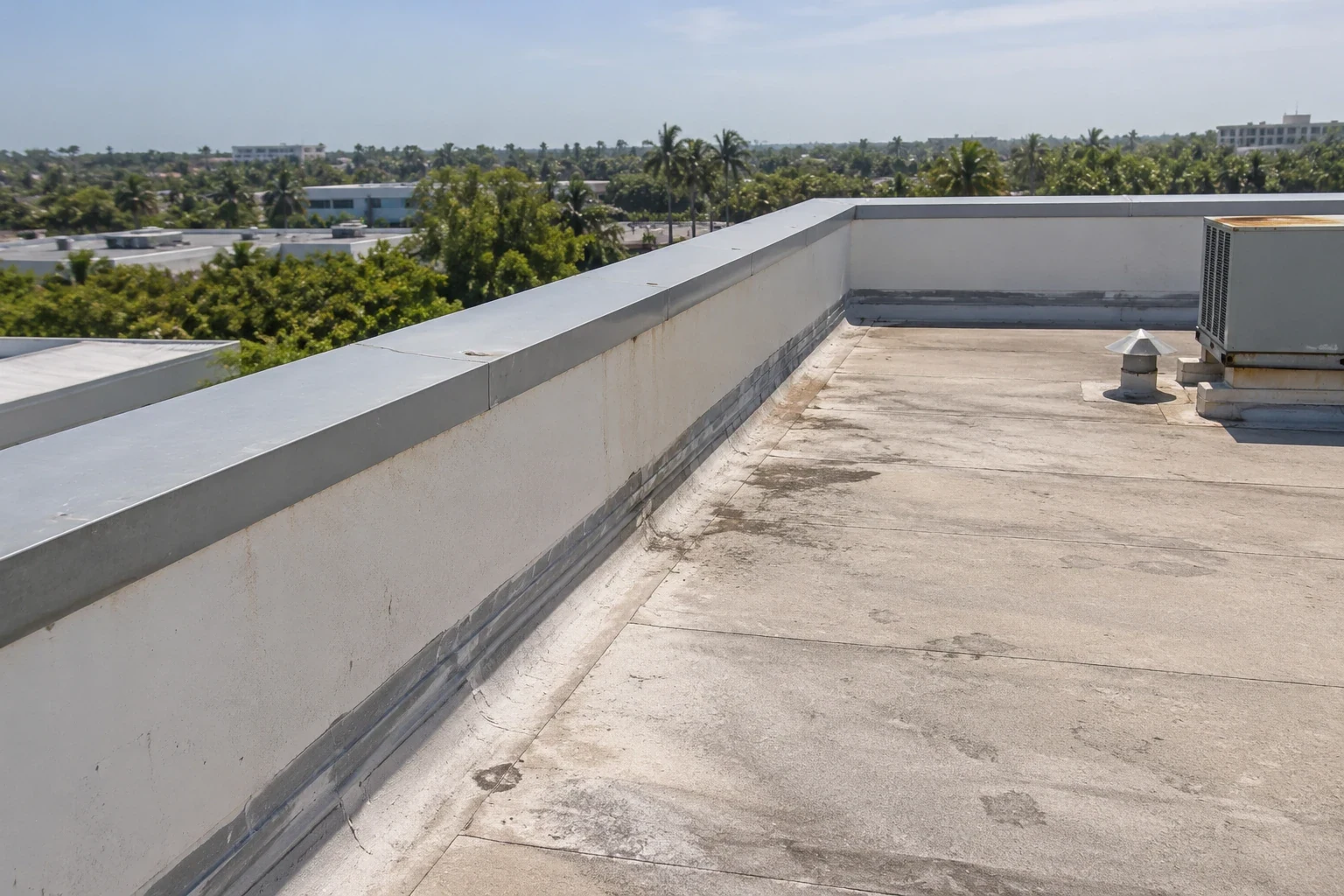
What do you inspect around a roof opening?
For a skylight, we review the curb perimeter, corner transitions, fasteners visible at the assembly, glazing frame, surrounding membrane, and any signs of movement or water entry. We note whether the curb is high enough for the observed roof build-up and whether the existing detail can be accessed without disturbing adjacent equipment. At pipes, conduit, supports, vents, and other penetrations, we check the boot or pitch pocket, sealant condition, clamping method where present, and the connection between flashing and roof surface. Photographs pair a wide context view with close images of the specific transition.
We do not assume every interior drip originates at the closest opening. Water can travel laterally beneath a roof layer before becoming visible inside. The inspection records the interior report, roof location, weather timing supplied by the owner, and the path suggested by visible evidence. If multiple openings sit near one leak, we identify which ones were examined and which remain outside the accessible area. A leak investigation can extend the review when the entry point is not clear.
The city places auto trade on the U.S. 441 corridor and furniture shopping near the Palmetto Expressway. In these active corridors, a roof opening may sit above occupied offices, storage, or customer areas with different access windows. We coordinate the visit around those operations and note any restrictions that affect inspection or repair. The local commerce context helps us plan logistics; the measured curb, flashing, and roof assembly determine the technical scope.
More on Commercial Skylight and Roof Penetration Flashing
The sections below cover the questions property teams ask before they approve the work.
How do you select a flashing repair?
The repair detail depends on the roof system, curb material, opening geometry, and condition of surrounding layers. A compatible repair may renew a boot, rebuild a curb transition, replace perimeter flashing, or address a damaged support detail. Before work, we verify dimensions and identify whether the scope requires removing adjacent membrane, counterflashing, or a portion of the curb. If deterioration is concealed, we describe the opening needed to confirm it and request direction before expanding the approved work.
At skylights, we protect the glazing and nearby roof surface, remove failed components within the work boundary, and prepare the curb or substrate for the specified detail. The crew installs compatible flashing, reinforces corners as required by the assembly, and closes transitions so the roof field can shed water toward its drainage path. We avoid burying an unresolved curb defect beneath a new sealant bead. If the skylight itself is cracked, loose, or unsuitable for the opening, that condition is separated from a perimeter flashing repair.
Penetrations require different attention depending on movement, heat, vibration, and service access. A pipe boot may need replacement sized to the pipe, while grouped lines or irregular supports may call for a site-specific detail. We keep serviceable components accessible and avoid blocking labels, disconnects, or maintenance clearance. The scope records material, preparation, weather window, staging, and any work by another trade. A repair package can cover adjacent membrane issues discovered during the same mobilization.
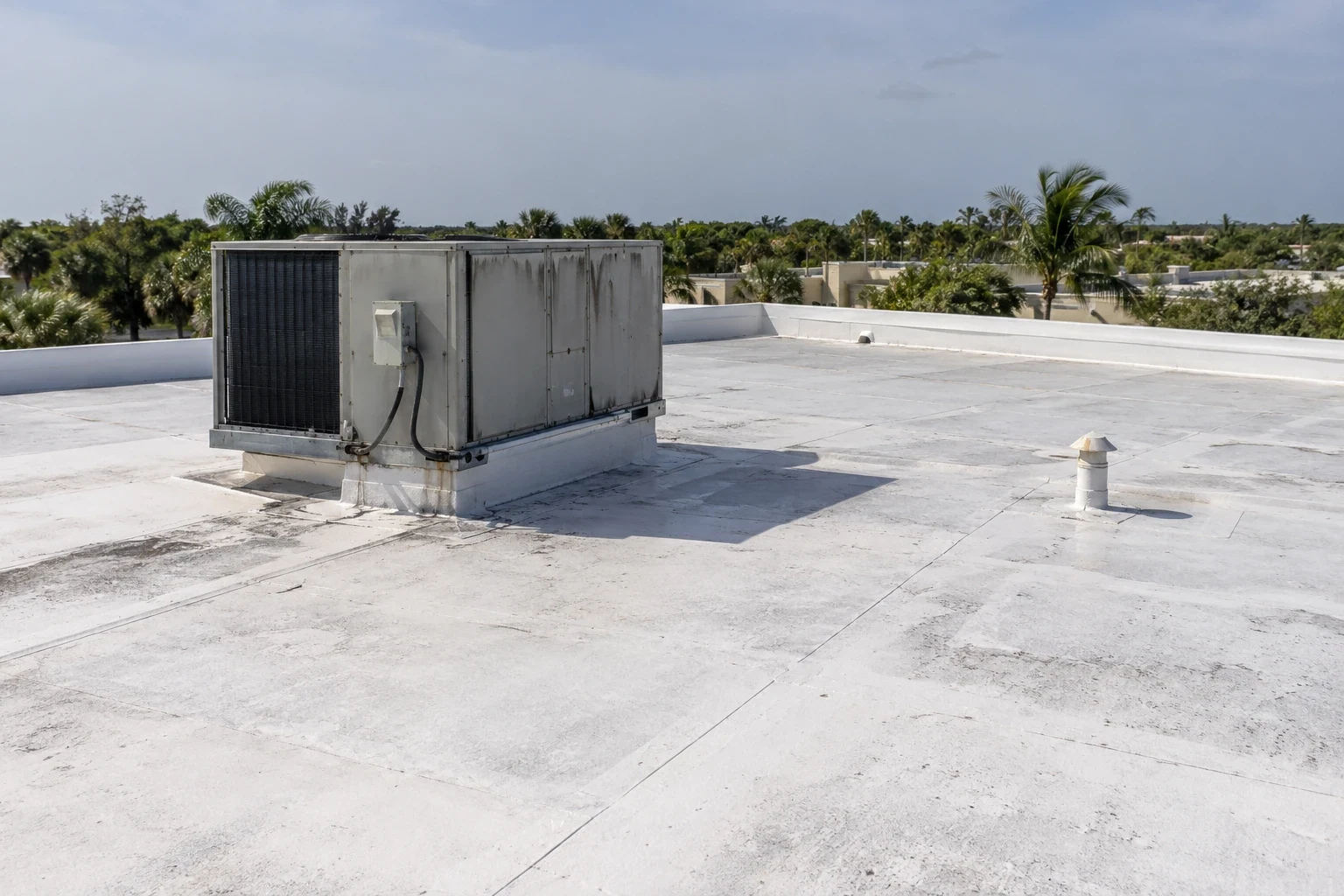
How are occupied spaces and equipment handled?
Before dispatch, the property contact identifies interior areas beneath the work zone, sensitive equipment, access routes, and any active production or customer schedule. We agree on a roof access point, escort requirements, work hours, and a method for communicating interruptions. If a skylight serves as a daylight opening, the owner can advise whether interior access or temporary light control is needed. We protect surfaces below the work area as appropriate and do not use a roof opening as a staging route.
In Hialeah, manufacturing and retail are among the city’s major economic sectors; Miramar includes employment centers, corporate parks, restaurants, and retail centers. For owners coordinating buildings across these municipalities and Miami Gardens, we keep each roof plan, contact, and access window separate. Those local operating patterns inform scheduling discussions but do not establish the construction of any particular roof. The field team confirms the actual opening type before ordering material.
If the roof is wet or weather conditions prevent a sound installation, we document the delay and agree on temporary protection where needed. Permanent flashing work proceeds only when the surface preparation and installation conditions can meet the specified detail. A emergency visit can address immediate exposure while the owner schedules a durable curb or penetration repair. We explain which areas are temporarily protected and what remains for the return crew.
Industries We Work With
Owners and operators in these fields rely on us to plan roof work around their buildings.
Coordinate healthcare roof work in Miami Gardens, FL around patient routes, critical rooms, equipment, infection controls, and documented approval windows.
Coordinate 3PL roof work in Miami Gardens, FL around dispatch cycles, dock access, inventory protection, equipment routes, and phased closeout.
Plan school district roof work in Miami Gardens, FL around student routes, athletic spaces, summer windows, classroom protection, and board approvals.
Coordinate portfolio roof work in Miami Gardens, FL with area records, access windows, repair priorities, and approvals that keep each asset distinct.
Related Roofing Work
Other pages that cover the same roof question.
Roof leaking now? Call 555-555-5555 and we will send a crew to look at it.
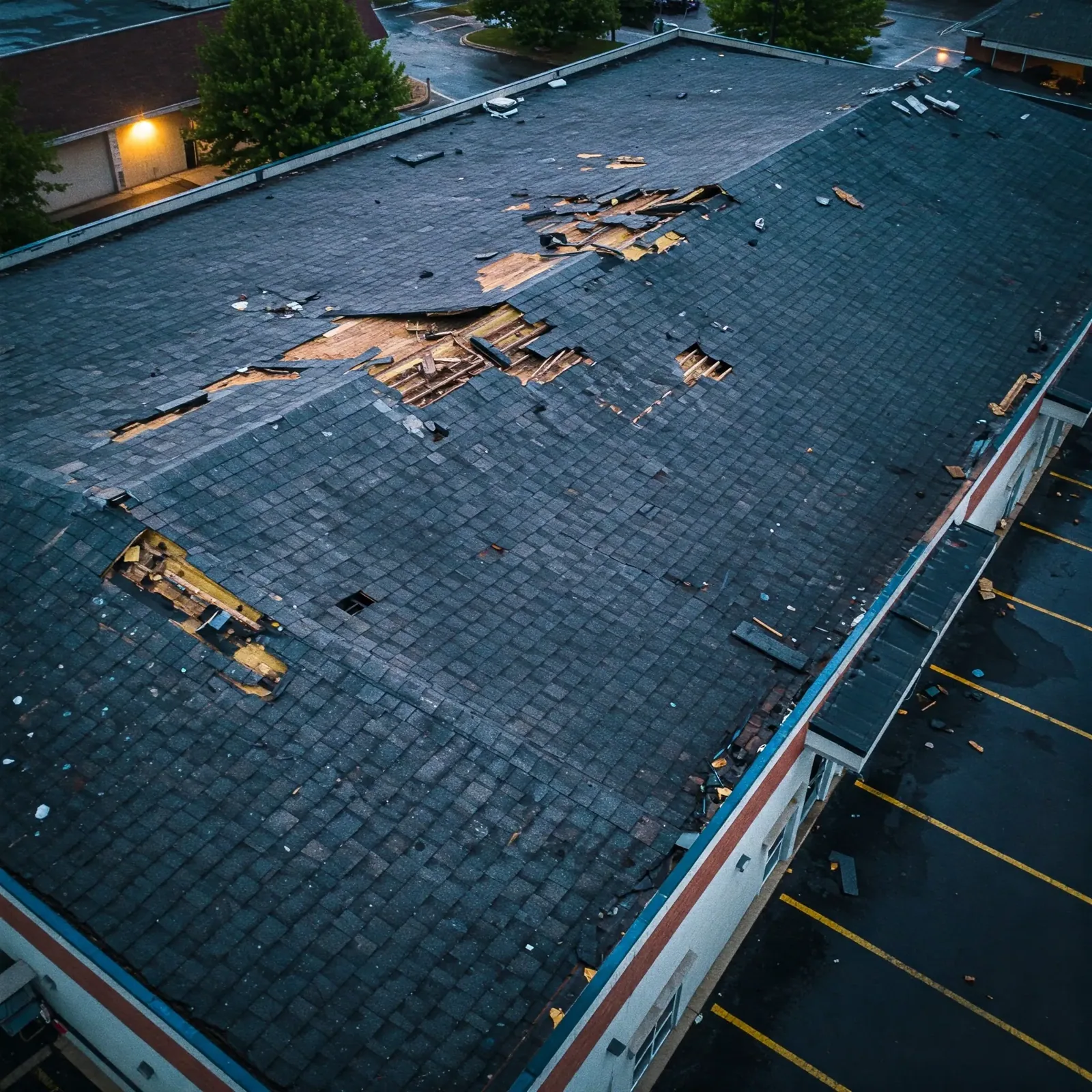
What does the owner receive after the work?
The closeout record names each skylight or penetration by roof zone, describes the completed detail, and includes photographs from before and after the repair. It lists any opening that was not accessible, any concealed condition left unverified, and the next inspection point. If a test was included and authorized, the record states the test method and observed result. The report names the test actually performed and keeps each repaired opening separate from details that were not part of the work.
Facility teams can add the record to a roof condition report and track repeat openings in their roof asset files. A later roof inspection can review the surrounding assembly and other details before the next budget cycle. When skylight replacement is a separate capital decision, we define its scope independently from routine flashing work, with access, glazing, curb, and interior coordination listed for review.
We coordinate service across the Miami Gardens area. To request a field review, provide a roof plan if available, opening locations, interior observations, access rules, and any equipment restrictions. We will confirm what can be inspected, document the condition by roof zone, and return a repair recommendation that distinguishes visible defects from questions requiring an opening or specialist review.
For buildings with repeated service calls, we can group the closeout photos by opening type and roof zone. That record helps the manager set follow-up priorities and share the correct detail with a designer or facility team.
Request a penetration detail review
Share opening locations, roof plans, interior observations, access requirements, and equipment restrictions. We will inspect the defined roof zone and prepare a documented recommendation with visible findings and unresolved verification needs.
Questions About Commercial Skylight and Roof Penetration Flashing
Can you reseal a skylight curb without replacing the unit?
Yes, when the glazing and curb remain serviceable and the roof detail can be rebuilt compatibly. We inspect the perimeter first and identify any condition that calls for separate replacement planning.
Why does a leak appear far from a penetration?
Water may move beneath roof layers before it becomes visible inside. We compare interior reports with roof-zone observations and note which openings were inspected or remain inaccessible.
Can you flash around pipes that still need maintenance access?
We plan the detail to keep required service access available and avoid blocking labels or clearances. The owner should identify equipment or lines that another trade may need to reach.
Do you replace damaged skylights as part of flashing work?
A cracked or unsuitable skylight may require a separate scope. We document glazing and curb conditions, then distinguish perimeter flashing repairs from unit replacement and interior coordination.
What should we send before scheduling?
Provide a roof plan, known opening locations, interior leak notes, photos if available, access requirements, and equipment restrictions. We will confirm the inspection area and arrange a safe work window.