Infrared Roof Moisture Survey in Miami Gardens, FL
Commercial Roofing Services
Map suspect roof moisture in Miami Gardens, FL with infrared scanning, visual review, selective core confirmation, and area-specific repair findings.
Infrared Roof Moisture Survey Overview
Infrared scanning can help locate roof areas that need moisture confirmation before a repair or recover decision. In Miami Gardens, FL, we pair the scan with a visual roof review and mark suspect patterns for selective verification. Temperature differences may point to retained moisture, but the image alone does not identify the water source or prove insulation is wet. The report connects each pattern to a sample or inspection point and the next capital choice.
What does the survey measure?
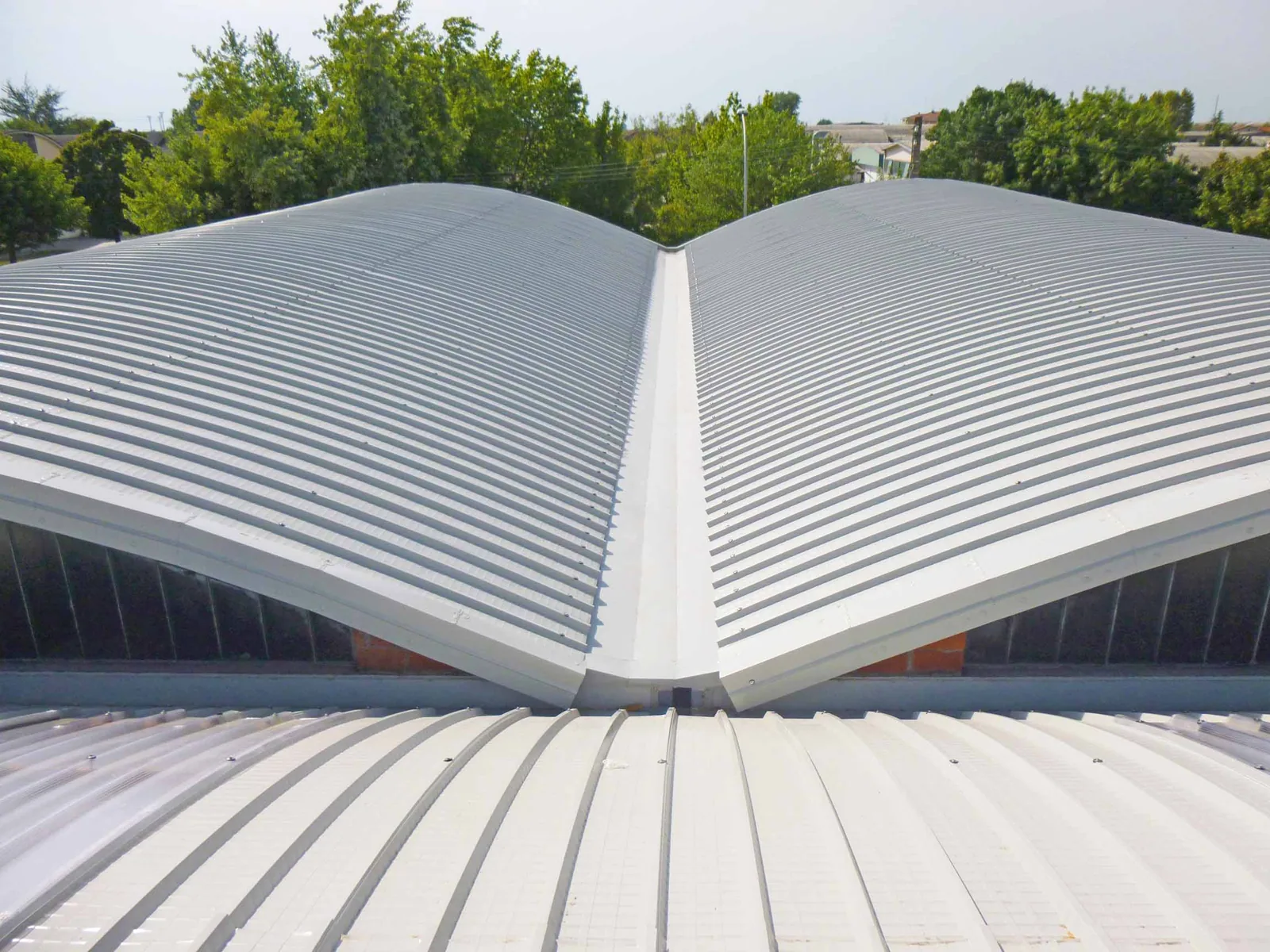
An infrared camera records surface temperature patterns under suitable conditions. We review the roof in a consistent sequence and note items that can affect readings, including shade, equipment, surface material, and weather. Suspect areas are mapped for follow-up rather than labeled as confirmed wet insulation. Where the decision depends on moisture content, we use selective core cuts or another direct check at the location.
Miami Gardens’ commercial, industrial, and mixed-use projects can have roof sections with different exposures and equipment layouts. We break those areas into a clear survey record, so a general contractor can compare findings without treating the whole surface as one condition. The city places furniture businesses in the Palmetto Expressway shopping district and associates U.S. 441 with automobile commerce. Those local uses provide context; scan interpretation depends on the roof and survey conditions at the time.
A hands-on roof inspection checks seams, edges, drains, and penetrations that the temperature pattern cannot assess. If aerial visibility helps map the surface, drone imaging can supplement the visual record. We keep the methods separate and describe what each one established.
More on Infrared Roof Moisture Survey
The sections below cover the questions property teams ask before they approve the work.
How are suspect areas confirmed?
We compare the thermal image with the membrane surface, roof plan, interior reports, and visible conditions. Then we select sample points that can distinguish a temperature anomaly from wet material. A core opening shows the layers and moisture state at that exact location. It does not prove the same condition across the entire outlined area, so the survey report records sample positions and results separately.
In South Florida, the wet season runs May 15 to October 15 and includes most of the area’s average annual rainfall. Humid heat also supports near-daily showers and thunderstorms across the peninsula. We use that calendar to choose a survey window and record roof-surface conditions that can influence thermal readings. The site contact confirms access and timing before capture so the report can connect each pattern to its review step.
If the scan identifies several distinct roof areas, we recommend enough confirmation points to support the repair or replacement boundary under review. The owner can approve additional sampling where needed. A roof condition report can show the image, sample location, field observation, and recommended action together, with unresolved areas clearly identified.
How do survey findings affect the work package?
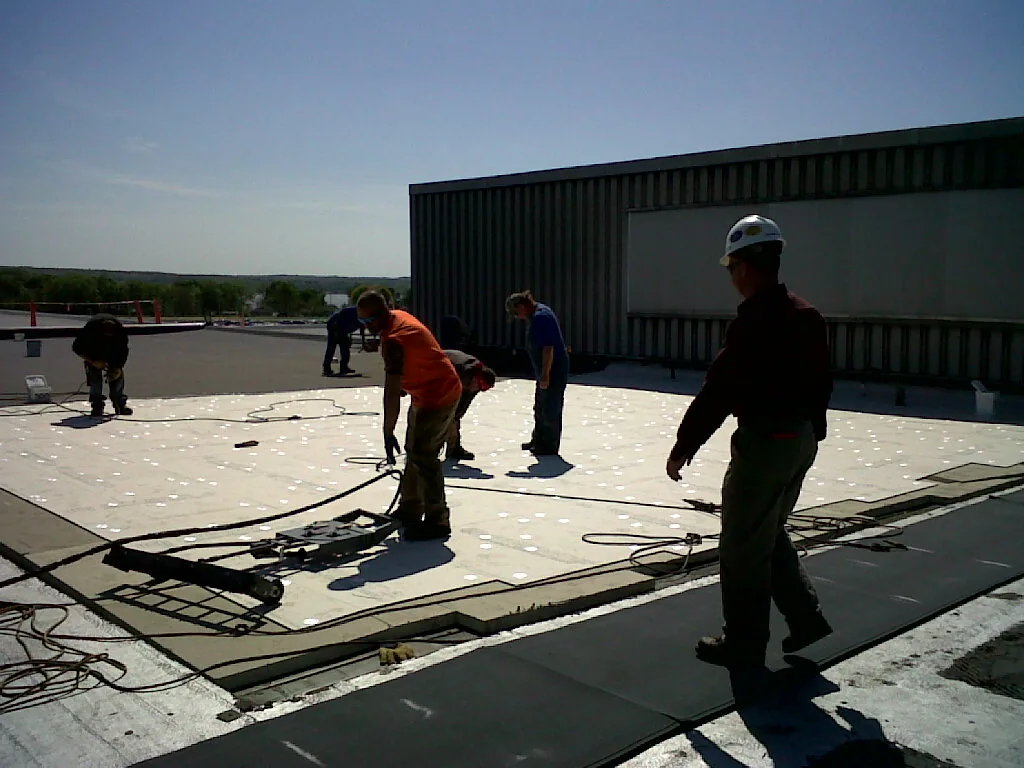
Confirmed moisture can change whether insulation is retained, removed, or replaced. If only a limited zone is affected and surrounding materials remain serviceable, targeted repair may be appropriate. If moisture is broad or the deck has deteriorated, a recover could conceal a larger issue and tear-off may be the better capital scope. We compare those options using confirmed findings and mark the boundary by roof area.
Miami-Dade County adopts the Florida Building Code with local administration, enforcement, and product-approval provisions. County code treats Broward and Miami-Dade together as Florida’s High Velocity Hurricane Zone, a designation the design team checks when an assembly changes. When the survey supports an assembly change, the design team checks the applicable permit path and approved system details. The moisture report supports the field decision; it does not replace project design or approval. We identify any sample limits and the next verification step before the owner authorizes removal or retention of the affected layers. We include the marked image and sample point for review.
For owners comparing locations across Hialeah and Miami Gardens, site-specific sample records help avoid extrapolating one roof’s moisture findings to another. Hialeah’s manufacturing and retail activity may bring different operating schedules and access limits, which we record separately. We can pair survey findings with a recover eligibility review or a replacement work package after the owner approves the next step.
Industries We Work With
Owners and operators in these fields rely on us to plan roof work around their buildings.
Coordinate healthcare roof work in Miami Gardens, FL around patient routes, critical rooms, equipment, infection controls, and documented approval windows.
Coordinate 3PL roof work in Miami Gardens, FL around dispatch cycles, dock access, inventory protection, equipment routes, and phased closeout.
Plan school district roof work in Miami Gardens, FL around student routes, athletic spaces, summer windows, classroom protection, and board approvals.
Coordinate portfolio roof work in Miami Gardens, FL with area records, access windows, repair priorities, and approvals that keep each asset distinct.
Related Roofing Work
Other pages that cover the same roof question.
Roof leaking now? Call 555-555-5555 and we will send a crew to look at it.
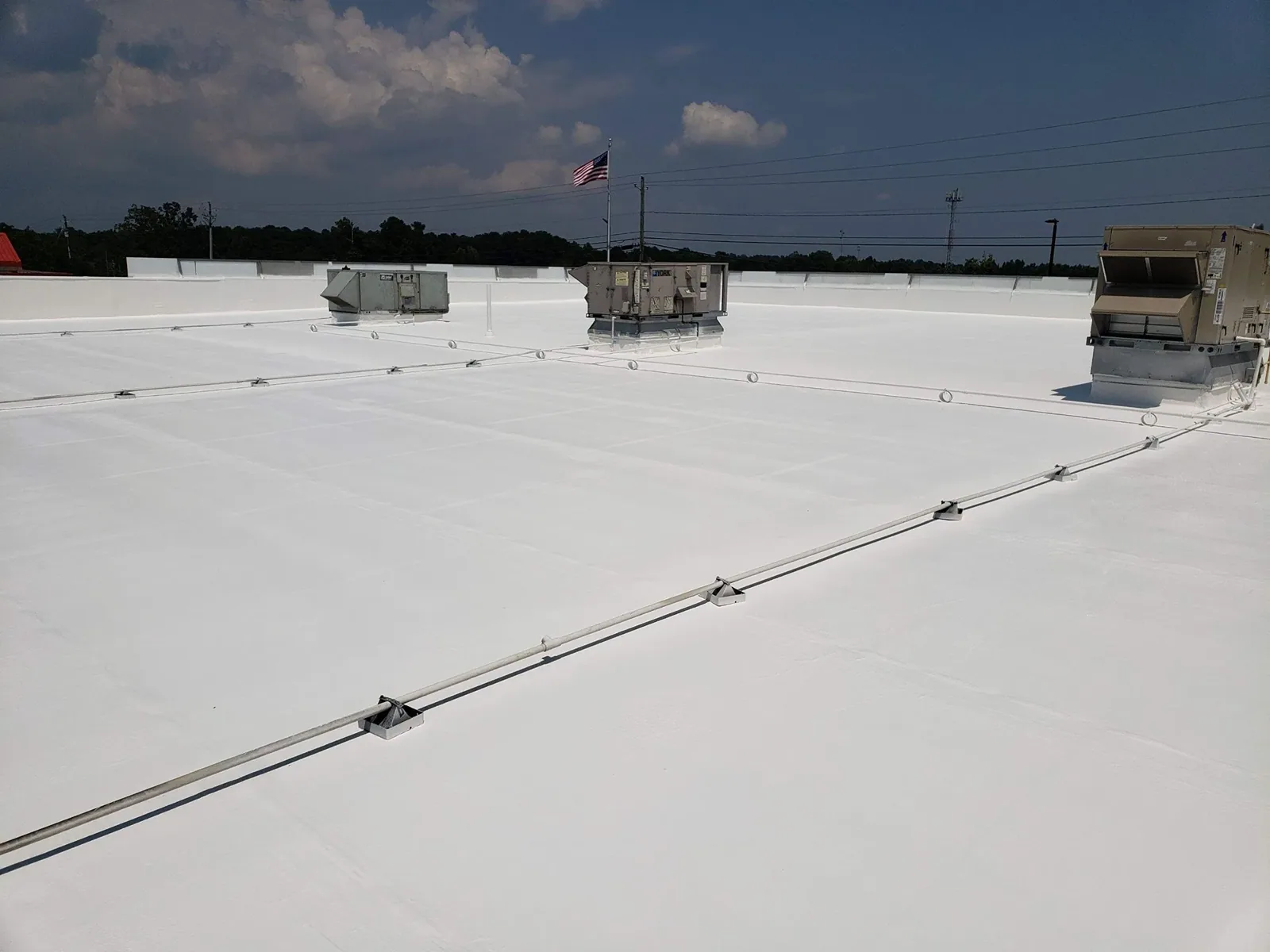
What can interfere with a useful scan?
Rain, strong sun, shade, surface reflectivity, equipment discharge, and recent repairs can influence the thermal pattern. We consider those conditions during capture and note them in the report. A scan taken under poor conditions may need to be repeated or supplemented by direct testing. The project team receives the limitation alongside the finding, so a pattern is not used as a stand-alone reason to remove material.
Within the same outlook, peak severe weather is concentrated from mid-May to early July; hail, wind, tornadoes, and flooding are among the planning exposures. After a weather event, surface damage and water entry need direct inspection before a thermal pattern is assigned a cause. We record visible conditions and sample results separately. This is especially useful when emergency protection must happen before a full moisture survey can be scheduled.
Access also matters. The site contact confirms roof entry, escorts, fall protection, and operating limits. A property in Miramar’s employment-center setting may need imaging after hours or around delivery activity; the actual schedule is set with the facility. Our leak tracing can be added when interior water reports need correlation with scan and core locations.
What does the owner receive?
The report includes scan images, marked areas, survey conditions, visual observations, sample locations, and the moisture confirmation results. We list areas that need additional access or testing and identify which repair candidate each finding supports. Photographs connect the samples to roof details so the general contractor can review the work package with the owner and design team.
Where multiple roofs are involved, multi-site roof program records can use consistent labels while preserving separate findings by property. The capital team can then compare replacement boundaries, insulation work, and access sequences. If the roof remains in service, preventive maintenance can revisit repaired areas and check drainage after the work is complete.
At a roof in Miami Gardens, we schedule the survey based on property access and surface conditions. Send roof plans, interior leak notes, prior repair history, known insulation details, and the project decision at hand. We will confirm whether infrared scanning is suitable, plan any core cuts, and return an area-based report that separates indications from confirmed conditions.
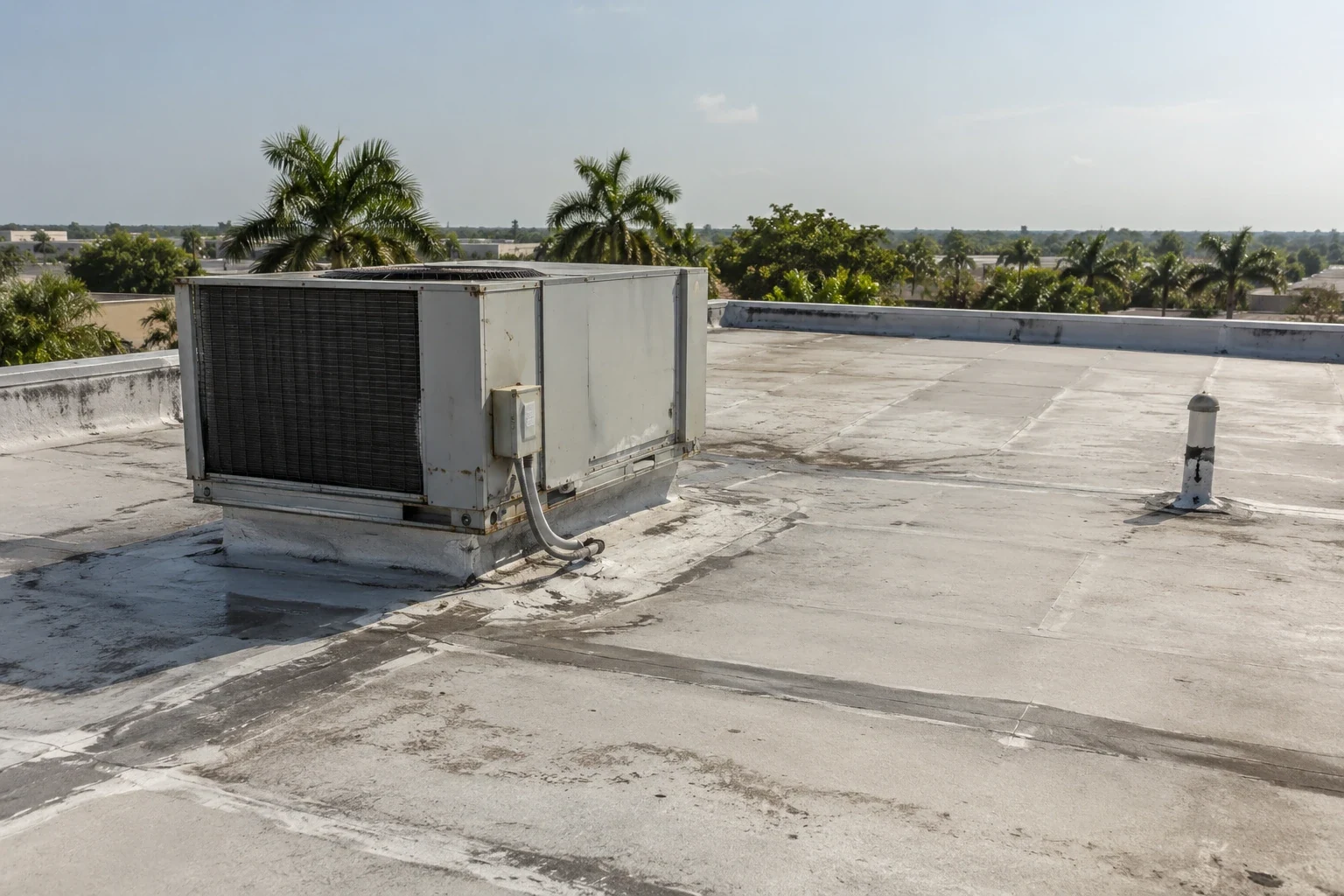
Confirm the moisture boundary
Share roof plans, leak notes, repair records, access rules, and the assembly decision under review. We will plan the scan, mark verification points, and prepare moisture findings by roof area.
Questions About Infrared Roof Moisture Survey
Does an infrared image prove insulation is wet?
No. It identifies temperature patterns that may indicate retained moisture under suitable conditions. We use visual review and selective core cuts to confirm the material state at chosen points, then record each result by location.
How many core cuts will the survey need?
The count depends on the roof areas and decision being evaluated. We select sample points that help test suspect patterns and may recommend more where the work boundary remains uncertain.
Can the survey find the source of a leak?
The scan can help locate suspect areas, but it does not trace water through the assembly. We compare results with roof details, interior reports, and direct inspection to identify the likely entry point.
When should infrared scanning be scheduled?
The survey requires suitable surface and weather conditions. We review recent rain, sun, shade, repairs, and roof access with the site contact before setting a capture window.
Can these findings support a recover decision?
Yes, once suspect zones are confirmed and the deck, attachment, drainage, and code path are reviewed. The report helps distinguish areas that may remain from materials that need removal before an overlay.