Roof Systems in Miami Gardens, FL
South Florida Commercial Roofing
Compare commercial roof systems for Miami Gardens properties. Review membrane and metal details, existing conditions, and planning questions before selection.
All Roof Systems
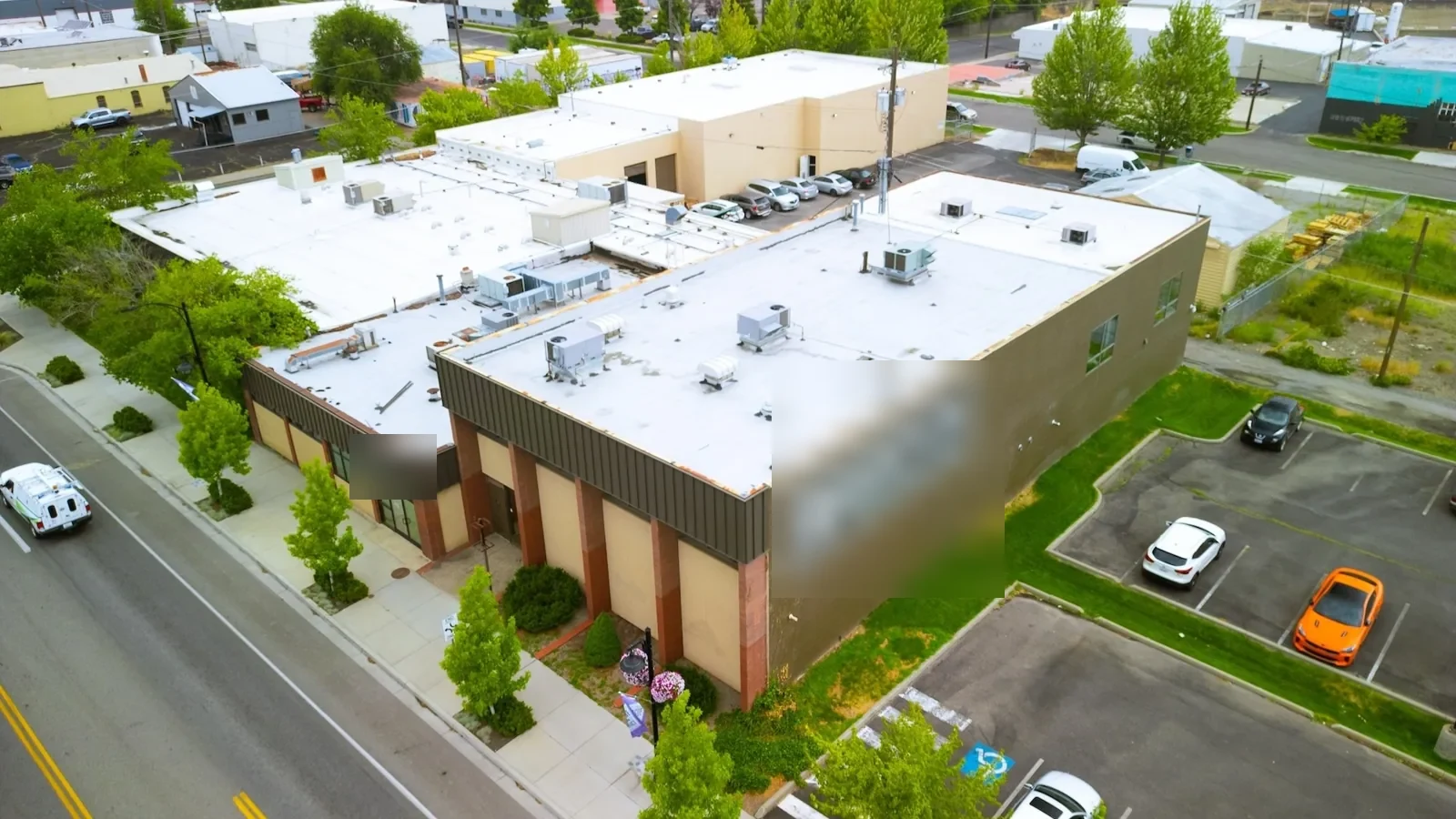
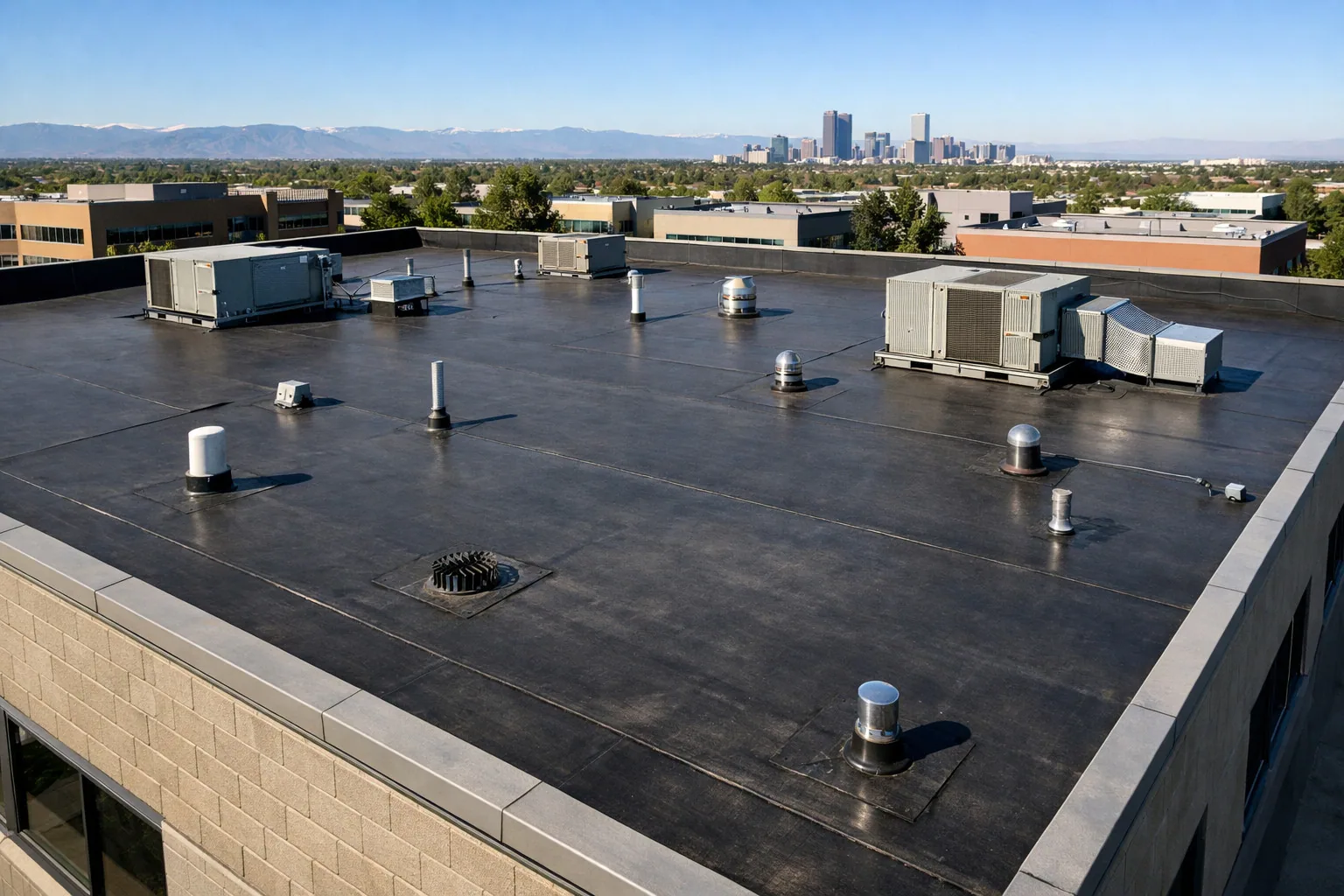
Choosing a commercial roof assembly starts with the existing construction, not a product name in isolation. Deck type, slope, drainage, rooftop equipment, insulation, attachment, and edge conditions all influence what can be installed and how transitions should be handled. At a Miami Gardens commercial property, the existing roof assembly, deck, slope, and drainage set the questions to resolve before a new system is selected.
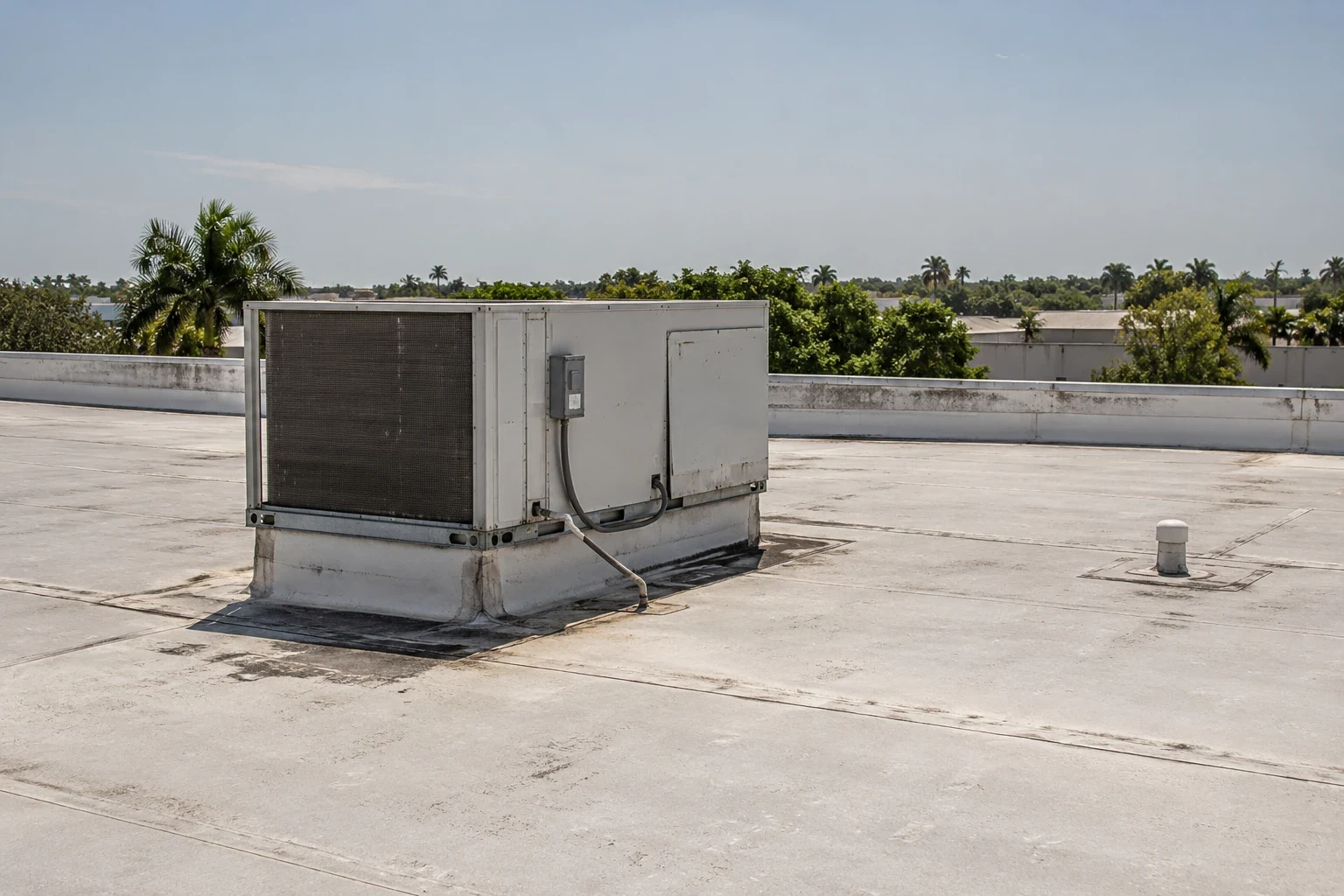
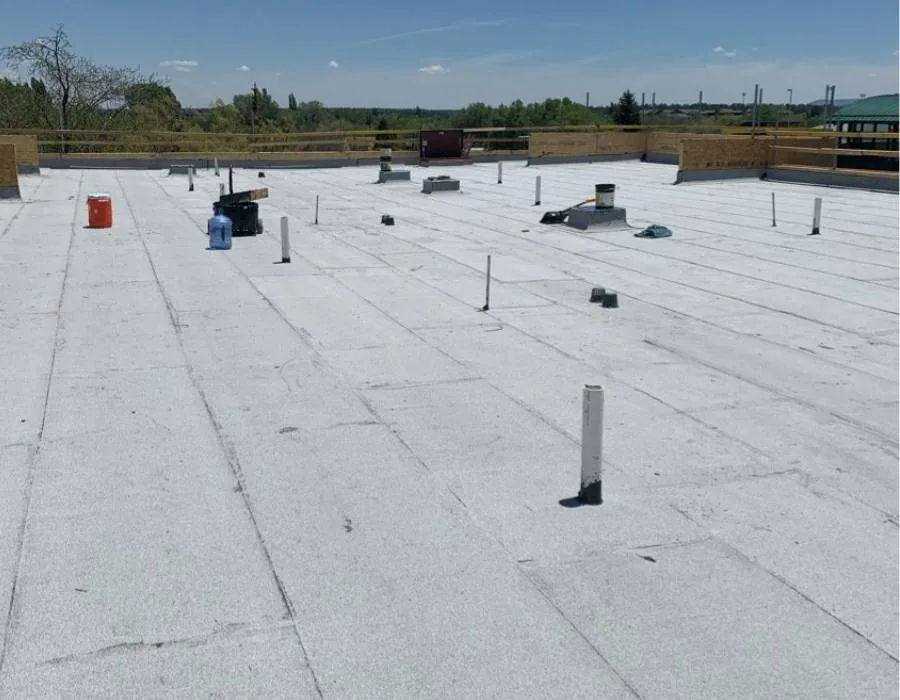
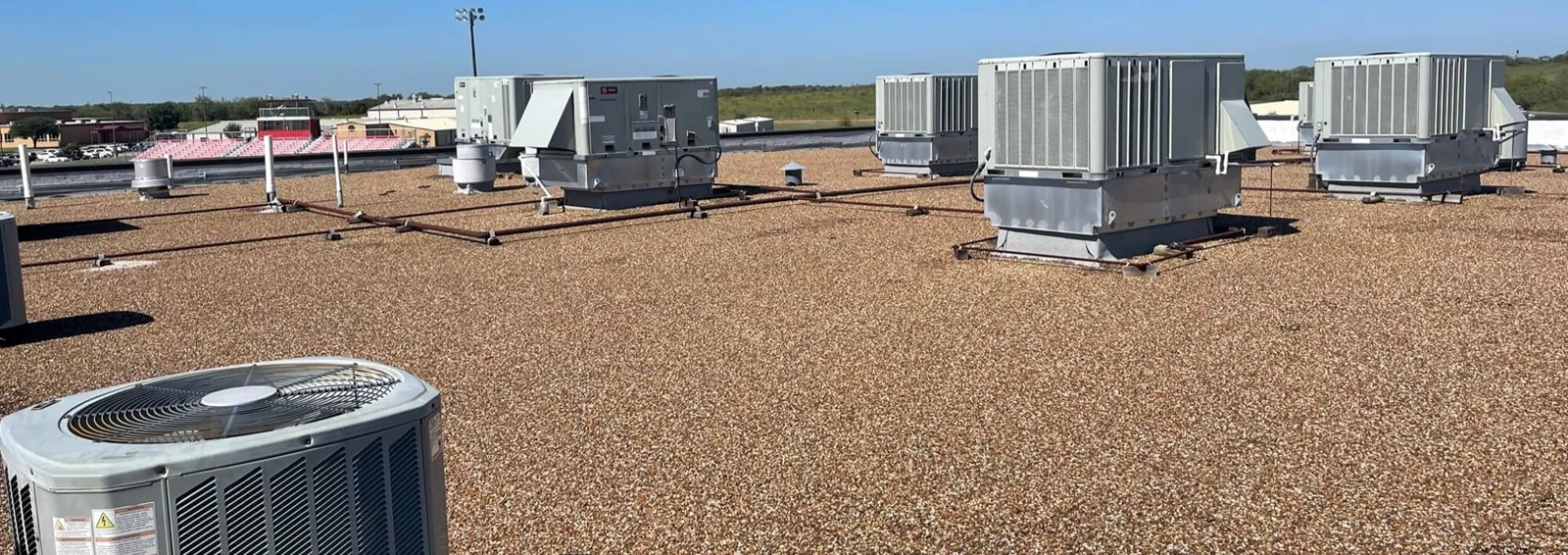
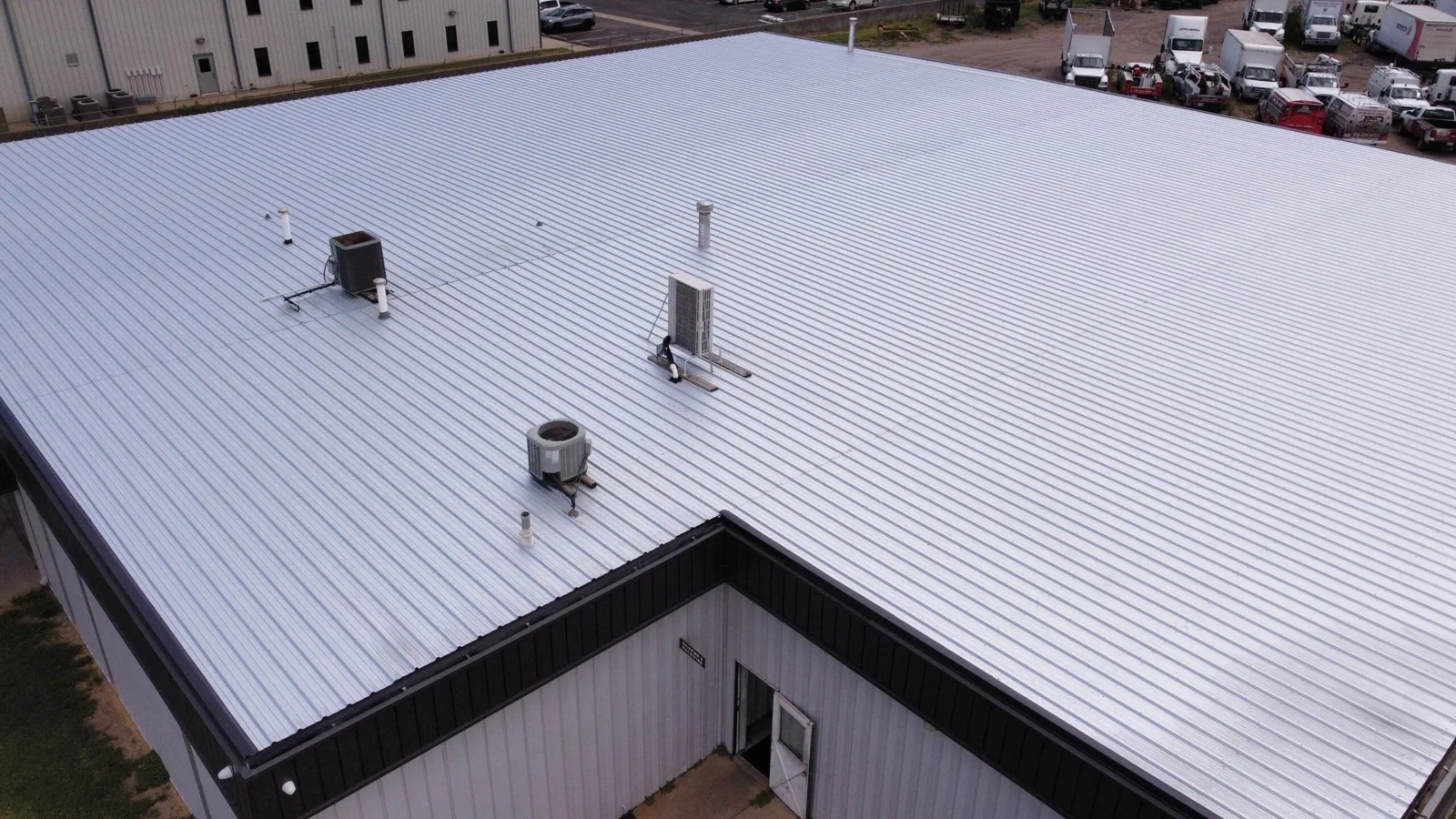
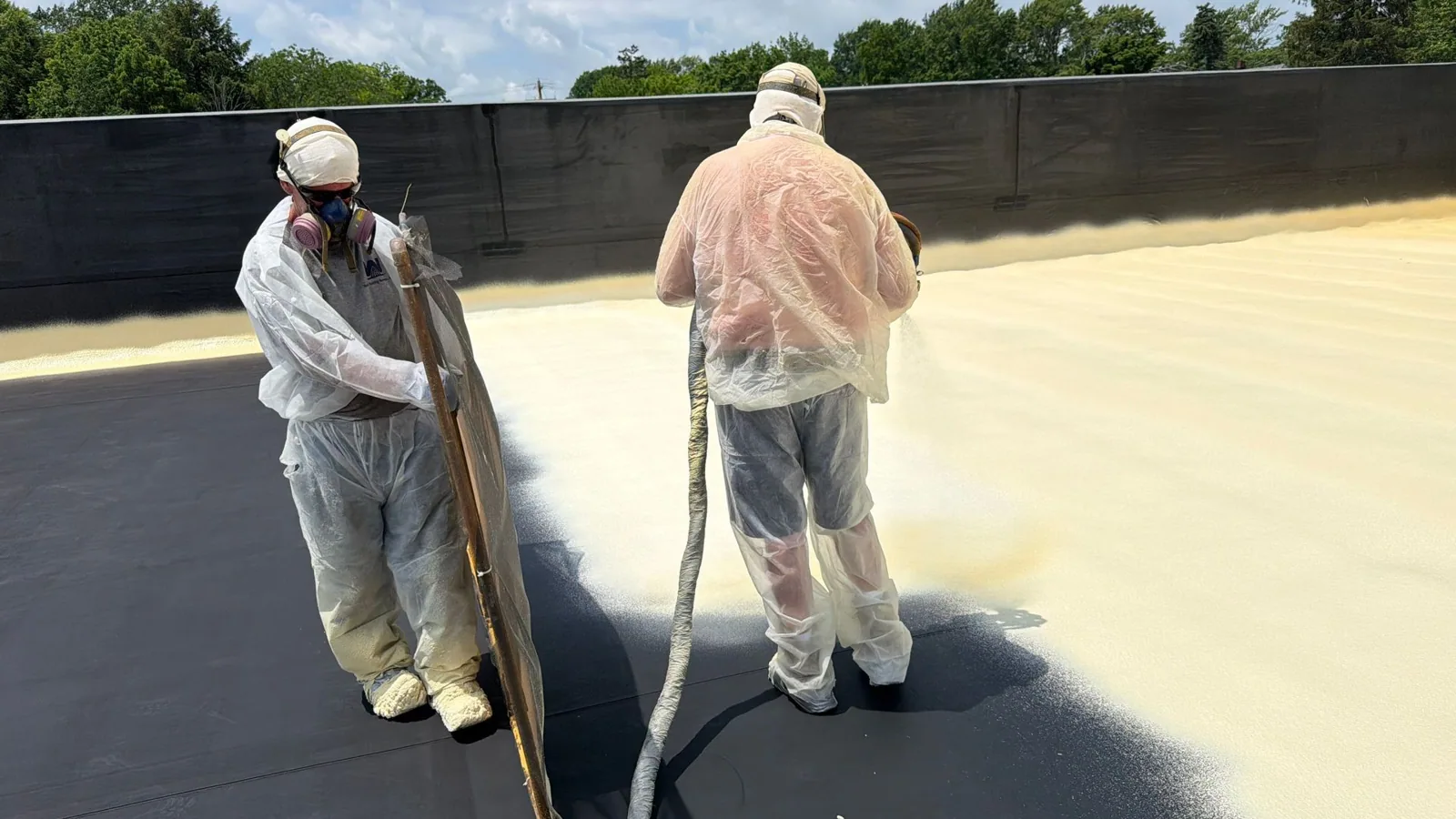
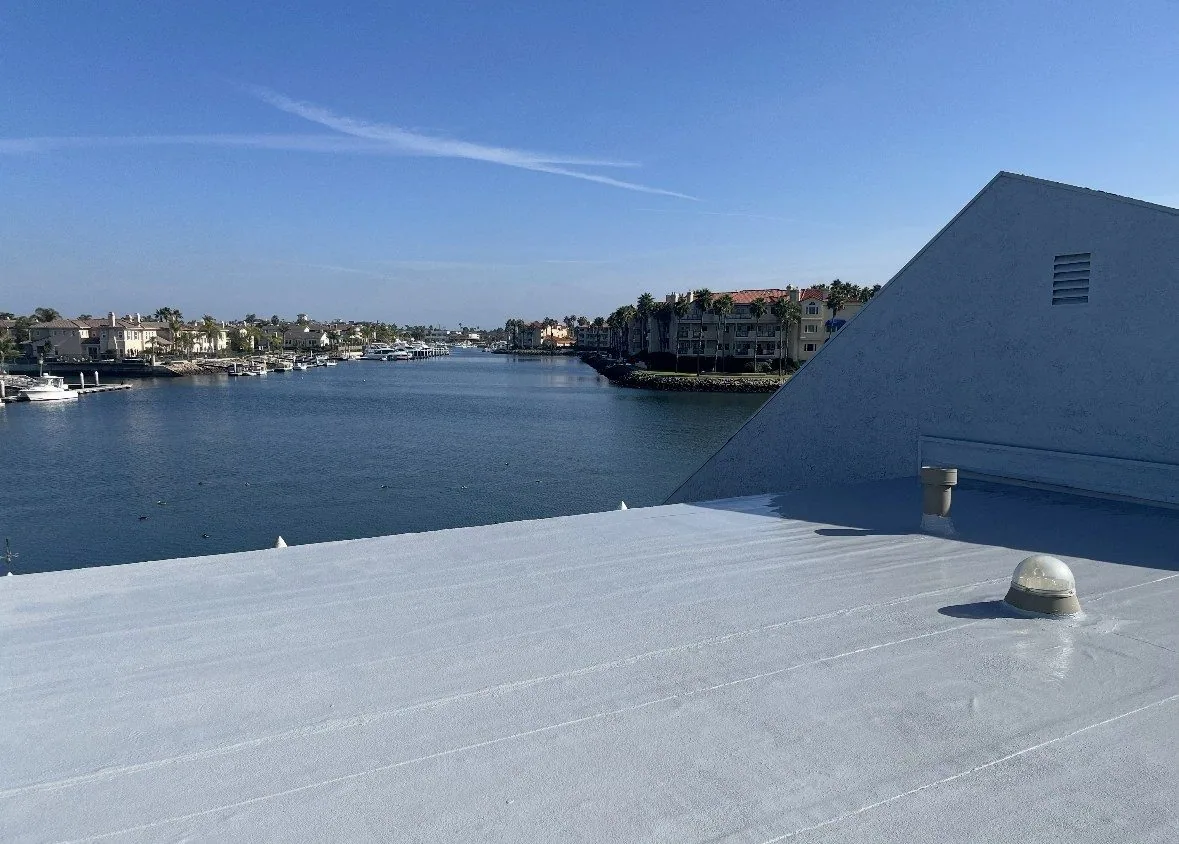
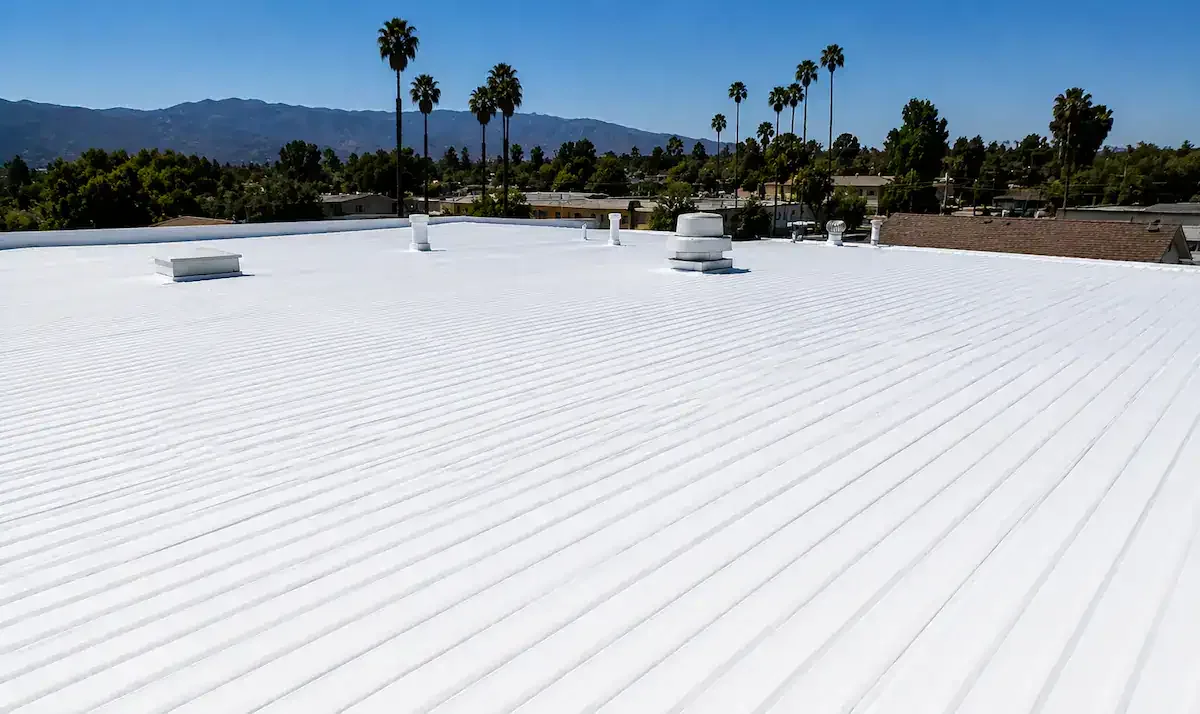
Compare membrane choices by the details they require
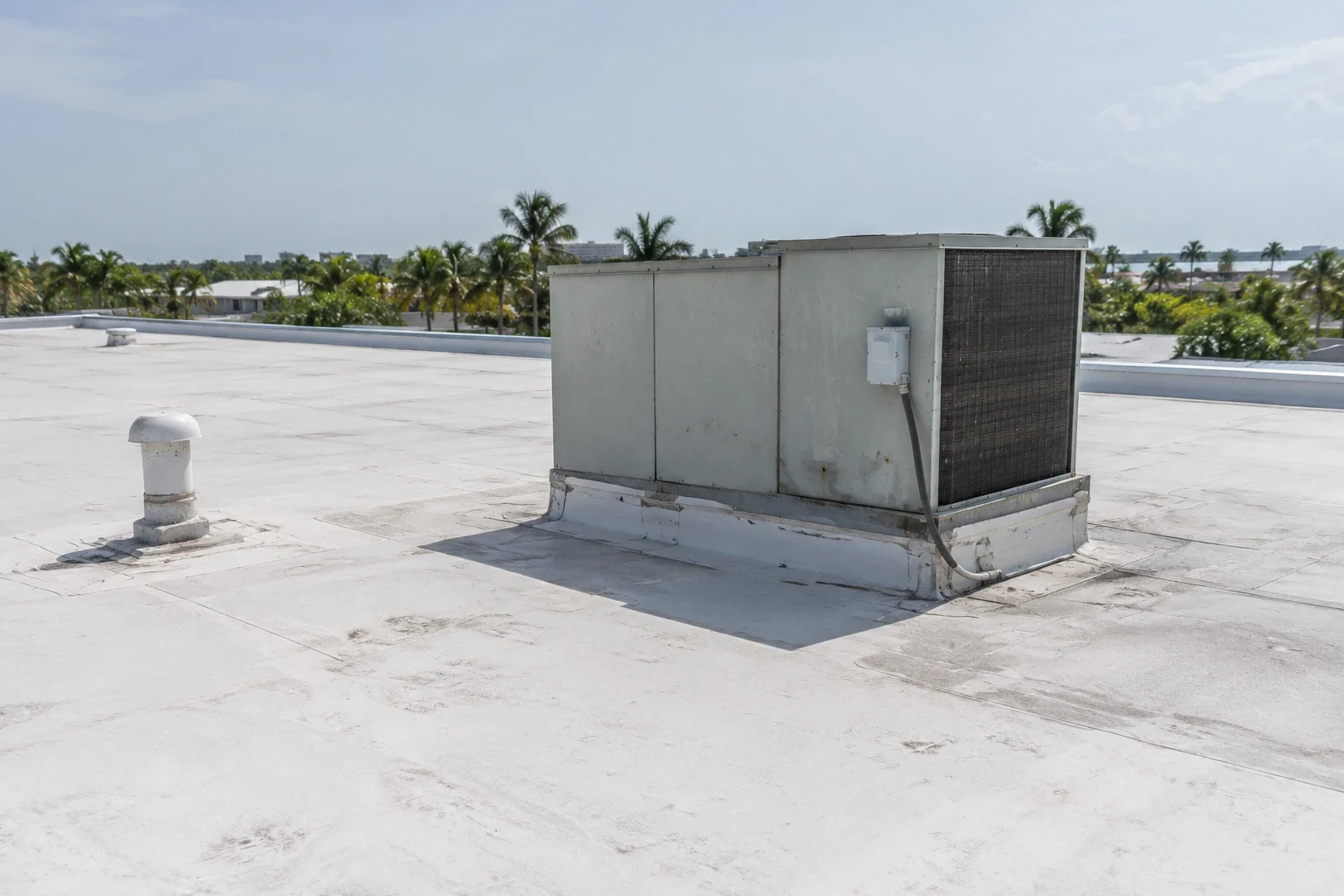
Single-ply membranes can look similar in a photograph, yet seam treatment, flashing, attachment, and compatible accessories differ. A review of TPO roofing should identify its substrate, fastening or adhesion approach, perimeter conditions, and connections to drains and penetrations. The same questions apply to PVC roofing, while repair compatibility depends on the existing assembly and product requirements. A specification should identify the membrane and thickness, describe preparation, and account for transitions rather than relying on the broad phrase 'new roof.'
- Services for repair, replacement and maintenance
- Roof systems from TPO to standing seam metal
- Property types from warehouses to hospitals
- Service areas across Miami-Dade and Broward
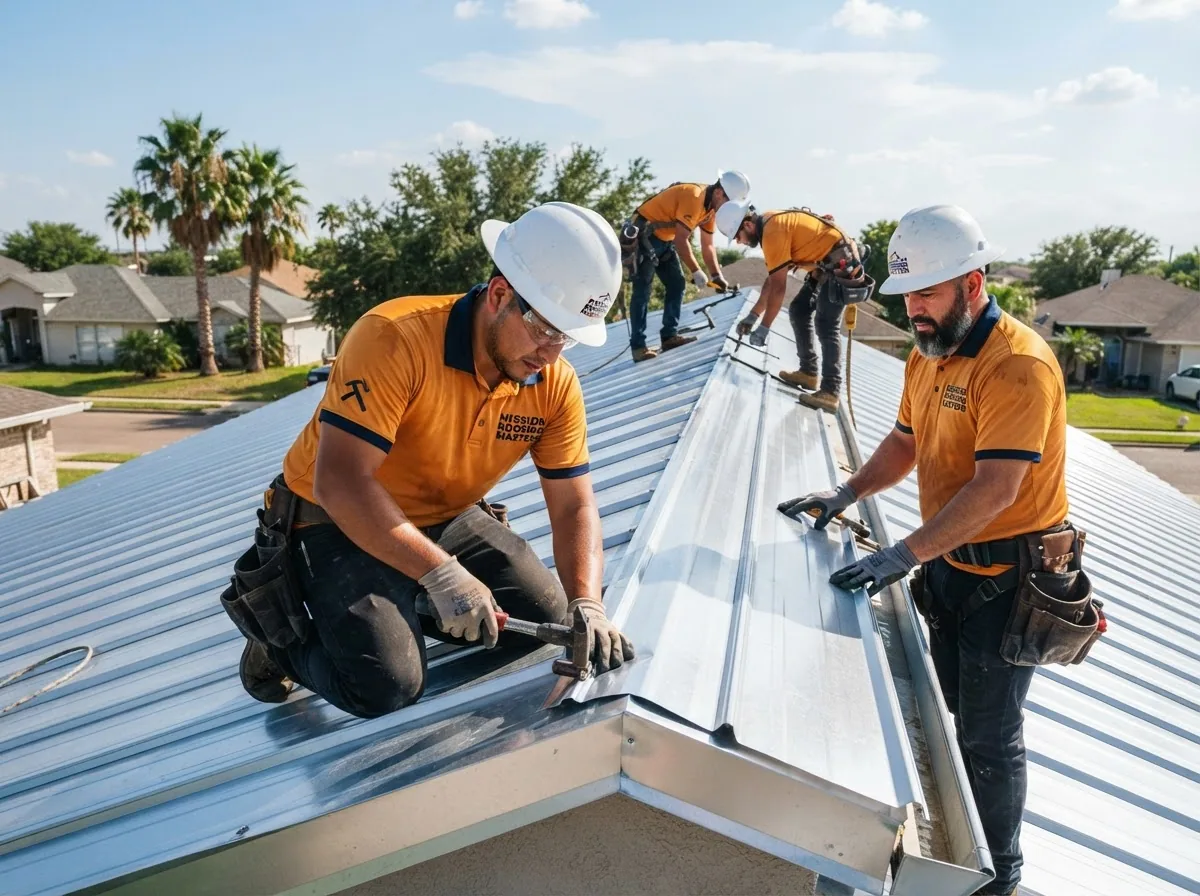
Metal roofs bring different movement and drainage questions
Panels, clips, seams, penetrations, and perimeter closures define how a metal roof manages water and thermal movement. A standing-seam metal roofing review should look for seam separation, fastener or clip concerns, corrosion, and details around curbs or roof openings. Panel profile and substrate can constrain repair choices. When a membrane roof is being considered over existing construction, a roof recover overlay evaluation should address compatibility, attachment, moisture, and edge height before the new layer is specified.
Identify what is installed before discussing replacement
Maintenance records, closeout documents, and roof observations can help establish the assembly, but records may not reflect later repairs. A targeted commercial roof inspection can map visible conditions and distinguish confirmed observations from areas that need further testing. Ask the reviewer to identify the roof section, surface, drainage route, and any limitations that affect confidence. This provides a better basis for comparing modified bitumen roofing or another assembly than selecting by a category label alone.
Account for access and active building use
Installation choices also affect staging, delivery, odors, noise, and the length of time a roof section is exposed. Facility teams can list occupied spaces, delivery periods, rooftop equipment, and locations that require advance notice. A Miami Gardens commercial roof needs a written sequence that explains how each section is protected and reopened as work advances. A written sequence should explain how sections are protected and reopened as work advances.
Keep assembly decisions in the property record
Save the product data, approved details, marked plans, photographs, and closeout observations with the building file. Note which roof areas were included and which remained untouched. If an assembly was installed over existing layers, document the known build-up and any limitations in the record. Later inspections can then compare conditions against an identifiable scope instead of relying on an invoice title or a remembered product name.
Commercial Roofing Questions
Can one roof system fit every commercial building?
No. Deck, slope, drainage, use, rooftop equipment, existing layers, and project constraints affect assembly suitability.
What should a system proposal identify?
It should name the assembly, substrate assumptions, attachment method, insulation, seam or panel details, transitions, drainage, and exclusions.
Should a new membrane go over the existing roof?
That depends on moisture, deck condition, existing layers, compatibility, attachment, and applicable product requirements.
Why record the installed roof assembly?
A clear record helps future teams locate details, understand repair history, and compare later observations with the work completed.