Commercial Rooftop Equipment Curbs and Supports in Miami Gardens, FL
Commercial Roofing Services
Inspect HVAC curbs, pipe supports and equipment flashing in Miami Gardens, FL, then coordinate a roof repair scope around access and operations.
Commercial Rooftop Equipment Curbs and Supports Overview
Equipment start-up dates govern roof access, rigging, and the opening sequence around a curb. We inspect rooftop units, pipe stands, line supports, and their flashing in Miami Gardens, FL, then separate roof work from mechanical changes that require another trade. The field record identifies each assembly, nearby seams, attachment points, and the access window available to the general contractor. That record gives the team a defined approval point before a unit is lifted or a support is moved.
Which parts of a unit curb need attention?
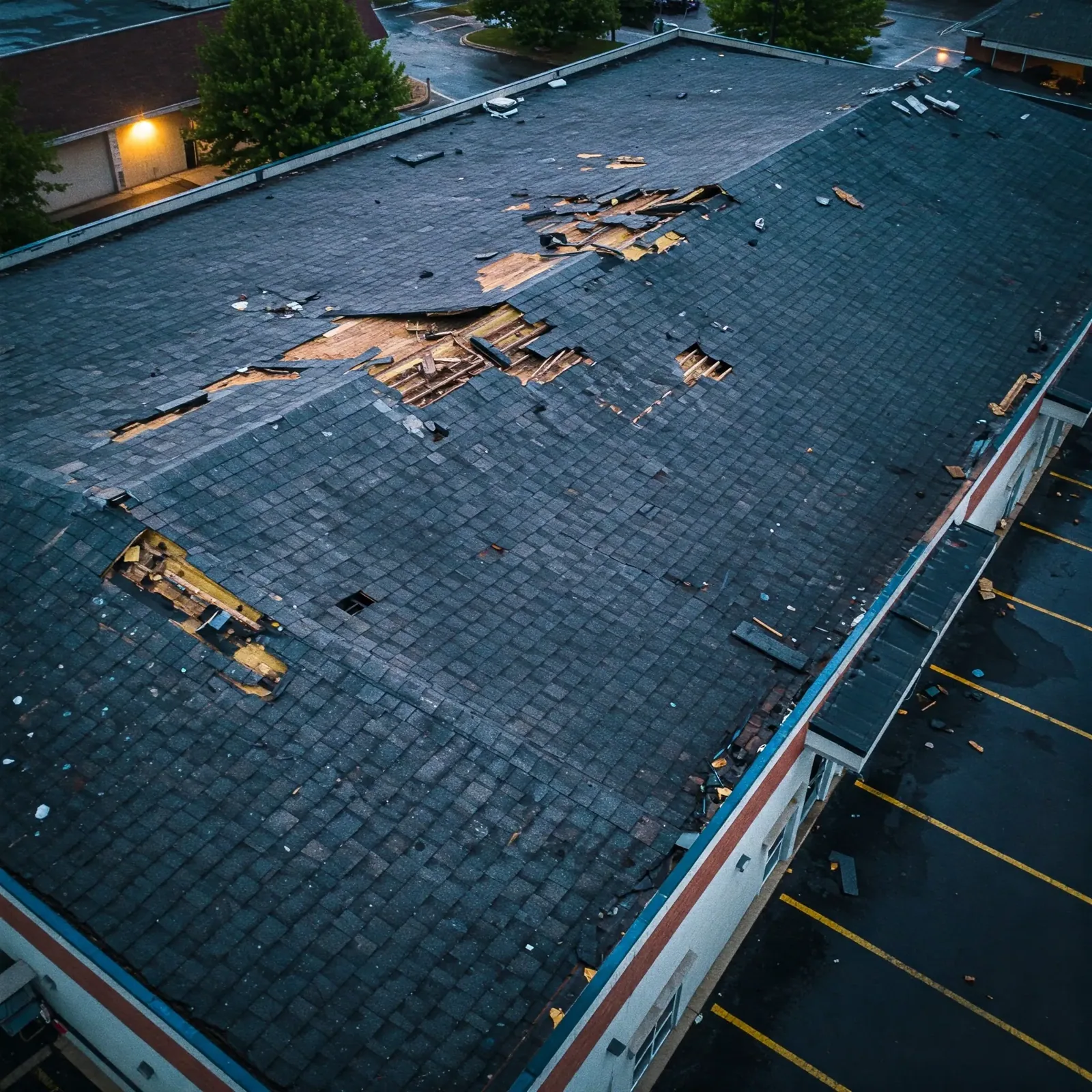
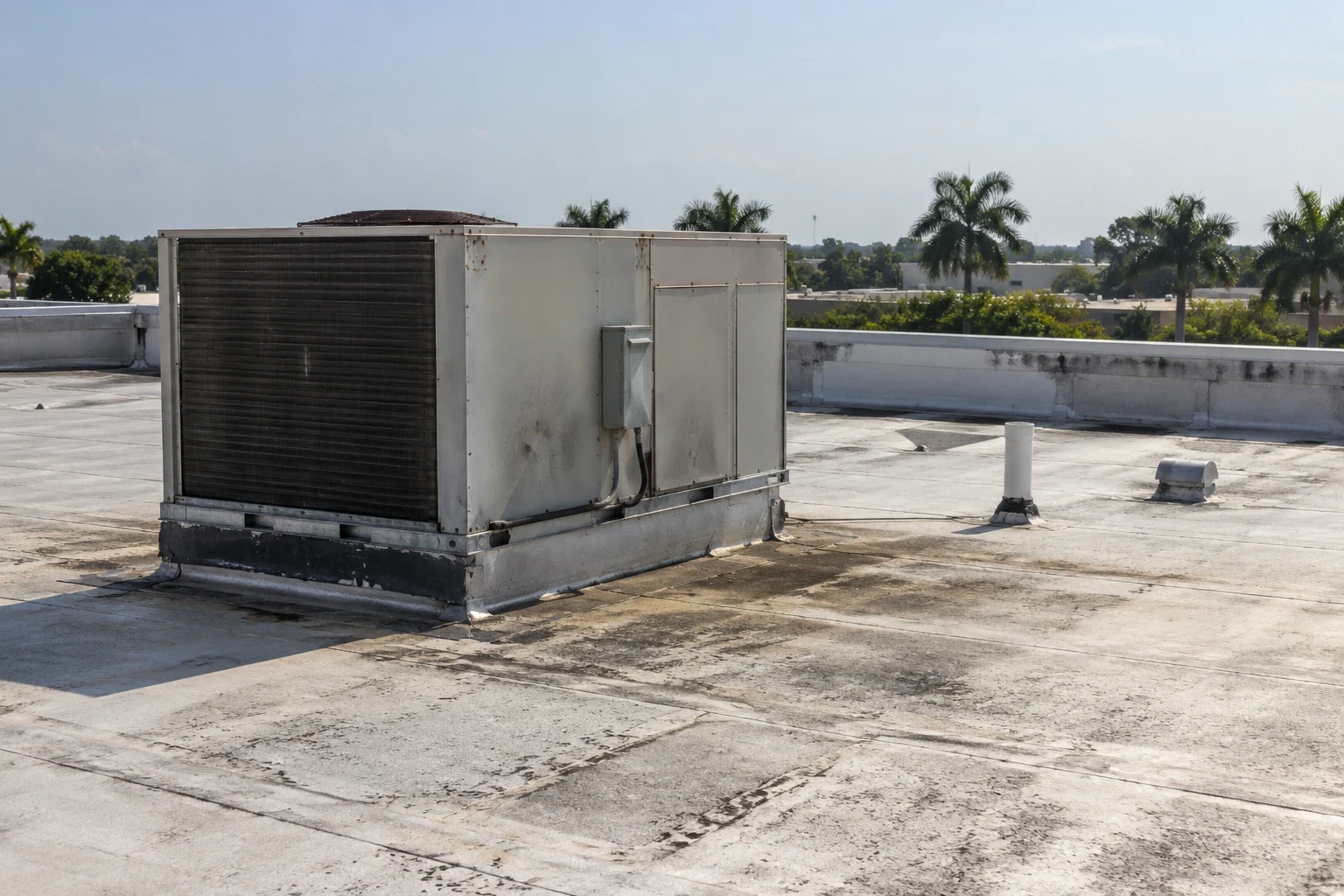
We inspect the curb height, corners, cap or counterflashing, membrane transition, fasteners visible at the detail, and signs of movement or water entry. The roof-area record notes whether the unit sits evenly, whether the flashing remains attached, and whether service panels can still open. If the curb is buried under later insulation or a coating, we document what can be seen and identify the access needed to confirm the concealed edge. A hands-on roof inspection can add the surrounding assembly and drainage findings to the same record.
Water can enter where a curb transition opens, but a roof stain below a unit can also follow a seam or penetration elsewhere. We compare the interior report with roof-side evidence and mark the likely path without treating proximity as proof. If several curbs sit in one equipment zone, each gets its own label and close photograph. The crew can then distinguish a recurring detail problem from one curb that needs a local repair.
Automobile trade along U.S. 441 and furniture commerce near the Palmetto Expressway are two parts of Miami Gardens' commercial pattern. A crane route, truck staging point, or occupied loading area may affect when mechanical equipment can be reached. We coordinate those site controls with the general contractor, while curb condition and system compatibility drive the roofing detail. West 49th Street is a Hialeah commercial area, and the property contact confirms building access and staging before we set a curb or equipment scope.
More on Commercial Rooftop Equipment Curbs and Supports
The sections below cover the questions property teams ask before they approve the work.
How do pipe and equipment supports meet the roof?
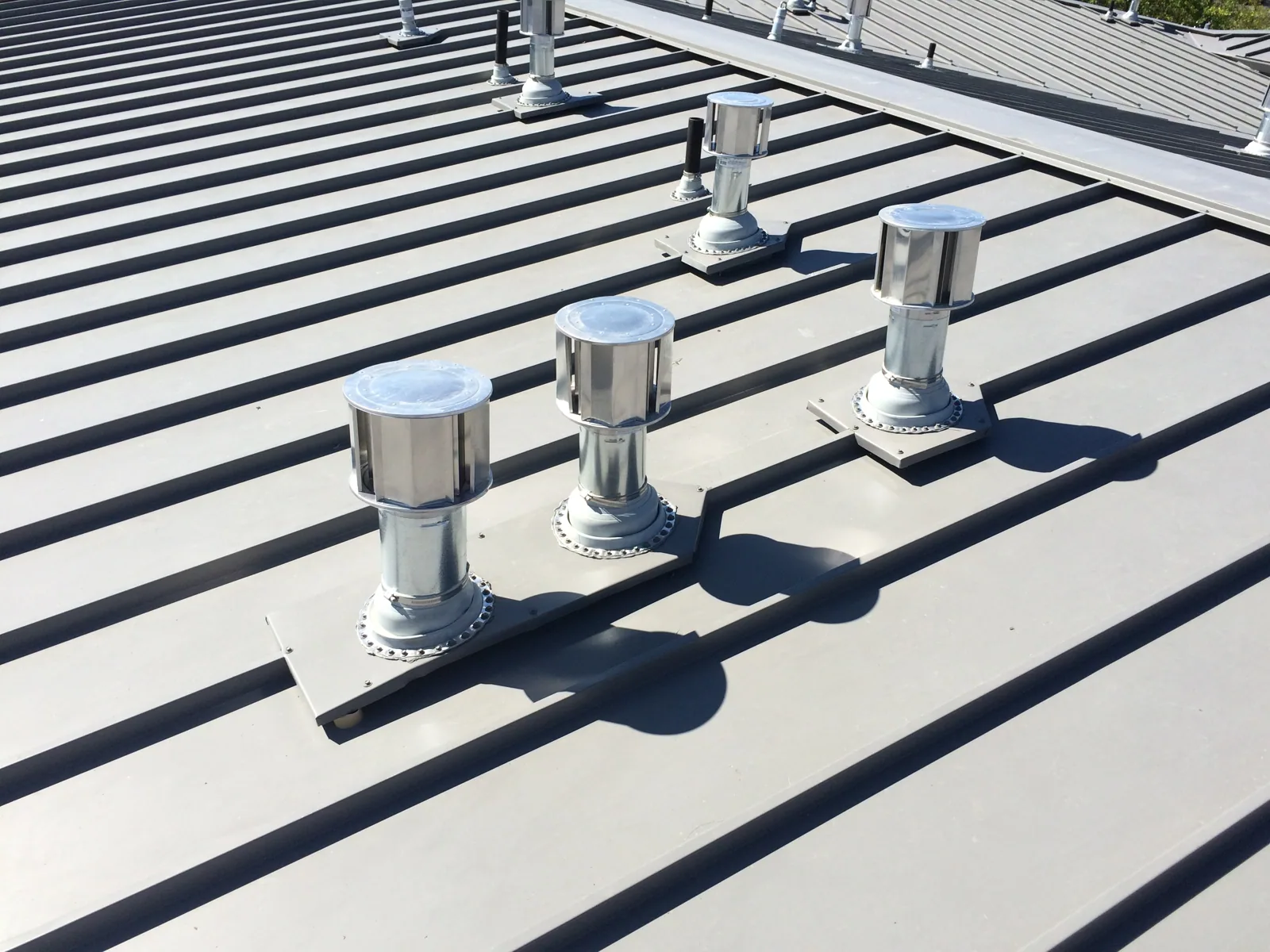
Pipe stands and support rails carry loads through a base or frame, while the roof assembly must remain continuous around that footprint. We check whether the support bears evenly, whether pads or rails have shifted, and whether abrasion or ponding appears beside the base. The report distinguishes a roof-flashing correction from a structural or mechanical adjustment. When a support requires repositioning or added load capacity, the responsible engineer or equipment contractor confirms that design before roofing work proceeds.
Moving a line, conduit, or unit changes more than the opening it leaves behind. The crew needs a clear route for lifting, temporary weather protection, protection for the membrane, and a detail that fits the revised support. We mark the proposed footprint and identify who will disconnect, lift, reset, and reconnect the equipment. A roof repair package can include the surrounding membrane work once the equipment sequence is agreed.
Miramar contains employment centers and corporate parks, so a general contractor coordinating multiple facilities may face different operating windows across the area. We keep each roof plan and equipment schedule tied to its building, then compare scope only after those records are separate. That is especially useful when one project includes a curb repair, a pipe-support change, and a unit replacement with different trade leads.
Can the unit remain in operation during roof work?
That decision depends on the equipment scope and the safe work boundary. We identify the unit or line that needs attention, the duration of the roof opening, the temporary protection method, and the point where the mechanical contractor must isolate or lift equipment. If the unit can operate while the curb is repaired, the work plan still protects controls, service access, and the manufacturer’s required clearances. The site contact approves the sequence before materials are staged.
During a lift, the crew coordinates rigging, curb exposure, and dry-in timing with the general contractor. We record the opening condition before flashing begins, then check the transition after the equipment is reset. If rain or a concealed defect changes the sequence, the foreman identifies the unfinished area and reports the next protection step. Emergency roof service remains available outside normal work hours when an opening or active leak needs immediate protection.
A scheduled maintenance visit can review accessible curbs and supports after rooftop work. It can record loose flashing, changed line routes, debris, or new penetrations for the next repair package. We identify the responsible trade when a finding concerns equipment operation rather than the roof detail.
Industries We Work With
Owners and operators in these fields rely on us to plan roof work around their buildings.
Coordinate healthcare roof work in Miami Gardens, FL around patient routes, critical rooms, equipment, infection controls, and documented approval windows.
Coordinate 3PL roof work in Miami Gardens, FL around dispatch cycles, dock access, inventory protection, equipment routes, and phased closeout.
Plan school district roof work in Miami Gardens, FL around student routes, athletic spaces, summer windows, classroom protection, and board approvals.
Coordinate portfolio roof work in Miami Gardens, FL with area records, access windows, repair priorities, and approvals that keep each asset distinct.
Related Roofing Work
Other pages that cover the same roof question.
Roof leaking now? Call 555-555-5555 and we will send a crew to look at it.

What changes the work package and timing?
Scope grows when several curbs need separate details, access requires a lift, equipment must be disconnected, or the assembly below a support cannot be confirmed from the surface. Material lead time, roof height, weather exposure, tenant limits, and coordination with mechanical or electrical trades also affect sequencing. We list these drivers by roof area so the owner can compare a localized flashing repair with a larger curb or support modification. Concealed deterioration is documented when exposed, then priced through an approval step before it is covered.
Where the roof is part of a manufacturing operation, a new unit or support may affect production access and overhead work permits. We ask the general contractor to identify those restrictions and provide a staging plan before mobilization. For a manufacturing roof, the curb, travel route, and interior protection can be distinct line items. For a portfolio owner, a condition report preserves photos and open items for review by building and equipment zone.
We coordinate roof work across Miami Gardens. A complete work request includes roof plans, equipment schedules, access rules, current leak locations, and the desired unit operating window. The proposal can then show the curb work, support work, mechanical interface, temporary protection, and any testing or follow-up required.
What belongs in the closeout record?
Closeout identifies each curb or support by roof zone, records the installed flashing detail, and includes before-and-after photographs. We note any unit movement, disconnected line, or open question assigned to another trade. If the original support remains in place, the record states which components were inspected and which were outside the scope. That gives the facility manager a useful baseline for future service instead of a broad note that the equipment area was completed.
The general contractor can attach product information, owner approvals, and mechanical sign-off to the roof-area record. If a curb repair is part of a larger roof package, the roof asset record can track later inspections and equipment changes by building. Our field report shows the roofing work and the remaining coordination item, while the system designer or equipment contractor addresses the portions within its responsibility.
To schedule a review, send the equipment list, curb locations, roof plan, access window, and the trade lead responsible for each unit. We will walk the accessible details, photograph conditions, and return a defined work package with decisions the general contractor can route before the crew arrives.
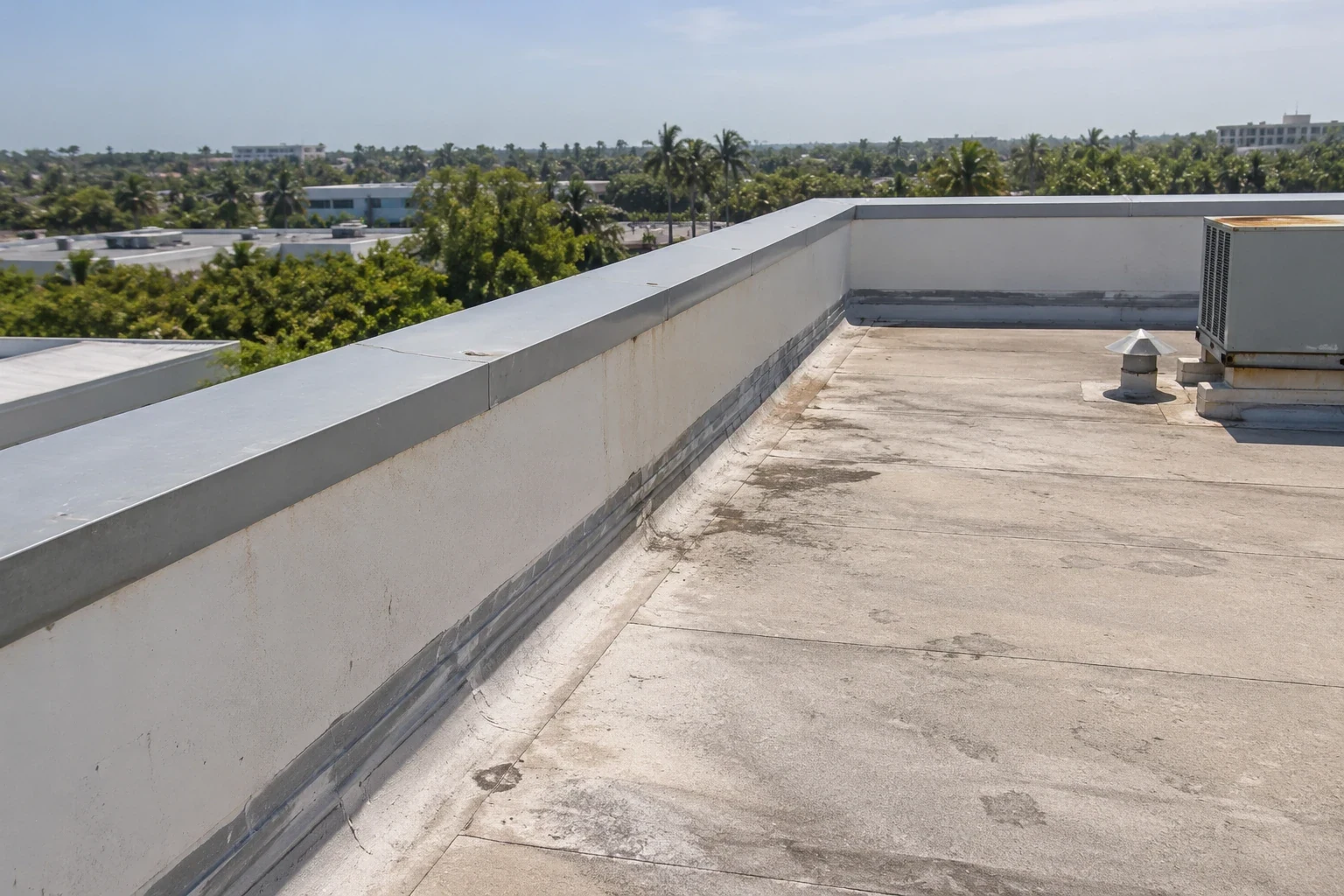
Scope equipment curbs by roof area
Share the equipment list, roof plan, access window, and responsible mechanical trade lead. We will document each curb or support condition and prepare a sequenced roof work package for review.
Questions About Commercial Rooftop Equipment Curbs and Supports
Can you repair curb flashing without lifting the unit?
Yes, when the curb and surrounding detail remain accessible and the planned repair can be completed without disturbing the unit. We identify the access limit and request a lift only when the flashing or substrate cannot otherwise be reached.
Who moves or disconnects rooftop equipment?
The mechanical contractor or equipment provider handles disconnection, lifting, and reset. We coordinate the roofing opening and flashing work with that sequence and document each trade boundary.
What if a pipe support is pressing into the membrane?
We record the base, contact point, and nearby membrane condition, then determine whether the support can be protected or needs repositioning. Structural capacity and the revised support design stay with the appropriate engineer or trade.
How do you keep an open curb protected overnight?
The work plan assigns a temporary cover, responsible crew lead, and end-of-shift check before the area is left. We photograph the protected opening and list the permanent flashing step for the return visit.
What should the general contractor provide before pricing?
Send the equipment schedule, roof plan, access rules, unit operating limits, and any proposed lifting dates. Those details let us separate roofing labor, mechanical coordination, staging, and open assembly questions.