
Commercial Roofing in Miami Gardens, FL
Service Areas
Plan commercial roof repairs and replacement in Miami Gardens with marked field findings, coordinated access, and a work sequence suited to each property.
Miami Gardens Overview
Set the closure point before a roof area is opened. On a Miami Gardens, FL commercial property, the work package has to account for the building's use, roof access, staging, and the time available to protect the exposed assembly. We begin with the roof-area record: visible membrane and metal, drainage, equipment interfaces, previous repairs, and the conditions that need testing. Along the Palmetto furniture-trade corridor or U.S. 441 automobile corridor, a manager may need a different occupancy plan for each property. Our field inspection puts those observations into a sequence, with repair candidates and a replacement boundary kept distinct.
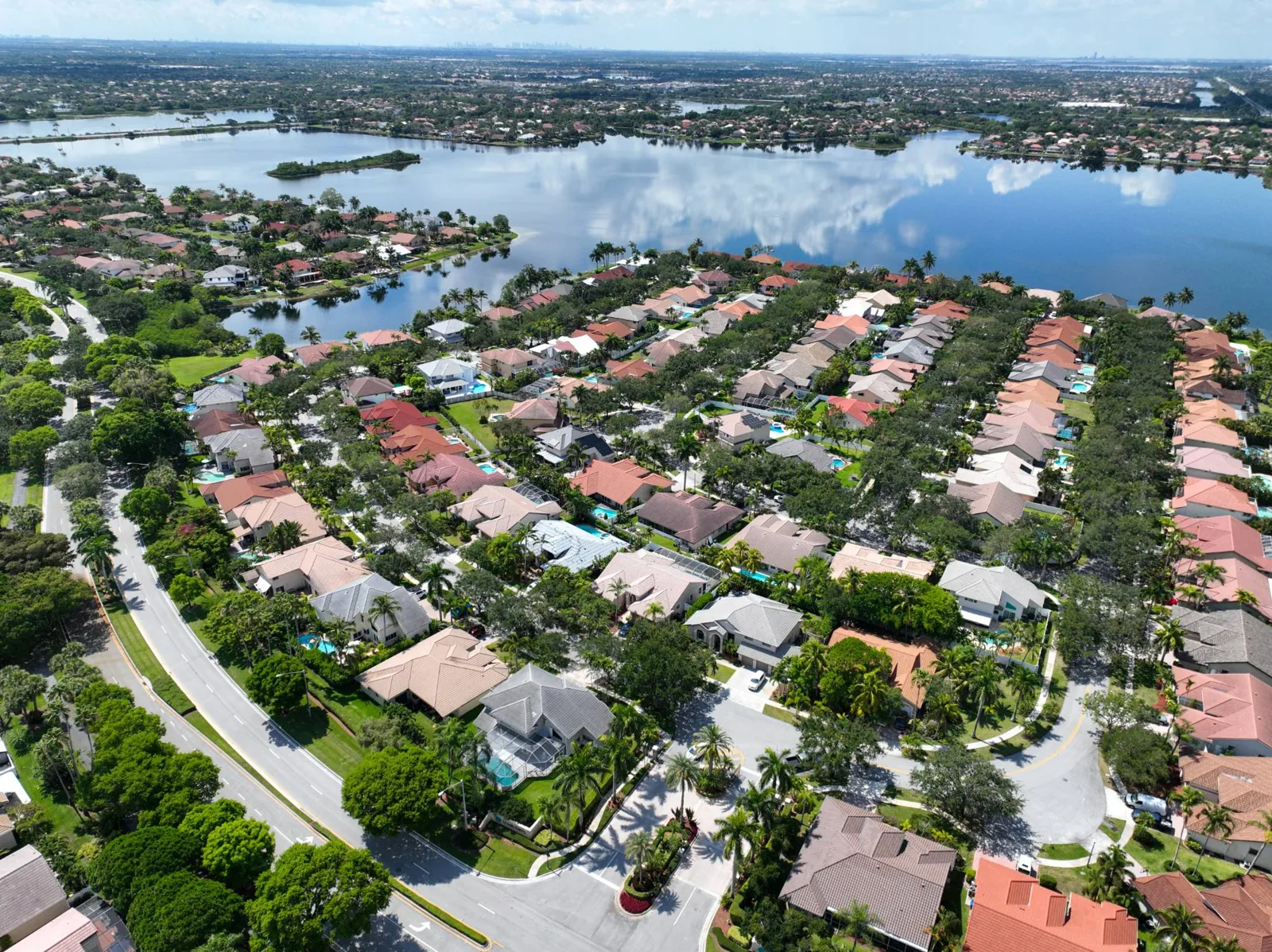
Which work area can the property release first?
Before a work area is released, confirm its roof assembly, occupied rooms below, mechanical access, staging limits, and the person who can approve a shutdown. A land-use label does not identify the membrane or deck, so distinguish field observations from assumptions. When customers, vehicles, or deliveries use the approach, ask the site contact for periods when circulation must remain open. The contractor can compare lift placement, material movement, barricades, and temporary protection against the actual site plan. Keep the boundary tied to inspected roof zones and list any test opening or concealed condition as a separate decision. For each zone, name who releases it, where materials may be placed, and what condition crews must reach before leaving. A retail work package may require an entry sequence that differs from work above a service bay, but both plans should show the protected path and daily stopping point. This lets an owner authorize a first package without treating unreviewed sections as construction-ready. If mechanical service must remain available, record the access route and the party coordinating any interruption before mobilization.
More on Miami Gardens
The sections below cover the questions property teams ask before they approve the work.
What does the first roof-area record need to show?
We map seams, laps, penetrations, drains, edge metal, prior patches, and places where water or debris can remain. Photographs identify the roof area and direction of view, while notes distinguish visible wear from a condition that needs testing. If a ceiling report sits below a curb or drain, we trace the likely water path instead of assigning the cause to the nearest detail. A marked condition report gives the superintendent and owner the same field evidence.
Miami Gardens' regional access includes I-95, State Road 826, and the Florida Turnpike, as well as Florida East Coast Railway and Tri-Rail. These connections provide commercial context, not a delivery instruction for a specific building. We confirm the gate, loading area, and equipment route with the site contact. If a lift blocks a drive or a material drop affects customers, that staging constraint belongs in the work package before the arrival window is set.
Where a roof assembly remains uncertain, we list the records or test that can establish the layers. We do not turn a surface appearance into an insulation finding. The report shows what we inspected, what stayed inaccessible, and the approval point for opening a concealed area.
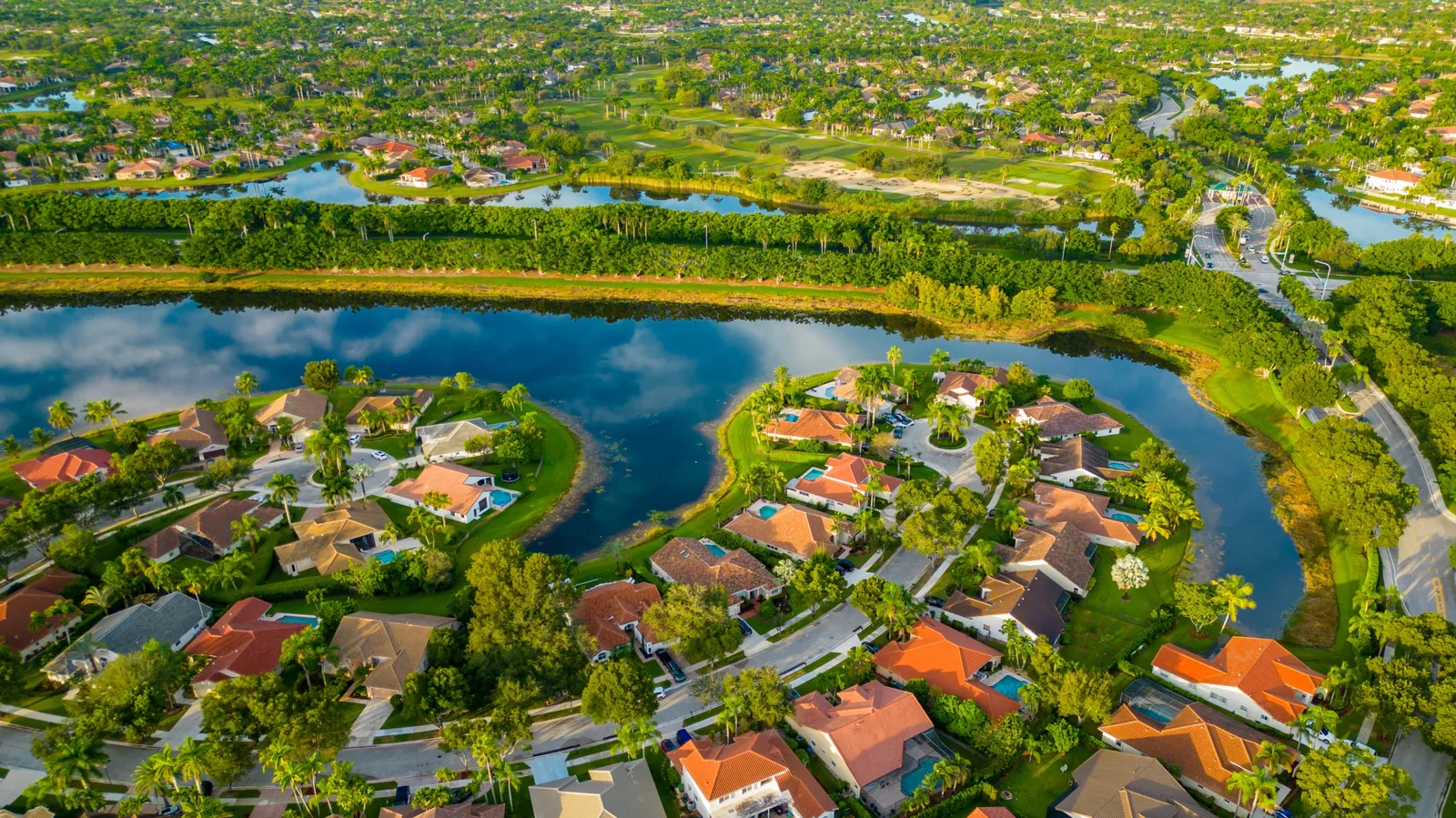
How should the South Florida calendar affect an opening?
Sequence the work around a boundary that can be made secure, rather than a daily production target alone. Before a crew opens a seam, removes flashing, or exposes insulation, record the cover-up method if a shift ends early, who will inspect the temporary closure, and who can authorize restart. Set a hold point for changing site conditions or an unexpected substrate finding, with the labor and materials needed to leave the roof protected. A forecast can alter an approved work window; it does not establish damage or decide replacement scope for a specific building. Record observed conditions and use testing when visible evidence is insufficient. If an active leak cannot wait for capital approval, emergency roof response can stabilize it as a separate service action. Photograph that condition, document the temporary work, and keep its cost distinct from planned replacement. The project lead should reconcile service notes with the later capital package so an owner can see what changed and why. At closeout, identify who accepts the protected area and which photographs or inspection notes are needed before another section opens. That handoff helps crews avoid leaving an unfinished edge without a named decision-maker.
Industries We Work With
Owners and operators in these fields rely on us to plan roof work around their buildings.
Coordinate healthcare roof work in Miami Gardens, FL around patient routes, critical rooms, equipment, infection controls, and documented approval windows.
Coordinate 3PL roof work in Miami Gardens, FL around dispatch cycles, dock access, inventory protection, equipment routes, and phased closeout.
Plan school district roof work in Miami Gardens, FL around student routes, athletic spaces, summer windows, classroom protection, and board approvals.
Coordinate portfolio roof work in Miami Gardens, FL with area records, access windows, repair priorities, and approvals that keep each asset distinct.
Related Roofing Work
Other pages that cover the same roof question.
Roof leaking now? Call 555-555-5555 and we will send a crew to look at it.
Which assembly details change the repair boundary?
At a drain, we check the bowl, strainer, overflow, and membrane termination, then compare the low point with the roof plane around it. A clear strainer does not correct a depressed insulation area. At curbs and walls, we check flashing height, attachment, and whether the membrane can tie into sound material. The work may remain a localized drain correction or expand when wet insulation or deck damage continues beyond the visible defect.
Miami-Dade County's building-code ordinance adopts the Florida Building Code and county administration and product-approval provisions. Miami-Dade and Broward together form the High Velocity Hurricane Zone under the county definition. Roofing submittals therefore need a project-specific check of applicable HVHZ provisions and approved assemblies. We identify the proposed roofing components and detail coordination items; the design professional and authority having jurisdiction establish the requirements for the permit.
If an existing roof is considered for a recover, the owner needs evidence about moisture, attachment, added layers, edge height, and drainage before approving that path. A recover review should state what can remain and what test could change the answer. Tear-off remains a separate replacement candidate where the exposed deck or assembly does not support another layer.
How can the contractor keep approvals tied to each area?
A usable sequence separates immediate leak control, planned repair, and longer-term capital work. Each roof area receives a boundary, materials, staging plan, occupancy limits, and closeout requirement. If concealed damage changes quantity, the crew photographs the exposed condition and waits for approval before expanding the package. The owner can compare a repair with replacement using the same field record rather than different assumptions.
Miami Gardens' planning process accommodates commercial, industrial, and mixed-use projects and handles site-plan, plat, and zoning review. That development context may shape the project documentation, but it does not identify what is beneath an existing roof. We coordinate the roofing submittal with the general contractor, carry the current code path, and keep roof access and temporary protection in the schedule. For a portfolio comparison, the capital sequence should still preserve each property's own findings.
At closeout, we provide marked photographs, assembly notes, completed work limits, and follow-up items. The record supports the next maintenance visit and helps a later project team distinguish a repaired detail from an untouched roof area. For a separate roof in Hialeah, keep a separate property file and staging plan. For broader neighborhood coordination, the commercial and industrial districts remain a planning reference, while each approval belongs to an actual building.
Set a Miami Gardens field review
Share roof plans, occupancy limits, access windows, prior repair records, and the project schedule. We will map the roof areas, identify repair candidates, and set approval points for a sequenced work package.
Questions About Miami Gardens
What should be ready before a commercial roof walk?
Share roof plans, leak locations, prior repair records, equipment restrictions, and access rules. We use them to set a safe route and mark which areas can be inspected or need an owner-approved opening.
Can the work avoid a showroom or vehicle route?
We confirm the property layout with the site contact, then identify staging, lift access, barriers, and hours that keep the required route open. The occupancy plan is built for the actual site, not inferred from the corridor name.
Does the wet season mean we should wait on roof work?
No calendar date replaces the daily forecast and assembly condition. We plan temporary protection and closure limits around expected weather, then open only an area the crew can secure within the work window.
How do you decide whether a repair can stay local?
We trace the water path, check the substrate and adjacent membrane, and mark how far sound material continues. Wet insulation, weak attachment, or repeated movement can expand the boundary, so we document the evidence before changing scope.
Who confirms HVHZ requirements for our permit?
We identify the roofing components and detail questions in our scope. The project's design professional and authority having jurisdiction confirm the applicable code provisions, approved assemblies, and submittal requirements.