
Commercial Roofing in Opa-locka, FL
Service Areas
Coordinate commercial roof work in Opa-locka with field evidence, safe staging, and repair or replacement packages tied to each property's operations.
Opa-locka Overview
A work sequence in Opa-locka, FL begins with the access window the property can release and the roof area the crew can protect before leaving. The city promotes commercial, residential, retail, and recreational uses, so a project package should follow the individual building and its occupancy plan rather than presume one operating pattern. We record the membrane, metal, drains, curbs, prior repairs, and suspected moisture, then set the first approval point. The roof walk separates visible conditions from questions that need a test, giving the contractor a field record before repair scope or replacement boundary is priced.
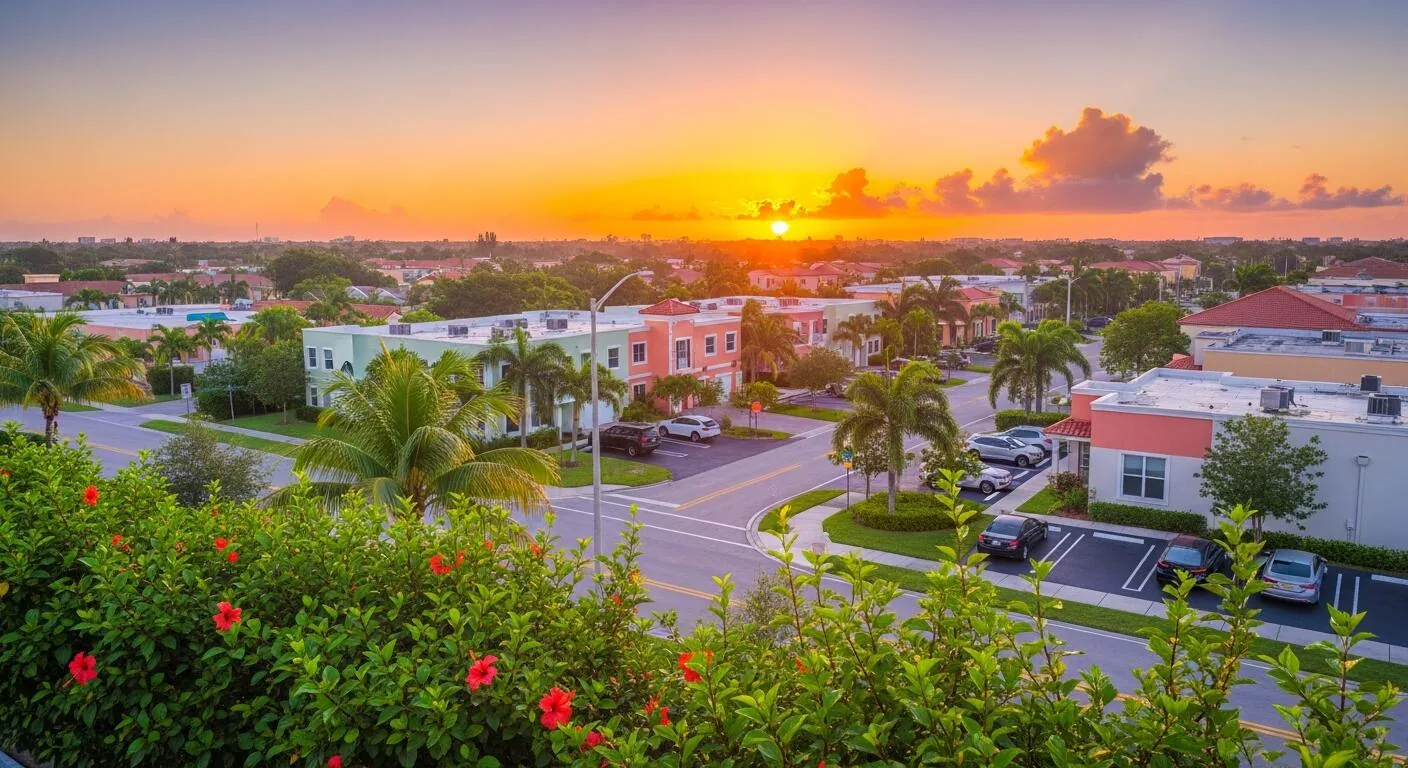
Which site constraints govern the first package?
We confirm the roof route, staging location, loading rules, occupants, and equipment limits with the property contact. A small repair and a broader tear-off create different exposure and closure requirements, so the package states where work begins and how the area will be protected at shift end. If another trade needs the same roof access, the general contractor sets the sequence and owner approval point before materials arrive.
Opa-locka's planning framework pairs downtown economic opportunity with healthy neighborhoods. We set project coordination around the building's actual access, occupancy, and work boundary. A property in the downtown work area may have a different access plan from a site in another part of the city, and we confirm each route with the manager. If the site is part of the broader Opa-locka Community Redevelopment Area, its project team may need to track infrastructure and transportation coordination alongside roofing work.
We map each drain, seam, or flashing finding to the roof area that needs a decision. We keep the findings tied to the actual membrane and substrate, documenting what the walk shows and what remains concealed.
More on Opa-locka
The sections below cover the questions property teams ask before they approve the work.
What evidence should the roof-area record contain?
Each roof area gets photographs, a location mark, observed materials, and notes on seams, flashing, drains, edges, and penetrations. We compare the surface with known leaks and repair records. A spot that looks different is not automatically a moisture finding, so we identify whether a core cut or survey is needed before the owner authorizes removal. A condition report keeps confirmed observations separate from proposed testing.
Opa-locka's plans support business attraction and local entrepreneurs. At an active business, we confirm the building's entry, delivery route, and occupied areas with its property contact before marking the work boundary. We then mark the staging boundary, equipment routes, and any interior space that needs protection during a roof opening.
Where the roof is part of a business or mixed-use property, the report describes the work without claiming a particular system or roof age from its use. We note what can be repaired, what needs testing, and what would change the price if concealed material is damaged. That becomes the basis for an approval rather than an assumption about all buildings in town.
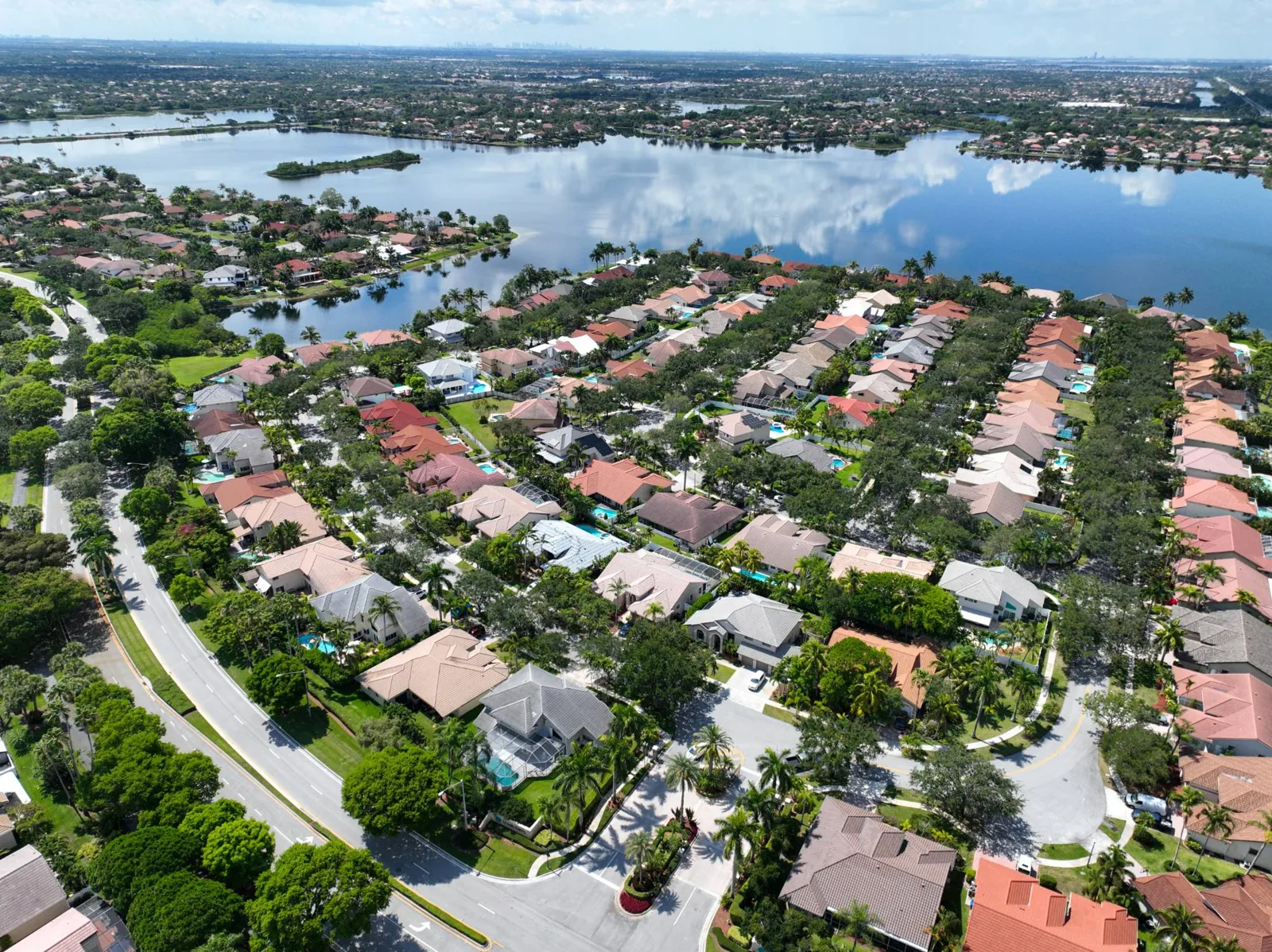
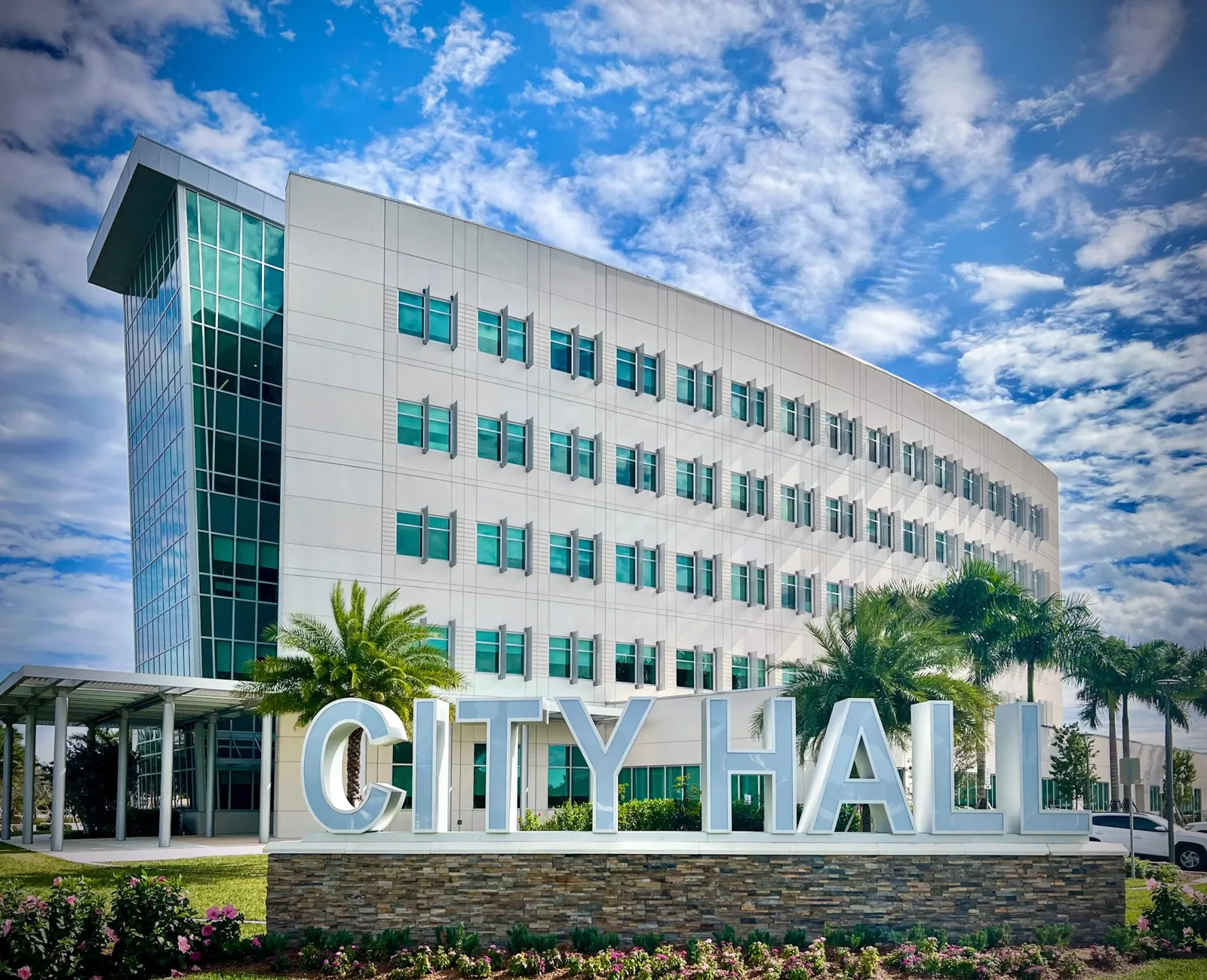
How should temporary protection follow the weather window?
Every removal phase needs a written stop point. For Opa-locka, the crew lead checks the current forecast before opening a section, limits the day's work to an area that can be protected, and records who can authorize a pause. The temporary closure method and inspection time are set before membrane or flashing is disturbed. A later restart begins with a check of that tie-in, not an assumption that it remained secure.
The regional wet-season calendar runs from May 15 to October 15, and climate averages place 60 to 70 percent of annual South Florida rainfall within that interval. This is a regional planning baseline rather than a forecast for one roof. Warm, humid conditions can produce frequent showers; tropical systems can also change local rainfall, with impacts difficult to predict beyond a short horizon. The schedule therefore includes weather holds and a documented protection review after rain. If water is entering through a confirmed opening, emergency roof service can stabilize the area while permanent repairs are scoped.
Access and occupancy also affect the daily limit. Opa-locka work may involve a mix of commercial and residential activity, so the property contact identifies routes that must remain usable and rooms or equipment that need protection. The handoff notes any temporary measures and a specific follow-up check, keeping emergency stabilization separate from the approved permanent scope.
Industries We Work With
Owners and operators in these fields rely on us to plan roof work around their buildings.
Coordinate healthcare roof work in Miami Gardens, FL around patient routes, critical rooms, equipment, infection controls, and documented approval windows.
Coordinate 3PL roof work in Miami Gardens, FL around dispatch cycles, dock access, inventory protection, equipment routes, and phased closeout.
Plan school district roof work in Miami Gardens, FL around student routes, athletic spaces, summer windows, classroom protection, and board approvals.
Coordinate portfolio roof work in Miami Gardens, FL with area records, access windows, repair priorities, and approvals that keep each asset distinct.
Related Roofing Work
Other pages that cover the same roof question.
Roof leaking now? Call 555-555-5555 and we will send a crew to look at it.

What makes repair a better package than replacement?
Repair is a candidate when the defect can be isolated and the tie-in can meet dry, attached material. We check seam movement, flashing condition, the substrate, and the moisture boundary before proposing a patch. If a test shows wet insulation beyond that line, the owner reviews the expanded quantity before work proceeds. A commercial repair can remain narrow where the field evidence supports it.
Repeated failures across several sections, extensive wet material, or weak attachment may lead to a larger capital comparison. The replacement scope should identify the tear-off limit, deck review, insulation and membrane layers, edge transitions, temporary protection, and closeout. An overlay is another option only when the existing layers and code path support it. We compare those work packages against the same roof-area record so the decision does not change with an unstated assumption.
Miami-Dade County's code ordinance adopts the Florida Building Code with county administrative and product-approval provisions. The owner and project professionals check the governing edition, permit path, and approved assembly for the work. We identify the roofing detail and submittal items within our scope, then preserve the approval point for the permit team.
How can the owner keep future phases distinct?
Opa-locka's redevelopment plan covers a broad area with commercial, mixed-use, housing, infrastructure, and transportation initiatives. That context may put several work packages on one project schedule, but each roof still needs its own finding record. Where a property is within the Opa-locka Industrial and Commerce Area, access and staging are still documented at the specific site. We keep roof-area boundaries separate from any broader land-use or construction plan.
The owner receives completed locations, photographs, materials, and unresolved follow-up items. A capital plan can compare repair candidates by urgency and access without combining a sound section with an unresolved one. For ongoing service, a maintenance visit can return to the drains, seams, and flashing that informed the first package.
Before releasing another phase, the owner can provide the approved drawing set, roof access rules, and earlier closeout records. We return a phase register that ties each item to a mapped area, status, and responsible approver. A follow-up can focus on the open detail, avoiding a repeat citywide survey or unnecessary re-entry into a completed section.
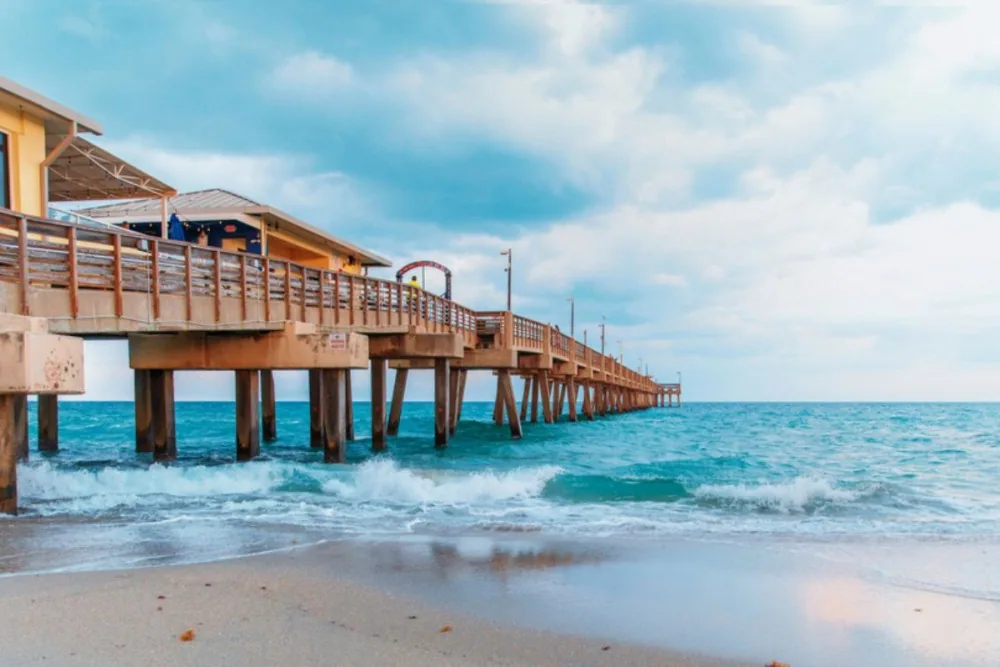
Arrange an Opa-locka field review
Share roof plans, prior repair records, occupancy limits, access windows, and the construction schedule. We will document the roof area and prepare a sequenced repair or capital work package.
Questions About Opa-locka
Can you estimate roof work before the assembly is confirmed?
We can identify a preliminary work package from visible conditions, but the proposal marks what remains unverified. Records or a test opening may be needed before quantities and materials are fixed.
How do you coordinate roof access at an occupied property?
We confirm the building's roof route, staging point, restricted areas, and work hours with the property contact. Those details go into the occupancy plan with daily closure and temporary protection requirements.
Does a city redevelopment designation decide the roof scope?
No. It is context for project coordination. We set the roofing boundary from the actual assembly, field condition, access rules, and owner approval for that building.
What if a test opening finds more damage than expected?
We photograph and mark the exposed condition, stop at a review boundary, and present the added work for approval. The owner can then compare the revised repair package with a larger replacement scope.
How do you protect a roof area if a shower starts?
Each open section has a temporary closure method and a named approval contact. We check short-range conditions and limit the area to what can be secured safely before the crew leaves.