
Commercial Roof Recover in Miami Gardens, FL
Commercial Roofing Services
Evaluate a commercial roof recover in Miami Gardens, FL with moisture checks, attachment review, code coordination, and a clear comparison to tear-off.
Commercial Roof Recover Overview
A recover keeps part of the existing roof assembly in place, so the first decision is whether those layers can support another system. In Miami Gardens, FL, we inspect the deck, moisture conditions, attachment, drainage, and penetrations before defining a recover boundary. A furniture business near the Palmetto Expressway or an automobile operation on U.S. 441 may need a different staging sequence, but neither corridor tells us what the roof contains. Field evidence sets that boundary.
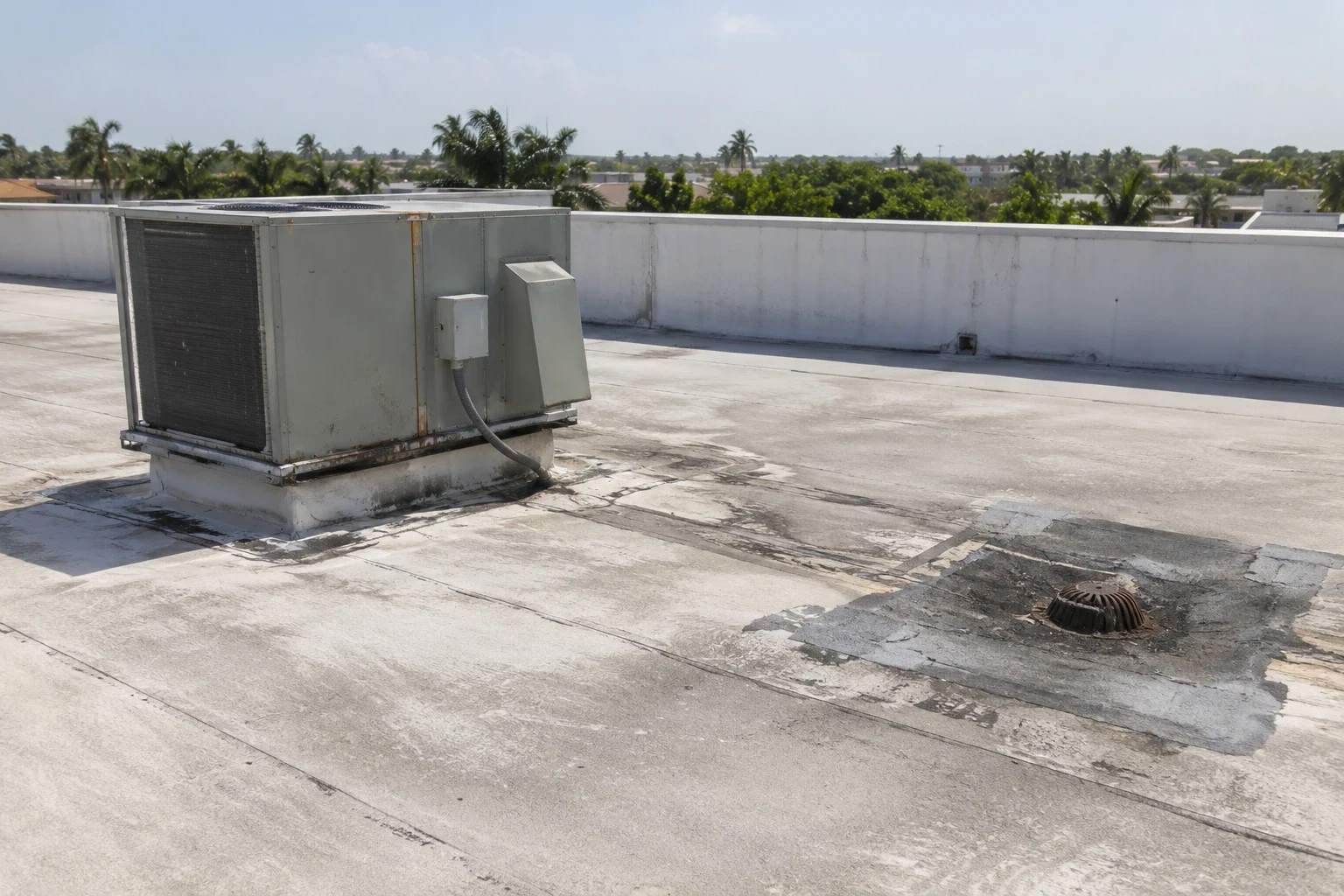
What makes an existing assembly a recover candidate?
We start by identifying the roof layers, substrate, existing fasteners, edge conditions, and areas where water has entered. If wet insulation is widespread, the deck is deteriorated, or the attachment cannot support the proposed assembly, covering those conditions would hide a problem. Selective openings and core samples help establish what sits below the membrane. The findings are recorded by roof area before a recover is considered.
Miami Gardens reviews commercial, industrial, and mixed-use development, so roof decisions may sit within projects with different uses and approval paths. We coordinate with the general contractor on access, roof plans, and any other trades that cross the surface. For a portfolio that also includes properties in Hialeah, whose economy includes manufacturing and retail, separate roof-area records prevent one building’s condition from being applied to another.
A hands-on commercial roof inspection checks seams, flashing, drains, equipment curbs, and visible movement. We can document sample locations and moisture indicators in a condition report, then identify which areas could remain under a new assembly. That work package gives the owner a basis for comparing recover, repair, and tear-off options before material selection.
More on Commercial Roof Recover
The sections below cover the questions property teams ask before they approve the work.
How do moisture findings change the scope?
Moisture can travel beneath a membrane, so a surface scan alone does not define its limits. We compare infrared indications with visible conditions and use selective core cuts where the survey calls for confirmation. A wet area may require removal and replacement of insulation, while dry surrounding sections could remain eligible for a recover. The repair candidate and replacement boundary are marked separately.
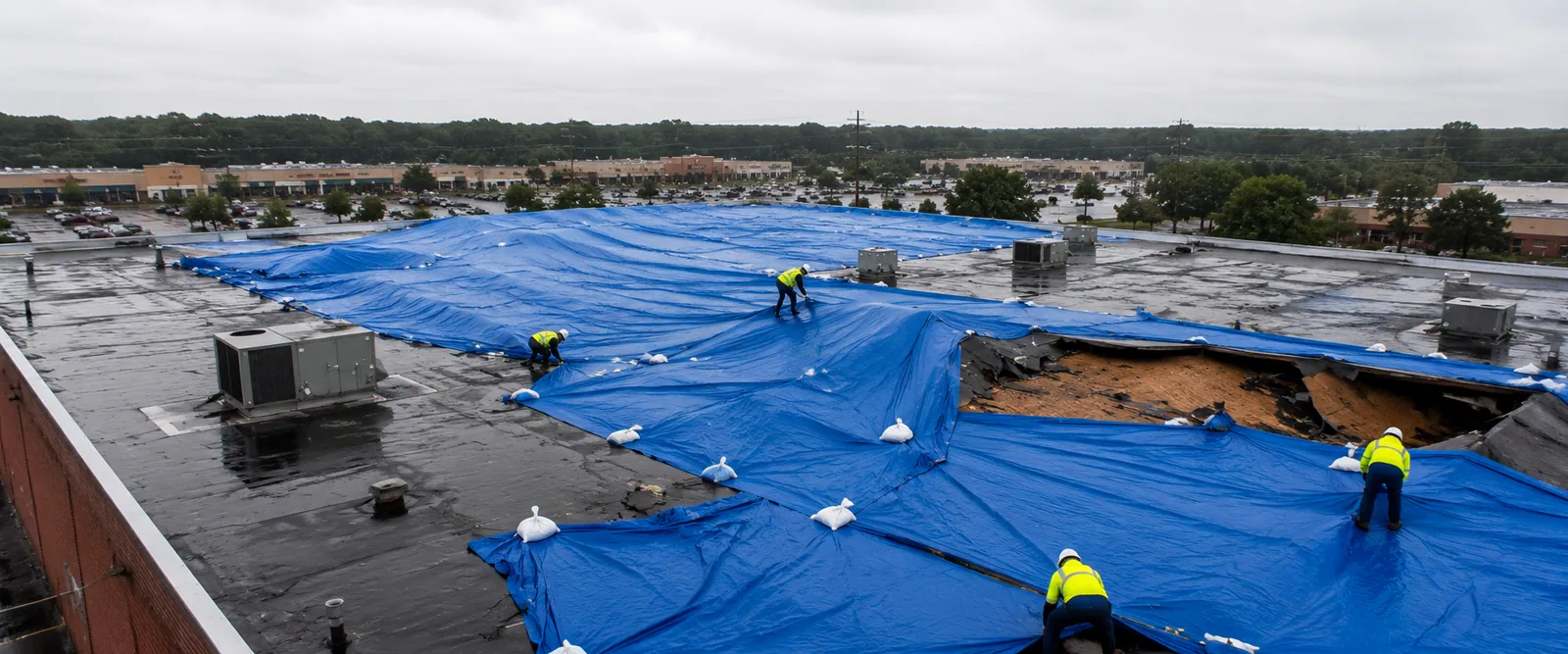
South Florida’s wet season extends from May 15 through October 15 and brings 60 to 70 percent of average annual rainfall. That calendar sets temporary protection and staging, including how much roof area the crew opens at once. Tropical rainfall influence is unreliable beyond seven to ten days, so we confirm the near-term forecast before each access window. The crew stages cover materials, closes each section at the end of the shift, and records any follow-up item.
For a large roof or limited access, an infrared moisture survey can guide where to verify conditions, while a drone roof review may help document areas that are hard to reach safely. Neither replaces core confirmation where the assembly decision depends on moisture content. We include the method and the limits of each observation in the findings.
Which new system can go over the roof?
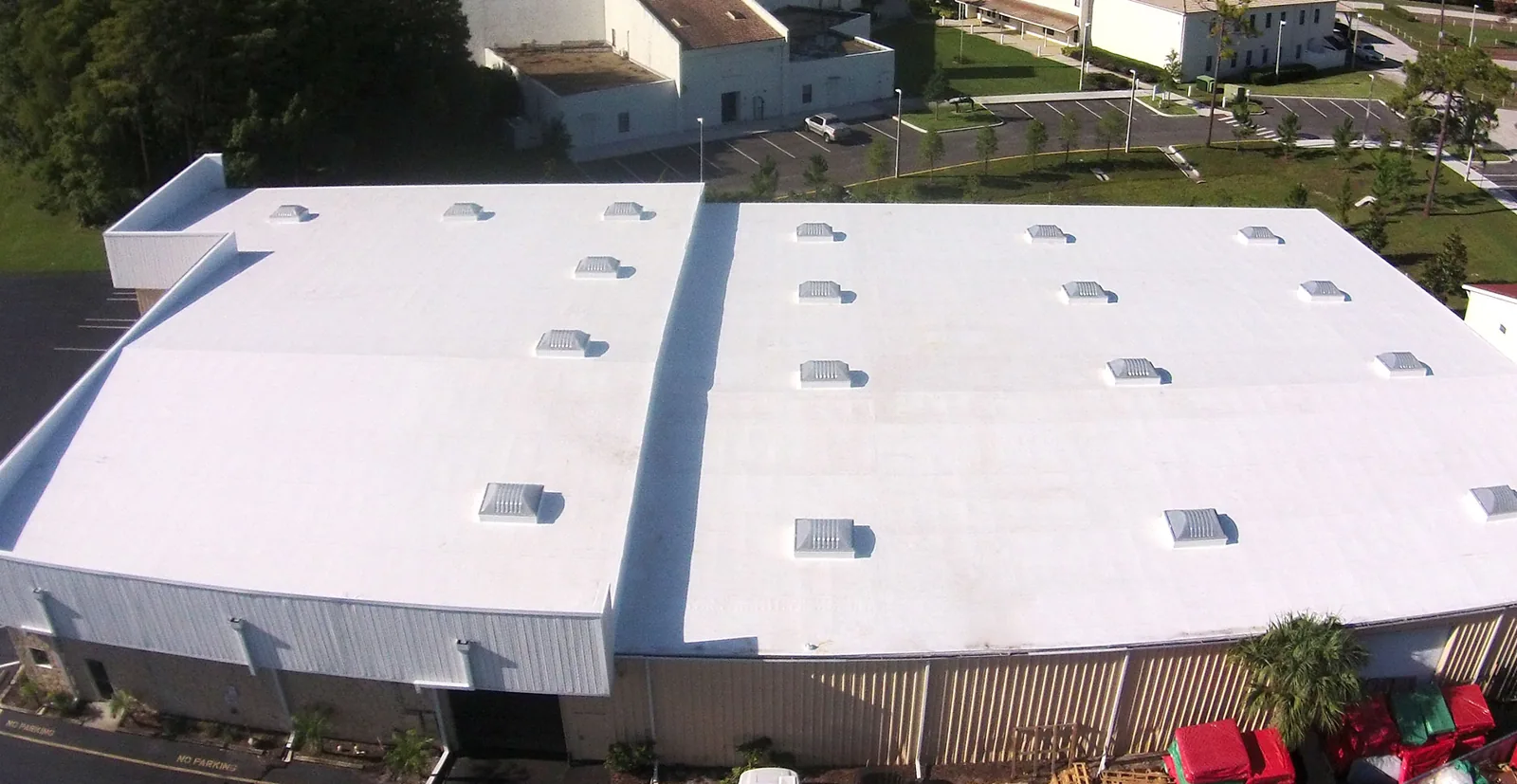
The new membrane must be compatible with the existing surface, insulation, fasteners, and edge details. We review whether the substrate can accept adhesive or mechanical attachment and whether the added layers affect drainage or height at curbs. A proposed TPO assembly or EPDM assembly is compared with project design requirements, not selected by habit. The scope explains the attachment and perimeter work needed for that roof.
Miami-Dade County adopts the Florida Building Code with county administration, enforcement, and product-approval provisions. For a Miami Gardens roof, the permit review must address High Velocity Hurricane Zone assembly and perimeter criteria. The design professional then checks those details against retained layers and fastening. We provide roofing scope and product information for coordination; the design professional and reviewer confirm the required assembly and submittal path.
A recover can change roof height and affect drains, flashings, equipment curbs, and transitions to adjacent roofs. The field review records those interfaces and calls out where new metal or adjustments are needed. If a recover is not eligible, a full replacement scope can address layers and deck conditions rather than leaving them in place. The owner receives a comparison with the reasons behind each option.
Industries We Work With
Owners and operators in these fields rely on us to plan roof work around their buildings.
Coordinate healthcare roof work in Miami Gardens, FL around patient routes, critical rooms, equipment, infection controls, and documented approval windows.
Coordinate 3PL roof work in Miami Gardens, FL around dispatch cycles, dock access, inventory protection, equipment routes, and phased closeout.
Plan school district roof work in Miami Gardens, FL around student routes, athletic spaces, summer windows, classroom protection, and board approvals.
Coordinate portfolio roof work in Miami Gardens, FL with area records, access windows, repair priorities, and approvals that keep each asset distinct.
Related Roofing Work
Other pages that cover the same roof question.
Roof leaking now? Call 555-555-5555 and we will send a crew to look at it.
How can the work stay controlled around operations?
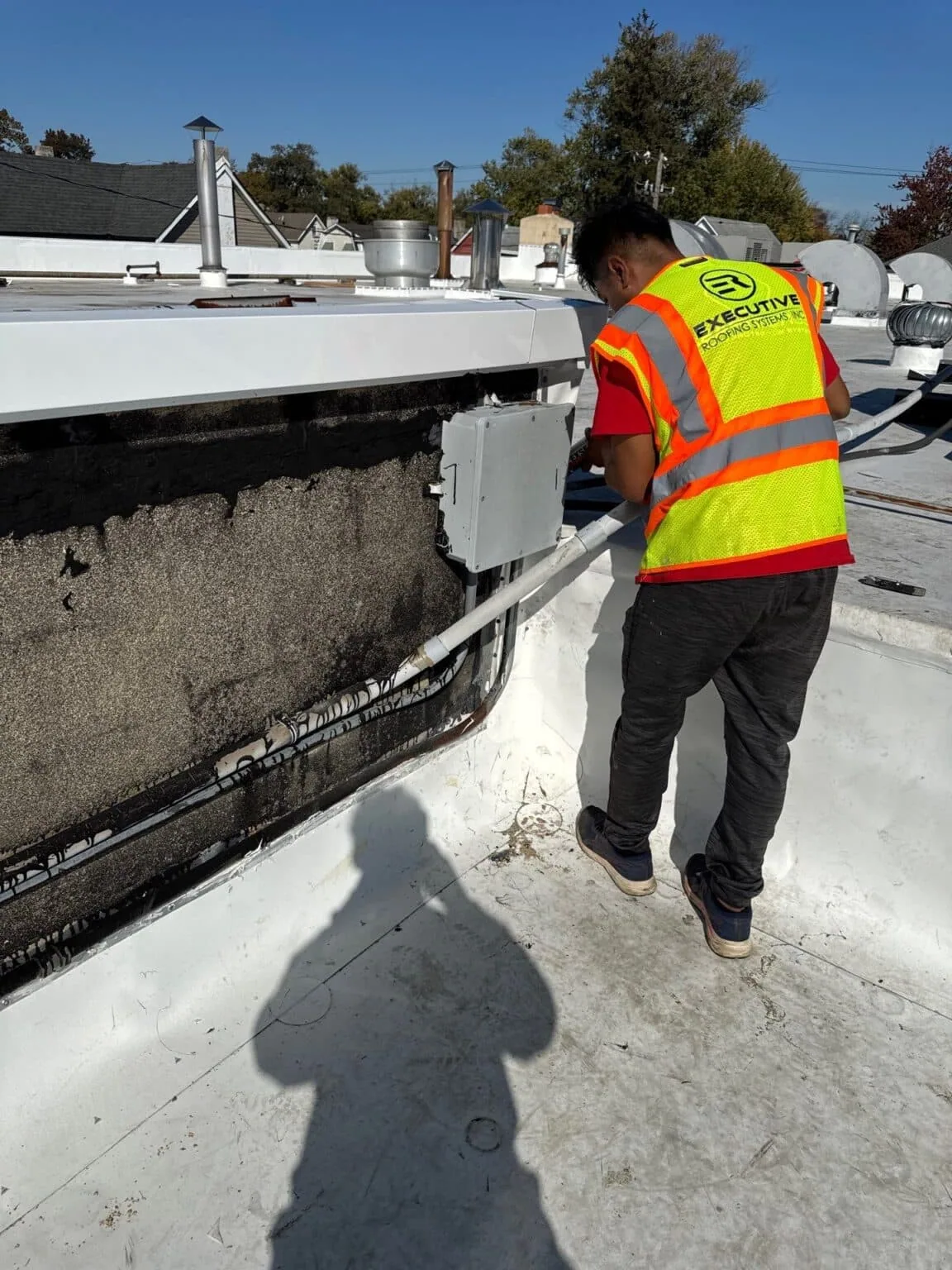
Recover work avoids broad tear-off, but crews still need clear routes, material staging, and safe access to each roof zone. We mark which doors, service lanes, loading areas, and rooftop equipment must remain available. In Miami Gardens, the Palmetto-area furniture corridor and U.S. 441 automobile businesses illustrate different operating patterns; site observations determine the actual occupancy plan. The general contractor and property team approve the access window before work starts.
We divide the surface into manageable sections, prepare and clean each area, and complete attachment, seams, flashing, and edge work before moving on. If rain threatens, the crew closes the active section and protects exposed transitions. The regional wet-season calendar informs planning, while short-term weather checks control daily openings. A written work package tracks completed areas and any follow-up item.
Miramar’s employment centers and corporate parks provide another regional setting where office, service, and retail schedules can differ. We use that context to plan a separate site sequence when a contractor coordinates multiple properties, not to assume a specific roof layout. For a Miami Gardens commercial property, we set the recover sequence from roof-area evidence and a confirmed access window. For occupied facilities, an occupied-building roofing plan records tenant access, notices, and work limits that affect each shift.
When is tear-off the better capital choice?
Tear-off is often the clearer choice when moisture is extensive, the deck requires repair, existing layers exceed allowable limits, or the roof height creates drainage and flashing conflicts. Recover may reduce removal activity when the retained assembly is sound and the proposed system meets project requirements. We lay out both paths with measured areas, insulation needs, edge work, access limits, and any testing required to resolve uncertainty.
Cost and schedule depend on how much material can remain, sample results, attachment, perimeter details, disposal, and coordination with rooftop equipment. We identify those cost drivers instead of presenting a recover as automatically less expensive. Owners comparing Hialeah properties with a project in Miami Gardens can use the same report format while keeping each roof-area record specific to its own evidence.
The closeout package records installed areas, assembly details, photographs, and maintenance items. That information supports later inspections and portfolio comparison. If the owner approves a recover, we track retained areas and repairs separately from the new layer, so a future contractor can understand how the assembly was built. The general contractor receives final documents and open follow-up items for its turnover file.
Review the retained roof layers
Send roof plans, repair history, access rules, equipment locations, and the construction schedule. We will inspect the existing assembly, verify moisture where needed, and outline a recover candidate or replacement boundary for approval.
Questions About Commercial Roof Recover
Can you recover over a roof with active leaks?
We first trace the leak path and inspect moisture around the affected area. Wet materials or failed deck sections must be addressed before an overlay can be considered, and the recover boundary follows the confirmed field condition.
How do you verify moisture below the membrane?
We combine visual inspection with infrared indications and selective core cuts where confirmation is needed. The report records sample locations and findings so the owner can distinguish a dry recover candidate from material that must be removed.
Does an overlay eliminate the need to check code?
No. The design team still checks applicable Florida Building Code provisions, approved assemblies, roof height, drainage, and permit requirements. We provide the proposed roofing scope for review and coordinate the details with the project team.
What happens if the existing roof cannot be retained?
We identify the reason, such as wet insulation, deck concerns, attachment limits, or conflicts at the edges and drains. The owner can compare a full tear-off scope against the recover candidate using the same roof-area record.
Can recover work be phased across several buildings?
Yes, when each assembly and operating schedule supports a phased package. We make separate access plans and area records, then sequence material staging and daily closure around the general contractor’s approved schedule.