Property Types We Roof in Miami Gardens, FL
South Florida Commercial Roofing
Compare commercial roof needs by building use in Miami Gardens. Review access, occupancy, conditions, and service options before setting scope.
All Property Types We Roof
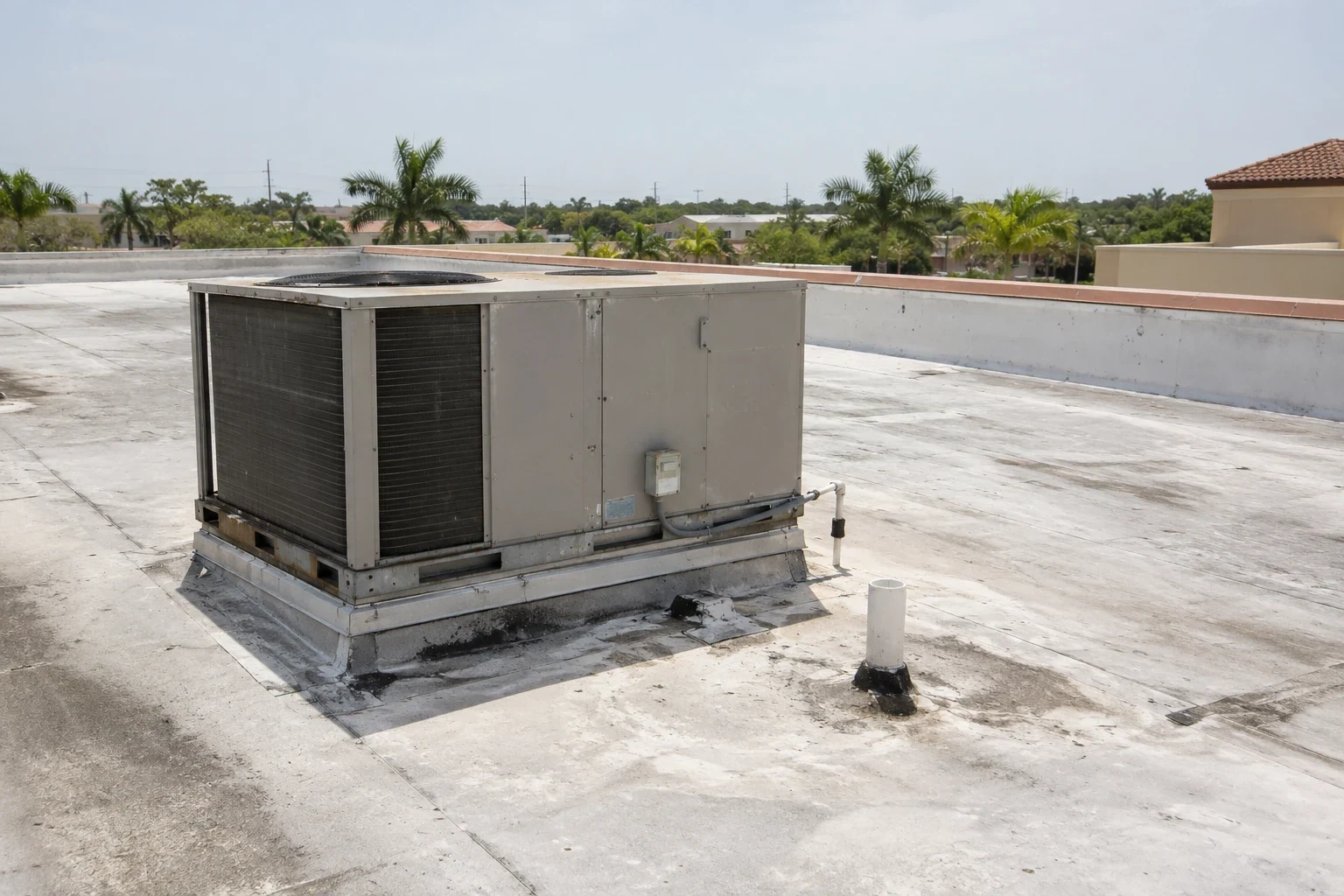
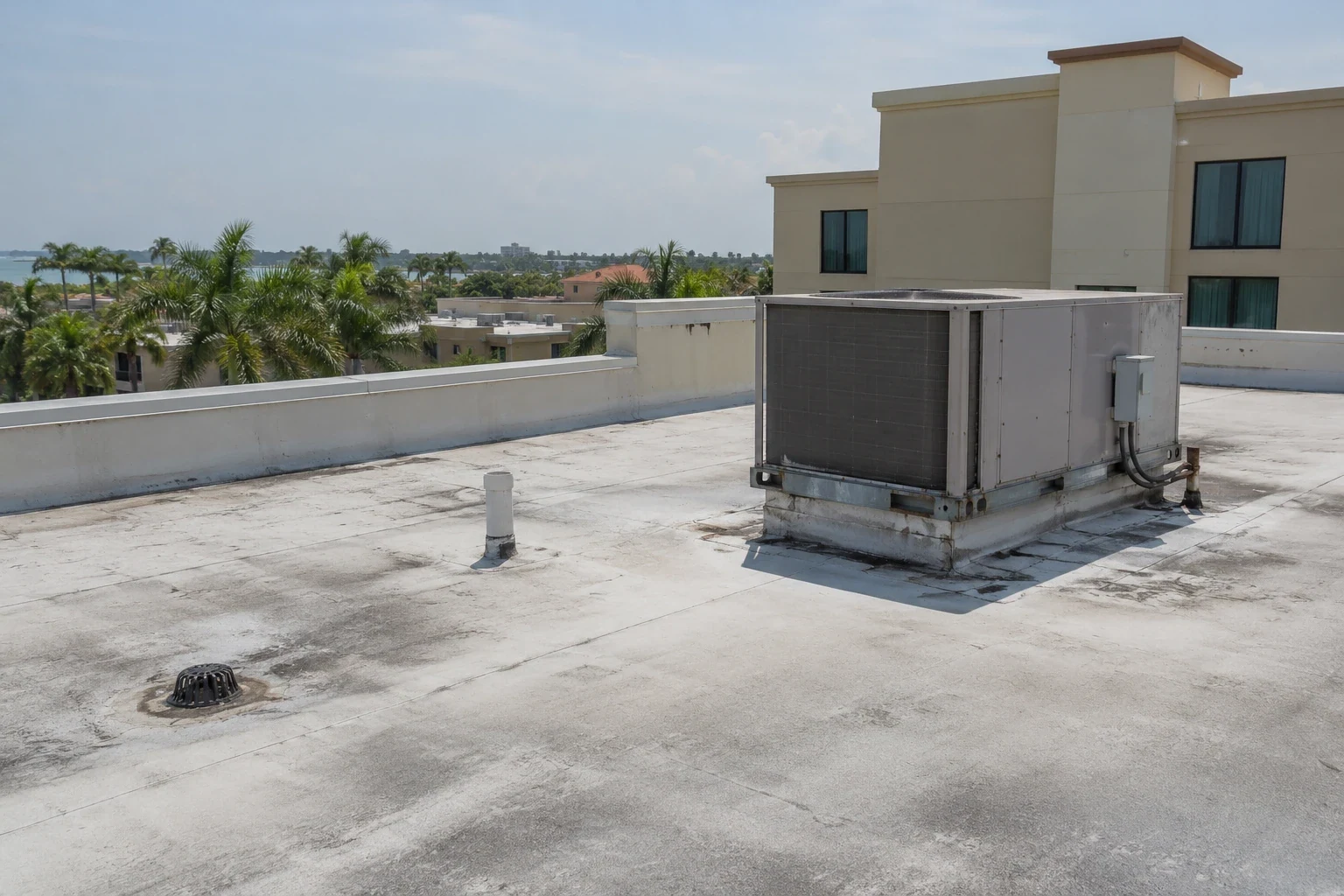
A roof serves the building beneath it. Loading doors, classrooms, refrigeration, office hours, customer entrances, and rooftop equipment create different consequences when work interrupts access or exposes an interior. Use the building’s operating needs to shape access, protection, and sequencing. A roof-area inspection establishes visible conditions, while concealed layers require testing or an approved opening.
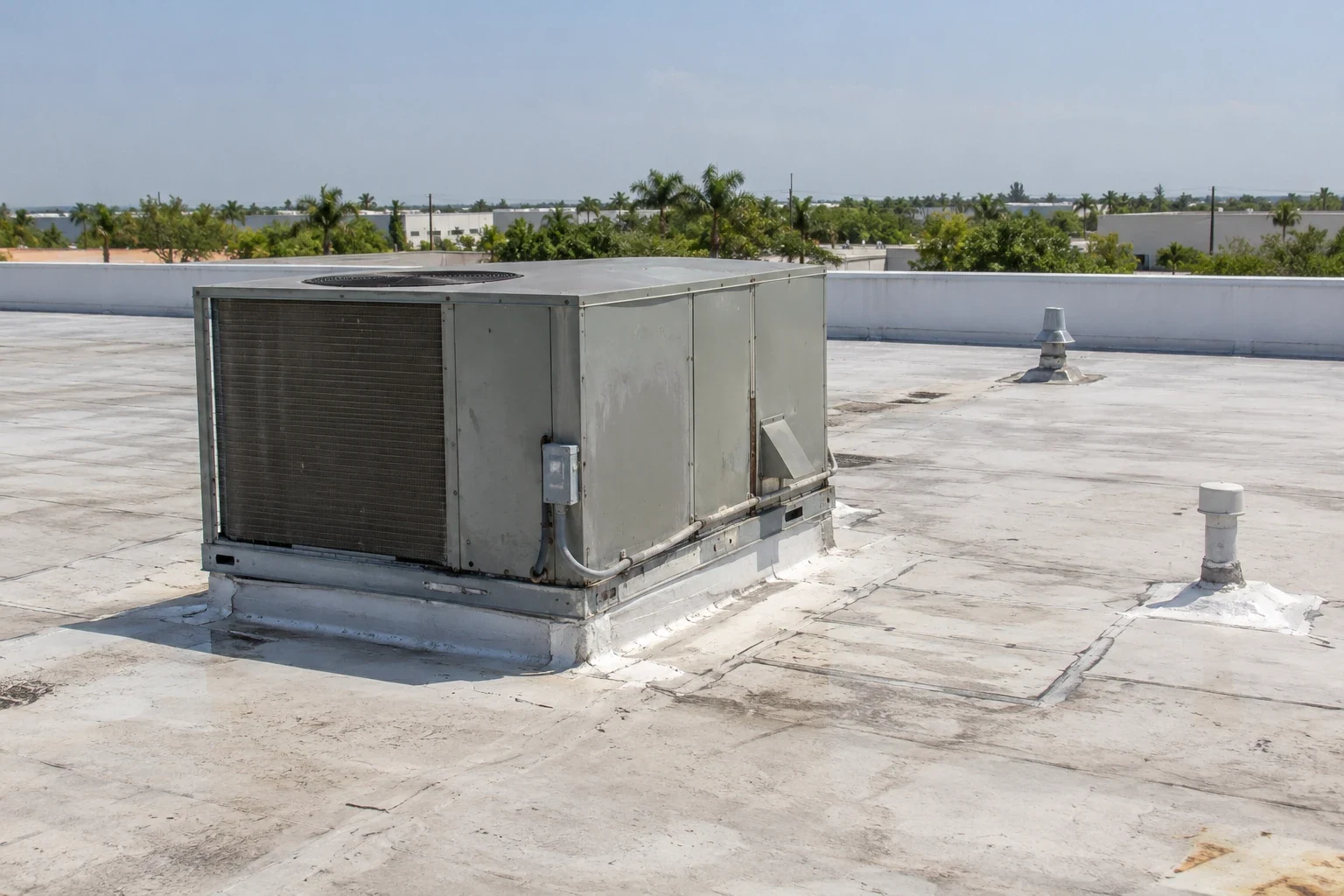
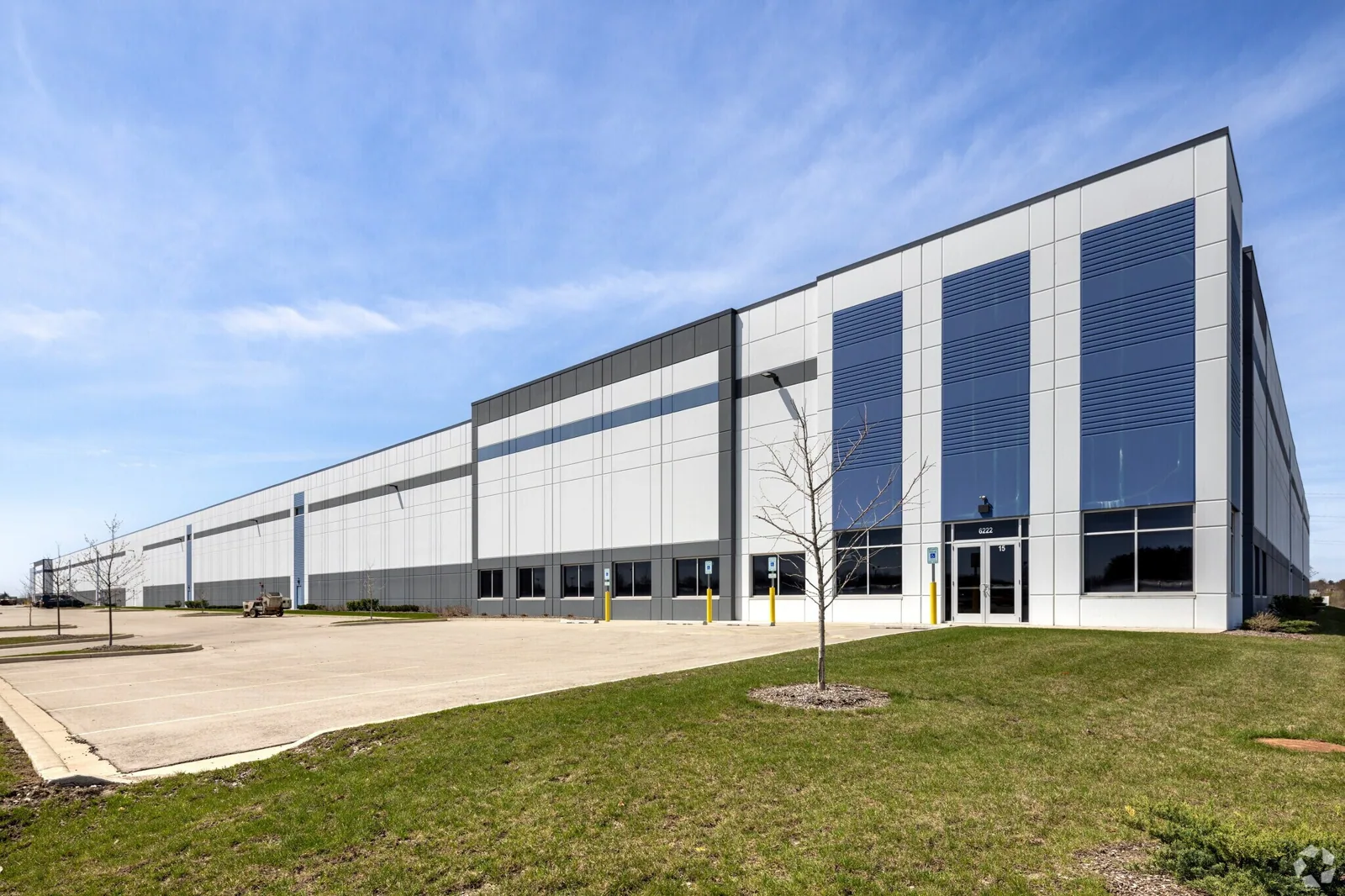
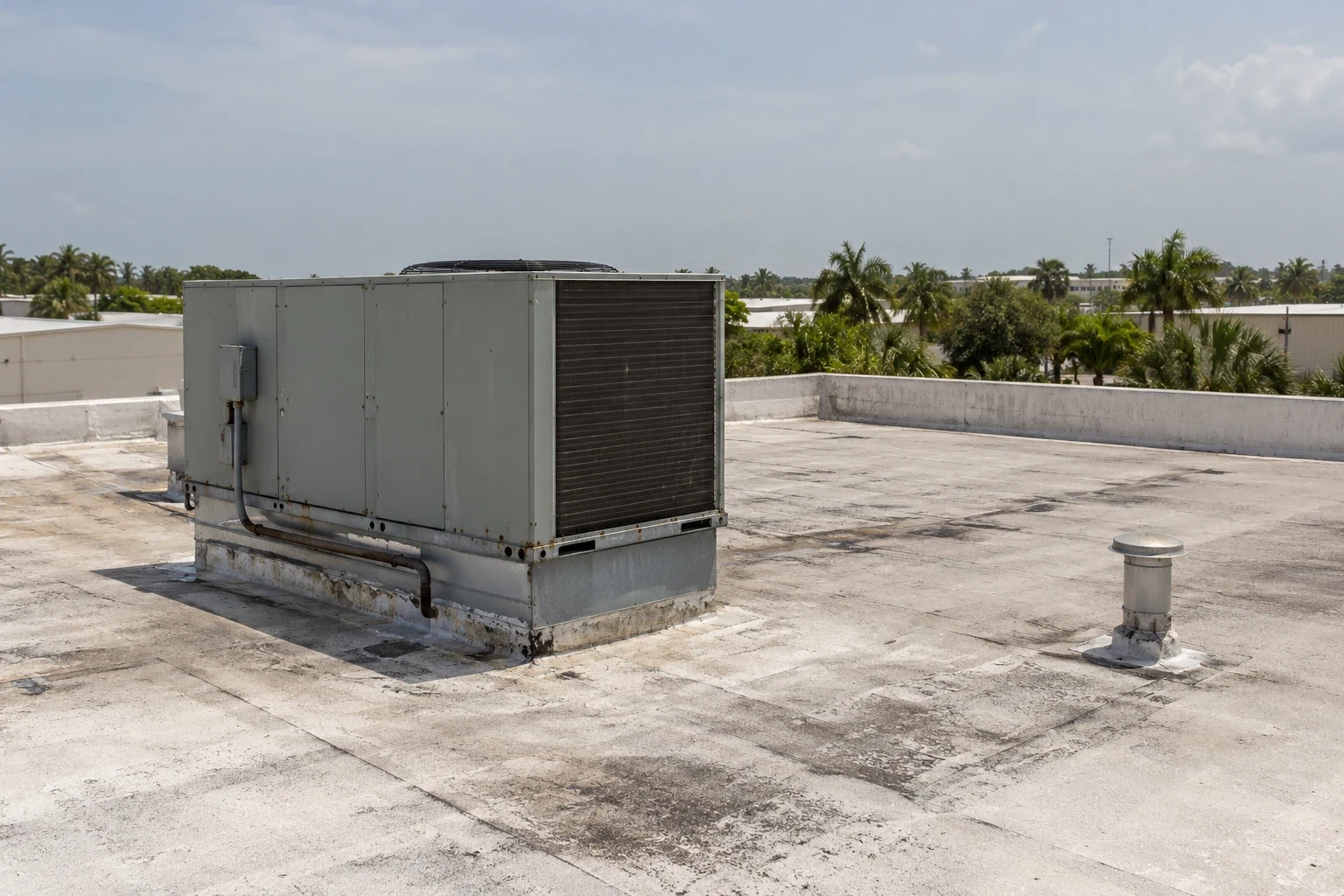
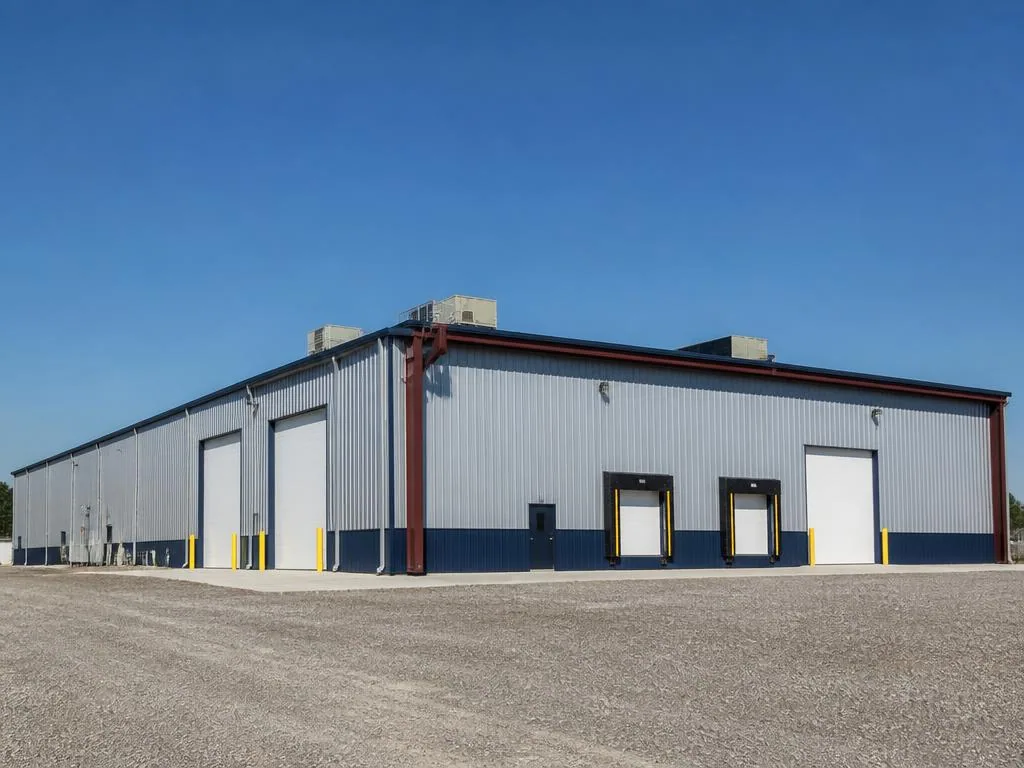
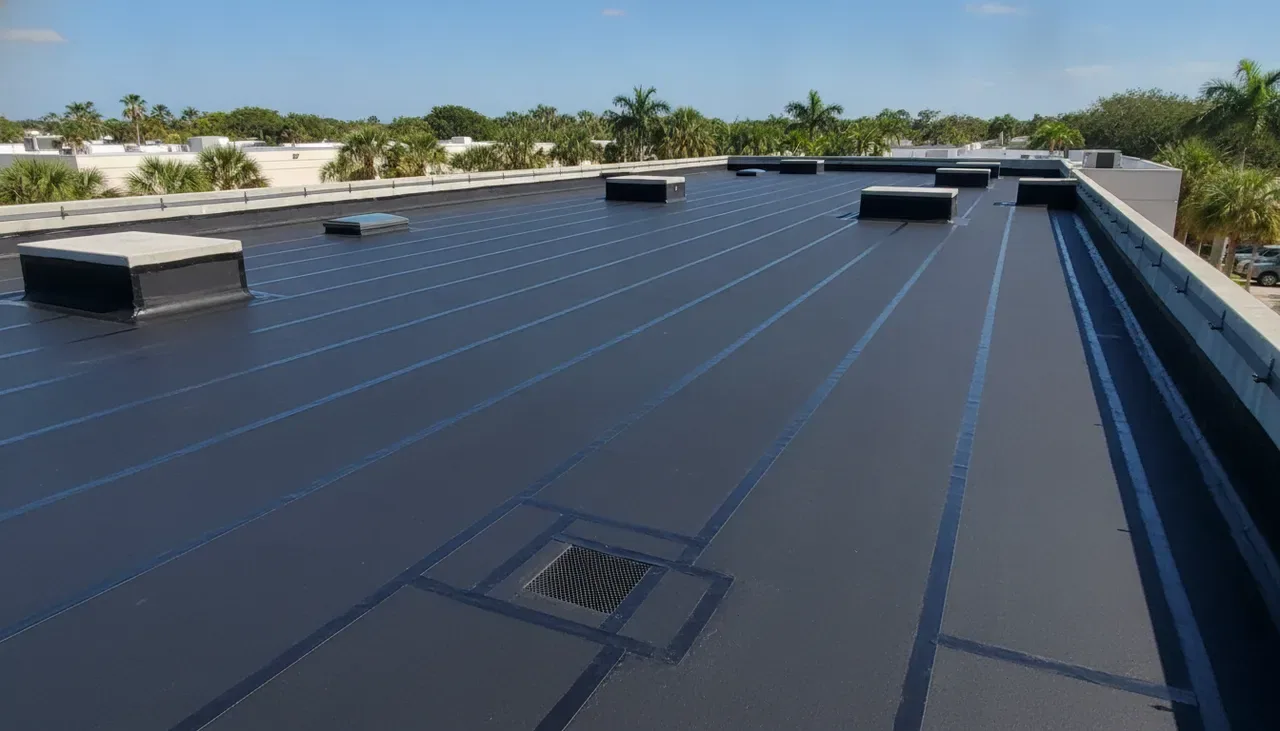
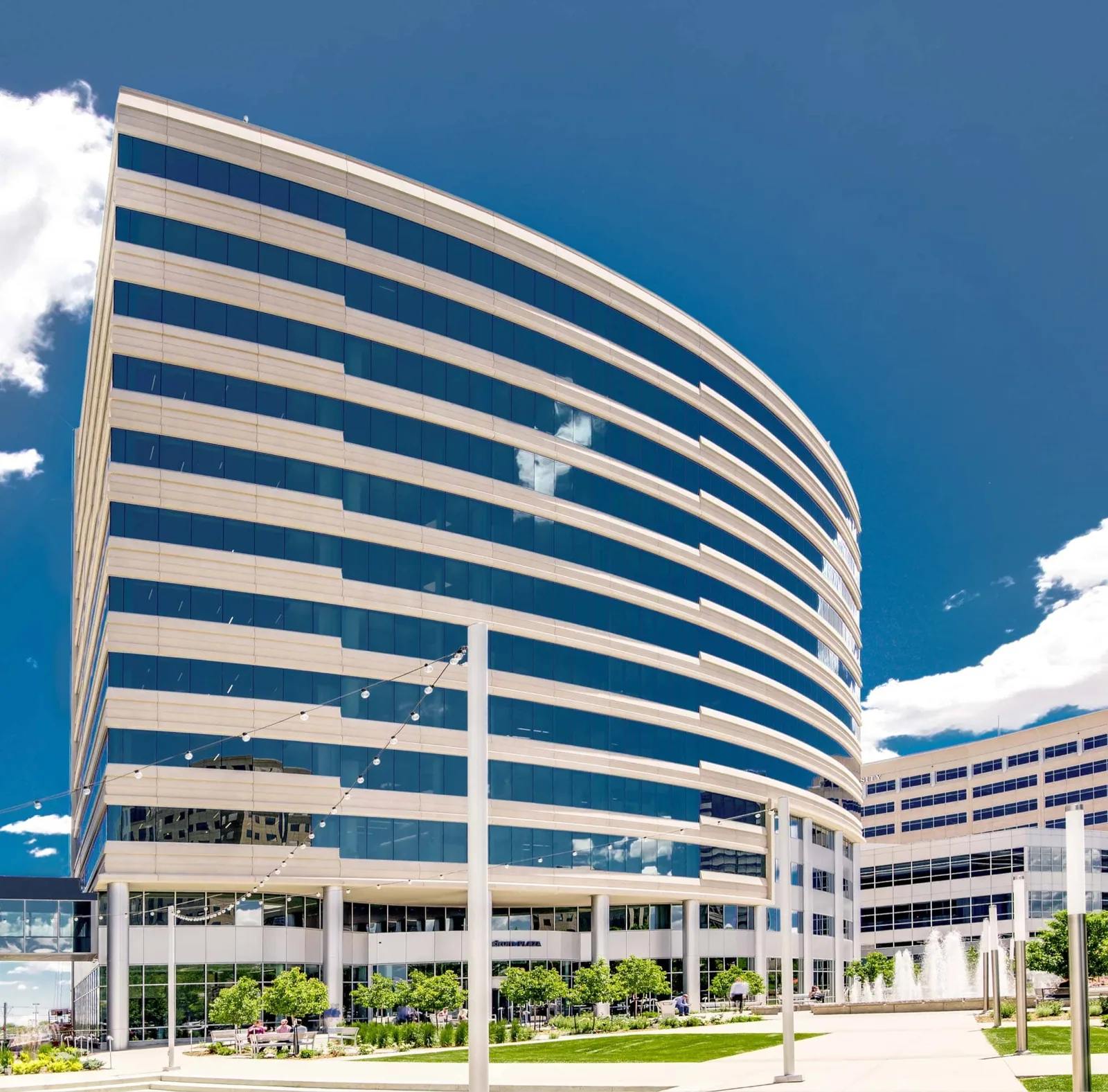
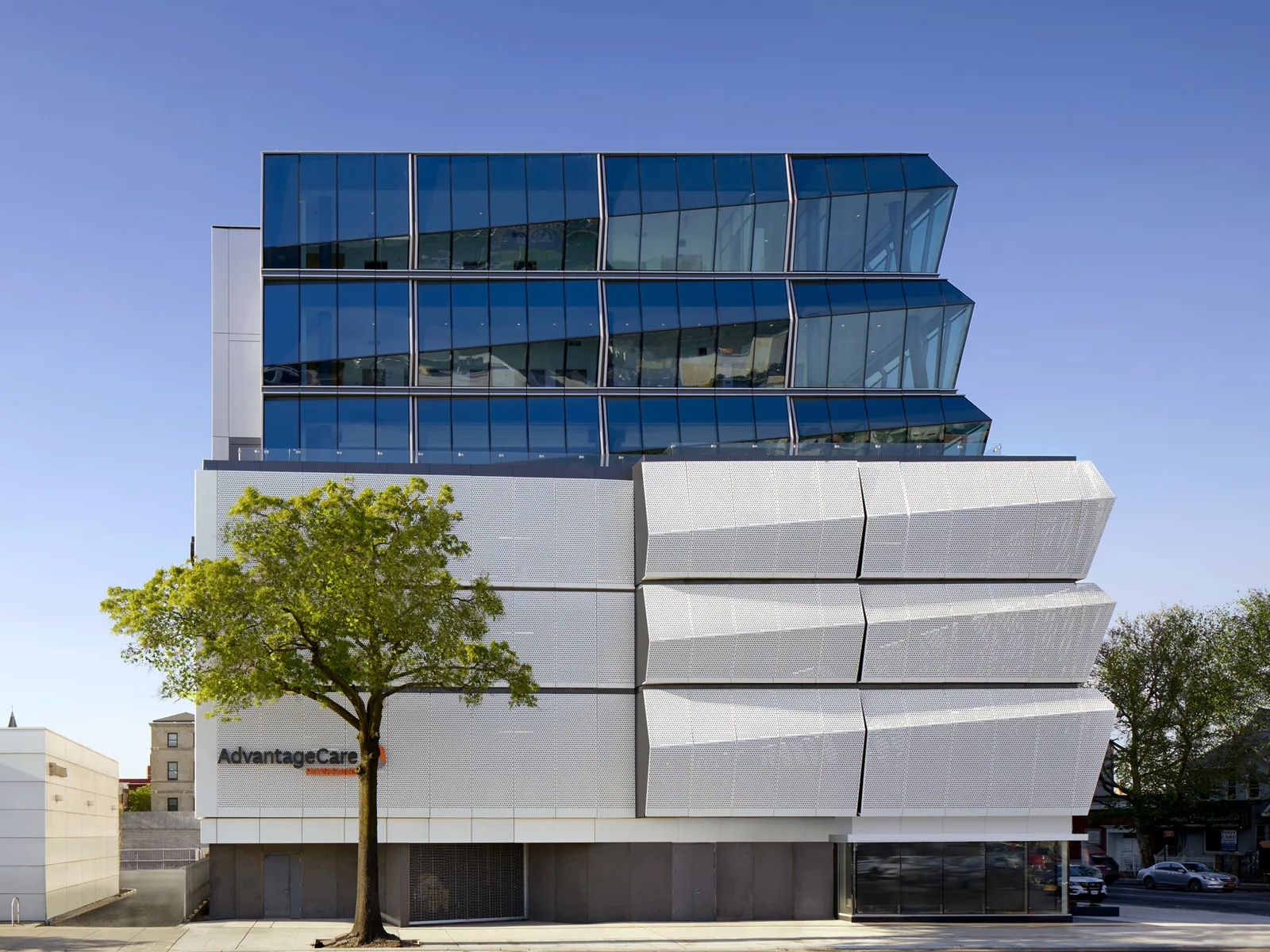
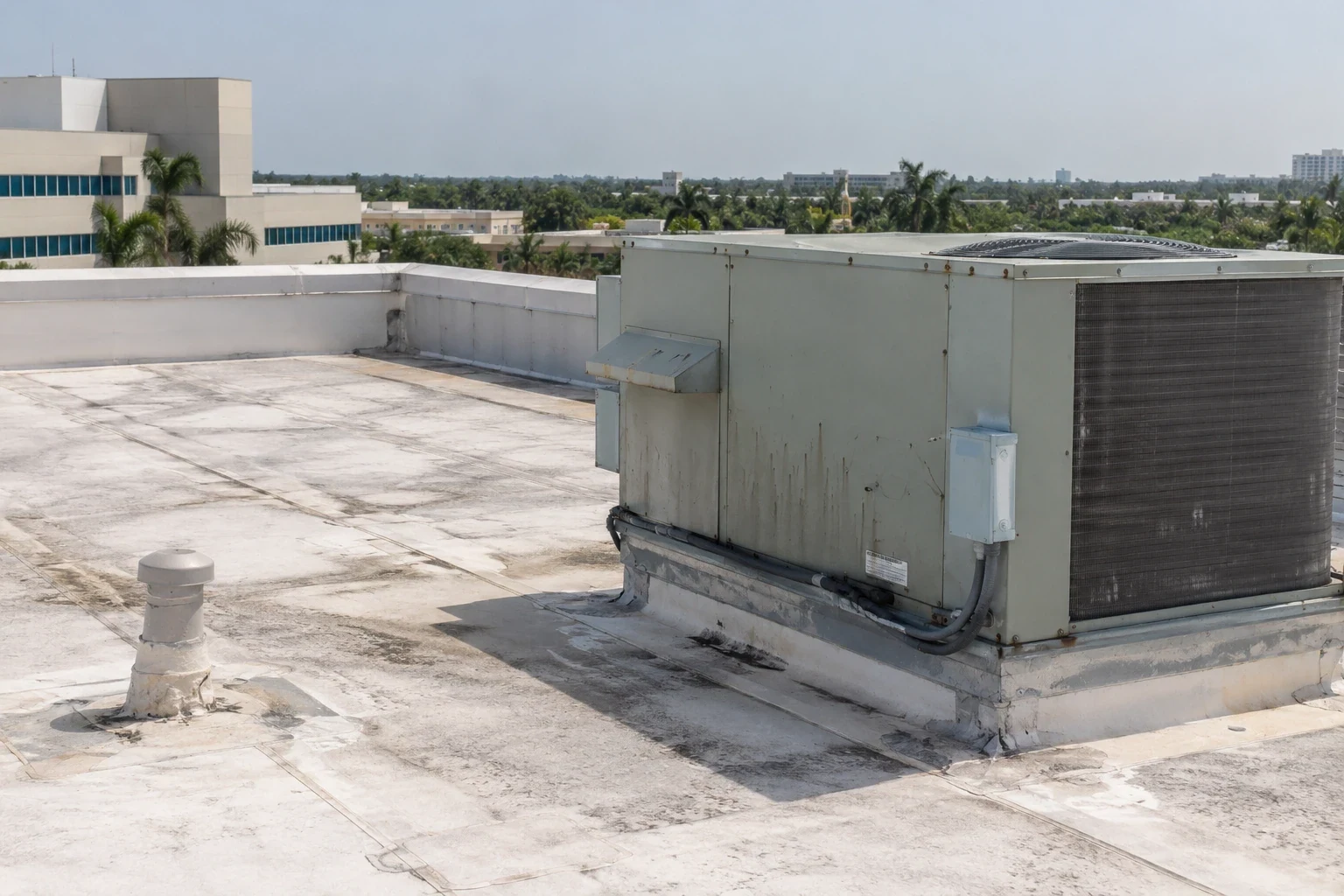
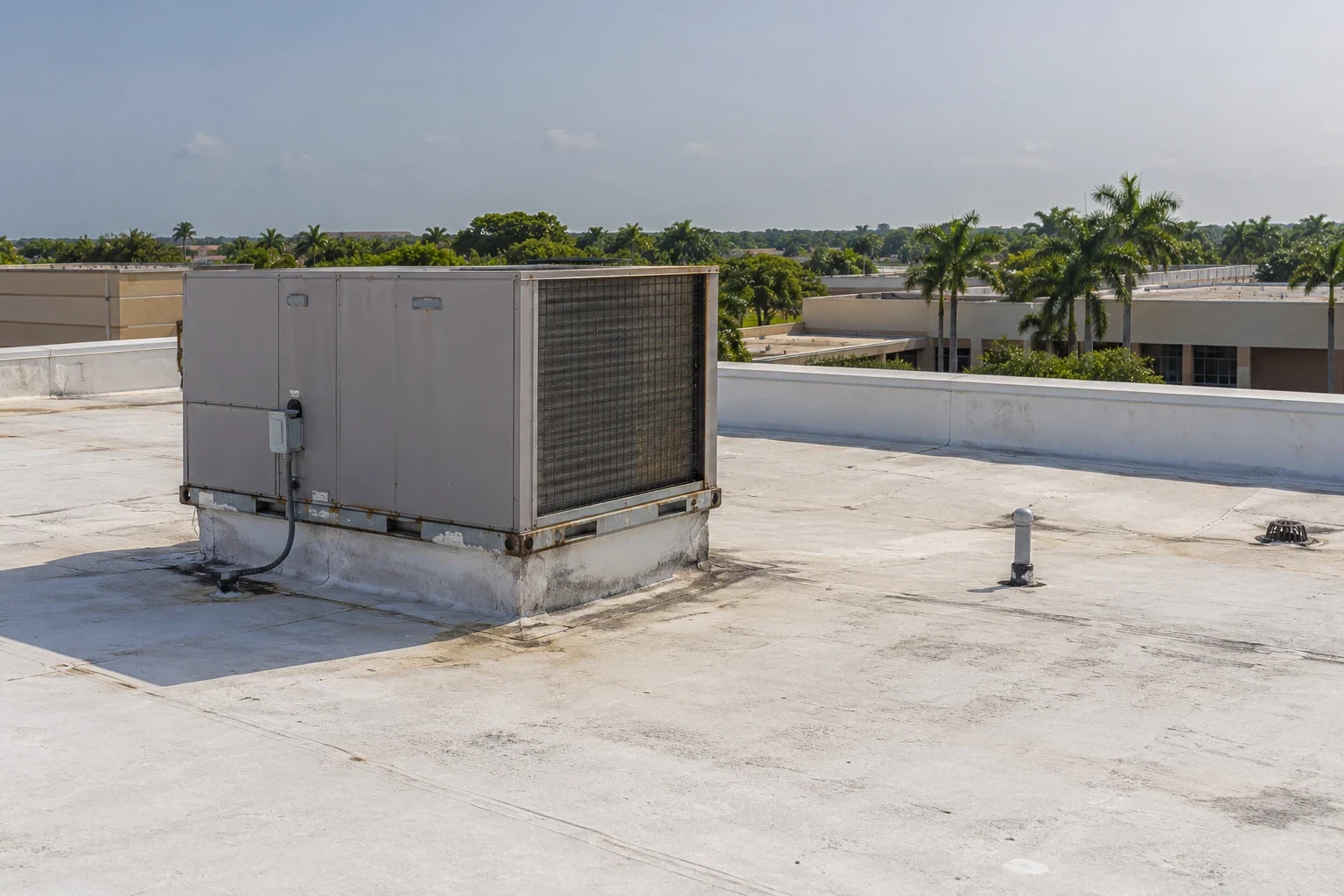
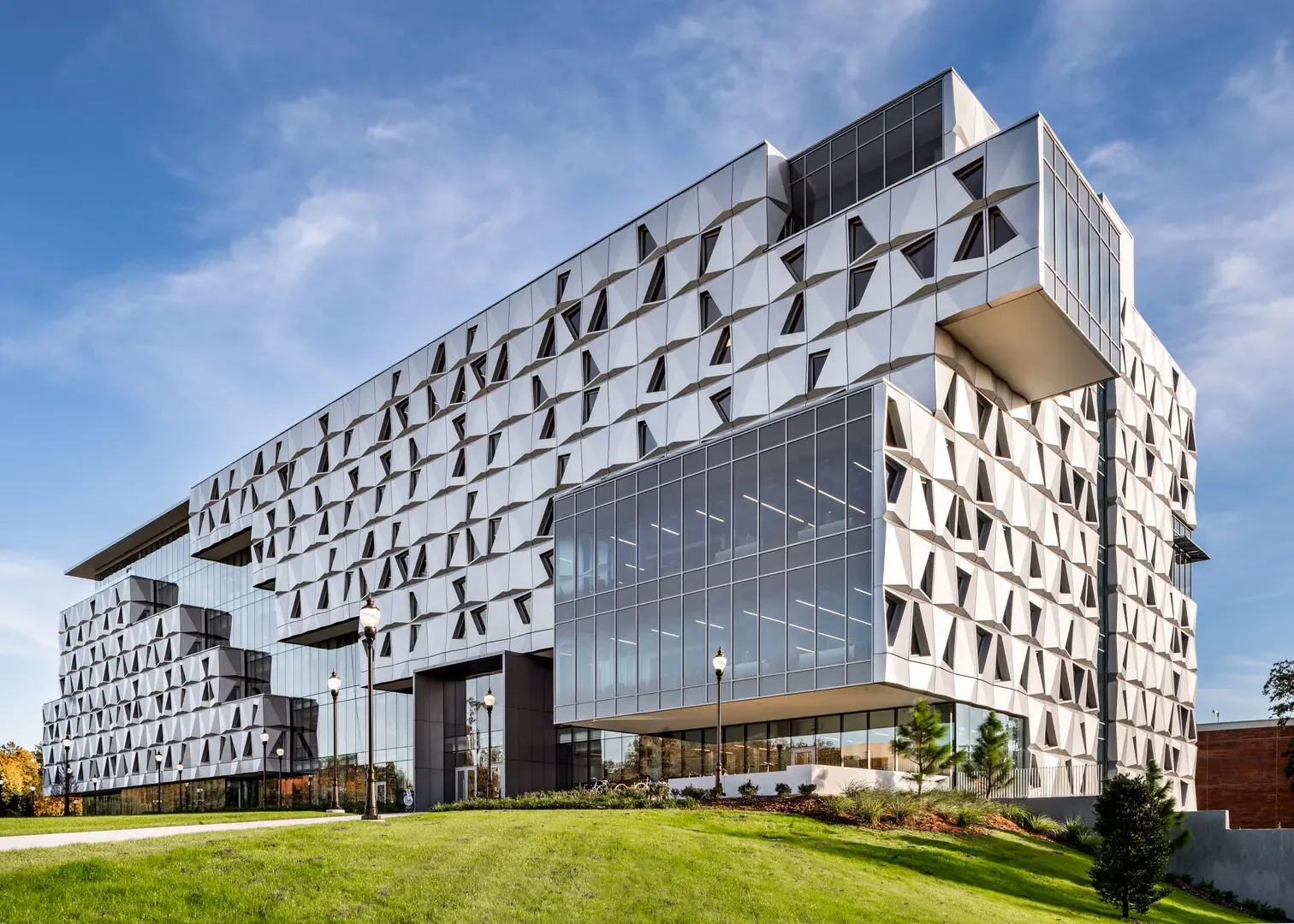
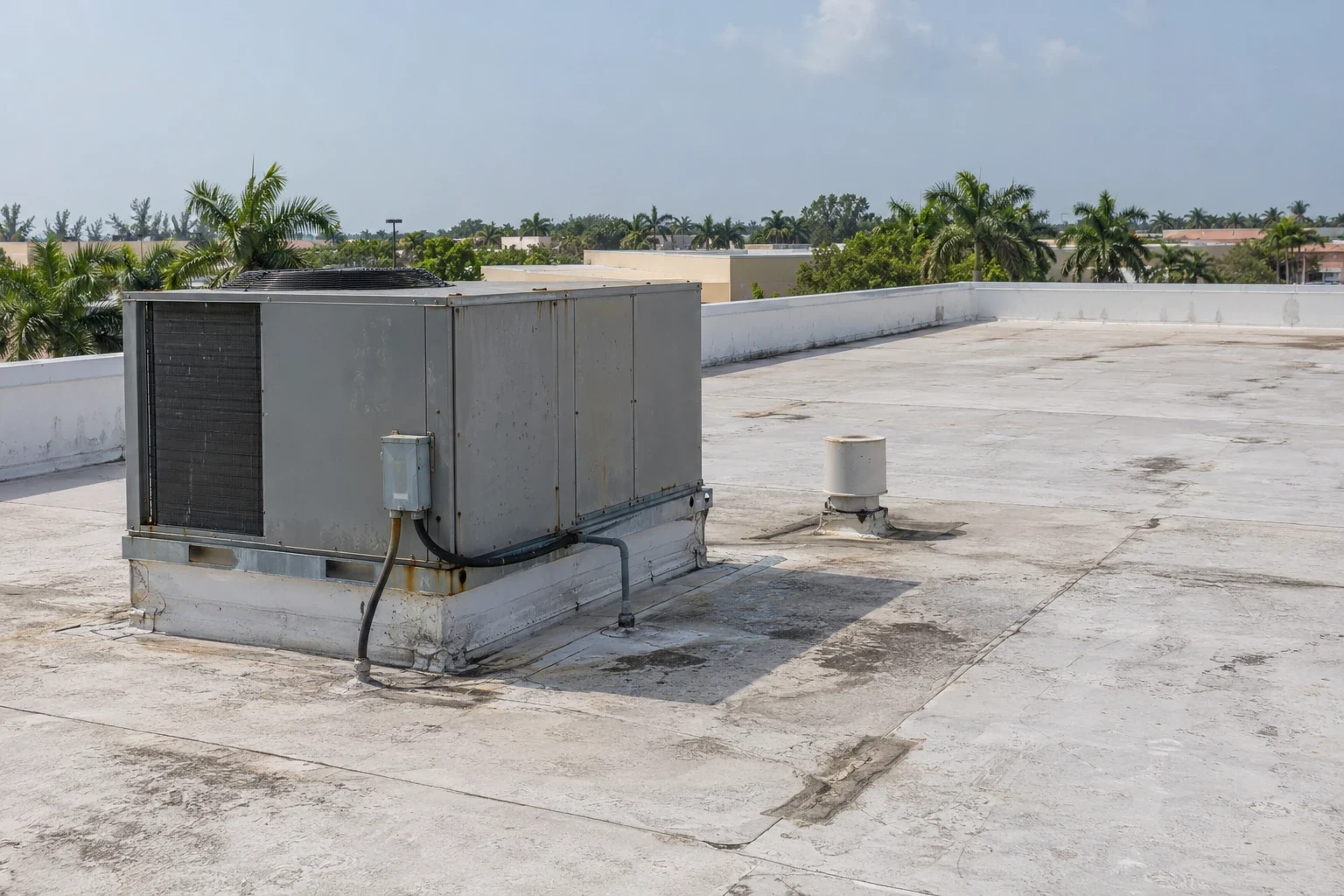
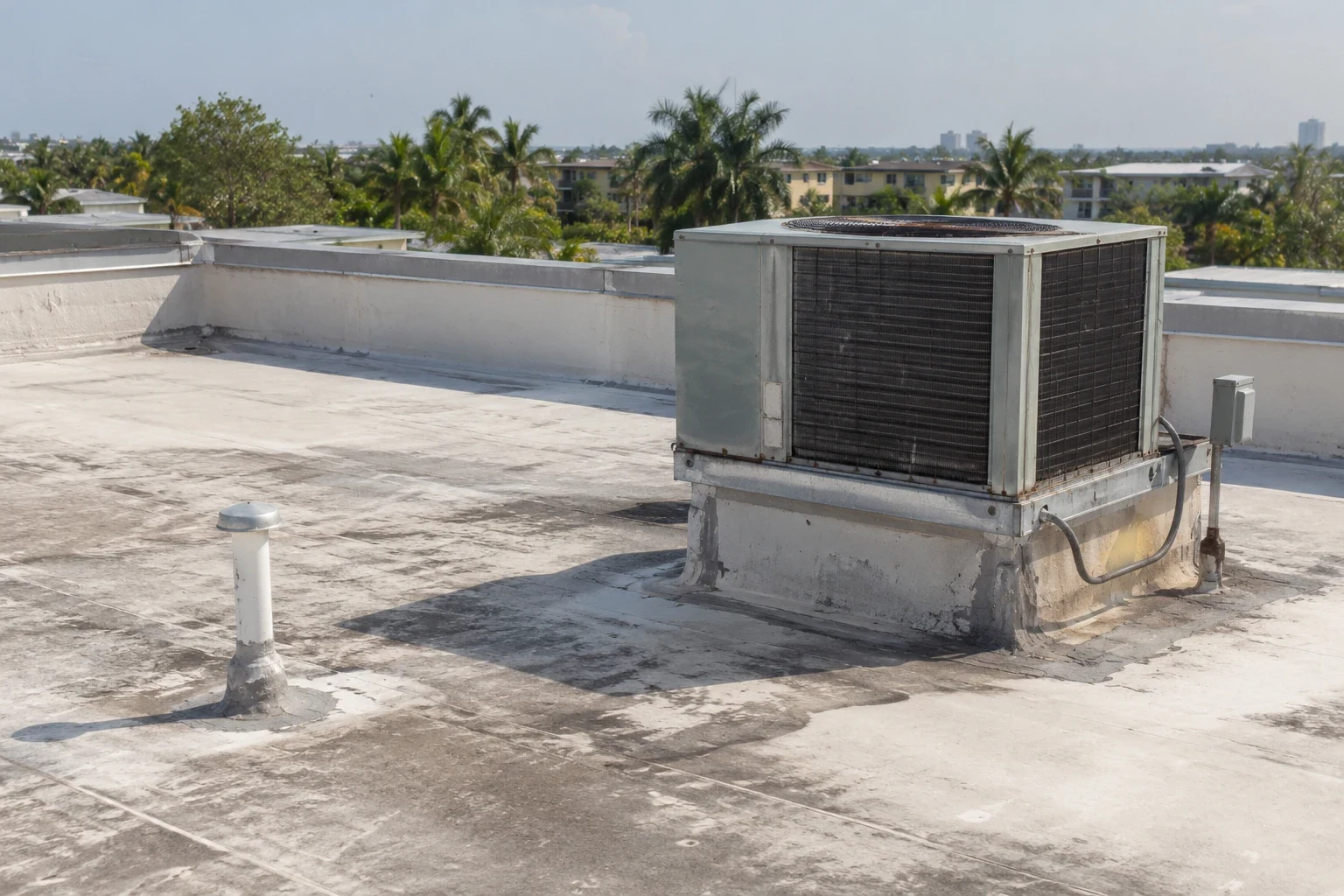
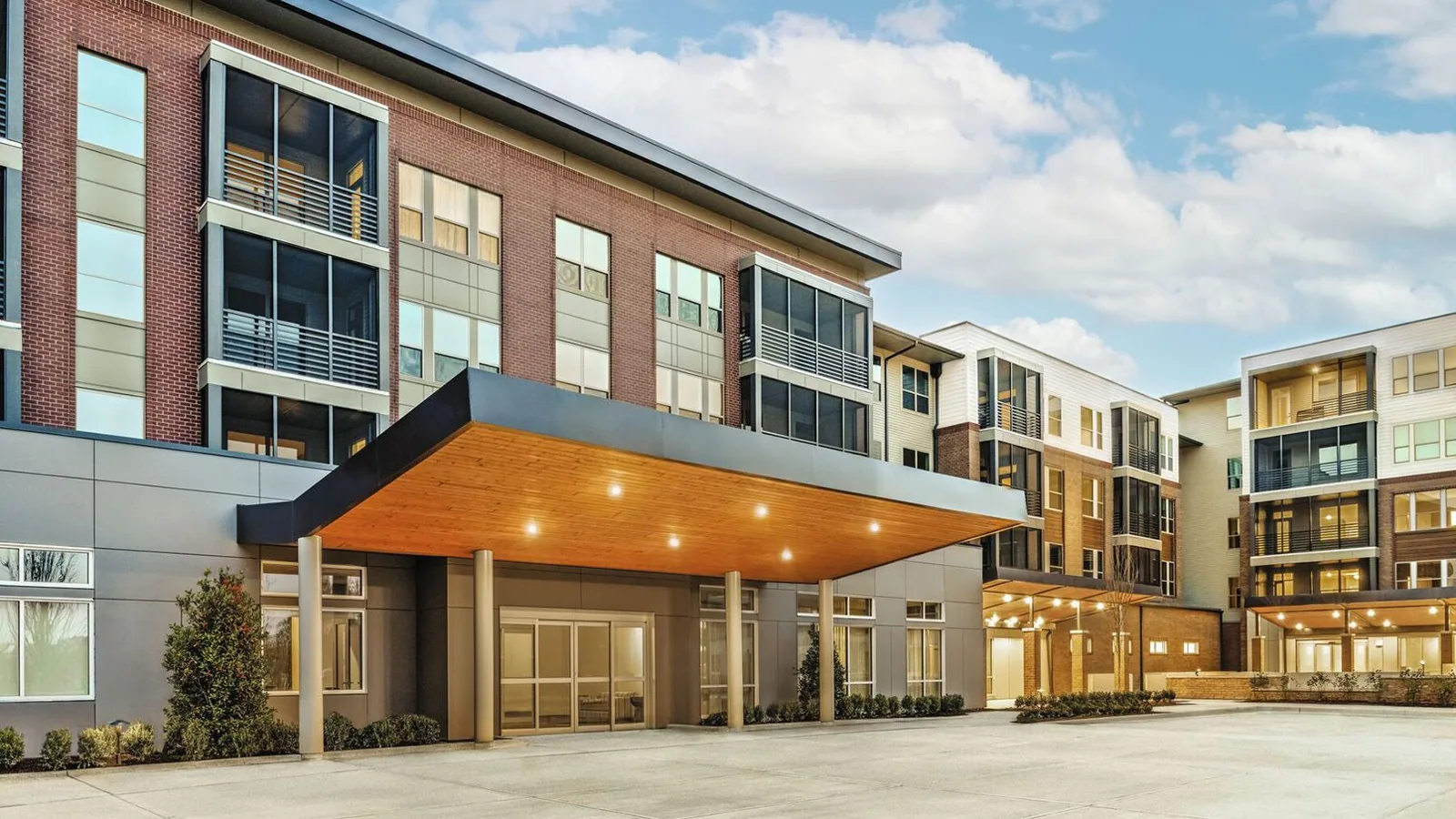
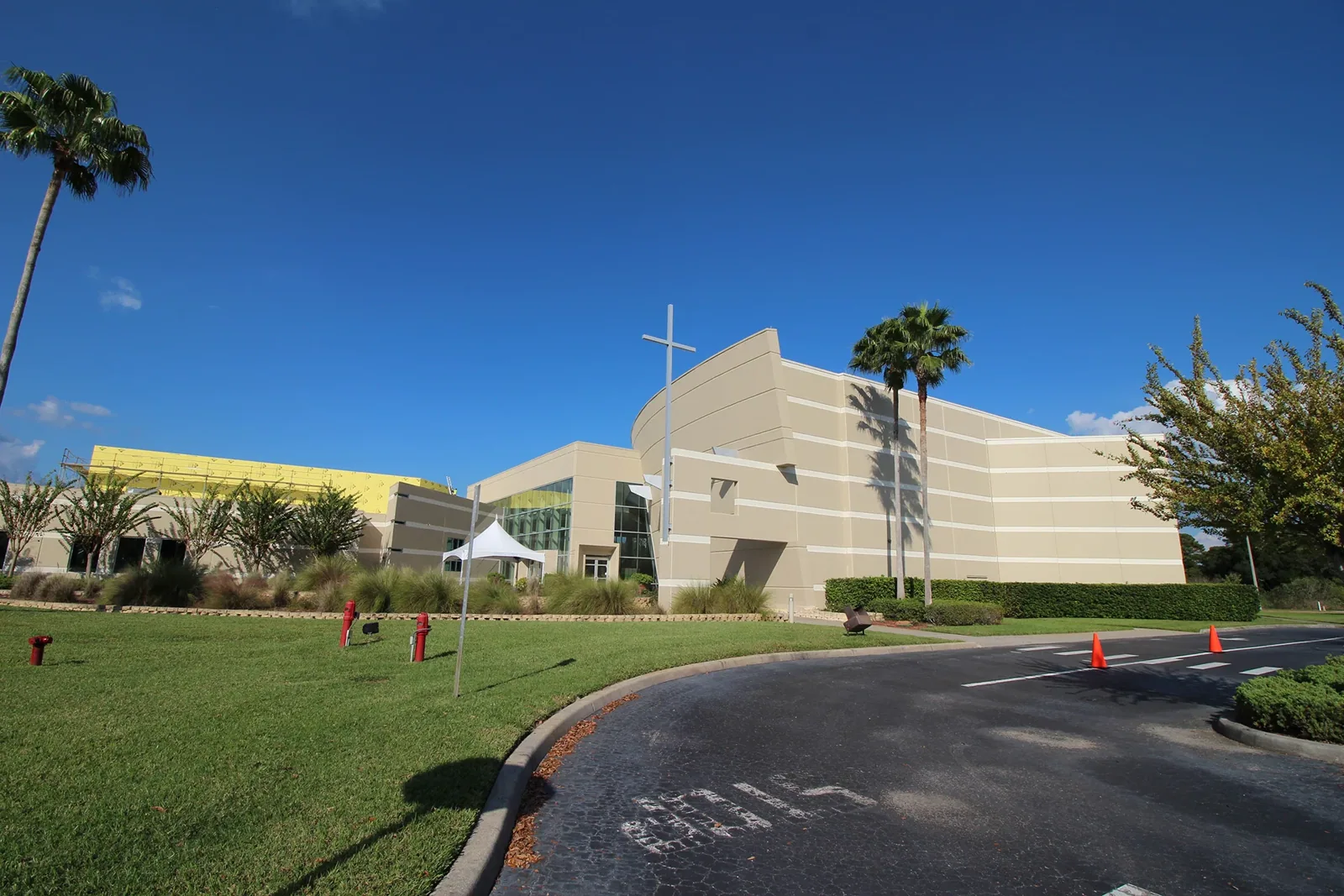
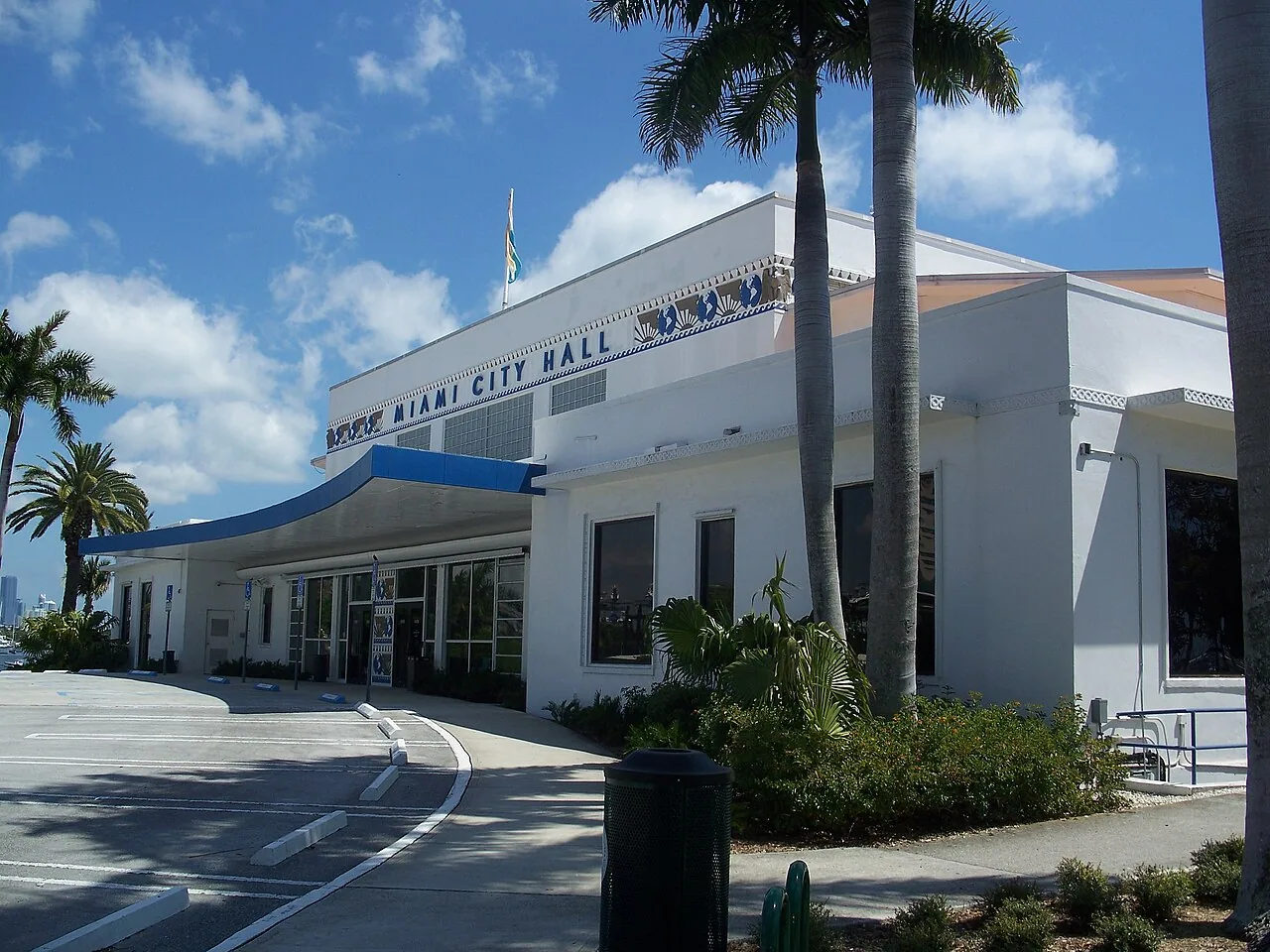
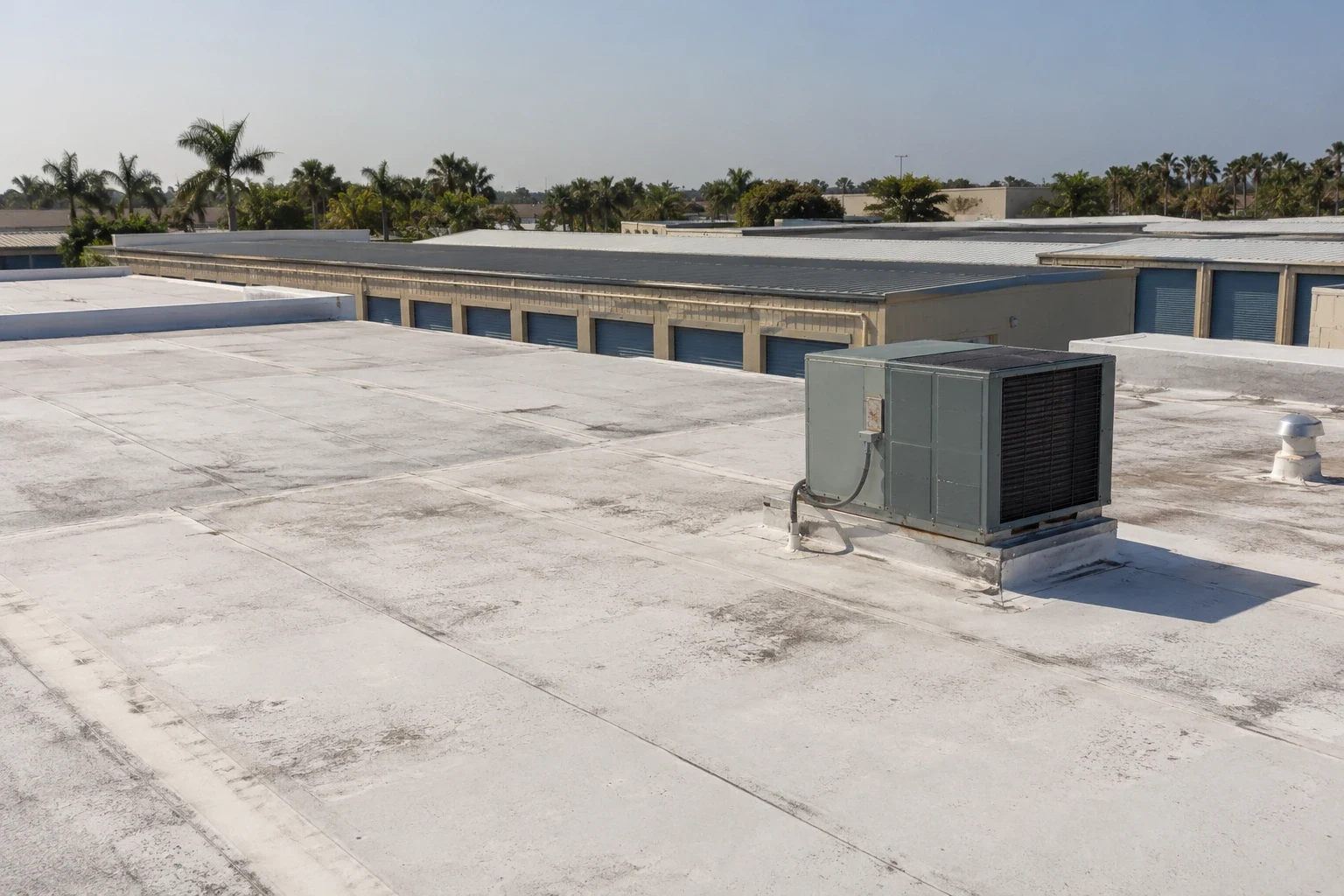
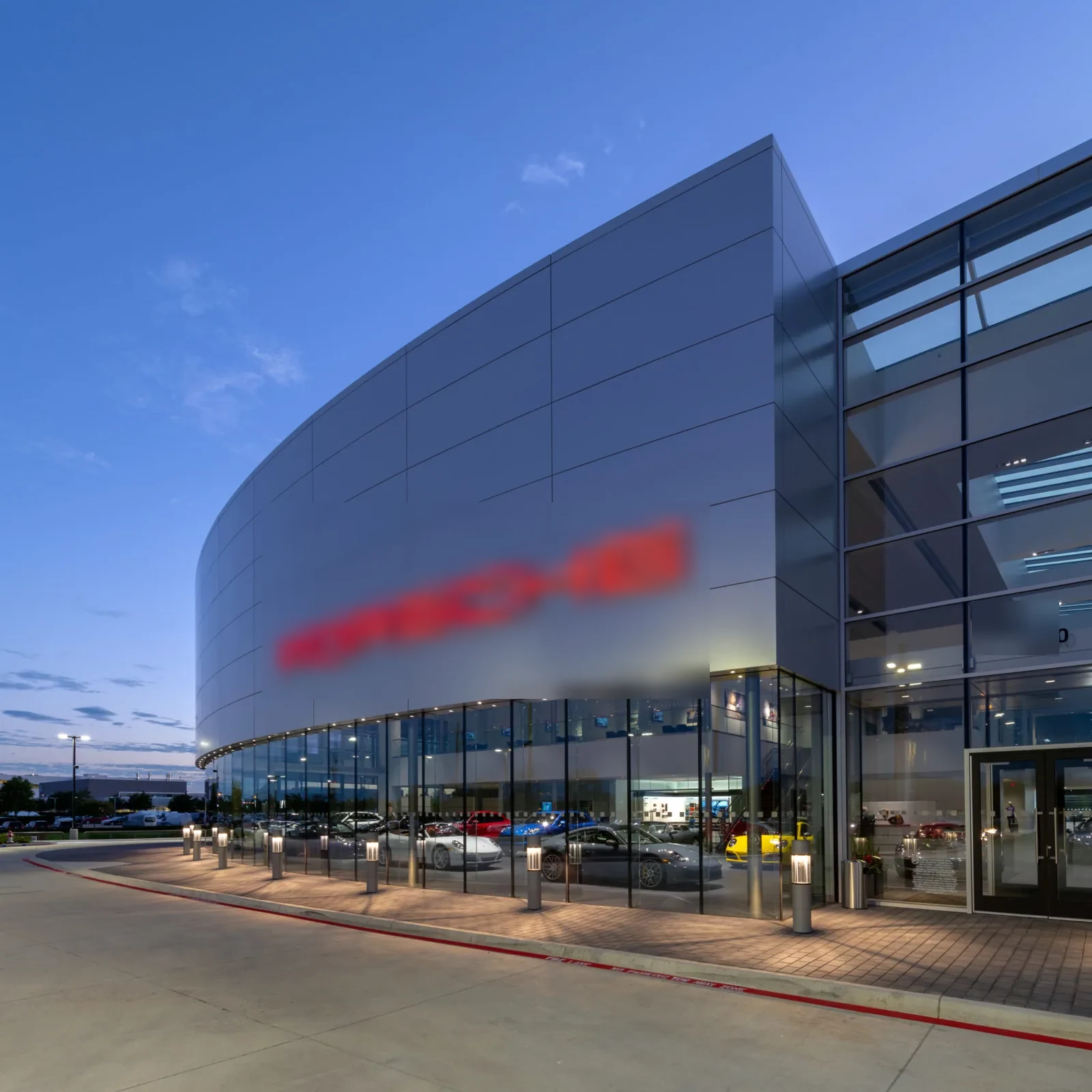
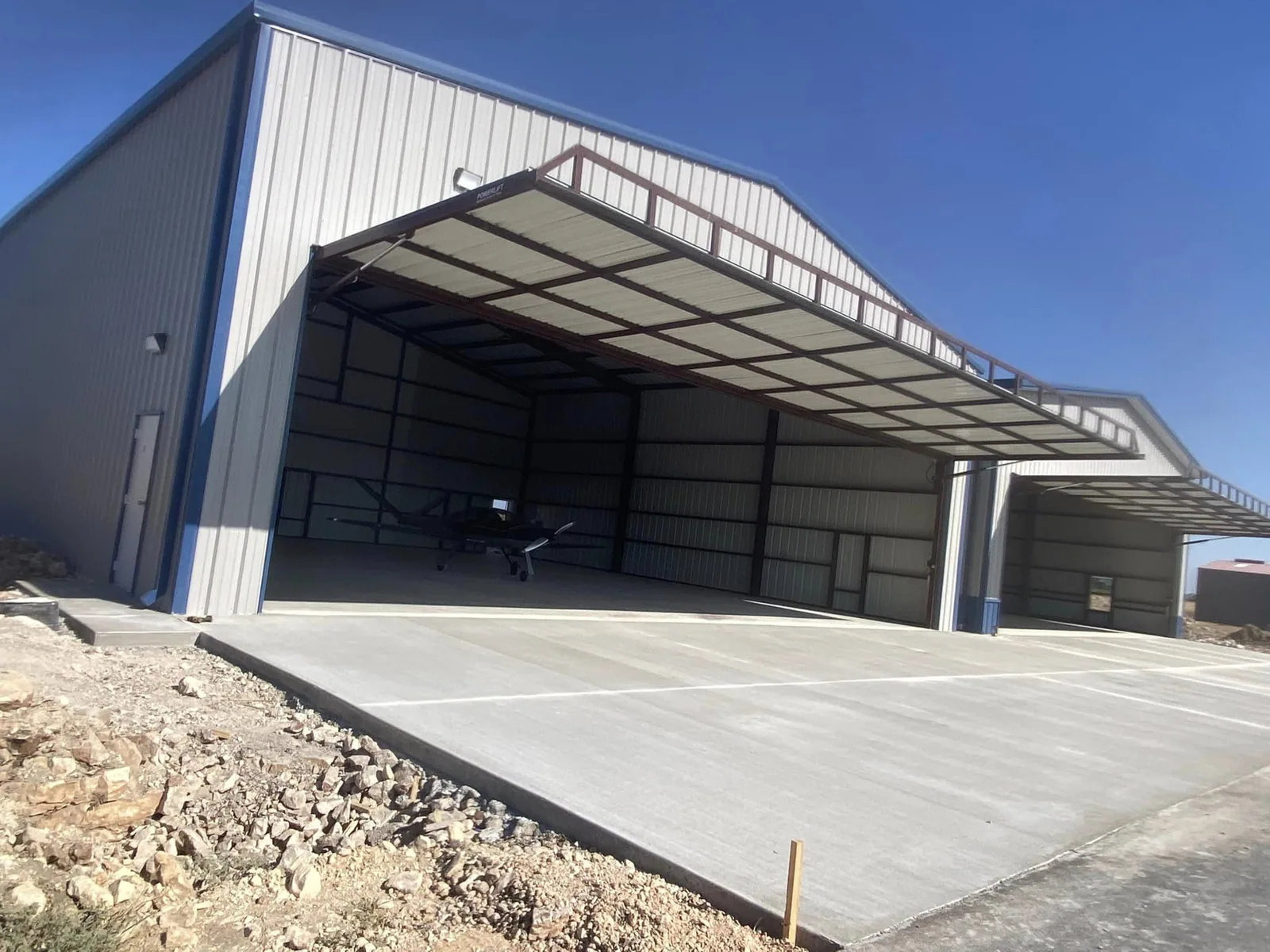
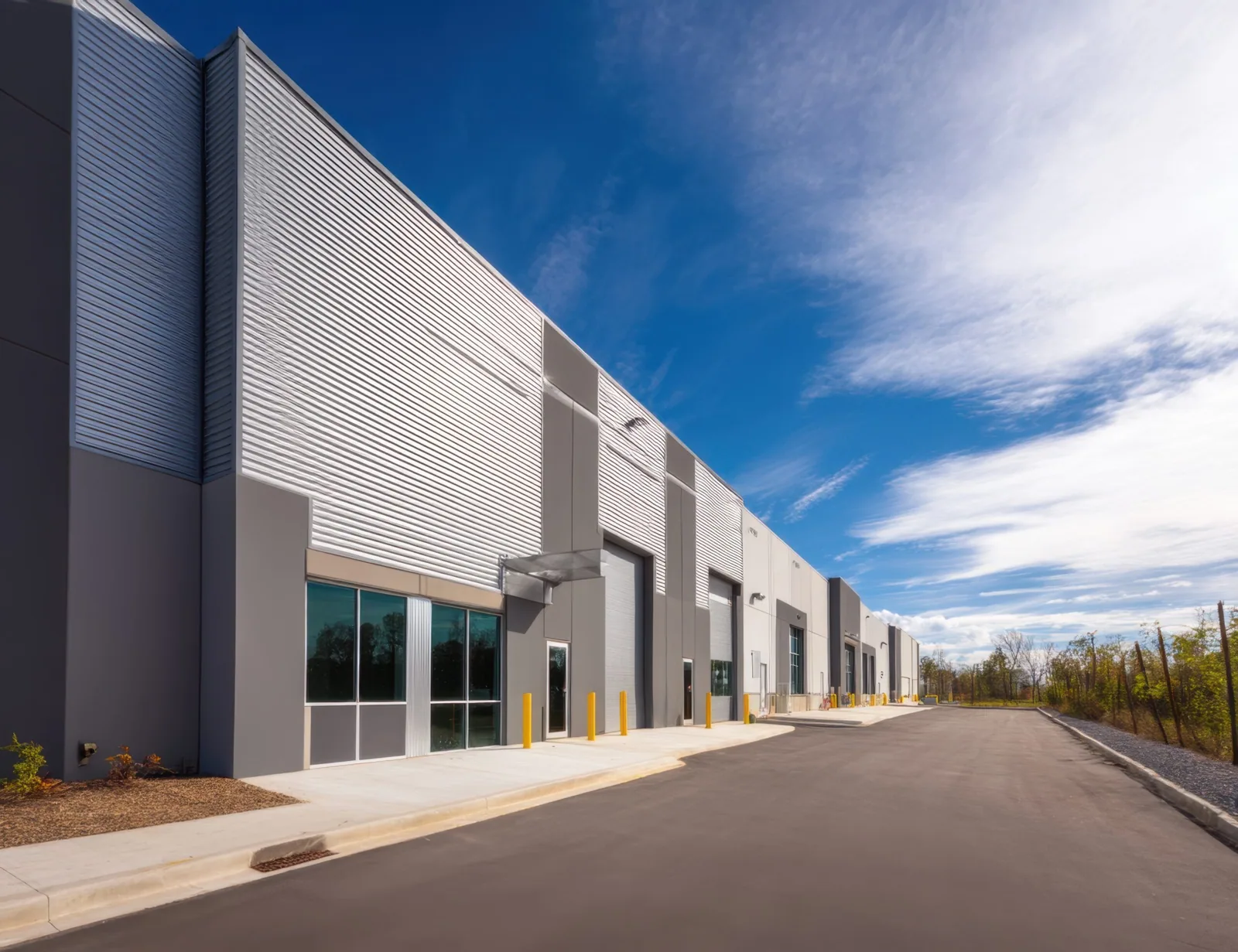
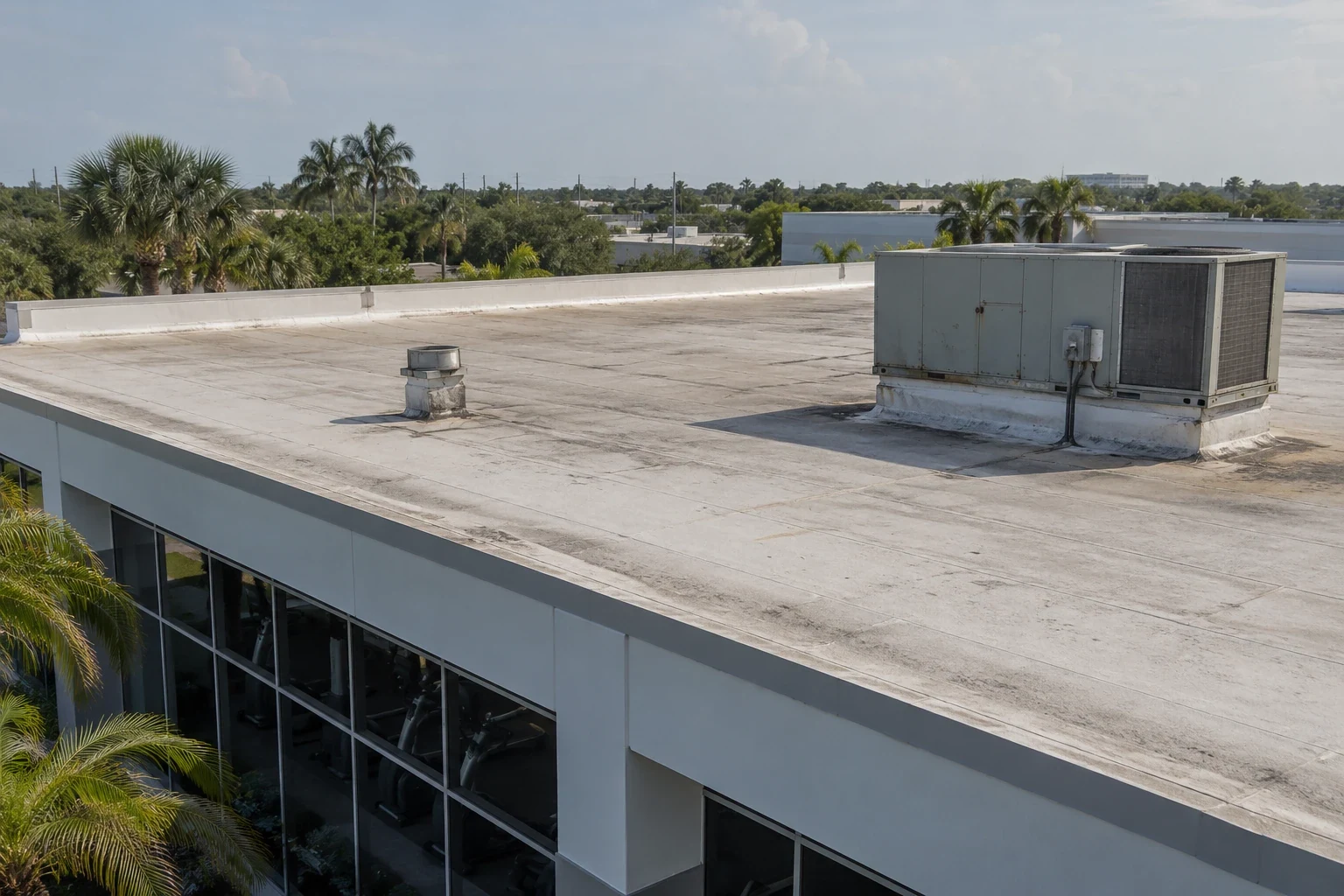
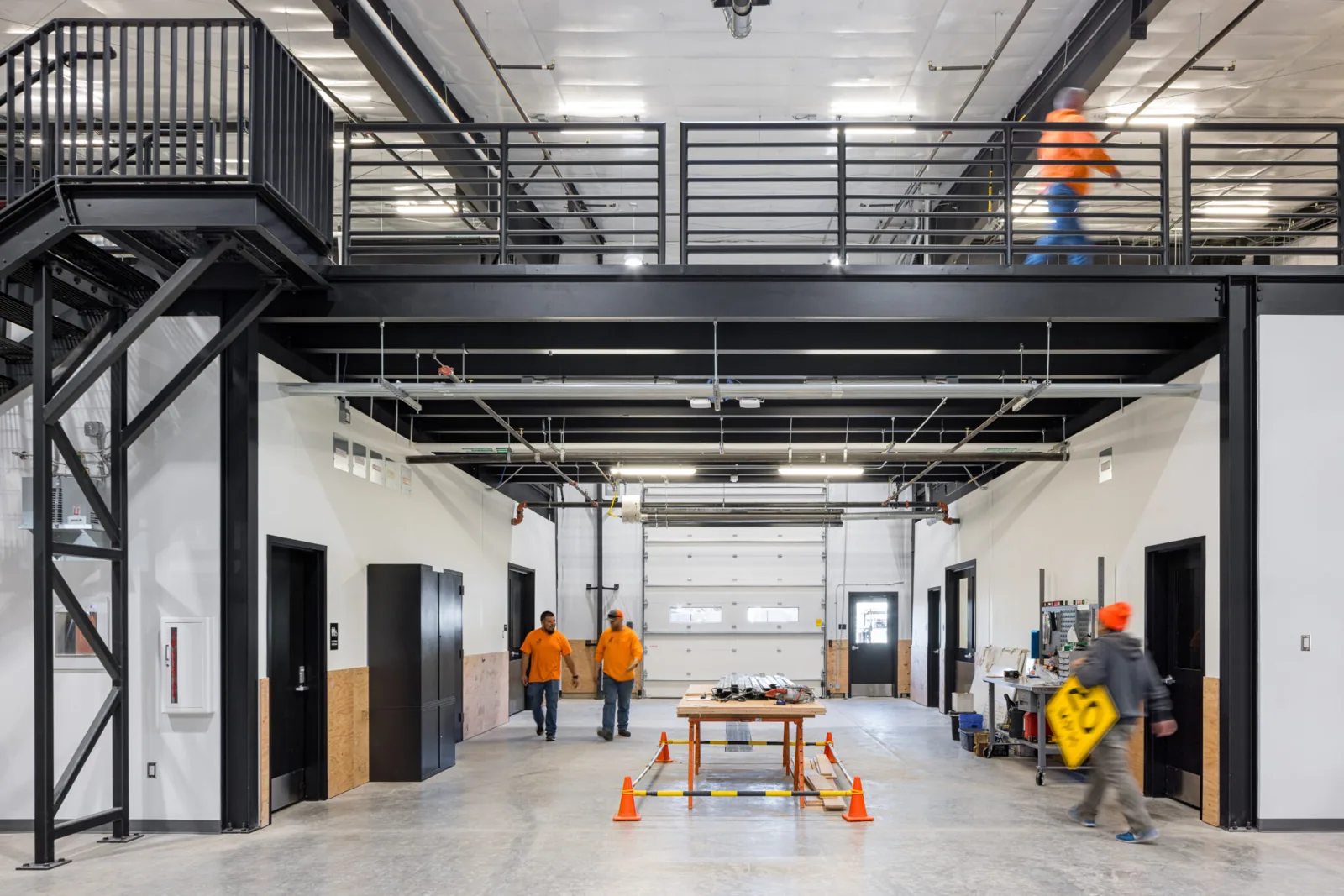
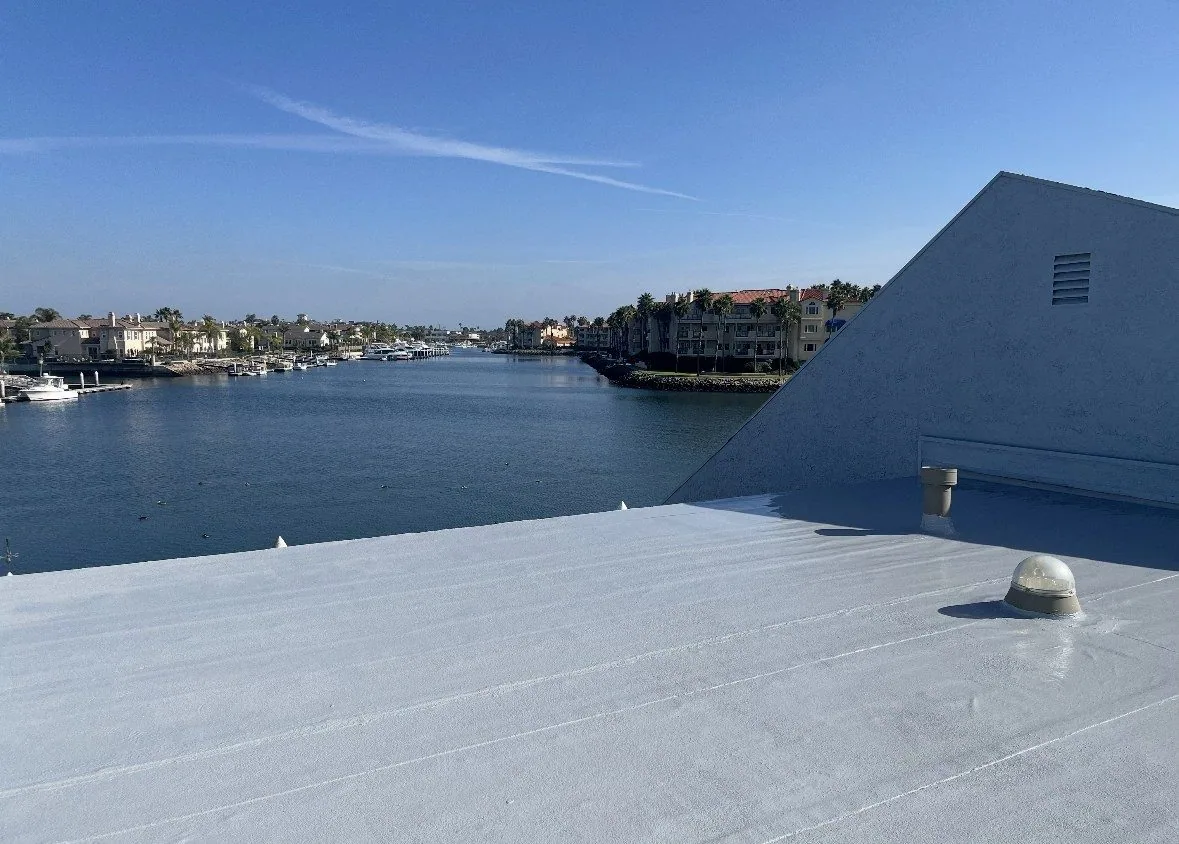
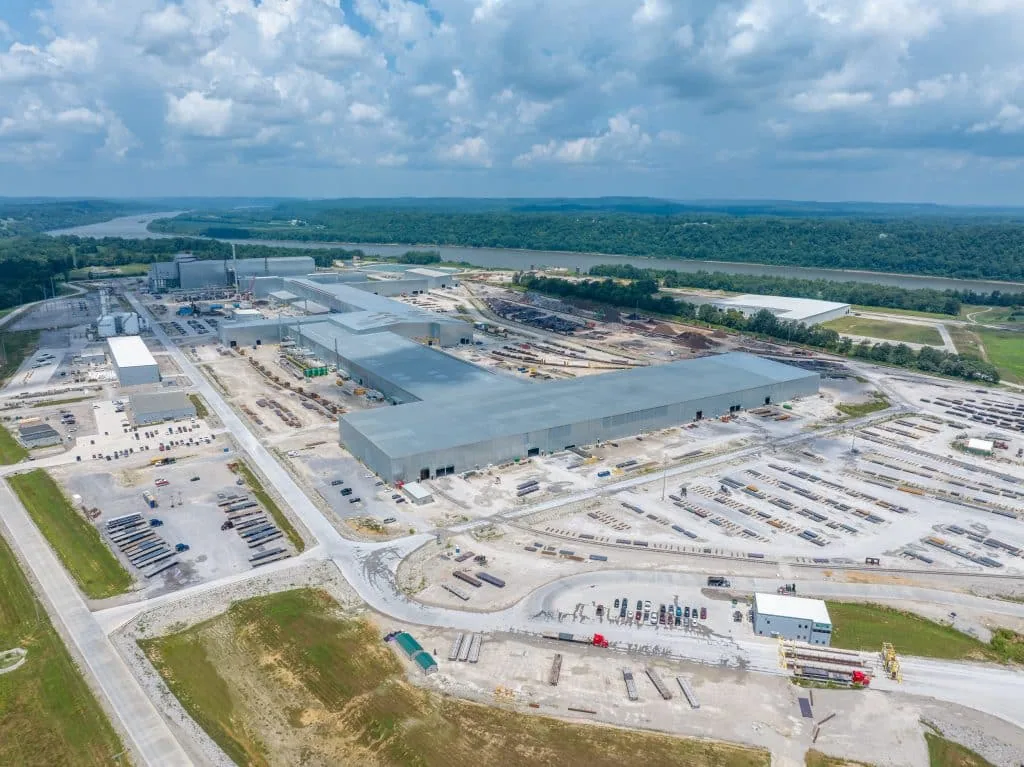
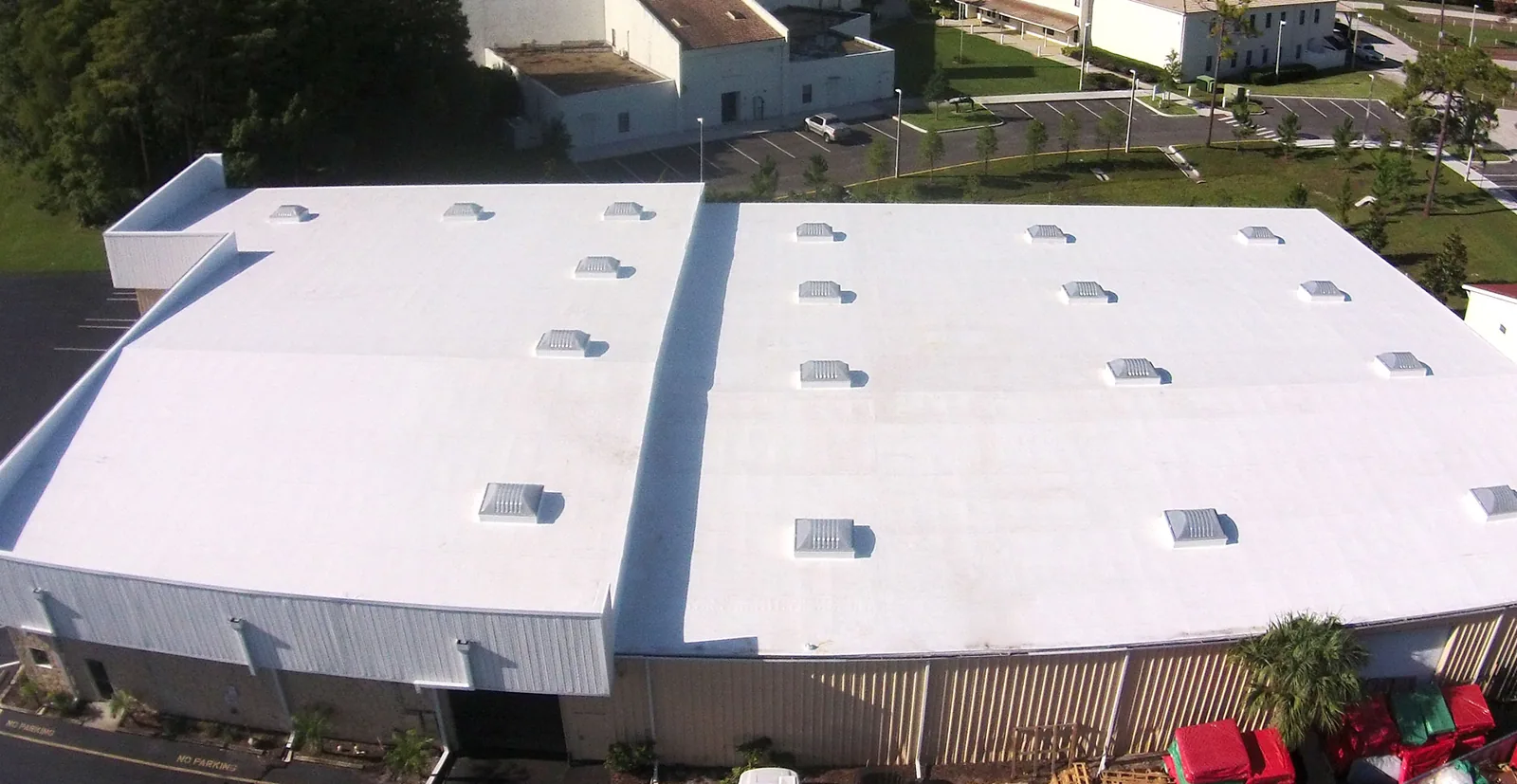
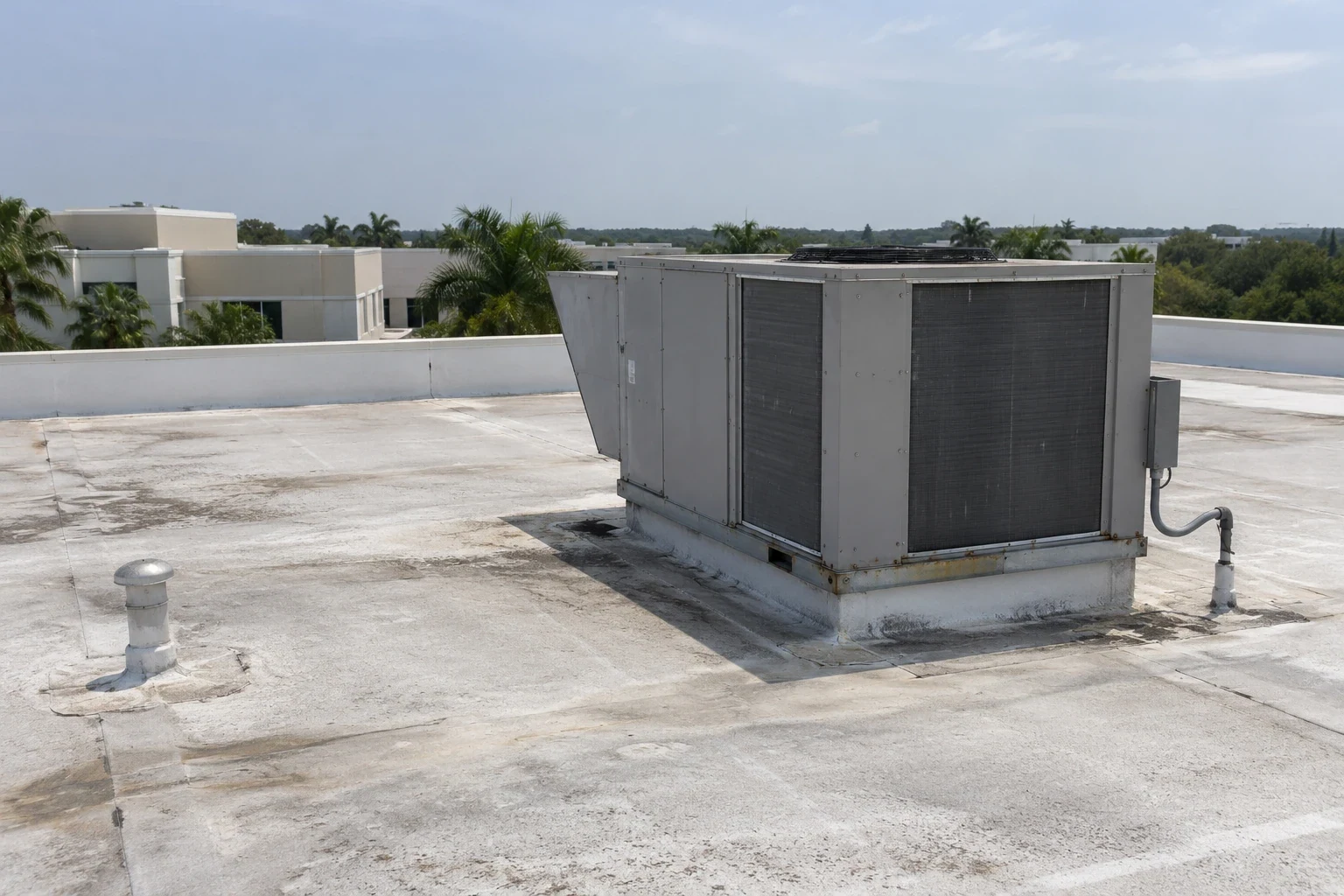
Compare roof decisions by property use
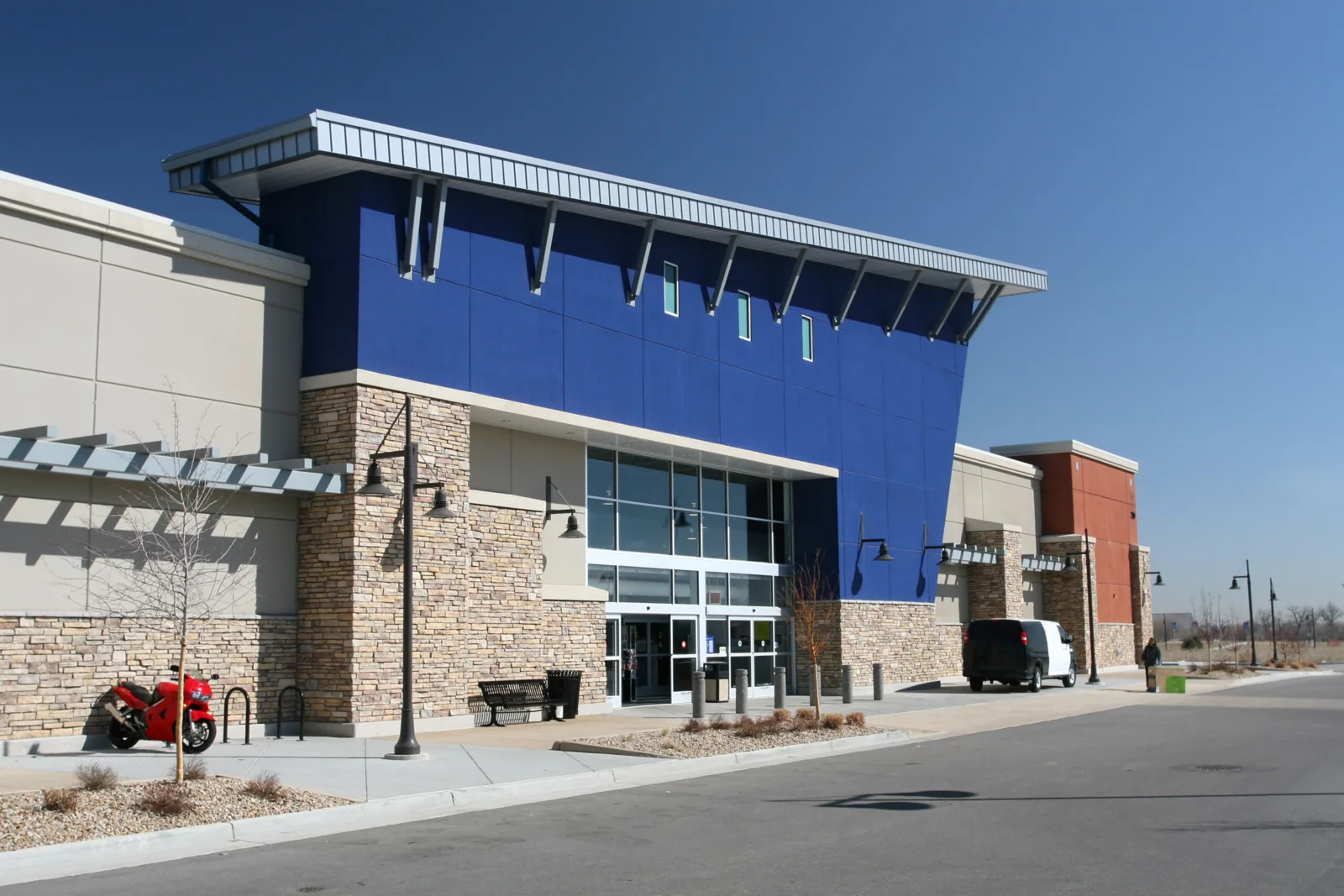
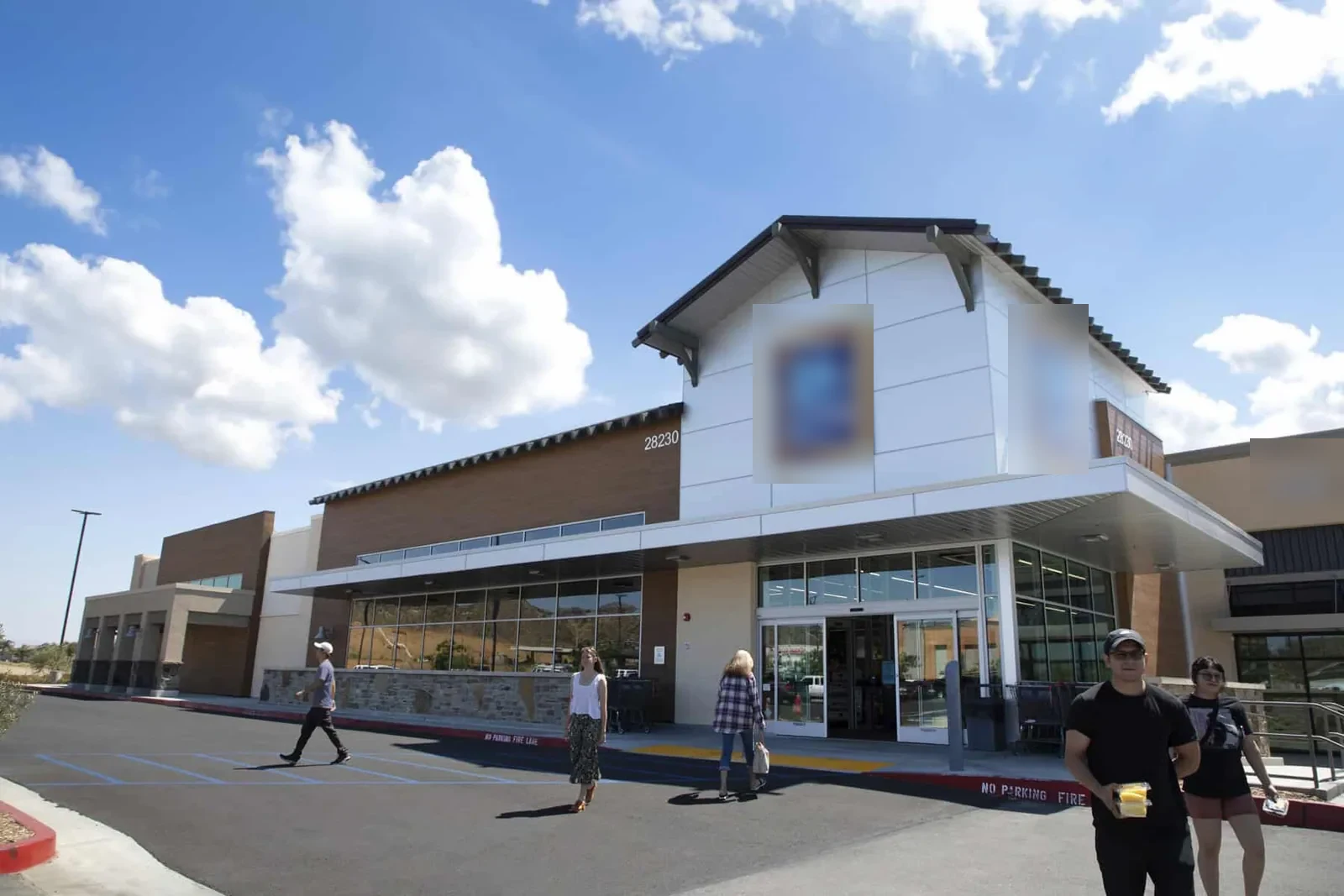
A distribution building may need clear forklift routes and truck access; a school may require quiet periods, controlled entry, and protection of occupied rooms. A shopping property can have several tenants with different hours. Compare the examples in warehouse roofing, school roofing, and shopping center roofing as starting points, then check how the actual roof section, drainage, and equipment differ from those examples.
- Services for repair, replacement and maintenance
- Roof systems from TPO to standing seam metal
- Property types from warehouses to hospitals
- Service areas across Miami-Dade and Broward
Plan around people and access
Before work begins, identify which entrances remain open, where materials may be staged, what times deliveries occur, and who approves occupant notices. A facility team can also flag rooftop units or areas that cannot be blocked. Those details affect a commercial roof repair plan and help a reviewer shape a commercial roof inspection around the property rather than applying a single schedule to every building.
Define a building-level scope
A property-specific scope should name the roof zone, condition observed, included details, access method, and any limitation. If several buildings are involved, map each separately and keep estimates tied to the right address. The Miami Gardens service area page provides a local coverage reference, while project eligibility, travel, and availability still need direct confirmation.
Keep observations useful over time
After the work, retain photographs, marked plans, approvals, and a description of the sections addressed. Record any areas left out and any condition that was not opened or tested. A later manager can then distinguish an inspection from completed repair and see whether a new symptom falls inside the prior scope. The record should follow the property even when its occupants or staff change.
When reviewing work across several properties, label each building and roof zone rather than rolling observations into one portfolio summary. Include the date, the person who reported the concern, and whether the review was visual or involved testing. That distinction helps later readers understand how far the conclusion reaches. Keep estimated quantities and unverified conditions visible so a planning number does not become mistaken for a measured scope.
Commercial Roofing Questions
Does building use determine the roof system?
No. Use affects access and operational planning, while assembly choice also depends on deck, slope, drainage, existing layers, and product requirements.
Should related buildings share one proposal?
They can be reviewed together, but quantities, conditions, access, and included details should remain identifiable by building and roof area.
What should an occupied-property schedule include?
List work zones, access paths, staging, occupant notices, protected areas, and the person who can approve schedule changes.
Can a property page diagnose a roof leak?
No. It can organize questions by building context, but the source and path of a leak require property-specific investigation.