Modified Bitumen Roofing in Miami Gardens, FL
Roof Systems
Compare SBS and APP modified bitumen for commercial roofs in Miami Gardens. Review assembly choices, transitions, drainage, and practical project steps.
Modified Bitumen Roofing Overview
Modified bitumen is a multi-layer asphalt membrane supplied in rolls. Polymer modifiers increase flexibility, while reinforcement supports the sheet through ordinary movement. A Miami Gardens owner may consider it for a low-slope roof when the deck, drainage, access, and project limits fit the proposed assembly. The material name alone is not enough; specification, attachment, flashing, and workmanship all matter.
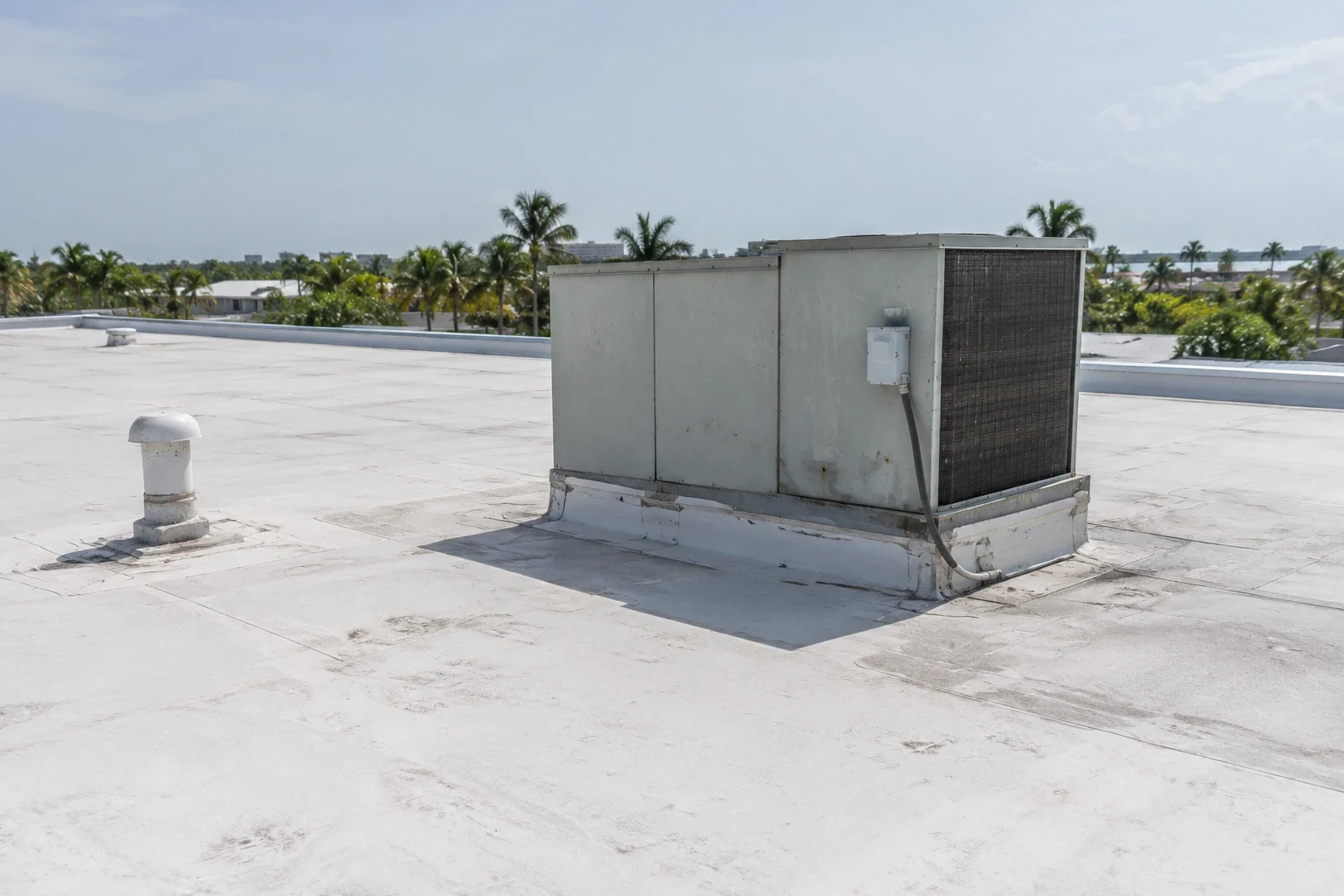
We first review the existing roof and building use. An occupied office, service bay, or retail space can impose different access windows and rooftop traffic. A commercial roof inspection records wet areas, open laps, edge conditions, and prior repairs before the owner compares repair, recover, or replacement.
SBS and APP are different formulations
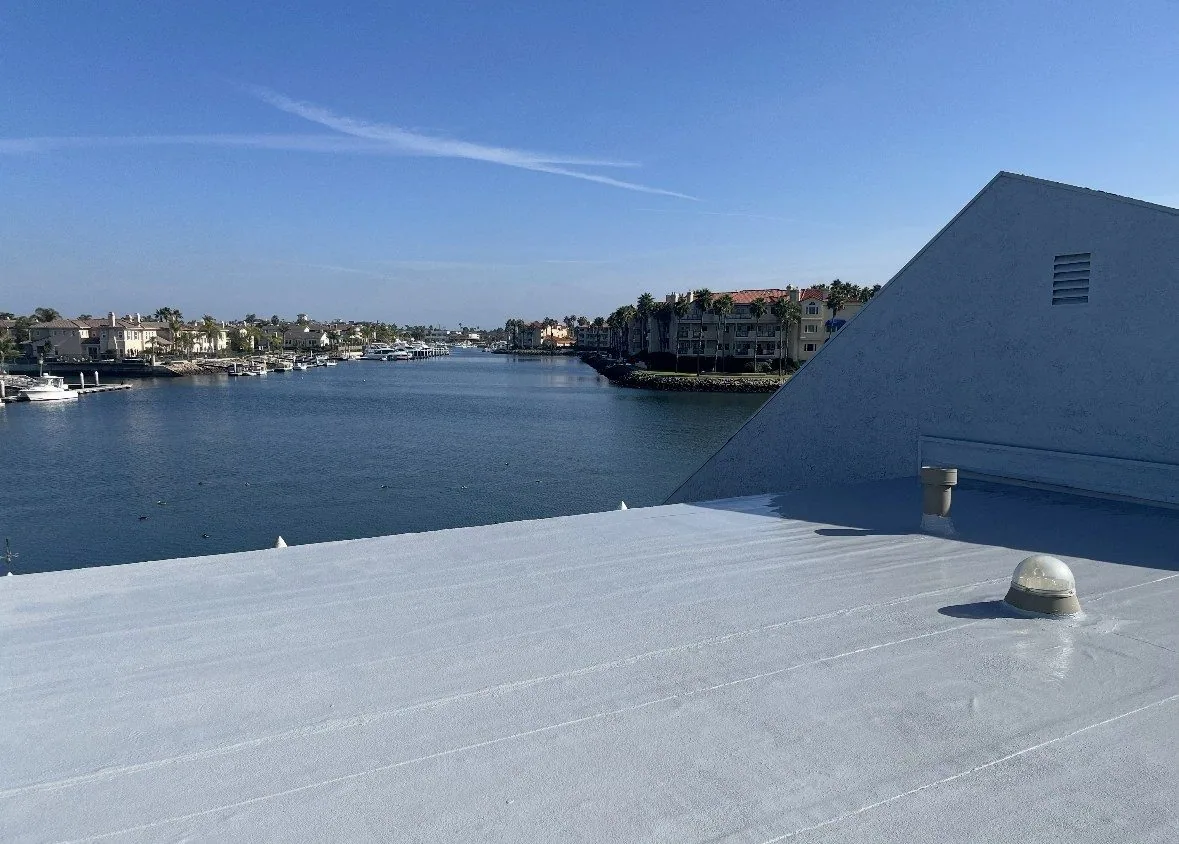
SBS and APP are common modifiers with different flexibility, heat, and application characteristics. Product lines also vary in reinforcement, surfacing, thickness, and installation instructions. The specification should identify exact sheets and compatible components rather than relying on a modifier label alone.
Surface selection should also reflect expected foot traffic and service access. A roof with frequent maintenance visits may need walk pads in designated paths, while equipment work should be coordinated to protect the membrane. These are design choices, not a reason to assume the same cap sheet or coating fits every roof.
A system may use a base sheet and cap sheet or a self-adhered product where the conditions allow. Insulation, cover board, attachment, surfacing, and fire requirements must match the approved design. We review those choices with the owner and design professional. Hialeah's manufacturing, retail, and restaurant economy illustrates varied occupancy nearby, but says nothing about an individual roof. A site review must confirm its layers, equipment, access, and deck.
More on Modified Bitumen Roofing
The sections below cover the questions property teams ask before they approve the work.
Match the assembly to the roof beneath it
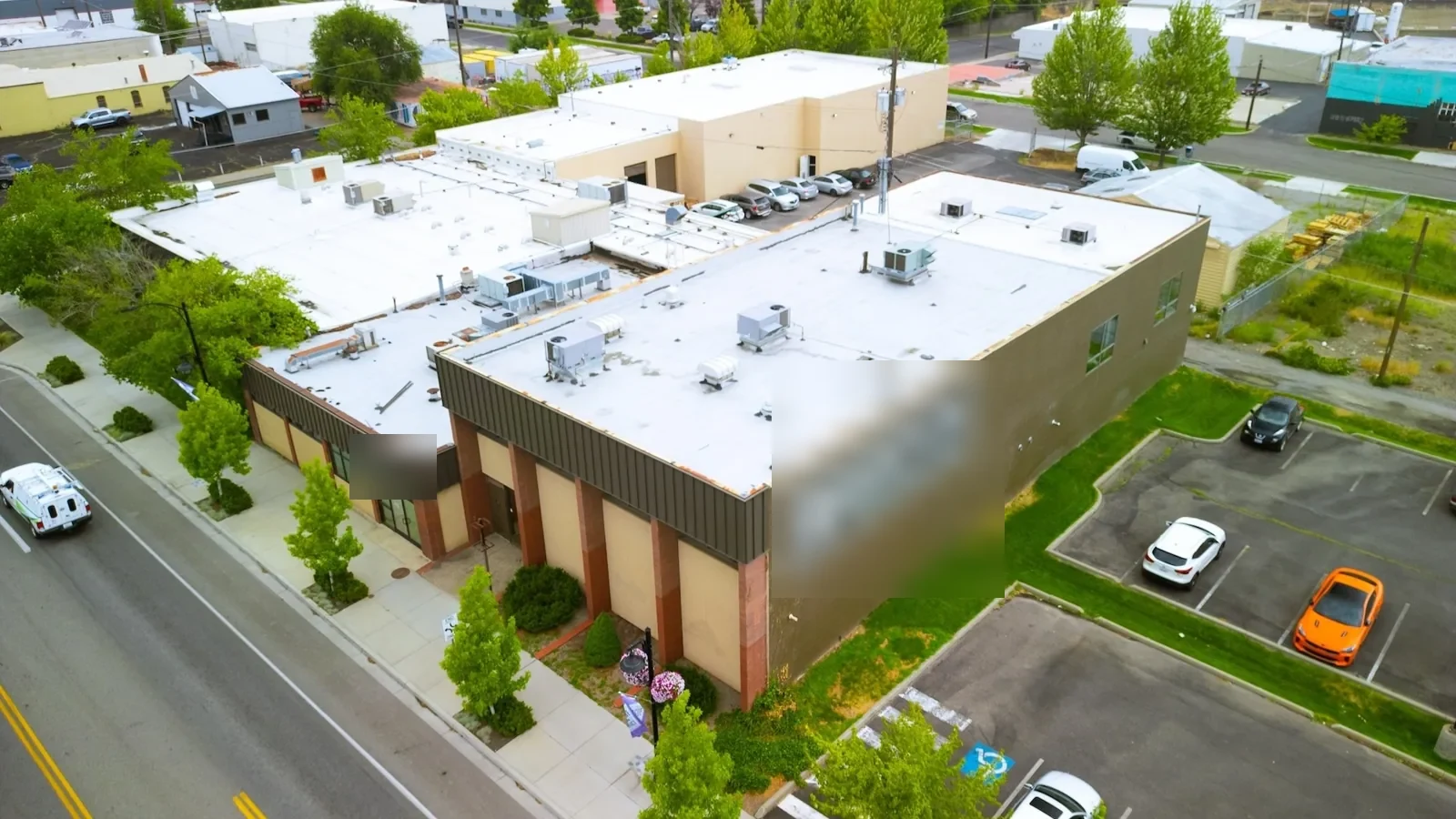
Start by determining what can remain and what needs removal. Review roof fields, edges, drains, penetrations, equipment supports, and representative areas where layers can be evaluated. If moisture is suspected, targeted testing may distinguish an isolated repair from broader replacement. Recover is appropriate only when the existing assembly and applicable requirements permit it.
Fastening and adhesive choices affect both installation and future repairs. The specification should identify approved primers, adhesives, fastener patterns, and compatible flashings. If a repair later crosses a modified bitumen area, matching the existing product and preparing the surface correctly can be as important as the patch material.
Deck material affects fastening and design. Insulation, cover board, wind uplift, fire classification, vapor control, and thermal needs also belong in the assembly review. A qualified designer should address project-specific code and loads; the contractor should document the selected products and details for the crew. Compare built-up roofing and TPO roofing by full assembly, seams, installation, and maintenance rather than first cost alone.
Drainage and transitions deserve equal attention
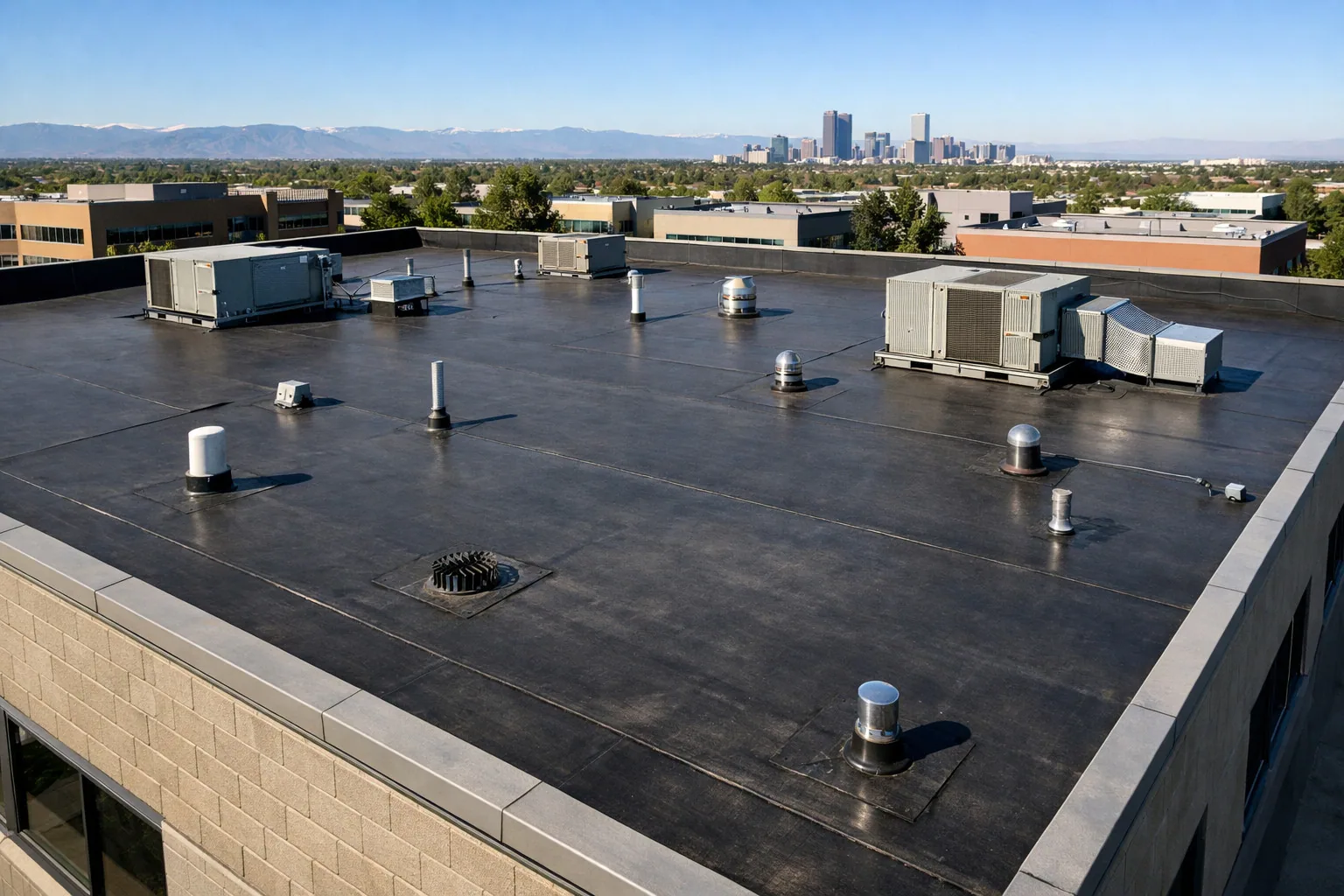
A membrane cannot correct poor drainage. Map slopes and water paths, then review drains, scuppers, overflow provisions, and low spots. Ponding can increase exposure at seams and may indicate a drainage or deflection condition needing evaluation. Design should direct water to outlets while preserving safe access for later cleaning.
At drains, crews should check that clamping rings and surrounding details are compatible with the selected assembly. At edges, termination should resist movement and keep water from tracking behind the membrane. Those conditions are easier to verify before the finished surface conceals the attachment.
Edges, walls, curbs, drains, joints, and changes in plane need compatible flashing and specified termination. Do not close details before underlying work is ready. Coordinate equipment and service paths with other trades so later work does not damage accepted seams. Our commercial roof repair team records open conditions and coordinates corrections before new sheets cover them. Miami Gardens has regional rail links; actual delivery routes and staging still require property-level confirmation.
Industries We Work With
Owners and operators in these fields rely on us to plan roof work around their buildings.
Coordinate healthcare roof work in Miami Gardens, FL around patient routes, critical rooms, equipment, infection controls, and documented approval windows.
Coordinate 3PL roof work in Miami Gardens, FL around dispatch cycles, dock access, inventory protection, equipment routes, and phased closeout.
Plan school district roof work in Miami Gardens, FL around student routes, athletic spaces, summer windows, classroom protection, and board approvals.
Coordinate portfolio roof work in Miami Gardens, FL with area records, access windows, repair priorities, and approvals that keep each asset distinct.
Related Roofing Work
Other pages that cover the same roof question.
Roof leaking now? Call 555-555-5555 and we will send a crew to look at it.
Plan the work in controlled stages
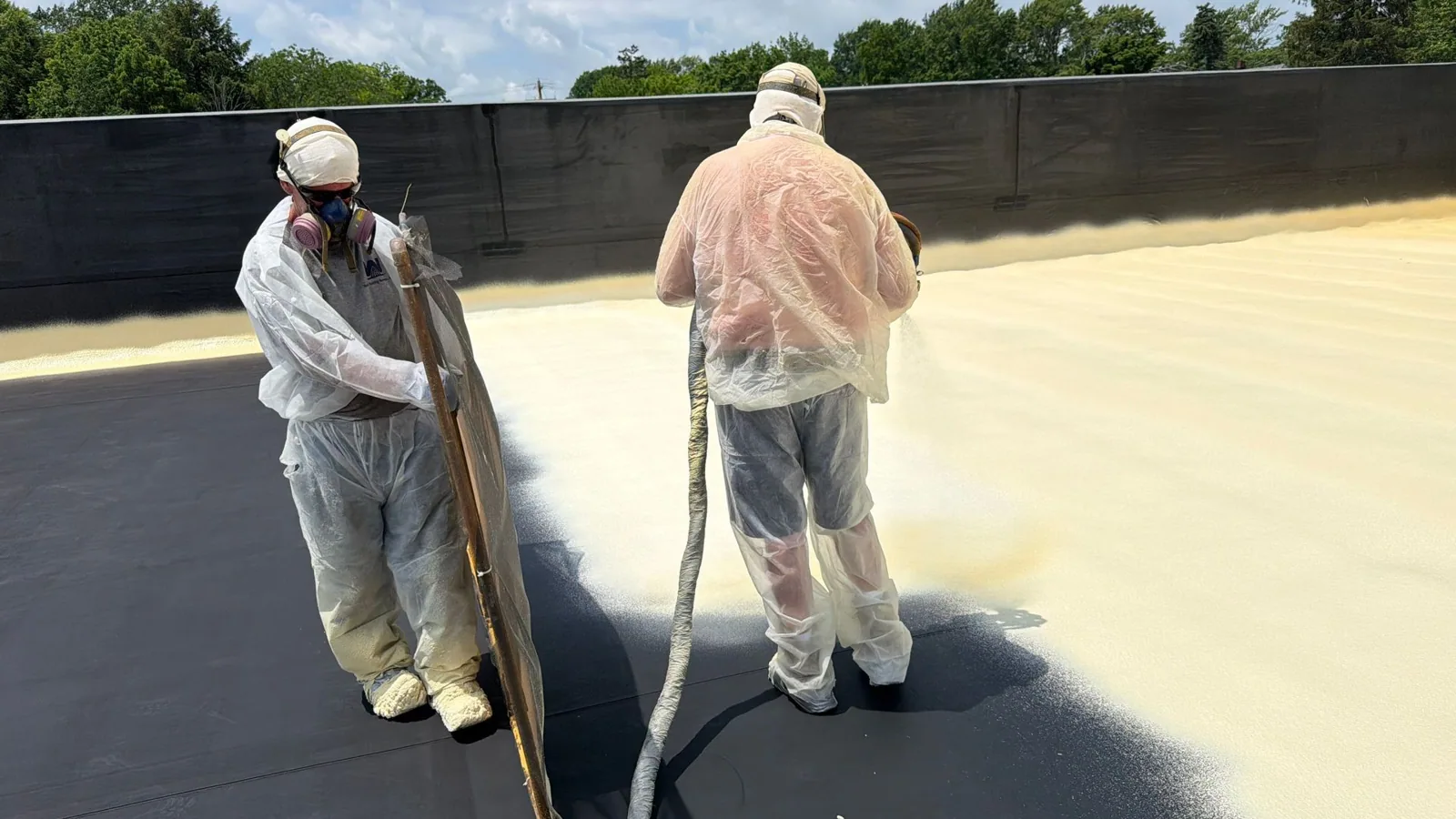
A controlled sequence covers access, staging, tear-off or preparation, deck repairs, insulation, membrane, flashing, cleanup, and review. The approved specification and conditions determine the order. Before work, confirm storage, debris handling, entry access, work hours, and who can approve decisions if concealed damage appears.
Quality checks can include review of test areas, seams, laps, flashing terminations, and completed transitions. The crew should correct and recheck a deficient detail before moving on. A documented punch list gives the owner and installer a shared record of what remains.
Application methods have distinct requirements. Torch work needs trained installers, hot-work controls, fire protection, and checks around the work zone. Self-adhered products require suitable substrate and conditions; cold-applied materials have their own handling rules. Follow the product instructions and safety plan rather than treating methods as interchangeable. Organize work by roof areas, protect unfinished edges, and inspect temporary protection after rain before restarting. Keep occupants informed when access changes.
Account for South Florida work windows
South Florida weather affects staging and substrate readiness. South Florida's regional wet season runs from May 15 through October 15, when much of the average annual rainfall occurs. Heat, humidity, and recurring showers can affect application and protection of open areas. This is regional context, not a forecast for a particular workday.
Keep materials protected from moisture and direct exposure according to product instructions. The foreman should confirm that the substrate is ready before application and should not rely on a calendar date as a substitute for field conditions. Short, controlled work areas make it easier to secure an exposed edge if the forecast changes.
Check current conditions and each product's requirements. If rain interrupts work, secure temporary edges, clear drainage paths, and inspect the exposed area before resuming. Miami Lakes business parks coexist with homes and other workplaces. Ask each Miami Lakes facility manager about occupied hours and roof-access limits before choosing a work window; the building's schedule controls coordination.
Close out with records the team can use
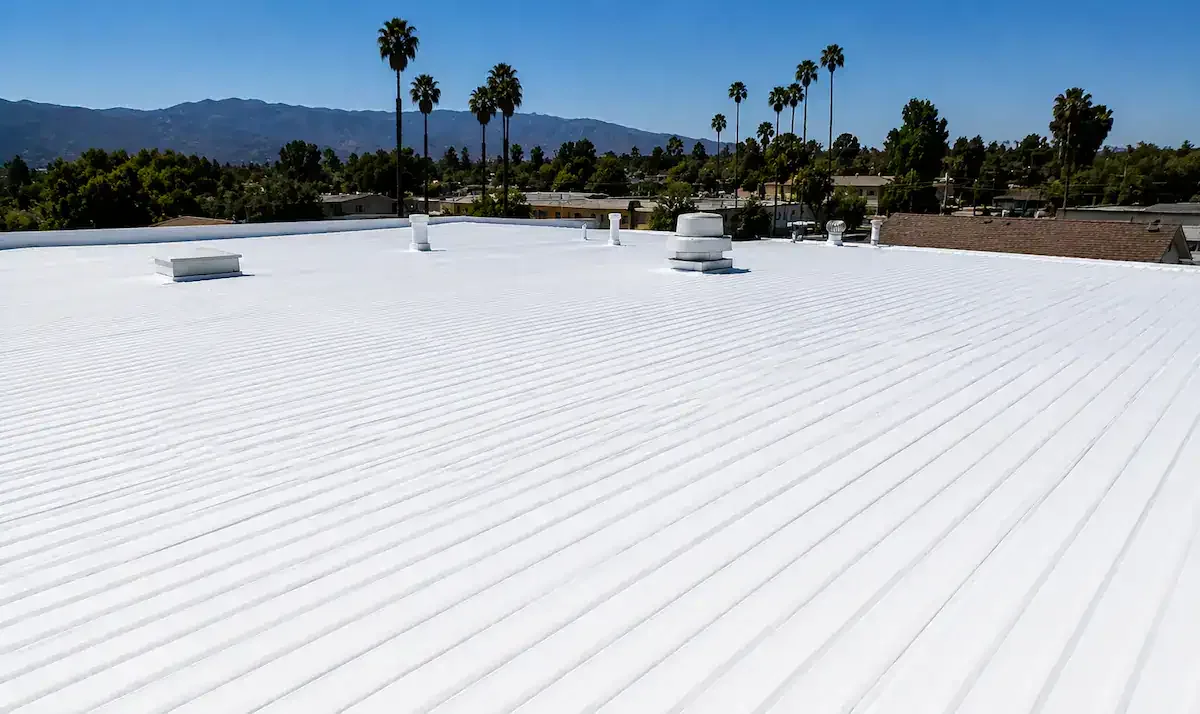
Closeout records should identify the approved assembly, products, completed areas, change approvals, inspection notes, and photographs of critical details. List open items and how they were resolved so a facilities manager can distinguish finished work from follow-up needs. Keep manufacturer recommendations with the roof file.
Ask the contractor which inspections are recommended, who may access the roof, and how to request service. Clear records of any later equipment work can help preserve the roof history and reduce guesswork when a new leak or puncture is reported.
Maintenance starts with safe access and periodic observation. Look for debris at drains, displaced metal, damage near service paths, and changes at exposed transitions. Follow fall-protection and manufacturer rules; staff should not attempt unauthorized repairs. Record leak location, date, weather, and interior impact to guide investigation. A PVC membrane and an EPDM roof assembly need system-specific seams and flashing. For roofs in Miami Gardens, Hialeah, or Miami Lakes, field records and site access still guide the system review.
Questions About Modified Bitumen Roofing
How do SBS and APP modified bitumen differ?
SBS and APP use different modifiers that influence flexibility, heat behavior, and installation choices. Product lines vary too, so compare the specified sheet, reinforcement, surfacing, and compatible components. The exact assembly and roof conditions matter more than the modifier name by itself.
Can modified bitumen go over an existing roof?
A recover may be feasible when the existing roof and deck are stable, dry, and allowed by project requirements. Evaluate moisture, layers, attachment, height, and details first. Covering wet or failing materials can hide problems instead of correcting them.
What safety planning does torch application require?
Torch work calls for trained installers, a site-specific hot-work plan, fire protection, and checks around and below the work area. Occupancy, combustible conditions, access, and approved product methods influence the decision. Review the site before selecting an application approach.
How does seasonal rain affect the roofing schedule?
Rain can change substrate readiness and limit how much roof area a crew should open. Follow product conditions, protect unfinished edges, and inspect the work before restarting after a storm. A realistic plan includes communication with occupants and temporary protection.