
Storm Damage Roof Repair in Miami Gardens, FL
Commercial Roofing Services
Document and repair storm-related roof damage in Miami Gardens, FL with area-specific inspections, temporary protection, and a scoped permanent repair plan.
Storm Damage Roof Repair Overview
A post-storm review starts with safe access, active water, and any area where building operations are exposed. In Miami Gardens, FL, we document visible roof conditions, protect urgent openings, and separate temporary measures from permanent repair. The site team can share interior reports and the roof plan so we inspect likely paths rather than walk the surface without a question. Each finding is tied to a roof zone, photo, and follow-up decision.
What can the crew confirm after severe weather?
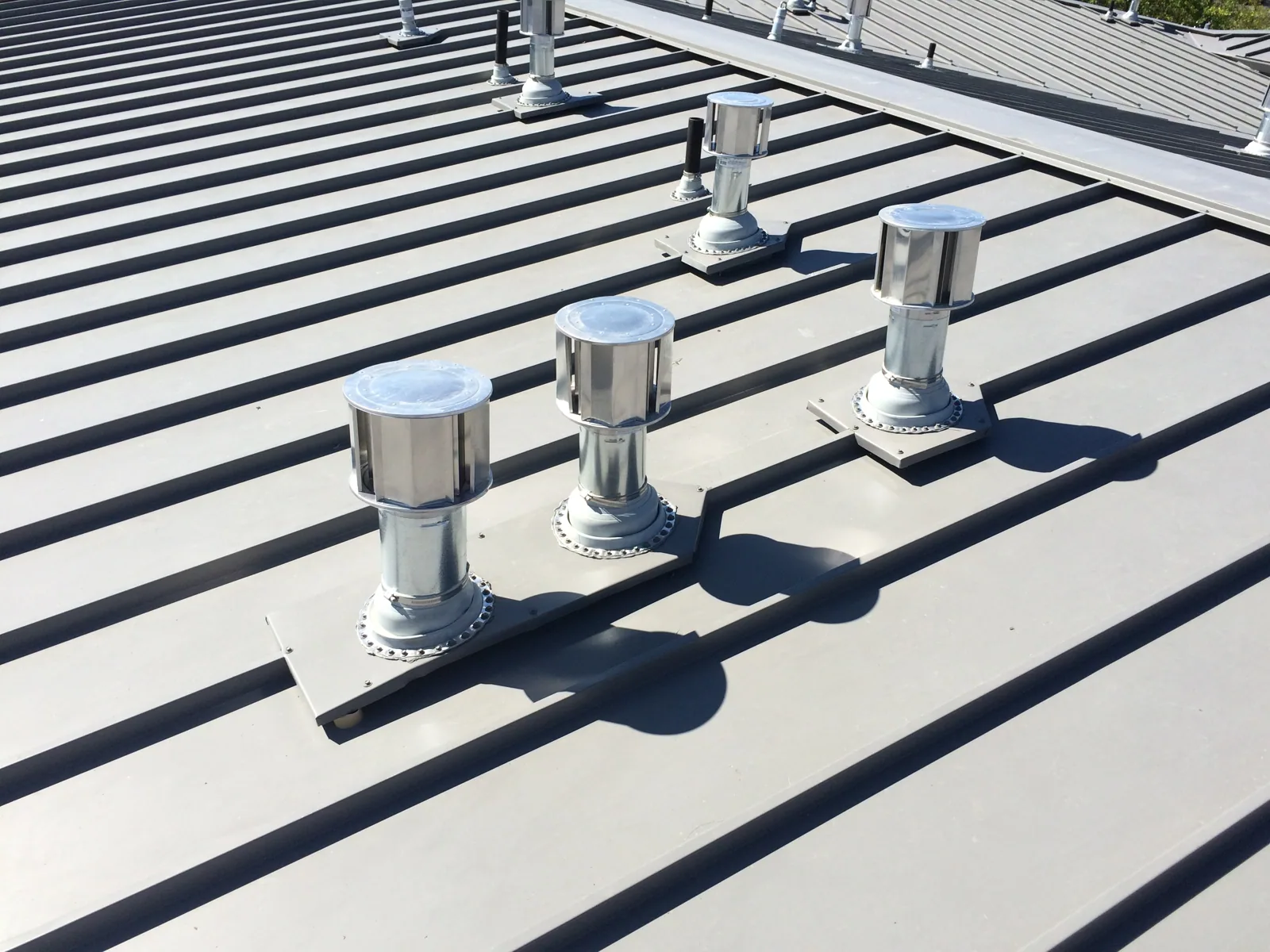
We look for displaced edge metal, lifted or split membrane details, punctures, impact marks, blocked drainage, and damage around rooftop equipment. Photographs show where a condition occurred and what the crew could inspect safely. We distinguish fresh openings from prior repairs or existing wear where field evidence allows. The event window helps set inspection timing; photographs and Diligence Notes tie each repair recommendation to a condition observed on that roof.
Damaging winds, tornadoes, hail, and flooding are among impacts most likely during South Florida’s stormier mid-May to early-July stretch. During that window, we organize site visits by access and operating needs. For a contractor coordinating sites near the Palmetto Expressway and U.S. 441, we create separate maps and access notes for each building, so one inspection does not stand in for another.
A commercial roof inspection can document the existing assembly and details. If water is entering, leak tracing can identify the active path, while emergency protection can limit exposure until a full repair scope is approved.
More on Storm Damage Roof Repair
The sections below cover the questions property teams ask before they approve the work.
How should active exposure be controlled?
We prioritize areas where water threatens occupants, equipment, inventory, or electrical systems, then coordinate interior protection with the site contact. On the roof, the crew selects a temporary cover or compatible repair suited to the assembly and current conditions. We note what remains exposed and when permanent work can proceed. The general contractor receives the response area, access limit, and approval point before the crew leaves.
The response log follows the event through each field visit: report time, access granted, protection installed, area still exposed, and next inspection window. If weather interrupts the crew, we record the point where work stopped and who accepted the temporary condition. The owner can then compare the first inspection with later photographs without treating an updated view as a replacement for the original record.
When the roof needs a temporary measure beyond normal hours, emergency response is available around the clock, including holidays. We photograph the temporary work and identify how it will be checked before permanent repairs begin. If the assembly is wet below the membrane, an infrared survey and selective confirmation can help define the removal area.

What goes into the permanent work package?
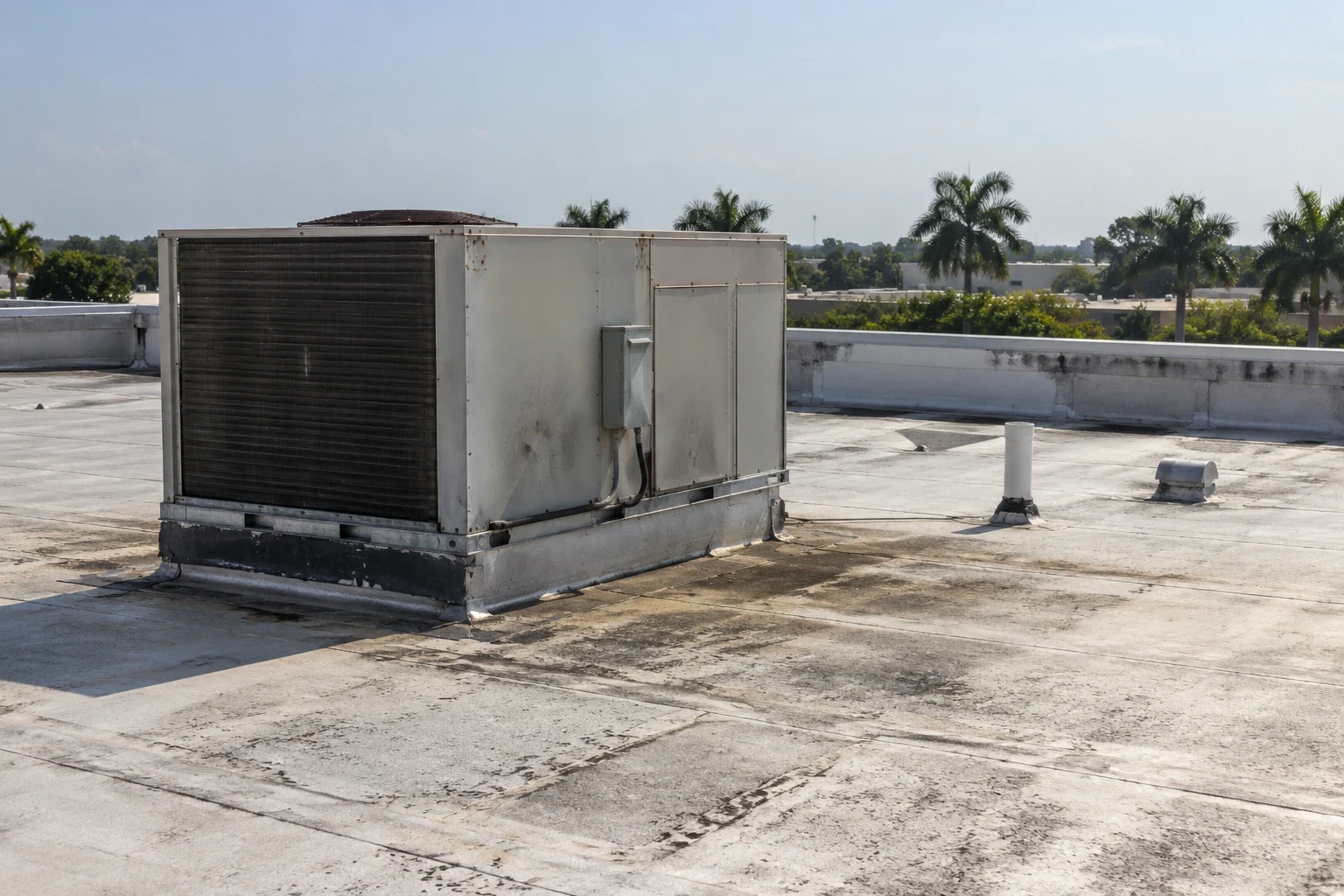
Repair scope follows the observed failure: membrane replacement, seam restoration, flashing reconstruction, metal replacement, or drainage correction. We inspect nearby transitions and fasteners so the fix addresses the detail and any connected weakness. If tear-off reveals concealed damage, the crew photographs the condition and presents an added scope for approval before covering it. The repair record identifies the completed materials and location. At an edge, we check whether metal has shifted, fasteners remain seated, and the membrane termination is secure. Around equipment, we inspect curb flashing and nearby seams for openings. Those details help distinguish a localized repair from conditions that extend into the field of the roof.
If the repair changes a roof assembly or edge detail, we identify the proposed materials, field dimensions, and affected perimeter for review by the project professional. The general contractor can route the product information through the applicable approval process and confirm whether permit coordination is needed. Our field record shows the condition and location that informed the scope; the designated reviewer confirms the technical and regulatory requirements.
For properties around Hialeah, manufacturing and retail activity can shape access and interior protection during the repair. Miramar’s employment centers and corporate parks create other site schedules for owners coordinating a regional program. We confirm each property’s work hours and staging route. A planned repair package or replacement scope can address broader failures beyond the storm-related area.
Industries We Work With
Owners and operators in these fields rely on us to plan roof work around their buildings.
Coordinate healthcare roof work in Miami Gardens, FL around patient routes, critical rooms, equipment, infection controls, and documented approval windows.
Coordinate 3PL roof work in Miami Gardens, FL around dispatch cycles, dock access, inventory protection, equipment routes, and phased closeout.
Plan school district roof work in Miami Gardens, FL around student routes, athletic spaces, summer windows, classroom protection, and board approvals.
Coordinate portfolio roof work in Miami Gardens, FL with area records, access windows, repair priorities, and approvals that keep each asset distinct.
Related Roofing Work
Other pages that cover the same roof question.
Roof leaking now? Call 555-555-5555 and we will send a crew to look at it.
How can the owner document the event?
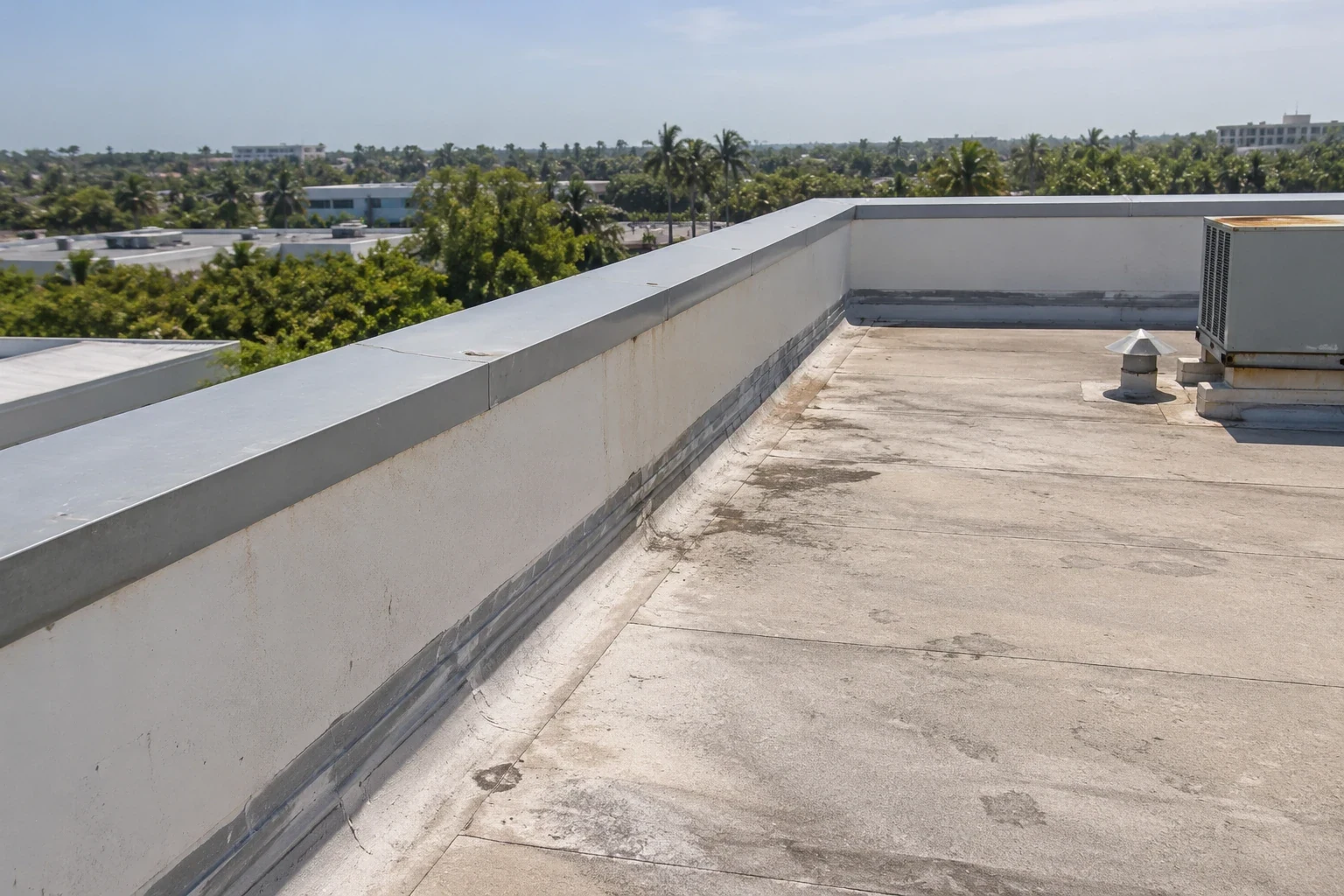
We can prepare a dated field record with area labels, photos, visible conditions, temporary work, and repair recommendations. The owner may share that documentation with an insurer or adjuster as part of its claim process. We describe roof conditions and work performed without deciding coverage or promising an outcome. If additional destructive testing or engineering is needed, the record identifies the question and the party who should review it.
Cost and schedule depend on the affected area, assembly, access, moisture, material availability, and coordination with interior or mechanical trades. We separate emergency protection from permanent repair and larger capital work, so approvals stay attached to the right scope. Our claim documentation support can organize roof records and coordinate the contractor's findings with the project file.
Keep the original photo set with its date, roof-zone label, and notes about access or temporary work. Later images should show whether the same location changed after the repair, not overwrite the first observation. A condition report can hold those records together for owner review and future maintenance planning.
What should happen after repairs are complete?
We inspect repaired details, confirm drainage and terminations, and record any open follow-up item. The owner receives photos of completed work and notes about areas that still need monitoring or testing. If another trade must reset equipment or close an interior opening, the general contractor can include that task in closeout. We leave the next inspection decision clear instead of relying on a verbal handoff.
Miami Gardens planning includes commercial, industrial, and mixed-use projects, each with its own work sequence. A portfolio that includes Miramar or Hialeah should retain a separate storm record for every building and date. That record supports maintenance and future capital decisions without assuming all roofs were affected in the same way. A follow-up maintenance visit can recheck repaired edges, seams, and outlets.
A storm assessment for a Miami Gardens commercial roof records conditions by property and roof area. Send the roof plan, interior reports, recent photos, access rules, and any emergency actions already taken. We will inspect the affected zones, document the findings, and prepare the protection, repair, or replacement boundary for the next approval point.
Document the roof and set the next scope
Share the roof plan, interior reports, event photos, access requirements, and any temporary work already completed. We will inspect the affected areas, document findings, and prepare a repair or capital work package.
Questions About Storm Damage Roof Repair
Can you confirm that a storm caused the roof damage?
We document visible conditions and the inspection date, then compare them with any earlier repair record or photos. Weather timing is context; the field record supports the condition and repair decision at that property.
What should happen before the repair crew arrives?
Protect people and vulnerable equipment as the site team directs, then provide roof access instructions, the affected interior area, and a contact who can approve temporary work. We confirm staging before dispatch.
Will you provide photos for an insurance file?
Yes. We can label inspection photos by roof area and describe observed conditions, temporary work, and repair scope. The insurer or adjuster determines coverage under the policy.
Can a temporary dry-in remain until the permanent work?
That depends on the material, exposure, and current roof condition. We record the temporary measure and any inspection interval, then schedule a permanent repair when access and materials allow.
When does storm repair turn into replacement work?
Repeated failures, widespread moisture, deck deterioration, or an assembly that cannot be restored may require a broader scope. We map the affected area and compare repair with replacement before setting the capital boundary.