
Commercial Roofing for Real Estate Investors in Miami Gardens, FL
Industries We Serve
Evaluate commercial roof exposure in Miami Gardens, FL with inspection evidence, replacement assumptions, access limits, and capital timing by asset.
Real Estate Investors Overview
An acquisition model can carry a roof allowance, but the building record must explain what that number covers. For assets in Miami Gardens, FL, we review roof areas, prior repairs, visible moisture evidence, drainage, access, and assumptions that could change a capital sequence. Miami Lakes plans its neighborhoods and employment uses together, with dedicated business parks in the mix. Miramar includes employment centers and corporate parks. These nearby patterns can frame an investment discussion, while each property’s roof condition remains a separate field question.
What should diligence confirm before closing?
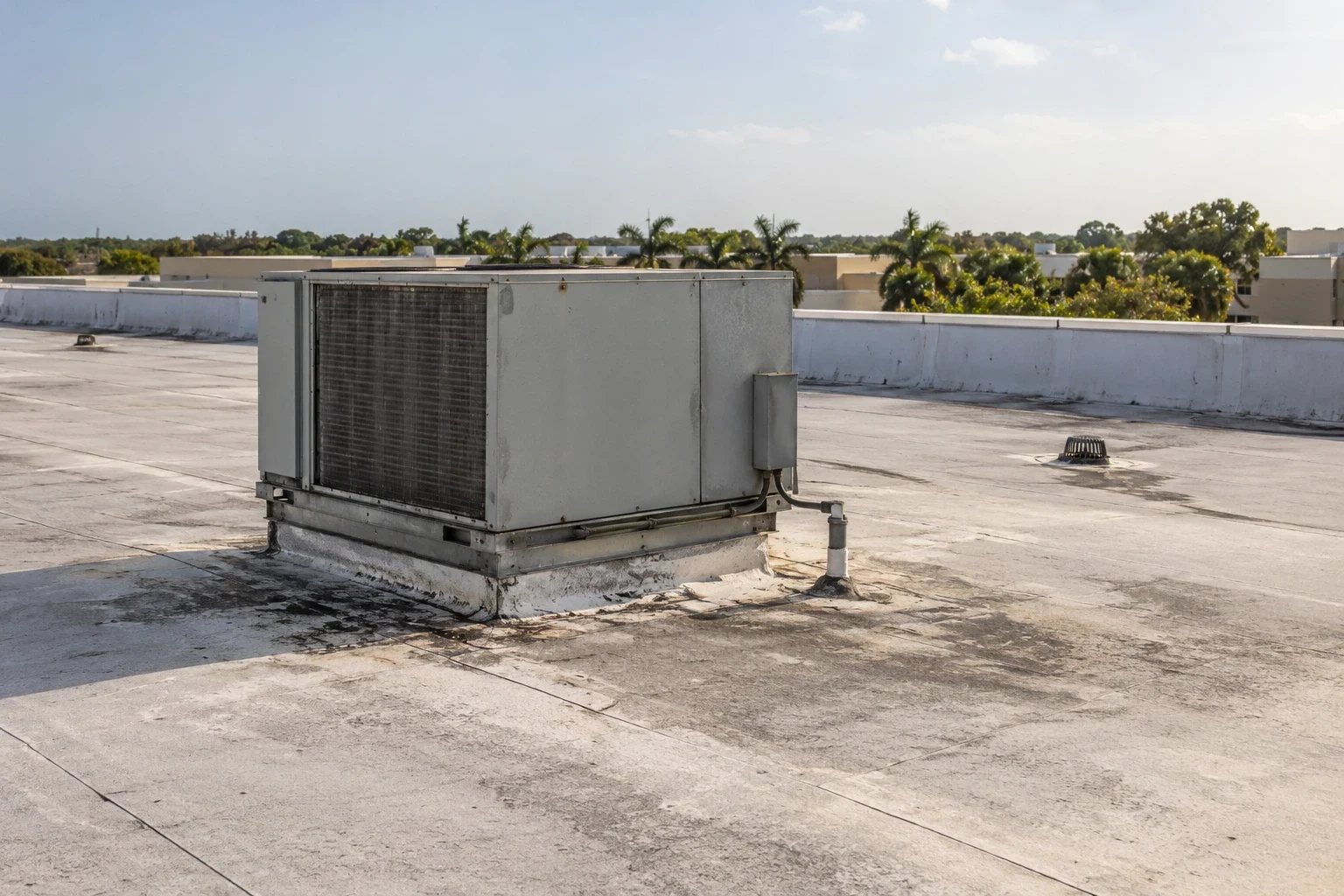
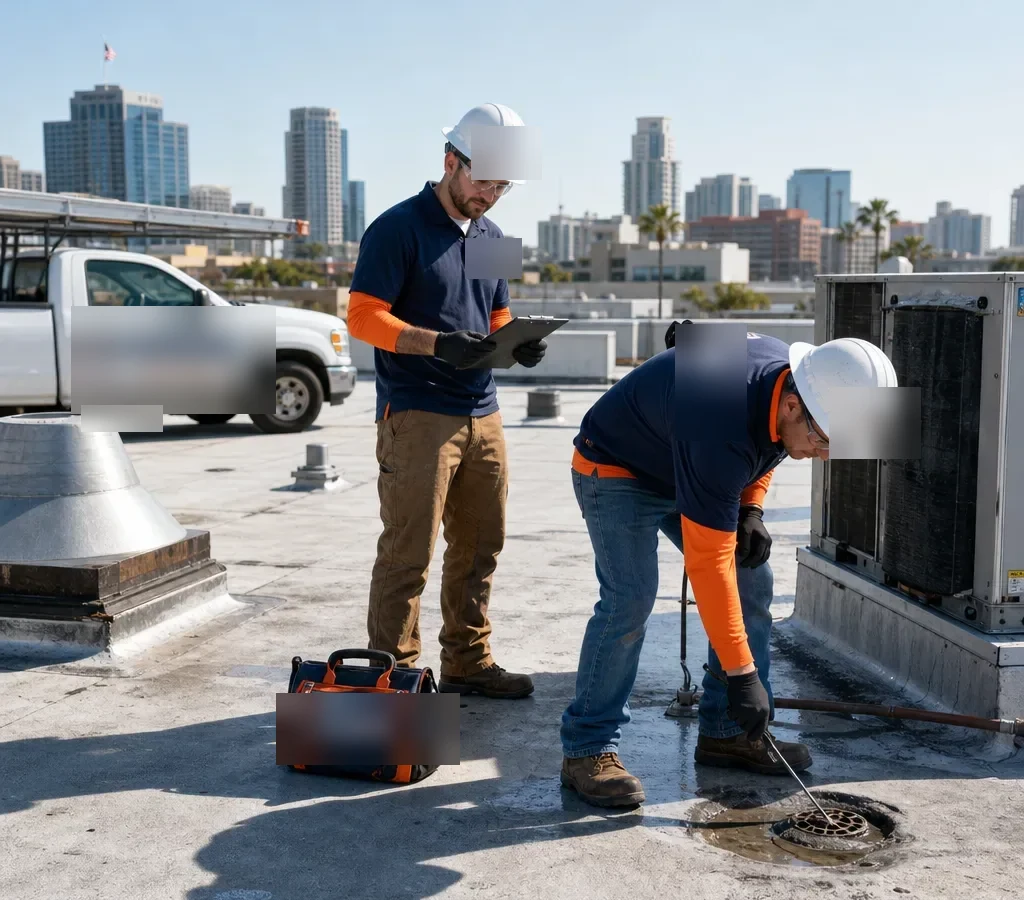
We begin with available drawings, maintenance logs, service calls, prior bids, warranty records, and access to the roof and interior. The review identifies what is visible, which areas could not be reached, and whether a test or opening is needed before the buyer relies on a scope. Each observation belongs to a roof zone, with a date, photograph, and description of its relation to drains, seams, curbs, walls, and occupied space. A roof due-diligence survey can turn that material into a decision file.
The acquisition team can then separate near-term repair candidates from capital work that needs design or broader evaluation. If seller records show a past patch, we check the surrounding assembly instead of assuming the same detail remains stable. A commercial roof inspection should state its limits and open questions. The buyer sees what the field review supports, what an estimate assumes, and what remains outside the authorized work. That distinction matters when the model, purchase agreement, and first-year maintenance budget use different assumptions.
More on Real Estate Investors
The sections below cover the questions property teams ask before they approve the work.
How can assets be compared without flattening them?
Portfolio comparison works when the same categories are recorded separately for every asset: apparent system, roof area reviewed, visible conditions, drainage, equipment, repair history, access, and recommended follow-up. A warehouse and a retail property may share a membrane type but carry different interior exposure and work windows. We keep photos and repair boundaries tied to each address, then summarize recurring issues without treating one property as evidence about another. A portfolio record can support ongoing operations, while roofing for manufacturers must account for production limits.
Cost comparison should disclose the assumptions behind each estimate. Tear-off depth, insulation replacement, curb work, edge metal, moisture testing, disposal, and temporary protection can change the package. We identify allowances and exclusions instead of assigning one assumed allowance across every location. A multi-site roof program can sort work by approval window or asset priority while keeping each asset’s condition record separate. The investor can then compare repair, recover, and replacement paths with a clearer view of what each price includes.
Which roof findings change the capital sequence?
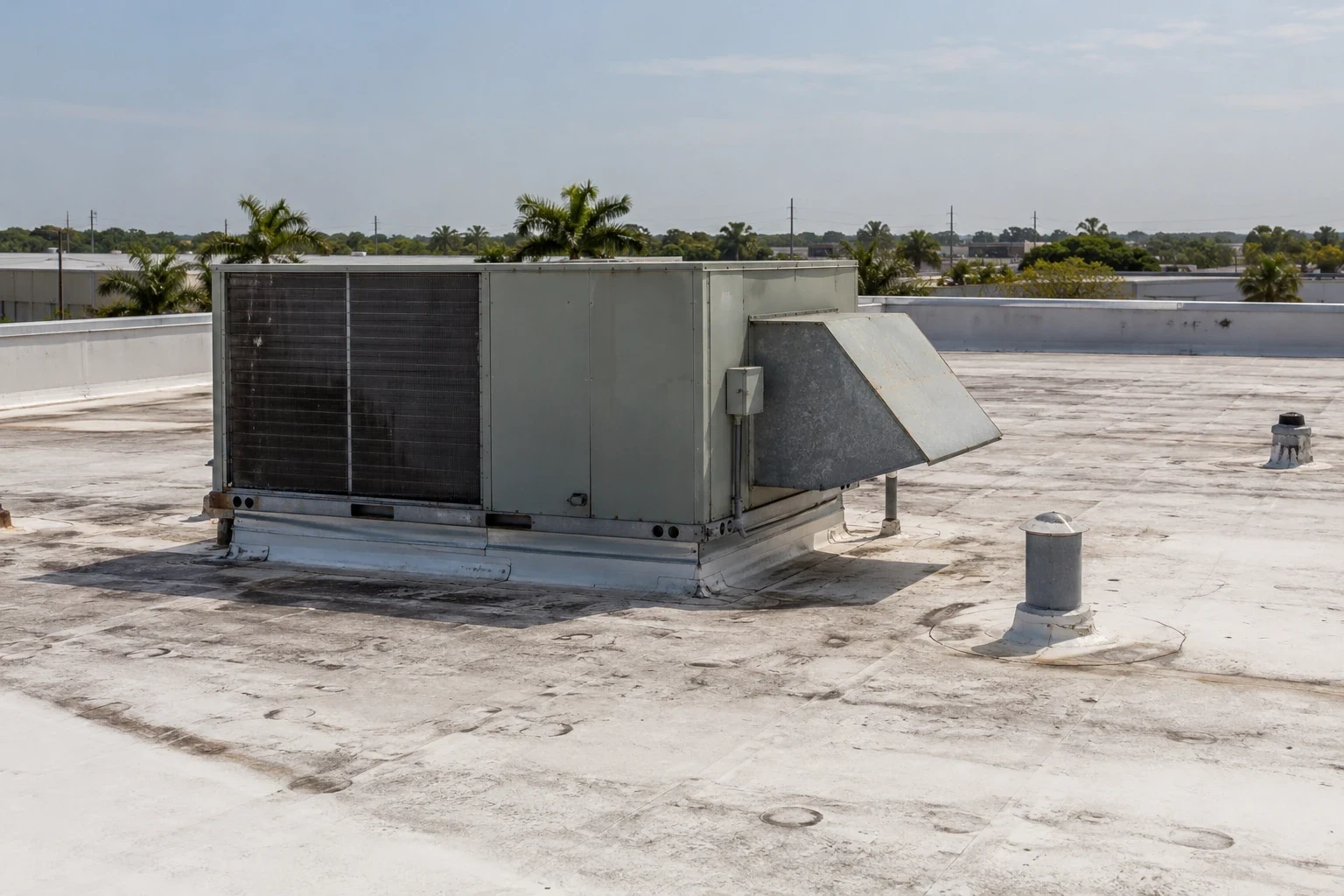
Repeated seam failure, wet insulation, deteriorated edge conditions, widespread surface wear, and drainage that cannot be corrected within a narrow patch can expand a repair boundary. We record the evidence by roof area and identify whether testing or a design review is needed before pricing a larger package. The owner can compare a defined repair with a replacement option using the same access and protection assumptions. A capital-planning review can sequence those decisions without representing that a specific roof will last a set number of years.
The regional network includes the Palmetto Expressway and Florida Turnpike alongside I-95, with rail access via the Florida East Coast Railway and Tri-Rail. We map each property's gate, staging area, tenant hours, and permitted work window before assigning a delivery sequence. The roof-area cost model records any equipment move or approval that could change the comparison, so investors see where the schedule remains conditional. The estimate separates a defined repair, testing allowance, and replacement basis so properties can be compared on consistent assumptions.
Industries We Work With
Owners and operators in these fields rely on us to plan roof work around their buildings.
Coordinate healthcare roof work in Miami Gardens, FL around patient routes, critical rooms, equipment, infection controls, and documented approval windows.
Coordinate 3PL roof work in Miami Gardens, FL around dispatch cycles, dock access, inventory protection, equipment routes, and phased closeout.
Plan school district roof work in Miami Gardens, FL around student routes, athletic spaces, summer windows, classroom protection, and board approvals.
Coordinate portfolio roof work in Miami Gardens, FL with area records, access windows, repair priorities, and approvals that keep each asset distinct.
Related Roofing Work
Other pages that cover the same roof question.
Roof leaking now? Call 555-555-5555 and we will send a crew to look at it.
How should South Florida rain enter underwriting?
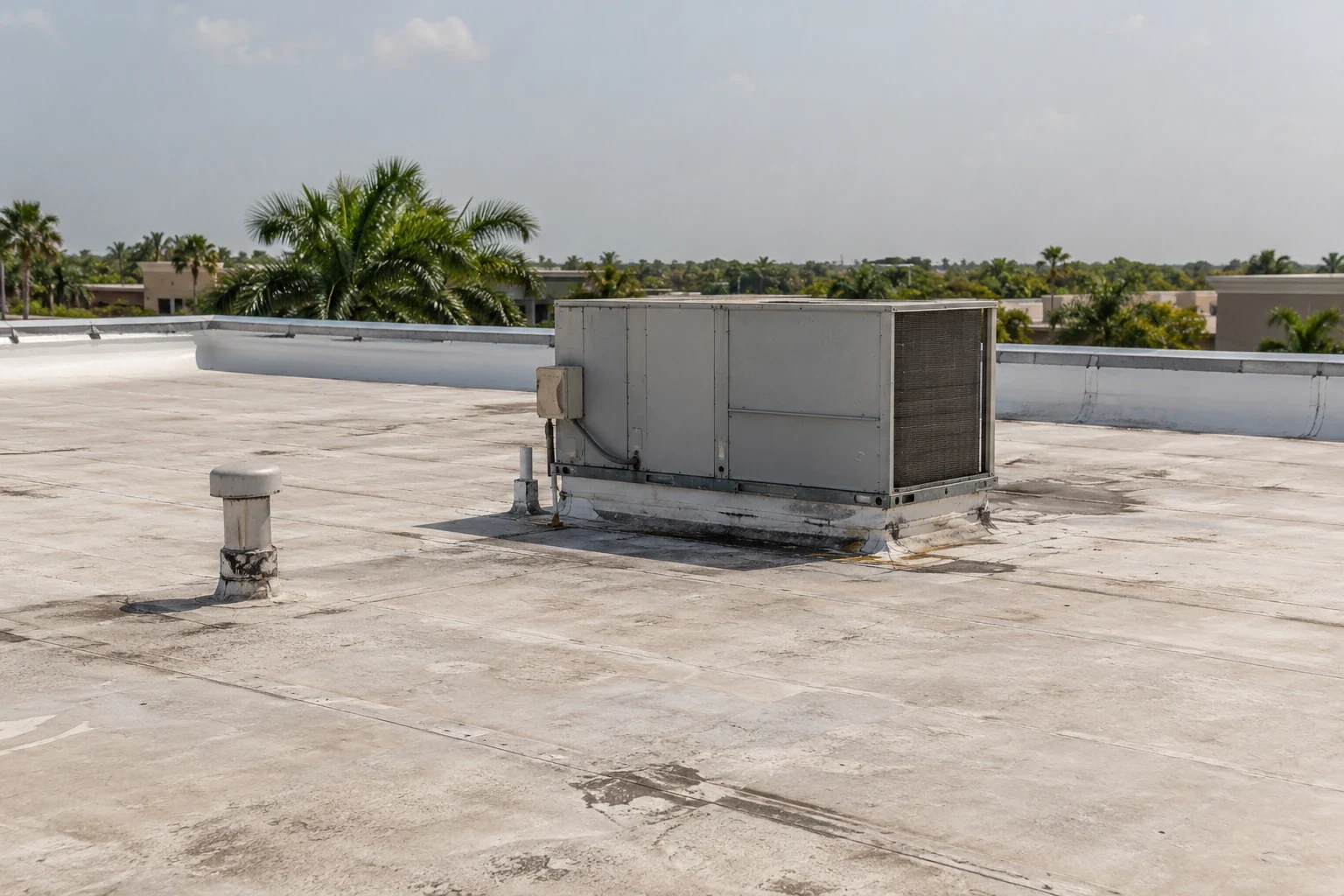
South Florida receives 60 to 70 percent of its average annual rainfall during the May 15 through October 15 wet season. Severe impacts, including damaging wind, tornadoes, hail, and flooding, are most likely in the stormiest mid-May to early-July window. This regional context supports careful review of drainage, edge details, temporary protection, and repair history. After a reported event, we inspect each property and document conditions before revising its work package. Field evidence and dated maintenance records remain the basis for a property-level scope.
Underwriting should distinguish a current defect from a reserve for future work. We document active water entry, visible deterioration, and unresolved testing separately, then provide photos and scope assumptions for the owner’s review. When tropical systems influence South Florida rainfall, we check the short-range forecast and secure each open roof zone before the crew leaves. A storm-related roof assessment records actual conditions after an event; it should not import damage claims from another parcel or city into the asset file.
What supports a system and approval decision?
Assembly selection depends on deck, slope, existing layers, moisture, attachment, fire criteria, wind design, drainage, and equipment interfaces. A recover may be considered only after the existing roof is evaluated for condition, compatibility, and added thickness. Replacement can require insulation, cover board, membrane or metal, flashing, edge details, and coordinated equipment work. A PVC system and a modified-bitumen assembly use different construction details; the design team confirms what the property specification requires.
Miami-Dade and Broward counties are together within Florida’s High Velocity Hurricane Zone. Check required approved assemblies and HVHZ provisions when preparing a roofing submittal. As of October 18, 2026, the Eighth Edition of the Florida Building Code remains current, and The Ninth Edition takes effect December 31, 2026. The permit team confirms the edition applicable to the submittal date. A replacement scope should keep product documents, approvals, and design decisions visible in the diligence file.
How should the roof file support a later sale?
A durable property file includes the roof-area map, dated inspection photographs, completed repairs, installed-product records, approved changes, and remaining recommendations. We group closeout notes by building and identify which item is complete, open, or due for follow-up. If the asset manager changes, the next reviewer can trace the scope without relying on a verbal handoff. A condition report gives the investment team a consistent record while preserving the specific field evidence behind a portfolio summary.
Opa-locka’s redevelopment framework includes commercial and mixed-use initiatives across designated districts, and Miami Lakes’ planning framework integrates commercial, industrial, and residential uses. Nearby business-park and redevelopment activity gives a portfolio a broader commercial context, while inspections, access windows, and repair boundaries stay specific to each asset. The investor retains a property-specific maintenance plan and updates it after each repair or inspection. That record supports future budgeting, buyer diligence, and the next capital decision with observations that can be checked against the building.
Build a roof diligence file
Send available plans, repair history, prior estimates, access details, and the acquisition or budget timeline. We will review the field evidence and return separate roof-area findings and scope assumptions.
Questions About Real Estate Investors
Can a roof allowance be used without an inspection?
An allowance can be carried as an assumption, but the diligence file should state what supports it and what remains unknown. We can review visible conditions and identify testing or access needed to refine the scope.
How do you compare repair and replacement budgets?
We state the observed condition, work boundary, materials, access, protection, and exclusions for each option. That lets the investor compare packages with the same property constraints.
Can one roof condition score represent several buildings?
A summary can group priorities, but photographs, findings, and approvals stay with each roof. Separate records keep a recurring issue visible without assigning one asset’s condition to another.
Which permit edition should the project budget use?
The design and permitting team confirms the edition for the submittal date. Carry the December 31, 2026 code transition date in the project assumptions.
What records should transfer with the property?
Keep inspection notes, roof-area photos, repair invoices, product documents, signed changes, and maintenance recommendations together. The buyer can then distinguish completed work from open items.