Emergency Commercial Roof Repair in Miami Gardens, FL
Commercial Roofing Services
Arrange emergency roof repair in Miami Gardens, FL with active-water control, temporary protection, access planning, and permanent repair follow-through.
Emergency Commercial Roof Repair Overview
South Florida’s wet season, May 15 to October 15, accounts for 60 to 70 percent of average annual rainfall, so an emergency scope separates immediate protection from permanent repair. In Miami Gardens, our around-the-clock crew records the active roof zone, access route, and approval contact before setting the next work window from current site conditions.
What needs attention before the crew reaches the roof?
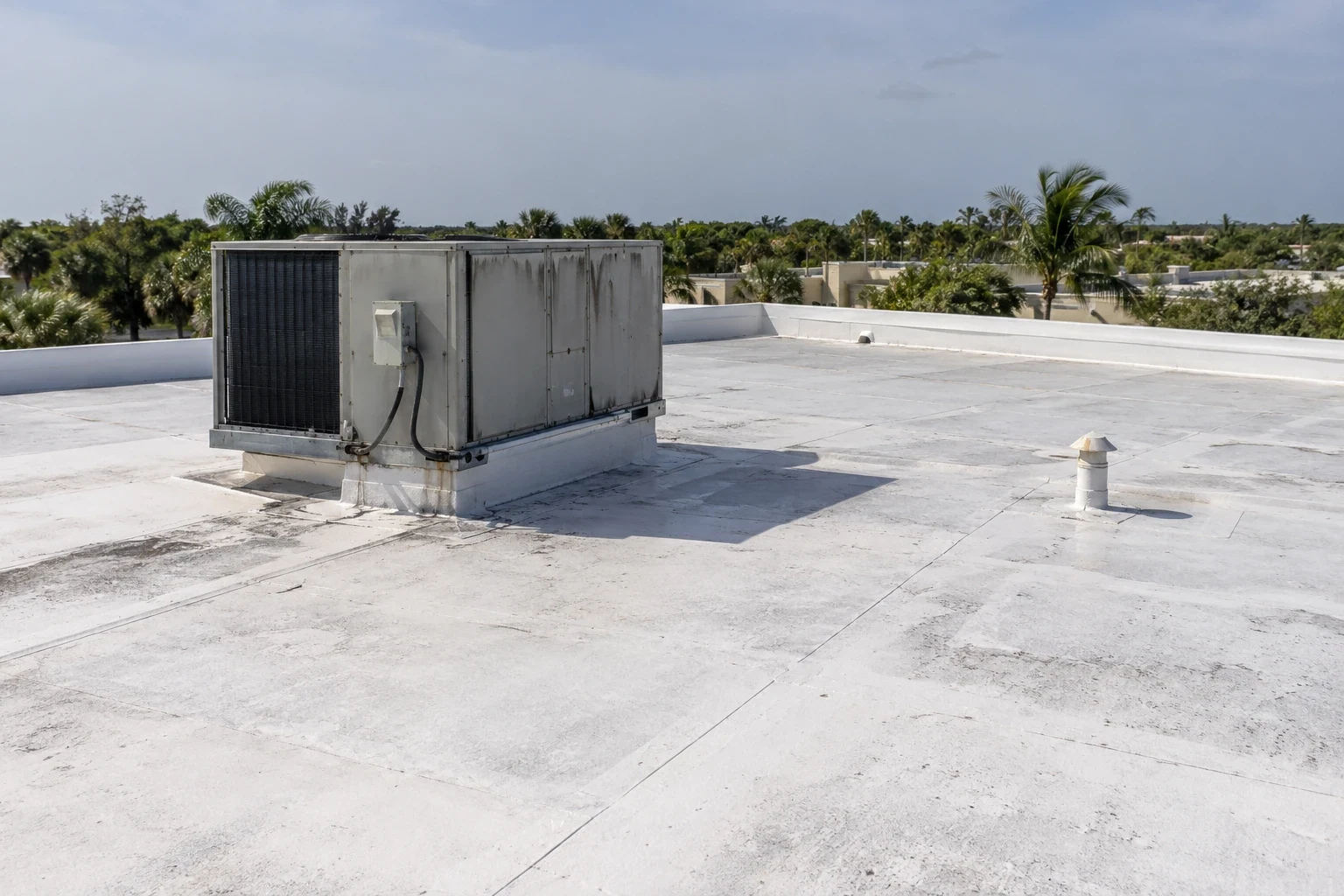
The site team should protect people and move vulnerable equipment or inventory away from active water where it can do so safely. Share the affected rooms, leak timing, weather conditions, roof plan, and access contact. We ask whether power, HVAC, or other operations are affected and what routes must remain clear. Those details help dispatch select tools, temporary materials, and a safe approach.
Miami Gardens has commercial activity near the Palmetto Expressway and the U.S. 441 automobile-trade corridor, where vehicle flow and customer access can shape staging. We confirm the actual loading and parking limits at the property before bringing materials onto the site. If a project team manages facilities in Miramar as well, we build separate access and call records for each building rather than assume the same response path.
For active water, our commercial leak response begins with tracing the likely roof entry and protecting the interior. A hands-on inspection can follow when conditions permit. The crew records the initial condition and any immediate hazard so the general contractor can coordinate building staff and other trades.
More on Emergency Commercial Roof Repair
The sections below cover the questions property teams ask before they approve the work.
How is the building protected during an emergency?
We choose a temporary measure that suits the exposed area, current weather, and roof assembly. That may mean securing a compatible patch, covering a damaged section, or closing a seam or flashing detail until permanent materials are ready. Temporary protection is documented separately from the final repair. The work notes identify what remains exposed, who has been notified, and when a return visit should occur.
When dispatching through the rainy stretch, we account for South Florida’s May 15 to October 15 wet season, when 60 to 70 percent of typical yearly precipitation occurs. Humidity and heat also support near-daily showers and thunderstorms across the peninsula. We keep each opening within the forecast window and stage compatible temporary cover before exposing the assembly. We base the emergency work on observed roof conditions and current weather, then plan the permanent repair after field review.
When the roof cannot be safely reached or conditions make a repair unsuitable, we protect the interior and set a follow-up window. We explain the limit in practical terms, such as the area that remains exposed or the next inspection needed. The owner receives photos and a concise record of the measure installed. If a broad area is involved, a storm damage roof review can define the next work package after the event.
What happens during the first roof review?
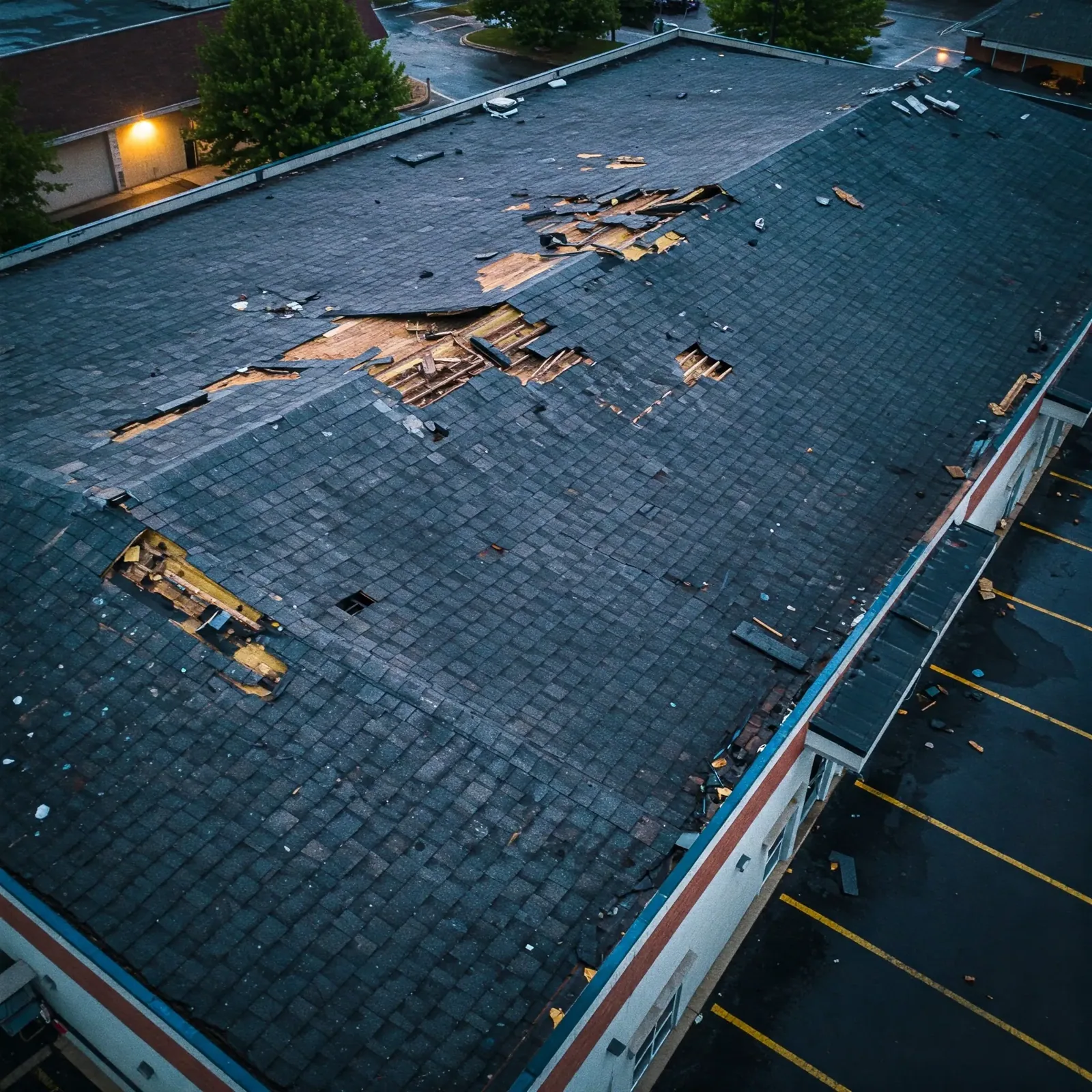
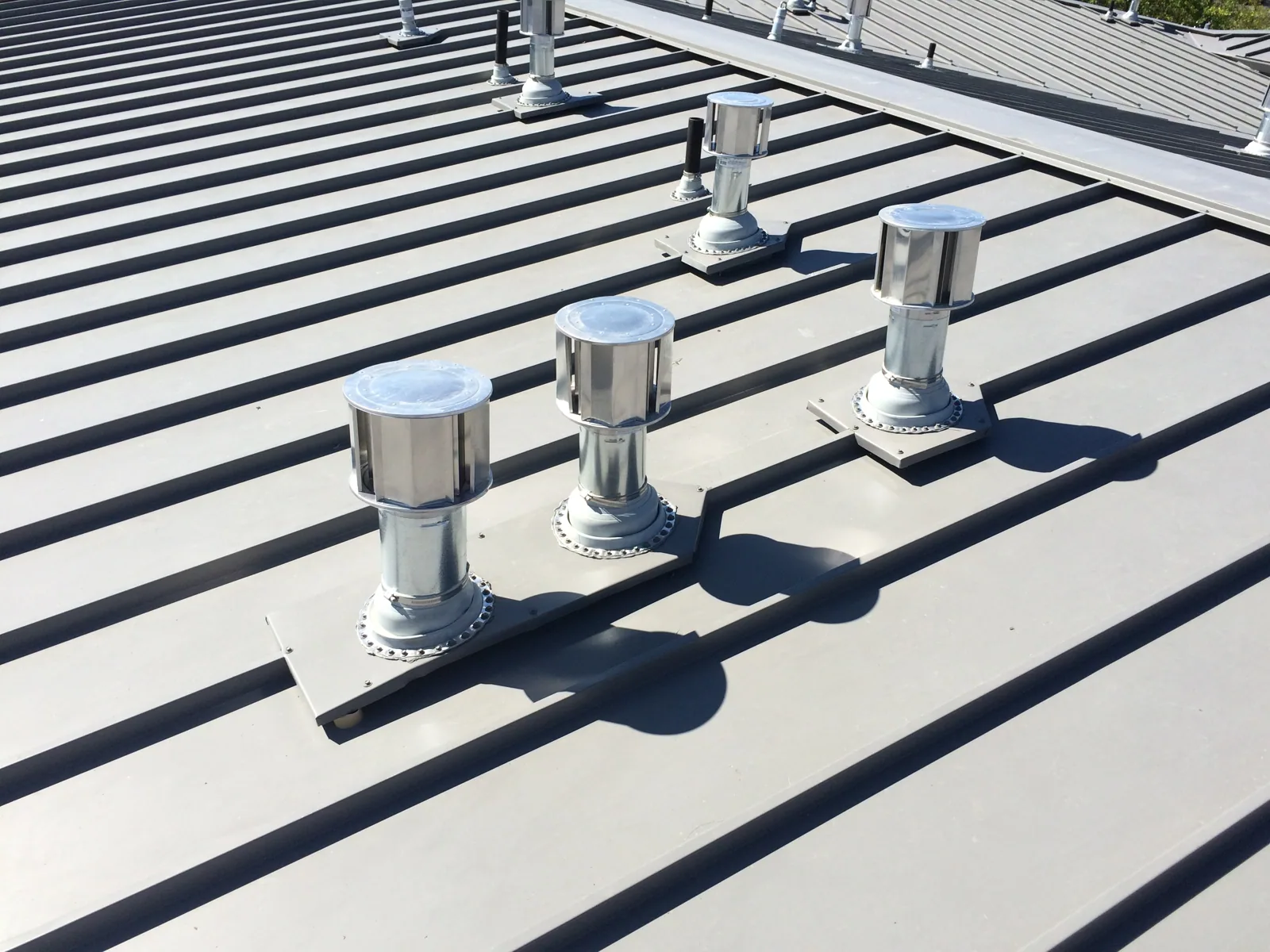
The crew checks the damaged area, surrounding seams, edges, flashing, penetrations, and drainage before setting the emergency repair boundary. Water can travel beneath the surface, so we compare interior reports with roof evidence and inspect adjacent details. We photograph the initial condition and note any area that needs a closer review. The general contractor can use those findings to approve a temporary measure or the next scope.
Damaging wind, tornadoes, hail, and flooding are among severe-weather impacts most likely in South Florida during the stormiest mid-May to early-July period. We use that seasonal window to prioritize a timely field review and set the initial repair sequence. We document visible damage at the property and keep the event context separate from findings. For code or product questions, the project team reviews requirements that apply to the assembly and permit.
Miami-Dade and Broward counties are within the High Velocity Hurricane Zone definition under county code. If emergency work affects an assembly or perimeter detail, we coordinate the applicable product information and design review with the project team. Our condition report records the affected area, temporary work, photos, and follow-up item so the owner has a clear handoff after the first response.
Industries We Work With
Owners and operators in these fields rely on us to plan roof work around their buildings.
Coordinate healthcare roof work in Miami Gardens, FL around patient routes, critical rooms, equipment, infection controls, and documented approval windows.
Coordinate 3PL roof work in Miami Gardens, FL around dispatch cycles, dock access, inventory protection, equipment routes, and phased closeout.
Plan school district roof work in Miami Gardens, FL around student routes, athletic spaces, summer windows, classroom protection, and board approvals.
Coordinate portfolio roof work in Miami Gardens, FL with area records, access windows, repair priorities, and approvals that keep each asset distinct.
Related Roofing Work
Other pages that cover the same roof question.
Roof leaking now? Call 555-555-5555 and we will send a crew to look at it.
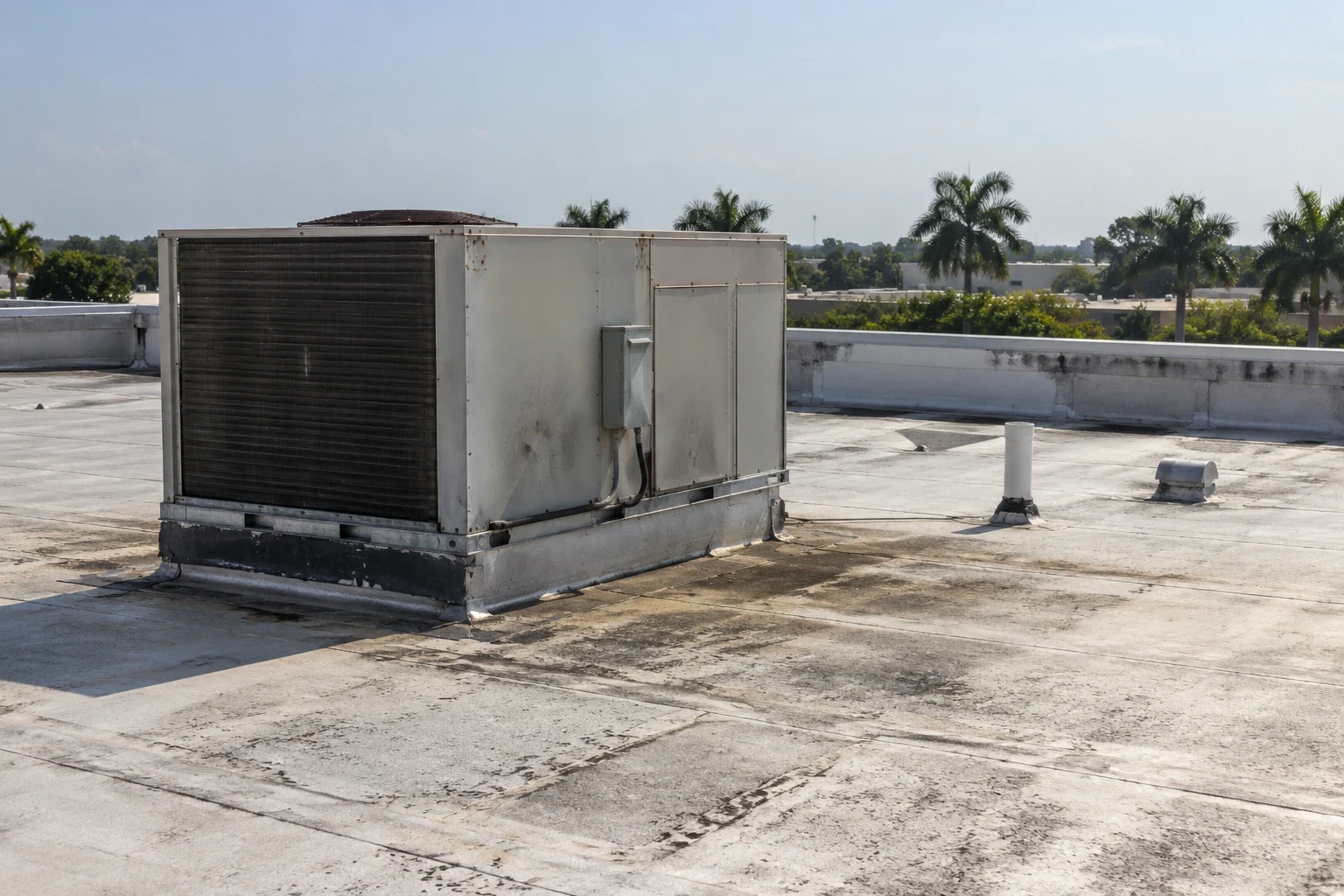
How is temporary work converted to a permanent repair?
After the immediate exposure is controlled, we check moisture around the damaged area and determine whether the temporary material can remain until permanent repair. The final scope may include membrane replacement, seam welding, flashing reconstruction, edge-metal repair, or insulation and deck work. We identify the boundary and material compatibility before the crew returns. Any concealed condition uncovered during removal is photographed and presented for approval.
Cost and schedule depend on access, weather, material availability, repair depth, interior protection, and whether other trades need to clear equipment or pathways. We state those drivers clearly rather than treat every emergency as the same call. If the roof has repeated failures or broad moisture, we compare the emergency repair with a larger planned repair scope or a capital project.
Completion notes identify what was permanently repaired, what temporary material was removed, and what remains for monitoring. We also provide recommendations for checking the surrounding details after the next rain. A maintenance inspection can incorporate the repaired seam or flashing into the next roof-area record, helping the property team track a follow-up item instead of restarting the investigation.
How does the project team keep the response moving?
One site contact should be able to confirm roof access, interior priorities, and work-hour constraints. The general contractor can share the roof plan, current site schedule, repair history, and any active permit or trade coordination. We mark the work zone, staging location, and approval point before the crew begins. When the roof has multiple levels or occupied areas, the access sequence is confirmed with the property team.
Miami Gardens identifies I-95, State Road 826, the Florida Turnpike, and rail service as regional connections. That context supports the area’s commercial and distribution activity, but a response route and arrival window are set with the specific site. We confirm loading limitations, vehicle clearance, and any escort or safety procedures before dispatch. For a property in nearby Hialeah, we confirm its access conditions with the site contact and keep that emergency record separate.
For emergency work in the Miami Gardens commercial roofing service area, we confirm the property access and response plan with its site contact. Share the reported location, access instructions, photos, and the person authorized to approve temporary protection. We will confirm the crew’s work area and document the first response, then set the return visit for permanent repair or additional inspection as conditions require.

Arrange emergency roof protection
Call with the affected area, roof access contact, photos, operating limits, and approval contact. We will confirm a response plan, stabilize active exposure where conditions permit, and document the permanent repair follow-through.
Questions About Emergency Commercial Roof Repair
Can you respond overnight or on a holiday?
Emergency response is available around the clock, all week and on holidays. We confirm site access, the affected area, and the person who can approve temporary protection before dispatching the crew.
What should we send before the crew arrives?
Provide the roof plan if available, leak location, recent photos, access instructions, operating limits, and contact information for the site approver. Those details help us stage safely and protect the right area.
Will the emergency crew complete the permanent repair on the first visit?
The first visit focuses on safe access and controlling active exposure. Permanent work depends on the assembly, weather, material needs, and any concealed damage, so we document the remaining scope and arrange a return when it can be completed properly.
How do you protect a building while water is entering?
We coordinate interior protection with the site team, inspect the roof opening, and apply a temporary measure suitable for the conditions. The report states the area covered and any limit that needs a follow-up visit.
What if the leak returns after temporary dry-in?
We compare the new report with the photos and work notes, then inspect the temporary measure and surrounding details. The return visit clarifies whether the protection shifted, another entry point is involved, or a broader repair boundary is needed.