
Drone Roof Inspection in Miami Gardens, FL
Commercial Roofing Services
Use drone roof imaging in Miami Gardens, FL to document broad or hard-to-reach areas, flag follow-up points, and coordinate hands-on inspection safely.
Drone Roof Inspection Overview
Drone images help the project team see broad roof areas without sending a person across every surface. In Miami Gardens, FL, we use aerial imaging to document visible conditions, map access questions, and identify places for hands-on review. The images can support a repair or capital discussion, but they do not reveal concealed moisture or confirm every seam. We tie each observation to a roof area and set the next inspection step with the general contractor.
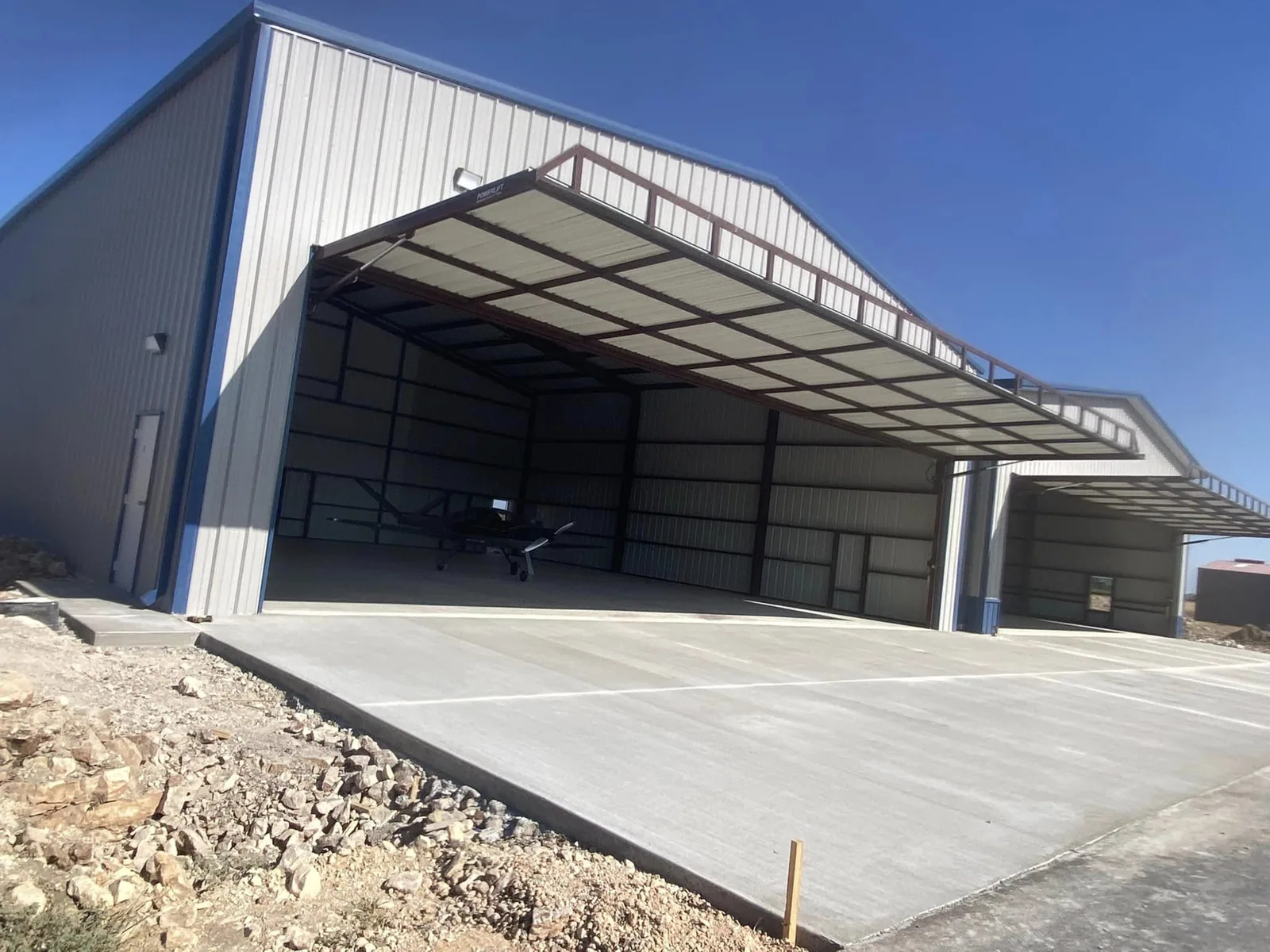
Which areas benefit from aerial imaging?
Drone capture can help when the roof is extensive, sections are separated by equipment, or safe walking access is limited. We plan the flight around the property layout and identify the edges, penetrations, drains, and equipment fields that need documentation. Images are organized by area so the owner can compare visible conditions. Any section that cannot be observed clearly stays on the follow-up list.
Miami Gardens planning reviews commercial, industrial, and mixed-use properties. Furniture-oriented shopping near the Palmetto Expressway and automobile trade along U.S. 441 are distinct Miami Gardens commercial contexts. Before imaging, we confirm the specific property’s roof layout, customer access, and launch and landing area with the site contact.
For a property portfolio that includes Hialeah manufacturing or retail locations, separate image sets make site-to-site comparisons useful without suggesting that the roofs share an assembly. We can pair aerial images with a hands-on commercial inspection where details need direct review. A written condition report records the image location, visible concern, and action needed next.
More on Drone Roof Inspection
The sections below cover the questions property teams ask before they approve the work.
What can an image establish?
Aerial views show visible surface conditions such as displaced components, debris, ponding indicators, and the general arrangement of equipment. They cannot establish what is beneath a membrane, whether insulation is wet, or how an attachment performs. We label the observation as visual evidence and recommend direct review where the repair decision depends on concealed construction. That distinction keeps a photo from being treated as a full diagnosis.
When an image suggests moisture or an open detail, we can arrange an infrared moisture survey, core sampling, or a closer hands-on inspection. Each method answers a different question. Infrared patterns guide confirmation but do not identify the leak path by themselves; a core cut can show layers at the sample location but does not represent the entire roof. We document methods and limits in the same roof-area record.
South Florida’s wet-season humidity and heat support frequent peninsula-wide showers and storms. We set the capture window against the short-range forecast and confirm wind, precipitation, visibility, and roof access on the day. If those conditions would prevent useful images or a safe flight, we reschedule the capture and preserve the inspection sequence.
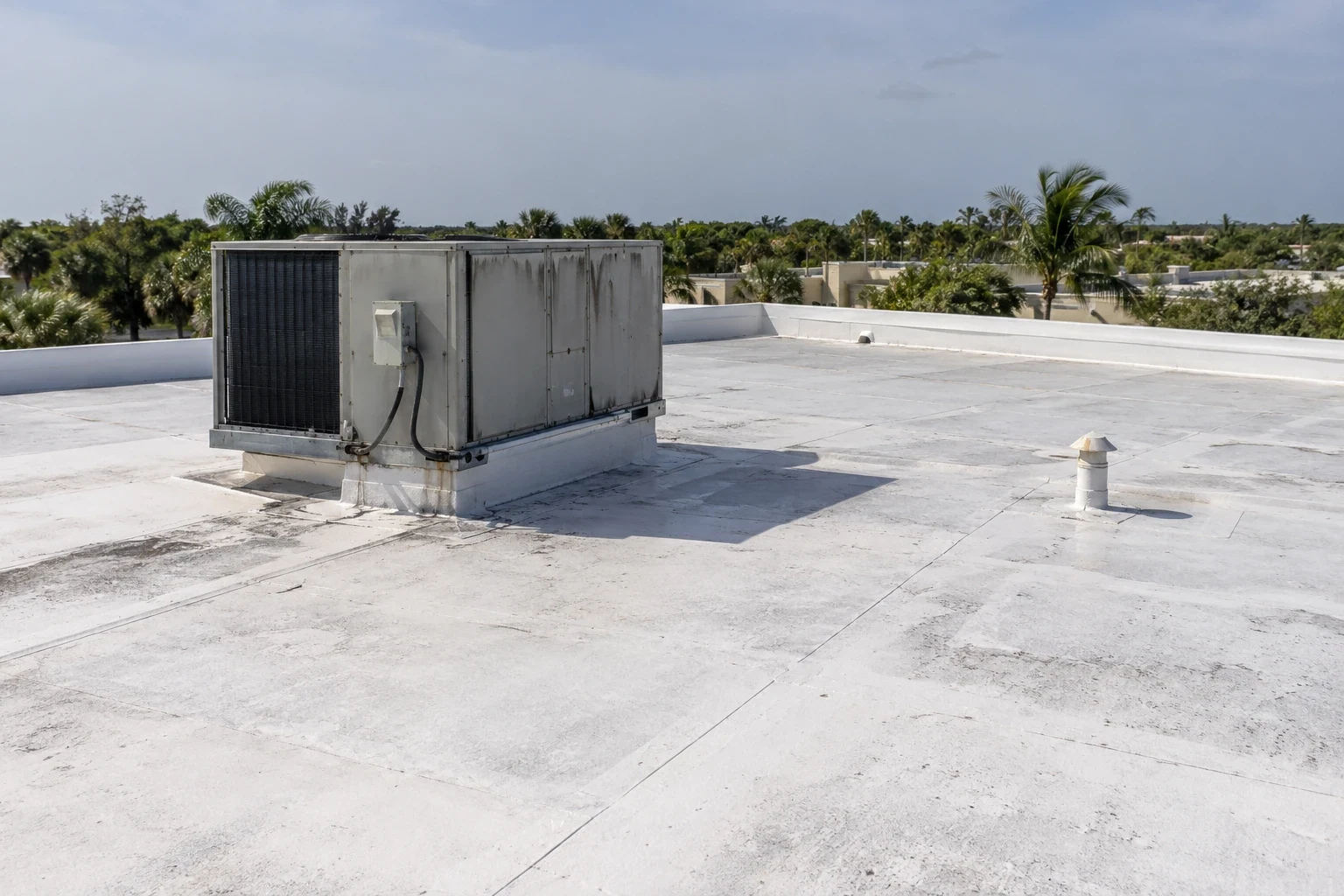
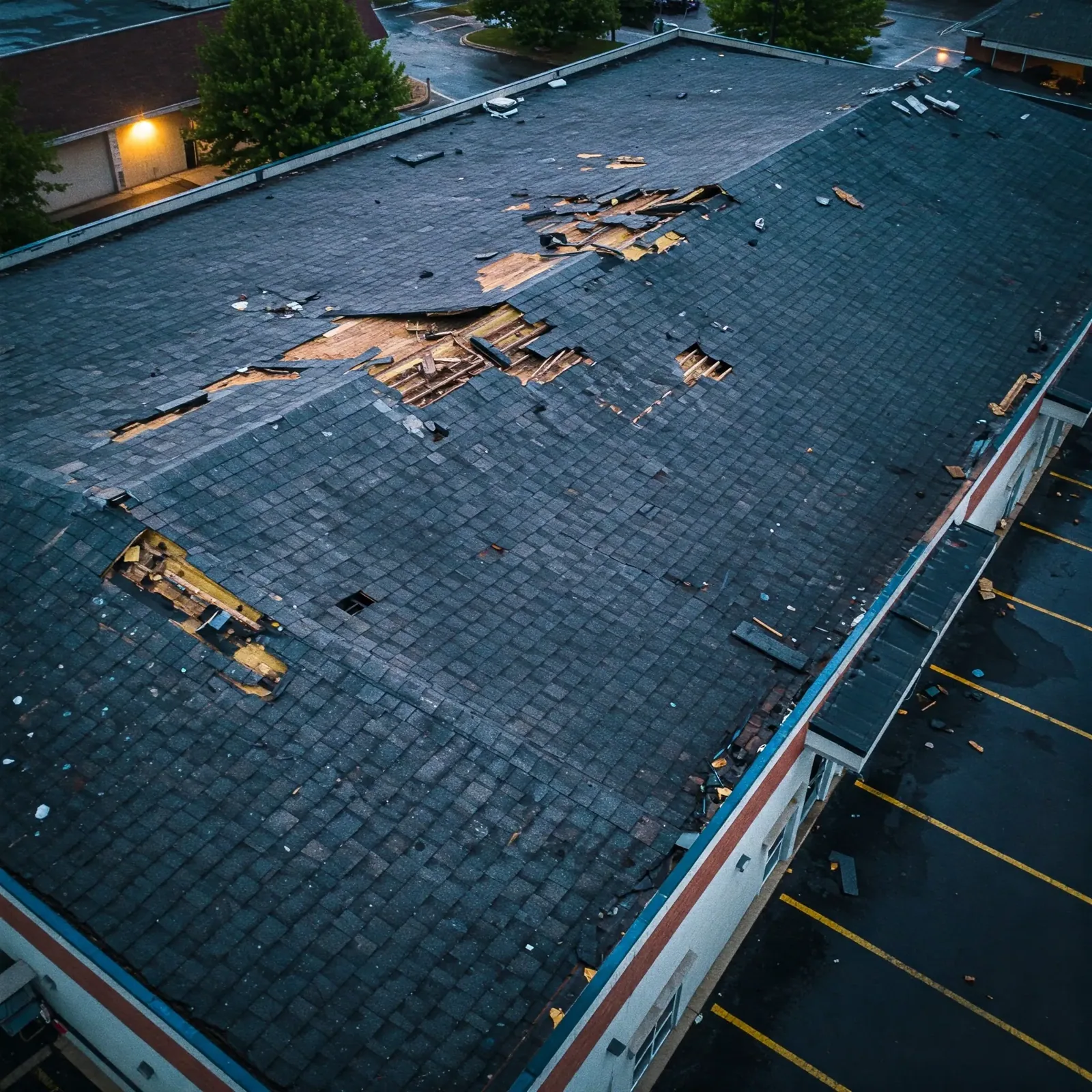
How does drone work fit a roof project?
Before capture, we agree on the question the owner needs answered: broad condition mapping, access planning, a storm documentation record, or a closer look at a specific roof zone. We define the image areas, identify no-fly or site restrictions that apply, and coordinate with the property contact. The general contractor confirms access and activity below the proposed flight path. We label the image set by roof area and the decision it supports.
Miami-Dade’s county code gives the Florida Building Code an area-wide role and supplies its own administration, enforcement, and product-approval provisions. Drone imaging does not determine whether an assembly meets code or product approval. If the project involves work on a roof system or perimeter detail, the design team confirms the required documents and inspection path. We can supply marked images and Diligence Notes for that review.
The imagery may help contractors plan material movement around a large roof and estimate which areas need direct access. It can also provide a baseline for later comparison. We avoid describing unseen roof construction based on the exterior of the building or the size of an employer. The report names observed features, approximate location, image date, and recommended follow-up only.
Industries We Work With
Owners and operators in these fields rely on us to plan roof work around their buildings.
Coordinate healthcare roof work in Miami Gardens, FL around patient routes, critical rooms, equipment, infection controls, and documented approval windows.
Coordinate 3PL roof work in Miami Gardens, FL around dispatch cycles, dock access, inventory protection, equipment routes, and phased closeout.
Plan school district roof work in Miami Gardens, FL around student routes, athletic spaces, summer windows, classroom protection, and board approvals.
Coordinate portfolio roof work in Miami Gardens, FL with area records, access windows, repair priorities, and approvals that keep each asset distinct.
Related Roofing Work
Other pages that cover the same roof question.
Roof leaking now? Call 555-555-5555 and we will send a crew to look at it.
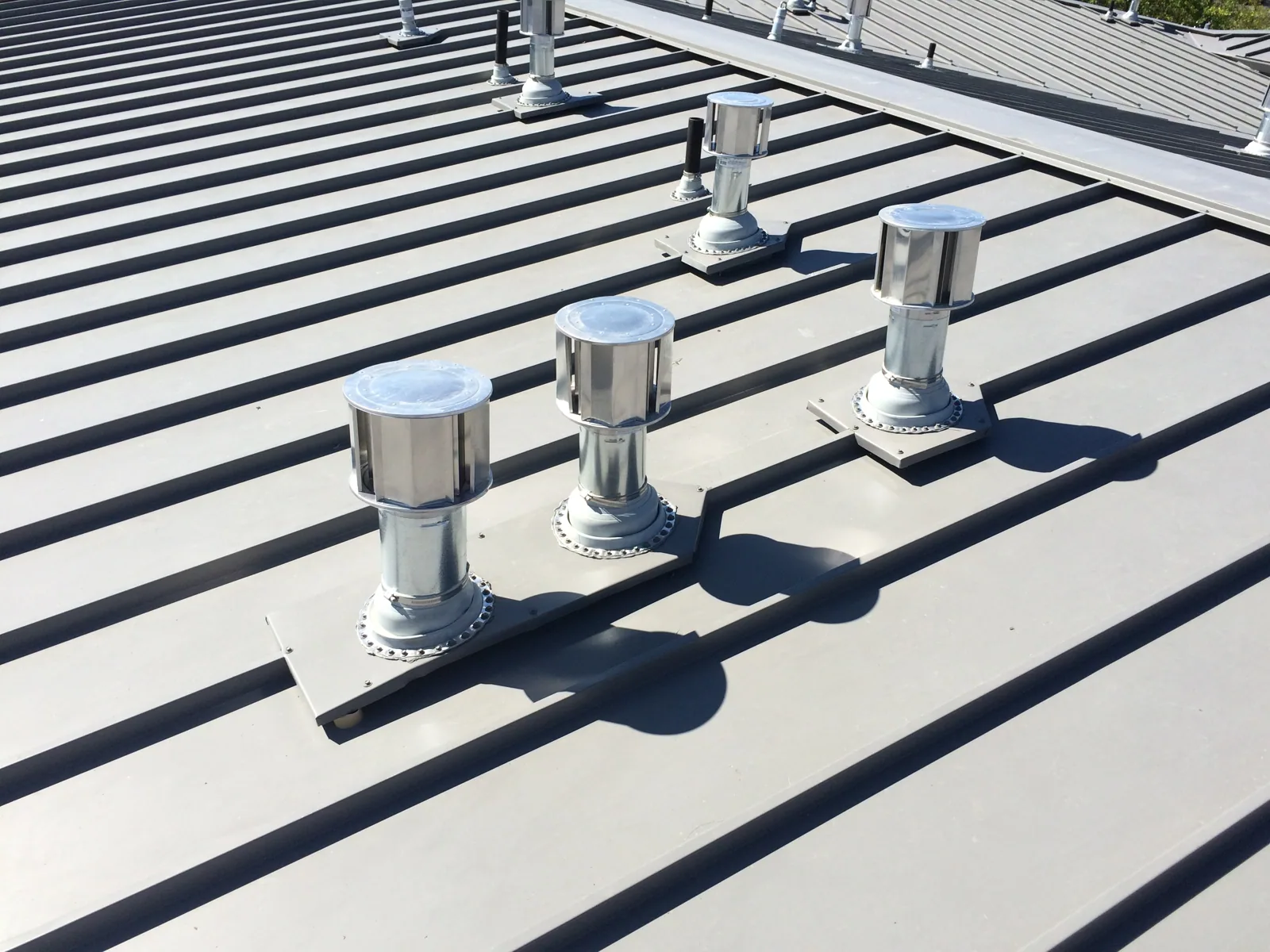
How do nearby properties shape the schedule?
Miami Gardens identifies major road connections including I-95, State Road 826, and the Florida Turnpike, alongside rail links through the Florida East Coast Railway and Tri-Rail. Those routes support regional commercial activity, but staging and arrival still depend on the individual property’s rules. We confirm parking, equipment loading, roof access, and operations before setting a capture window. A site-specific plan protects the business below and supports a usable image set.
Miramar includes employment centers, corporate parks, retail, and restaurants, each with its own operating pattern. If a contractor coordinates imaging in both Miramar and Miami Gardens, we create separate location notes, access windows, and image records. The roof itself, not neighboring building use, determines which details need hands-on review. This keeps portfolio comparison grounded in the photographed property.
South Florida's strongest severe-weather exposure runs from mid-May to early July, when flooding, hail, tornadoes, and damaging wind are most likely. During that window, we prioritize a timely image review, record visible conditions by roof area, and send suspected openings or damaged details for direct inspection. The report ties each photo to its location and the next repair decision.
What does the project team receive?
The delivery includes organized images, area labels, a concise list of visible observations, and any recommended hands-on follow-up. We note inaccessible areas and conditions that could not be resolved from above. If the owner needs repair pricing, we define the inspection or testing required before the scope is set. That keeps image review, diagnosis, and repair authorization as separate steps.
For a larger roof, the imagery can become part of roof asset management records and a capital sequence. A multi-site roofing program can store consistent area labels across locations while preserving each property’s separate observations. We can also link visible concerns to a planned repair package after hands-on confirmation.
For a commercial roof in Miami Gardens, send a roof plan, access requirements, project purpose, operating schedule, and prior photos. We will confirm whether drone imaging suits the question, organize the capture plan, and identify any roof areas that need a person, infrared review, or core sample before the owner selects a work package.
Before delivery, the project contact should be able to trace each image set to a flight date, roof zone, and agreed inspection question. We flag blurred, obstructed, or inaccessible views rather than describing them as evidence of a defect or clear condition. If the team requests comparison imagery later, use the same area labels where practical and note differences in capture conditions that may limit comparison. Mark every item that needs a person on the roof or a test result before repair pricing. This handoff makes aerial documentation useful to the capital discussion while keeping its limits visible.
Plan a useful aerial roof review
Share roof plans, site access rules, the inspection question, prior photos, and operating limits. We will confirm whether drone capture fits the site, organize roof-area images, and identify direct inspection follow-up.
Questions About Drone Roof Inspection
Can a drone inspection confirm a roof leak?
Images may show visible openings or displaced details, but they cannot trace water beneath the membrane. We compare the images with interior reports and use hands-on inspection or testing where the path needs confirmation.
When is drone imaging useful?
It helps document broad areas or locations where safe walking access is limited. We plan the capture around the project question and record areas that still require direct inspection.
Do aerial images show wet insulation?
No, visible imagery cannot establish concealed moisture. Infrared patterns and selective core cuts may help identify and confirm suspect areas, with each finding recorded at its actual sample or survey location.
What does the general contractor need to arrange?
Provide the roof plan, access rules, site contact, operating hours, staging limits, and any flight restrictions or safety requirements. We coordinate the capture window and confirm the area below stays clear as needed.
Can the images be used to plan a repair?
They can help locate visible concerns and organize the next field review. A hands-on review establishes the repair detail when scope depends on material condition, attachment, moisture, or a concealed water path.