
Auto Dealership Roofing in Miami Gardens, FL
Property Types We Roof
Plan dealership roof repair in Miami Gardens, FL around sales hours, service bays, vehicle displays, and controlled work zones. Review a phased scope.
Auto Dealership Roofing Overview
Inventory movement and service-bay appointments make a dealership roof plan a daily operating decision. For a property in Miami Gardens, FL, we first map showroom hours, vehicle display lanes, customer parking, parts receiving, and the boundaries that cannot shift during a repair. Automobile-related commerce runs along U.S. 441 in Miami Gardens, while nearby Hialeah has manufacturing, retail, and restaurant businesses. That regional context informs logistics, but a field inspection must confirm this building’s roof assembly, drainage, and actual access conditions.
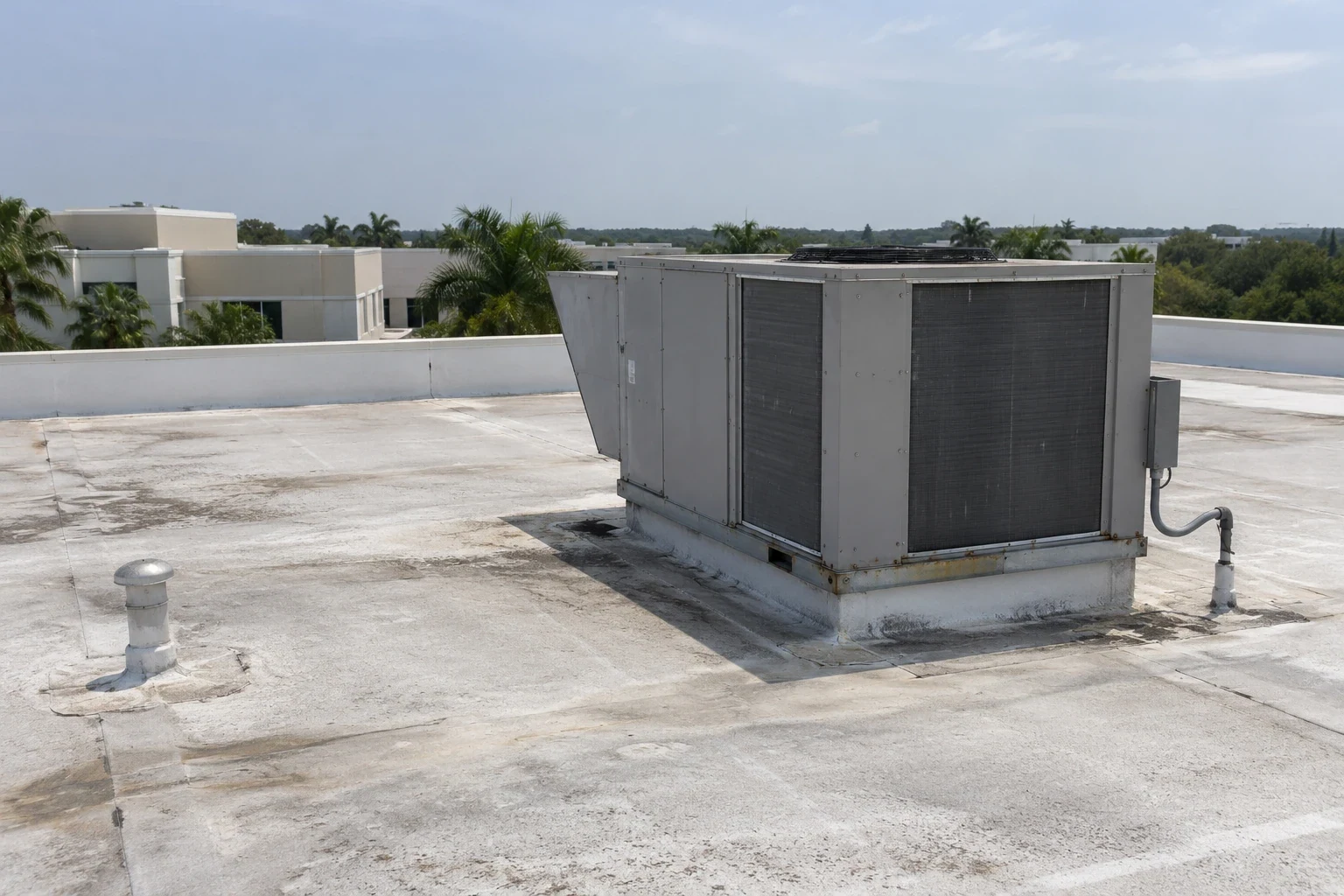
Which dealership functions set the daily boundary?
We separate the roof map into zones that correspond to the property below: showroom, parts department, service drive, repair bays, offices, and any covered delivery lane. The dealer identifies the hours when vehicles arrive, when customer paths peak, and which managers may approve a change. The project lead then marks lift access, material staging, debris handling, and a protected pedestrian route. A written zone plan lets the service manager compare the proposed work with that day’s appointment schedule before crews mobilize.
One uninterrupted roof phase may not suit a dealership that keeps sales and maintenance open at the same time. A short run over office space can have different effects than work over active bays where equipment, vehicle keys, or customer information must remain protected. We test each boundary against the available entrance and the roof details above it. The approved sequence becomes a practical work map, with an identified person who can stop or redirect activity if business operations require an adjustment.
More on Auto Dealership Roofing
The sections below cover the questions property teams ask before they approve the work.
What does the roof review need to verify?
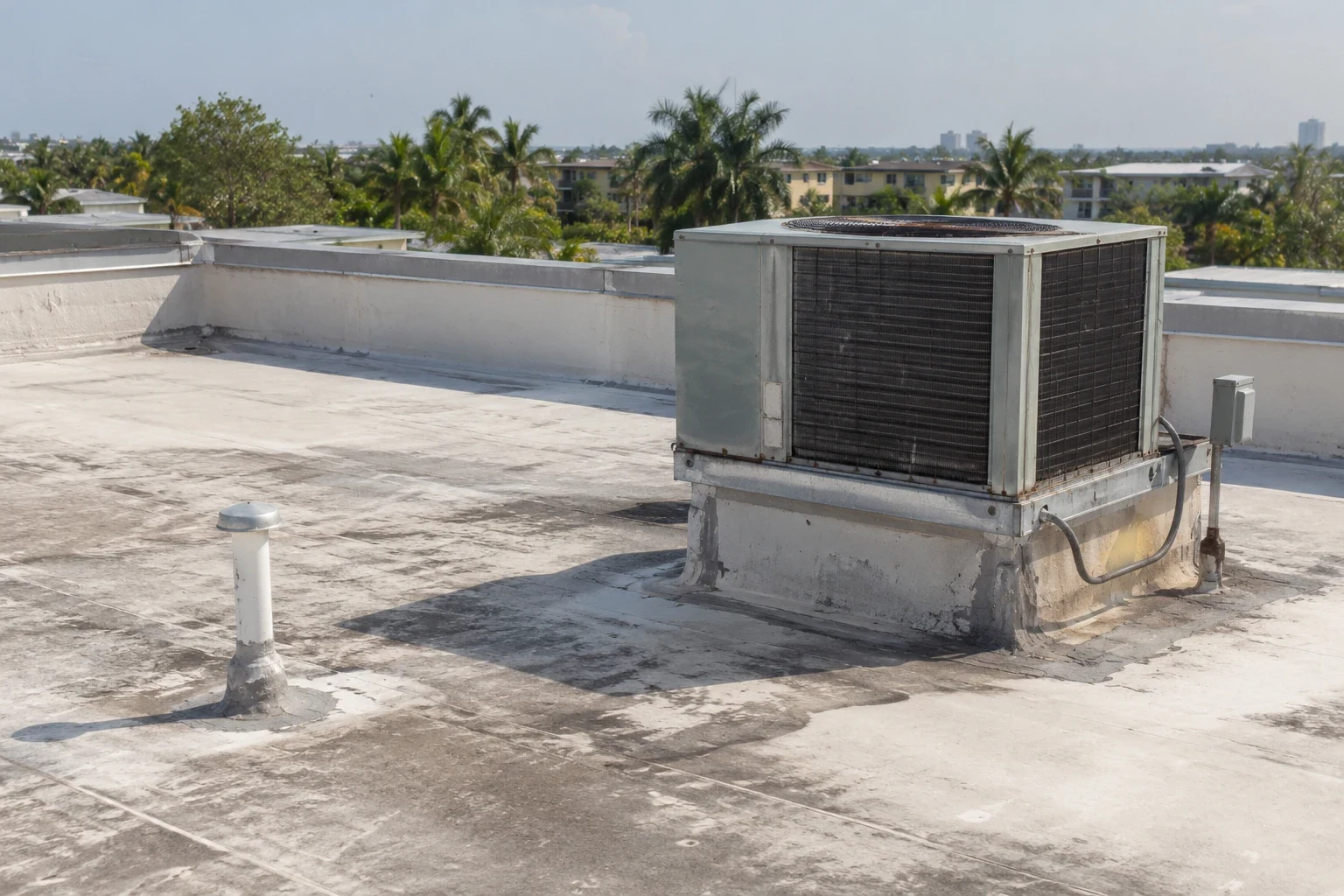
The estimator checks membrane or metal condition, seams, penetrations, curbs, edge details, drains, and visible evidence of earlier repairs. Inside, the building representative points out stains, ceiling changes, sensitive equipment, and areas where water would interrupt service or customer use. These observations are recorded by roof zone rather than collapsed into one property-wide label. A commercial roof inspection should distinguish what was seen from what still needs testing, opening, or approval.
Photos and measurements record visible conditions and identify which test or opening could resolve questions about concealed layers. We note the location and extent of visible deterioration, the apparent path to drainage, and any areas that should receive closer review before pricing. If moisture testing or a small exploratory opening is proposed, the owner approves its position and restoration method first. This disciplined record helps the dealer compare repair, recover, and replacement scopes without treating a sales-floor stain as proof that the entire roof has failed.
Where can a drainage problem reach the operation?
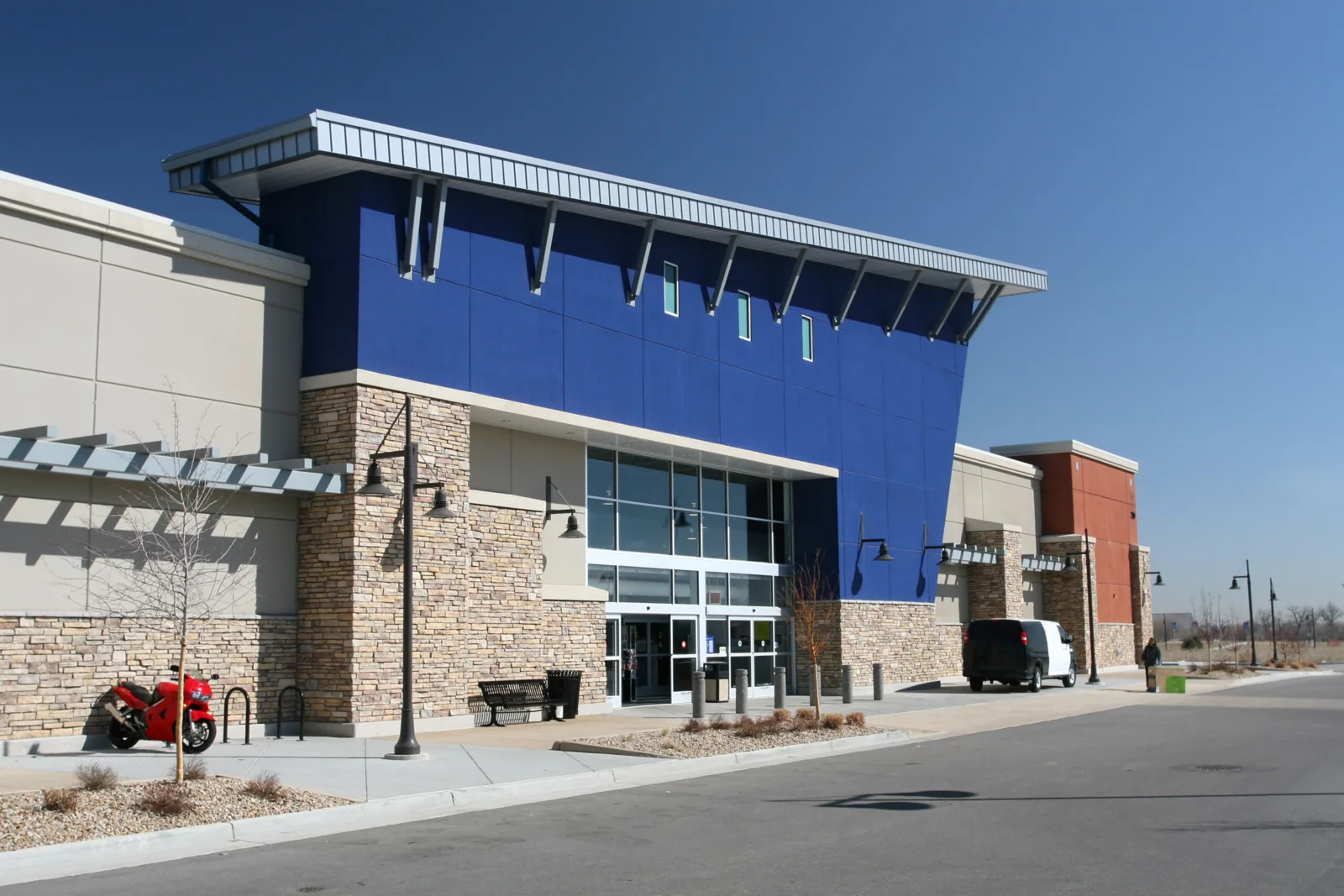
At a dealership, a drain or scupper issue can threaten service operations differently from a leak above an office. Trace low points, conductor paths, wall transitions, and curb details, then note which business functions sit below each zone. A drain and scupper review can determine whether the price covers cleaning, component repair, or broader correction. Ask the property representative whether maintenance calls or earlier roof work point to the same location. South Florida receives about 60% to 70% of average annual rainfall from mid-May through mid-October. Heat and humidity can produce frequent afternoon storms; this broad climate pattern gives no parcel-level forecast. In an auto retail setting, record the next forecast check and set a closure limit before exposing membrane. Name the person who can stop the sequence, and require a closeout note before a bay or customer path returns to normal use. If a weather hold is called, specify whether service lanes stay open or the affected zone needs a barrier until the repair detail can be checked.
Industries We Work With
Owners and operators in these fields rely on us to plan roof work around their buildings.
Coordinate healthcare roof work in Miami Gardens, FL around patient routes, critical rooms, equipment, infection controls, and documented approval windows.
Coordinate 3PL roof work in Miami Gardens, FL around dispatch cycles, dock access, inventory protection, equipment routes, and phased closeout.
Plan school district roof work in Miami Gardens, FL around student routes, athletic spaces, summer windows, classroom protection, and board approvals.
Coordinate portfolio roof work in Miami Gardens, FL with area records, access windows, repair priorities, and approvals that keep each asset distinct.
Related Roofing Work
Other pages that cover the same roof question.
Roof leaking now? Call 555-555-5555 and we will send a crew to look at it.
How should repair and replacement options compare?
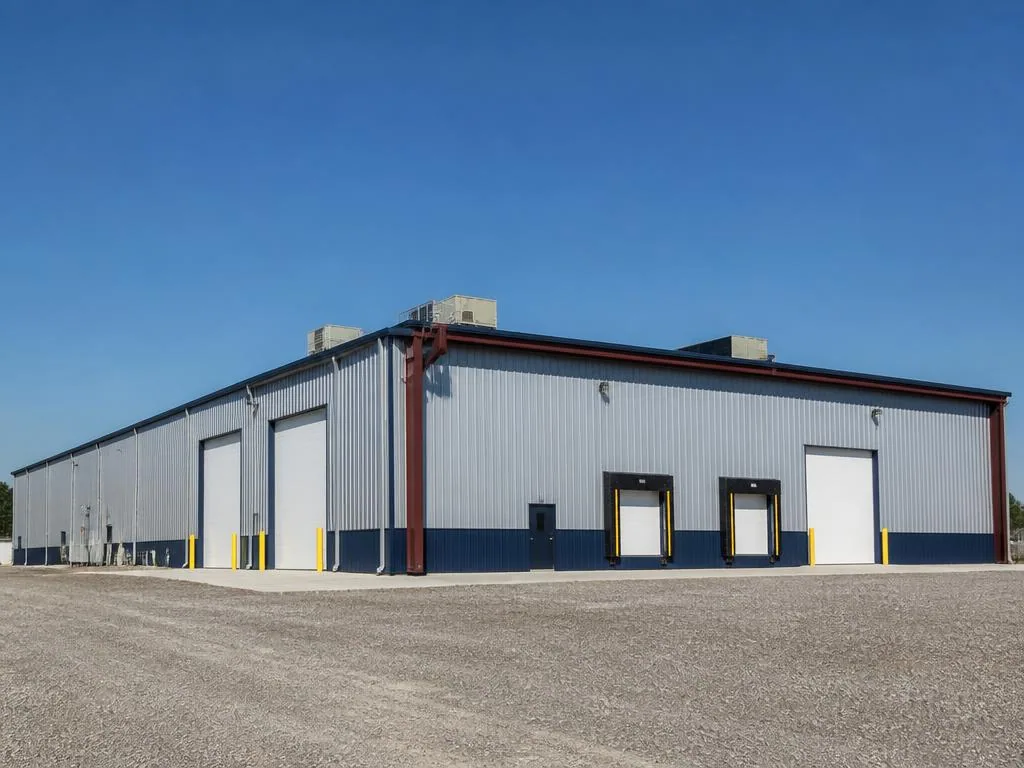
A repair scope should identify the known defect, the accessible work boundary, and any adjacent detail that needs inspection. A coating or recover proposal requires evidence about the existing surface, attachment, moisture, drainage, and compatibility. Replacement planning may include removal limits, insulation, cover board, new membrane, edge metal, and tie-ins at equipment curbs. A flex-industrial property may add tenant-bay trade interfaces, while a standing-seam metal assembly uses a different detail set. The building’s conditions and approved specification determine what belongs in a bid.
In Miami Gardens and Hialeah, automobile commerce along U.S. 441 and West 49th Street forms part of a wider business network. These are commercial corridors, not evidence of a specific roof condition or permission to enter. Opa-locka also promotes commercial, residential, retail, and recreational uses, a broader mix that can shape regional deliveries without setting the schedule at a single property. We use them only to frame delivery conversations and then verify the route, staging area, and permitted hours with the property manager. A replacement scope can compare layers, tear-off assumptions, disposal, tie-ins, and phasing in one record so the owner sees what changes from option to option.
Which approvals belong in the submittal path?
Miami-Dade and Broward make up Florida's High Velocity Hurricane Zone. A roofing permit package may need HVHZ provisions and approved assemblies, so the design team should confirm the applicable submittal path, uplift criteria, and inspection steps with building officials. Product documents can be organized in the project file, while the design professional and permitting jurisdiction determine which approvals apply. Claim documentation support can organize dated photos and scope records, but it does not decide coverage or replace the owner’s review of policy terms.
The permit calendar has two edition dates to reconcile: October 18, 2026, marks the Eighth Edition status point, while December 31, 2026, begins the Ninth Edition. Applications filed on or after December 31 follow the newer code. Before bid timing is fixed, the dealer and GC can confirm the expected filing date with the design team and permitting office. Keep that decision with approved product documents and issued details in the closeout file.
What should the dealer receive at each phase?
Before work starts, the project file should show the approved drawing or marked roof plan, daily work boundary, access contact, staging location, and temporary-protection approach. At the end of a shift, the crew records completed areas, remaining openings, weather protection, and any condition that needs a decision. The dealership receives a clear status rather than a general assurance that work is progressing. If concealed damage changes the scope, the owner can review the location, photo, proposed repair, and cost effect before authorizing the additional work.
Closeout is stronger when each repaired area can be matched to the original observation and approved scope. We assemble product information, inspection notes, change approvals, photographs, and maintenance recommendations by phase. The dealer can retain that record with facility service history and use it when planning future roof work. A self-storage property raises different tenant-access questions, while a preventive maintenance plan can set inspection priorities without promising a fixed roof life; actual service intervals depend on the system, exposure, and owner requirements.
Review a dealership roof scope
Share the property’s operating limits, recent leak history, and available roof records. We will review the conditions, outline an access plan, and identify decisions that need approval before work is scheduled.
Questions About Auto Dealership Roofing
Can sales and service stay open during a roof project?
The dealer sets the operating windows and restricted paths. We map the daily roof zone against showroom, service-drive, and bay activity, then identify who approves changes if that boundary no longer works.
What should the estimate say about vehicles beneath the work?
A useful proposal names the affected zone, overhead protection assumptions, lift route, and staging limits. The property manager confirms where vehicles may be moved and when the crew may enter or leave each area.
How do we know whether to repair a leak or replace the roof?
We compare observed conditions, repair history, drainage, attachment, and any testing the owner approves. The estimate separates a defined repair from broader work so the dealer can review cost and remaining unknowns.
When should code edition be confirmed?
The permitting team should verify the edition that applies to the planned submittal date. Miami-Dade identifies December 31, 2026 as the effective date for the Ninth Edition, so schedule assumptions should reflect that transition.
What happens if concealed damage appears after removal?
The crew documents the location and extent, protects the opening, and submits a priced change for owner review. Work outside the authorized scope waits for approval, except immediate steps needed to secure the building.