
Big-Box Retail Roofing in Miami Gardens, FL
Property Types We Roof
Plan big-box retail roof repair or replacement in Miami Gardens, FL around broad roof areas, receiving lanes, equipment, public access, and project phasing.
Big-Box Retail Roofing Overview
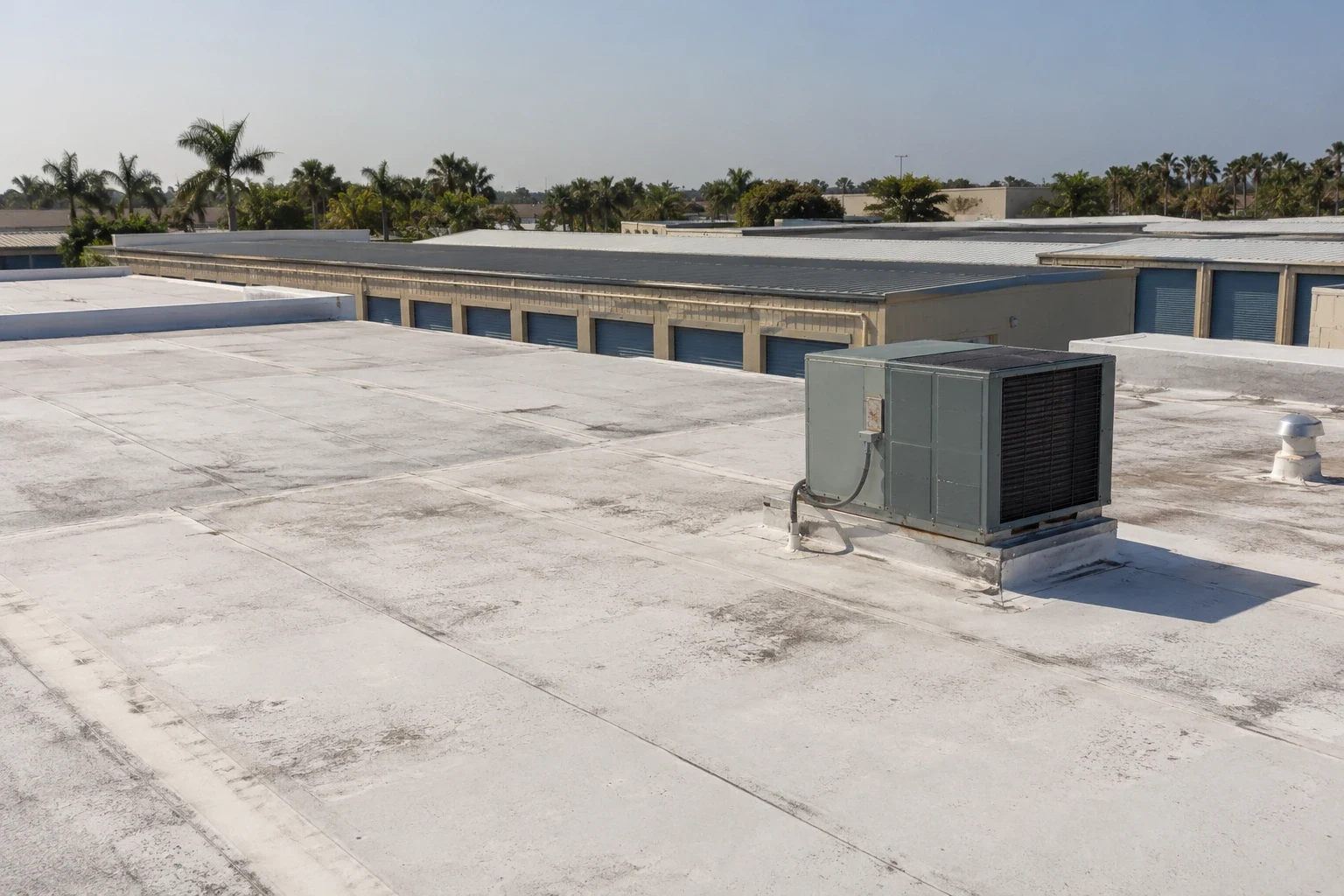
Wide roof sections, a busy receiving lane, and a packed sales floor call for separate work boundaries. For a big-box property in Miami Gardens, FL, we first map the membrane against dock operations, entrances, rooftop equipment, and the areas that can be protected during an opening. Furniture shopping clusters near the Palmetto Expressway, while automobile commerce runs along U.S. 441, both part of Miami Gardens’ wider commercial setting. Those corridors do not identify a store’s roof assembly. We inspect the actual structure, log each finding by roof area, and tie the proposed repair or capital scope to a workable access sequence.
How do docks and customer paths affect the work zone?
We compare the roof hatch and lift approach with receiving schedules, trailer movement, emergency lanes, customer entrances, and adjacent parking. The store manager or general contractor identifies routes that cannot be blocked and any delivery periods that must stay clear. We then mark where rolls, insulation, tear-off containers, and lifting equipment can be staged. A large roof does not automatically create a large safe opening; each daily area must fit the protection plan and the trades working below it.
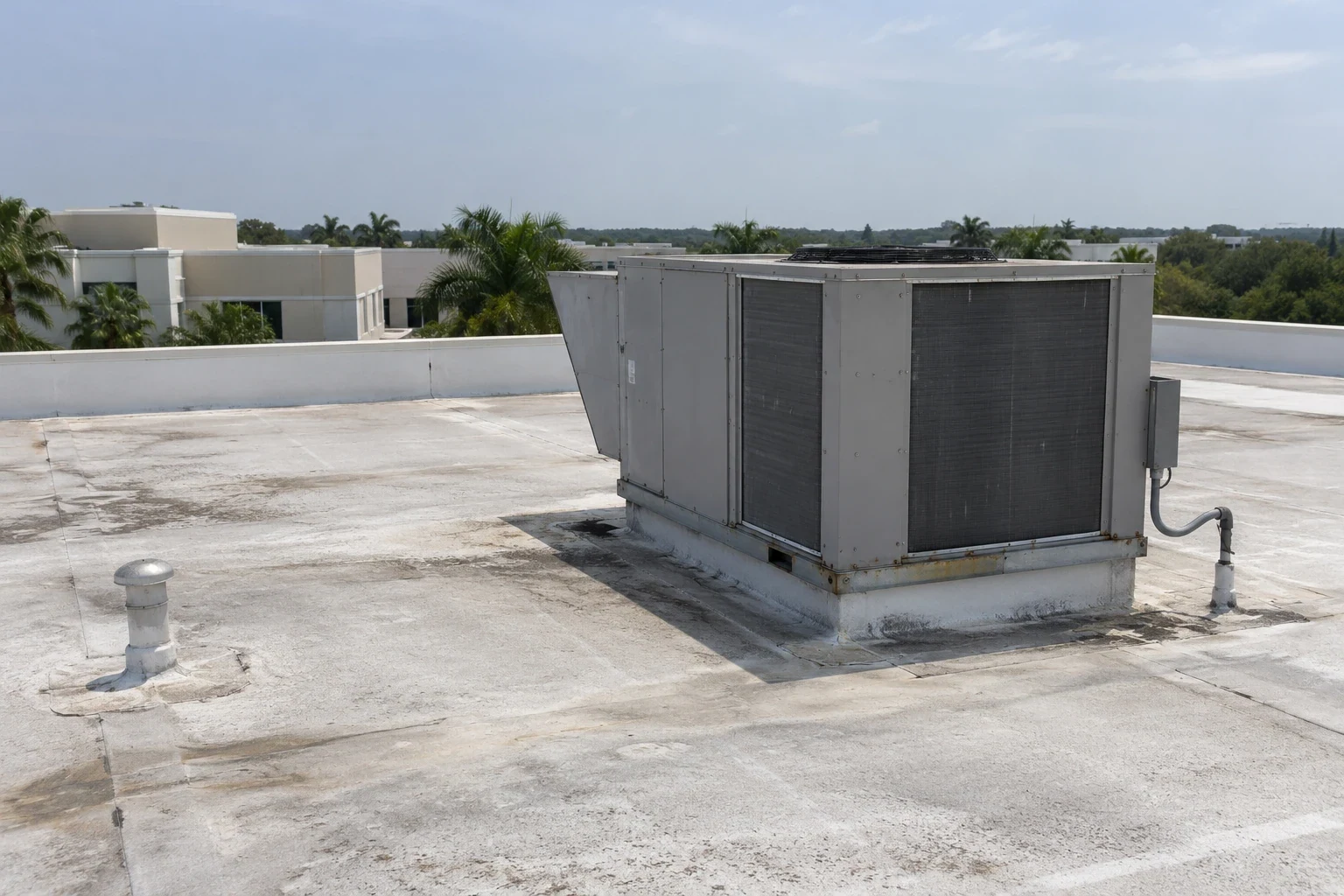
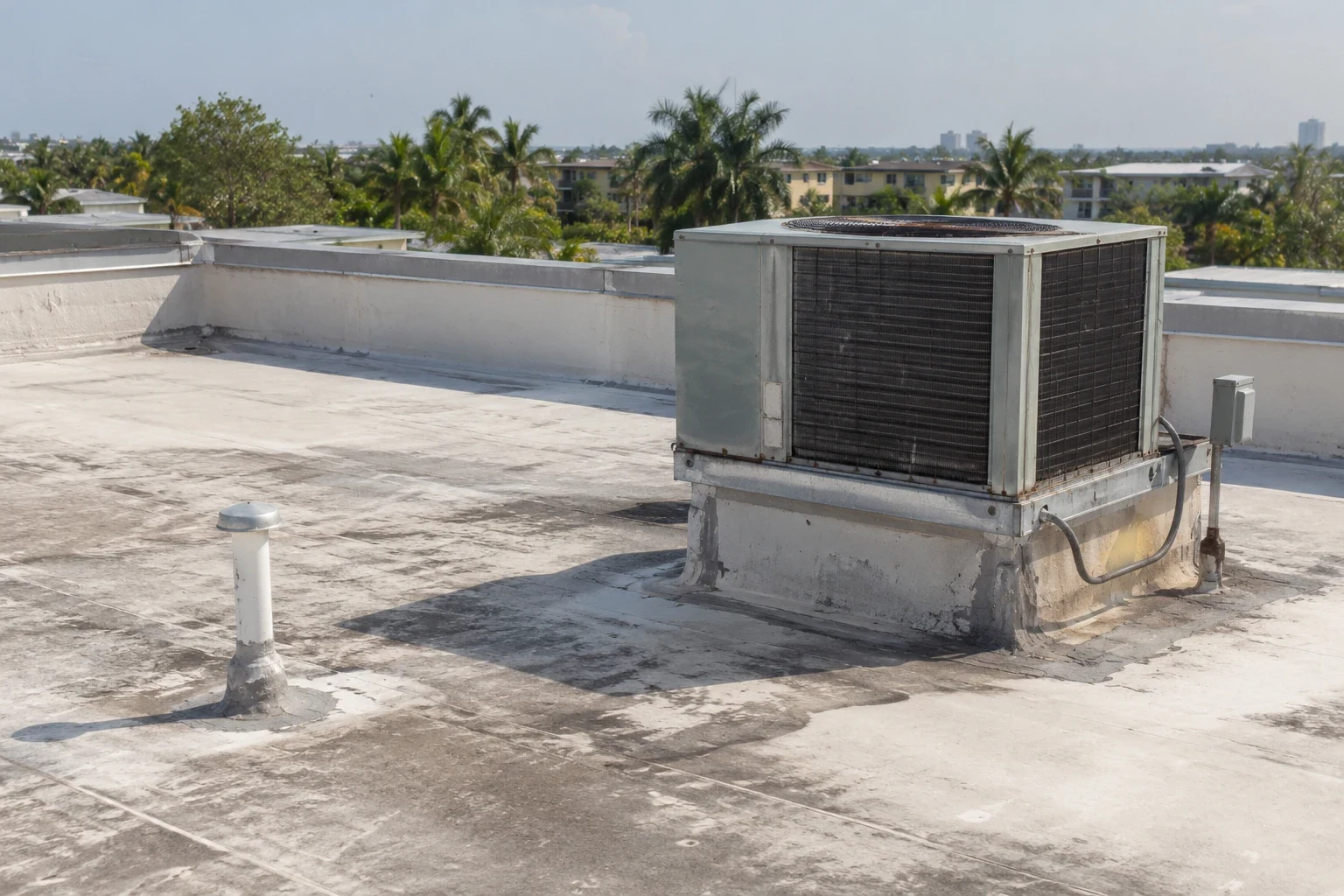
Big-box stores often have long equipment rows, parapets, skylights, and roof details that need access after the replacement is complete. We note units, curb conditions, service clearances, conduits, exhaust, drains, and any line that another contractor needs to cross. On a multi-tenant center, shared pedestrian and parking limits may take a different shape, as outlined in the shopping center roof work package. A grocery building may add receiving and refrigeration coordination. We keep those distinctions visible in the access map rather than carrying a neighboring property’s schedule into the store.
Plantation Midtown combines retail, office, entertainment, and residential uses in a broad central business district. Aventura has retail and medical services among its local commercial activity. These regional examples show why road arrival and public activity can differ across South Florida commercial sites. They do not establish a big-box store’s hours or roof condition. We confirm the truck route, gate dimensions, and staging limits with the project team before committing to a sequence.
More on Big-Box Retail Roofing
The sections below cover the questions property teams ask before they approve the work.
What should the field review separate?
We inspect seams, fasteners, flashings, edge metal, curbs, skylight transitions, penetrations, and visible repair areas. Drain bowls, overflow paths, scuppers, and low sections receive separate attention because a drainage issue can change insulation or deck scope. A stain over a sales aisle may point the inspector toward an area, but water can travel along a deck or insulation before reaching the interior. We document the location, roof condition, and any test needed to distinguish a repair candidate from a broader question.
Afternoon storms are common in the humid season, with a significant share of annual rainfall arriving between late spring and mid-fall. Heat and humidity support frequent showers and thunderstorms across the peninsula. That pattern can affect how much of a big-box roof is opened before dry-in, especially where aisles, merchandise, and electrical areas require protection. It does not prove that merchandise or a specific roof area has been affected. Current forecasts and the observed assembly govern the daily limit and temporary drainage plan.
We mark whether moisture readings, test cuts, or selective removal are needed before selecting a replacement boundary. A survey records its method and coverage, while concealed areas remain a follow-up item until they can be checked. The moisture survey scope can help identify areas for confirmation when conditions support that method. We relate every result to a mapped section, avoiding a whole-store conclusion from one reading or one interior report.
Which conditions change the capital scope?
An isolated puncture, loose flashing, or localized seam defect may be repaired where surrounding membrane and insulation remain serviceable. Repeated failures, wet material across several areas, or a deck condition that affects attachment can support a larger replacement boundary. We separate tear-off, insulation, deck work, edge metal, drain changes, equipment handling, and interior protection so the owner can see what moves the schedule and cost. A defined repair package can be weighed against replacement using the same access assumptions.
Recover is not a default shortcut. Existing layers, moisture, deck capacity, attachment, edge height, drainage, and applicable code provisions must fit the new assembly. Added thickness can change parapet details, skylight curbs, rooftop-unit clearances, and drain elevations. If one test opening finds wet insulation, its result remains local until additional testing supports a wider scope. We identify the remaining question and approval point rather than extending one sample across a broad footprint.
Hialeah has manufacturing, retail, and restaurant businesses, while Pembroke Pines has retail, industrial, and office development along Pines Boulevard. That market mix is useful when a portfolio owner compares assets, but neither fact substitutes for an inspection at this store. Each building keeps its own roof-area record and replacement boundary. The capital review file can compare the resulting packages without merging unrelated operating constraints.
Industries We Work With
Owners and operators in these fields rely on us to plan roof work around their buildings.
Coordinate healthcare roof work in Miami Gardens, FL around patient routes, critical rooms, equipment, infection controls, and documented approval windows.
Coordinate 3PL roof work in Miami Gardens, FL around dispatch cycles, dock access, inventory protection, equipment routes, and phased closeout.
Plan school district roof work in Miami Gardens, FL around student routes, athletic spaces, summer windows, classroom protection, and board approvals.
Coordinate portfolio roof work in Miami Gardens, FL with area records, access windows, repair priorities, and approvals that keep each asset distinct.
Related Roofing Work
Other pages that cover the same roof question.
Roof leaking now? Call 555-555-5555 and we will send a crew to look at it.
What must be resolved before ordering materials?
Match the roof system to deck, slope, insulation, attachment, edge conditions, fire criteria, wind exposure, and project specifications. Miami-Dade and Broward counties together form Florida’s High Velocity Hurricane Zone, so the project team checks applicable provisions and approved assemblies for the permit and building configuration. A standing-seam metal system, membrane, or compatible coating is considered as a complete assembly, with perimeter attachment, curbs, drains, and transitions included. We align the submittal with field findings and design review before materials are ordered.
On a broad roof, sequencing can divide removal into areas with clear dry-in limits and stable routes to drains and roof access. The daily plan names lift placement, material staging, temporary tie-ins, debris control, weather hold, and the person who can release an area. Customer access and receiving may continue if the store approves the protection and route. We map changes when a hidden condition, equipment trade, or forecast moves the boundary. The wind-related repair review documents any reported issue separately from the current roof survey.
Cost and duration follow tear-off depth, deck repairs, insulation, drain correction, edge replacement, roof access, and the amount of public protection required below. Submittal approvals and equipment coordination can also control mobilization. We show those factors by phase, then invite the owner and general contractor to approve the work package against the store’s operating calendar.
What information should survive closeout?
Closeout should connect installed materials, completed roof areas, photos, seam checks, drain work, approved changes, and unresolved items. We identify locations that were not accessible and preserve their status for the next inspection. The operations team can compare a future leak report with the accepted boundary and decide whether it belongs to a completed area, a new penetration, or a separate roof section.
Equipment vendors and sign contractors may need roof access after turnover. The file should show supports, curbs, clearances, approved penetrations, and who owns each interface. We can pair the completed project with a maintenance plan that tracks drains and exposed details before seasonal rain periods. Send roof plans, delivery limits, roof equipment records, repair history, and the store calendar for a field review. We will return a mapped work package with access windows, protection limits, and approval points for the project team.
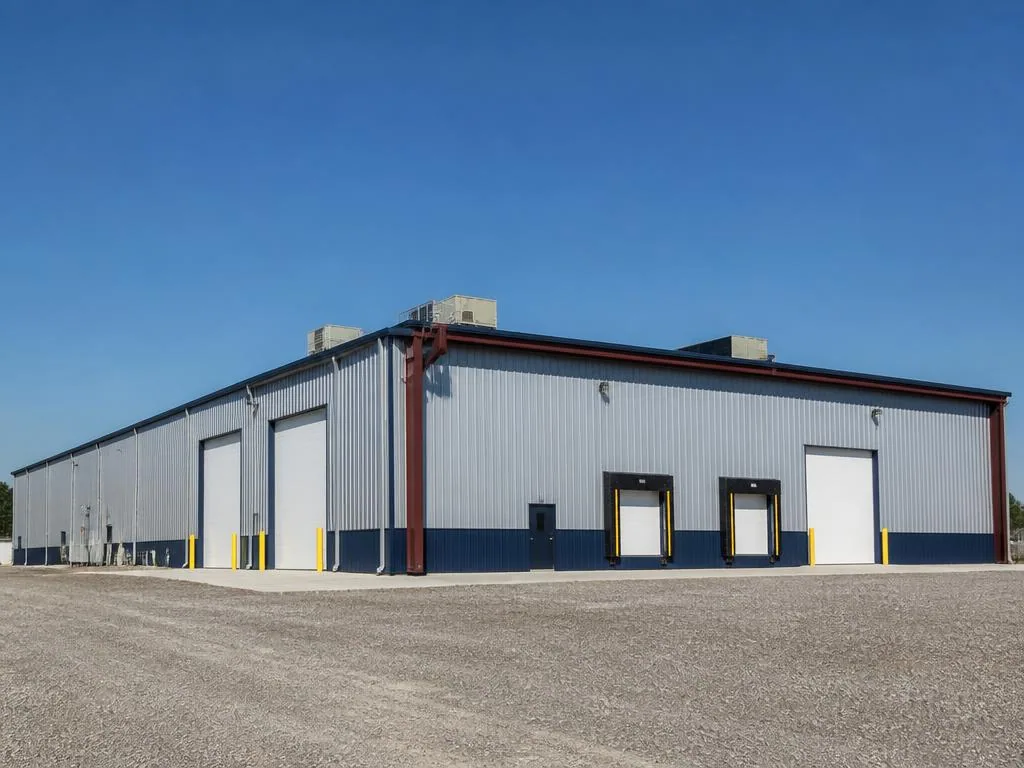
Set the retail roof work boundary
Send the roof plan, equipment layout, delivery windows, repair history, and operating calendar. We will map access and protection needs, then prepare a field review for the store team and general contractor.
Questions About Big-Box Retail Roofing
Can the store keep receiving trucks during reroofing?
The loading map and lift position determine whether receiving can continue beside an active zone. We coordinate the route and delivery window with store operations before finalizing each daily limit.
How do you protect merchandise below the roof?
We map occupied areas, sensitive merchandise, and the proposed opening above them. The work package states interior protection and the closure method for each zone before removal starts.
What makes a large roof better for phased work?
Separate roof areas, safe access, and workable temporary tie-ins can support phases. We confirm the boundaries from field conditions rather than assuming the footprint can be divided evenly.
When should a store consider a coating?
The existing surface, moisture, repairs, drainage, and coating compatibility need review first. We identify preparation, reinforcement, and detail work before comparing restoration with replacement.
Which records help set the first work package?
Share current roof plans, equipment layouts, repair history, receiving windows, access rules, and tenant or customer routes. Those inputs help us set the inspection and staging plan.