Ponding Water Roof Repair in Miami Gardens, FL
Roof Damage Repair
Trace ponding water on Miami Gardens commercial roofs to drainage, slope, and assembly conditions, then compare practical repair and correction options.
Ponding Water Roof Repair Overview
Standing water needs a roof-area map before anyone prices a correction. For a commercial building in Miami Gardens, FL, we locate the low point, note how long water remains, and inspect drains, scuppers, seams, and nearby penetrations. Rain planning matters here because open drains and temporary flow paths must remain controlled while roof work is underway. A field review still has to distinguish a blocked outlet from a slope, deck, or membrane problem.
What changes when water stays on the surface?
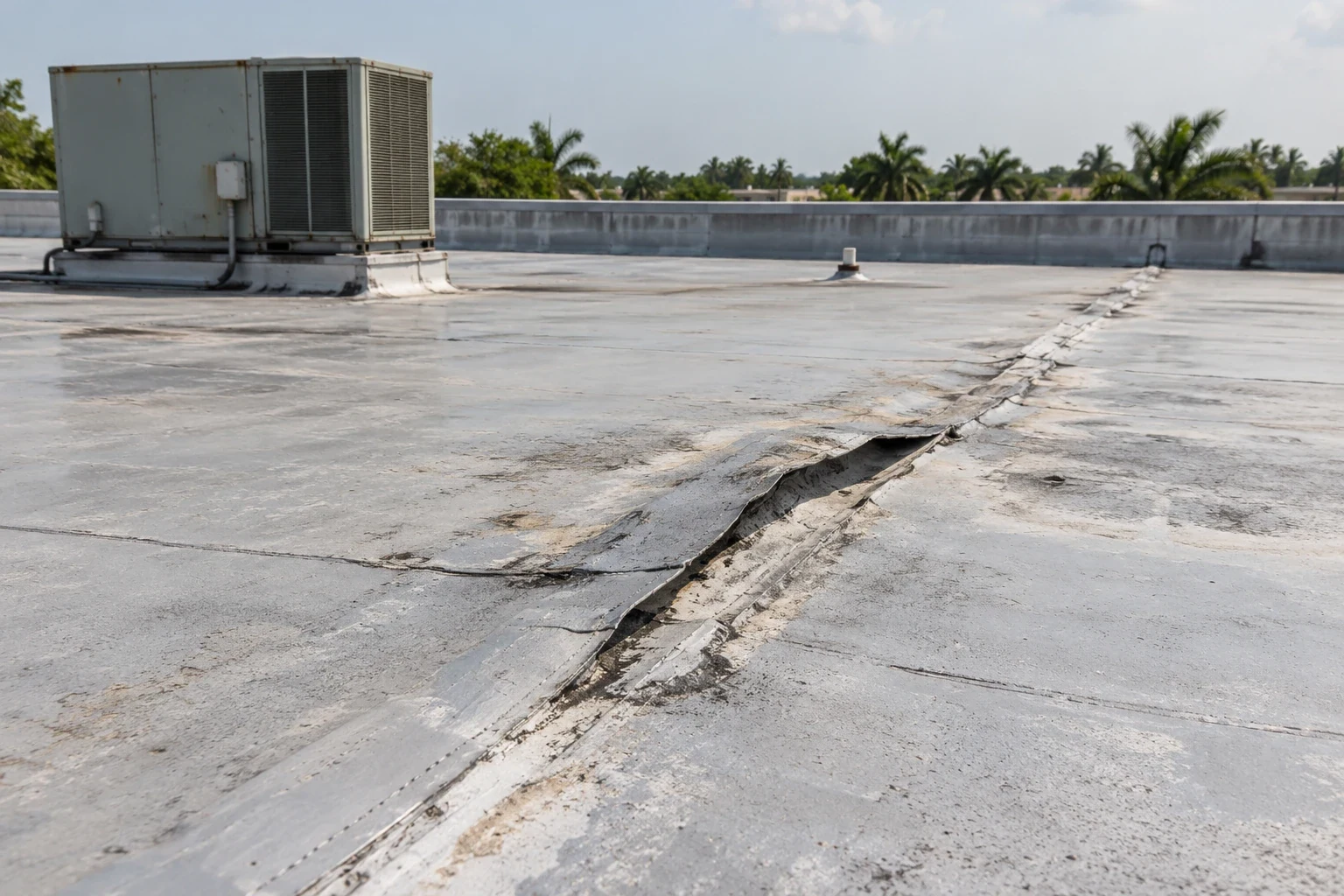
We photograph ponding locations from a consistent viewpoint and mark their boundaries against roof plans, drains, and scuppers. The inspection notes whether water sits near a curb, seam, drain bowl, or area with visible deflection. We also compare the time water remains after rainfall with earlier reports and maintenance records. A roof-area condition report turns those observations into a follow-up map instead of reducing the whole roof to a single label.
Miami Lakes identifies dedicated business parks within a planned mix of commercial, industrial, residential, and mixed uses. Opa-locka's planning framework also accommodates commercial and industrial development. Those areas can include facilities with receiving, service, and tenant activity that depend on reliable access during drainage work. For a portfolio across these markets, we record each low area and outlet separately, then coordinate inspection and repair windows with the property contact. Before setting a drainage sequence, we confirm the roof plan, access window, and loading limits with the property contact.
More on Ponding Water Roof Repair
The sections below cover the questions property teams ask before they approve the work.
Where should the ponding boundary be mapped?
The water line may extend beyond the area that appears deepest. We check the roof plane from high points toward each outlet, inspect the surrounding membrane, and look for seams or transitions that sit in the flow path. If water follows a curb or wall, we review flashing and counterflashing before assigning the cause. The drain and scupper assessment can identify debris, damaged strainers, disconnected leaders, or a repair need at the outlet itself.
When a roof holds water after drains are clear, the next question is whether the assembly has a localized depression, broader slope issue, or movement in the deck. We document visible deflection and identify whether a design professional should review structure before a roofing correction is specified. Moisture testing may show whether insulation has been affected, but its extent must be interpreted with the assembly and testing method. A commercial roof inspection can describe these limits and propose the next test before the owner commits to a larger scope.
How can standing water change the repair decision?
Repeated wetting can stress seams, laps, drain details, and patches that already have limited adhesion. Water also adds weight, so a roof with visible sagging or new movement should receive the appropriate structural review before we set a coating or overlay scope. We note how much of the surface is affected, whether membrane seams remain intact, and which repairs have already been tried. A seam-failure review may be needed when the water line crosses open or separated laps.
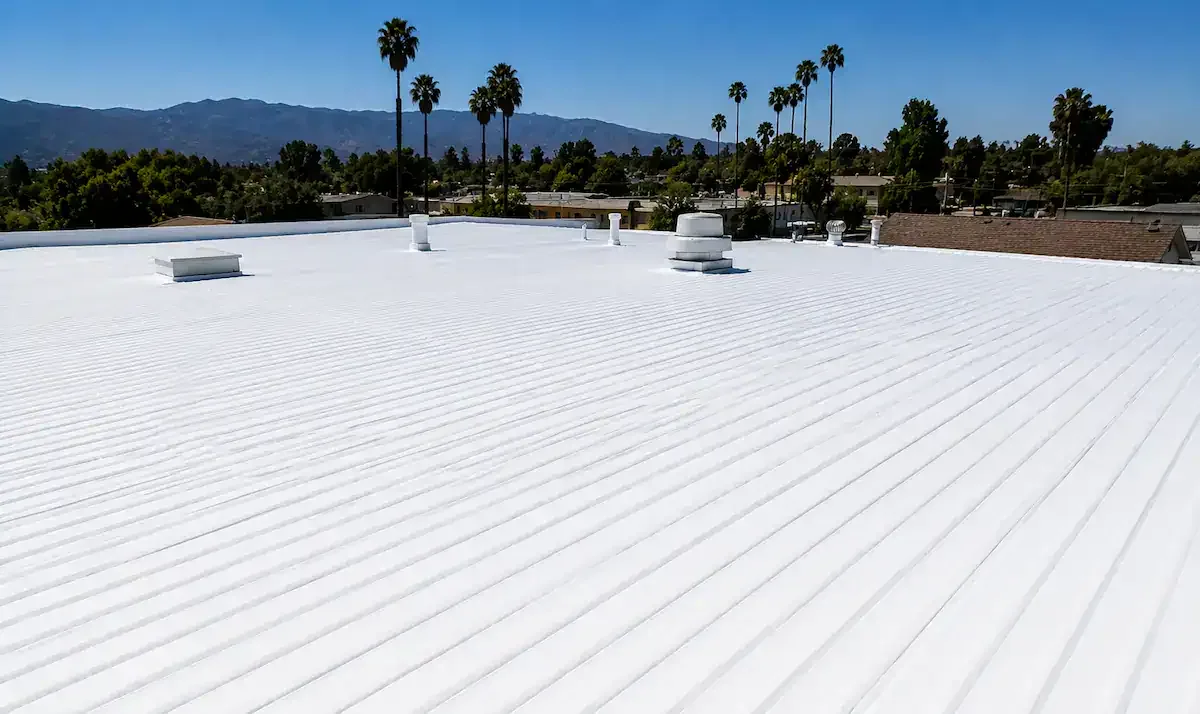
A localized outlet repair can be appropriate when debris, a failed drain detail, or a small membrane defect explains the condition. Broader correction may require tapered insulation, drain relocation, slope work, deck repair, or replacement after testing. We separate these alternatives in the proposal and state what each depends on. If an existing roof is considered for a coating restoration, the substrate, drainage, moisture, and product compatibility must support it. Coating does not correct a structural low point by itself.
Industries We Work With
Owners and operators in these fields rely on us to plan roof work around their buildings.
Coordinate healthcare roof work in Miami Gardens, FL around patient routes, critical rooms, equipment, infection controls, and documented approval windows.
Coordinate 3PL roof work in Miami Gardens, FL around dispatch cycles, dock access, inventory protection, equipment routes, and phased closeout.
Plan school district roof work in Miami Gardens, FL around student routes, athletic spaces, summer windows, classroom protection, and board approvals.
Coordinate portfolio roof work in Miami Gardens, FL with area records, access windows, repair priorities, and approvals that keep each asset distinct.
Related Roofing Work
Other pages that cover the same roof question.
Roof leaking now? Call 555-555-5555 and we will send a crew to look at it.
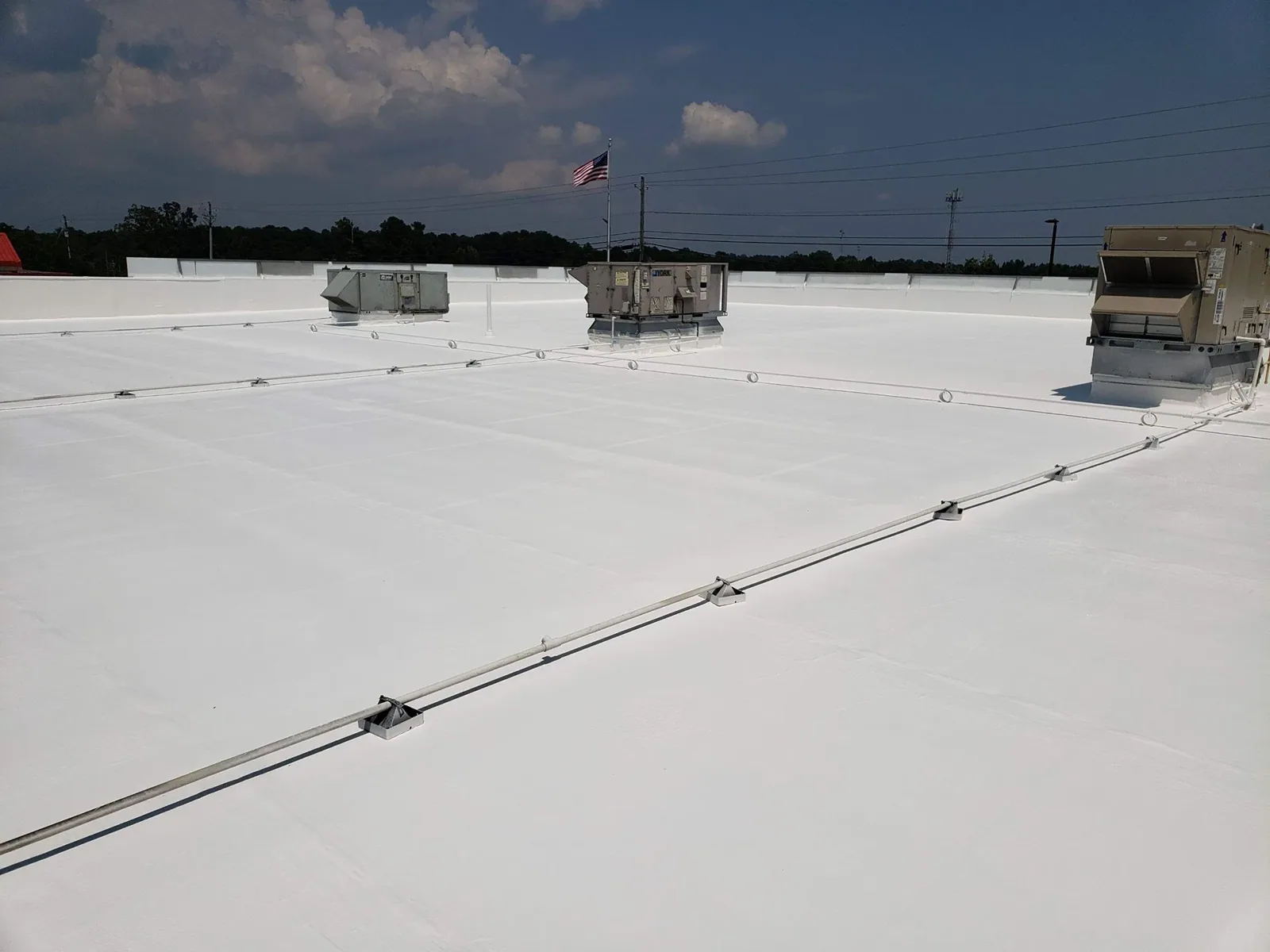
When should rain protection enter the schedule?
Rain planning for low-slope repairs starts with the scheduled shift’s forecast, while the seasonal calendar shapes staffing and material staging. South Florida’s wet-season window occupies mid-May to mid-October and contains most of the region’s annual precipitation. We set a maximum exposed footprint, choose a closure method for the membrane and flashing in use, and assign someone to verify protection at shift end. If a shower changes the sequence, the log records the secured boundary and the next inspection point.
Drainage capacity needs attention before, during, and after the repair. We keep outlets free of debris, confirm that temporary water paths do not direct flow into the building, and inspect the completed detail before the area is released. For an urgent leak, wind-related roof damage or a puncture may need a separate repair even when ponding is present nearby. A clear scope avoids combining unrelated defects under a drainage allowance and helps maintenance staff decide which issue to monitor.
What should a drainage repair package include?
The proposal should show the affected roof area, observed water path, outlet condition, testing needs, and correction being priced. It should also name the boundary for temporary protection and any deck or design review required before permanent work. Cost and timing may depend on drain replacement, slope materials, demolition, wet insulation, interior protection, and access equipment. We distinguish those drivers from items that are still unknown, so the owner can compare a local repair with a broader drainage correction.
A correction should address why water remains, not only hide its outline. We compare the drain throat, sump, nearby seams, insulation, and roof-plane slope, then separate immediate debris removal from repair or redesign. If the owner approves a test opening, the proposal states how that opening will be protected and restored. If structural review is needed, it is listed as a prerequisite rather than a roofing allowance. The estimate can then show the price and schedule effect for each path without promising that one surface treatment will solve every low area.
After repair, the maintenance team can recheck the area after a representative rainfall and compare the result with the original photographs. We record any remaining water and confirm the outlet is clear, then send the finding to the manager for a follow-up decision. This simple comparison can help distinguish a successful local correction from a broader slope or structural question that needs a separate review.
At closeout, retain dated photographs, the completed area, drain and scupper checks, approved changes, and maintenance items. The receiving paths below a warehouse roof may shape its work boundary, while a puncture repair can stay tied to a separate traffic path. The condition record keeps each issue in its own location and links the repair to a future inspection. This gives facility staff useful evidence when rainfall returns and they need to determine whether the outlet, slope, or a different detail needs attention.
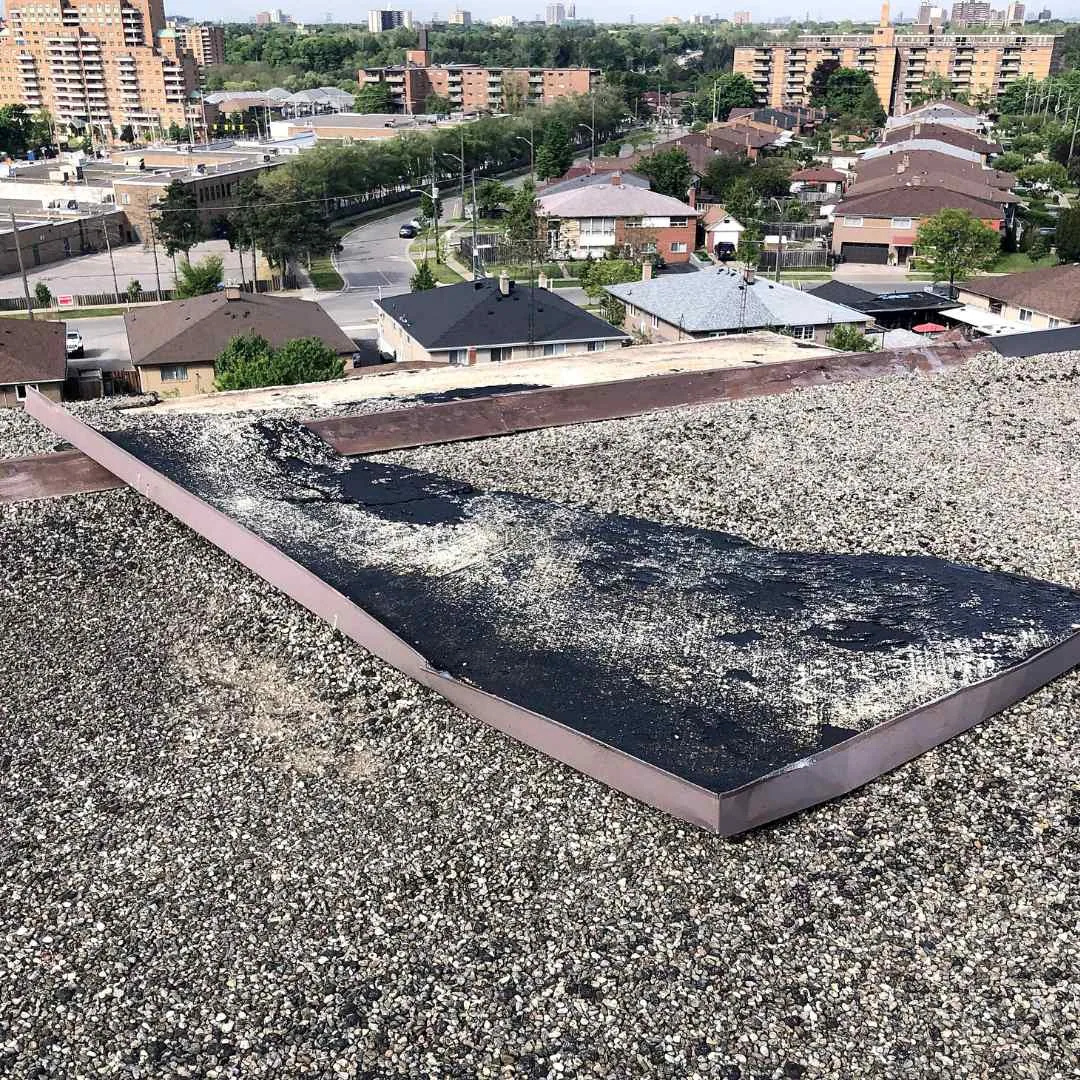
Map the ponding repair boundary
Share roof plans, water locations, drain history, and access limits. We will document the flow path, testing needs, and repair options for your Miami Gardens property.
Questions About Ponding Water Roof Repair
How long can water remain before it becomes a repair issue?
The duration, depth, affected area, roof design, and drainage condition matter. We document those observations and compare them with the system requirements before recommending a correction.
Can a coating eliminate ponding?
A coating can protect a compatible, prepared surface, but it does not correct a structural depression or redesign drainage. We identify the cause and assess slope, moisture, and compatibility first.
What if the drain is clear but water remains?
We map the low point and inspect the roof plane, deck, and surrounding assembly. If movement or deflection is visible, the appropriate design review comes before a roofing-level correction.
Will wet insulation need to be removed?
Testing and the assembly determine the affected extent. We document the method and results, then define removal and replacement boundaries for owner review.
Can drainage repair happen while the building stays open?
The access route, interior exposure, debris handling, and temporary water plan set the sequence. We coordinate the work zone with the property contact and close out each area before moving on.