
Wind Damage Roof Repair in Miami Gardens, FL
Roof Damage Repair
Assess wind-related roof damage in Miami Gardens with a mapped inspection, temporary protection, and a repair scope tied to documented conditions.
Wind Damage Roof Repair Overview
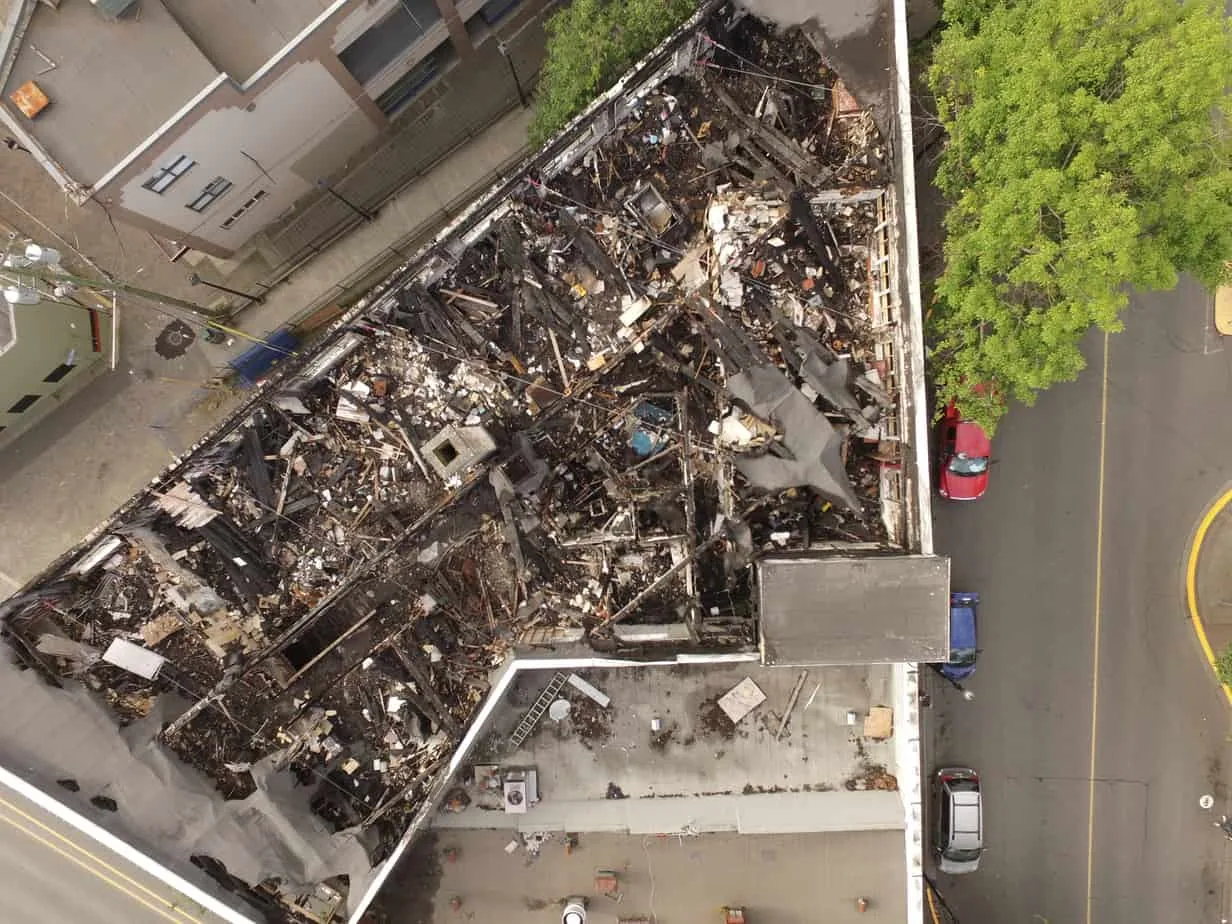
After strong wind, the first decision is which roof areas need protection before normal operations resume. For a commercial property in Miami Gardens, FL, we map reported leaks, displaced edge details, loose metal, and debris before setting a repair boundary. Damaging winds, tornadoes, hail, and flooding are among South Florida's severe-weather impacts, especially in the stormiest mid-May to early-July period. That regional pattern makes a prompt roof review useful, but the repair plan depends on what the inspection finds at this building.
Which roof areas took the wind first?
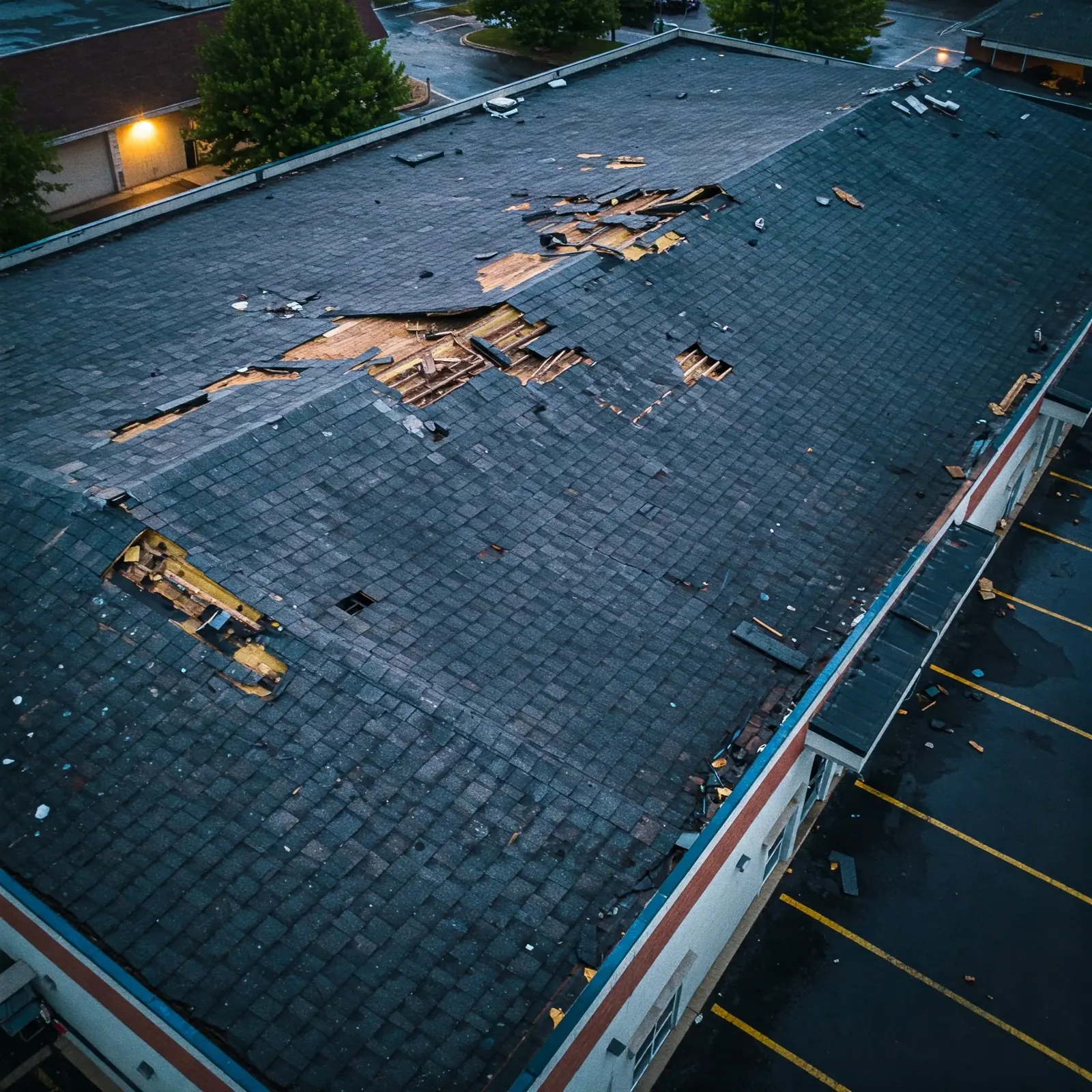
Wind can expose a weak point at a corner, edge, curb, or transition before damage is visible across the field. We inspect perimeter metal, fasteners, seams, flashing, penetrations, rooftop equipment, and drainage, then photograph each observation with its roof-area location. Inside, we compare water reports, ceiling changes, and equipment exposure with the roof path above them. A photo-based condition record separates an observed defect from a suspected entry point or a concealed condition that needs testing.
The inspection route should match the property's operating pattern. Furniture-oriented retail activity is found near the Palmetto Expressway, and automobile commerce also operates along U.S. 441. A roof crew in these commercial areas may need to protect vehicle movement, deliveries, and customer routes when lifts or temporary barriers are placed. We ask the property contact to mark entrances, loading areas, and hours that cannot be interrupted, then place the roof work zones against that operating map. The commercial context informs staging; it does not tell us what happened to this roof.
More on Wind Damage Roof Repair
The sections below cover the questions property teams ask before they approve the work.
How should a wind report be separated by finding?
A wind report may combine several different conditions: lifted edge metal, a failed fastener, a puncture from debris, or water entering through an already vulnerable detail. We list each condition separately and note its extent, supporting photo, and immediate risk. A flashing repair review can address an opened curb or wall transition, while a hurricane damage assessment may need broader temporary protection and documentation. The correct scope follows the observed roof assembly and the owner's approval.
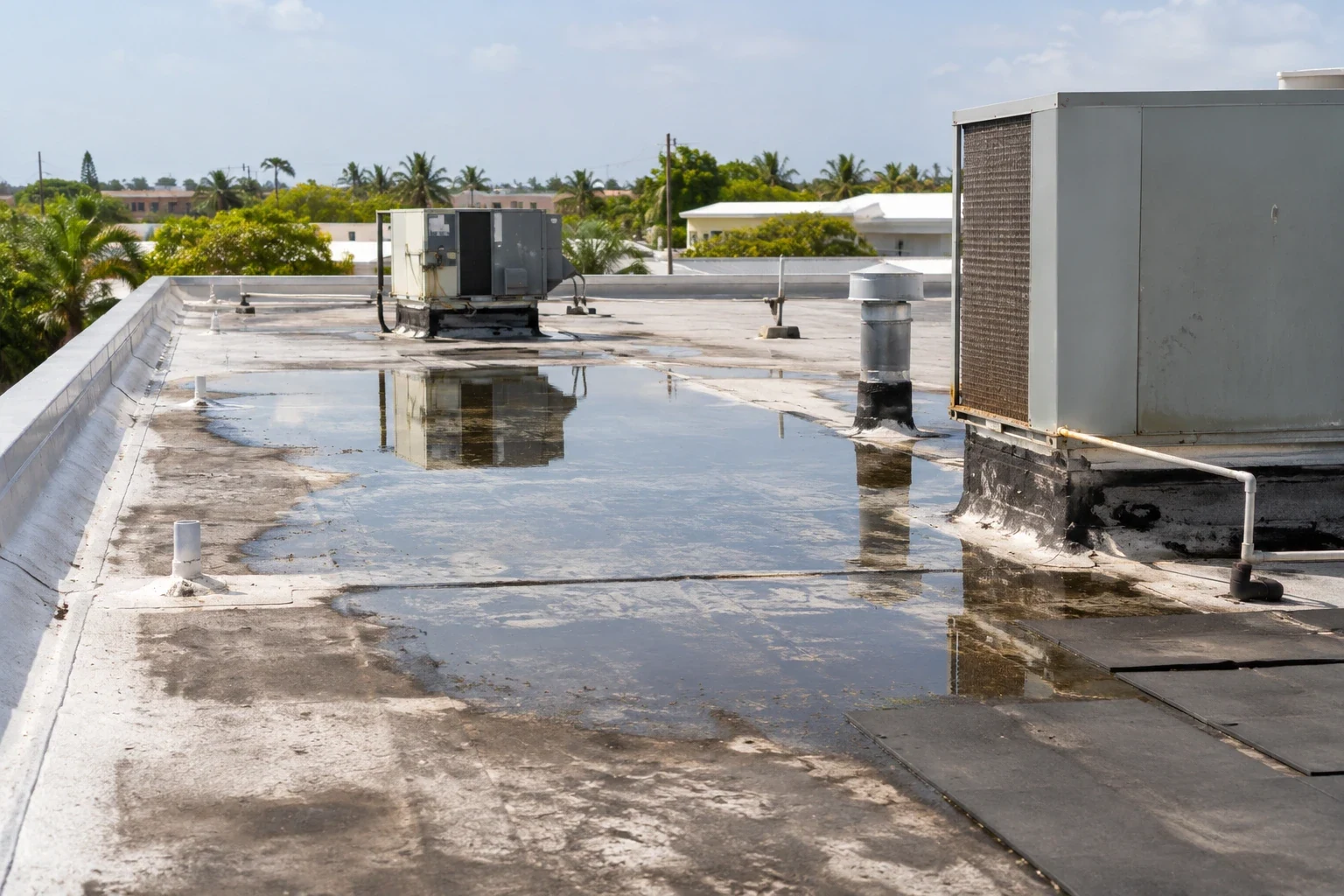
Wind-driven water can travel beyond the point where it appears indoors. We check nearby seams, drains, scuppers, roof-to-wall transitions, and penetrations before assigning a repair boundary. A drain and scupper inspection can distinguish a blocked outlet from a membrane or flashing issue. If moisture may extend beneath the surface, we identify an owner-approved test or opening and describe how the area will be restored. That sequence prevents an interior stain from being treated as a precise roof map.
Which details decide temporary protection?
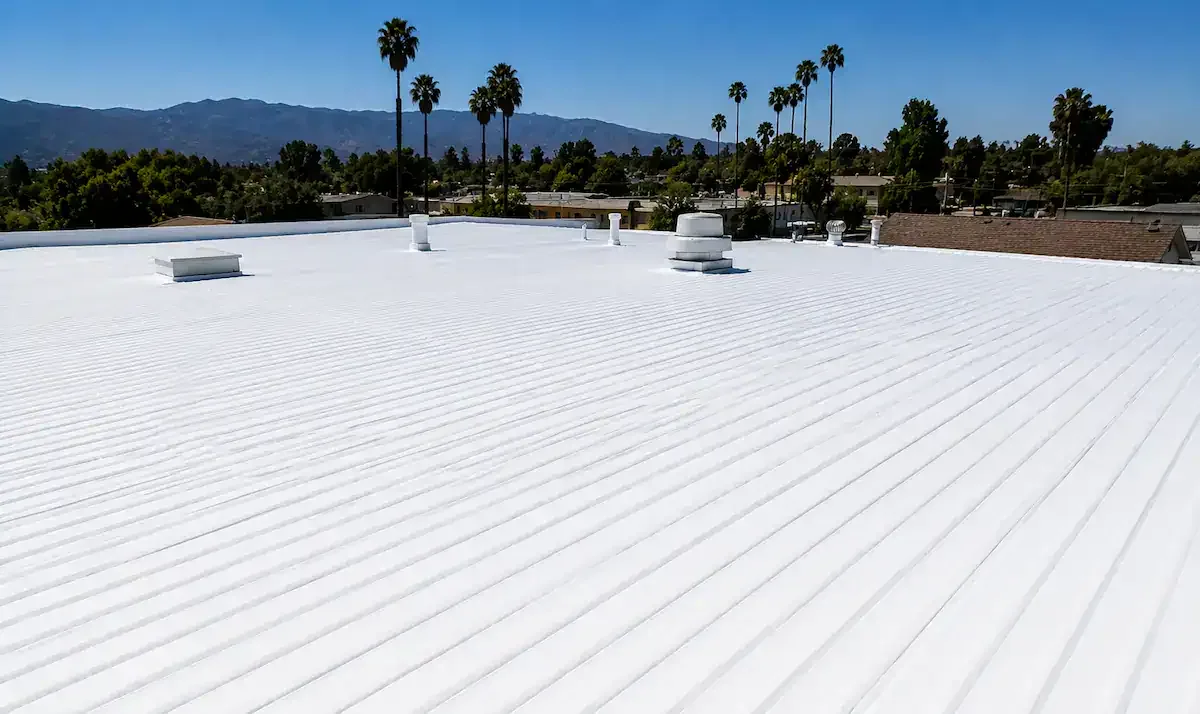
An active opening needs a short, clear protection plan before repair pricing expands. We identify the affected room, the roof access route, the cover method, and the person who will check the area after the crew leaves. Where debris or loose material creates an immediate concern, we secure the work zone and keep occupants away from the affected path. The cover must suit the roof surface and expected exposure, with its limits recorded so the owner knows what remains pending permanent repair.
Commercial operations do not always pause after a wind event. Nearby Hialeah has business and shopping activity along West 49th Street. Work around an active commercial district should account for entrances, deliveries, parking, and customer circulation using the property contact's actual instructions. We set lift placement and material staging with the site manager, then agree on a daily opening limit and a clean closeout. Around-the-clock emergency response is available for urgent roof openings, including overnight, weekends, and holidays, so the next step can begin before a normal service window.
Opa-locka includes commercial, residential, retail, and recreational activity. Where a property has public-facing tenants or neighbors close to the work zone, the temporary-protection map should include pedestrian paths, loading access, and any area that cannot be cordoned off. We confirm those boundaries with the owner before placing a lift or removing loose material, then keep the route clear through the end-of-shift inspection.
Industries We Work With
Owners and operators in these fields rely on us to plan roof work around their buildings.
Coordinate healthcare roof work in Miami Gardens, FL around patient routes, critical rooms, equipment, infection controls, and documented approval windows.
Coordinate 3PL roof work in Miami Gardens, FL around dispatch cycles, dock access, inventory protection, equipment routes, and phased closeout.
Plan school district roof work in Miami Gardens, FL around student routes, athletic spaces, summer windows, classroom protection, and board approvals.
Coordinate portfolio roof work in Miami Gardens, FL with area records, access windows, repair priorities, and approvals that keep each asset distinct.
Related Roofing Work
Other pages that cover the same roof question.
Roof leaking now? Call 555-555-5555 and we will send a crew to look at it.
What can the estimate cover without guessing?
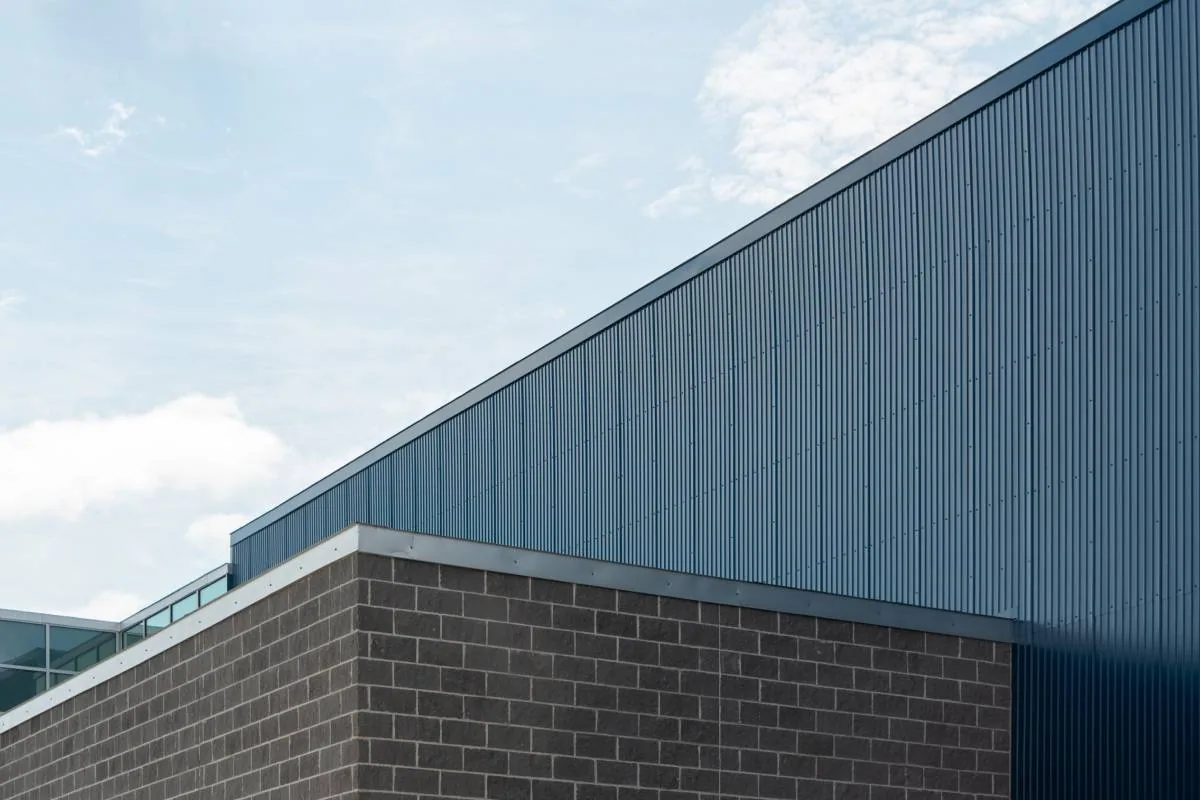
A useful estimate states which detail will be repaired, what adjacent area will be checked, and what remains concealed. It can include edge-metal reset or replacement, new fasteners, membrane patching, flashing work, drain correction, or a larger assembly repair when the evidence supports it. We identify access equipment, protection, debris handling, and any testing or approval that affects cost or timing. For larger affected areas, the edge and coping scope should describe attachment and transition details rather than treating all perimeter metal as one item.
Where a gust has moved equipment supports or exposed roof decking, we document the visible condition and identify whether a design professional should review the proposed correction. Roofing work can restore membrane and flashing details, but support or structural questions need the appropriate design decision before the assembly is closed. We state the affected area, temporary protection, requested review, and schedule impact so the owner can approve the next action with the right information.
When several roof zones show damage, we separate immediate repairs from capital candidates and show the price basis for each. A localized fix may restore a watertight detail while inspection continues elsewhere. A replacement package needs evidence about wet insulation, deck condition, attachment, drainage, and system compatibility. If storm damage may involve insurance, a dated photo and condition record can support the owner's file without deciding coverage. The owner receives a clear work boundary and a list of approvals still needed before the repair moves forward.
How should repair work fit regional operations?
After the permanent repair, we document the materials installed, completed roof area, flashing and seam checks, drainage work, and any follow-up item. The property manager can compare that record with the original report if another leak appears. A shopping-center roof plan may need separate work zones for tenants, loading, and public entrances, while tornado-related roof repair may require a different debris and structural review. Each scope remains tied to the actual damage found.
Wind can be followed by more rain before the roof is fully repaired. We state what temporary protection remains, who monitors it, and when the permanent work can resume. If testing, permit review, or product approval is required, the schedule lists that as an open decision rather than implying the roof is ready. The closeout file gives the contractor and owner a basis for maintenance planning, future budget comparisons, and prompt review of any new symptom after another weather event.
Set a wind-damage roof review
Share the roof plan, reported leak locations, access limits, and recent repair history. We will map observed conditions, temporary protection, and repair approvals for your property.
Questions About Wind Damage Roof Repair
Does a leak after high wind prove wind damage?
It marks a location to investigate, not a cause by itself. We inspect the roof detail, trace drainage and water paths, and document any evidence that supports a repair or further testing.
Can you cover an opening before the permanent repair?
Yes. We identify a temporary protection method, its limits, and the contact responsible for checking the area until permanent work is approved and scheduled.
Will you inspect the whole roof after one edge detail moves?
We review the reported area and adjacent details that could share the same exposure. The record distinguishes checked zones from those that were inaccessible or need a separate inspection.
What should the property manager send first?
Send roof plans, recent leak reports, prior repair records, access limits, and photos from the ground. Those details help us plan a safe route and confirm what the site can support.
Can wind repairs proceed while tenants remain open?
The daily work boundary, tenant routes, noise windows, and overhead protection guide the sequence. We coordinate each zone with the property contact and document any needed closure.