
Commercial Hurricane Damage Roof Repair in Miami Gardens, FL
Roof Damage Repair
Coordinate commercial hurricane roof repairs in Miami Gardens with a safe survey, temporary protection, and a documented permanent scope.
Commercial Hurricane Damage Roof Repair Overview
A hurricane repair package starts with two separate decisions: what must be protected now, and what evidence is needed before permanent work is released. In Miami Gardens, we record the access limits, exposed roof areas, interior conditions, and temporary measures before setting a replacement boundary. Wind, rain, debris, and pressure changes can affect different details across one assembly, so the field file should tie each proposed quantity to a specific observation. The general contractor can then sequence stabilization, testing, and restoration without treating a storm label as a complete diagnosis.
What does the regional forecast tell the project team?
Tropical systems can reshape South Florida rainfall patterns, but confidence in a local track drops beyond roughly a week. That uncertainty makes the current forecast important for deciding when to open a roof and how much temporary protection can be checked before a shift ends. The wet season runs from May 15 through October 15, when most average annual rainfall occurs. We use that seasonal context for scheduling, then rely on site evidence and the active forecast for the day’s work plan.
I-95, State Road 826, and the Florida Turnpike are major road approaches for Miami Gardens. For hurricane-repair mobilization, those routes inform the regional leg; local access, loading areas, and occupied entrances determine the final sequence. Before a lift is scheduled, we verify its setup area, route to the roof, material-handling path, and entrances that must remain open. A Miami Gardens commercial roof review begins with a map of those roof and access conditions before the permanent repair boundary is set.
More on Commercial Hurricane Damage Roof Repair
The sections below cover the questions property teams ask before they approve the work.
Which conditions need immediate temporary protection?
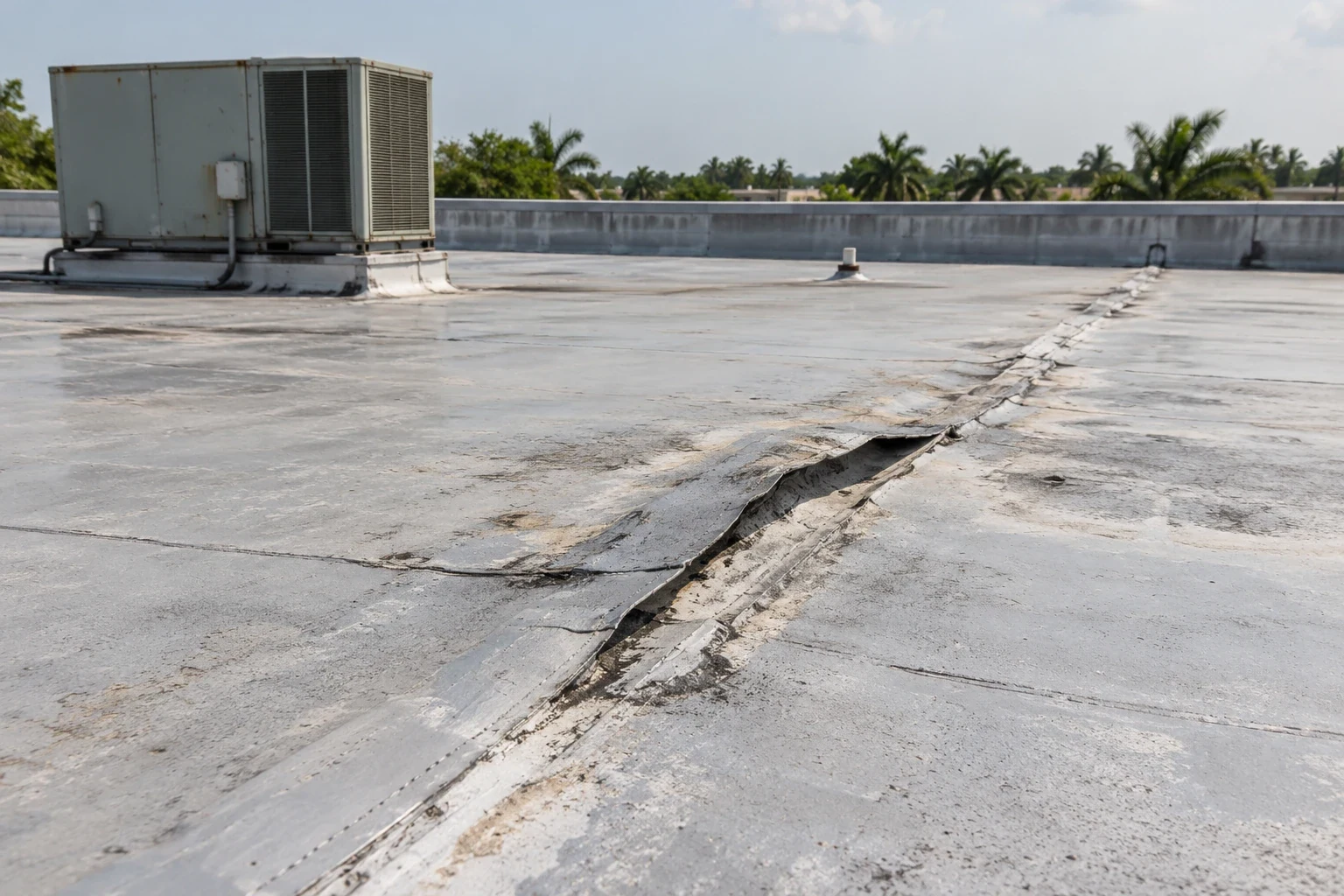
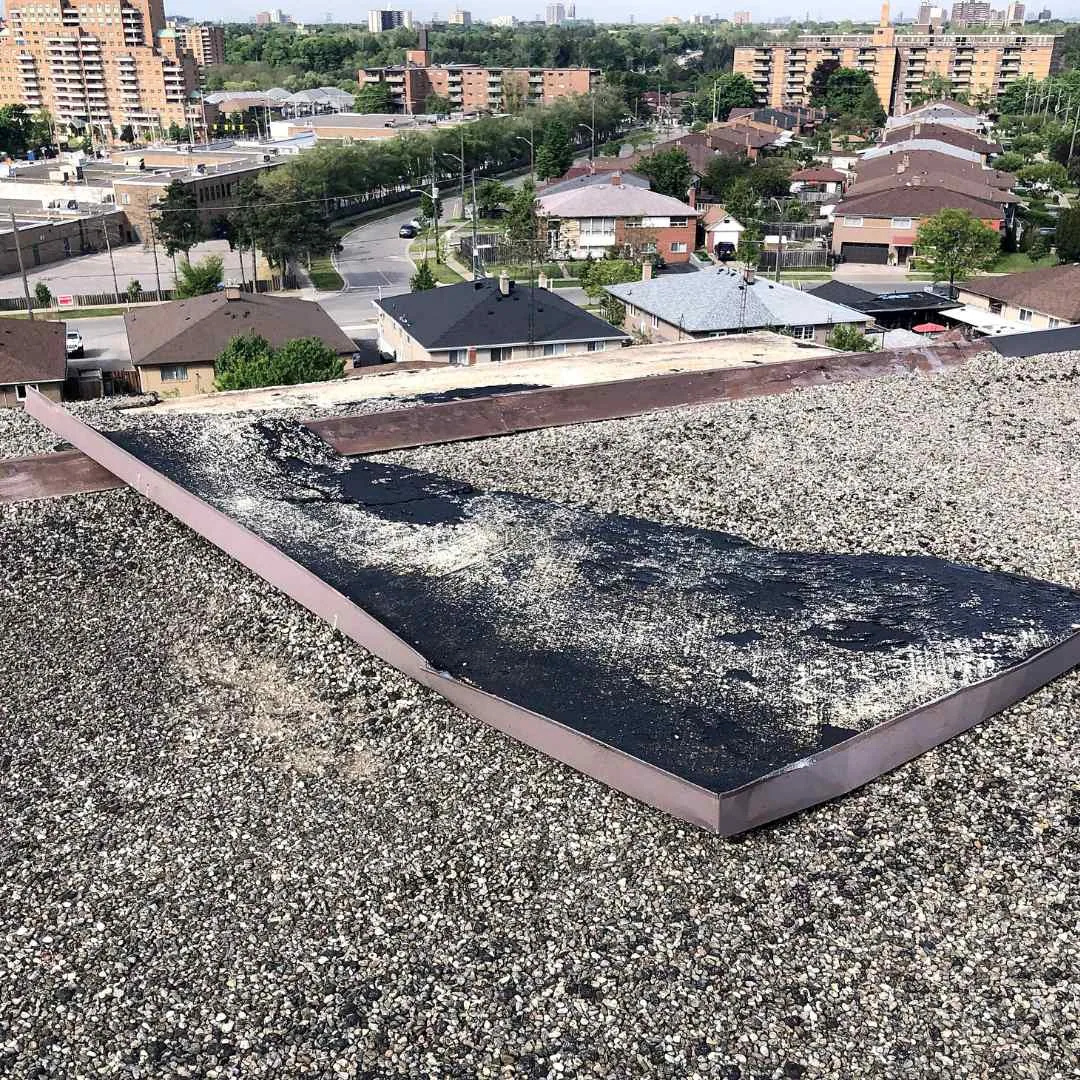
Open seams, displaced edge metal, punctures, damaged penetrations, and loose debris can expose the assembly to additional water. We photograph the condition, mark its location, and decide whether a secure temporary cover can be installed within the approved access window. Temporary work should identify who checks tie-downs, where water may drain, and how the area will be revisited if the forecast changes. Around-the-clock emergency response is available on nights, weekends, and holidays when a confirmed opening needs stabilization.
On a low-slope roof, we inspect perimeter details, corners, field seams, drains, and transitions where wind-driven water can enter. On a metal system, the review may include panels, clips, fasteners, closures, and flashing joints. A wind damage assessment documents displacement and uplift concerns separately from water staining or ordinary wear. If a seam has opened, a seam repair evaluation can identify whether the substrate and adjacent laps are suitable for a localized detail or need broader work.
How do we set a permanent repair boundary?
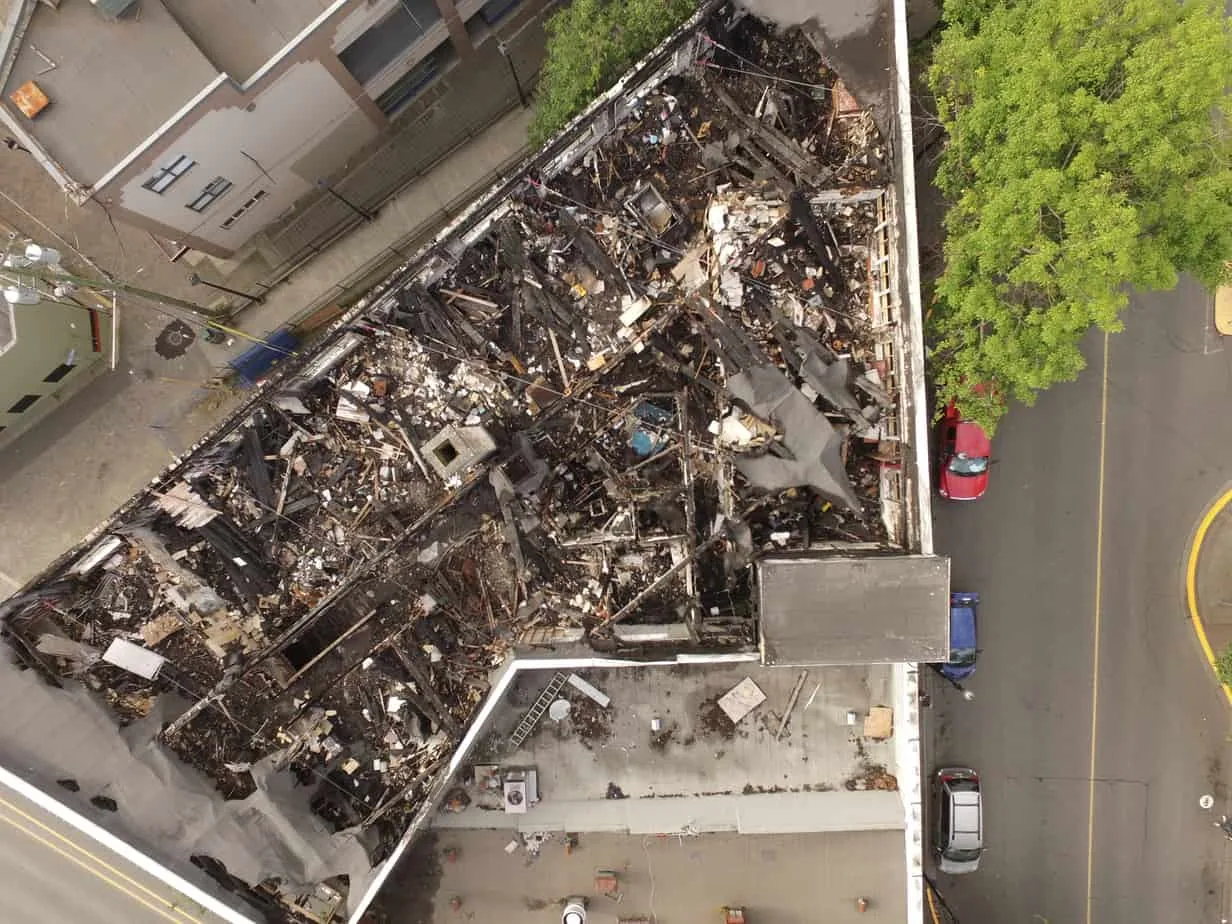
Interior leaks help locate symptoms, but water can travel laterally before it appears inside. We compare leak reports with roof slopes, drains, penetrations, seams, and changes in assembly. Where approved, moisture surveys or test openings can clarify whether insulation and deck remain suitable. The photo-based condition report labels observed damage, tested areas, and questions that remain unanswered, giving the owner a basis for reviewing the repair candidate and any allowance for concealed conditions.
Florida’s High Velocity Hurricane Zone can shape roofing submittals in Miami-Dade and Broward, including review of assemblies applicable to the specific project. Design details and permit obligations are established for the job under requirements active when documents are submitted. We align the repair description with the design professional and the local permitting sequence instead of presuming one detail fits every roof. A commercial roof inspection can record the existing assembly, while project documents govern the installation.
Industries We Work With
Owners and operators in these fields rely on us to plan roof work around their buildings.
Coordinate healthcare roof work in Miami Gardens, FL around patient routes, critical rooms, equipment, infection controls, and documented approval windows.
Coordinate 3PL roof work in Miami Gardens, FL around dispatch cycles, dock access, inventory protection, equipment routes, and phased closeout.
Plan school district roof work in Miami Gardens, FL around student routes, athletic spaces, summer windows, classroom protection, and board approvals.
Coordinate portfolio roof work in Miami Gardens, FL with area records, access windows, repair priorities, and approvals that keep each asset distinct.
Related Roofing Work
Other pages that cover the same roof question.
Roof leaking now? Call 555-555-5555 and we will send a crew to look at it.
When should restoration move beyond spot repairs?
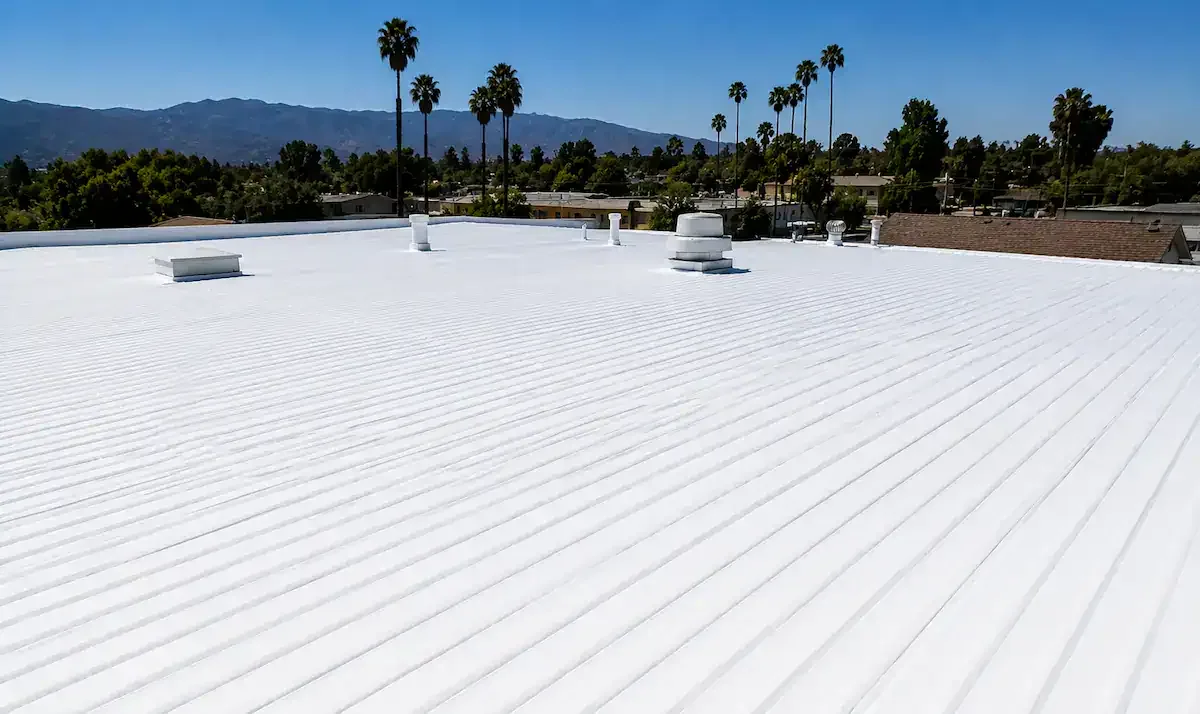
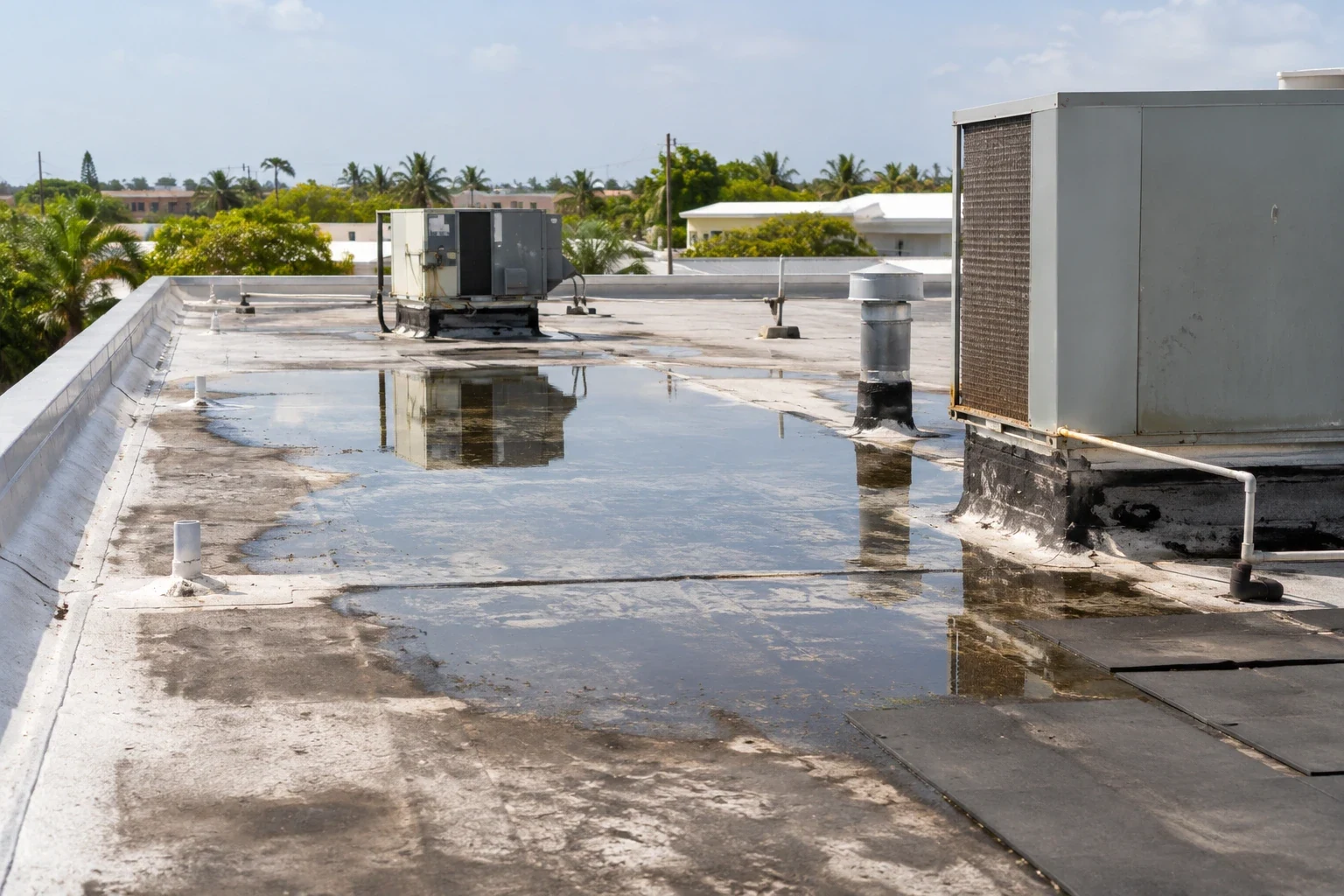
A localized repair is a candidate when the affected detail is limited, surrounding materials remain sound, and a compatible repair can restore continuity. Broader replacement may be more practical when damage repeats across multiple roof areas, moisture extends beyond isolated locations, or the current system cannot support a reliable patch. We compare the repair quantities with a defined replacement boundary and show the evidence for each option. For a TPO assembly, that review considers weldable surfaces and compatible accessories; a standing-seam metal roof requires attention to panel condition, clip movement, and transition details.
Commercial, industrial, and mixed-use districts in Miami Lakes include dedicated business parks. For regional contractors coordinating multiple facilities, each building needs its own storm record, access plan, and approval trail. A finding at one property should not set the scope for another. We can group mobilization and procurement where useful while preserving separate roof-area maps and change approvals. That structure helps the owner compare immediate stabilization with a later capital sequence without losing the distinction between confirmed storm damage and unrelated maintenance.
Miami Gardens identifies furniture businesses near the Palmetto Expressway and automobile trade along U.S. 441. These corridors provide commercial context, while a site walk confirms each property's delivery path, entrances, staging area, and work hours. Before equipment arrives, the project lead records the approved route and the interior areas beneath proposed openings. That preparation helps keep temporary protection aligned with the work the crew can complete during each access window. The access note names who provides roof entry, which customer or tenant paths remain open, where a lift can stage, and when the crew must secure the active zone. If an approved route changes, the general contractor records the revised path before materials move. These details determine which roof area fits one shift, which work package needs a separate access window, and who confirms the daily closure point.
What remains after the roof is weather-tight?
Closeout includes dated photographs, temporary protection status, completed details, drainage checks, test results, approved changes, and any area awaiting further review. The record also names the next approval point and who owns it. If additional rain exposes a symptom, the facility team can compare its location with the completed-work map and decide whether a follow-up inspection is needed. A roof-area tracking program can carry open items into future maintenance and capital planning without representing one storm visit as a full roof history.
Cost and schedule depend on quantities documented during field review, material availability, access equipment, disposal, drying conditions, and the extent of concealed damage. We state known work separately from allowances that require authorization. A 24-hour emergency roof response can address exposure while testing and permanent submittals proceed. The owner receives a work package with the repair boundary, occupancy impacts, protection plan, and closeout requirements, so the project team can coordinate roof completion with the building’s separate reentry and operations decisions.
Plan the hurricane roof work package
Send the roof plans, incident information, leak reports, access constraints, and current project schedule. We will map the stabilization needs, inspection sequence, repair boundary, and decisions required for permanent restoration.
Questions About Commercial Hurricane Damage Roof Repair
Does a hurricane warning mean the roof needs replacement?
No. The warning identifies a weather risk, not the condition of a particular assembly. We inspect and document the affected details before recommending repair or replacement.
Can temporary protection stay in place until permanent work starts?
It can serve as an interim measure when its limits and inspection responsibility are clear. We document its condition and revisit it as forecast and access windows change.
How are water entry points found after wind-driven rain?
We compare interior reports with roof slopes, seams, penetrations, drains, and transitions. Testing or approved openings may be needed before concealed conditions are included in scope.
Do hurricane-zone rules affect roof repair?
They may affect the permit submittal and approved assembly. The design professional and authority having jurisdiction determine the applicable requirements for the project.
What should the contractor provide for a claim file?
Provide dated photographs, a mapped inspection, repair quantities, temporary protection records, test results, and approvals. We keep observed conditions distinct from estimates for concealed work.