
Commercial Hail Damage Roof Repair in Miami Gardens, FL
Roof Damage Repair
Assess hail impacts on commercial roofing in Miami Gardens with mapped observations, tested repair limits, and a clear plan for exposed areas.
Commercial Hail Damage Roof Repair Overview
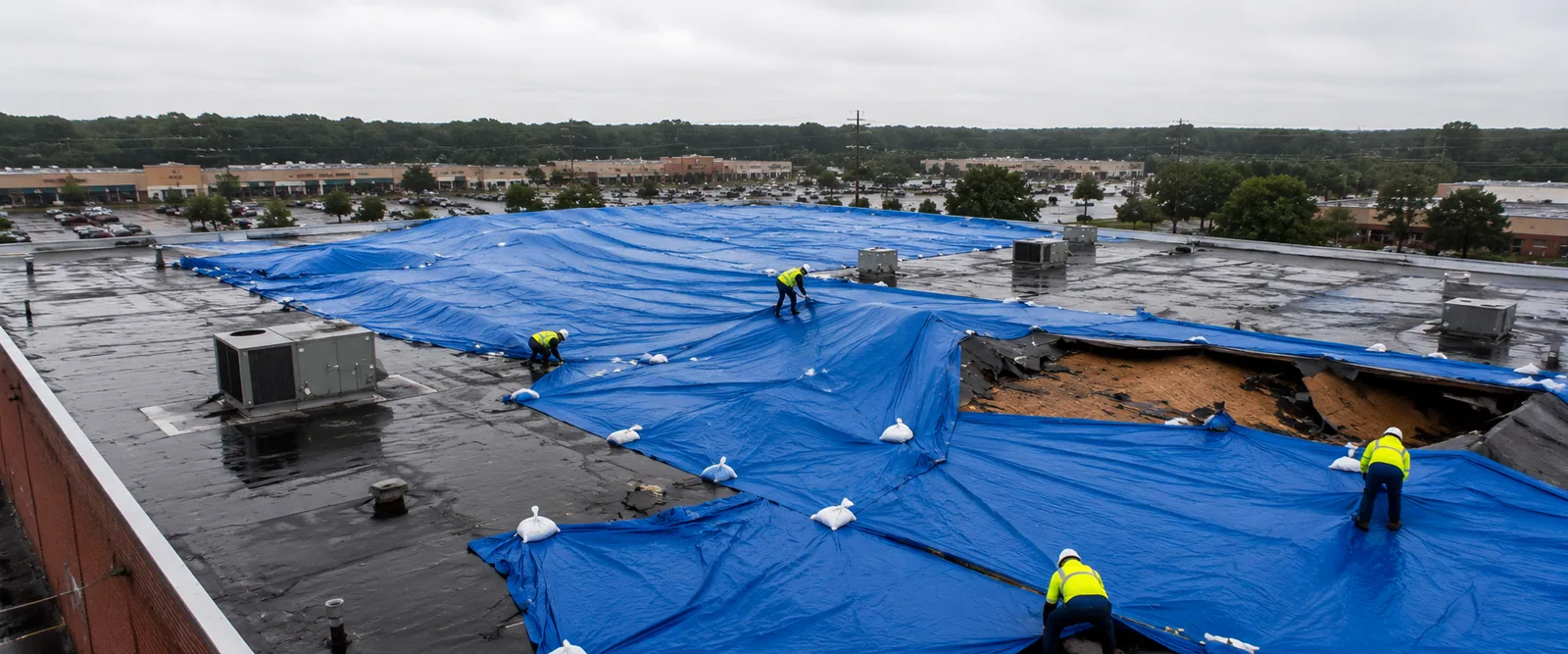
After hail crosses a commercial site, the first useful decision is which roof areas need closer review before the next work package is approved. In Miami Gardens, field evidence should separate direct impact marks from wear, loose debris, and conditions that were already present. We map the affected roof zones, record access limits, and compare the surface with drains, seams, flashings, and rooftop equipment. That record helps the general contractor set a practical inspection sequence without treating every mark as a replacement trigger.
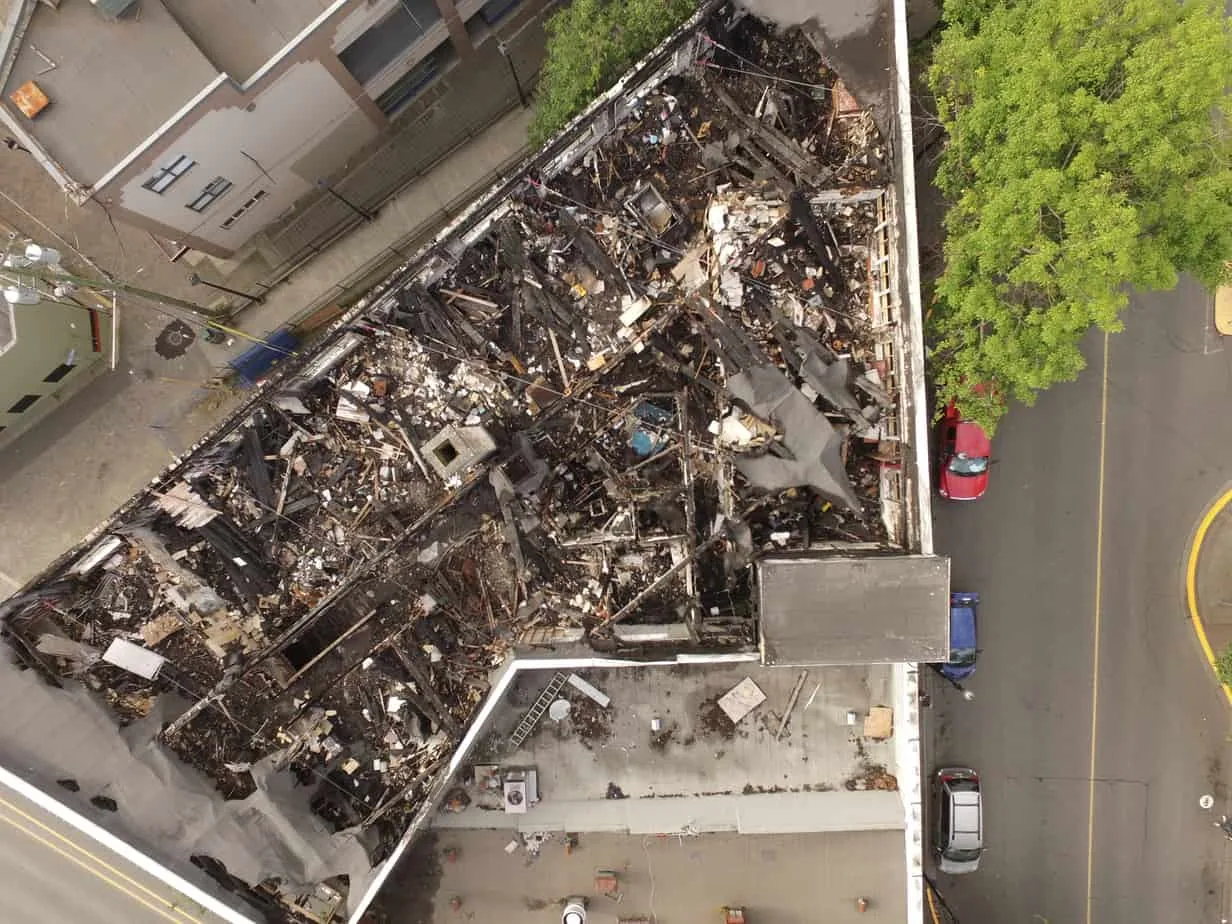
How does the storm window affect the first review?
Regional weather outlooks place the highest likelihood of hail and other severe impacts in the mid-May to early-July portion of the season. That calendar helps schedule a prompt review, but it cannot confirm that hail struck a particular property or establish the force at its roof. The site record begins with the event date supplied by the owner, available photographs, interior reports, and safe access. We then note which slopes or roof sections were visible and which need a later access window.
Shopping and vehicle-service activity follow different local routes, so delivery timing and customer entry can shape a survey in different ways. We confirm the actual gate, loading area, and tenant schedule with the property contact instead of assuming that nearby commercial uses share one access pattern. Our crew plans an inspection path that keeps entrances open, protects interior operations, and prevents debris from reaching drains or pedestrian routes. The roof review still follows the installed assembly and evidence from the reported event.
More on Commercial Hail Damage Roof Repair
The sections below cover the questions property teams ask before they approve the work.
Which marks justify testing or a repair?
Hail can leave dents in metal, fractures or impact marks in brittle components, and bruising that is harder to interpret on flexible membrane. A mark alone does not reveal whether a membrane has lost continuity or whether insulation beneath it has been affected. We photograph each condition with a roof-area reference, compare similar details, and probe only where the assembly and safety plan permit. The written roof condition report with photos distinguishes observation from a repair recommendation, so the owner can review the basis for each proposed quantity.
At seams, we look for separation, displaced edges, or loss of adhesion, then check the adjoining field and termination. Around penetrations and curbs, we assess flashing transitions and the movement of water toward drains. A commercial roof inspection can include moisture scanning when the assembly and access conditions make that method useful. Any scan result is interpreted with openings or other field evidence; it is not a substitute for a documented repair boundary. The contractor can then isolate confirmed damage from cosmetic marks and routine maintenance items.
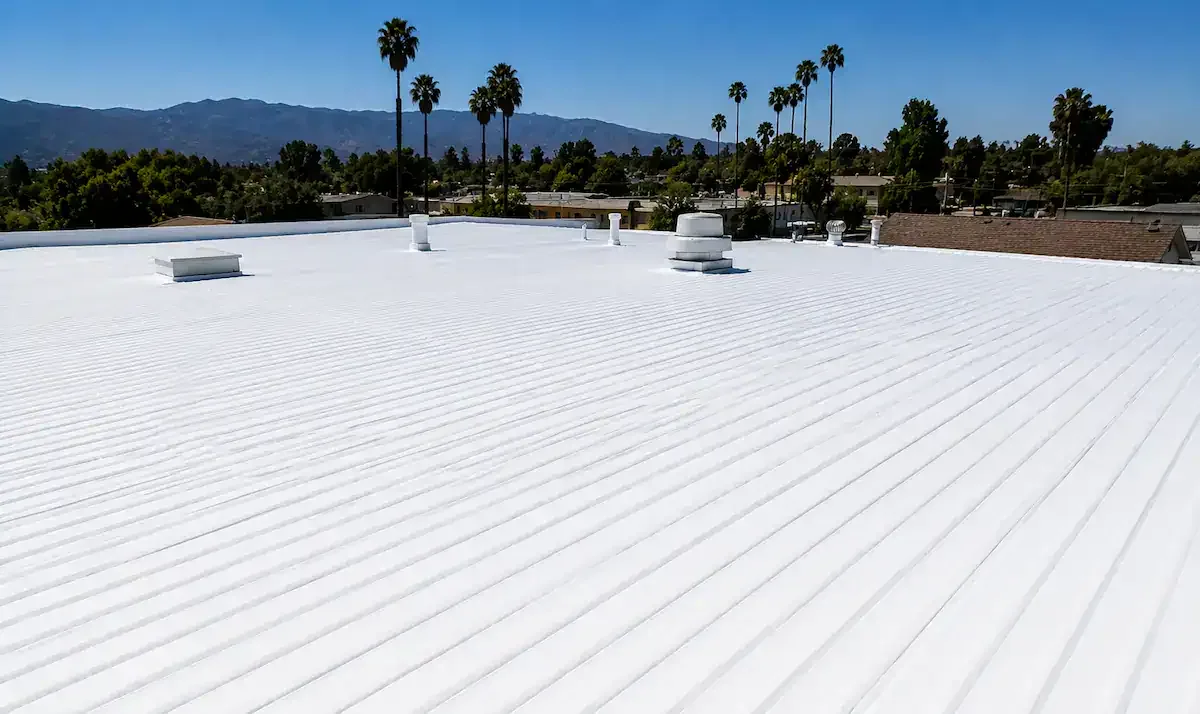
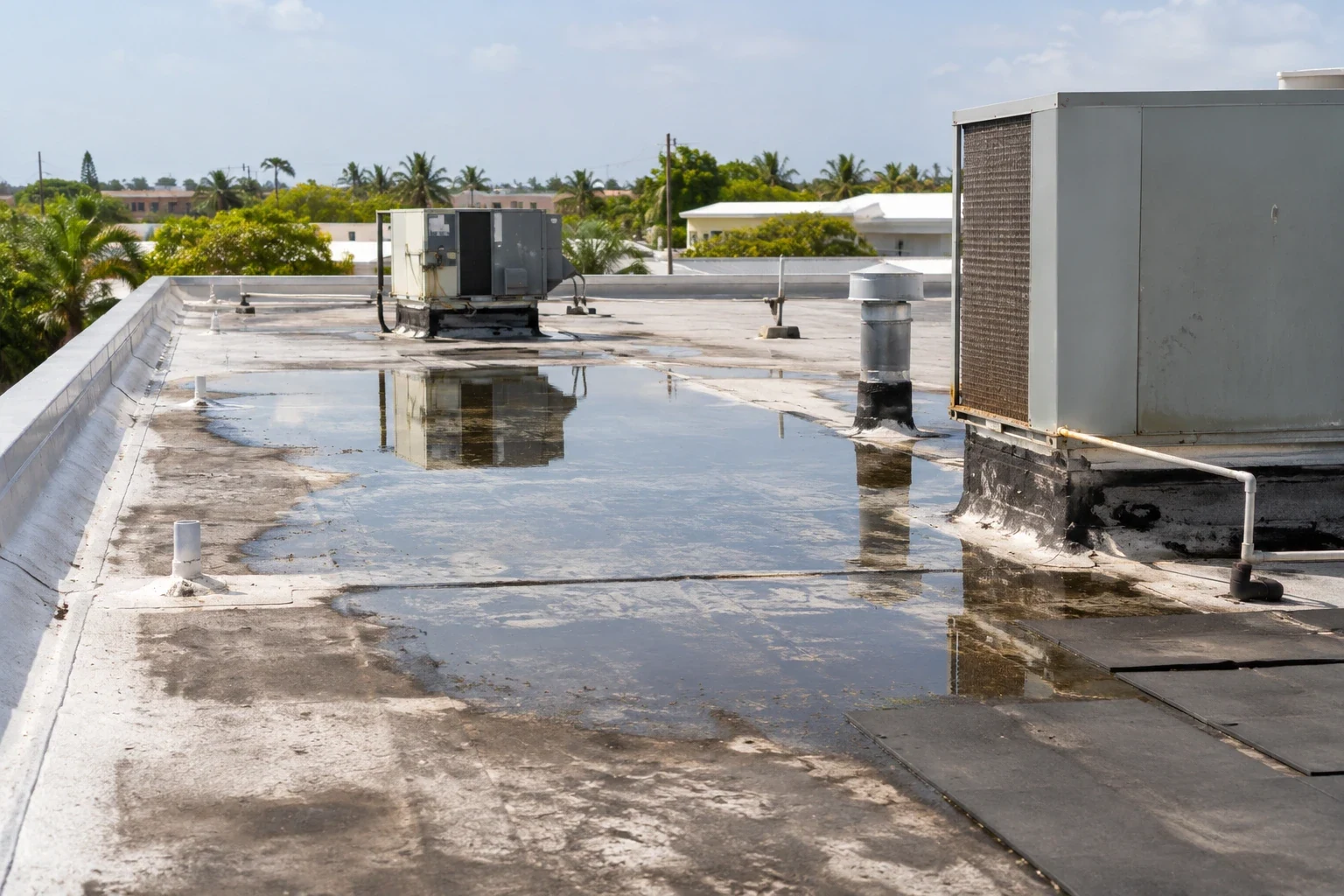
When does a localized repair remain practical?
A patch may be suitable when the affected area is limited, the surrounding material remains serviceable, and a compatible repair detail can be installed. We identify the membrane type, attachment, age information supplied by the owner, and the condition of nearby seams before selecting a method. For a TPO roof, that review can include whether a welded patch can be prepared without contaminating the bond. A standing-seam metal assembly needs a different response to panel dents, clips, coating loss, or damage at a lap.
Broader replacement becomes a candidate when test areas show recurring material failure, moisture extends beyond isolated impacts, or compatible repairs would leave an unreliable field. We compare the repair package with a defined replacement boundary and explain the evidence behind both. A wind damage assessment may be needed when the same weather period produced displaced edges or uplift concerns, but those conditions stay separate in the record until observed. That separation helps the owner track hail-related work without combining unrelated maintenance into one unexplained scope.
Industries We Work With
Owners and operators in these fields rely on us to plan roof work around their buildings.
Coordinate healthcare roof work in Miami Gardens, FL around patient routes, critical rooms, equipment, infection controls, and documented approval windows.
Coordinate 3PL roof work in Miami Gardens, FL around dispatch cycles, dock access, inventory protection, equipment routes, and phased closeout.
Plan school district roof work in Miami Gardens, FL around student routes, athletic spaces, summer windows, classroom protection, and board approvals.
Coordinate portfolio roof work in Miami Gardens, FL with area records, access windows, repair priorities, and approvals that keep each asset distinct.
Related Roofing Work
Other pages that cover the same roof question.
Roof leaking now? Call 555-555-5555 and we will send a crew to look at it.
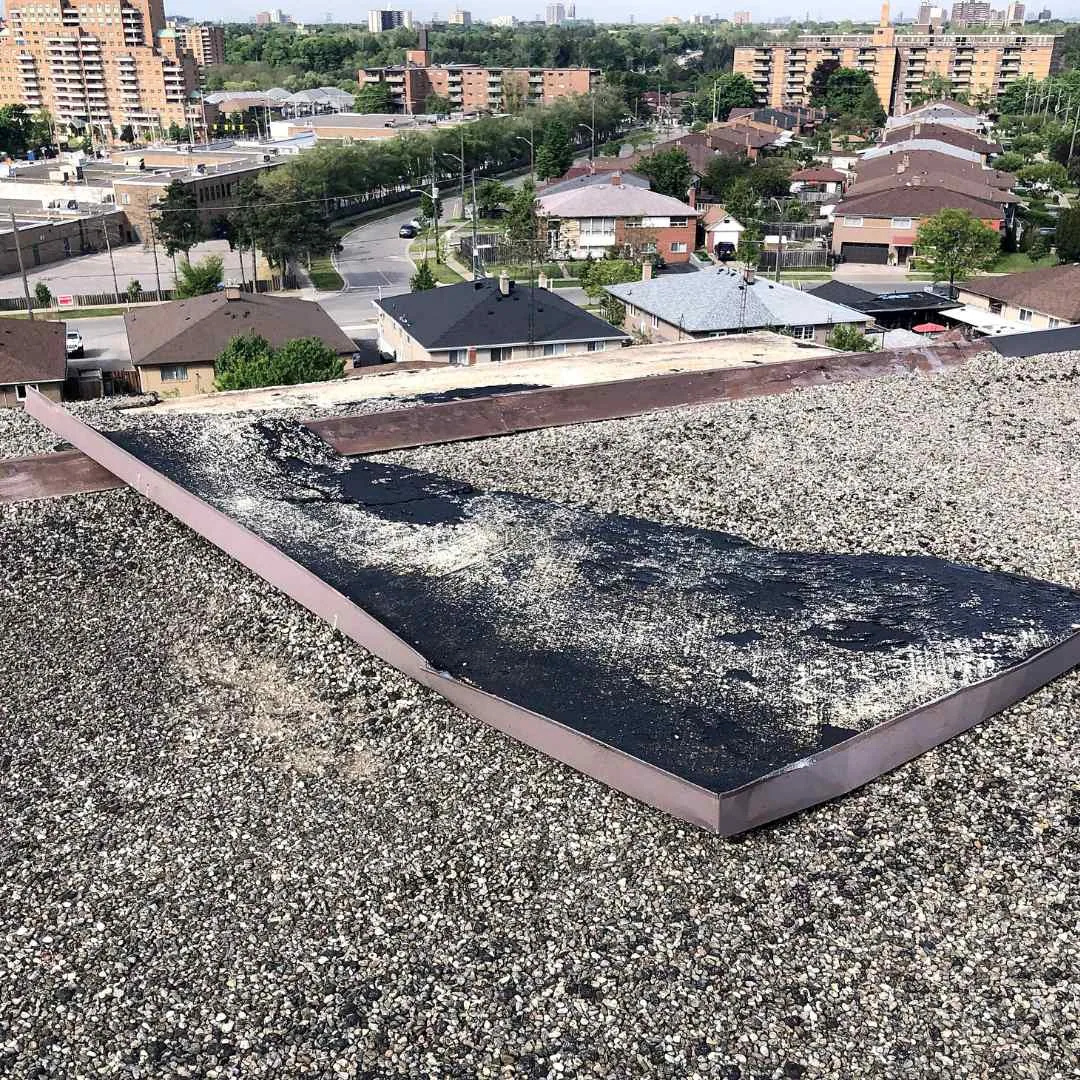
How can work proceed around active tenants?
West 49th Street is a Hialeah commercial area serving businesses and shoppers. Before using a lift or moving material, we agree on the quietest workable access period and mark a route that does not cross an active entrance. Any test cut has an identified approver, a protection method, and a same-shift closure step. The staging plan accounts for merchandise or equipment below, and the daily handoff records which sections were completed and what still needs follow-up.
Warm, moisture-rich conditions can bring short-lived showers across South Florida. For a Miami Gardens building, crews separate the regional climate pattern from the workday forecast and keep an opening small enough to protect before leaving. The supervisor assigns someone to monitor alerts, sets a threshold for pausing removal, and names a closeout check for each roof zone. After rain, the owner receives a location list for follow-up, with temporary protection recorded apart from permanent repair. Emergency response remains available at any hour, including weekends and holidays, when an observed opening needs prompt stabilization.
What should the hail repair record include?
A useful closeout ties each image to a roof area, identifies the observed condition, and states whether it was repaired, monitored, or referred for further testing. We include material and detail information, approved changes, temporary protection, and any access restriction that affected the inspection. Opa-locka promotes commercial, residential, retail, and recreational uses, so regional roof work needs a site-specific access window, staging plan, and approval point. The record remains specific to the Miami Gardens building and does not transfer a condition from a neighboring market or property.
Cost and timing depend on the documented quantity, assembly, access equipment, protection below, disposal needs, and whether testing reveals concealed moisture. The proposal separates measured work from allowances that require approval. A 24-hour emergency response can limit exposure while the permanent scope is reviewed, and roof-area tracking can carry unresolved items into a later capital decision. The owner can then compare the storm response with prior records instead of treating a single visit as a complete roof history.
For a Miami Gardens, FL property, the first pass should connect the storm file to the roof map and occupancy plan. We tag each photograph with a roof-area identifier, direction, and observed detail so the reviewer can compare locations without confusing one mark for another. For a Miami Gardens roof, we confirm tenant access, material staging, and roof entry with the site contact before comparing the storm file with the roof map. If seam movement appears alongside impact marks, a seam condition review can isolate that defect in the same field file. The decision record then states which repair candidate is ready, which needs a test opening, and which remains a follow-up item. That sequence gives the project team a clear approval point before material is ordered.
Set the hail review sequence
Share the roof plans, event information, occupancy limits, and available access windows. We will map the affected areas, document the repair candidates, and identify the approvals needed for the next work package.
Questions About Commercial Hail Damage Roof Repair
Does a dent prove the membrane is leaking?
A dent is a reason to inspect the area, not proof of a breach. We check the surface, seams, transitions, and accessible layers, then document whether testing supports a repair.
Can hail marks be repaired without replacing the whole roof?
Localized work can remain practical when the surrounding assembly is sound and a compatible detail can be installed. We compare that option with broader work only after mapping the evidence.
What if hail and wind affected the same roof?
We record each condition separately, then identify any overlap supported by field evidence. That keeps quantities and approvals traceable when the final package includes both repairs.
How soon should a roof be reviewed after a storm?
Promptly, once safe access is available. A timely record helps identify openings and temporary protection needs before later rain changes the visible condition.
What information should be ready for the inspection?
Provide the event date, roof plans, prior repair records, interior leak reports, access rules, and the hours when lifts or test work can occur.