
Commercial Roof Capital Planning in Miami Gardens, FL
Roofing Capabilities
Compare repair and replacement timing for commercial roofs in Miami Gardens, FL with condition evidence, access needs, and phased work packages.
Commercial Roof Capital Planning Overview
A capital decision needs a boundary, a sequence, and evidence that belongs to the building being funded. In Miami Gardens, FL, we inspect the roof area, record its assembly and visible condition, then separate immediate repair from work that may belong in a larger replacement package. The general contractor can compare timing with tenant occupancy, access windows, and other trades before the approval point. That record supports a budget discussion without turning a regional climate pattern into a prediction for one property.
Roof access, tenant activity, crane windows, and scheduled shutdowns can constrain when work begins; the budget record should show which window the owner has approved and what remains provisional. The seasonal calendar can affect when a roof opening is planned and what temporary protection must be ready at shift end. It does not prove a leak or set a replacement date. A field inspection establishes the conditions that belong in each property's capital sequence.
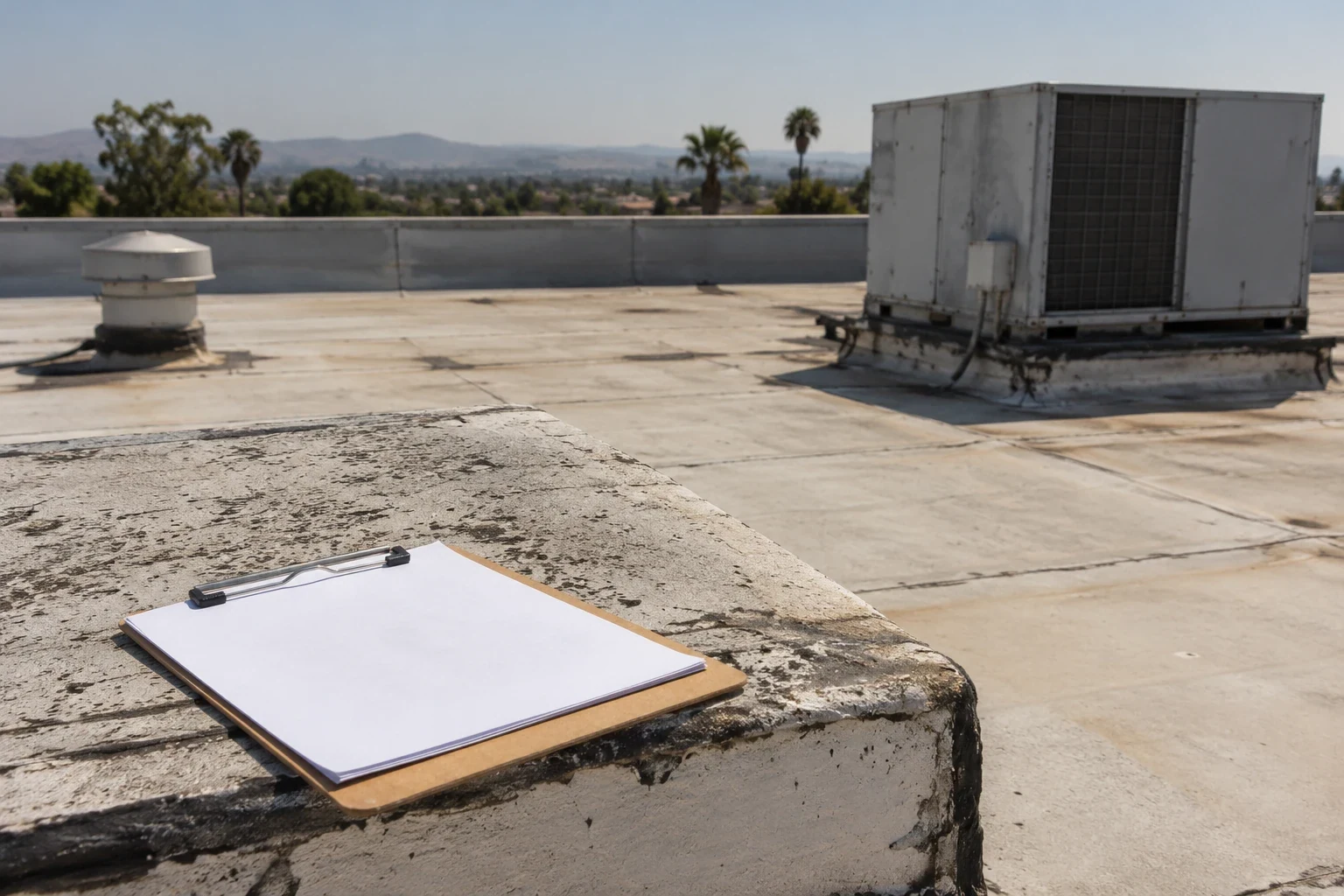
What belongs in the replacement boundary?
We map roof zones and identify the membrane, metal, or coating system where visible. The survey records seams, flashing, penetrations, edges, drains, scuppers, insulation indicators, and prior repairs. If conditions vary, the proposed boundary follows the evidence instead of covering an entire building by default. We note where selective testing or an owner decision is still needed, so the budget can distinguish confirmed work from an allowance or follow-up item. If the existing assembly is unknown, we flag the investigation needed before choosing a recover or tear-off scope.
A replacement plan also identifies interfaces that can add scope: rooftop equipment, skylights, parapet details, structural transitions, and trade work scheduled before the roof closes. We review those conditions with the superintendent and note who controls equipment shutdowns or access. A replacement package may include tear-off, cover board, insulation, new membrane, and flashing, while a roof recover option needs a suitable existing assembly and approval under the project requirements. We record the selected assembly requirements and any attachment or wind-uplift criteria from the project documents before pricing moves forward.
More on Commercial Roof Capital Planning
The sections below cover the questions property teams ask before they approve the work.
When does a repair plan become capital work?
Repeated repairs in the same roof area, moisture findings across several zones, or failing transitions can justify a broader review. None of those signals alone sets the answer. We compare the repair history, current field condition, testing result, and expected operating window. A limited repair can protect a serviceable section; a replacement boundary may make more sense where deterioration is broad or where recurring fixes keep reopening the same interface.
A capital review becomes useful when recurring service calls, expanding moisture evidence, or failed transitions change the risk picture; compare those observations with the repair log and remaining serviceable areas. That mix makes a staged capital sequence useful when a property has different operating demands across buildings. Pembroke Park sits between Hallandale Beach and Miramar, extending along I-95 from Pembroke Road to the Miami-Dade line; an access plan still has to be verified at each site. A roof-area report gives the budget team a consistent evidence set, and drainage repairs can be isolated when field conditions support that scope.

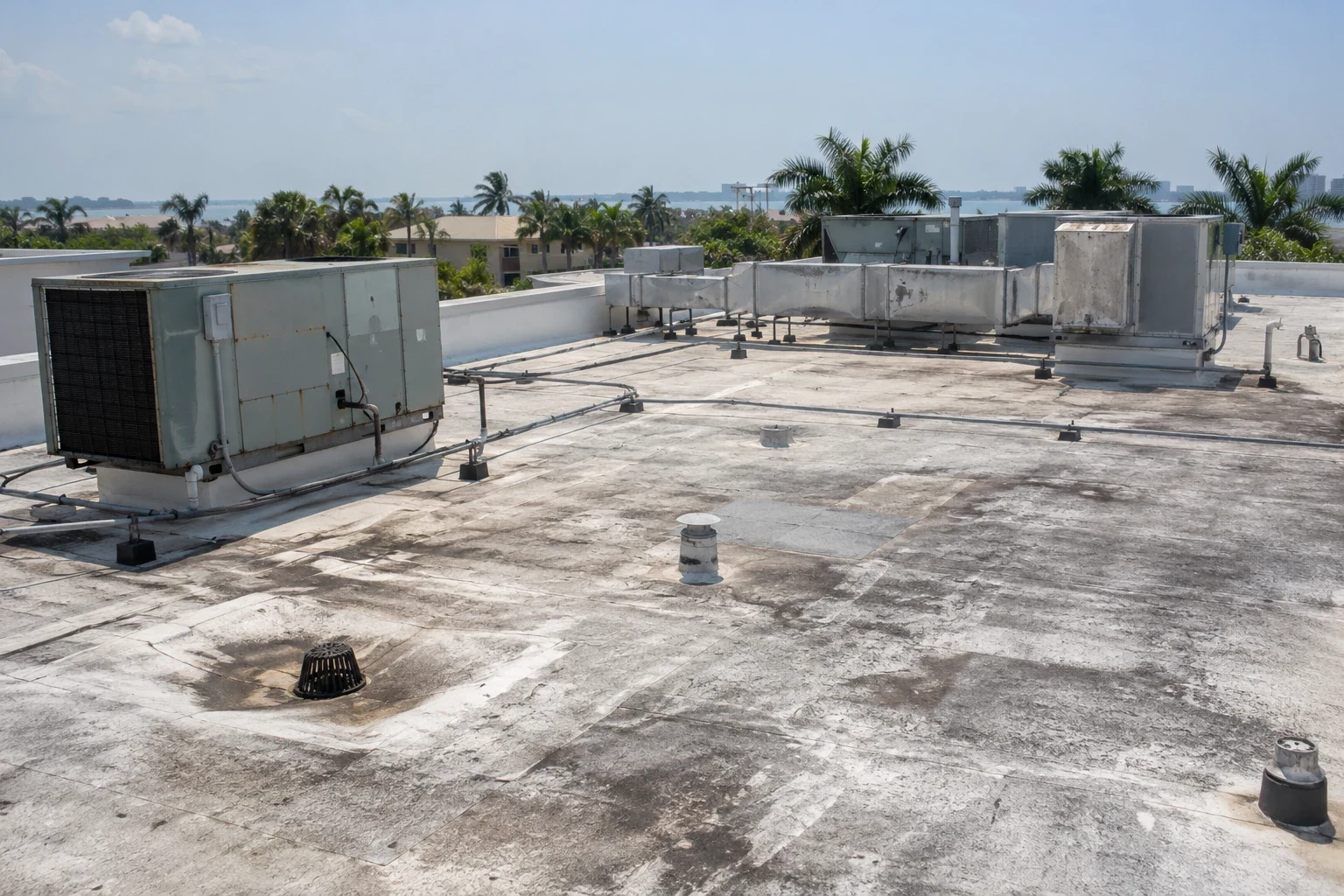
How should the capital sequence be staged?
We separate work into packages that can be approved and completed without leaving an unprotected opening. The order may begin with safety corrections or leak control, continue with repairs to drains and details, and finish with replacement or restoration in defined areas. Each package lists access, staging, occupied-space limits, temporary protection, and trade dependencies. The construction schedule should show the daily closure point and who accepts the roof at the end of a shift. We identify when a mechanical or electrical trade must finish first, so the sequence does not assume a curb or penetration can be left open while another crew is unavailable.
A sequencing worksheet should identify each crew handoff, the condition that releases the next package, and the closeout required before the roof is left unattended. For planning, that context makes the daily forecast and protection method part of the decision before a section is opened. The daily work plan follows the current forecast, site conditions, and the protection capacity available to the crew. A rapid protective response is available around the clock, weekends and holidays included; permanent work is then scoped from the field record and owner approval. A coordinated multi-site sequence can align approvals when separate properties share the same budget cycle without combining their condition findings.
Industries We Work With
Owners and operators in these fields rely on us to plan roof work around their buildings.
Coordinate healthcare roof work in Miami Gardens, FL around patient routes, critical rooms, equipment, infection controls, and documented approval windows.
Coordinate 3PL roof work in Miami Gardens, FL around dispatch cycles, dock access, inventory protection, equipment routes, and phased closeout.
Plan school district roof work in Miami Gardens, FL around student routes, athletic spaces, summer windows, classroom protection, and board approvals.
Coordinate portfolio roof work in Miami Gardens, FL with area records, access windows, repair priorities, and approvals that keep each asset distinct.
Related Roofing Work
Other pages that cover the same roof question.
Roof leaking now? Call 555-555-5555 and we will send a crew to look at it.
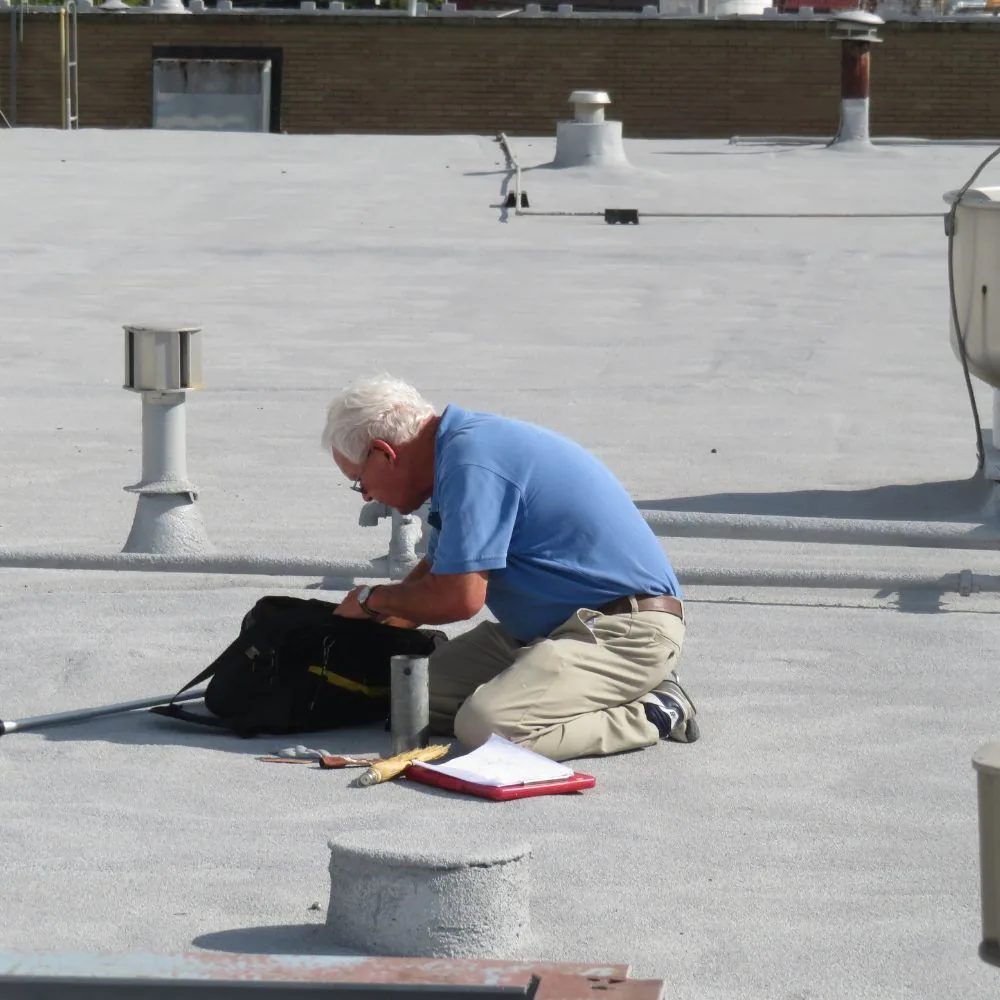
Which cost drivers need a separate line?
Cost changes with the measured roof area, tear-off depth, insulation and deck condition, edge and flashing complexity, equipment moves, access restrictions, disposal, and how much temporary protection the sequence requires. We describe those drivers against the proposed boundary and note assumptions that have not been verified. If an opening is needed to confirm the deck or insulation, the owner can authorize that investigation before a larger package is priced as firm work. We also list whether work affects drains, curbs, parapets, or occupied rooms below, because each interface can change the crew sequence and closure plan.
For a property with multiple systems, we compare each roof area on its own facts before ranking projects. A metal section with loose seams is not the same scope as a low-slope membrane with wet insulation. We retain the evidence and approvals in the project record, while a maintenance program tracks repair history after the capital work. We keep alternates, allowances, and deferred testing distinct so the budget does not quietly treat an unknown as a confirmed quantity. If a schedule requires work in phases, each phase receives a defined start condition and a closeout check before the next area opens.
What should the approval record settle?
Before release, the record should identify the selected boundary, system, access plan, schedule window, owner contact, and work that another trade must complete first. We list the evidence still needed and the person who can approve a change in the field. If tenant operations limit staging or noise, those constraints belong in the daily sequence. A clear approval point helps the general contractor coordinate delivery and work without assuming that an open roof can remain exposed. It should also identify who receives daily closeout photographs and who accepts a revised scope after discovery.
Use the approved roof plan, access limits, repair log, and occupancy calendar to build a decision record for each asset. For Miami Gardens properties, the owner can review which roof zones are ready to bid, which remain subject to testing, and which need service work while a capital scope is prepared. The package can identify the selected system, phasing assumptions, alternates, and approvals that remain open.
Review the next capital boundary
Send the roof plans, prior repair records, occupancy limits, access windows, and project schedule. We will document the roof areas, compare repair and replacement packages, and identify what needs approval before the work sequence is set.
Questions About Commercial Roof Capital Planning
What information makes a roof budget more reliable?
Roof plans, prior repairs, access limits, and a current field review help define the scope. We identify unverified deck or insulation conditions separately and show how testing, equipment moves, and staging may affect the work package.
Can a capital plan include repairs and replacement together?
Yes. We can separate immediate repair candidates from replacement areas, then sequence both against occupancy and access. Each package receives its own boundary, evidence, protection plan, and approval point.
Does the wet season set the replacement date?
The seasonal rainfall pattern affects protection and scheduling discussions, but it does not establish a roof's condition or dictate a date. We check current weather and the actual site constraints before opening a section.
How do you keep unknown conditions out of the base scope?
We identify what is visible, what needs testing, and what remains an allowance. The owner can approve a selective opening or investigation before the replacement boundary and price are treated as final.