
Commercial Roofing for Hospitality Groups in Miami Gardens, FL
Industries We Serve
Coordinate hotel roof work in Miami Gardens, FL around guest circulation, room assignments, kitchen service, rooftop equipment, and phased approvals.
Hospitality Groups Overview
Guest-room assignments can change faster than a roof schedule, so the access plan needs a named approval contact. For hotels and hospitality properties serving Miami Gardens, FL, we map each roof zone against guest entrances, service corridors, kitchens, meeting rooms, and rooftop equipment. Hallandale Beach’s built environment includes hotels, shopping centers, coastal apartments, and individual boutiques, while retail and medical services are among Aventura’s economic drivers. Those nearby settings help frame regional hospitality logistics; the inspection and scope remain specific to each building.
Which guest paths should remain available?
The hotel team identifies check-in periods, housekeeping routes, accessible paths, event schedules, loading hours, and any rooms that cannot sit below an active opening. We mark the roof work area against the guest circulation plan and identify where a lift, debris container, or material drop can be staged. The daily boundary names who may close a corridor or shift a room assignment if conditions change. The construction lead coordinates noise, odors, and temporary protection with the property contact before work starts. The manager also records room reassignment, guest notice, and return-to-service approval so reservations do not use a still-restricted area.
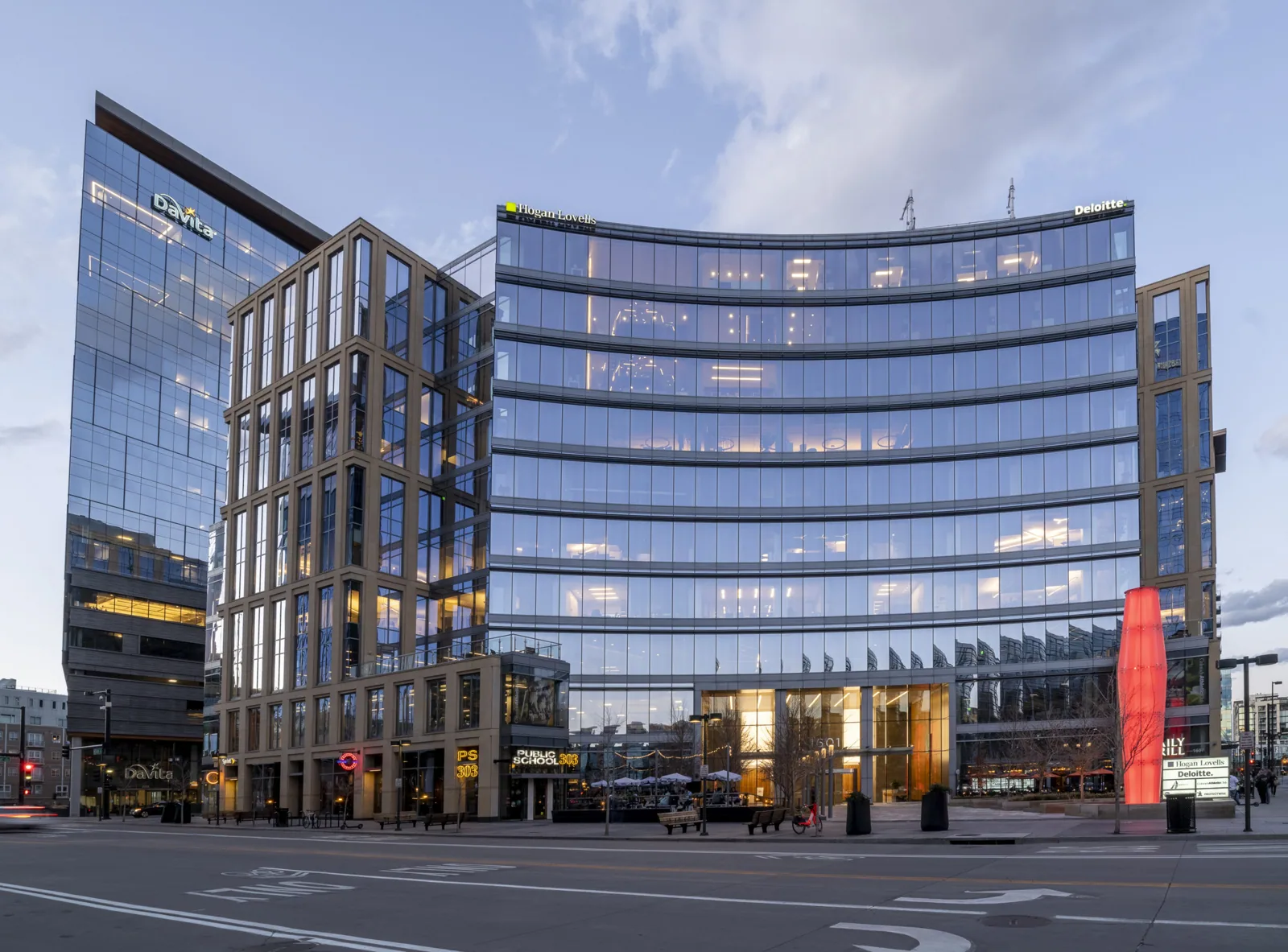
A tower, conference facility, and roadside hotel can have different roof geometry and operating demands. We inspect each roof plane and note the building function below instead of treating the brand portfolio as one assembly. A hotel roof scope can be compared with the store rollout plan for shared delivery or tenant questions. The hotel manager still sets guest notices, service-route restrictions, and the approval window for this property.
More on Hospitality Groups
The sections below cover the questions property teams ask before they approve the work.
How should a leak report reach the right roof area?
We record the room, floor, date, and visible interior effect, then inspect the roof zone above and around that report. Seams, flashings, drains, curbs, walls, and prior repairs are photographed so the owner can review what was observed. A ceiling mark alone does not establish where water entered or the full repair boundary. We identify whether testing or an opening is needed, who approves that step, and how the room will be protected while the roof is examined.
For a group managing multiple properties, a property-manager roof register can keep each building’s maintenance record distinct. A commercial inspection includes roof-area notes, access limits, and follow-up items. If the property has several leak calls, we compare the locations and dates before grouping them into one work package. That helps hotel operations decide which room or service zone needs immediate attention and what can be scheduled after guest arrangements are reviewed.
What coordination does the roof plant require?
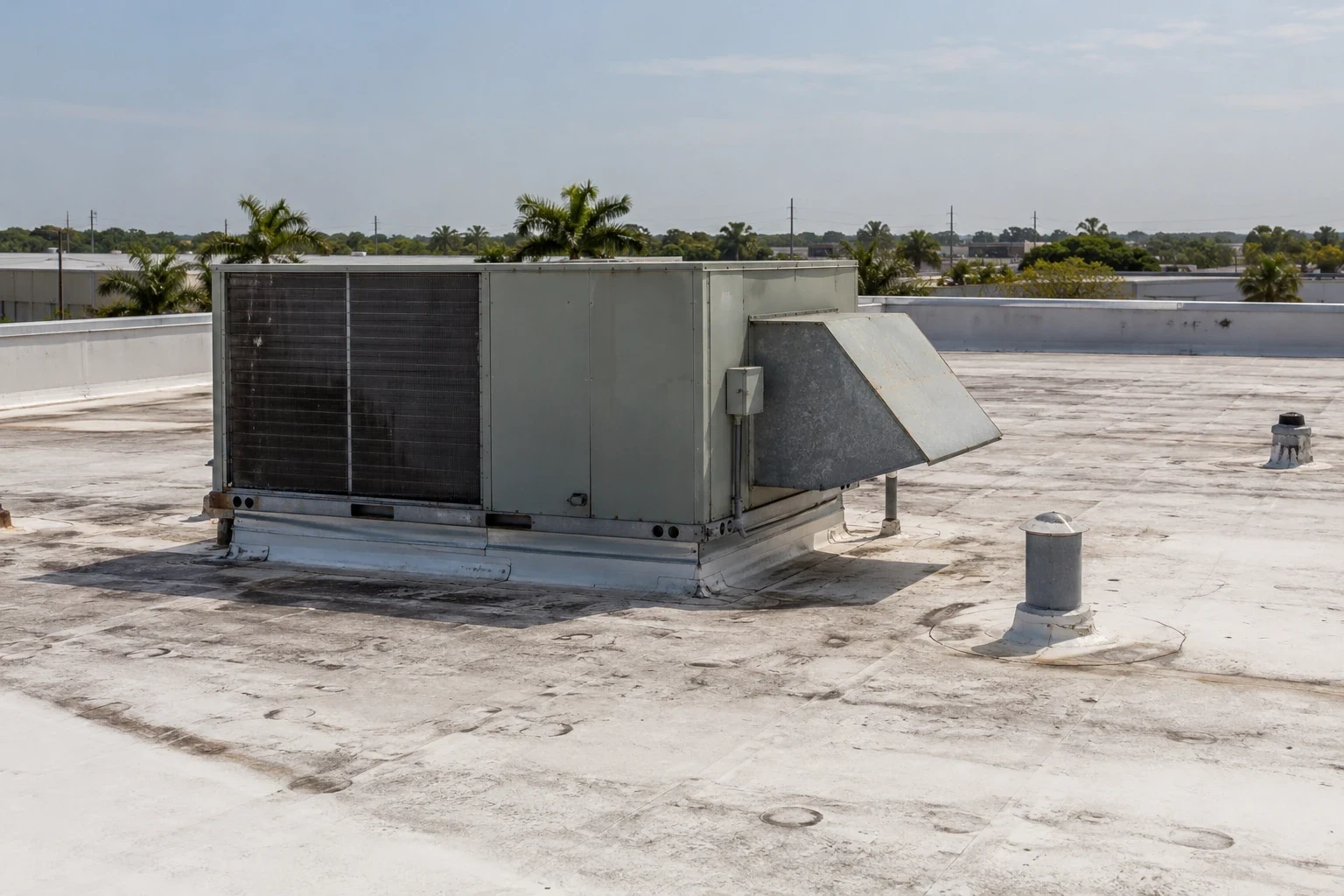
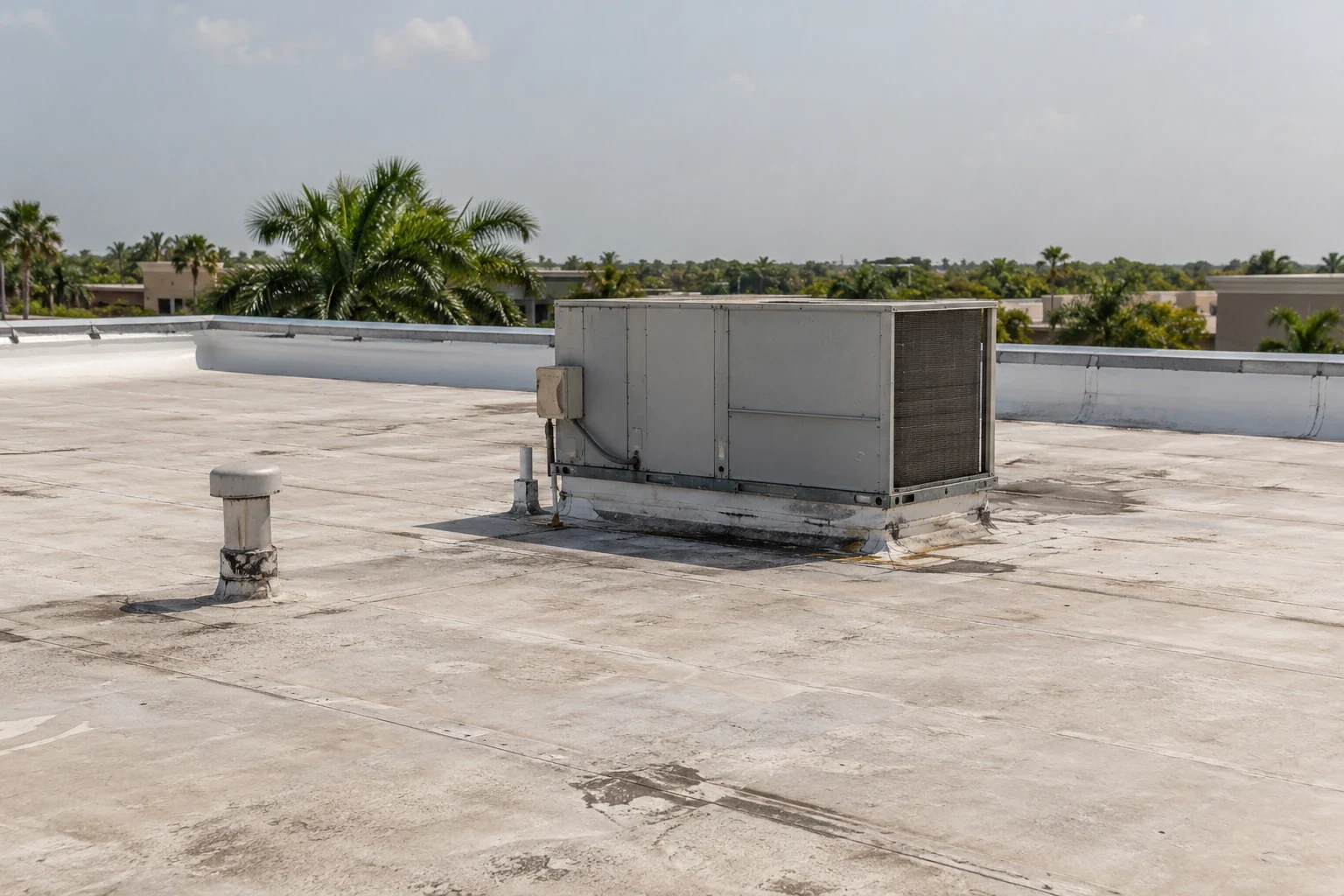
Hotels may have HVAC equipment, kitchen exhaust, laundry vents, antennas, solar equipment, and service platforms that interrupt the roof surface. We locate each curb and penetration, note visible flashing conditions, and mark the clearance required by the maintenance provider. The engineering lead confirms whether a unit may be shut down, moved, or accessed during the roofing phase. The proposal names which trade handles disconnection, reset, and startup so the roofer’s work package does not assume responsibility for hotel equipment.
Drainage should be reviewed with the whole roof slope and any collection point near a service entrance or guest terrace. A drain and scupper assessment can identify cleaning, repair, or design work. The equipment interface also needs an agreed flashing detail. The hotel can then compare each roof area with engineering access and room-use limits before choosing a work window.
Industries We Work With
Owners and operators in these fields rely on us to plan roof work around their buildings.
Coordinate healthcare roof work in Miami Gardens, FL around patient routes, critical rooms, equipment, infection controls, and documented approval windows.
Coordinate 3PL roof work in Miami Gardens, FL around dispatch cycles, dock access, inventory protection, equipment routes, and phased closeout.
Plan school district roof work in Miami Gardens, FL around student routes, athletic spaces, summer windows, classroom protection, and board approvals.
Coordinate portfolio roof work in Miami Gardens, FL with area records, access windows, repair priorities, and approvals that keep each asset distinct.
Related Roofing Work
Other pages that cover the same roof question.
Roof leaking now? Call 555-555-5555 and we will send a crew to look at it.

What belongs in the daily weather decision?
May 15 through October 15 is South Florida’s wet season; that period receives 60 to 70 percent of average annual rainfall. In the wet months, South Florida’s heat and humidity often accompany showers and thunderstorms nearly every day across the peninsula. Those regional patterns affect how much roof can remain open and how the crew closes its shift. We check current conditions, record temporary protection, and tell the hotel who will be contacted if an opening or guest area must remain restricted.
The stormiest mid-May to early-July window carries the highest likelihood of damaging winds, tornadoes, hail, and flooding. The forecast does not establish damage to a particular hotel. After a weather event, we document observed conditions by roof area and separate emergency protection from permanent repair. The operator can use that information to manage rooms and public areas while the scope is reviewed. The handoff names who confirms a room can return to normal use. A post-event roof review can document the condition and next approval point.
How should hotel work be divided into phases?
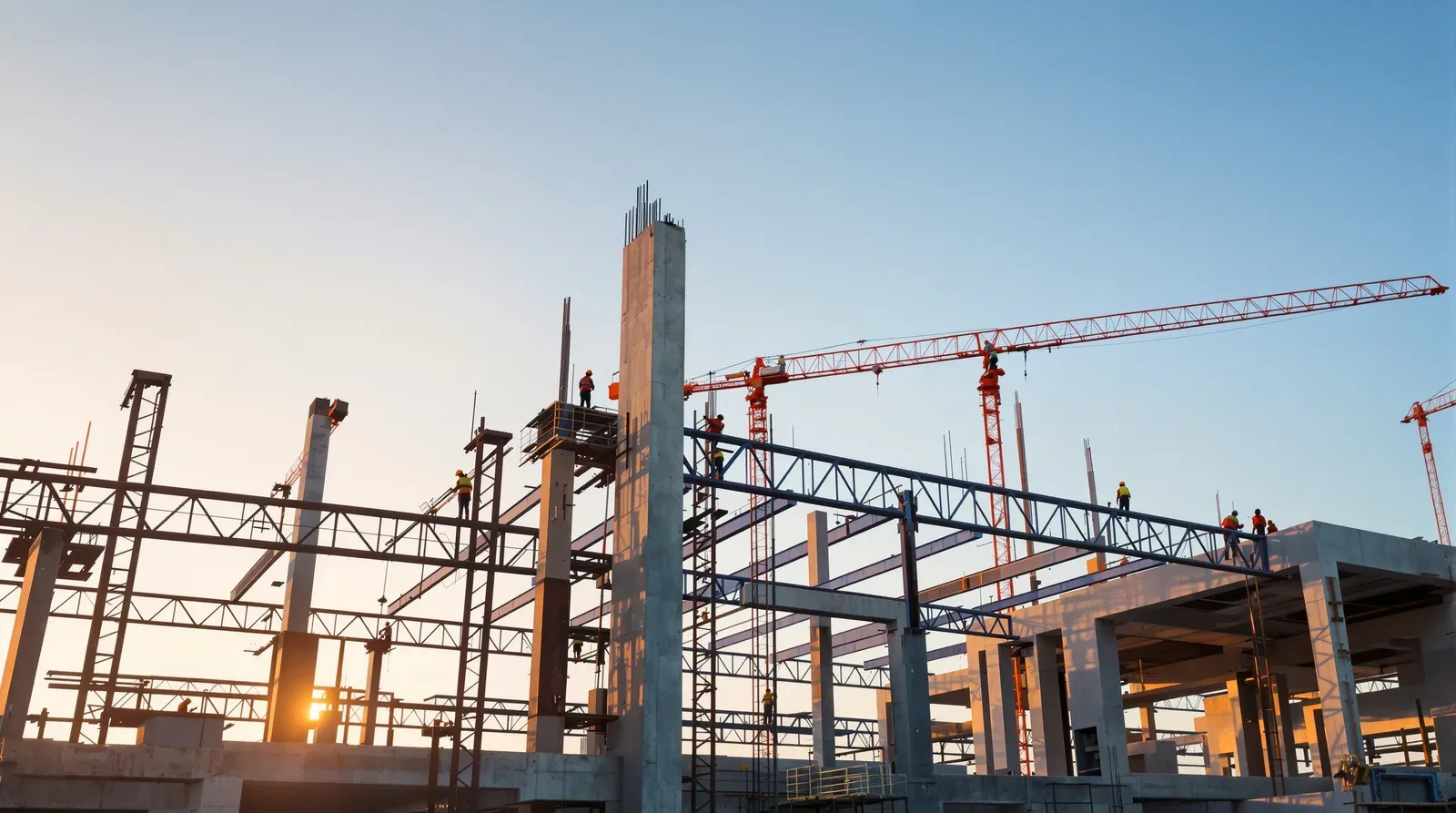
A repair proposal names the failed detail and the inspected area; a replacement package can include tear-off, insulation, membrane, edge details, and protection below occupied rooms. A recover or coating requires assessment of moisture, attachment, compatibility, and drainage. The PVC assembly may be compared with another approved system based on the roof, design, and specification. The hotel’s room schedule affects sequencing, but it does not select an assembly or settle the design question.
Miami-Dade and Broward counties are within Florida’s High Velocity Hurricane Zone, so applicable submittal provisions and approved assemblies should be reviewed. Florida’s Ninth Edition of the Building Code becomes effective December 31, 2026, making the permit date central to edition selection. The permitting team confirms the edition applicable to the submittal date. A property capital plan can show proposed phases and assumptions to the owner without merging roof conditions from different hotels.
What should the group retain after turnover?
Each hotel receives a roof-area map, dated photographs, inspection notes, product documents, signed changes, and any open follow-up. We identify which work is complete and which recommendation remains for the owner. If a room was protected or removed from service during a phase, the closeout can note the affected zone and restoration approval. The operator can retain the package with engineering and property maintenance records so a later project team has a useful sequence to review.
Hallandale Beach borders Aventura and has access to I-95, along with a community redevelopment area and business incentive opportunities. These facts give regional context for hotel deliveries and service coordination, but not a particular property’s access or condition. The group confirms vendor routing and guest operations separately at each site. A consistent record format makes portfolio comparisons possible while preserving the individual roof photographs, dates, and owner decisions behind every line item. The facilities lead can review which work depends on a room schedule, a delivery constraint, or a separate equipment trade before assigning the next property to a construction window.
Review a hotel roof work window
Share guest schedules, engineering records, roof plans, and prior leak reports. We will map the field review by property and identify access and approval points for each phase.
Questions About Hospitality Groups
Can guests stay in rooms below the active roof area?
The hotel decides which rooms remain available after reviewing the work boundary and protection method. We identify the roof zone, schedule, and interior conditions for that decision.
Who can approve a change to the guest route?
The property names the operations contact before mobilization. We record any route change, access effect, or cost implication for that person to review.
How do kitchen exhaust units fit into the roof bid?
The engineering lead assigns shutdown and equipment movement. The roofing scope states the curb or flashing work and any dependency on the mechanical provider.
Can several hotels share one roof schedule?
The group can coordinate procurement and sequence, but each property needs its own roof findings and operating limits. We keep the work package and closeout by site.
What should the closeout file preserve?
Keep dated roof photos, product information, completed areas, changes, and follow-up items with the hotel’s maintenance record. The next manager can trace what the prior phase included.