Multi-Site Commercial Roofing Programs in Miami Gardens, FL
Roofing Capabilities
Coordinate commercial roof inspections, repairs, and capital work across Miami Gardens, FL properties with separate records and shared approvals.
Multi-Site Commercial Roofing Programs Overview
A portfolio program needs a shared work sequence and a separate condition record for every building. In Miami Gardens, FL, we set the inspection order, access windows, staging limits, and approval points with the general contractor or property team. Each roof keeps its own assembly, photos, repair history, and open questions. That lets a manager compare timing and scope without treating unlike properties as one roof or carrying a finding from one site into another.
Regional rainfall is concentrated: roughly 60 to 70 percent of South Florida's typical yearly total falls between May 15 and October 15. That seasonal concentration can influence which properties are inspected first and how much surface a crew exposes. It says nothing about whether an individual roof leaks. Before work, the program checks current conditions and defines an area-sized protection plan for the next scheduled site visit. A field inspection begins each property's record.
What should each site contribute to intake?
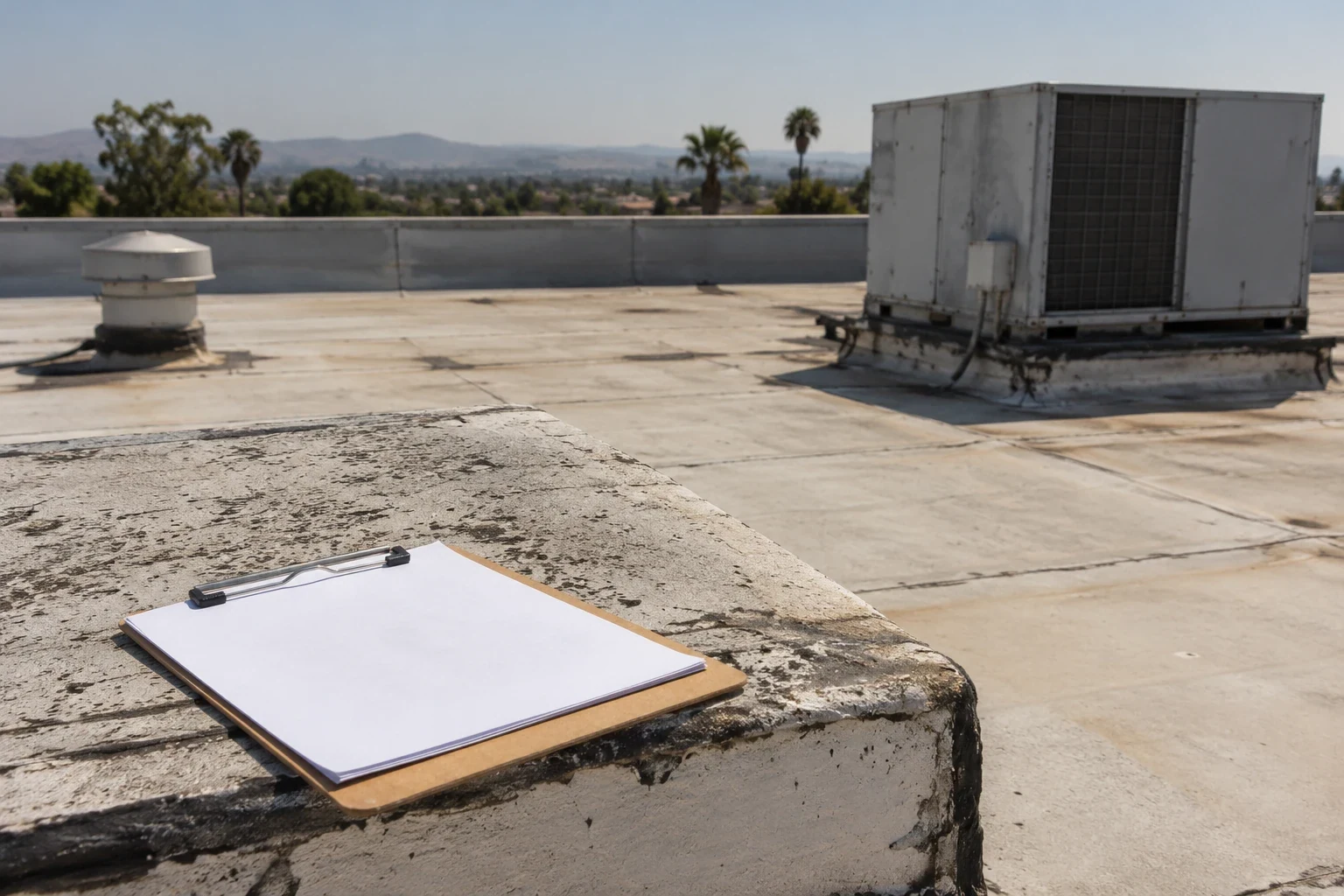
We start with the building identifier, roof plans, visible system information, repair history, occupancy limits, site contact, and access instructions. The owner can flag where trucks may stage, which doors or loading areas must remain open, and whether another trade has scheduled work at the roof. We compare those details against the proposed visit sequence. If plans are missing or an area is restricted, the program records the gap and assigns a follow-up rather than treating an estimate as a field measurement. We also identify whether the property needs a lift, escort, shutdown, or tenant notice before the field visit can be confirmed.
Davie has more than 900 acres of industrial-zoned land, with distribution, manufacturing, healthcare, aerospace, and technology among its employment sectors. A portfolio with sites in Davie may therefore include different operating schedules and roof-access rules. That profile is context only; we confirm the use, access window, and assembly at each property. A roof-area asset record can carry these fields from intake into the next repair or capital decision.
More on Multi-Site Commercial Roofing Programs
The sections below cover the questions property teams ask before they approve the work.
How should inspections be sequenced?
We group visits by access and urgency, then confirm the order with the property representative. A roof with an active leak or exposed detail may need a prompt review; other buildings can be scheduled around planned maintenance or capital approvals. The calendar lists the person who grants access, where the crew checks in, the work window, and any escort or lift requirement. A completed visit updates only that building's record, even when the same team reviews several properties.
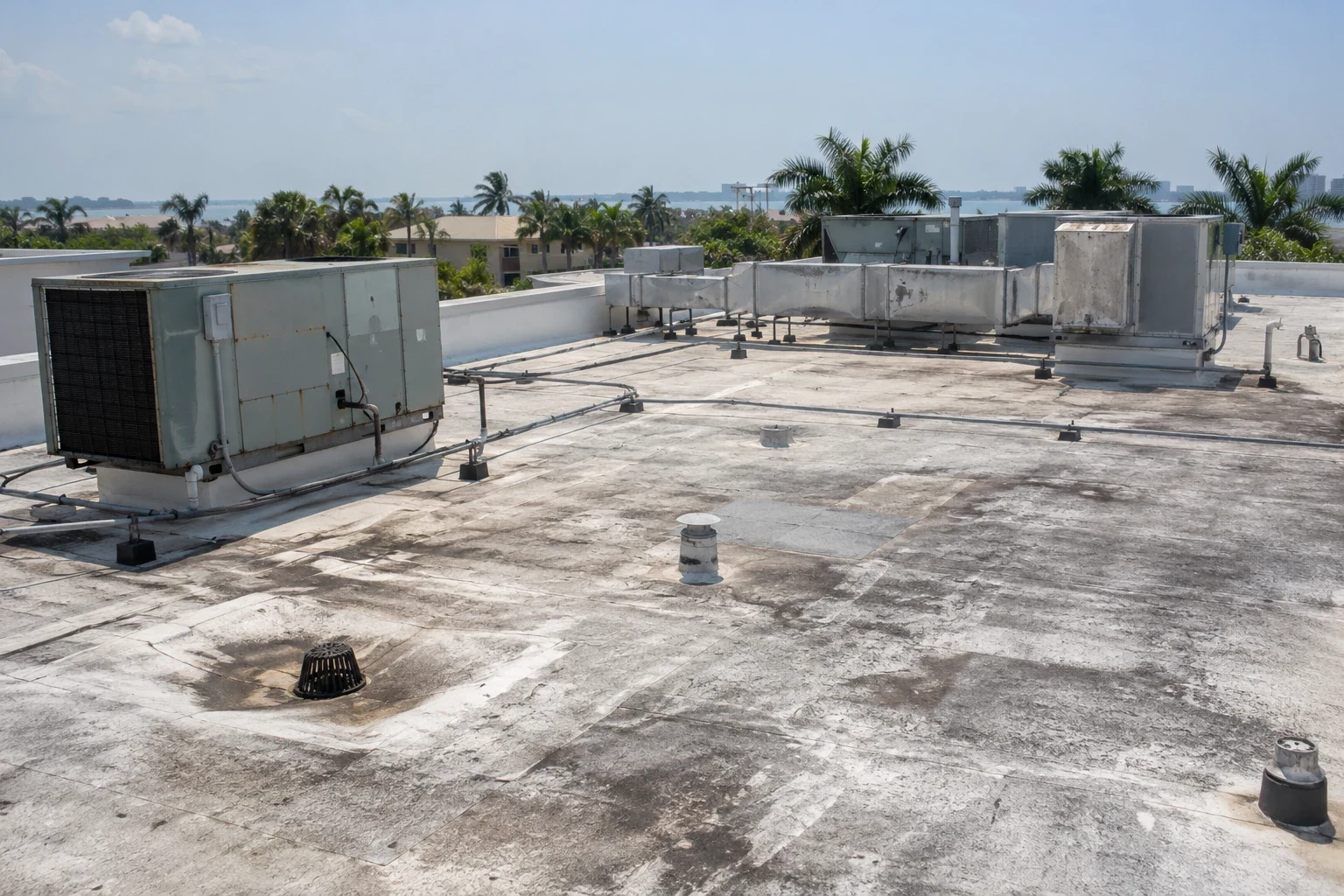
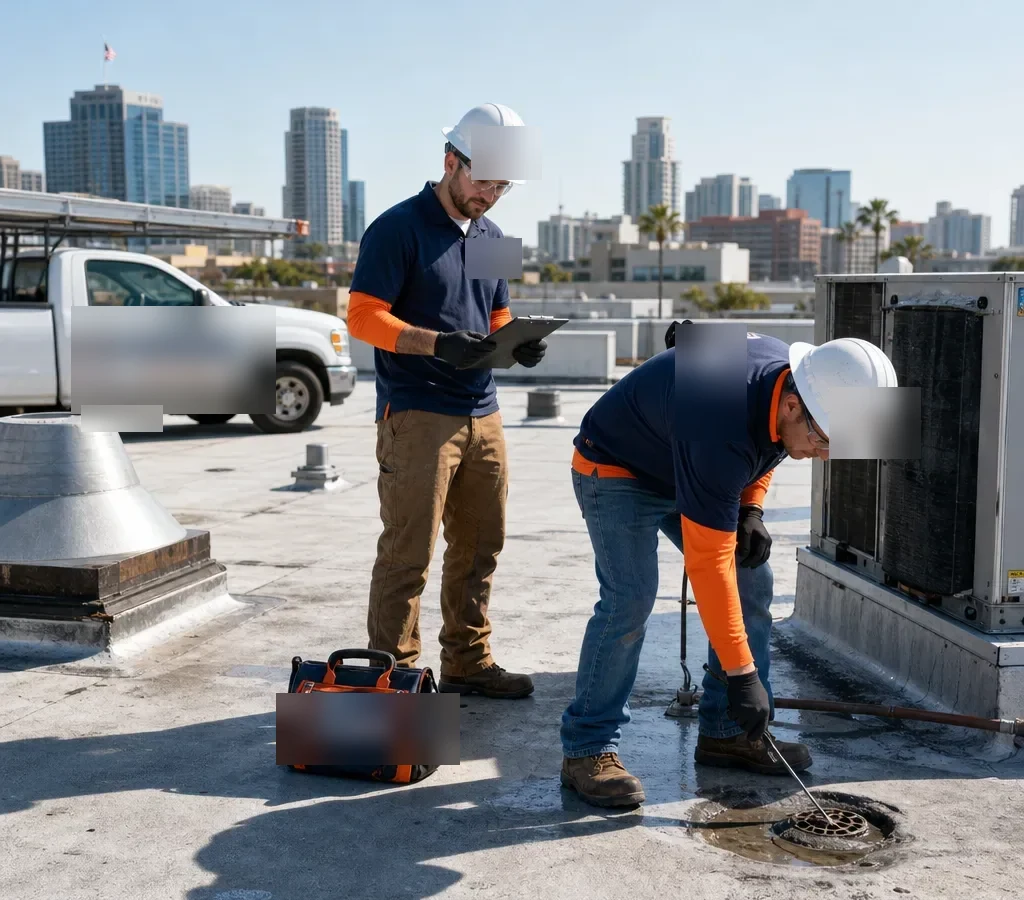
We photograph seams, edges, penetrations, curbs, drains, scuppers, transitions, and visible changes in the membrane or metal. Findings are recorded by roof zone with what was observed and what remains to be tested. A condition report can preserve the images and follow-up items. If access is limited, a drone review can help map broader areas, while hands-on review remains the basis for detail conditions.
After each visit, we update its status as inspected, rescheduled, or awaiting access. The coordinator can then see which records are current and which still need field work. If rain, a tenant schedule, or a trade conflict moves a visit, the change belongs in the calendar with the new window and site contact. This keeps the next crew from arriving with an outdated access plan and gives the owner a reliable view of portfolio progress.
How do shared work packages stay specific?
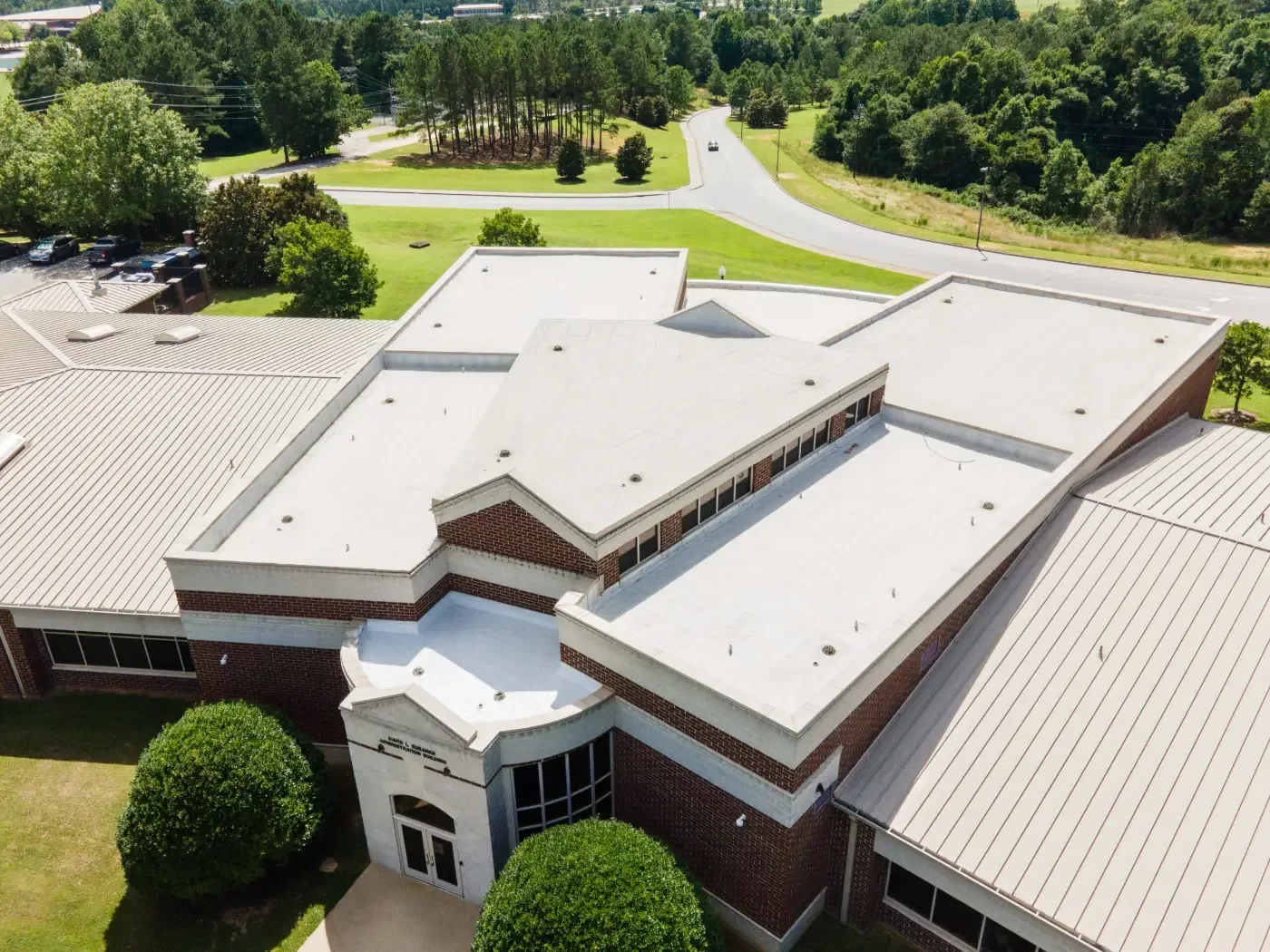
A shared schedule does not require a shared scope. We can use the same report fields and approval steps while keeping each repair boundary, material, and site constraint distinct. One package may address a drain and flashing repair, while another needs moisture testing or review of an existing metal seam. The owner sees the sequence across the portfolio, and the superintendent receives the work area, access plan, temporary protection method, and daily closure point for the building being serviced. Material delivery and disposal are assigned to that site's route and staging area rather than copied from the previous stop.
Miami Lakes includes residential, commercial, and industrial districts, as well as dedicated business parks. When a program includes properties in that market, we confirm each building's occupancy and trade schedule instead of assuming one operating pattern. The maintenance program can track recurring visits, and phased reroofing can define work boundaries around active spaces. Each site receives its own approval record and closeout photos.
Industries We Work With
Owners and operators in these fields rely on us to plan roof work around their buildings.
Coordinate healthcare roof work in Miami Gardens, FL around patient routes, critical rooms, equipment, infection controls, and documented approval windows.
Coordinate 3PL roof work in Miami Gardens, FL around dispatch cycles, dock access, inventory protection, equipment routes, and phased closeout.
Plan school district roof work in Miami Gardens, FL around student routes, athletic spaces, summer windows, classroom protection, and board approvals.
Coordinate portfolio roof work in Miami Gardens, FL with area records, access windows, repair priorities, and approvals that keep each asset distinct.
Related Roofing Work
Other pages that cover the same roof question.
Roof leaking now? Call 555-555-5555 and we will send a crew to look at it.
Which roof should enter capital review first?
We rank candidates by the evidence and decision the owner needs, not by a city-wide assumption. Repeated repair needs, confirmed moisture, deteriorated insulation, or a detail that cannot be kept watertight may call for a broader scope. We record the affected area, testing basis, access needs, and the reason the condition is prioritized. If information is incomplete, we say what would confirm the scope instead of converting an open question into a replacement recommendation.
The portfolio view can show near-term repairs, follow-up testing, and potential replacement boundaries on one schedule. It should not imply that two roofs with similar age have the same condition or remaining life. A capital sequence can compare approvals and timing, while an emergency protective response can be arranged outside normal hours, including weekends or holidays, when immediate water control is needed. Permanent work follows the field record and owner approval.
What should the closeout package include?
For each property, closeout includes the completed work, materials and details addressed, dated photos, remaining conditions, and the next inspection or approval item. We identify any change from the original scope and who accepted it. A summary can compare open items across sites, but the supporting photographs and conditions remain attached to the individual roof. That separation gives the next manager enough context to continue the program without relying on an unverified portfolio label. The closeout file can show the work order, access notes, and owner acceptance date. A manager can then check whether each repair was completed as scoped and whether the area needs another visit. If an item remains open, we carry the reason, responsible contact, and next action forward. These records make it possible to review progress without mistaking scheduled work for a completed repair.
Share the property list, roof plans, access windows, occupancy limits, repair records, and the schedule for other trades. We can set an inspection sequence, document each building separately, and return work packages with clear approval points. For portfolios in Miami Gardens and Davie, the program starts with the actual sites and continues through repair records, field follow-up, and capital review.
Set a coordinated roof sequence
Send the property list, roof plans, access windows, occupancy limits, repair records, and project schedule. We will organize the field visits, keep each building's findings separate, and return work packages with clear approval points.
Questions About Multi-Site Commercial Roofing Programs
Can one inspection program cover different roof systems?
Yes. We can use consistent reporting fields while recording the assembly, details, and condition separately for each building. Recommendations remain tied to the observed roof area and its own access limits.
How do you handle a building that cannot be accessed on the scheduled day?
We record the limitation and reschedule that site or identify an approved alternative review method. The program does not mark an inaccessible roof as inspected, and its follow-up stays visible in the schedule.
Can repairs be grouped to reduce site disruption?
We can coordinate visits and material staging across sites when access and scope allow. Each work package still identifies its own building, roof boundary, occupancy plan, protection, and closeout requirements.
What will the portfolio summary show?
The summary can list completed inspections, repair candidates, approvals, and unresolved testing by property. It points back to the roof-area record and photos so a group-level view does not replace site evidence.