Commercial Roofing for Public Agencies in Miami Gardens, FL
Industries We Serve
Plan public building roof work in Miami Gardens, FL with clear bid scope, access controls, permit assumptions, field records, and approval points.
Public Agencies Overview
Bid documents need to show which roof areas were reviewed and what remains for the agency to approve. For public facilities in Miami Gardens, FL, we record visible conditions, access limits, work boundaries, and assumptions before preparing a package. Miami Gardens’ planning process covers commercial, industrial, and mixed-use site plans and plats. In Opa-locka, designated redevelopment districts include commercial and mixed-use work alongside infrastructure and transportation initiatives. These public development conditions can affect coordination, but the project’s roof scope still comes from a property-level field review.
What should the bid package make clear?
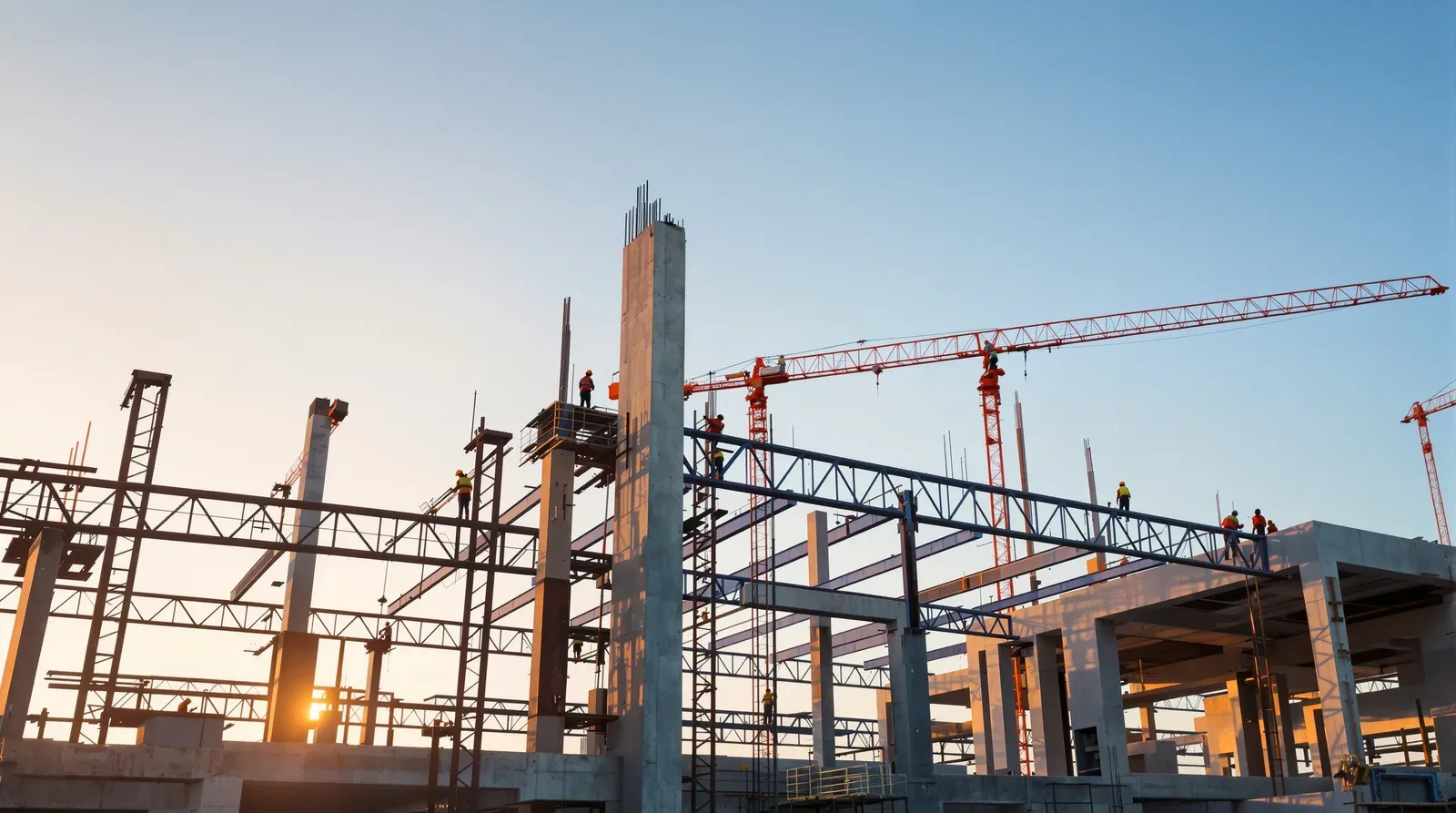
A useful bid states the roof area, observed condition, proposed assembly, preparation, access, temporary protection, schedule, exclusions, and requested approvals. We distinguish repair from replacement and describe any test, design review, or concealed condition that could change the package. The agency can compare bids when each proposer is working from the same marked plan and known site limits. If information remains incomplete, we identify it rather than implying that an allowance has already resolved the question. Alternates should state which portion of the roof or detail changes, so reviewers can compare them without mixing the base bid with an unapproved option. We keep the pricing assumptions attached to the scope they describe. An addendum that revises access or quantities should name the affected roof zone, record its effect on the bid form, and reach every proposer under the agency’s procurement rules. At evaluation, retain the earlier assumption beside the revision so reviewers can trace how the final work boundary changed.
Public buildings may have different operating hours, security rules, visitors, and service routes. The project team names who can authorize site access and who reviews a changed boundary. A general-contractor coordination plan can identify trade interfaces, while a school district work sequence addresses campus calendars. The agency retains procurement rules and award authority; our role is to supply a clear roofing scope, field record, and response to technical questions.
More on Public Agencies
The sections below cover the questions property teams ask before they approve the work.
How is the roof record tied to a public building?
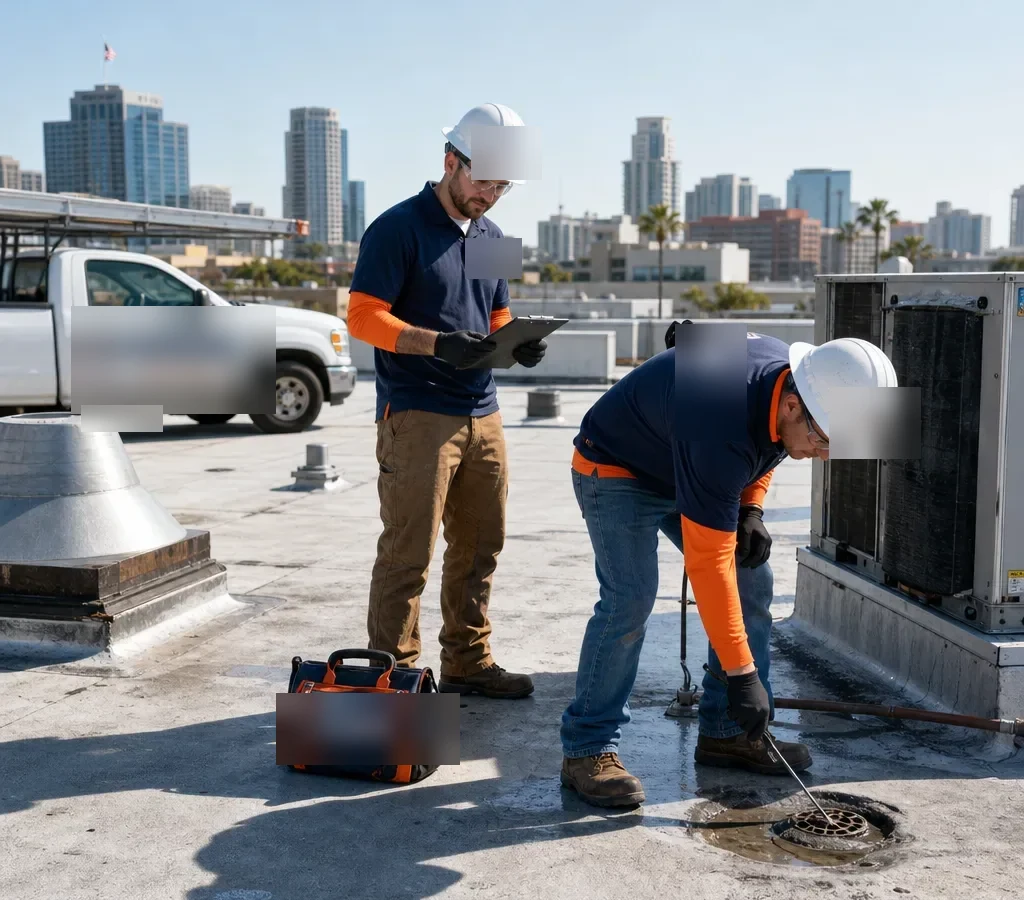
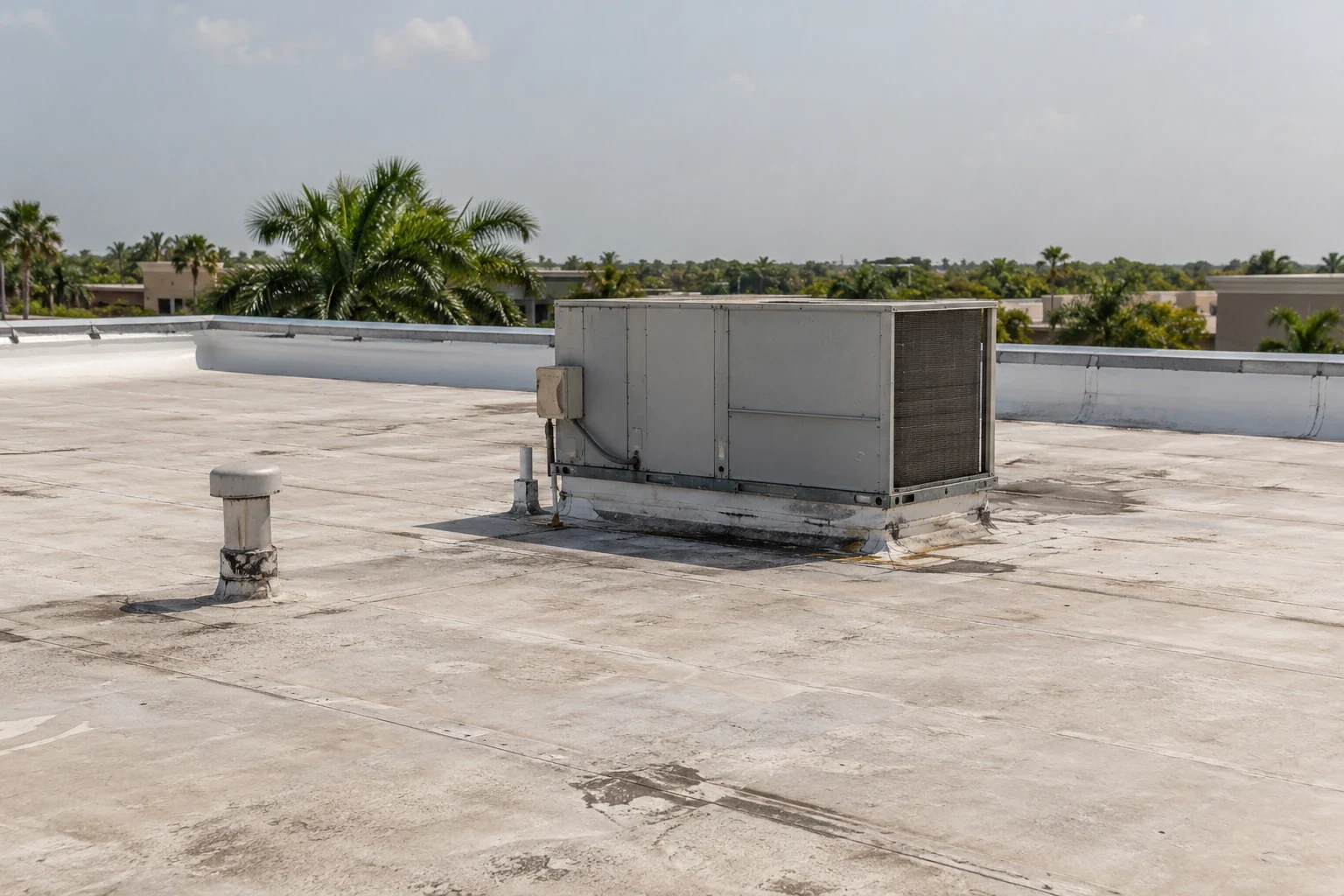
We map roof zones, drains, penetrations, edges, equipment, earlier repairs, and the interior spaces below. Photos and records show which conditions were visible, when they were observed, and which areas need follow-up. A stain alone does not define a repair boundary, so the inspection traces the surrounding seams, flashing, drainage, and roof-to-wall transitions. A commercial roof inspection can identify open questions and state whether access or testing was limited.
Miami Gardens has parcel-level zoning information and development review for commercial, industrial, and mixed-use projects. Those planning functions do not determine a roof system or a permit outcome; the agency’s project team identifies the reviewers for its actual scope. The facility contact confirms the building’s actual use, access, equipment, and records. A condition report organizes the field observations so the procurement team can separate observed work areas from items that remain subject to design or owner approval.
Which visitor and service routes need protection?
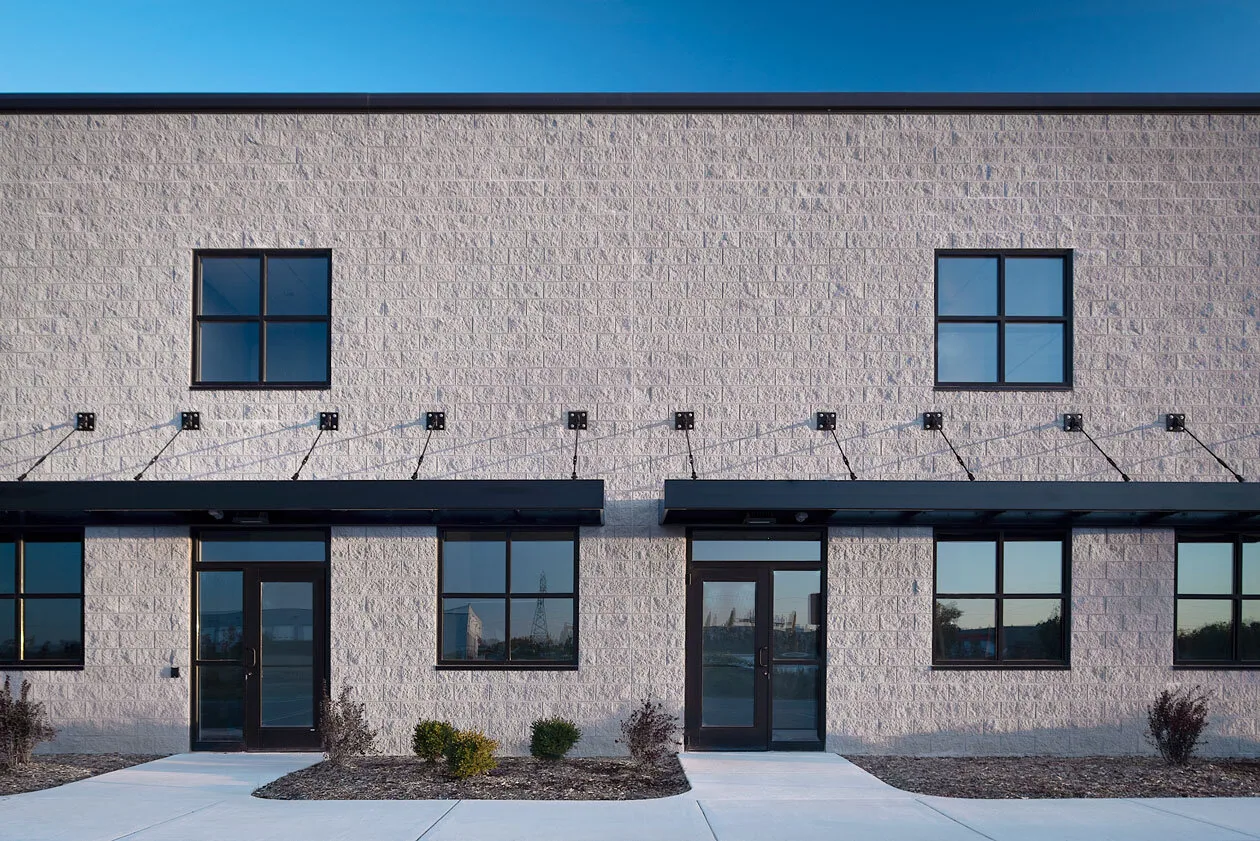
The agency identifies public entrances, accessible paths, emergency access, deliveries, staff routes, and restricted areas before the work zone is selected. We mark lift positions, material staging, debris movement, and any barriers needed beneath an opening. The schedule names the agency contact who can pause work when public use or a service function changes. If another contractor shares a drive, roof hatch, or loading area, the project plan assigns who controls that interface.
I-95, State Road 826, and the Florida Turnpike are major regional connections in Miami Gardens. Opa-locka’s redevelopment program includes infrastructure and transportation work across designated areas. These local connections may inform delivery discussions, but no route should be assumed for a public building. The site representative confirms the allowed gate, arrival window, truck turn, and staging point. A phased occupied-building plan can document how public access is maintained around a defined roofing boundary.
Industries We Work With
Owners and operators in these fields rely on us to plan roof work around their buildings.
Coordinate healthcare roof work in Miami Gardens, FL around patient routes, critical rooms, equipment, infection controls, and documented approval windows.
Coordinate 3PL roof work in Miami Gardens, FL around dispatch cycles, dock access, inventory protection, equipment routes, and phased closeout.
Plan school district roof work in Miami Gardens, FL around student routes, athletic spaces, summer windows, classroom protection, and board approvals.
Coordinate portfolio roof work in Miami Gardens, FL with area records, access windows, repair priorities, and approvals that keep each asset distinct.
Related Roofing Work
Other pages that cover the same roof question.
Roof leaking now? Call 555-555-5555 and we will send a crew to look at it.
How should weather closure be recorded?
In South Florida, 60 to 70 percent of average annual rainfall arrives between May 15 and October 15. Heat and humidity bring frequent showers and thunderstorms across the peninsula during that season. For a public property, the work plan should assign who secures a temporary opening, maintains drainage, and notifies occupants when weather changes a phase.
Severe impacts such as strong wind, tornadoes, hail, and flooding are most likely during the mid-May to early-July storm period. A seasonal pattern does not establish damage at an agency building; an inspection records the roof and interior conditions actually found. If temporary protection or interior access changes, the project contact should receive an update. A rapid response scope can secure an active opening while the agency routes permanent work through its approval process.
Which code and product approvals affect award?
Miami-Dade and Broward are both within Florida’s High Velocity Hurricane Zone. Before award, the agency’s design professional should establish which approved roof assembly and HVHZ provisions fit the public building and proposed scope. Florida’s Ninth Edition Building Code starts on December 31, 2026; permit submissions on or after that date are governed by the new edition. Include the controlling submission date and design documents in the approval file before setting the bid schedule.
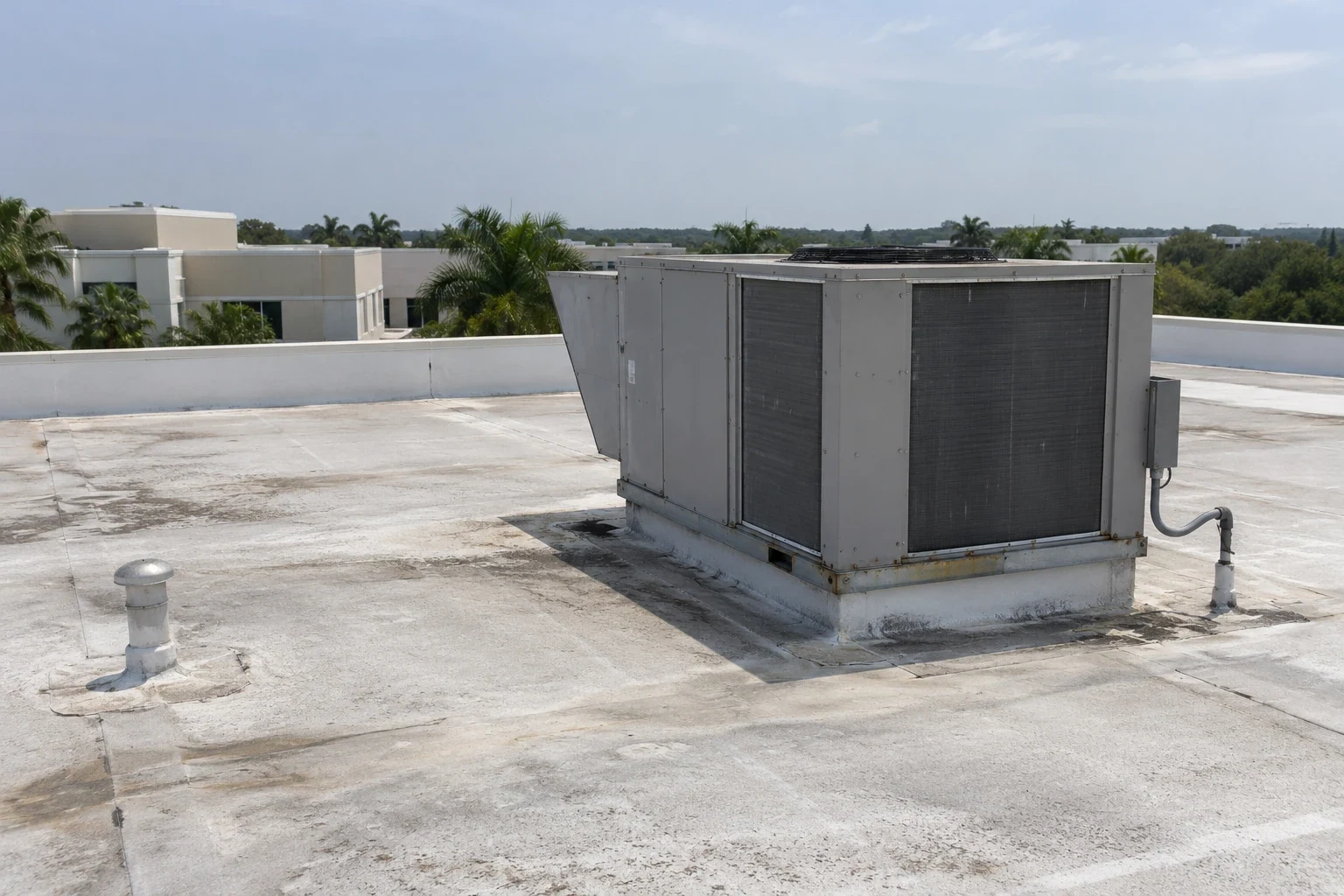
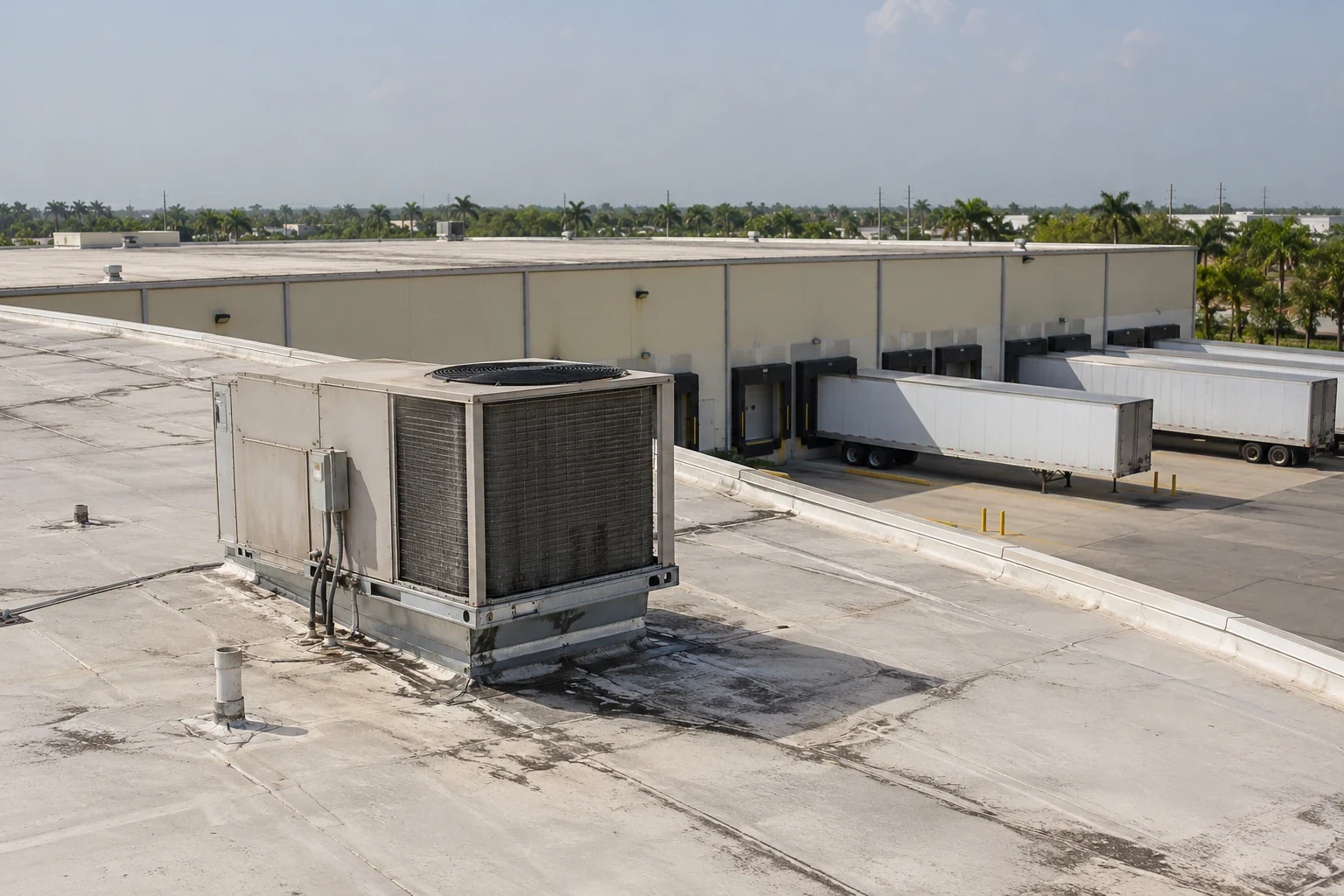
The proposed system must match the deck, existing layers, slope, attachment, fire requirements, drainage, and specification. A coating or recover needs evaluation of moisture, compatibility, and edge conditions; replacement can involve tear-off, insulation, membrane, and flashing. A modified-bitumen assembly is not interchangeable with other systems. A capital work sequence can carry alternates and open design decisions for agency review without committing public funds before the responsible approval is recorded.
What records complete the public work package?
Closeout should include dated roof-area photos, inspection records, approved product documents, signed changes, completed work locations, and open follow-up items. We identify what was installed and which items remain outside the approved scope. That file gives the facility team a traceable record for maintenance and later bid preparation. If an observation needs another inspection, the location and reason are stated so staff can check it without searching the entire roof.
Miami Gardens’ economic-growth work includes local-enterprise programs and procurement assistance for residents and businesses. The agency’s own purchasing policy still controls a solicitation; a city program does not establish contractor eligibility or award preference. We provide the technical records requested for evaluation and retain the approval history with each work package. The procurement lead can attach those responses to the evaluation file used for the award decision. The roof-area report can be organized with the agency’s closeout documents so future staff can distinguish field findings, accepted work, and new conditions.
Prepare a public-building roof scope
Provide the roof plan, procurement schedule, access requirements, and repair history. We will document visible conditions and return a work package with assumptions, exclusions, and approval points.
Questions About Public Agencies
Can an agency use a roofing scope as bid documents?
The scope can provide roof-area findings, work limits, assumptions, and requested approvals. The agency and its design professional determine whether additional drawings or procurement documents are required.
Who approves a change after concealed conditions appear?
The contract identifies the authorized agency representative. We document the location, proposed work, schedule effect, and cost before proceeding beyond the approved package.
How do you keep public entrances available?
The facility contact confirms routes, hours, and restricted areas. We mark staging and barriers on the daily plan and communicate any change before a path is affected.
Which code edition should a solicitation reference?
The design and permitting team confirms the edition that applies to the project. Keep the December 31, 2026 code transition in the permit timeline.
What does the agency receive at closeout?
The closeout file includes dated photos, approved product records, completed areas, changes, and follow-up items. The facility team can retain it with maintenance and procurement records.