Commercial Roofing for Insurance and Restoration Work in Miami Gardens, FL
Industries We Serve
Coordinate commercial roof restoration in Miami Gardens with clear damage records, temporary protection, repair scopes, and closeout files.
Insurance and Restoration Work Overview
After a commercial roof is damaged, the owner, adjuster, restoration contractor, and roofing crew may each need a different record of the same event. A clear sequence helps keep observations, temporary protection, repair work, and decisions separate. We work with insurance and restoration teams in Miami Gardens, FL to document roof conditions and define the work requested. That coordination is useful across the city’s varied commercial corridors, including furniture-oriented shopping near the Palmetto Expressway and automobile-related businesses along U.S. 441. The location of a leak, the condition of the assembly, and the timing of access all matter when a facility remains in operation. We can inspect, photograph, map affected roof areas, and prepare a contractor scope for review. Our role is to describe the roof and the work we can perform; coverage decisions remain with the policyholder, carrier, and their authorized representatives.
Build a roof record before the repair plan changes
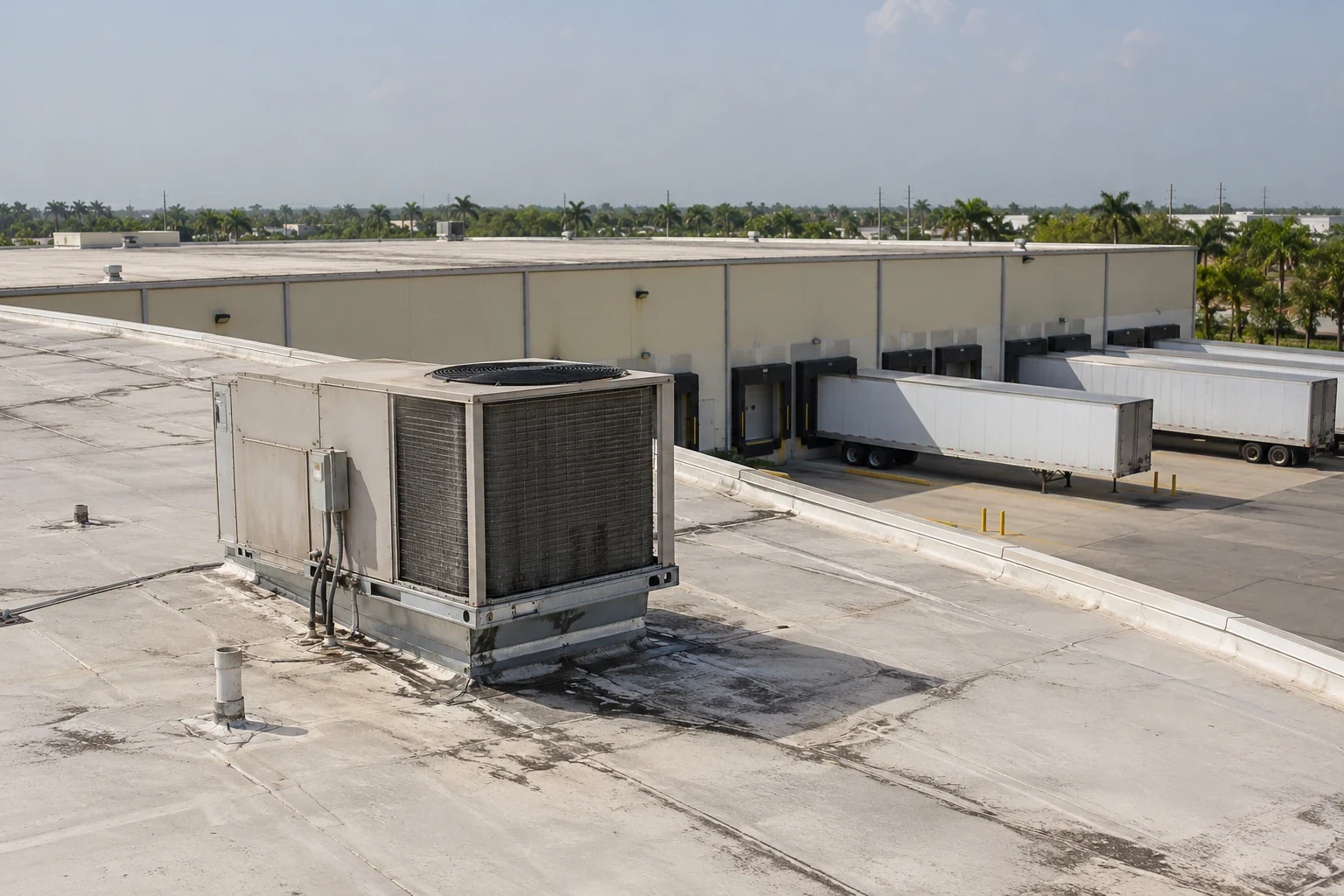
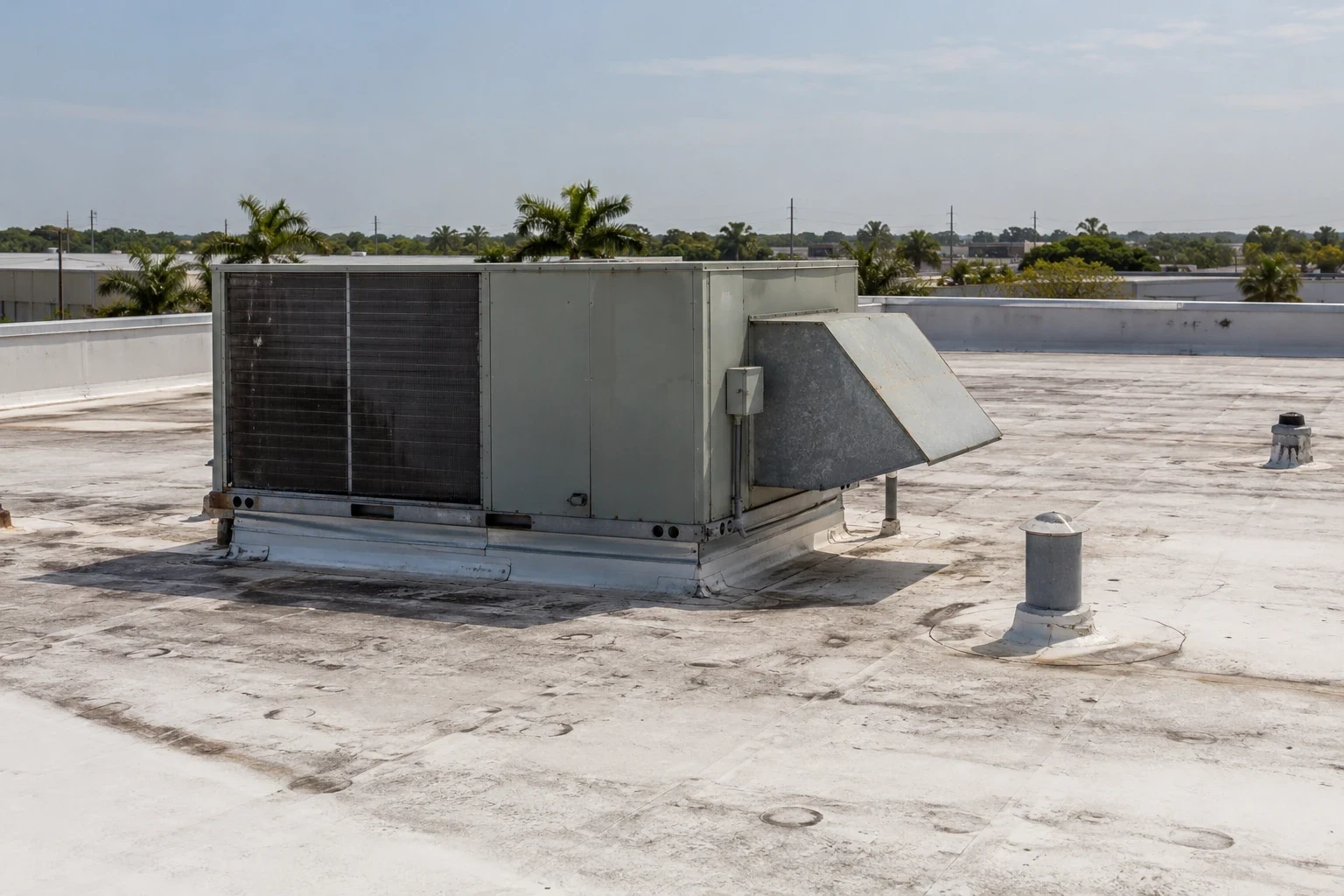
Early notes are most useful when they identify where water appeared, when it was reported, and what was visible on the roof at the time of inspection. We label roof zones, photograph conditions from consistent viewpoints, note interior observations supplied by the owner, and record whether temporary measures are present. That creates a practical baseline for a restoration team returning after access or weather conditions change. A commercial roof inspection can help distinguish a visible opening from related conditions that still need investigation; it does not by itself establish cause or claim eligibility. Where the roof has several additions or systems, we keep observations tied to a specific area instead of treating the entire property as one uniform assembly. The resulting roof condition report can support conversations among the property representative, adjuster, and contractor without substituting for their separate responsibilities.
More on Insurance and Restoration Work
The sections below cover the questions property teams ask before they approve the work.
Separate emergency protection from permanent restoration
Temporary measures address immediate exposure; they are not automatically a final repair or a determination of where water entered. Before work begins, the site contact and contractor should agree on the affected area, access route, materials allowed, and who can authorize the measure. We can describe the installation and its limits in the field record, then return to assess what remains after conditions stabilize. The team should preserve the existing condition where practical, avoid covering evidence before it is documented, and record any change needed to protect occupied space. A commercial emergency roof repair may be appropriate when an opening or active leak needs prompt attention, while the permanent scope may require a separate inspection, approval, or design decision. We coordinate the work window with the facility contact and restoration lead so temporary protection does not prevent a safe, complete evaluation later.
Keep observed damage distinct from the proposed work
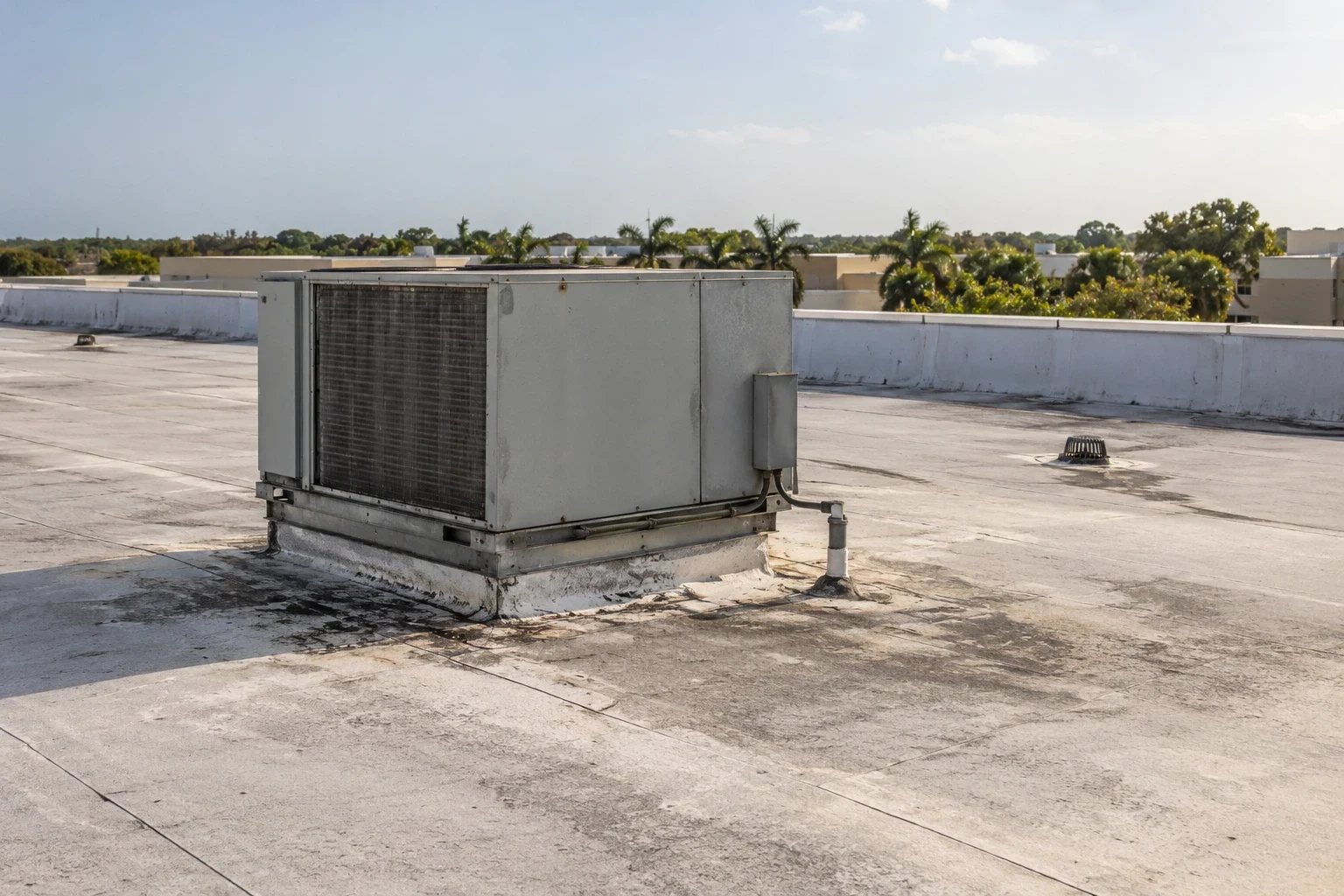
A repair scope should explain the condition to be addressed, the roof area involved, the work sequence, and the assumptions that affect access or quantity. Observed membrane damage, wet materials, loose edge metal, interior staining, or a failed penetration detail are different findings and may call for different next steps. We do not label a cause solely from a photograph or a ceiling mark. Where concealed layers are involved, the proposal can identify an allowance, test opening, or approval point before removal expands. The owner and claim representatives can compare that scope with their records, while the roofing team explains installation requirements and pricing. For multi-building portfolios, property managers coordinating several roofs benefit from keeping each address and zone separately indexed. This makes it easier to reconcile site notes with the estimate and to avoid blending unrelated conditions into one repair description.
Industries We Work With
Owners and operators in these fields rely on us to plan roof work around their buildings.
Coordinate healthcare roof work in Miami Gardens, FL around patient routes, critical rooms, equipment, infection controls, and documented approval windows.
Coordinate 3PL roof work in Miami Gardens, FL around dispatch cycles, dock access, inventory protection, equipment routes, and phased closeout.
Plan school district roof work in Miami Gardens, FL around student routes, athletic spaces, summer windows, classroom protection, and board approvals.
Coordinate portfolio roof work in Miami Gardens, FL with area records, access windows, repair priorities, and approvals that keep each asset distinct.
Related Roofing Work
Other pages that cover the same roof question.
Roof leaking now? Call 555-555-5555 and we will send a crew to look at it.
Plan access and submittals around South Florida conditions
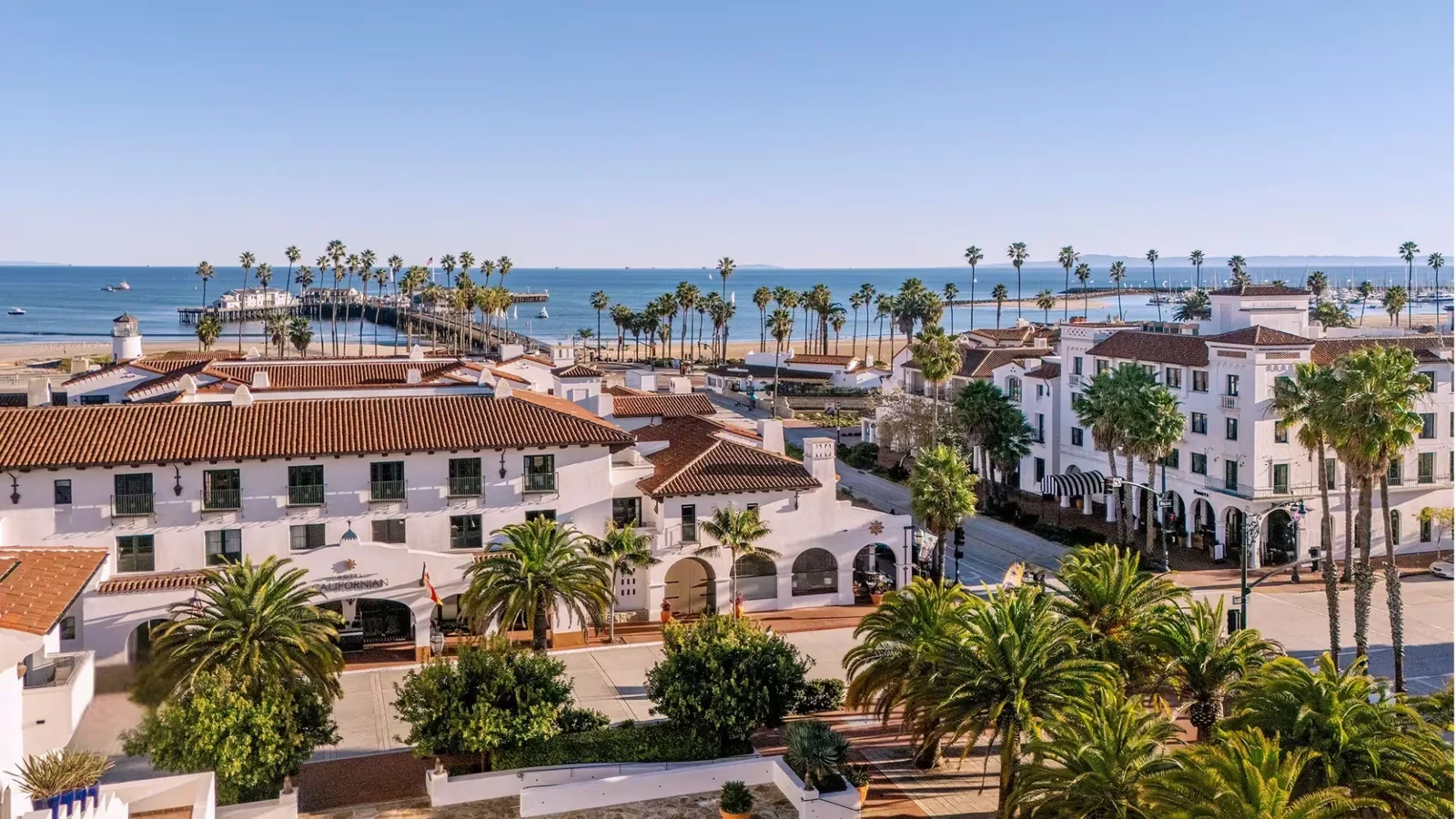
South Florida receives roughly 60 to 70 percent of its yearly rainfall within the May 15 to October 15 wet season. The region’s most severe weather exposure comes in the stormiest mid-May-to-early-July period, when damaging wind, flooding, hail, and tornadoes are among the potential impacts. Those seasonal conditions inform temporary protection and inspection timing; they do not identify what happened at a particular property. Miami-Dade and Broward lie within Florida’s High Velocity Hurricane Zone, so the project reviewer matches the approved roof assembly to the applicable provisions and actual configuration.
The code basis is date-dependent: Florida’s 2023 Eighth Edition remains current on October 18, 2026, while the Ninth Edition governs submissions made on or after December 31, 2026. Confirm the applicable project requirements before finalizing the contractor scope.
Give each restoration participant a clear handoff
Restoration work moves more smoothly when one contact confirms access, another maintains the claim file, and the roofing lead records field conditions and completed work. We agree on who receives photographs, who can approve added scope, and how a change is communicated when an area must remain open. For active facilities, the daily plan should include occupant notifications, equipment protection, delivery windows, and any route that must stay clear. Programs involving logistics and 3PL roof operations also need loading access and dispatch windows carried into the site plan. When interfaces involve manufacturing project teams or their general contractors, the occupied-building work sequence can help organize phased access when operations continue below the roof. A dated progress record should identify which areas are complete, which remain protected temporarily, and what inspection or approval is still pending. That prevents an estimate, field update, and final invoice from describing different portions of the property without an explanation.
Close the file with a useful roof-area history
At completion, assemble the approved scope, change directions, product information, inspection notes, progress photographs, and any remaining recommendations by roof zone. Identify work performed, work not included, and conditions that require future evaluation. That record helps the owner maintain the roof after the restoration team leaves and gives the adjuster a clear contractor closeout without presenting the contractor’s file as a coverage determination. The right next step may be a targeted repair, additional investigation, or a phased project; the decision should follow the condition and authorization available, not an assumption that every storm report calls for a complete reroof.
For a first conversation, share the property address, roof plan if available, reported condition, date first observed, operating constraints, and the person coordinating access. If the portfolio also includes Miami Lakes Business Park, keep its records separate from the Miami Gardens property file, even when one team schedules both. I-95 is one of Miami Gardens’ regional access links; that context does not establish travel time, crew availability, or a response commitment. We can explain what information would help an inspection and identify any immediate safety or weather-protection issue. If the site is along the Palmetto Expressway or U.S. 441 commercial areas, include the building or roof-zone identifier so the field team can distinguish it from other nearby facilities. That gives all participants a specific place to discuss while leaving claim interpretation and payment decisions with the authorized parties.
Coordinate an insurance restoration roof review
Share the property address, reported condition, access contact, and any available roof plan. We can discuss an inspection, document visible conditions, and outline a contractor scope for review.
Questions About Insurance and Restoration Work
Can the roofing contractor determine whether damage is covered?
Coverage is determined by the policy and the carrier’s authorized process. We can document visible roof conditions and describe a repair scope; that work is not a coverage opinion or promise of reimbursement.
What should be recorded before temporary protection is installed?
Photograph accessible conditions, note the roof zone and time, and record who authorized the temporary measure. If immediate safety or active water intrusion requires action, protect people and property while preserving available observations.
Will an inspection identify every concealed condition?
A visual inspection has limits, especially where materials remain covered. The report can flag areas for testing or a controlled opening, with additional work discussed before the scope expands.
How are added repairs handled during restoration?
When removal exposes a different condition, the crew documents the location and pauses at the agreed decision point when safe. The owner or authorized representative can review the evidence and provide written direction.
What belongs in the contractor closeout file?
Include the approved scope, documented changes, dated progress images, product information, inspection records, completed-area notes, and any exclusions or follow-up recommendations, organized by building and roof zone.