Commercial Roof Condition Reports in Miami Gardens, FL
Roofing Capabilities
Get a commercial roof condition report in Miami Gardens, FL with roof-area photos, repair priorities, access notes, and clear follow-up items.
Commercial Roof Condition Reports Overview
A useful condition report gives the project team enough detail to locate a finding and decide what happens next. In Miami Gardens, FL, we photograph each roof area, describe the visible assembly and details, and separate confirmed conditions from items that need testing. The record follows the building's access limits, occupied spaces, and work window. It can support a repair approval or capital review, but the recommendation stays attached to the evidence collected at that property.
South Florida’s highest severe-weather risk generally arrives from mid-May into early July, with damaging winds, tornadoes, hail, and flooding among the main concerns. That context may shape an inspection schedule after a weather event, but it is not proof of damage at a particular site. We record displaced metal, open seams, debris impact, and interior signs only where observed. A storm-damage review begins with this field evidence.
What makes a roof-area photo usable?
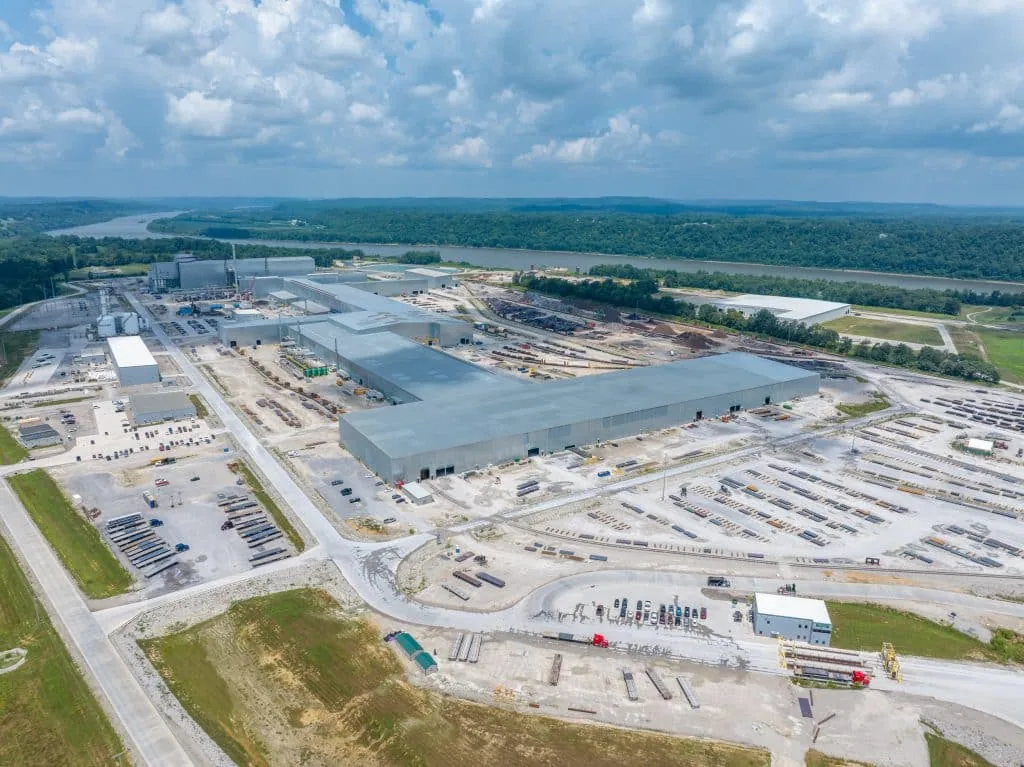
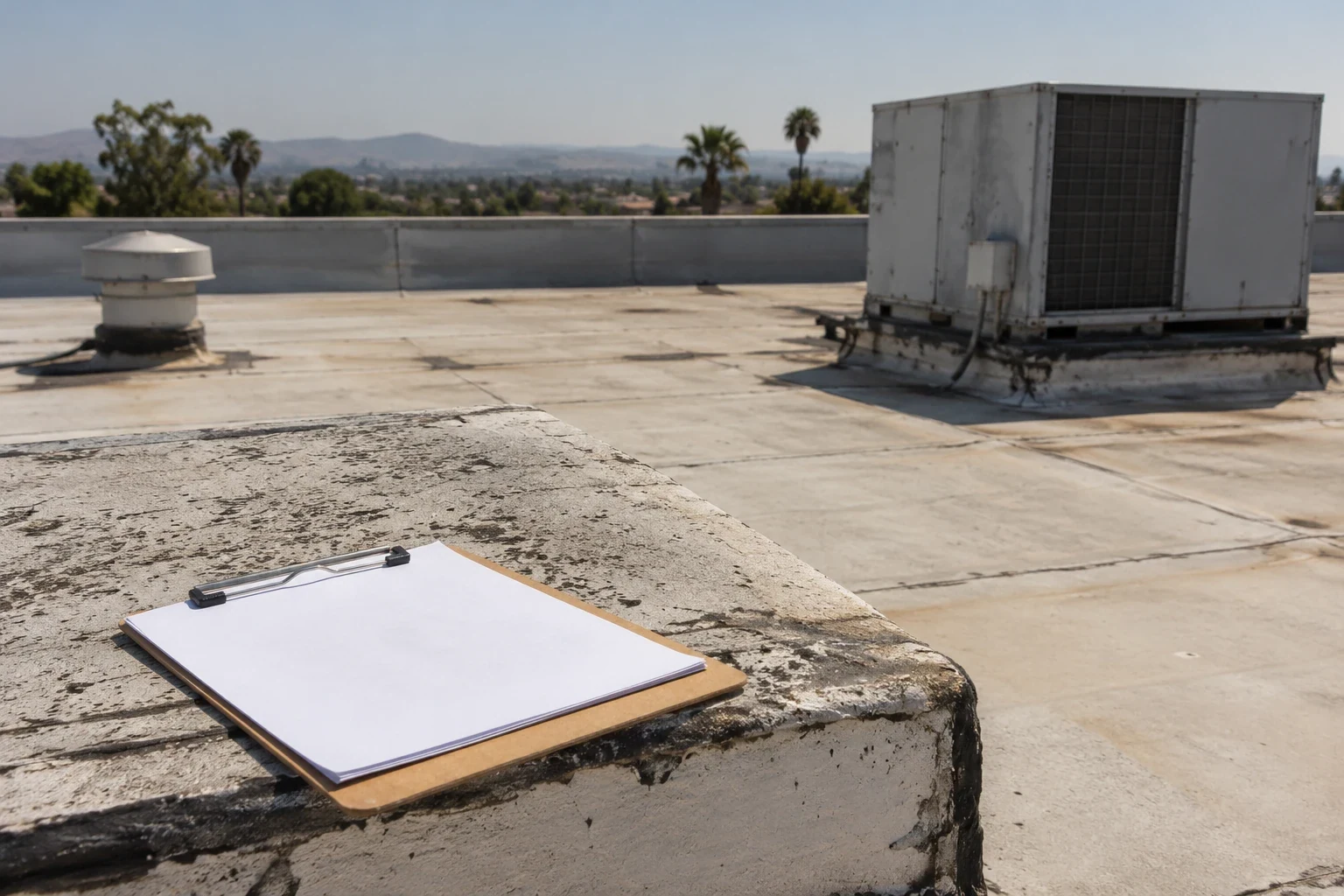
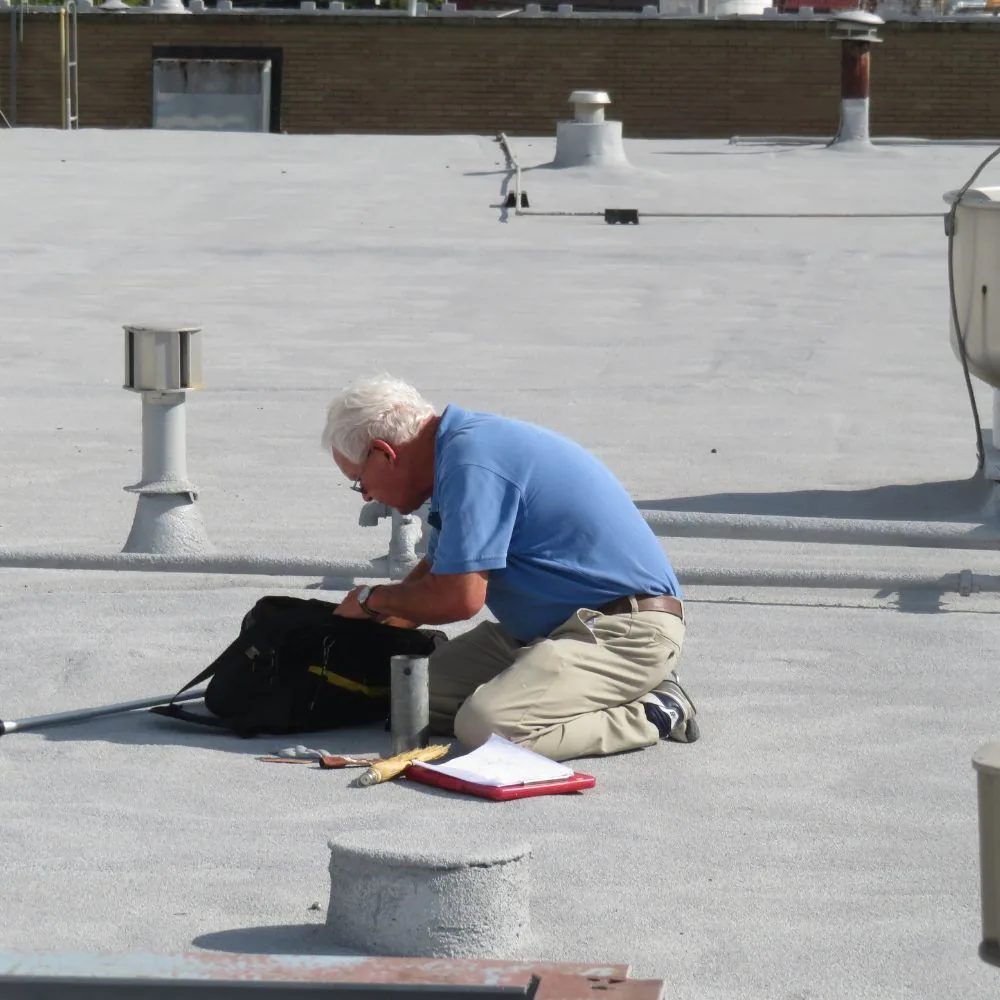
We pair a close view of the condition with a wider view that shows where it sits. A photo should identify the roof zone, the related detail, and enough surrounding context for a manager who was not on the roof to understand the finding. We record the direction or nearby equipment when it helps locate the item, then record whether access was limited. This keeps a picture from being separated from the repair candidate it supports.
Each image receives a short caption with the date, roof zone, observed condition, and next action. If the image is only a reference view, we label it that way rather than presenting it as proof of a defect. The sequence should let an owner move from the overview to the detail and back to the map. That makes later comparison possible after a repair or a second inspection.
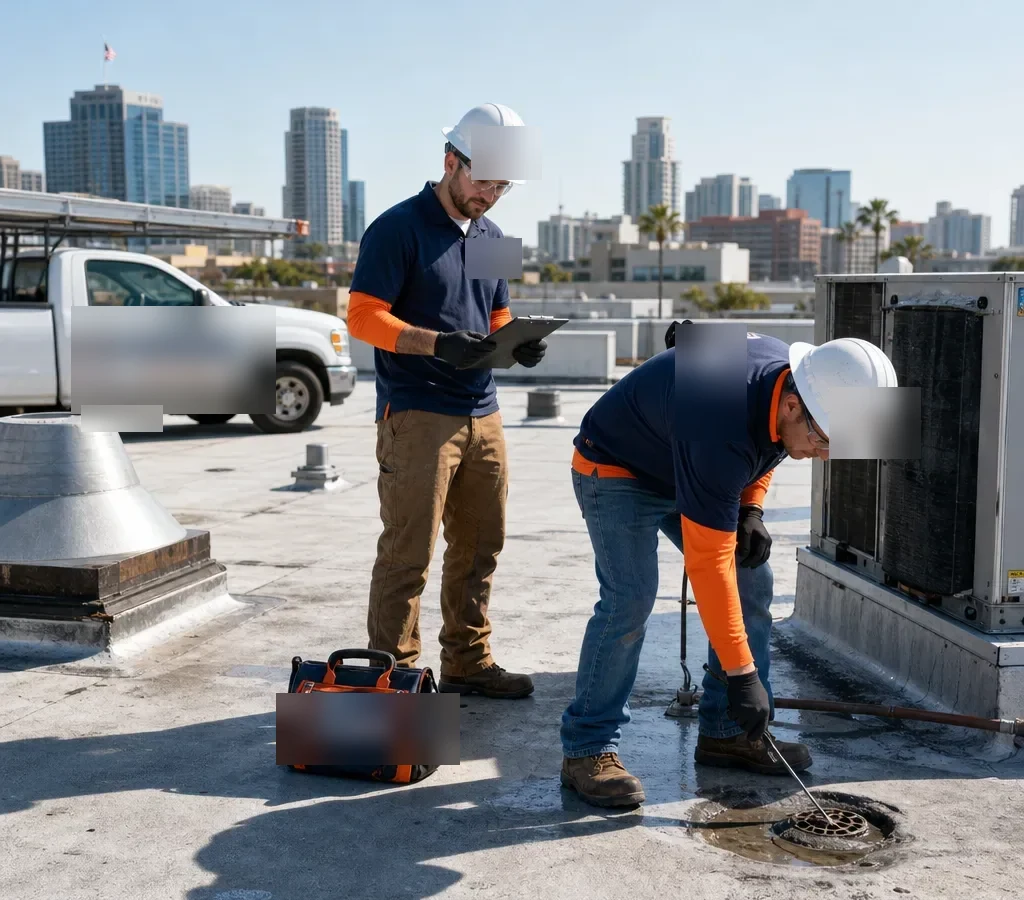
Our report follows seams, penetrations, curbs, drains, scuppers, edges, flashing transitions, and visible changes in the membrane or metal. We describe what can be seen without assigning a hidden cause from a surface mark alone. When an area requires confirmation, we identify the test or selective opening that could resolve it. A hands-on inspection can establish the baseline, and a wider roof sketch can help map large or difficult-to-access sections.
More on Commercial Roof Condition Reports
The sections below cover the questions property teams ask before they approve the work.
How are findings separated from assumptions?
Each item is labeled by evidence, location, urgency, and proposed follow-up. An open flashing seam is an observation; the route water takes below it may remain uncertain until the detail is tested. A moisture indication needs confirmation before it becomes a replacement boundary. We mark those distinctions plainly, so the owner can approve a repair, arrange testing, or monitor a condition without confusing one step for another. The report can include a priority and a reason, but it should not hide the uncertainty behind a single score.
Commercial development along Pines Boulevard includes medical activity alongside general office uses. A report for a property in that setting can capture access to patient-facing or customer areas as a project constraint, but those nearby sectors do not establish a specific building's use. We confirm occupancy and restricted routes on site. If the condition involves a roof leak, a leak investigation can trace the entry, while moisture testing can identify areas for closer review.
Which items need action first?
The report distinguishes immediate protection, a defined repair, further investigation, and longer-term capital work. A blocked drain or open termination may require prompt attention if the field review confirms a risk to the assembly. Repeated wet areas or failing insulation can require testing and a broader scope. We state why an item is prioritized, what access it needs, and whether the owner must approve a temporary opening before we proceed.
We also list dependencies that can delay closeout: rooftop equipment moves, tenant notice, fall-protection setup, material staging, and another trade's work at a curb or penetration. If a planned repair cannot be completed in the available window, we identify the protection method and the person who checks it at the end of shift. A maintenance visit can record completed items and carry forward unresolved follow-ups. The updated report then shows which findings remain open and which have been closed after review.
Industries We Work With
Owners and operators in these fields rely on us to plan roof work around their buildings.
Coordinate healthcare roof work in Miami Gardens, FL around patient routes, critical rooms, equipment, infection controls, and documented approval windows.
Coordinate 3PL roof work in Miami Gardens, FL around dispatch cycles, dock access, inventory protection, equipment routes, and phased closeout.
Plan school district roof work in Miami Gardens, FL around student routes, athletic spaces, summer windows, classroom protection, and board approvals.
Coordinate portfolio roof work in Miami Gardens, FL with area records, access windows, repair priorities, and approvals that keep each asset distinct.
Related Roofing Work
Other pages that cover the same roof question.
Roof leaking now? Call 555-555-5555 and we will send a crew to look at it.
Can a report support a budget request?
Yes. We organize the observations so a reader can connect the repair or replacement request to a roof area, photos, system, and next decision. The report can identify cost drivers such as tear-off depth, insulation condition, flashing complexity, equipment movement, access, and temporary protection. If the roof has multiple assemblies, we keep those scopes separate. An allowance or unresolved test appears as an open item, not as a confirmed quantity inside the base work. We can also record the work sequence, occupied areas, and which trade must complete an interface before closeout.
Miami Gardens’ regional access includes I-95, State Road 826, Florida’s Turnpike, the Florida East Coast Railway, and Tri-Rail. That context can inform multi-property coordination, while the lift path and delivery gate remain building-specific. We record the site route, lift path, and operating window with the work package. A capital review can compare repair with replacement timing, while replacement planning uses the documented boundary and approval record. A portfolio sequence can carry similar reporting fields across properties while keeping each building's findings separate.
What belongs in the next inspection record?
At closeout, we attach repair photographs, record materials and details addressed, and list any area that remains inaccessible or untested. A follow-up item should include a responsible contact and the event or date that will trigger another look. That can be a scheduled maintenance review, an approved selective opening, or a new leak report. The record stays useful when another manager can see what changed without treating an old observation as current. We retain the last inspection date and the area reviewed, so the team can tell whether the next visit is a new baseline or a focused check after a repair. If work is still pending, the report names the required access or approval rather than leaving the item as an unexplained open record. We can also attach the approved repair scope and completion photo to the related finding for later comparison.
Send roof plans, previous reports, access limits, and the schedule for the property. We will complete the field review, locate each condition, and return a written record with repair candidates and approval points. For sites in Miami Gardens or Pembroke Pines, the report follows the roof areas and operations we inspect, not a broad municipal overview.
Request a documented field review
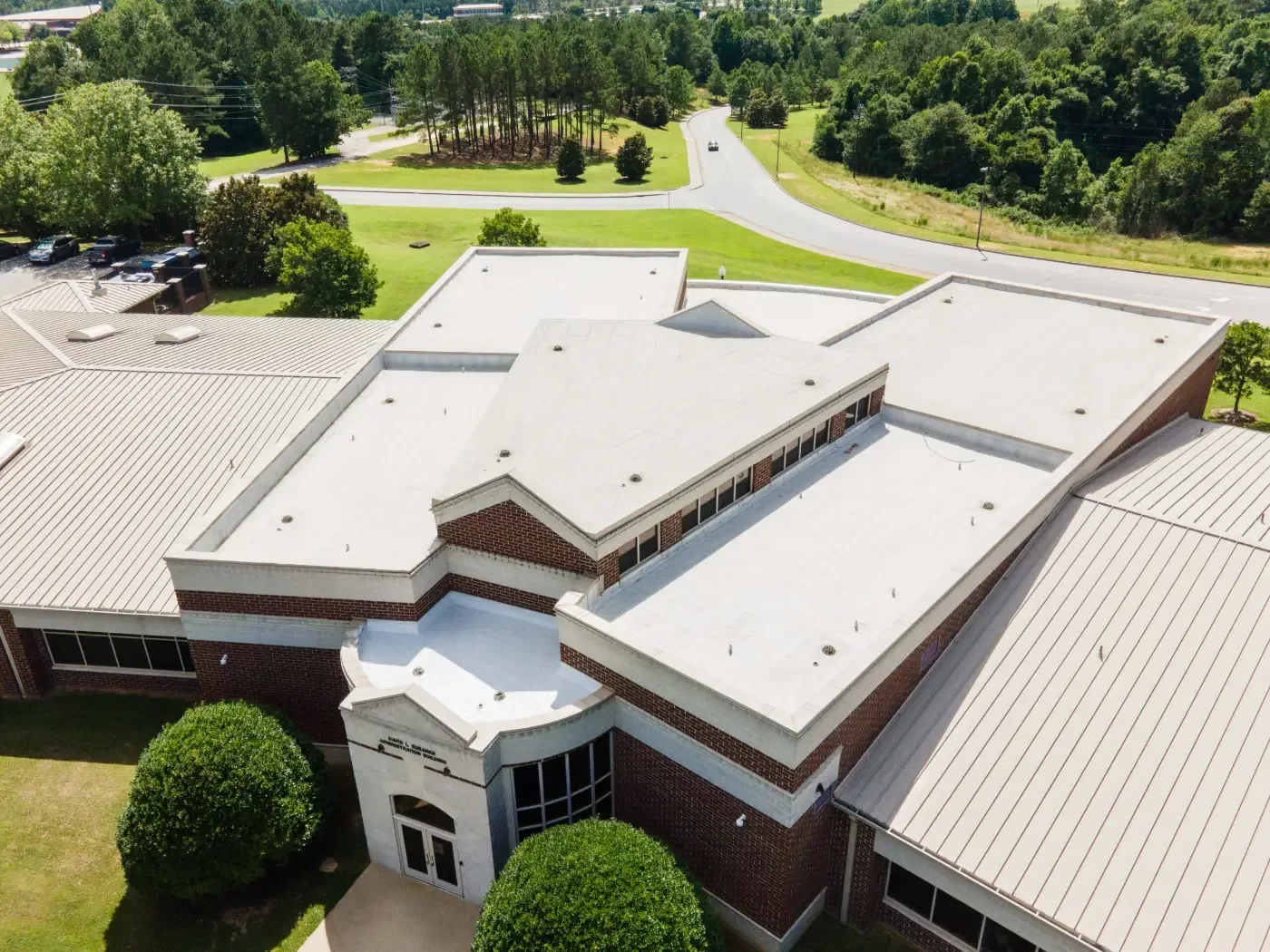
Share roof plans, previous reports, access limits, and the property schedule. We will photograph roof areas, distinguish observations from follow-up questions, and return repair priorities with a clear approval point.
Questions About Commercial Roof Condition Reports
Will the report show where each issue is on the roof?
Each finding is tied to a roof area and paired with photographs that show both the detail and its location. We note access limits and identify any zone that could not be inspected.
Can you tell from a photograph whether insulation is wet?
A surface photograph may show a condition that needs investigation, but it does not confirm concealed moisture by itself. We can identify a suitable survey or selective opening and record what remains unverified.
How does the report help us approve repairs?
The record connects each repair candidate to its location, supporting evidence, urgency, access needs, and follow-up. That lets the owner review the scope and approval point without combining unrelated findings.
What happens to open items after the repair visit?
We list the completed work separately from conditions that remain open, inaccessible, or untested. Closeout photographs and the next review trigger keep the follow-up visible in the property record.