Acrylic Roof Coatings for Commercial Buildings in Miami Gardens, FL
Roof Systems
Review acrylic roof coating fit, preparation, drainage, application checks, and maintenance for commercial buildings in Miami Gardens and surrounding areas.
Acrylic Roof Coatings for Commercial Buildings Overview
The first decision on an acrylic package is whether the existing assembly can accept the preparation and application steps without hiding a repair or moisture question. In Miami Gardens, we map the roof area, visible surface, drainage, transitions, and prior repairs before setting a coating boundary. South Florida's seasonal work window affects when the surface can be prepared and coated, but it does not establish conditions on a particular roof. The owner can compare coating with repair or replacement once findings and approval points are tied to the roof plan.
We begin with an inspection of the surface, seams, edges, drains, penetrations, and prior coatings. A commercial roof inspection can document visible conditions and identify where testing or opening may be needed. The owner can then compare coating with localized repair, a designed recover, or replacement based on the actual assembly.
Match the coating to its substrate
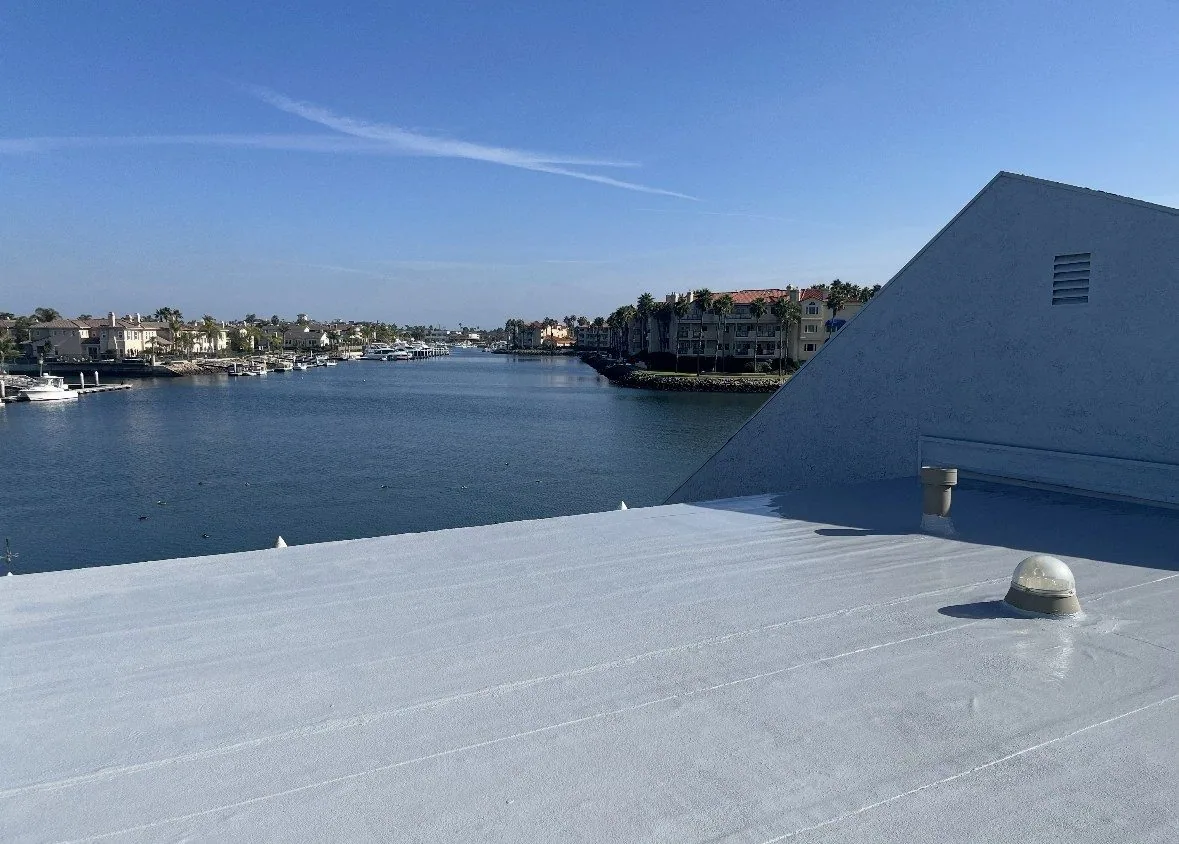
The specification review starts with the existing surface, any prior coating, and the selected product's substrate limits. We match the primer, cleaning method, and reinforcement detail to that assembly, then flag an unknown coating history for a test patch or adhesion evaluation. The result belongs to the sampled area and informs the next approval point; it does not settle conditions across roof sections that were not tested.
Review the roof's condition and intended performance goals. A coating can protect a sound surface when applied at its specified rate, but it does not restore deteriorated metal, replace failed seams, or dry wet insulation. The scope should identify repairs, surface preparation, thickness, number of passes, flashings, terminations, and expected maintenance. A field test can show whether the specified primer and preparation bond to the existing surface. Record its location, curing conditions, and result so the system review relies on observed performance, not a catalog description alone. Applicable code and fire requirements remain part of the design review.
Compare acrylic with silicone coating systems and with a full spray foam roof assembly. These are different approaches with their own substrate limits and upkeep. Product data and site conditions should guide the decision, not a generic claim about coatings.
More on Acrylic Roof Coatings for Commercial Buildings
The sections below cover the questions property teams ask before they approve the work.
Correct defects before surface preparation
Before coating, inspect seams, laps, fasteners, blisters, punctures, corrosion, and previous repairs. Remove loose or incompatible material and clean the surface as specified. Allow it to dry under the product's required conditions. Repair damaged areas with compatible materials and give repairs the needed cure time. If moisture below the surface is suspected, use appropriate testing before covering the assembly.
Protect rooftop equipment, intakes, vehicles, walkways, and adjacent property during cleaning and application. Mark drains and keep them open. The project plan should say where wash water will go and how the crew will control overspray. At edges, curbs, walls, and penetrations, identify the approved detail before coating begins so preparation does not leave a gap in the finished system.
Opa-locka's plan contemplates neighborhoods and commerce alongside retail and recreation. For an acrylic project, we verify operating hours and masking needs with the building contact rather than infer conditions from a citywide land-use description.
Address drainage and standing water directly
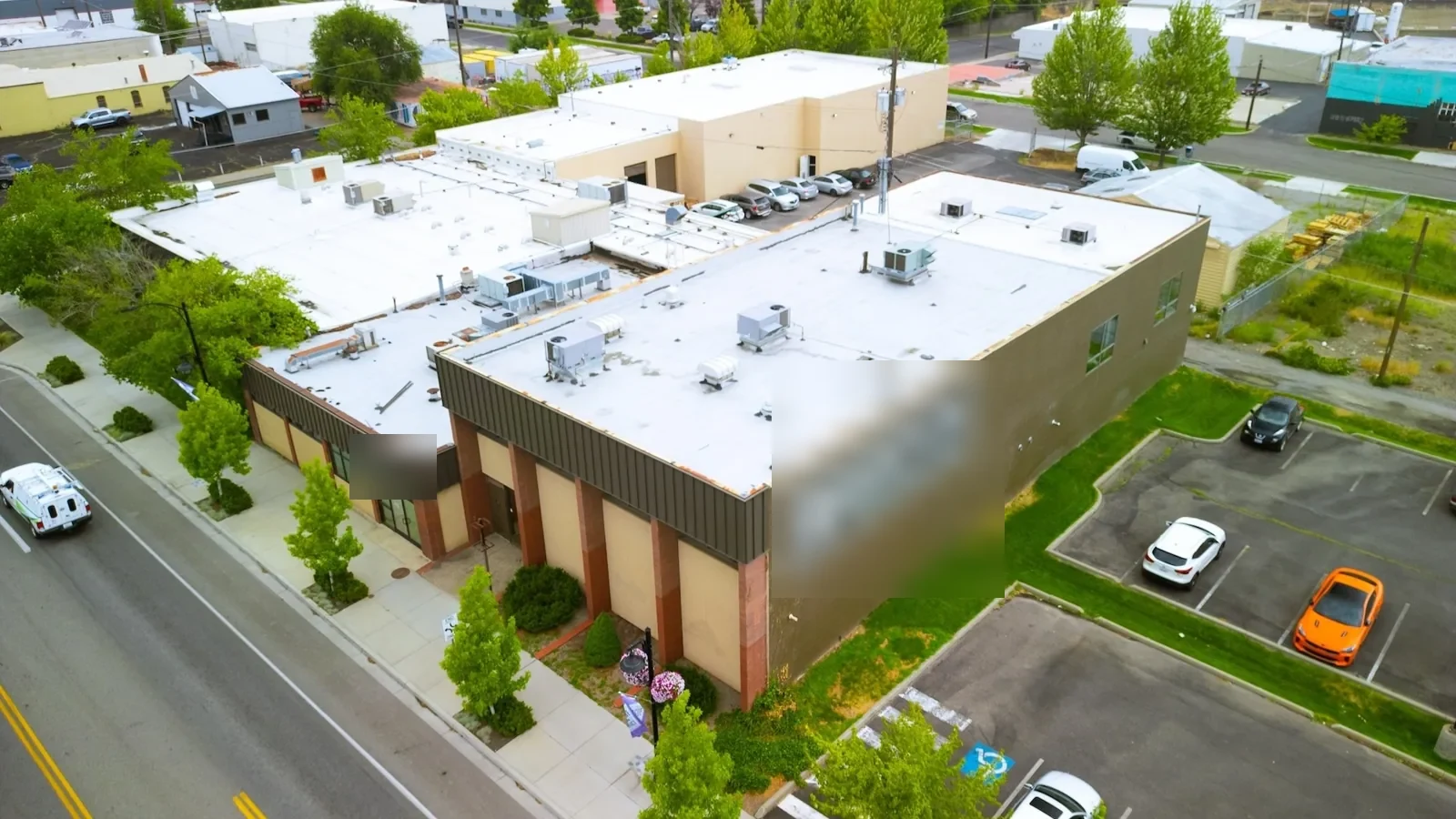
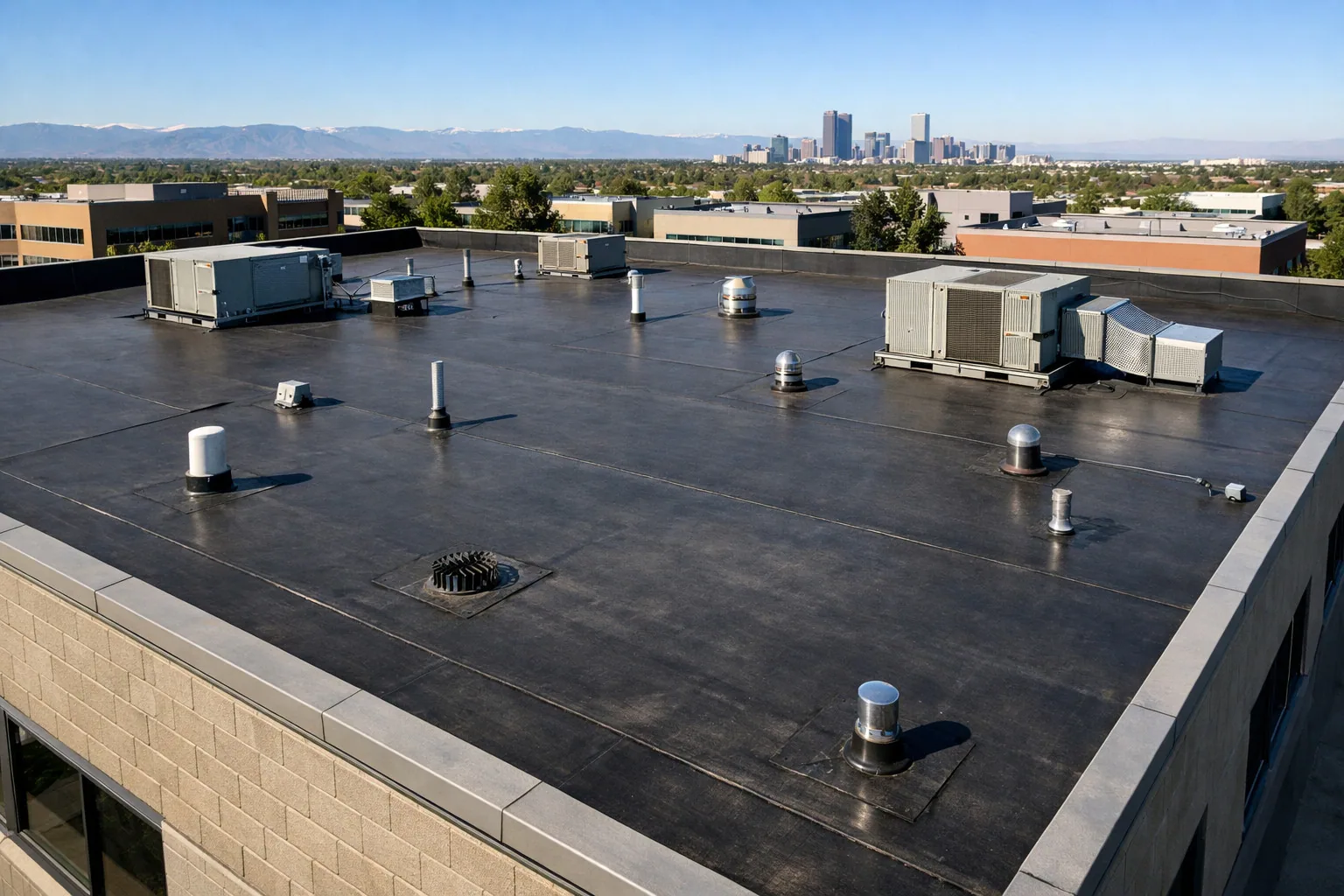
Map the flow paths, outlets, scuppers, gutters, and low spots before proposing a coating. Blocked outlets can be cleared, but persistent ponding may require evaluation of slope, deflection, or drainage design. Adding a coating does not correct the underlying cause. The project team should confirm the coating product's limitations for standing water and any maintenance needed to keep outlets clear.
At drains and scuppers, coordinate compatible flashing and reinforcement. New coating should not bridge over a loose drain ring or bury a failed connection. At roof transitions, check that the termination height and adjoining materials suit the design. A roof drain and scupper assessment can be coordinated where water-control components need attention before coating work.
The Miami Lakes plan links homes with industrial and workplace districts; it also identifies business parks. We confirm the facility calendar and drain-service access before setting the coating sequence.
Industries We Work With
Owners and operators in these fields rely on us to plan roof work around their buildings.
Coordinate healthcare roof work in Miami Gardens, FL around patient routes, critical rooms, equipment, infection controls, and documented approval windows.
Coordinate 3PL roof work in Miami Gardens, FL around dispatch cycles, dock access, inventory protection, equipment routes, and phased closeout.
Plan school district roof work in Miami Gardens, FL around student routes, athletic spaces, summer windows, classroom protection, and board approvals.
Coordinate portfolio roof work in Miami Gardens, FL with area records, access windows, repair priorities, and approvals that keep each asset distinct.
Related Roofing Work
Other pages that cover the same roof question.
Roof leaking now? Call 555-555-5555 and we will send a crew to look at it.
Verify application conditions and coverage
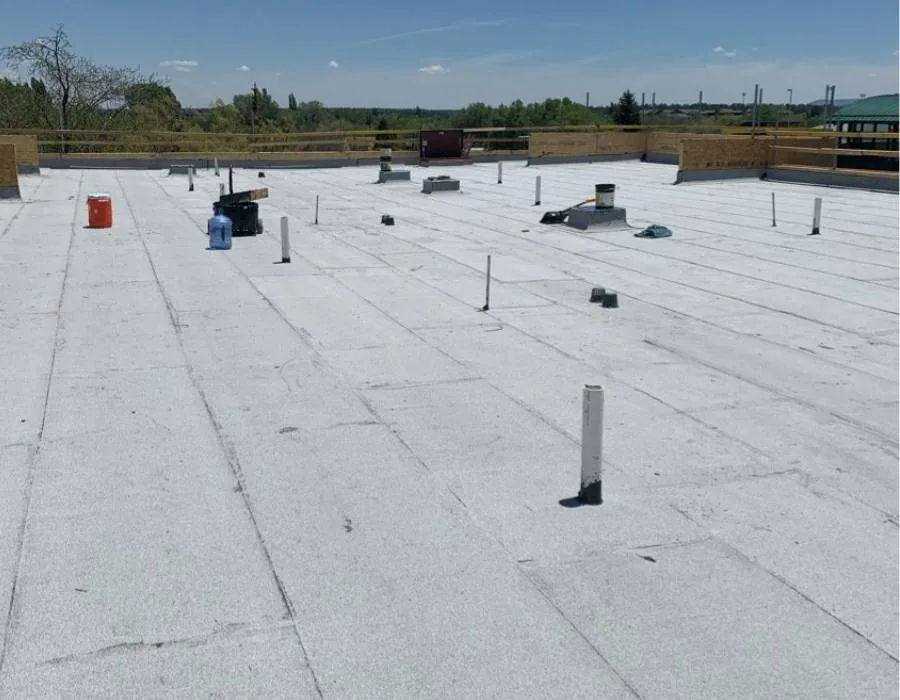
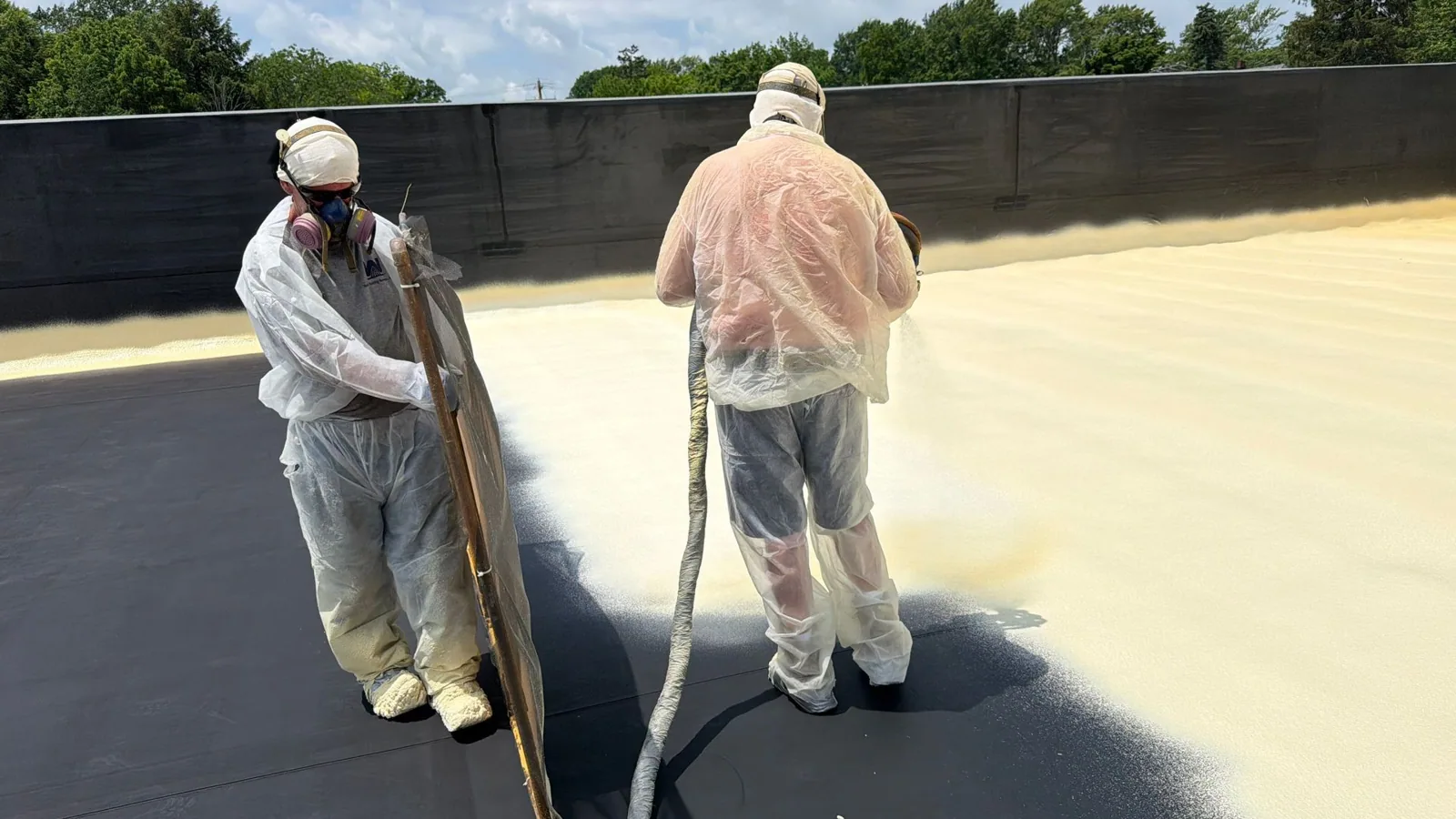
Application must follow the product limits for surface moisture, temperature, wind, mixing, and cure. Crews should use the specified primer and apply the required number of coats at the target rate. Wet-film checks help verify coverage during the work, while the system documents should explain how final thickness is confirmed. A container count by itself does not establish that every section received the specified material.
Reinforce seams, penetrations, corners, and other details where the design calls for it. Inspect for holidays, pinholes, thin areas, contamination, and incomplete transitions. Correct defects and recheck before closeout. Protect the roof from foot traffic and other trades until the coating has cured as directed. Record the conditions, products, and inspection results so the owner has a useful project history.
If a storm or leak has damaged the existing assembly, a commercial roof repair review can identify whether corrective work is needed before coating proceeds. Do not coat over an unresolved condition to keep a schedule.
Schedule work with South Florida conditions in view
South Florida's wet season, May 15 to October 15, accounts for about 60 to 70 percent of average annual rainfall. This seasonal statistic helps contingency planning; the daily choice to clean, prime, or coat still depends on observed moisture, forecast, and product limits.
Check current weather and follow product requirements before each application shift. A damp substrate or rain before cure can affect the result. Secure unfinished edges, protect open areas, and inspect the surface before restarting after an interruption. The contractor should explain how weather changes the work sequence and communicate any revised access or protection needs to the occupants.
In Miami Gardens, Opa-locka, and nearby communities, actual site conditions determine the work window. We coordinate with the property's point of contact and avoid promising that a fixed date can proceed regardless of weather.
Keep coating records and inspect the finished roof
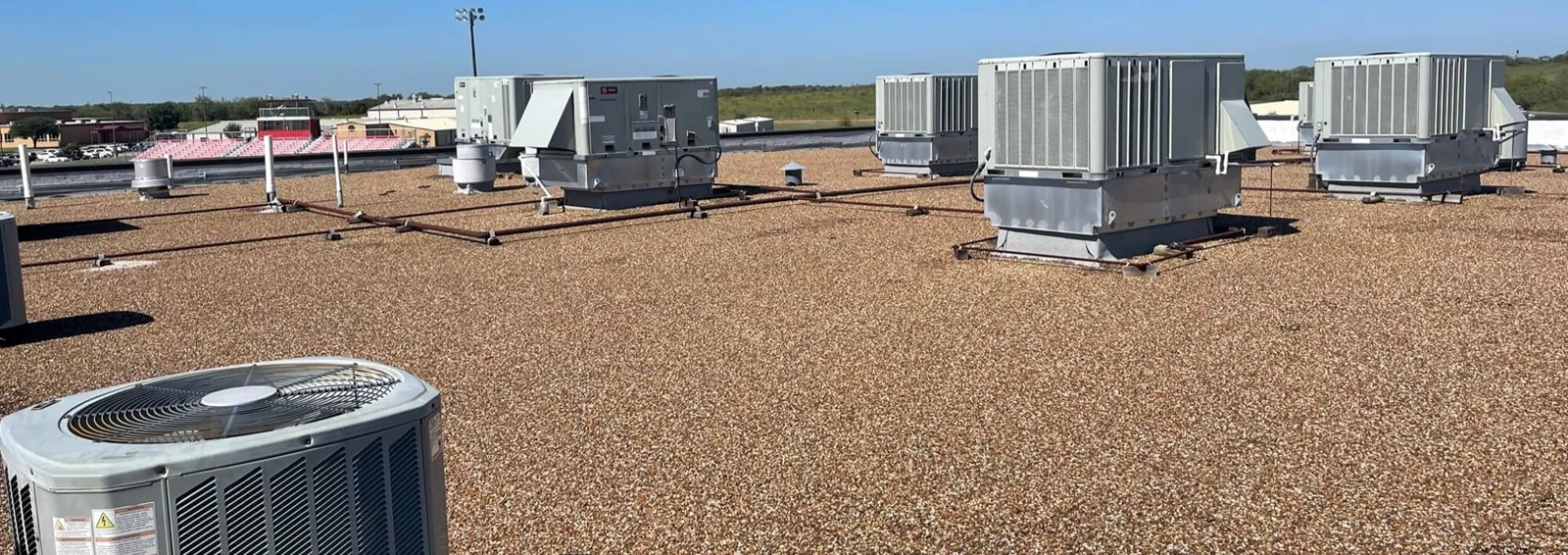
Closeout records should include the coating products, primer, repairs, application areas, thickness checks, photographs, approved changes, and any limitations. Keep warranty information and manufacturer maintenance instructions with the roof file. The facilities team should know who may access the roof and how later penetrations, equipment work, or trade paths must be coordinated.
Authorized inspections can look for worn or thin coating, punctures, open details, debris, blocked drains, and damage from other work. Address defects using compatible products and preparation. Follow the system's guidance for future recoating or maintenance; the timing depends on the product, exposure, and observed condition. Retain dated notes and images to track changes.
If an acrylic coating is not suitable, compare a modified bitumen assembly or another designed system. We can assess roofs in Miami Gardens, Miami Lakes, Opa-locka, and nearby areas and explain what the inspection supports before an owner selects a scope.
Questions About Acrylic Roof Coatings for Commercial Buildings
Can acrylic coating be applied over any commercial roof?
No. The roof must be compatible with the selected product, stable, and prepared as required. Prior coatings, moisture, surface condition, and drainage all matter. Confirm compatibility and repairs with the manufacturer and contractor before coating the full area.
Will a coating fix ponding water?
A coating does not correct a slope, deflection, or blocked-outlet problem. Evaluate persistent ponding and confirm the selected product's limitations for standing water. Drainage repairs may need to happen before the coating scope.
How do contractors check coating coverage?
Follow the specification for application rate, wet-film measurements, passes, reinforcement, and final thickness documentation. Inspect transitions and repair areas as well as open roof fields. Product consumption alone does not confirm uniform coverage.
What should happen if rain interrupts coating work?
Protect unfinished edges, keep outlets clear, and inspect the surface before work resumes. Confirm that the substrate and coating meet the manufacturer's conditions after the interruption. Update occupants if access or the work sequence changes.