Silicone Roof Coatings for Commercial Properties in Miami Gardens, FL
Roof Systems
See how a silicone roof coating project is evaluated, prepared, detailed, and maintained for commercial roofs in Miami Gardens and nearby areas.
Silicone Roof Coatings for Commercial Properties Overview
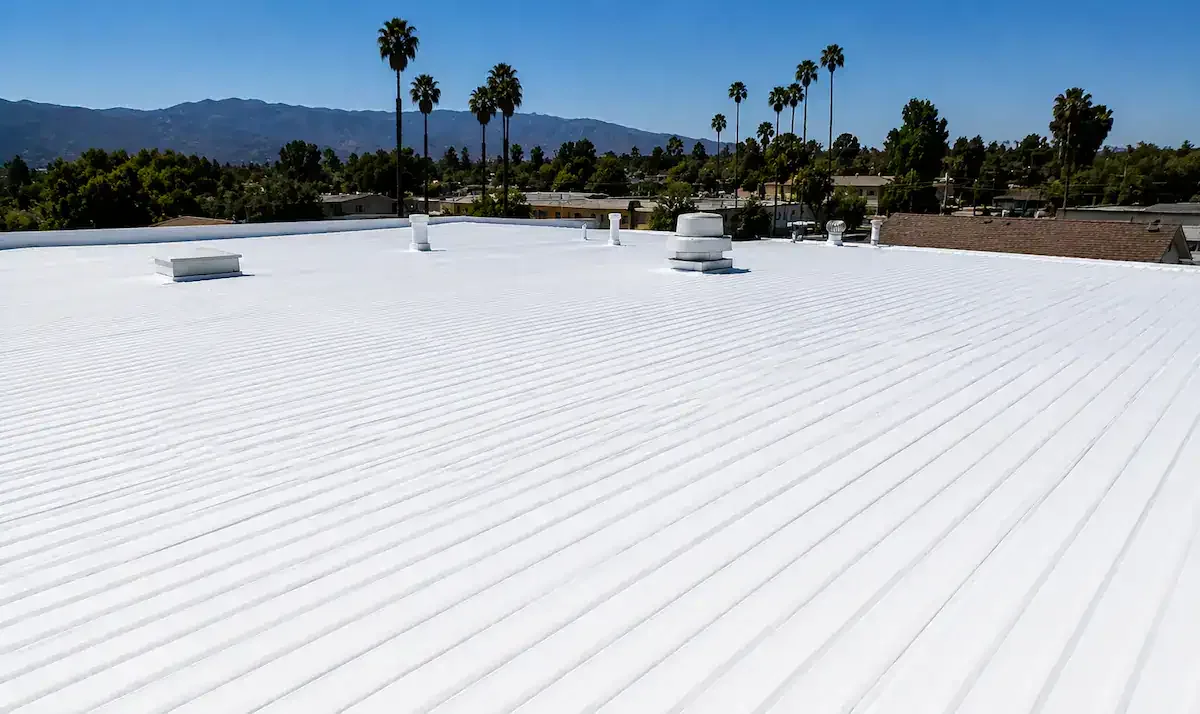
A silicone roof coating can renew a compatible roof surface, but it is not a substitute for correcting structural, drainage, or wet-insulation problems. The coating bonds to a prepared substrate and creates a continuous protective layer when the products, thickness, and details are properly specified. For a commercial building in Miami Gardens, suitability depends on the existing roof type, surface condition, moisture, prior coatings, and the owner's performance goals.
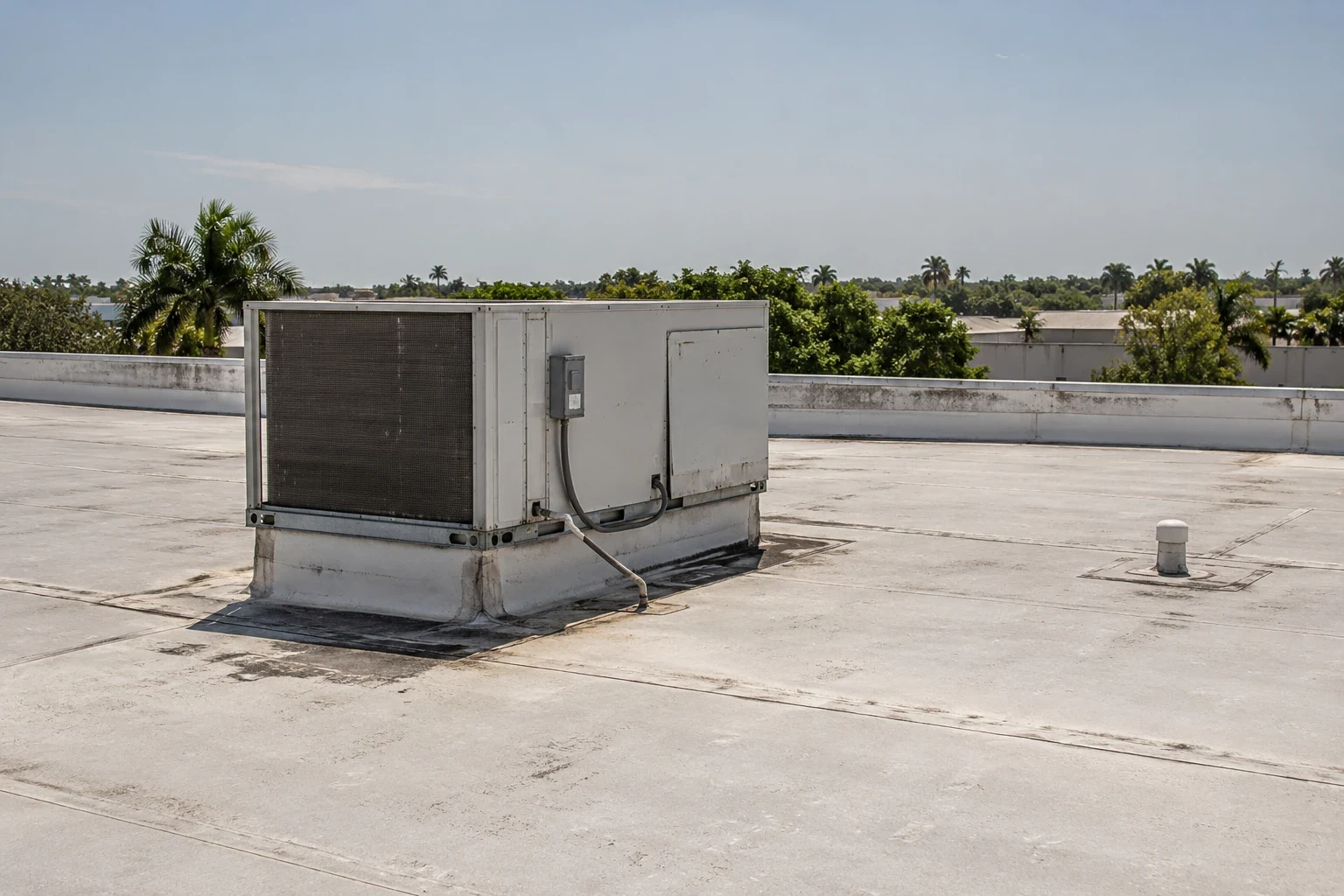
We document what is present before discussing a coating. A commercial roof inspection can review seams, flashings, drains, curbs, penetrations, ponding areas, and previous repairs. Testing may be appropriate where concealed moisture is suspected. The result is a clearer basis for deciding whether coating, localized repair, a recover, or replacement should be evaluated.
Confirm that the existing roof can receive a coating
Coatings are substrate-specific. The existing membrane, metal, modified bitumen, or foam surface must be compatible with the selected silicone product and any primer. The roof should be stable and sufficiently dry, with loose coating, failed sealant, contaminants, and damaged areas addressed as specified. A coating applied over an unsound substrate may lose adhesion or conceal defects that still allow water entry.
Review prior coatings and repairs, especially where the product history is unknown. A test patch or adhesion test may be required by the manufacturer. The design should identify surface preparation, primer, coating passes, target thickness, reinforcement, flashings, and edge terminations. Verify that the proposed system meets the project requirements and applicable code; do not rely on a general statement that silicone is suitable for every roof.
For comparison, an acrylic roof coating system may have different application and maintenance limitations. A spray foam roof assembly includes a protective coating as one component of a broader system. The existing roof and intended scope should guide the comparison.
More on Silicone Roof Coatings for Commercial Properties
The sections below cover the questions property teams ask before they approve the work.
Repair and clean before coating work begins
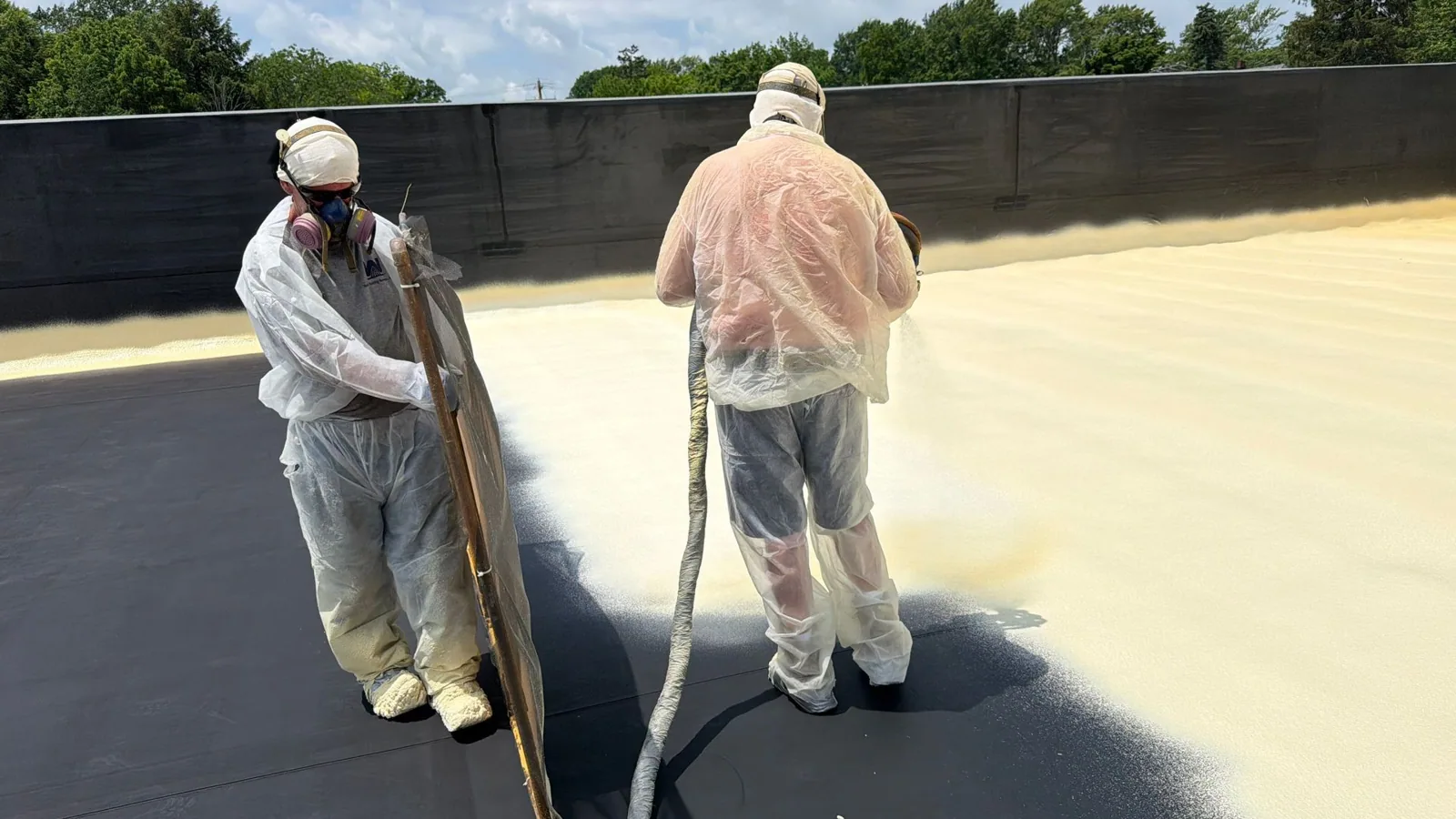
Preparation often determines whether the coating can bond as intended. Clean the roof using the specified method, remove loose material, and allow the surface to dry under suitable conditions. Address open seams, loose fasteners, damaged flashings, blisters, punctures, and deteriorated areas with compatible materials before coating. Repairs should be allowed to cure as required by the product instructions.
Drains, scuppers, gutters, and overflow paths must remain functional. Remove debris and inspect details that could hold water. Ponding may indicate a slope or structural issue that needs a separate review; coating alone does not create positive drainage. Protect air intakes, vehicles, walkways, and neighboring property from wash water or overspray, and confirm where runoff will go during preparation.
Opa-locka's development plan connects business activity with neighborhoods and recreation. That broad picture offers no roof-condition data; we ask each property contact about occupancy and masking needs before starting. A drain and scupper review may be part of the project when water-control components need repair.
Control thickness, reinforcement, and cure
Application should follow the manufacturer's limits for surface moisture, temperature, wind, mixing, and cure. Crews generally work in controlled passes and verify the specified wet-film thickness as they go. The total dry-film requirement depends on the system design and condition of the roof. Product consumption alone is not a reliable substitute for field thickness checks and inspection records.
Reinforcement may be required at seams, penetrations, drains, corners, or other vulnerable details. Apply it in the locations and manner shown by the system specification, then confirm that edges are embedded and continuous. Protect the fresh surface from foot traffic, debris, and unexpected rain until the coating reaches the required condition. Record any areas that need correction and recheck them before closeout.
If another trade needs roof access, coordinate the path and timing so fresh coating is not punctured or contaminated. Later repairs should use materials approved for the coating system. Our commercial roof repair team can document damage and help coordinate compatible corrective work.
Industries We Work With
Owners and operators in these fields rely on us to plan roof work around their buildings.
Coordinate healthcare roof work in Miami Gardens, FL around patient routes, critical rooms, equipment, infection controls, and documented approval windows.
Coordinate 3PL roof work in Miami Gardens, FL around dispatch cycles, dock access, inventory protection, equipment routes, and phased closeout.
Plan school district roof work in Miami Gardens, FL around student routes, athletic spaces, summer windows, classroom protection, and board approvals.
Coordinate portfolio roof work in Miami Gardens, FL with area records, access windows, repair priorities, and approvals that keep each asset distinct.
Related Roofing Work
Other pages that cover the same roof question.
Roof leaking now? Call 555-555-5555 and we will send a crew to look at it.
Keep drainage and transitions in the scope
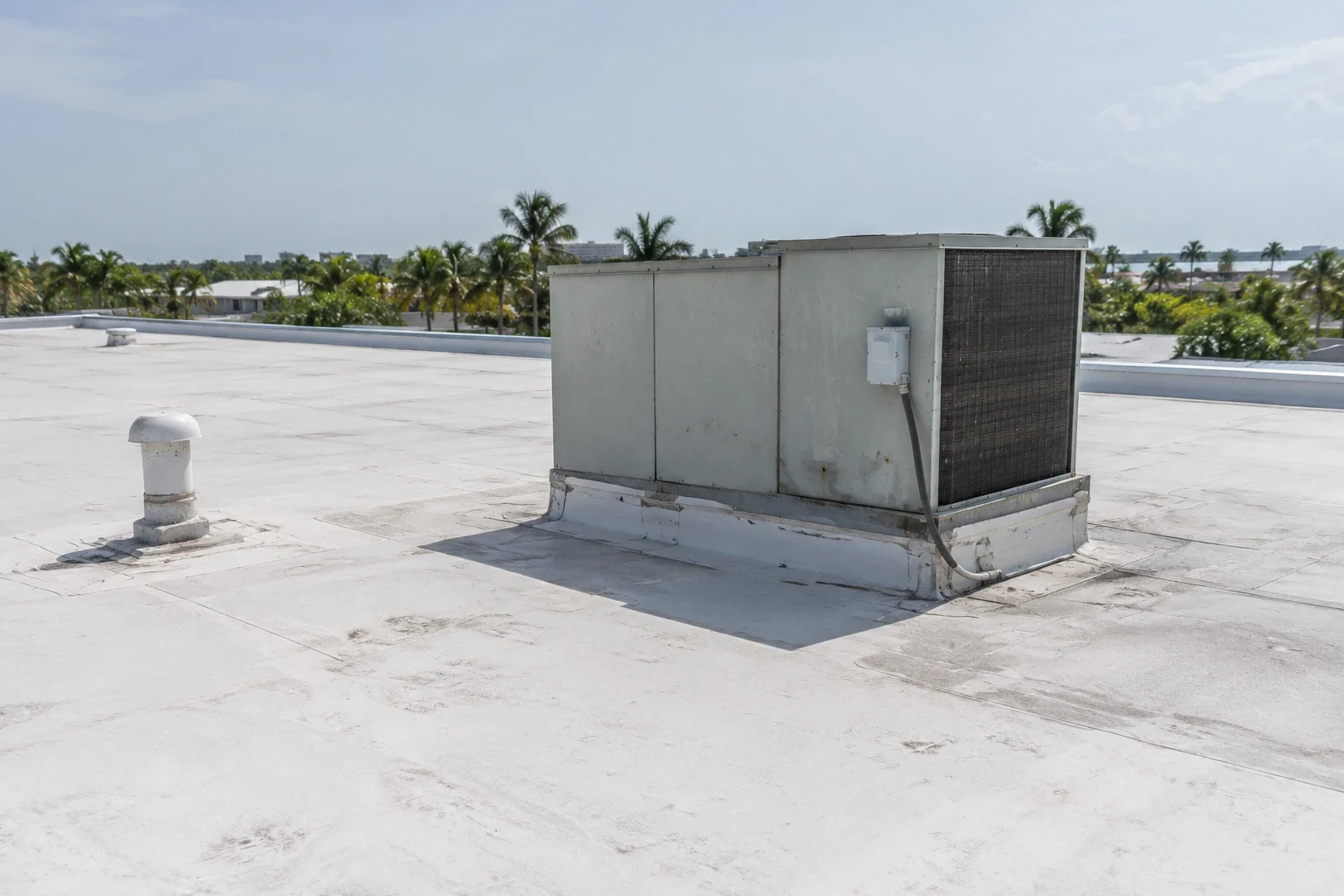
Before coating, map how water moves across the roof and identify outlets, low areas, and recurring ponding. Clear drains and make sure new material does not obstruct a clamping ring, scupper, or overflow route. Water that remains on a roof can stress details and complicate maintenance even when the coating itself is intact. If ponding is persistent, evaluate the cause and whether design corrections are needed.
Terminations at walls, parapets, curbs, and dissimilar materials need a defined detail. Transitions should be prepared and reinforced as specified, with compatible sealants and flashing components. Confirm access to equipment and walk paths so maintenance does not repeatedly damage the coating. A site plan can mark areas where equipment service should use protection.
Businesses in Miami Lakes operate within a town planned for several land uses, including dedicated business parks. Each facility team sets the safe window for roof access and drain maintenance.
Choose work windows with local weather in mind
Regional outlooks mark mid-May to mid-October as South Florida's wet season, with roughly three-fifths to seven-tenths of average yearly rain falling in those months. Use that seasonal history to set contingencies, then check same-day moisture and forecast before applying coating.
Check current conditions and follow the selected coating's limits for moisture, temperature, wind, and cure time. Do not coat a wet or contaminated surface because a scheduled date is approaching. If rain interrupts application, secure unfinished edges and inspect the area before resuming. Communicate work zones, access changes, and protection measures with occupants before crews mobilize.
In Miami Gardens, Opa-locka, and nearby communities, the actual site conditions control the work plan. Our crew can explain what must be ready before a coating is applied and how a delay affects the sequence without making unsupported promises about weather.
Plan inspections and coating maintenance
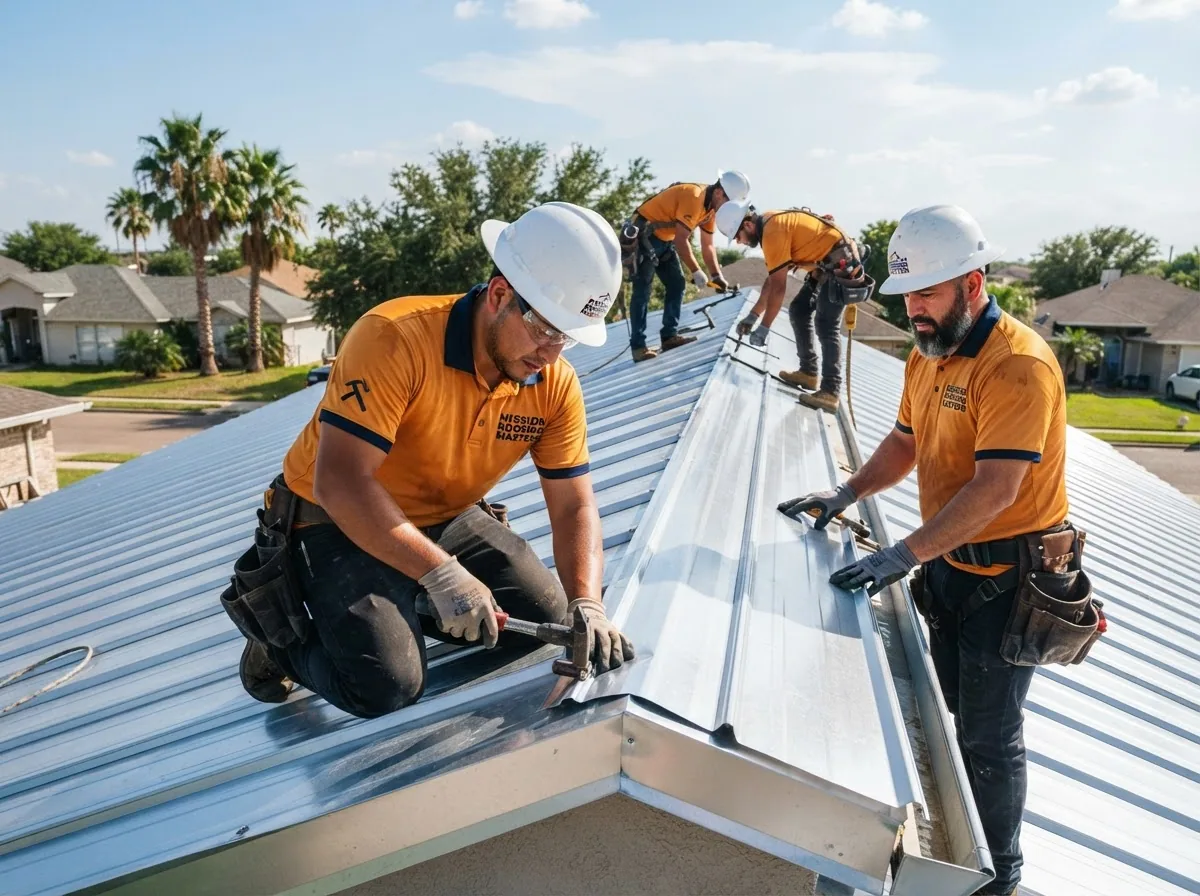
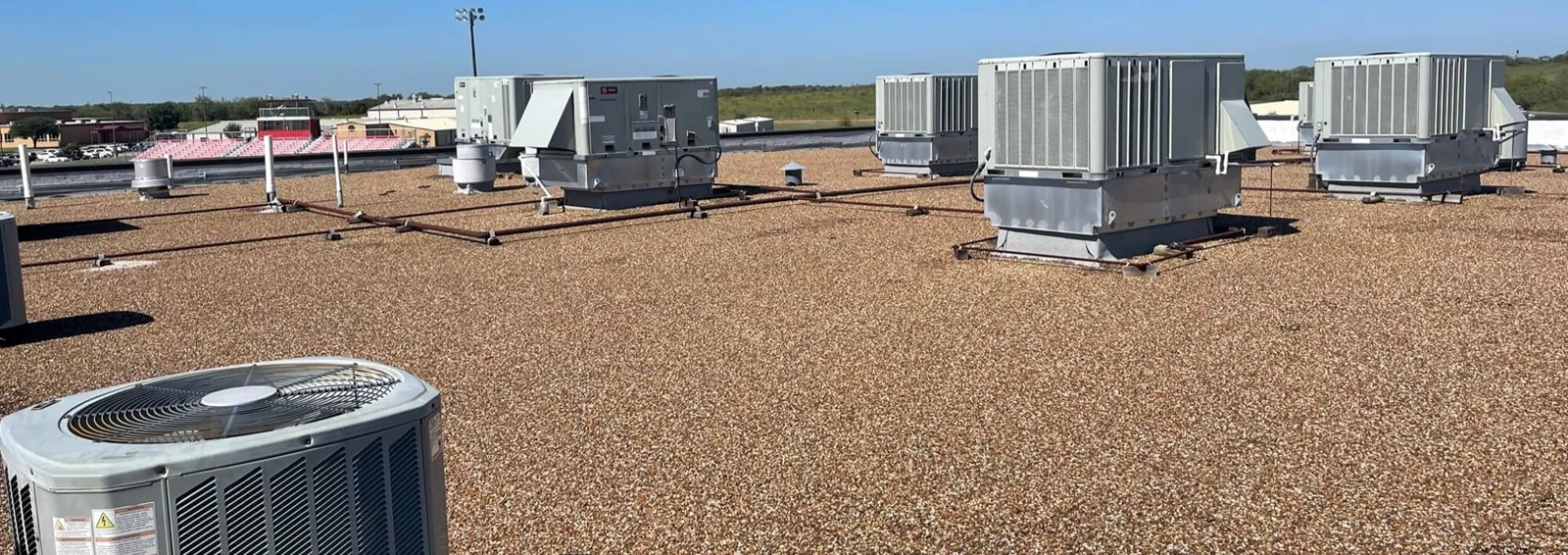
Closeout records should identify the coating system, preparation, repairs, application areas, thickness checks, weather conditions, photographs, and any limitations. Keep product data, warranty terms, and maintenance recommendations with the roof file. The facilities team should know which contractors are authorized to cross the coating and how new penetrations or equipment work must be coordinated.
Periodic authorized inspections can look for punctures, thin or worn areas, open transitions, debris, blocked drains, and damage from later work. Promptly address defects using compatible materials and required preparation. A coating may require maintenance or renewal according to product guidance and exposure; retain inspection dates and repair notes so the owner can track changes over time.
When a coating does not fit the roof condition, consider a TPO membrane or another designed assembly. We assess properties in Miami Gardens, Opa-locka, Miami Lakes, and surrounding areas, then discuss evidence-based options. A roof assessment does not assume that coating is the answer.
Questions About Silicone Roof Coatings for Commercial Properties
Can silicone coating stop every roof leak?
No. Coating may protect a compatible and properly prepared surface, but it cannot correct structural movement, wet insulation, failed attachment, or unresolved drainage. Locate and repair defects first, then confirm that the substrate and details meet the system requirements.
How is coating thickness verified?
The contractor should follow the specified wet-film checks and document the application against the required system thickness. The method and target depend on the product and design. Material usage by itself does not show that every roof area received the intended coverage.
Can a silicone coating be applied over another coating?
Only when the manufacturer confirms compatibility and the existing surface passes required preparation and adhesion review. Unknown coatings may need testing or removal. The scope should identify primers, repairs, and any exclusions before application begins.
How often should a coated roof be inspected?
Follow the system's maintenance and warranty guidance and inspect after significant roof work or reported damage. Authorized reviews should note drains, transitions, coating wear, and punctures. Keep dated photos and repair records for future comparisons.