
Commercial Roofing in Tamarac, FL
Service Areas
Prepare commercial roof scopes in Tamarac, FL with redevelopment sequencing, permit coordination, condition records, and controlled temporary protection.
Tamarac Overview
A mixed-use redevelopment scope needs a roof boundary that can be reviewed alongside the rest of the project. In Tamarac, FL, we document the existing roof areas, identify repair and replacement candidates, and map the access and protection sequence before work packages are approved. The city prioritizes mixed-use redevelopment in its economic-development strategy. That context makes coordination useful, but it does not establish a particular building’s roof system, permit requirement, or condition; those items come from the plans and field review.
We inspect membrane and metal areas, seams, flashings, penetrations, drainage, and the perimeter. Photos and notes connect each condition to a roof area, then distinguish confirmed work from testing or design questions. When a project is moving through approvals, the general contractor needs a scope that names the open decision and the person responsible for it. A capital work sequence can set those approval points before roofing and other trades compete for the same access window.
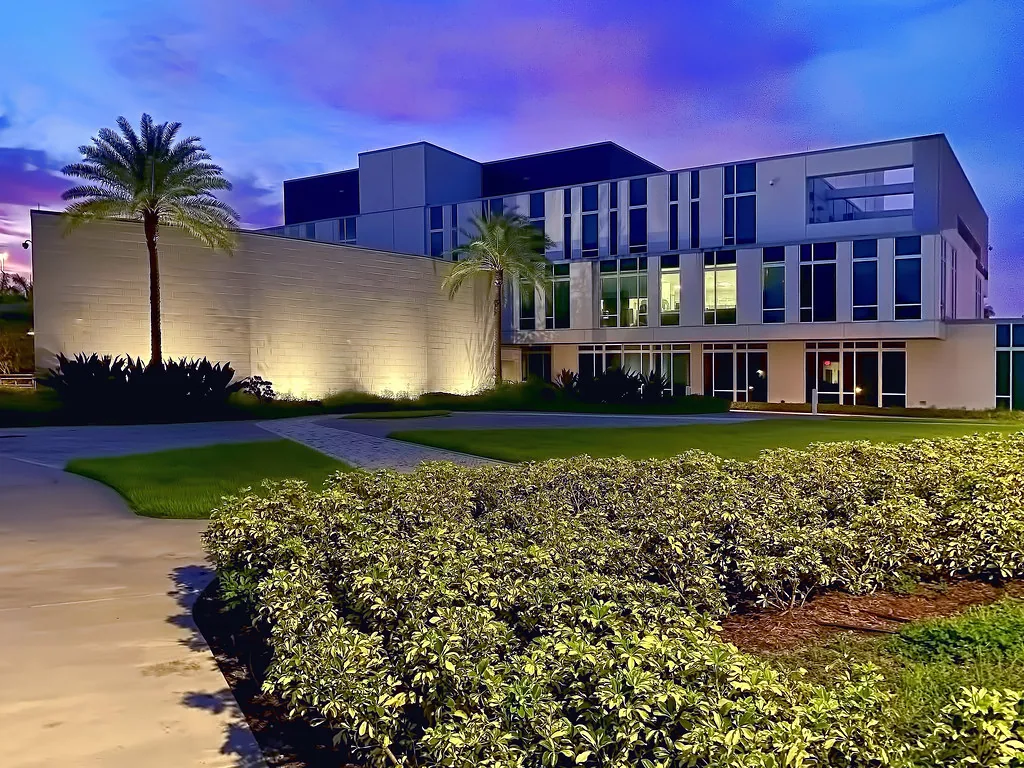
How should roofing fit into a mixed-use schedule?
Redevelopment can bring roofing into a wider construction sequence with interior work, mechanical changes, tenant coordination, and site access. We start by recording which areas are occupied, which can be closed, and which systems may change during the project. If rooftop equipment will be relocated or new curbs added, those decisions need to be coordinated before the membrane is closed. We mark each trade dependency in the work package, rather than assuming the roof crew can return whenever another scope is ready.
Tamarac’s economic-development strategy also identifies regional access to I-95 and the Florida Turnpike. Those road connections are useful context for planning deliveries, but the property determines the actual route, gate, staging area, and hours. We confirm vehicle circulation and any restriction on lifting or storage with the site team. A roofing sequence for occupied space can divide work into controlled zones, while general-contractor coordination keeps the roof schedule connected to the larger construction package.
More on Tamarac
The sections below cover the questions property teams ask before they approve the work.
Which approvals should be checked before mobilization?
The city’s Business Concierge Program assists with business tax receipts and permitting. That service does not tell us which permit a particular roof scope requires, but it is a reason to put the permit question in the early project checklist. We review the proposed scope, drawings, assembly requirements, and submittal path with the responsible project team. The record should distinguish a permit application, an approved submittal, and a field change, because each can affect the start date differently.
Miami-Dade and Broward counties together fall within Florida’s High Velocity Hurricane Zone definition under county code. For roof work in Tamarac, we confirm which applicable provisions and approved assemblies belong to the project rather than carry over a prior job’s assumptions. Attachment, edge conditions, product approvals, and system details may affect the package. The general contractor can provide the plans, design criteria, and current approval record; we document any open requirement before purchasing materials. A replacement submittal package should keep the assembly, perimeter, and approval evidence together.
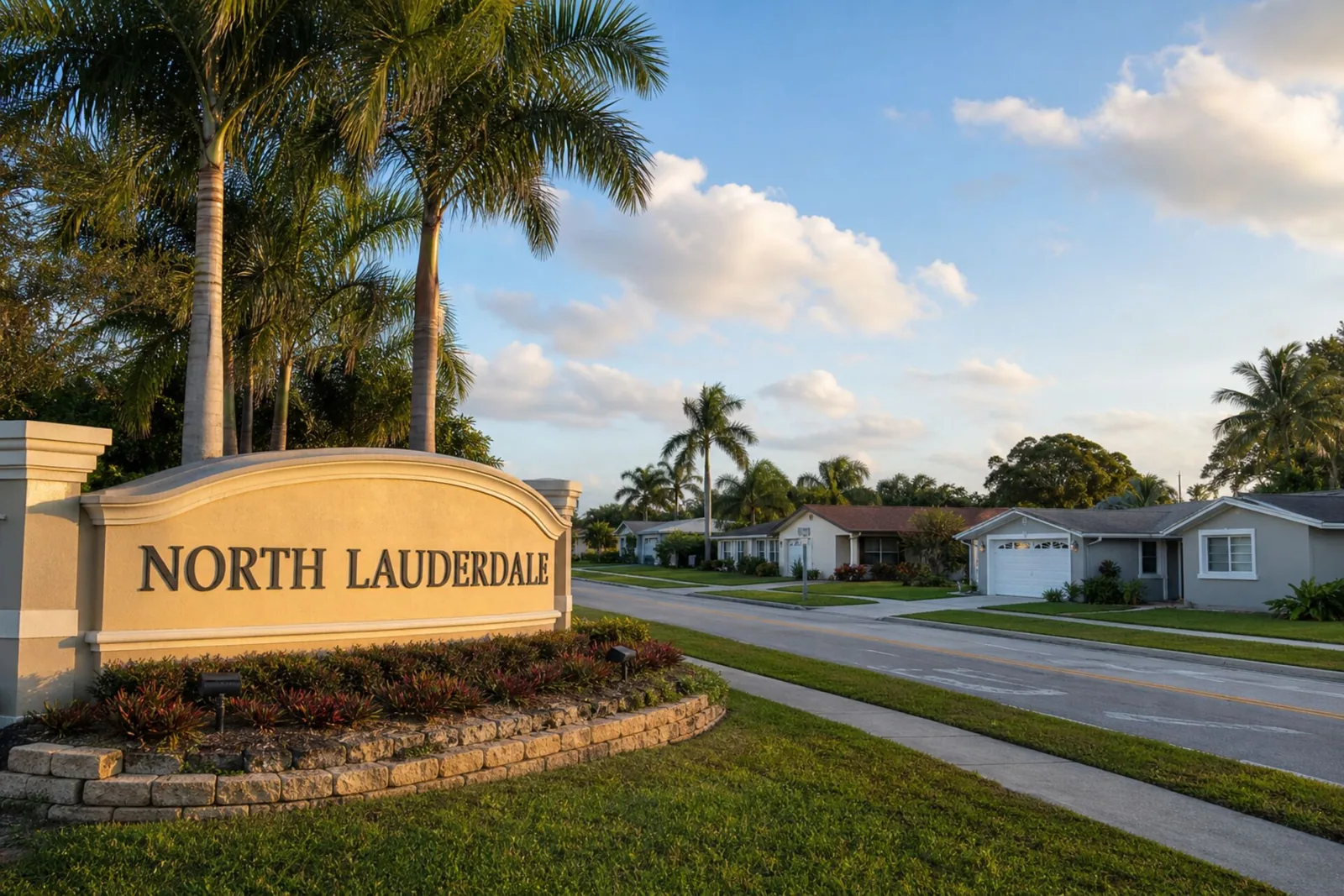
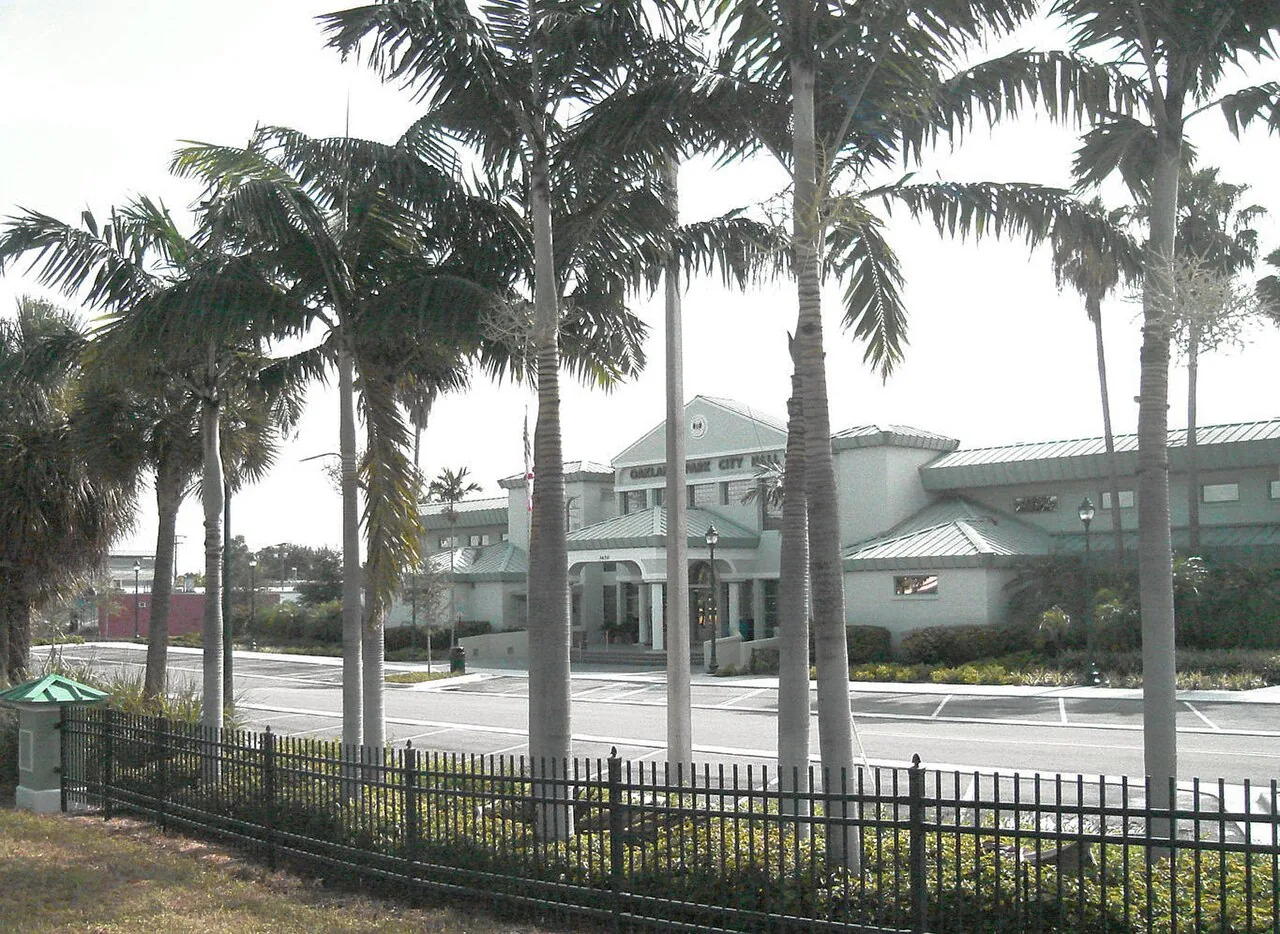
How do you avoid expanding the repair area too soon?
A leak report begins the inspection, not the repair boundary. We examine the reported location and adjacent membrane, flashings, equipment supports, drainage, and edges. If the roof has multiple elevations or systems, each area gets its own Diligence Notes. A visible opening may be repairable, while moisture indicators nearby may call for additional investigation. We state which conclusion is supported and which remains pending, so the owner can authorize a test or selective opening without approving a broader scope by implication.
When water may have traveled below the surface, we compare accessible observations with a moisture survey or test opening. The result should be marked on the roof plan and tied to a specific decision, such as replacing affected insulation or leaving a dry section in service. We avoid treating an instrument reading as a material diagnosis without confirming its context. A targeted moisture survey and photo-indexed condition report can make that follow-up clear to the construction team.
Industries We Work With
Owners and operators in these fields rely on us to plan roof work around their buildings.
Coordinate healthcare roof work in Miami Gardens, FL around patient routes, critical rooms, equipment, infection controls, and documented approval windows.
Coordinate 3PL roof work in Miami Gardens, FL around dispatch cycles, dock access, inventory protection, equipment routes, and phased closeout.
Plan school district roof work in Miami Gardens, FL around student routes, athletic spaces, summer windows, classroom protection, and board approvals.
Coordinate portfolio roof work in Miami Gardens, FL with area records, access windows, repair priorities, and approvals that keep each asset distinct.
Related Roofing Work
Other pages that cover the same roof question.
Roof leaking now? Call 555-555-5555 and we will send a crew to look at it.
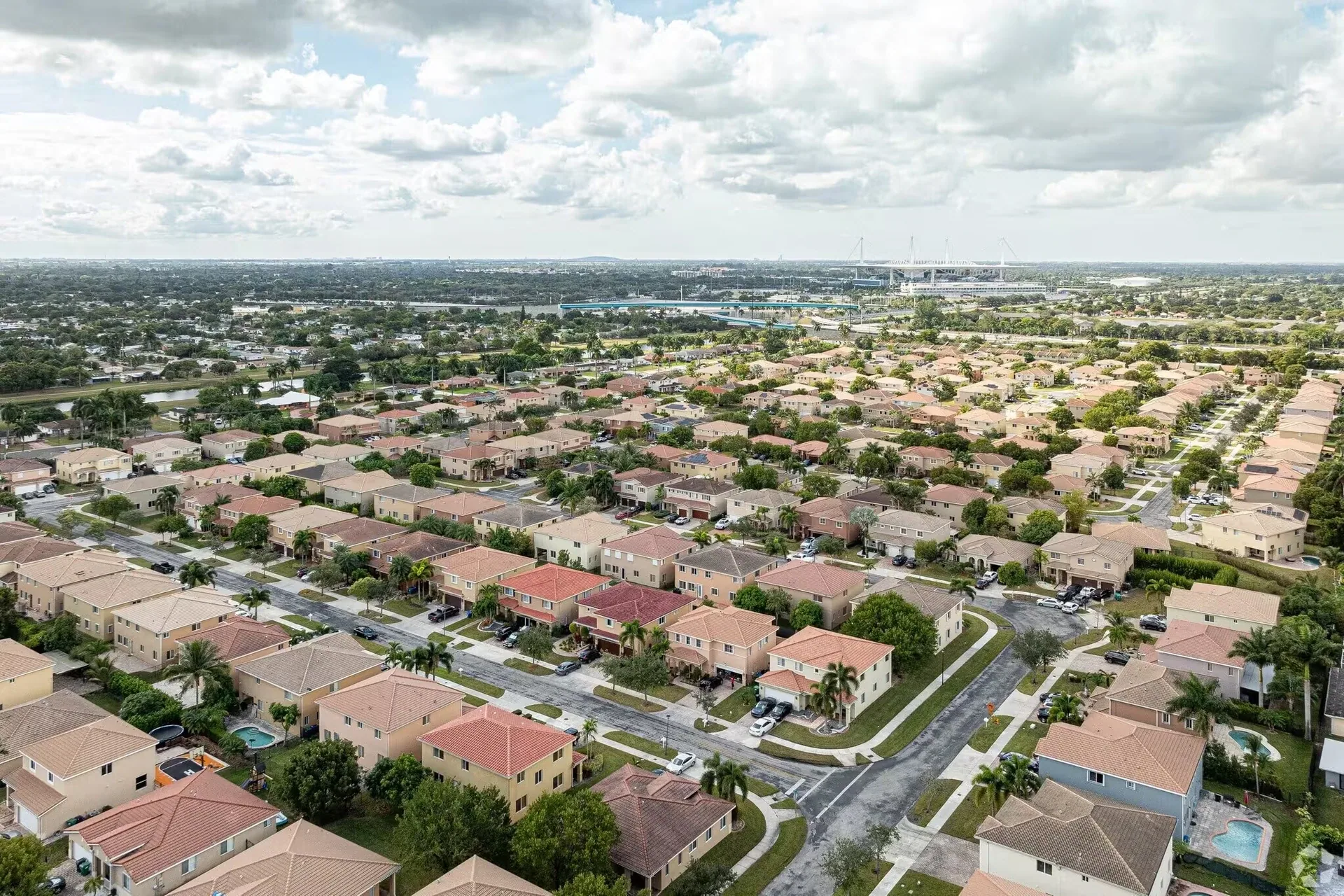
What does the wet-season plan need to include?
South Florida’s rainy months run from late spring into fall. On a Tamarac project, schedule tear-off and insulation phases around the site forecast and ensure temporary cover can be secured each day. It is not a parcel-level forecast and does not prove a roof condition. We set the area limit for each shift, identify materials for closing the opening, and agree on a time to inspect the protected section before work stops.
The regional outlook connects wet-season heat and humidity with shower and thunderstorm activity on nearly every day over the peninsula. This means sequencing matters at the point where an assembly is opened. We can complete a smaller area, secure it, and document the closeout before proceeding to the next package. The superintendent and owner receive a clear daily endpoint and a path for responding if current weather alters the plan. Urgent roof protection can be arranged any time, including weekends and holidays; the permanent scope follows after condition and approval records are set.
What separates a budget allowance from approved work?
Roof area, tear-off depth, insulation and deck condition, fastening requirements, edge detailing, equipment moves, access, disposal, and temporary protection can change the cost and duration. We put known quantities in the base scope and mark assumptions or tests separately. If deck condition cannot be confirmed until an opening, the package states the inspection point and approval authority before removal continues. That keeps a concealed condition from becoming an unreviewed addition to the work.
At closeout, we record the completed roof areas, repair methods, materials, photos, and remaining follow-up items. The record also notes what was not included, such as a pending test or work assigned to another trade. That distinction matters when a property team compares bids or schedules a later phase. We can identify the exact approval needed before expanding the package, then update the roof-area record when the decision is made. When a permit or submittal condition controls an inspection, we identify the record needed for that approval. Tamarac’s Business Concierge Program can assist with permitting questions for businesses, while project-specific requirements remain subject to the responsible authorities and plans. Project records for Miami Gardens, FL and Lauderhill carry their own access notes and condition evidence, apart from Tamarac. Send the roof drawings, access window, occupancy constraints, and schedule for a Tamarac field review.
Set Tamarac roof approvals in sequence
Share the roof plans, project approvals, occupancy constraints, access windows, and trade schedule. We will document roof-area conditions and prepare a work package with clear approval points.
Questions About Tamarac
Does Tamarac’s redevelopment priority mean our property has mixed-use zoning?
No. We review the project’s site information and roof plans to understand the actual use and approval path. The citywide strategy is planning context, not a parcel determination.
Can roofing start while a permit question is still open?
We identify the permit and submittal status before scheduling affected work. The scope distinguishes approved items from decisions that must be resolved with the project team or authority.
What do the HVHZ requirements change in a roof package?
Applicable criteria can affect approved assemblies and roof details. We check the project documents and applicable provisions, then tie the selected system and submittal evidence to the work boundary.
How do you keep other trades from delaying roof closeout?
We list the equipment, curb, and penetration work that must be complete before the roof closes. The general contractor can then align those dependencies with the access window and daily protection plan.
What records will we have after the work?
The closeout records completed areas, photographs, methods, materials, and follow-up items. We also identify any inspection or approval documentation tied to the project requirements.