
Spray Polyurethane Foam Roofing in Miami Gardens, FL
Roof Systems
Evaluate spray polyurethane foam roofing, substrate preparation, protective coatings, drainage, and maintenance for commercial buildings in Miami Gardens.
Spray Polyurethane Foam Roofing Overview
Spray polyurethane foam roofing, often called SPF, is formed by applying a two-component foam that expands into a continuous surface. The foam is shaped to the roof and then protected with a compatible coating system. Its performance depends on substrate condition, application quality, drainage design, coating thickness, and ongoing maintenance. It is not simply foam sprayed over any existing roof. For a Miami Gardens commercial property, the assembly and work method should be reviewed against the actual roof, site conditions, and building operations.
A commercial roof inspection can document existing layers, moisture concerns, drains, penetrations, and equipment before an owner considers SPF. The findings help determine whether preparation, repairs, a recover, or replacement should be evaluated. We explain observed conditions and coordinate design questions with qualified product and building professionals.
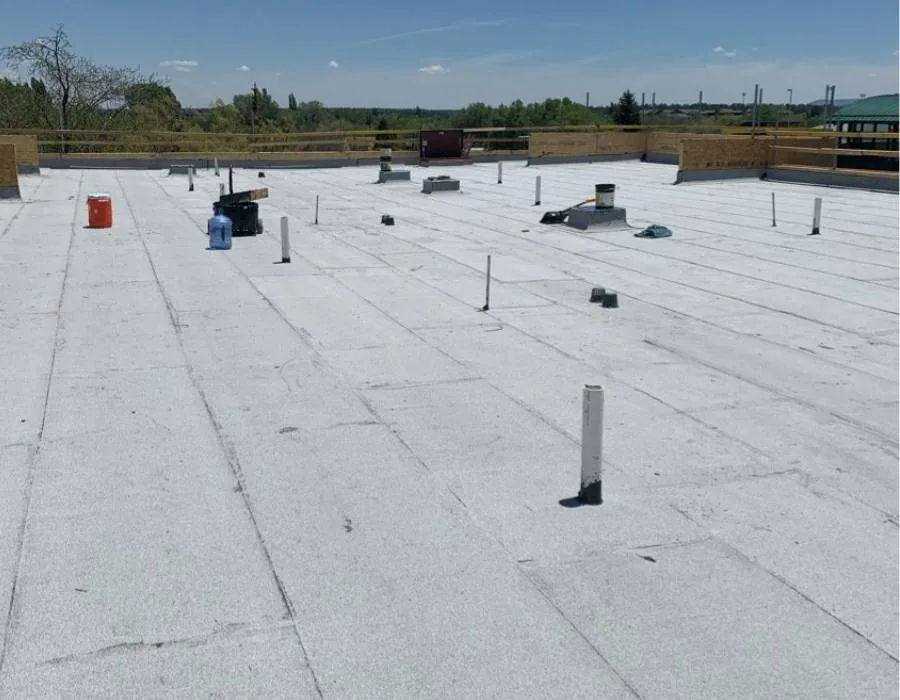
Understand foam and protective coating as one assembly
SPF forms a cellular layer that can be shaped to follow roof contours and build slope where the design permits. The foam itself must be protected from ultraviolet exposure and weather, typically with a specified elastomeric coating. The coating is an essential part of the assembly, not a cosmetic finish. Product selection, compatibility, surface preparation, application conditions, and thickness must follow the manufacturer and project specification.
Design review should identify the existing substrate, attachment, insulation needs, drainage, edge terminations, penetrations, and expected loads. The system must also meet applicable code and fire requirements for the building. Confirm that the proposed foam and coating are approved for the substrate and that the installer can document the specified thickness and quality checks. We do not assume a system is suitable based only on its ability to cover an irregular surface.
Owners can compare SPF with silicone roof coatings and acrylic coating systems. These systems differ in how they are built, where they can be applied, and how they are maintained. A site review helps determine which options deserve further design consideration.
More on Spray Polyurethane Foam Roofing
The sections below cover the questions property teams ask before they approve the work.
Prepare the roof before application
Preparation begins with identifying the substrate and repairing conditions that could compromise adhesion or stability. Remove loose coating, dirt, biological growth, and incompatible materials according to the approved procedure. Repair damaged metal, masonry, or membrane areas as specified, and confirm that the roof is dry enough for application. If moisture is suspected below the surface, targeted testing may be warranted before a new layer is installed.
Edges, drains, curbs, expansion joints, and penetrations need a clear detail before foam is applied. Protect equipment, intakes, vehicles, landscaping, and neighboring operations from overspray. Wind conditions, masking, access, and work-zone boundaries should be part of the site plan. The crew should confirm that the substrate and weather meet product requirements at the time of application rather than relying on an earlier inspection.
Hialeah’s manufacturing, retail, and restaurant activity spans different occupied uses. We set masking, odor precautions, roof access, and work windows with the actual property contact before SPF application.
Control application and verify the finished surface
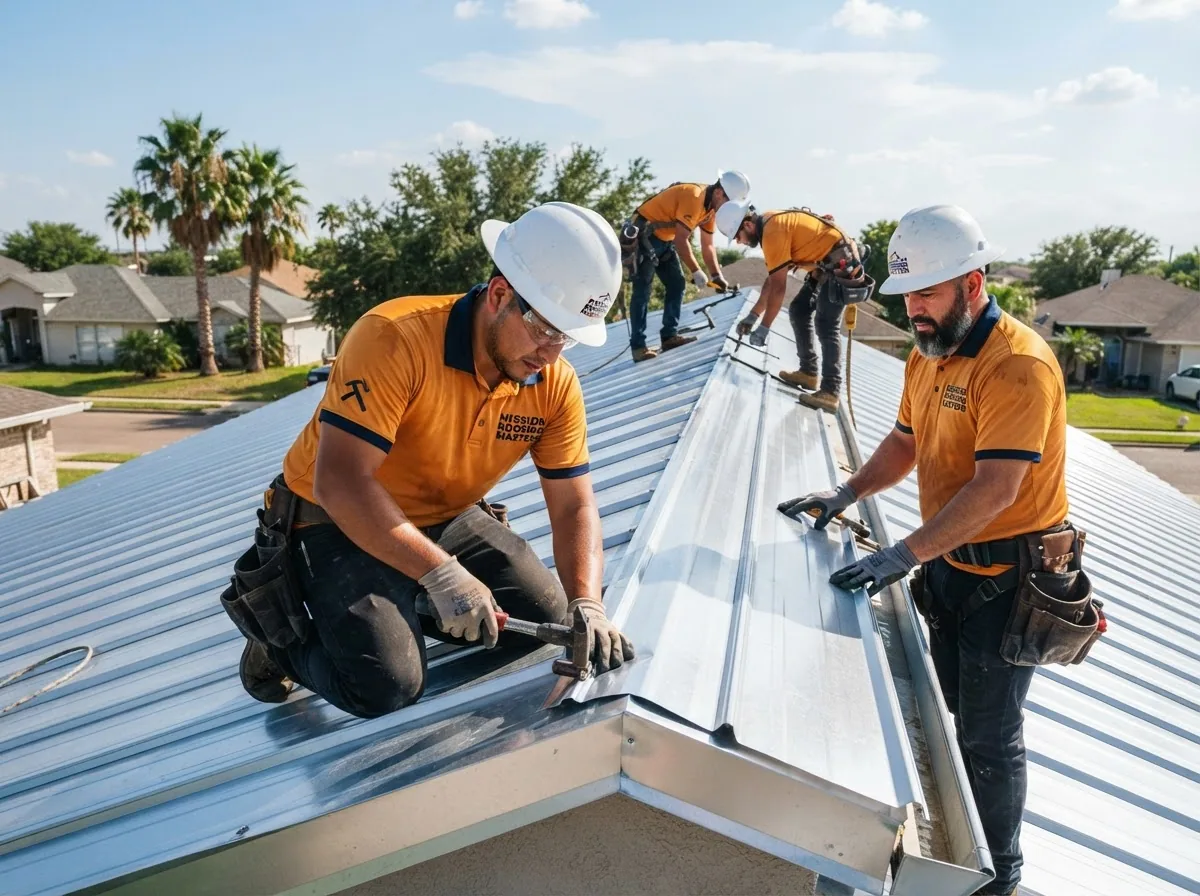
SPF application depends on trained crews and calibrated equipment. Component temperature, proportioning, spray distance, pass thickness, and surface conditions affect the result. Apply foam in controlled lifts and inspect for voids, thin areas, poor adhesion, or irregular transitions as the work progresses. Defects should be corrected before the coating covers them, with the correction documented for the closeout record.
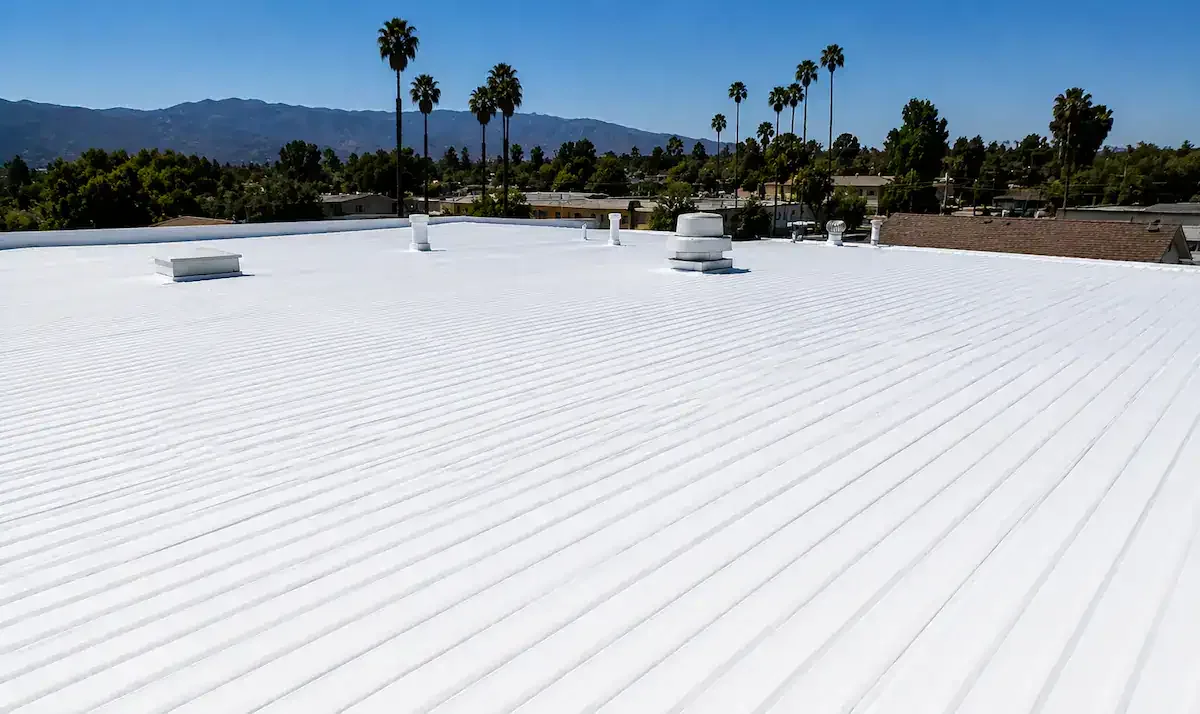
Protective coating must be applied at the specified rate and in the required number of passes. Reinforcement may be required at seams, penetrations, drains, or other details. The field team should track material use and verify thickness using the method prescribed by the manufacturer or project documents. Avoid trapping moisture or coating a surface outside its approved conditions. The finished texture and appearance alone cannot prove that the assembly meets specification.
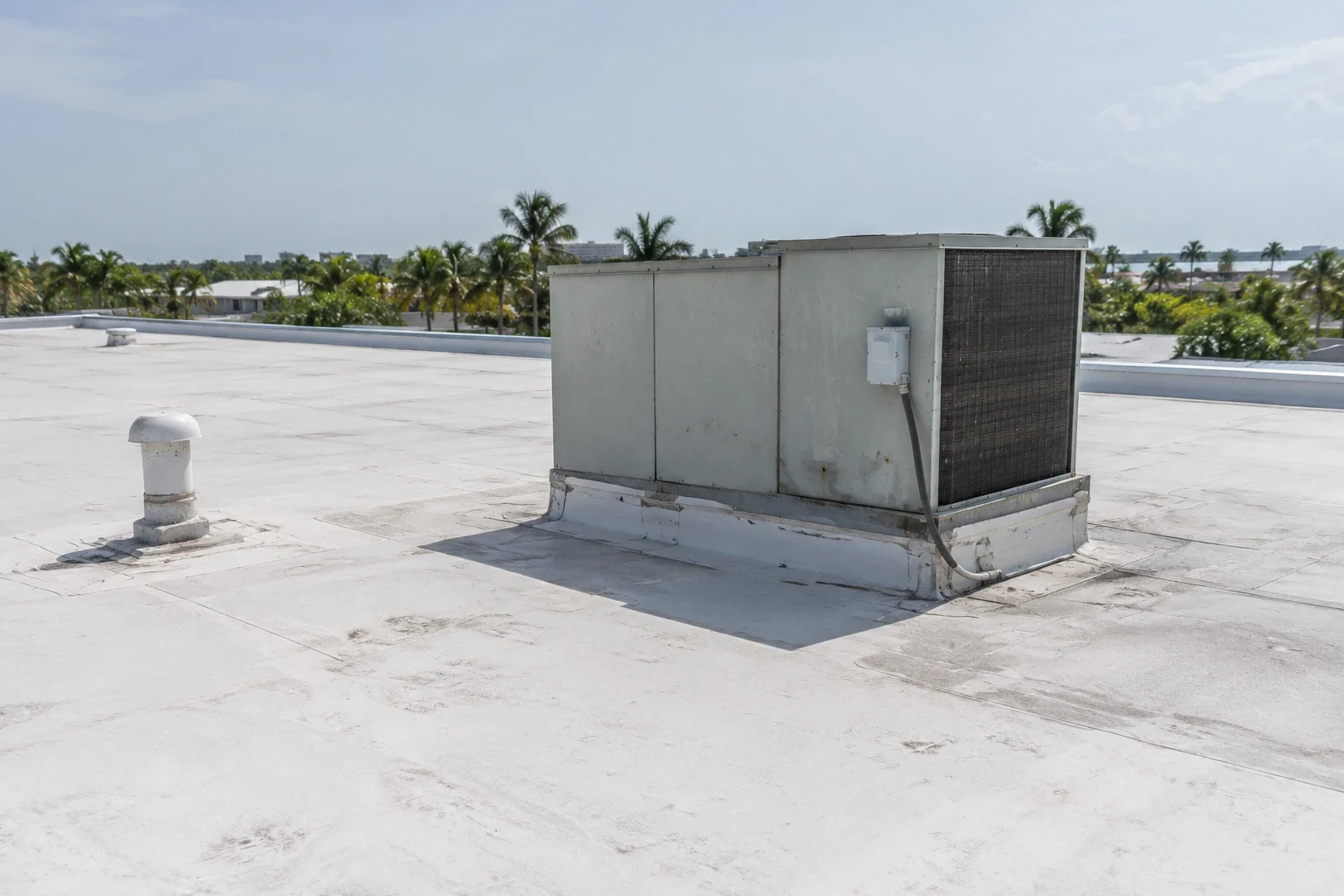
Coordinate rooftop mechanical and electrical trades so later work does not puncture the foam or damage the coating. If access is needed after installation, define walk paths and protection methods in advance. Our commercial roof repair team can document damage and coordinate a compatible repair scope when the system is compromised.
Industries We Work With
Owners and operators in these fields rely on us to plan roof work around their buildings.
Coordinate healthcare roof work in Miami Gardens, FL around patient routes, critical rooms, equipment, infection controls, and documented approval windows.
Coordinate 3PL roof work in Miami Gardens, FL around dispatch cycles, dock access, inventory protection, equipment routes, and phased closeout.
Plan school district roof work in Miami Gardens, FL around student routes, athletic spaces, summer windows, classroom protection, and board approvals.
Coordinate portfolio roof work in Miami Gardens, FL with area records, access windows, repair priorities, and approvals that keep each asset distinct.
Related Roofing Work
Other pages that cover the same roof question.
Roof leaking now? Call 555-555-5555 and we will send a crew to look at it.
Shape drainage without hiding existing problems
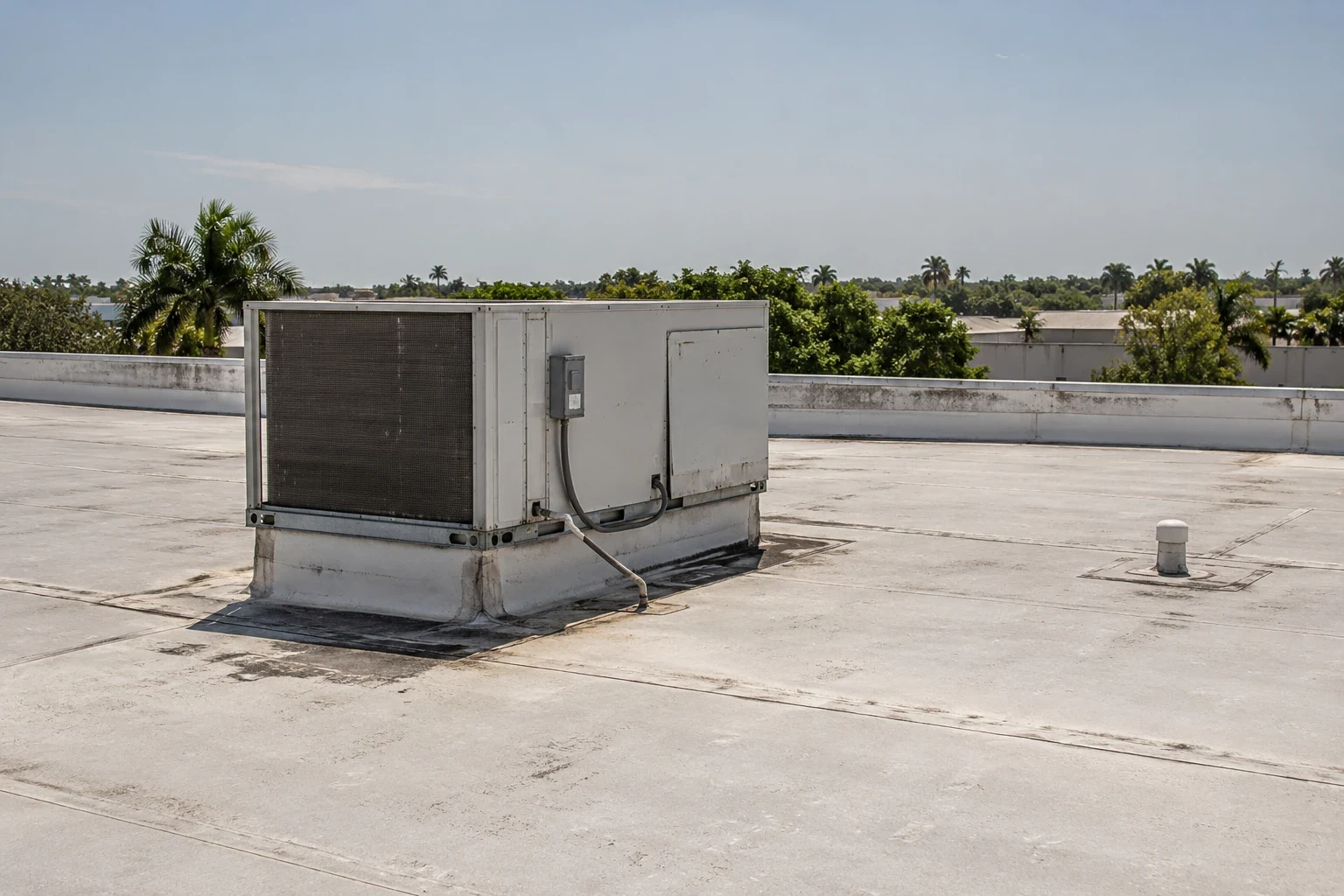
One advantage of foam is that the surface can be shaped, but slope corrections must be designed rather than improvised. Map water paths, drains, scuppers, low areas, and overflow routes before application. Confirm that outlets remain clear and that added material does not raise the roof surface above drain rings, door thresholds, or flashing terminations. Ponding may indicate a structural or drainage issue that requires evaluation before new foam is installed.
Foam and coating should turn up or terminate at walls, curbs, penetrations, and perimeters according to approved details. The design should account for movement, dissimilar materials, and future maintenance access. Where drains need correction, a coordinated roof drain and scupper repair scope can be considered before the finished surface is applied.
In Miami Lakes, mixed-use planning and workplace parks share a community framework. A property contact must confirm occupant hours, roof entry, and drain-service timing before foam application is staged.
Plan around weather and occupied properties
South Florida's wet-season window runs from mid-May to mid-October, concentrating much of the region's typical rain into those months. Treat this as a scheduling baseline only; actual moisture and application conditions must be checked at the roof before spraying.
Before each work shift, verify the forecast and product limits for moisture, temperature, and wind. Protect exposed foam and unfinished areas if work pauses, and inspect the surface before restarting. Overspray precautions should account for air intakes, vehicles, pedestrian areas, and neighboring properties. Notify occupants about work zones, odors, noise, and temporary access changes. A realistic sequence limits exposure while preserving time for inspection between application stages.
Where severe weather creates visible damage, document the area and avoid walking on unstable surfaces. An owner can request a condition review before deciding whether repair or broader work is needed.
Maintain the coating and retain system records
Closeout should record the foam and coating products, application areas, inspection results, thickness checks, approved changes, and photographs of details. Keep manufacturer maintenance recommendations and warranty information with the building records. The facilities team should know which contractors can access the roof and how later penetrations, equipment changes, or service paths must be coordinated.
Periodic authorized inspections can look for coating wear, punctures, open transitions, blocked drains, and damage caused by other trades. Repair small defects using compatible products and preparation methods; a patch from an unknown coating may not bond. Track inspection dates and conditions so the owner can recognize changes rather than relying on memory. Follow fall-protection and manufacturer requirements at every visit.
We can assess SPF or another low-slope assembly in Miami Gardens, Hialeah, Miami Lakes, and nearby communities. A TPO system review may help compare options alongside observed roof conditions, drainage, and the building's maintenance objectives.
Questions About Spray Polyurethane Foam Roofing
Does spray foam roofing need a coating?
Yes. The protective coating shields the foam from weather and ultraviolet exposure and is part of the designed assembly. Product compatibility, application rate, thickness, and reinforcement requirements must follow the specification and manufacturer instructions.
Can SPF be applied over an existing roof?
That depends on substrate stability, moisture, compatibility, and design requirements. The roof may need cleaning, repairs, testing, or removal of unsuitable layers first. A site inspection should document those conditions before an overlay is proposed.
How can overspray be controlled?
Plan wind limits, masking, equipment protection, air-intake precautions, and clear work-zone boundaries before mobilizing. Coordinate the plan with occupants and nearby properties. The applicator should follow product requirements and stop when conditions exceed the approved controls.
What should an owner inspect after an SPF installation?
Retain product and warranty records, then arrange authorized inspections for coating wear, punctures, drainage, and open transitions. Document changes and repair damage with compatible materials. Roof access and fall protection rules still apply to every inspection.