Commercial Metal Roof Retrofit in Miami Gardens, FL
Roof Systems
Assess exposed-fastener metal roof leaks, panel condition, and retrofit options for Miami Gardens commercial properties with a documented site review.
Commercial Metal Roof Retrofit Overview
An exposed-fastener metal roof can often be evaluated for targeted repair or a designed retrofit before an owner commits to full replacement. The right path depends on panel condition, fastener movement, seams, coating history, corrosion, drainage, and the supporting structure. A coating or overlay should not be used to conceal loose panels, wet insulation, or failing attachments. For a commercial property in Miami Gardens, the assessment should document the actual roof and explain what can be repaired, what needs testing, and what conditions limit a retrofit.
We start with the roof's age, leak history, previous work, and building operations. A commercial roof inspection records panel laps, fasteners, ridge and eave conditions, penetrations, gutters, and areas where water may enter. That record helps compare repair, restoration, and replacement options without presuming that the existing assembly is suitable for another layer.
Separate repairable details from system-wide concerns
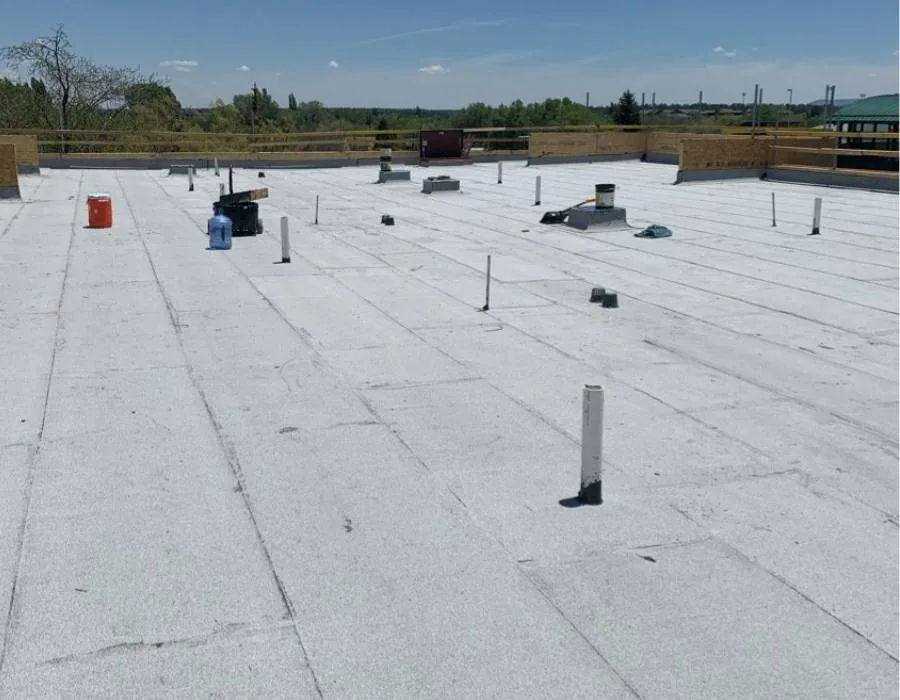
Begin by looking at the complete roof, not only the interior stain or the most visible panel. Check for backed-out or missing fasteners, enlarged holes, damaged washers, loose sidelaps, failed closures, corrosion, impact damage, and movement at penetrations. Inspect gutters, downspouts, ridge caps, valleys, and edge metal for blockage or separation. Water can travel along a panel or framing member before appearing indoors, so the visible symptom may not align with the entry point.
Document the roof areas, condition, and repair history in a map or photo log. Ask whether leaks occur only during wind-driven rain, after a particular maintenance visit, or near a specific transition. These patterns can guide a closer inspection, but they do not prove a cause until the assembly is examined. Our commercial roof repair scope can address isolated issues when the surrounding panels and attachment remain serviceable.
Hialeah identifies manufacturing, retail, and restaurants among its economic sectors. For each property, we verify the operating schedule and roof construction before setting access and scope.
More on Commercial Metal Roof Retrofit
The sections below cover the questions property teams ask before they approve the work.
Repair fasteners with compatible components
Fasteners are common leak paths on exposed-fastener roofs, but tightening every screw is not a durable repair plan. The installer should determine whether the fastener is loose because of movement, damaged substrate, corrosion, or an oversized hole. Replacement fasteners and washers must suit the panel, purlin or deck, exposure, and product requirements. A repair record should note the locations and any condition that requires structural review.
Panel laps and closures need similar care. Sealants are useful only where specified and when surfaces are properly prepared; a bead applied over dirt or an open gap can delay a leak without resolving the detail. Replace damaged closures and detail transitions with compatible materials. If a panel is distorted, severely corroded, or no longer attached as designed, a localized seal may be inappropriate.
When panels are broadly sound and the structure can support the proposed work, an engineered retrofit may add a new weathering layer or system. That is distinct from the standing seam panel system, which has its own profile, slope, attachment, and design requirements.
Check structure, moisture, and attachment capacity
A retrofit begins with questions that cannot be answered from the coating label. Confirm the existing deck and framing, panel attachment, insulation condition, roof slope, drainage, and added load. If the proposed system bridges existing ribs or uses new supports, the design must account for the building structure and wind forces. Moisture testing may be appropriate where insulation or concealed areas are suspect. A qualified design professional should address structural capacity and applicable code requirements for the actual building.
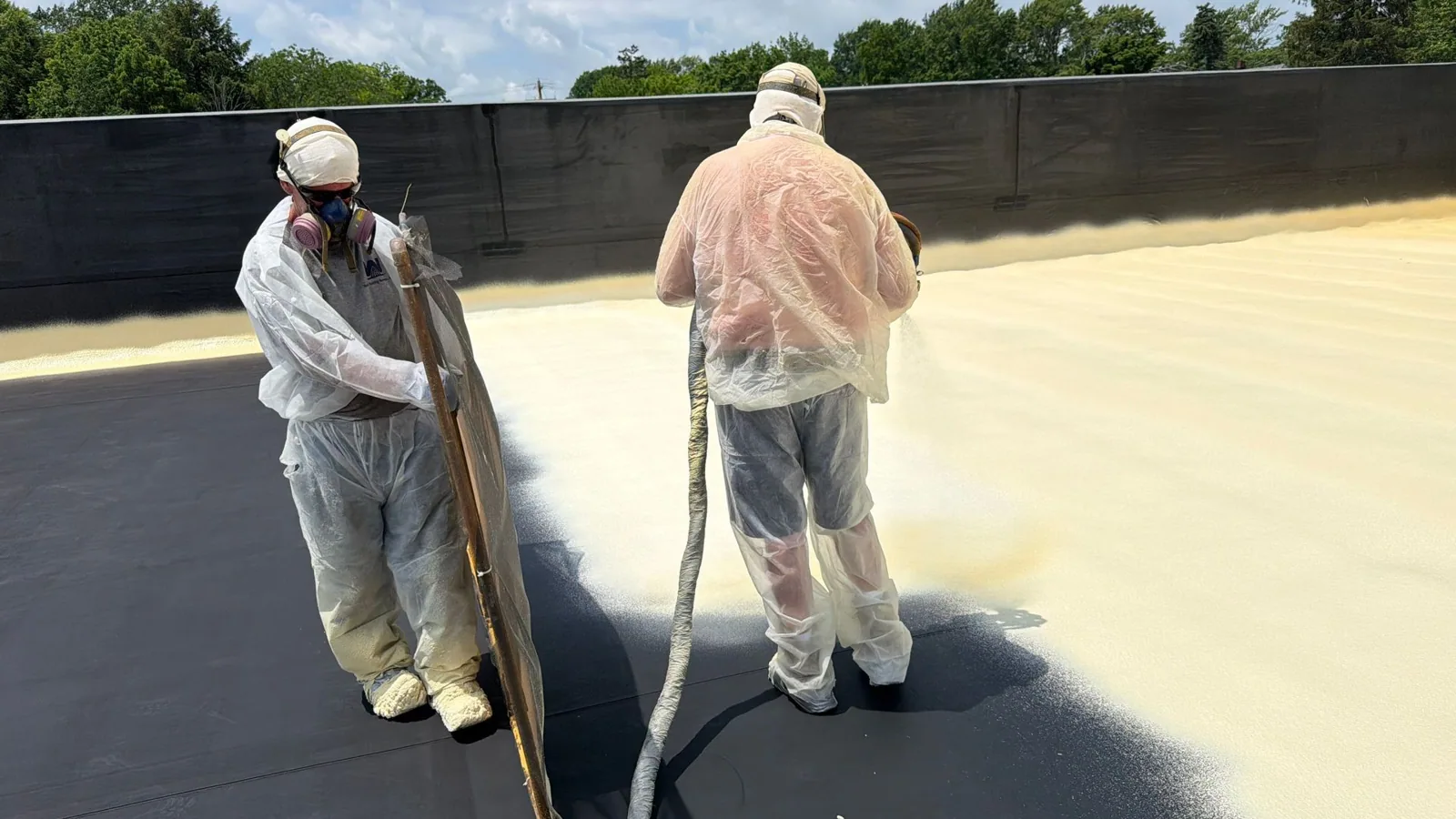
Compatibility matters at every layer. The substrate may need cleaning, corrosion treatment, fastener replacement, or localized panel repairs before another system is installed. The proposed membrane or coating must be approved for the metal surface and prepared according to the manufacturer's instructions. Confirm how the new work will terminate at walls, eaves, ridges, drains, curbs, and adjacent roof types, and how future equipment work can be completed without damaging the retrofit.
We record assumptions, exclusions, and conditions that need opening or testing. If evidence points to widespread deck or structural damage, an overlay should not be treated as a shortcut. A commercial roof replacement review can compare full removal with an engineered retrofit based on the findings.
Industries We Work With
Owners and operators in these fields rely on us to plan roof work around their buildings.
Coordinate healthcare roof work in Miami Gardens, FL around patient routes, critical rooms, equipment, infection controls, and documented approval windows.
Coordinate 3PL roof work in Miami Gardens, FL around dispatch cycles, dock access, inventory protection, equipment routes, and phased closeout.
Plan school district roof work in Miami Gardens, FL around student routes, athletic spaces, summer windows, classroom protection, and board approvals.
Coordinate portfolio roof work in Miami Gardens, FL with area records, access windows, repair priorities, and approvals that keep each asset distinct.
Related Roofing Work
Other pages that cover the same roof question.
Roof leaking now? Call 555-555-5555 and we will send a crew to look at it.
Resolve drainage before adding a new surface
Water needs a continuous route off the roof. Check valleys, gutters, drains, scuppers, downspouts, and low areas for obstructions or altered flow. Debris or an improvised patch can redirect runoff toward a seam or building edge. Correct drainage problems and repair the metal substrate before applying a coating or membrane that depends on a stable, dry surface.
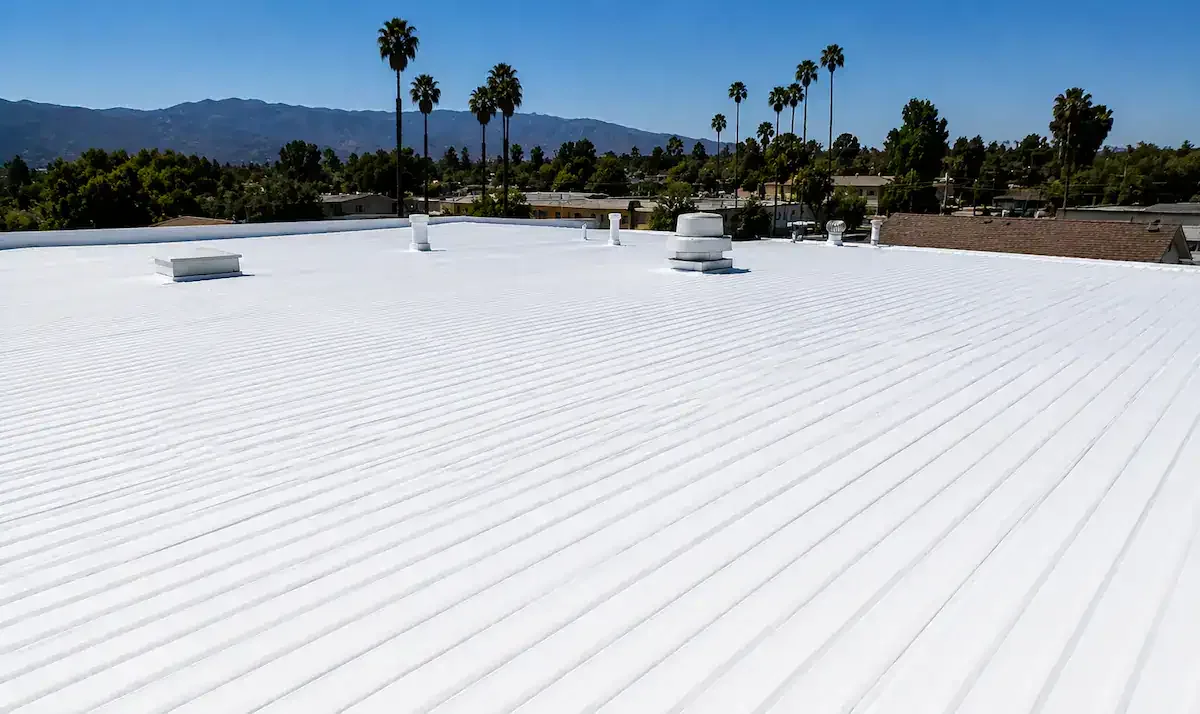
Coatings are not all interchangeable. The selected product must be approved for the metal substrate and compatible with existing coatings, sealants, and primers. Verify preparation, adhesion, thickness, reinforcement at seams, and wet-film or dry-film checks as required by the manufacturer. A coating may extend service life only when the substrate and details are appropriate. Review our silicone coating system as one option, not as a universal fix for corroded panels or failed fasteners.
Set a work plan around regional weather
The National Weather Service places South Florida’s rainy season roughly between mid-May and mid-October, a period associated with most of the region’s annual precipitation. Heat, humidity, and recurring showers affect surface preparation, adhesion, coating cure, and temporary protection. This regional pattern does not predict the conditions at a particular building or on a specific day.
Crews should check the forecast and follow product limits for moisture, temperature, wind, and cure time. Secure open edges if work pauses and verify the roof before restarting. Material storage, occupied-space protection, and access routes should be set before mobilization. A short work area can make it easier to keep the roof watertight while repairs progress.
The Miami Lakes community plan accommodates households, industry, shops, and mixed-use development, including business parks. For a retrofit visit, we confirm tenant hours and roof access with the site's manager rather than assume nearby properties keep similar schedules.
Document the work and keep future changes coordinated
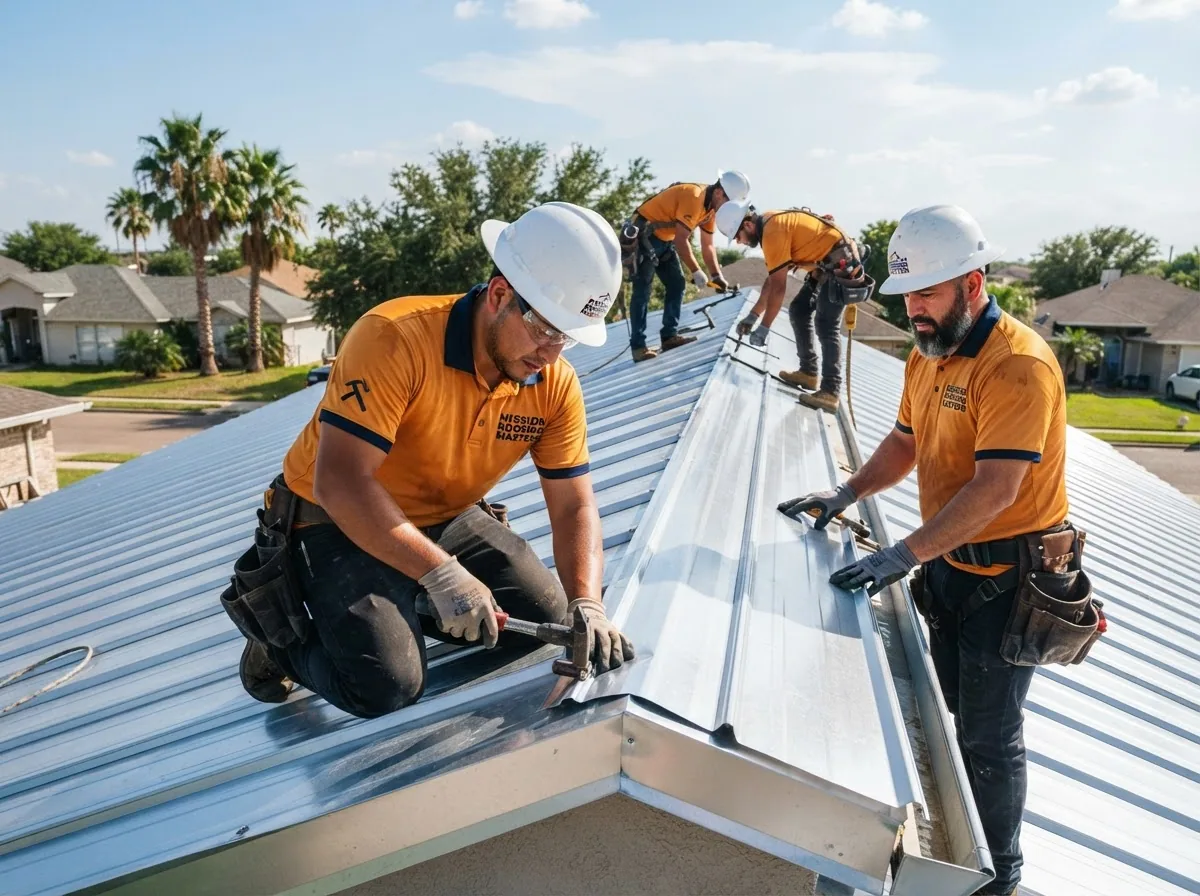
At closeout, record repaired areas, replaced fasteners or panels, preparation, product information, photographs, and any remaining limitations. Identify whether the work was a temporary repair, a maintenance measure, or a designed retrofit. The owner should keep warranty documents, manufacturer requirements, and access rules with the roof file. Later equipment work should be reviewed before a contractor cuts, drills, or attaches items to the metal assembly.
Periodic inspections can look for loose trim, new corrosion, damaged washers, blocked drainage, coating wear, and unplanned penetrations. Use trained personnel and safe access; do not walk panels that may be unstable. When a leak returns, compare its timing and location with the last repair record to help target the investigation.
We can assess a property in Miami Gardens, Hialeah, Miami Lakes, and surrounding communities, then explain whether repair, retrofit, or replacement deserves further review. The recommendation follows the evidence at the building, not a promise tied to a generic product.
Questions About Commercial Metal Roof Retrofit
Can an exposed-fastener roof be recoated?
A coating may be suitable when panels, fasteners, substrate, drainage, and existing finishes are sound and compatible. Loose attachment, widespread corrosion, wet insulation, or failing details need correction or another scope first. Follow the coating manufacturer's preparation and inspection requirements.
When does a metal roof need replacement instead of repair?
Widespread panel failure, structural concerns, recurring leaks across multiple areas, or unsuitable existing layers may support a broader replacement review. An inspection and any needed testing help distinguish isolated defects from system-wide problems. The final scope should account for deck, drainage, and operations.
Why do metal roof fasteners back out?
Movement, damaged substrate, corrosion, or an oversized hole can affect attachment. Simply tightening a screw may not restore a sound connection. Identify the cause and select a compatible replacement fastener, washer, or panel repair under the system requirements.
What information helps investigate a recurring leak?
Record the interior location, date, rainfall or wind conditions, prior repair, and affected roof area if known. Photos and a roof plan can guide inspection. Water may travel before appearing indoors, so a contractor should trace the assembly rather than assume the stain marks the entry point.