
GAF Commercial Roofing in Miami Gardens, FL
Roofing Manufacturers
Plan GAF commercial roofing work in Miami Gardens with roof-area records, attachment review, and a schedule that respects occupied properties and access limits.
GAF Commercial Roofing Overview
Stage roof-area evidence before GAF material choices become a capital commitment. In Miami Gardens, FL, the work sequence can depend on occupied space, loading access, nearby traffic, and when crews can protect an opening. A product family does not settle those constraints by itself. We start by mapping membrane condition, drainage, penetrations, perimeter details, and prior repairs, then compare repair, recovery, and replacement boundaries against the project schedule. That record lets the general contractor connect specification decisions to the area actually being addressed.
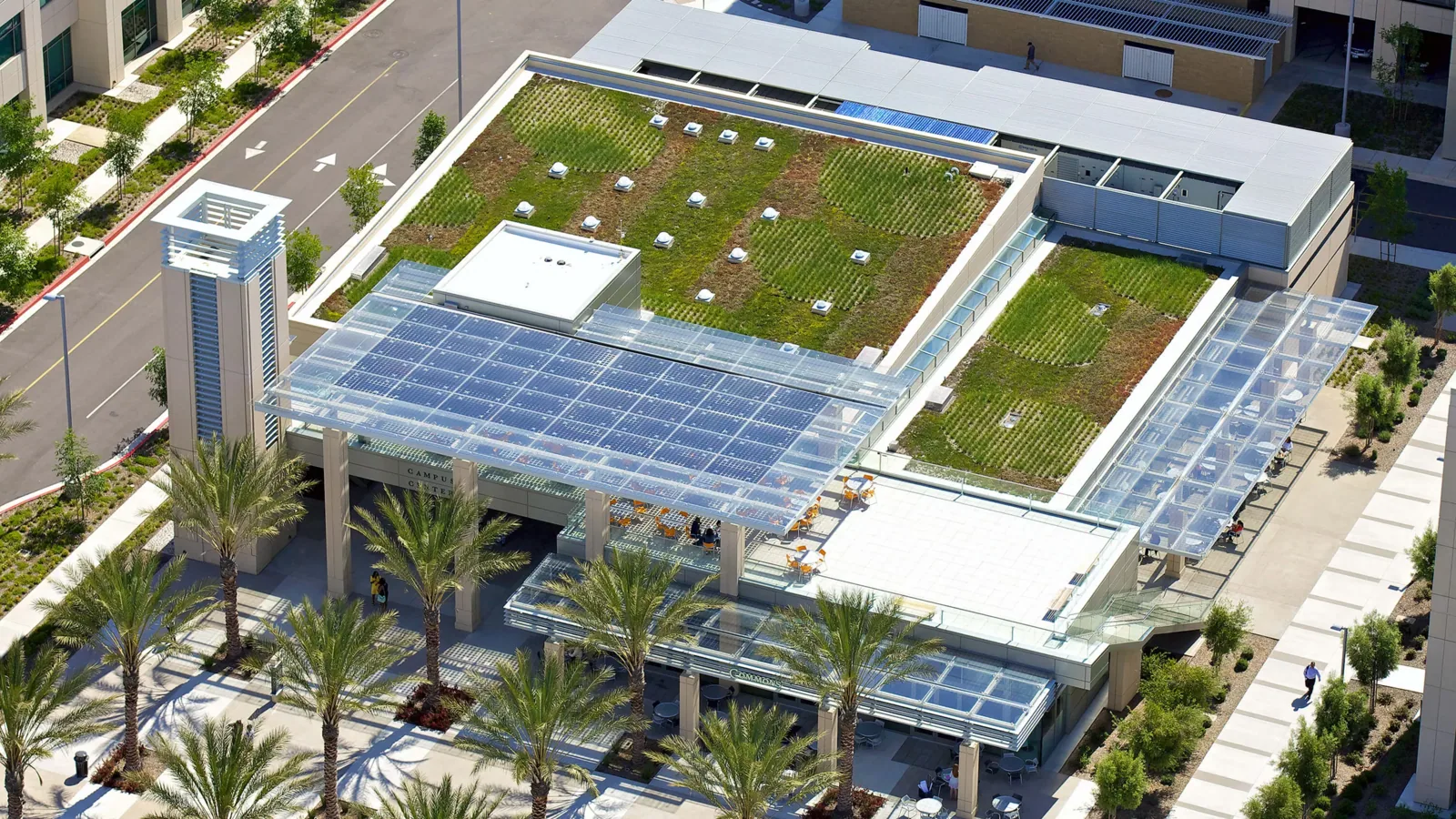
GAF makes commercial roof categories that include thermoplastic membranes, asphaltic assemblies, and liquid-applied options. Each needs a compatible assembly beneath it and a roof surface suited to the proposed attachment method. We review those layers with plans and field conditions in hand, rather than treating a membrane label as a complete scope. A TPO assembly may fit one roof area while a different surface or repair package makes better sense elsewhere.
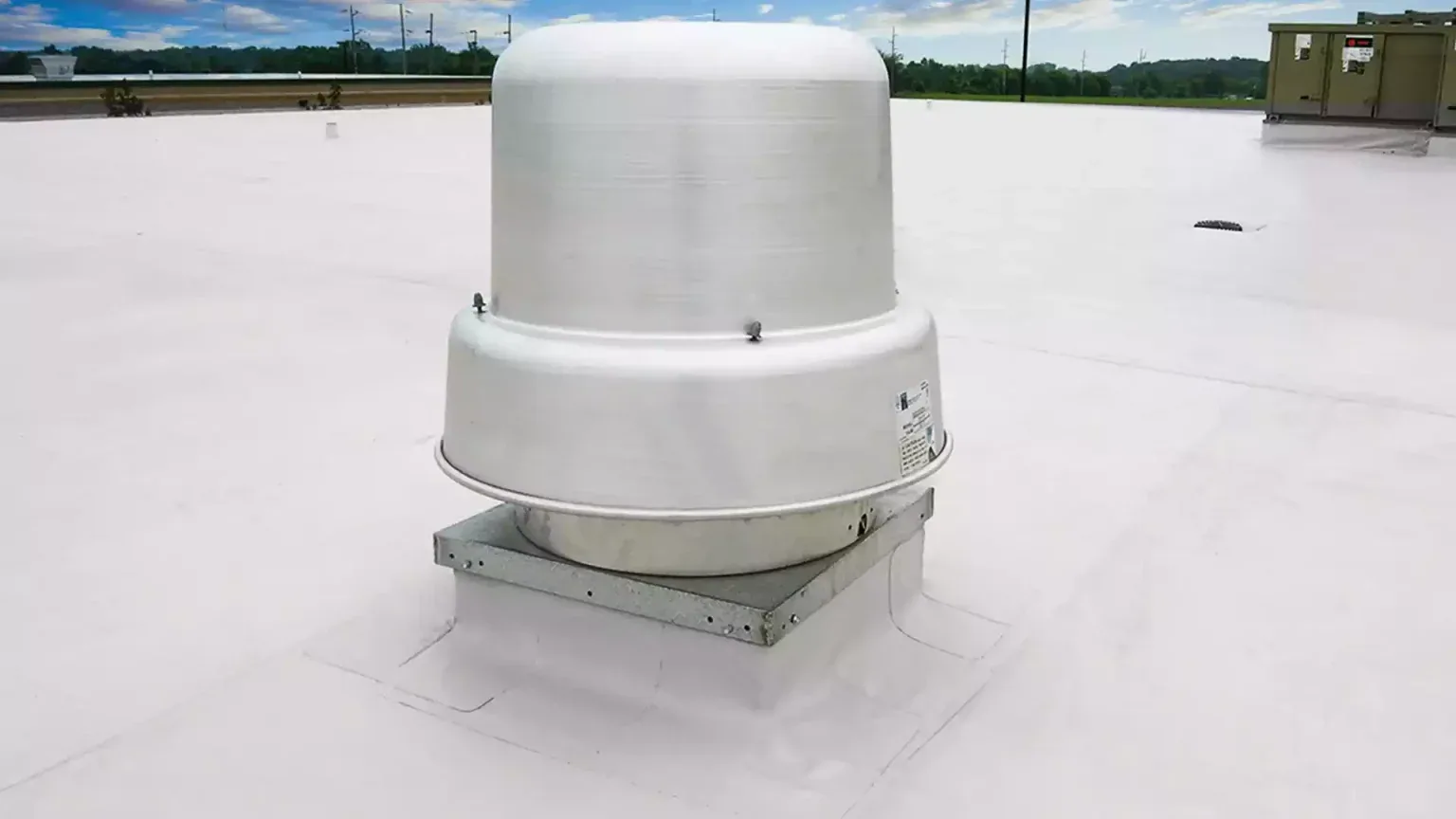
Which GAF system fits the roof area?
The first comparison is between the existing assembly and the building's operating requirements. GAF's commercial range includes TPO and PVC single-ply membranes, asphaltic systems, and liquid-applied roof options; the substrate, drainage pattern, rooftop equipment, and exposure determine which deserves review. A specification that works for a clear field may need different details at curbs, drains, expansion joints, and transitions. We document those changes as separate work packages so the approval point is visible.
Material selection also affects how crews join seams and flash penetrations. Thermoplastic sheet seams are heat-welded, while asphaltic and fluid-applied systems use different installation steps and quality checks. The existing roof may contain wet insulation or incompatible layers that change whether a recover is appropriate. We compare Diligence Notes with the proposed assembly and its applicable details, then carry unresolved conditions into the estimate instead of hiding them inside a broad allowance. For a chemical-exposure question, a PVC roof system may warrant a closer review of the building's exhaust and maintenance activity. A bid comparison may also include Carlisle SynTec assemblies or Johns Manville systems, with each option checked against the same deck, edge, and operating constraints.
More on GAF Commercial Roofing
The sections below cover the questions property teams ask before they approve the work.
What should the field review record?
A useful record separates observations by roof area. We photograph seams, membrane splits, open flashing, ponding zones, drain bowls, edge metal, and penetrations, then label whether each condition points to a repair candidate or a broader replacement boundary. Moisture readings and test cuts can help determine whether insulation remains serviceable, but the decision must be tied to the sampled location and roof construction. The resulting condition report gives the GC a record to compare with drawings and bid scope.
In Miami Gardens, the Palmetto Expressway furniture-trade corridor and U.S. 441 automobile-trade corridor make commercial activity part of the local context, not a claim about any particular building. For a site in either area, the project team still needs to establish its own delivery route, staging zone, and roof access. We keep those logistics beside the roof-area photos because a material choice that cannot be delivered or installed inside the available access window may require resequencing. Project coordination also includes Hialeah and Opa-locka. Hialeah identifies manufacturing and retail among its major sectors; Opa-locka pursues business attraction and local enterprise support. At a property in Miami Gardens, the project team verifies the gate, loading area, and staging arrangements before deliveries are scheduled.
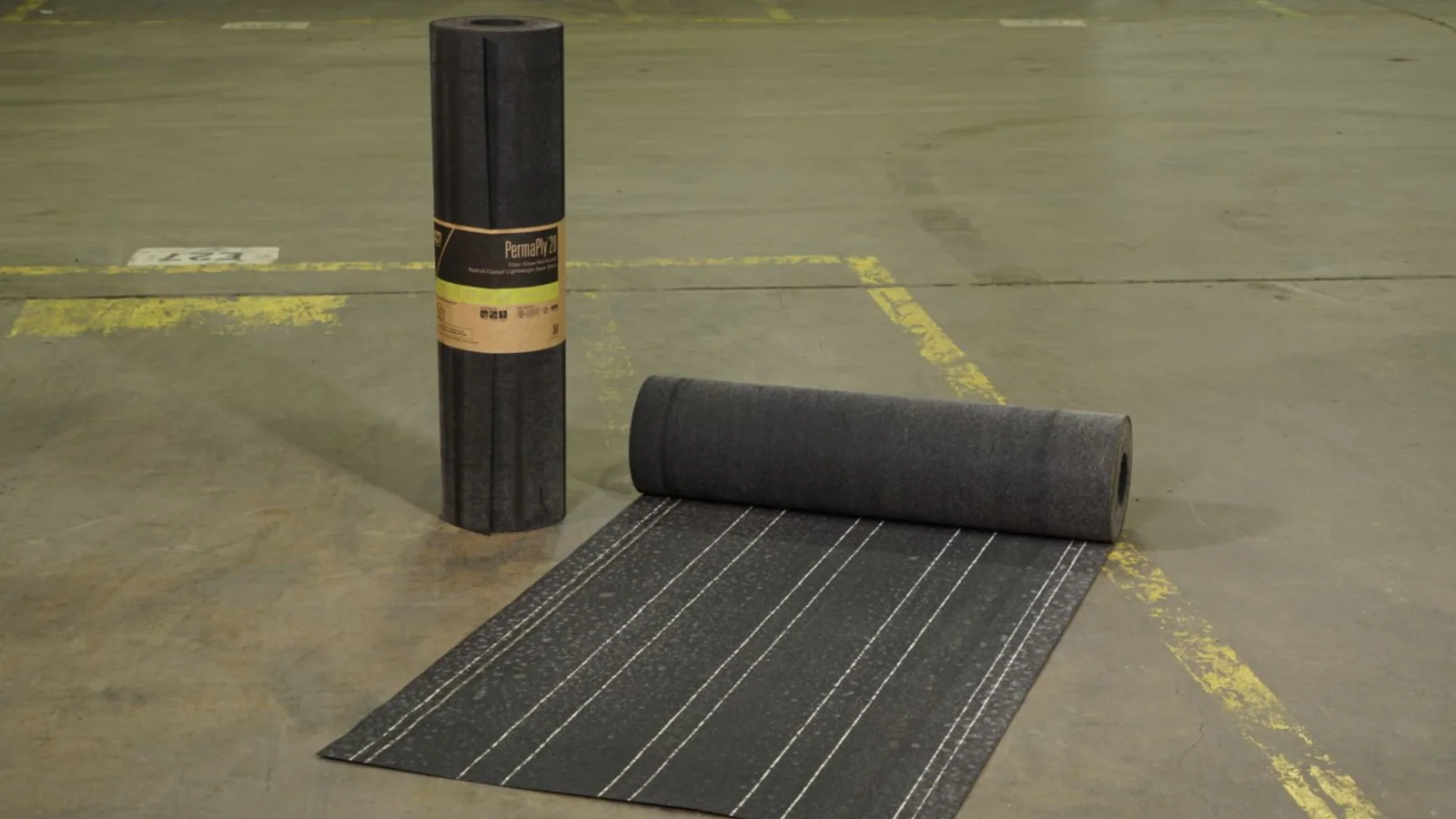
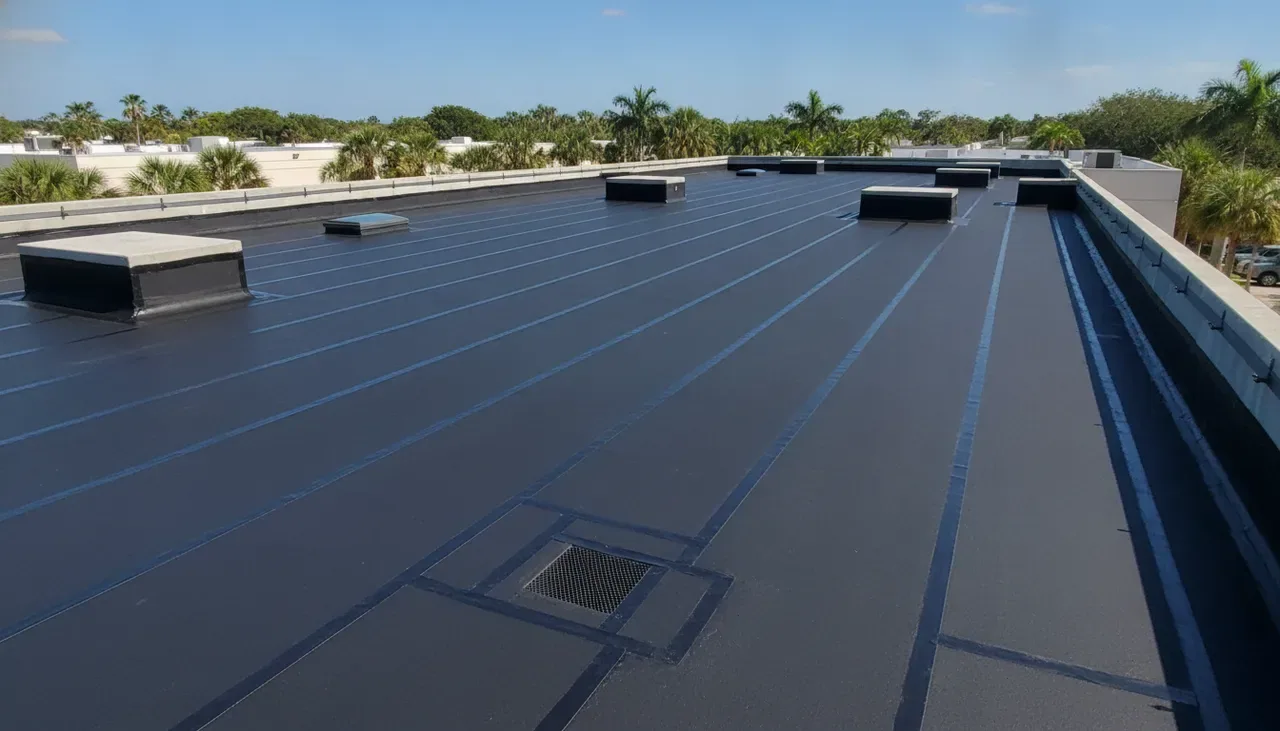
How do attachment and perimeter details change the scope?
Attachment is a design decision tied to the deck, insulation layout, uplift criteria, and tested assembly. Mechanically attached, adhered, or other specified configurations can change fastener patterns, staging needs, and how work advances across an occupied building. The perimeter and corners deserve careful review because edge conditions, penetrations, and transitions require the details that complete the assembly. We coordinate the proposed GAF assembly with project documents and manufacturer instructions, then identify any condition that needs design-team resolution before installation.
Wind planning also affects temporary protection and daily closeout. South Florida's stormiest mid-May to early-July period brings a higher likelihood of damaging winds, tornadoes, hail, and flooding. That regional timing helps the GC sequence exposure and protection; it does not establish damage at a specific roof. We divide the work by zones, note where the crew will stop at the end of a shift, and keep a documented closeout step in the work package. For related edge and seam concerns, compare the repair boundary with wind-damage roof work before finalizing the scope.
Industries We Work With
Owners and operators in these fields rely on us to plan roof work around their buildings.
Coordinate healthcare roof work in Miami Gardens, FL around patient routes, critical rooms, equipment, infection controls, and documented approval windows.
Coordinate 3PL roof work in Miami Gardens, FL around dispatch cycles, dock access, inventory protection, equipment routes, and phased closeout.
Plan school district roof work in Miami Gardens, FL around student routes, athletic spaces, summer windows, classroom protection, and board approvals.
Coordinate portfolio roof work in Miami Gardens, FL with area records, access windows, repair priorities, and approvals that keep each asset distinct.
Related Roofing Work
Other pages that cover the same roof question.
Roof leaking now? Call 555-555-5555 and we will send a crew to look at it.
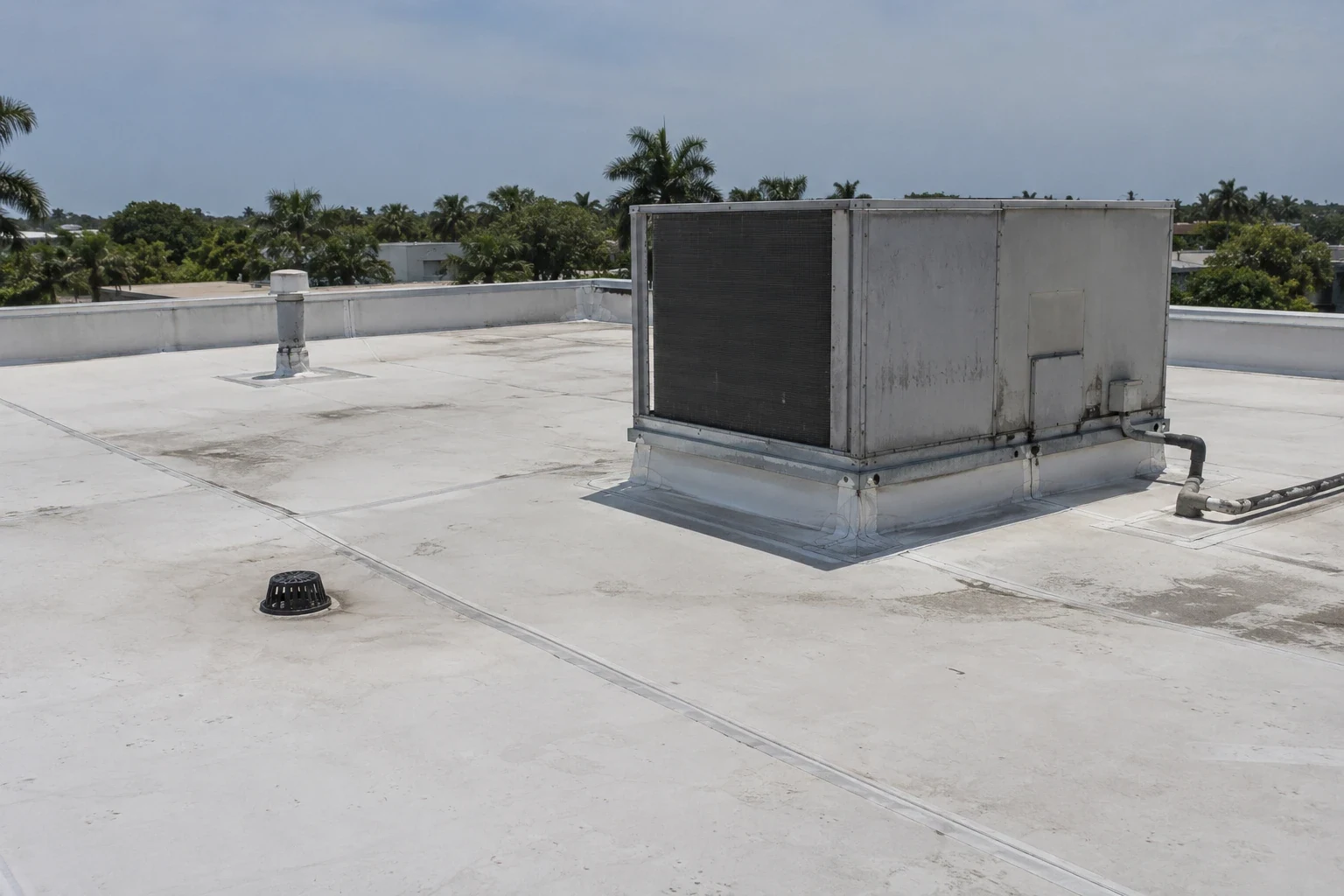
When does repair, recovery, or replacement belong in the bid?
A repair package is appropriate when the affected condition is localized, the surrounding membrane and substrate remain suitable, and the detail can be restored without leaving a larger failure mechanism in place. Recovery needs a different set of checks: existing layers, moisture, attachment, drainage, and code or design requirements all matter. Replacement becomes the stronger comparison when deterioration crosses multiple areas or the assembly cannot support a reliable tie-in. We document the basis for each option so the owner can approve the capital sequence with the condition evidence attached.
Price and duration depend on more than membrane area. Tear-off depth, insulation replacement, deck repairs, perimeter work, crane access, disposal, weather protection, and occupied-building phasing all affect the work package. GAF system components must be matched to the specified assembly, and substitutions can affect details or submittal review. We separate known scope from concealed-condition allowances and list the approval point for added work. A replacement plan can be compared with recover options without treating the lower-disruption path as automatically suitable.
How can the work fit an occupied building?
The occupancy plan should set the sequence before material arrives. A GC may need clear routes for tenants, deliveries, HVAC service, fire access, or loading operations while the roof is divided into manageable zones. We establish the staging constraint, daily work boundary, protection method, and temporary weather closeout with the site team. If a roof opening cannot be protected before a planned shutdown or forecast change, the crew's sequence needs adjustment rather than an assumption that the schedule will hold.
City planning in Miami Gardens reviews commercial, industrial, and mixed-use site plans and plats, while parcel-level zoning information is available through the city's process. For an active project, the GC should keep roof submittals, permit coordination, and site approvals aligned with requirements for that property. Our field record can identify roof conditions and proposed work limits, but it does not replace project-specific design or permit review. Share roof plans, occupancy constraints, access windows, prior repair records, and the schedule so we can prepare a sequenced field review. We can also compare a multi-building roof program with separate property work packages.
Set the roof work sequence
Share the roof plans, occupancy constraints, access windows, prior repair records, and project schedule. We will map the field review to the areas that need a repair decision, a recovery check, or a replacement boundary.
Questions About GAF Commercial Roofing
Can a GAF membrane go over the roof that is there now?
A recover is considered only after we check moisture, existing layers, attachment, drainage, and the proposed assembly requirements. If wet insulation or unsuitable substrate appears, the work package may need selective removal or replacement.
What belongs in a GAF submittal review?
Start with the specified assembly, deck, insulation, attachment, edge details, penetrations, and manufacturer documents. We compare the roof-area record with those requirements and flag deviations for the design team before material is released.
How should a project handle a wet-season schedule?
South Florida's rainy season runs from May 15 through October 15 and carries most regional annual rainfall. We use that calendar to plan daily work limits, temporary protection, and closeout, while site conditions and forecasts guide each shift.
Does GAF system selection settle the warranty?
No. Coverage depends on the selected assembly, installation requirements, eligibility conditions, and the documents issued for that project. We identify the requested submittal and closeout records, then keep the approval decision with the applicable written terms.
What should the GC send before the roof walk?
Send roof plans, known leak and repair locations, access limits, occupancy requirements, delivery constraints, and the working schedule. Those records let us organize the inspection around decision areas rather than one undifferentiated roof surface.