Commercial Roofing in Plantation, FL
Service Areas
Plan commercial roof repairs and capital work in Plantation, FL with roof-area evidence, access sequencing, and scopes suited to active properties.
Plantation Overview
Before a roof package moves into a Plantation project schedule, we need to know which areas can open, where materials can stage, and what the property has to keep operating. In Plantation, FL, the roof-area record should connect visible defects, access limits, and the proposed work boundary. That matters in a city where Plantation Midtown combines retail, office, entertainment, and residential uses across a broad central business district. One schedule may touch different occupancies, so we build the sequence from the actual roof and the owner’s operating plan.
We begin with an inspection of membrane fields, seams, flashings, drains, edges, penetrations, and rooftop equipment. Each finding gets a location, photo, and action: repair candidate, further investigation, or replacement boundary. The record helps the general contractor line up roofing with mechanical work and interior protection before a section is opened. For commercial roof inspections, the useful result is not a long list of observations; it is a field record that lets the team make the next approval without guessing at what was seen.
What changes across a mixed-use work area?
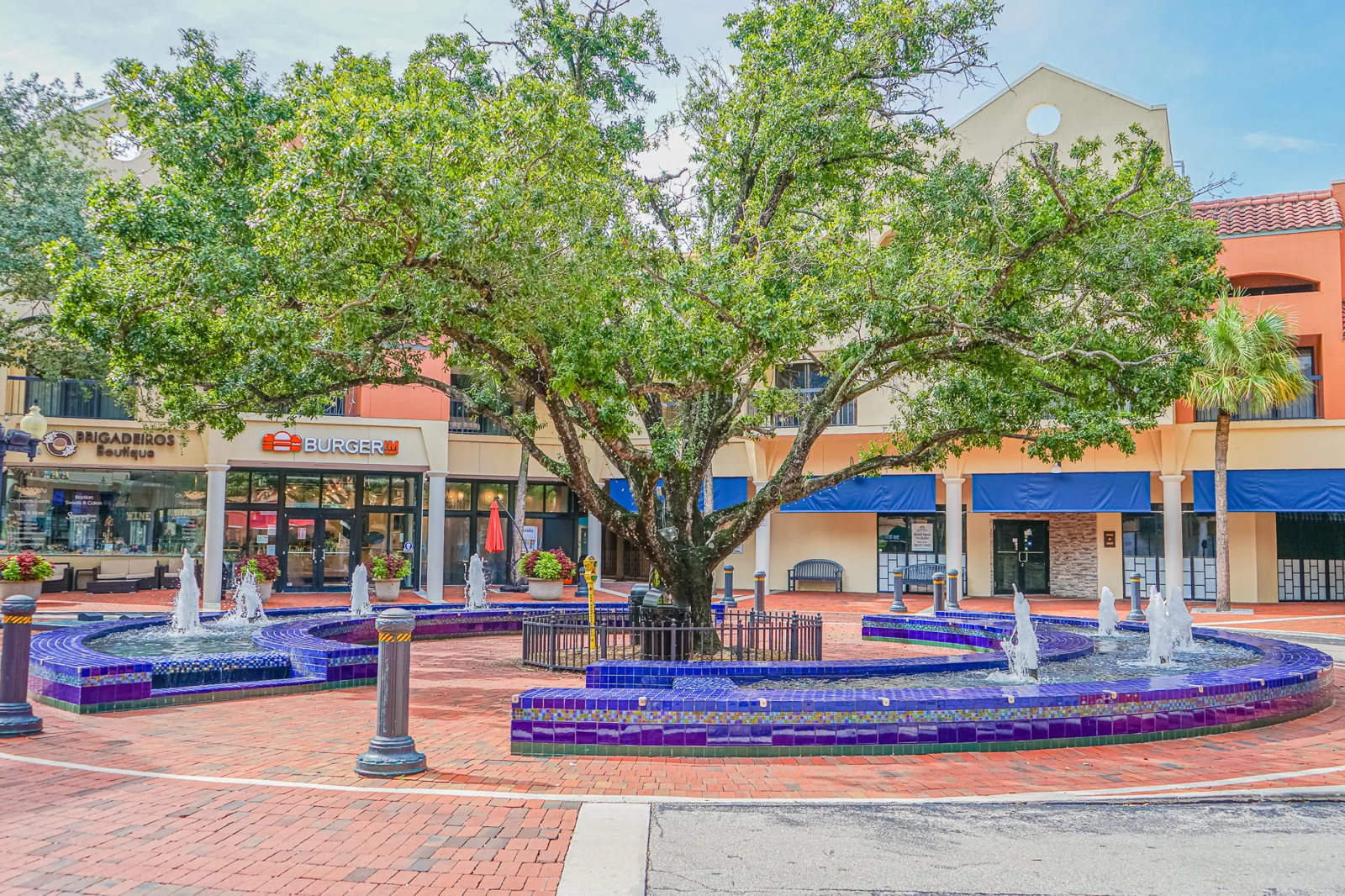
Plantation Midtown brings several uses into one central district, but a shared map does not make every roof area one project. A retail section may need a narrow access window around deliveries, while an office area may require coordination with mechanical contractors and occupied rooms below. We separate the roof zones, then note who controls entry, where a lift or material load can sit, and what must remain clear. That turns a broad plan into work packages with an owner, a closure point, and a field check.
Plantation has approximately 5,400 businesses, including independently owned service, retail, and dining operations. That figure is citywide context, not a count of roofs or a description of any one property. For a general contractor, it reinforces the need to confirm the operating contact and daily constraints at the building itself. A phased occupied-building roof scope can define which section is active, how protection is maintained, and when the area returns to service, while a property-management work package can keep decision records consistent across assets.
More on Plantation
The sections below cover the questions property teams ask before they approve the work.
Which roof findings affect the package?
A blister, open seam, split flashing, or recurring ponding area can look similar in a quick roof photograph and still call for different work. We inspect the surrounding membrane, termination, and drainage route before we set the repair boundary. Where moisture may have moved below the surface, we record the indicator and identify whether selective testing is needed. The owner receives a distinction between a confirmed repair and an unresolved condition, so the construction budget does not silently treat an unknown as a measured quantity.
On an older or layered assembly, the existing materials and attachment can affect whether a repair, recover, or tear-off can be considered. We note what is visible, what drawings establish, and what a test opening must settle. If a recover is viable, the package still needs to address surface preparation, insulation, drainage, perimeter securement, and penetrations. If the deck or insulation condition changes the decision, we pause at that approval point and revise the scope. A photo-based condition record and a defined replacement boundary help keep the estimate tied to the evidence.
How should the seasonal work window be handled?
Use weather readiness as a production gate in Plantation. South Florida's wet season covers May 15 to October 15, the stretch with 60% to 70% of average annual rainfall. Hot, humid air feeds frequent peninsula storms; tropical systems can change local rainfall totals, and their site influence is not reliably known beyond seven to ten days. These patterns guide contingency planning, not a leak diagnosis or a promise for the crew's shift. When a section must be stripped, size the opening to the dry-in capacity available that day. Place covers where the team can reach them, identify which supervisor may call a stop, and log the exposed edges before leaving. Check the outlook again before expanding the work zone. Record the forecast review time and maximum exposed area in the daily log, so the next shift inherits a clear boundary instead of an assumption. emergency roof protection is available for active water entry, including outside regular business hours.
Industries We Work With
Owners and operators in these fields rely on us to plan roof work around their buildings.
Coordinate healthcare roof work in Miami Gardens, FL around patient routes, critical rooms, equipment, infection controls, and documented approval windows.
Coordinate 3PL roof work in Miami Gardens, FL around dispatch cycles, dock access, inventory protection, equipment routes, and phased closeout.
Plan school district roof work in Miami Gardens, FL around student routes, athletic spaces, summer windows, classroom protection, and board approvals.
Coordinate portfolio roof work in Miami Gardens, FL with area records, access windows, repair priorities, and approvals that keep each asset distinct.
Related Roofing Work
Other pages that cover the same roof question.
Roof leaking now? Call 555-555-5555 and we will send a crew to look at it.
When does repair stop being the right work package?
A repair is a reasonable package when the surrounding assembly remains serviceable and the failure can be corrected without leaving nearby defects unresolved. We look for repeated openings, widespread surface wear, compromised insulation, recurring water retention, and perimeter details that have lost their function. These observations do not set the answer alone. We compare the repair area, number of return visits, access requirements, material compatibility, and the consequences of keeping the space below protected while work proceeds.
Plantation has access to the interstate system and Florida Turnpike, but a regional route is only one part of mobilization. The actual staging location, delivery path, loading restriction, and working hours must be agreed with the site contact. Cost and timing can change with tear-off depth, deck repairs, equipment moves, edge-metal replacement, disposal, and the amount of temporary protection needed. We show those drivers against the proposed boundary, separating base scope from testing or allowances. A capital sequence can compare phased repair and replacement candidates without blending their evidence.
What should be settled before mobilization?
At preconstruction, align the roof plan, leak history, operating boundaries, delivery path, and trade dates in one current sequence. The GC should verify where lifting, rooftop clearance, equipment shutdowns, or interior barriers affect the order. Put every unresolved condition beside the approval that closes it; specify the decision maker and information needed to proceed.
When a crew completes a zone, record materials, repaired details, completion date, and follow-up work. Separate notes for Plantation Midtown keep access needs legible across its mixed-use areas without assuming every space shares an operator. If another roof lies in Miami Gardens, FL or Lauderdale Lakes, maintain a separate file and staging plan; compare portfolios only after the site-level record is assembled. The owner can see what is complete and which decision remains open.
To arrange a Plantation field review, provide available roof drawings, prior scope notes, current use constraints, and preferred review dates.
Set the Plantation work sequence
To prepare an onsite review, share the active roof drawing, recent repair log, property operating restrictions, authorized access hours, and the dates that matter to your construction team. We will turn the walk into prioritized condition questions and next decisions.
Questions About Plantation
Can one project package cover several buildings in Plantation Midtown?
It can coordinate the schedule, but each roof needs its own boundary and condition record. We map the properties separately, then align access windows and approvals where the work can share a sequence.
What should be ready before a roof replacement estimate?
Roof plans, repair history, access rules, and trade schedules give us a starting point. We inspect the assembly and distinguish measured scope from testing, deck exposure, or other items that still need approval.
Does the rainy season decide when work can start?
No calendar average can set a property work date. We use the South Florida seasonal pattern for protection planning, then coordinate the actual opening and closeout around current conditions and site constraints.
How do you limit disruption to retail or office operations?
The occupancy plan defines entry routes, staging, noise-sensitive periods, and areas that must stay clear. We divide the roof into work packages and confirm each closure point with the site team.
What makes a repair unsuitable as the long-term plan?
Repeated failure, widespread deterioration, or moisture extending beyond a repair area can support a broader review. We document those conditions and compare a targeted repair with a defined capital boundary before setting the next package.