
Commercial Roofing in the NW 7 Avenue Corridor, North Miami, FL
Service Areas
Coordinate roof work along North Miami’s NW 7 Avenue commercial corridor with parcel-level evidence, access planning, and clear work boundaries.
NW 7 Avenue Corridor, North Miami Overview
The NW 7 Avenue commercial corridor in North Miami extends from NW 119th Street to NW 143rd Street, a sequence of commercial parcels rather than a single property. A corridor-wide service area helps owners compare work packages, but each roof still needs its own field review, access approval, and closure plan. We document the actual assembly, drainage, transitions, penetrations, and repair history before recommending a repair candidate or replacement boundary. The project lead also confirms which property and roof section are authorized for review.
How does a multi-parcel corridor change project coordination?
A commercial avenue can carry separate owners, tenants, construction schedules, and access rules across nearby parcels. The North Miami corridor improvement program targeted businesses and used public-private partnerships for façade improvements. That context concerns commercial streetscape work; it does not establish roof conditions or create roofing approval for any individual site. The roofing scope remains tied to the property contact, observed roof area, and current project authorization.
Before scheduling a survey, confirm the exact property entrance, the person who can provide roof access, operating hours, delivery periods, and any work occurring at grade. The general contractor should identify active trades and any public or customer paths that must remain open. A roof access note then distinguishes the approved route from assumptions about a block or district. For commercial and industrial districts in Miami Gardens, each parcel should retain its own roof record and approvals.
The corridor program documents a series of commercial parcels along NW 7 Avenue. We treat each building as a separate planning unit instead of applying one sequence to all of them. A capital sequence can compare measured work across a portfolio, while its individual roof-area records preserve the different access windows, conditions, and approval points. That structure is useful when the work spans multiple owners or separate construction contracts. A Miami Gardens, FL property keeps its own local access record.
More on NW 7 Avenue Corridor, North Miami
The sections below cover the questions property teams ask before they approve the work.
What evidence belongs in a corridor roof-area record?
The field record starts with a roof plan or sketch marked by section, orientation, and key transitions. We photograph membrane laps, seams, penetrations, curbs, wall flashings, drains, overflow points, edge metal, and previous patches. Each image is connected to a location on the plan so a reviewer can return to the same condition. If a reported interior leak prompts the visit, we trace likely water paths before drawing a repair limit around the apparent source.
A façade improvement or site enhancement does not reveal whether a roof has compatible materials, sound attachment, or moisture below the surface. If available drawings do not identify the assembly, the owner may authorize a test opening or another appropriate investigation. The estimate should distinguish confirmed quantities from allowances and explain which observation could change the scope. A roof condition report can organize those findings into observed conditions, open questions, and the approval required to resolve them.
Drainage review includes the roof plane around each drain, strainer condition, bowl, overflow, and any visible signs of recurring ponding. We note whether access to an adjacent section is required, without assuming that the next parcel has the same assembly or condition. A commercial roof inspection records the surveyed boundary and excluded areas so the owner can see what was reviewed and what remains outside the assignment.
How should crews work around active street-front businesses?
The owner or tenant contact describes when customer access is busiest, which doors are required, and how deliveries are handled. A block-level corridor does not imply a shared operating schedule. We coordinate the assigned roof section with the specific property's work hours and identify whether lift operations, material staging, or debris movement conflict with customer circulation. The general contractor confirms any local restrictions and names the person who can approve a temporary change.
Material arrival and removal should have separate routes and time windows when they affect different operations. The work package identifies a staging constraint, protected access path, emergency egress, and the daily closeout point. If an adjacent trade changes its footprint, the supervisor pauses at the defined hold point and obtains direction before changing the roofing boundary. A phased occupied-building plan can make those controls visible by section instead of relying on a verbal handoff.
At each shift close, the crew records whether the open area is dry-in complete, what temporary protection remains, and who checks it next. If the weather window shortens or materials are delayed, the released area can be reduced to fit available protection. Clear stop-work authority matters because public-facing activity at grade may continue while roof work changes above it. The closeout note links the day's boundary to the crew, contact, and next approval point.
Industries We Work With
Owners and operators in these fields rely on us to plan roof work around their buildings.
Coordinate healthcare roof work in Miami Gardens, FL around patient routes, critical rooms, equipment, infection controls, and documented approval windows.
Coordinate 3PL roof work in Miami Gardens, FL around dispatch cycles, dock access, inventory protection, equipment routes, and phased closeout.
Plan school district roof work in Miami Gardens, FL around student routes, athletic spaces, summer windows, classroom protection, and board approvals.
Coordinate portfolio roof work in Miami Gardens, FL with area records, access windows, repair priorities, and approvals that keep each asset distinct.
Related Roofing Work
Other pages that cover the same roof question.
Roof leaking now? Call 555-555-5555 and we will send a crew to look at it.
What regional weather and code checks affect the sequence?
Along the NW 7th Avenue corridor, roof phasing should reflect South Florida's pronounced seasonal rainfall. The May 15 to October 15 stretch accounts for roughly 60 to 70 percent of the region's average yearly total. Treat that as a planning baseline, not a forecast for any North Miami address. Review the outlook each morning, set a realistic exposed-area limit, and confirm the materials and labor needed to secure it before conditions turn. Humid summer air often precedes showers and thunderstorms, making an end-of-shift closure plan essential. The area's busier severe-weather period is usually mid-May through early July; strong winds, tornadoes, hail, and flooding can affect outdoor work. Tropical rain patterns are regional, while dependable local impact guidance is generally limited to the next seven to ten days. Assign pause authority before work begins and record how the crew will leave each opening watertight. Miami-Dade and Broward are both included in the state-defined High Velocity Hurricane Zone. As of October 18, 2026, Florida applies its 2023 Eighth Edition Building Code; filings received on or after December 31, 2026 move to the Ninth Edition. A project's design team and the applicable authority decide the specific code sections and approved roof assembly before permit review.
When is a corridor repair better compared with replacement?
Along this corridor, a bounded repair may suit an isolated defect when surrounding materials are sound. Trace the drainage route and check transition details, membrane security, and moisture evidence; then define the work perimeter and a closure method. If opening the roof reveals broader deterioration, pause for the owner's direction before extending the scope. If removal exposes a condition outside the limit, the owner reviews the evidence and approves the next step. A commercial roof repair scope should identify the location, confirmed quantities, and any test-dependent allowance.
Replacement deserves comparison when recurring failures, widespread moisture, or an unsound substrate changes the expected work. Replacement pricing should name the removal assumptions, how deck conditions will be assessed, insulation choices, curb and perimeter transitions, and the method for protecting exposed areas. A commercial replacement package separates known quantities from unresolved items so procurement does not treat a provisional amount as a confirmed condition. The review can then compare service life assumptions, disruption, and approval timing on a documented basis.
For several parcels along the avenue, compare roof areas individually before making a corridor capital recommendation. A portfolio summary can group urgency and access constraints, yet the property-level findings remain separate. The owner can share roof plans, prior repair records, tenant schedules, and any current site work to define the first review. We return a work package that states what was observed, what remains unknown, and who needs to approve the next release.
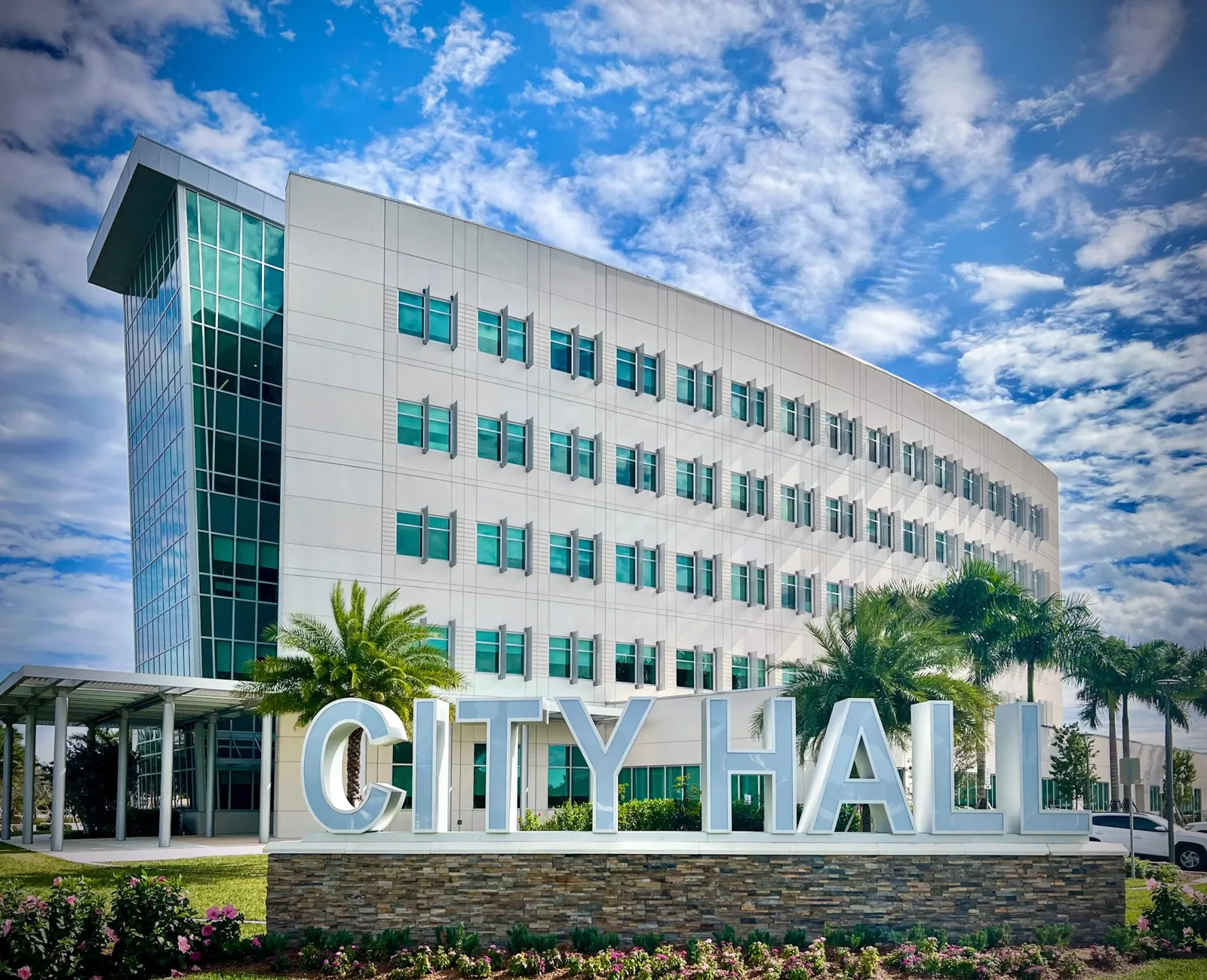
Coordinate a North Miami corridor roof review
Share the property plan, roof records, operating schedule, and approved access route. We will document the reviewed roof area and identify the approvals needed for the next work package.
Questions About NW 7 Avenue Corridor, North Miami
Is the NW 7 Avenue corridor one property?
The documented boundaries run across multiple commercial parcels, and each building needs its own access approval, field record, and scope boundary.
Does the corridor façade program describe roof work?
The program concerns commercial façade improvements; it does not establish a roof assembly or authorize roofing work at an individual parcel.
Can nearby parcels share one roof-condition report?
A portfolio may share a summary, but each roof should retain its own observations, photographs, exclusions, and approvals.
How are active businesses protected during work?
Confirm occupied hours, deliveries, egress, staging, and a daily closeout contact for the property before releasing a roof section.
Who determines code requirements for a permit?
The design professional and authority having jurisdiction confirm the code edition, project provisions, and approved assemblies.