
Commercial Roofing in Davie, FL
Service Areas
Plan commercial roof work in Davie with industrial, healthcare, and technology access needs documented before repair or replacement scope is released.
Davie Overview
A Davie, FL, commercial roof decision starts with the access window and the work area the property can release. The town reported more than 900 acres of industrial-zoned land in an economic-development update dated March 31, 2026, and identifies distribution, manufacturing, healthcare, aerospace, and technology among its industries. Those facts point to varied operating needs, not a shared roof assembly. The work sequence follows confirmed site constraints rather than a citywide category. We record the actual roof section, staging constraint, and occupancy plan before setting a repair candidate or replacement boundary.
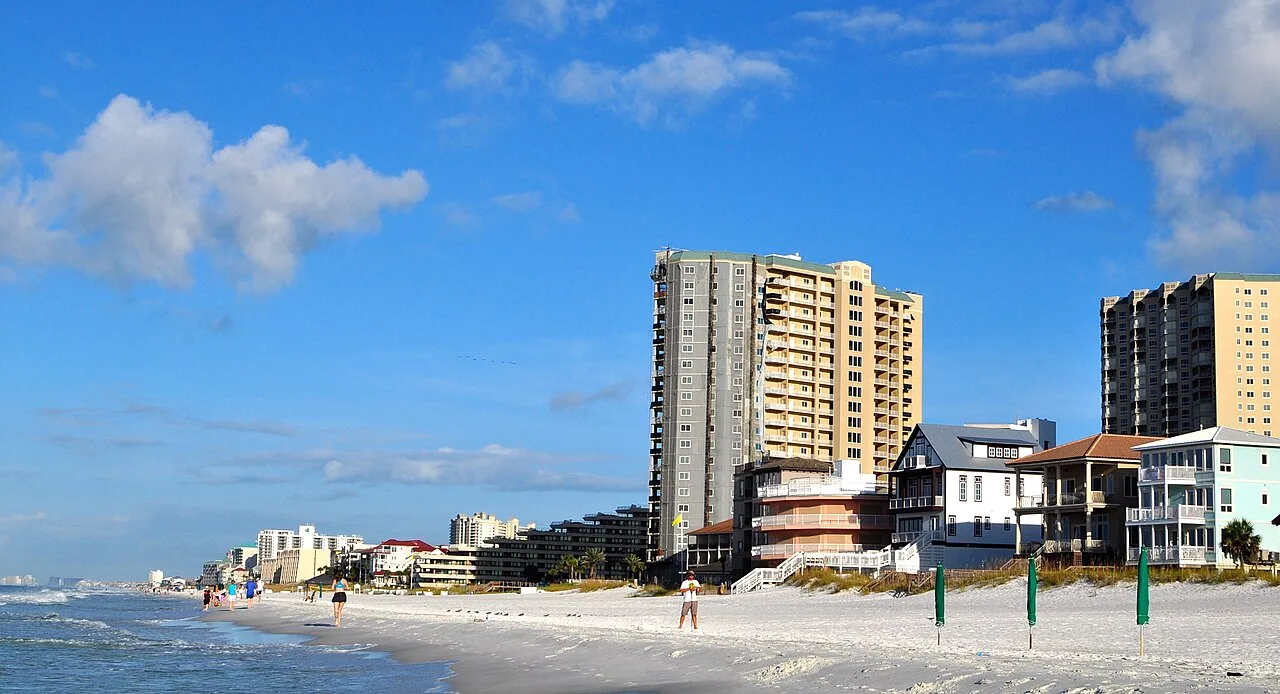
How should an industrial parcel be released for roof work?
Industrial-zoned acreage can involve different site plans and building uses, so the superintendent confirms the property layout before a crew is scheduled. We identify the gate, roof access route, delivery conflicts, and areas that cannot be used for staging. Davie's flexible transit-oriented zoning also makes it important to confirm the approved project area rather than infer a work route from a land-use label. The access window becomes part of the work package.
Distribution and manufacturing operations can have distinct loading and production schedules. The site contact identifies which paths must remain open, who can escort roof access, and when a lift or material drop can occur. We mark the sequence by roof area and state the daily closure point before removal begins. If another trade controls a portion of the access plan, that hold point stays visible instead of being left to an informal handoff.
A Weston roof record can support a portfolio comparison, but it does not substitute for Davie field evidence. Each property receives its own access limits, assembly notes, and follow-up items. That separation lets the owner compare priorities without carrying a condition from one site into another capital decision.
More on Davie
The sections below cover the questions property teams ask before they approve the work.
Which evidence separates an estimate from a scope?
Before discussing a repair, we establish a reference map for the inspection. Each photograph is tied to a roof-area identifier and viewing direction, so the owner can locate the observation later without guessing from a close-up. If an interior stain is reported, we compare the ceiling location with slope, drains, penetrations, and other possible water paths. The nearest visible seam is not automatically the source. A condition report records what was seen and what remains a question.
Hidden layers require a separate decision. We can review prior drawings, invoices, and repair notes, then propose a test opening only where the result could change the scope. The owner approves the location and restoration plan before removal. If no opening is authorized, the estimate labels the concealed assembly as unknown and keeps the related quantity provisional.
A commercial roof inspection also marks inaccessible sections, safety limits, and any surface that needs a second visit. The project team receives a defined next step for each unresolved item, with an approval point before the repair limit expands.
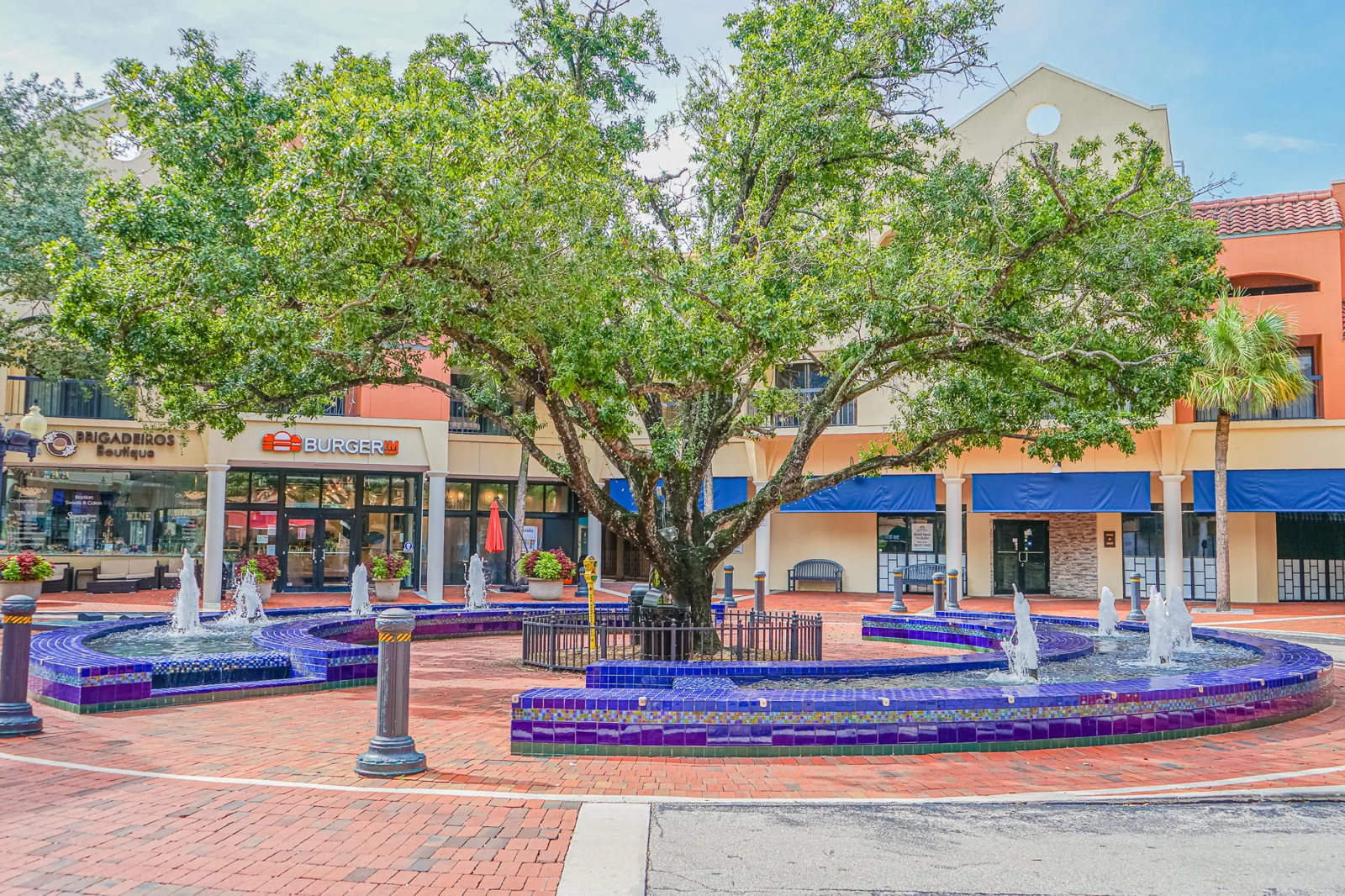
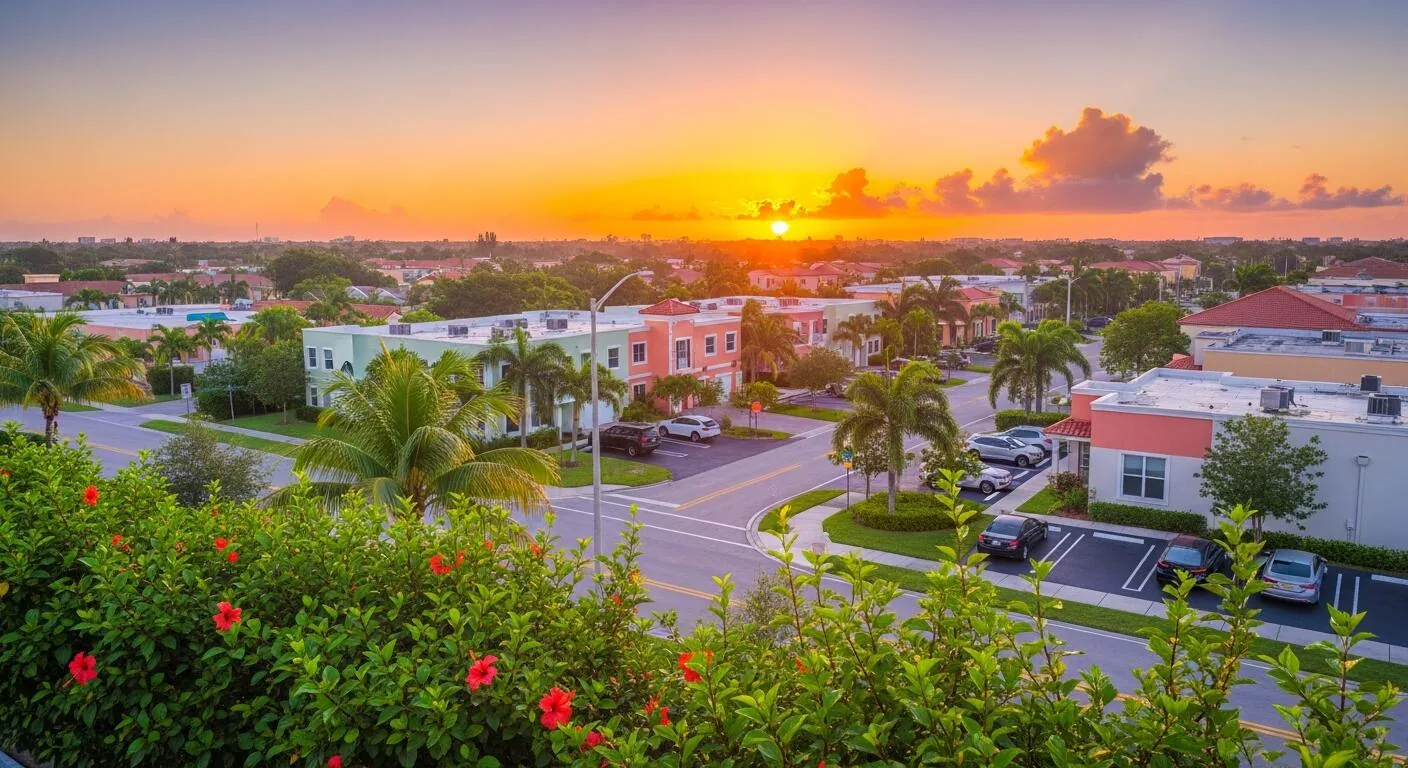
How do healthcare and technology uses shape access?
Davie identifies healthcare and technology among its industries, but a roof plan still depends on the individual property's operating rules. We ask the general contractor which rooms, equipment routes, and service windows must remain available. The occupancy plan records who can authorize a shutdown, where protection is needed, and how the crew will reach each roof area. A phased occupied-building sequence can keep those constraints tied to a released work package.
Roof access may change when a mechanical service visit, tenant activity, or controlled area overlaps the work route. We confirm the route with the site contact and identify a separate access window when needed. Materials remain within the approved staging zone, and debris removal follows the route the property team has cleared. If conditions change, the project lead pauses at the boundary and records the decision before work resumes.
For a Miami Gardens, FL portfolio property, the same coordination format can make review easier, while every building retains its own findings. The comparison should show access limits, current observations, unresolved questions, and the person responsible for the next approval. That gives the general contractor a consistent review method without assuming that buildings share the same roof history.
Industries We Work With
Owners and operators in these fields rely on us to plan roof work around their buildings.
Coordinate healthcare roof work in Miami Gardens, FL around patient routes, critical rooms, equipment, infection controls, and documented approval windows.
Coordinate 3PL roof work in Miami Gardens, FL around dispatch cycles, dock access, inventory protection, equipment routes, and phased closeout.
Plan school district roof work in Miami Gardens, FL around student routes, athletic spaces, summer windows, classroom protection, and board approvals.
Coordinate portfolio roof work in Miami Gardens, FL with area records, access windows, repair priorities, and approvals that keep each asset distinct.
Related Roofing Work
Other pages that cover the same roof question.
Roof leaking now? Call 555-555-5555 and we will send a crew to look at it.
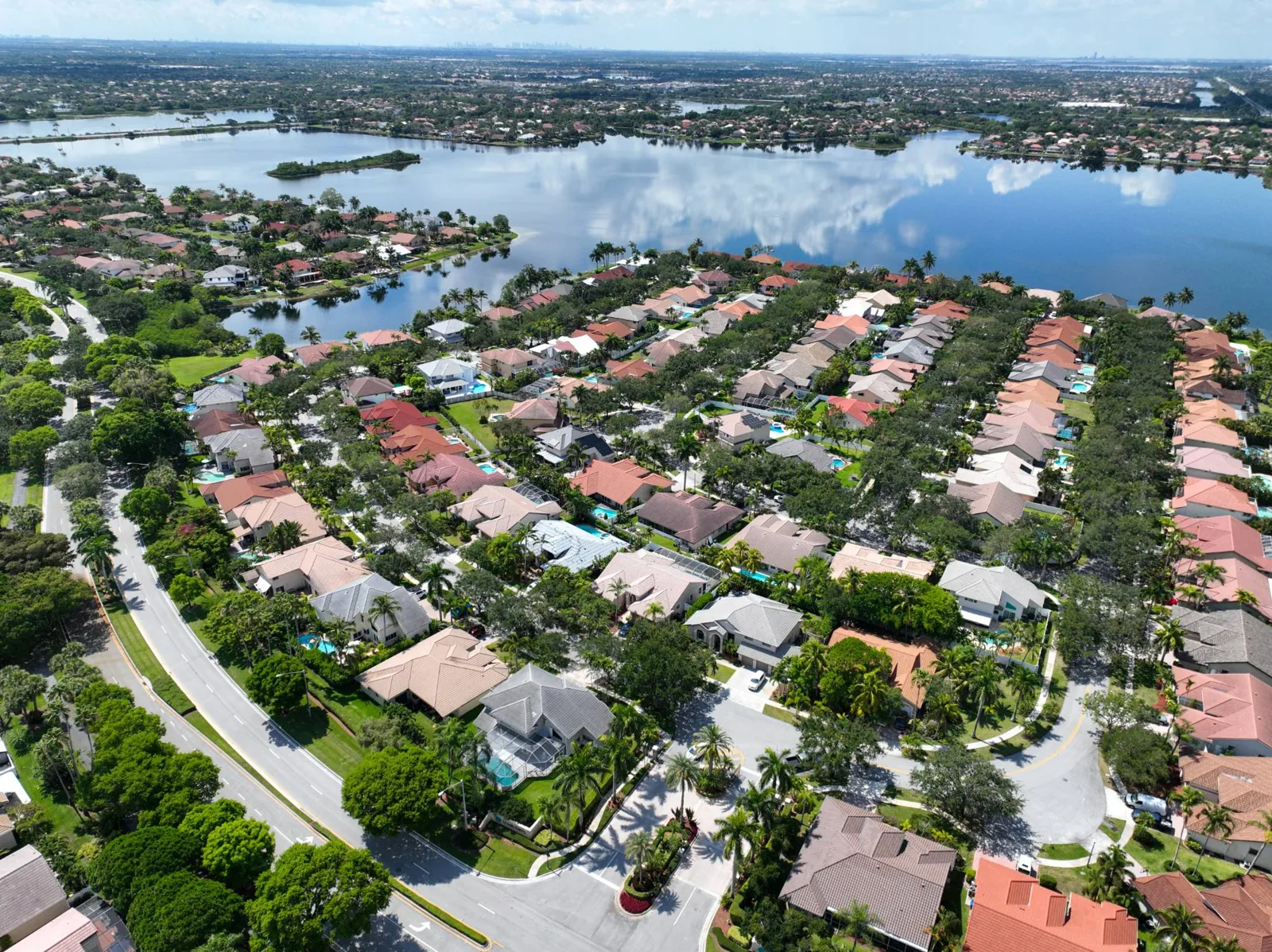
How should South Florida weather change the roof sequence?
For planning, treat South Florida’s May-to-mid-October wet-season window as a broad staffing signal. Regional climate averages place about three fifths to seven tenths of annual rainfall inside that interval, but those averages do not describe a particular Davie property or workday. The superintendent sets a limit on exposed roof area before removal, identifies who checks changing weather, and agrees how incomplete membrane or flashing will be secured before departure. An updated forecast may shorten that limit even when the morning setup looked workable. The owner and crew lead know who can pause work and what protection must be confirmed before anyone leaves the roof.
Wet-season heat and humidity support frequent showers and thunderstorms across the peninsula. The stormiest mid-May to early-July period brings greater likelihood of strong winds, tornadoes, hail, and flooding. That pattern changes the temporary-protection plan and the daily closure check; it does not establish that a roof has storm damage. After a reported event, we photograph the affected area and compare it with prior repair records before expanding the scope.
Tropical systems can influence South Florida rainfall, while local effects cannot be forecast reliably beyond a short planning horizon. We keep the schedule adjustable and avoid leaving an opening beyond the protection and labor available for that shift. If active water requires immediate attention, emergency roof response can stabilize an area while the permanent package is prepared.
When should the team compare repair and replacement?
A localized repair can proceed when investigation supports a limited boundary and the surrounding assembly can accept a compatible detail. The work package identifies preparation, materials, access, and how the area will be checked before closure. A commercial roof repair should also state which conditions are excluded, so a hidden issue is not silently absorbed into a fixed quantity.
For replacement, the decision record compares the areas involved, removal assumptions, insulation and deck questions, perimeter treatment, and temporary protection. It distinguishes known quantities from allowances and names the test or approval that could change them. A replacement scope therefore becomes a defined alternative, not an automatic extension of a small leak response.
Davie’s highway access and transit-oriented zoning offer planning context, but the parcel’s approved plans determine where crews and materials may go. The team verifies access, staging, and permitting with the appropriate site contacts before mobilization. A capital sequence can prioritize confirmed items while preserving open questions for review. The owner can then release a package with clear boundaries and a record of what evidence could change the next phase.
Set a Davie roof review
Share roof plans, access windows, occupancy limits, and prior repair records. We will map the roof area, document field evidence, and define the next work-package approval point.
Questions About Davie
What does the industrial acreage tell us about a roof?
It identifies land-use context only. We inspect the property and record its assembly, access limits, and observed conditions before pricing work.
Can a roof opening stay exposed through a shift?
The closure limit depends on the area, forecast, protection materials, and labor assigned. We set that limit before removal begins.
Which site details affect mobilization?
The access route, lift location, staging zone, occupied hours, and debris path belong in the work package before the crew arrives.
What changes a repair into a replacement candidate?
A wider moisture boundary, failed attachment, or substrate that cannot accept a sound tie-in can support a larger comparison after review.
Who confirms code and permit requirements?
The design professional and authority having jurisdiction confirm project-specific requirements. We identify roofing details and submittal questions in the proposed scope.