Commercial Roofing in Aventura, FL
Service Areas
Coordinate commercial roof inspections, repair boundaries, and replacement planning in Aventura with field evidence grounded in access and schedule.
Aventura Overview
Start an Aventura commercial roof package by separating the property access plan from the technical scope. Aventura sits between Miami and Fort Lauderdale, immediately east of I-95, and its western boundary follows the Florida East Coast Railway. Those regional edges help a general contractor frame logistics questions, but they do not establish how a particular roof is built or accessed. We confirm the site route, staging limits, occupancy plan, and schedule with the project team before dividing the roof into work areas.
On the first walk, we connect each observation to a roof plan. We record seams, drains, perimeter transitions, penetrations, rooftop equipment, and prior repair locations. Photographs and measurements keep the field evidence tied to a specific area, while any moisture reading or test cut remains connected to its sample point. A commercial roof inspection can then support a repair candidate, a recover comparison, or a replacement boundary without treating one visible condition as representative of the whole assembly.
How do the I-95 and rail edges shape coordination?
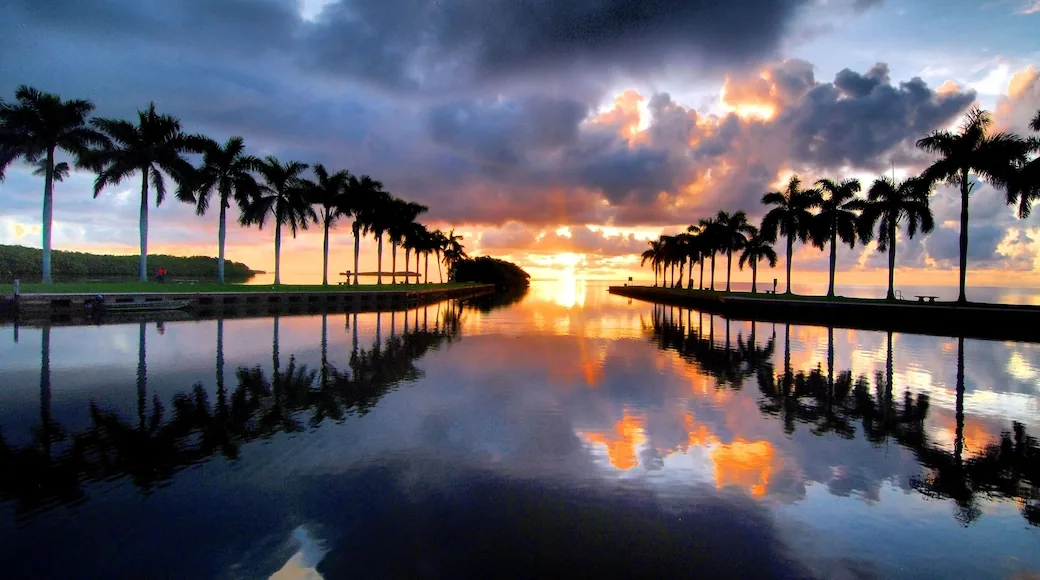
Aventura sits between Miami and Fort Lauderdale, east of I-95, with the Florida East Coast Railway along its western boundary. For a GC, that context is a prompt to confirm delivery access and staging with the actual property contact, not a substitute for a site logistics plan. We ask where trucks can turn, whether a lift can be positioned, which entrances must remain available, and how other trades use the roof. The answers become schedule assumptions rather than informal notes. We record each constraint for review before crews mobilize.
Before mobilization, we map the delivery route, temporary storage, pedestrian controls, and daily closeout point. If material must be carried farther or a lift window is limited, that condition can affect labor sequencing and the size of each open work zone. We record those limits in the roof-area condition record beside the affected area. That way, a later schedule change can be checked against the same plan instead of forcing the team to reconstruct the original access decision.
More on Aventura
The sections below cover the questions property teams ask before they approve the work.
Which details belong on the first roof-area record?
We begin with the transitions that control water movement and tie-ins: drains, scuppers, walls, curbs, penetrations, edge metal, and changes in plane. Then we document membrane seams, surface wear, prior patches, and any leak report that the site team can locate. A photograph needs a corresponding roof-plan mark and a concise note about the observed condition. If a stain appears below a drain, for example, the record should identify what was inspected and which concealed condition remains unresolved.
Testing is selected to answer a defined question. A moisture survey can indicate areas for further review, while a test cut may clarify layers at a specific sample location. Neither result should be generalized to roof areas that were not evaluated. We label the inspection boundary, repair history, and next action so the owner can see where evidence is complete and where a design or field decision is still needed. A moisture survey can contribute to that record when the conditions and access plan support the method.
What changes when South Florida rain narrows the work window?
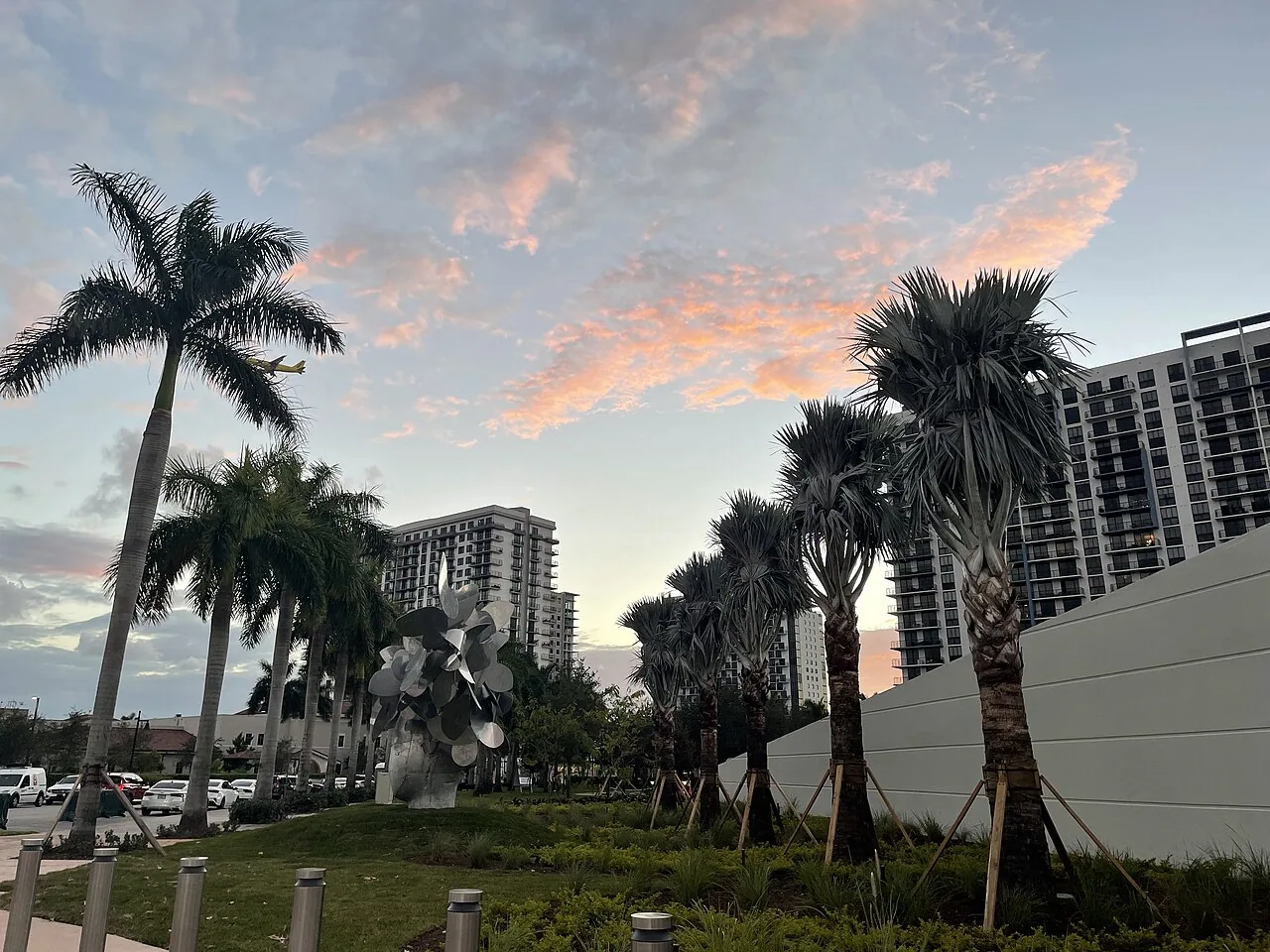
During South Florida’s stormier mid-May to early-July period, strong winds, tornadoes, hail, and flooding are among the regional severe-weather impacts. We use that timing to set an open-area limit, assign who can pause the work, and check temporary protection at shift close.
Wet-season humidity and heat bring showers and thunderstorms on many days across South Florida and nearby waters. For the GC, that context makes the daily sequence important: confirm the site forecast, stage materials, define a secure boundary, and set an inspection before crews leave. If a zone cannot be closed in the available window, resequence it while the roof remains protected. For a proposed TPO roof system, the package should identify the area prepared, the seam work completed, and the inspection still required. A separate contingency can address an active leak or an unexpected opening without blending that response into planned replacement quantities.
Industries We Work With
Owners and operators in these fields rely on us to plan roof work around their buildings.
Coordinate healthcare roof work in Miami Gardens, FL around patient routes, critical rooms, equipment, infection controls, and documented approval windows.
Coordinate 3PL roof work in Miami Gardens, FL around dispatch cycles, dock access, inventory protection, equipment routes, and phased closeout.
Plan school district roof work in Miami Gardens, FL around student routes, athletic spaces, summer windows, classroom protection, and board approvals.
Coordinate portfolio roof work in Miami Gardens, FL with area records, access windows, repair priorities, and approvals that keep each asset distinct.
Related Roofing Work
Other pages that cover the same roof question.
Roof leaking now? Call 555-555-5555 and we will send a crew to look at it.
When does repair remain distinct from replacement?
A localized defect may support a repair when surrounding membrane, substrate, and tie-in conditions are suitable. A recover option requires a separate review of existing layers, attachment, moisture, drainage, and the proposed assembly. Replacement can become the clearer comparison when deterioration crosses several roof areas, concealed conditions remain unsuitable, or repeat repairs would leave an unresolved boundary. We describe what the field evidence supports and what still needs a test, design response, or owner decision.
Cost and timing depend on more than the visible membrane. Tear-off depth, insulation replacement, deck repair, edge transitions, drain work, lift access, waste handling, protection, and occupied-building phasing can change quantities and crew sequence. The estimate should separate measured work from concealed-condition allowances, so the owner can compare alternatives on the same basis. A repair package can remain separate from a recover comparison when each has a defined area and assumption. We identify an approval point for each open question and keep the replacement boundary visible if later evidence changes the scope.
How should retail and medical work enter a portfolio plan?
Retail and medical services are among Aventura’s economic drivers. At each property, we confirm customer access, appointments, equipment service, deliveries, and interior notice requirements before setting roof zones. We build the occupancy plan from the actual site team's requirements and keep those commitments next to the roof zones they affect.
For a multi-property program, preserve a separate roof-area record for each site. Keep condition, access, repair history, and approval status tied to that property's drawings rather than combining assumptions across addresses. A multi-site roof program can help the owner compare follow-up items while maintaining distinct field evidence. Where Aventura work shares a capital review with Miami Gardens, FL or North Miami Beach, each property's climate observations and access plan still need independent confirmation. Send the roof plans, prior repairs, occupancy constraints, access windows, staging limits, and target schedule so we can organize the next field review around decisions the GC must sequence.
For an Aventura project, the first coordination call should settle the property's actual entrance, delivery rules, roof access contact, and periods when work below must remain uninterrupted. Regional proximity to I-95 and the rail corridor provides location context, but it does not establish a loading route or roof assembly. Put confirmed logistics beside the affected roof zones and flag unanswered items before pricing. If the owner is comparing several properties, retain separate condition maps and dates so a shared schedule does not make one building's findings stand in for another's. The GC can then sequence inspection, testing, and work around approved access.
Build the Aventura roof work package
Share the roof plans, prior repair records, occupancy constraints, delivery and lift windows, staging limits, and target schedule. We will map the field evidence to repair options, replacement boundaries, and the next approval point for your project.
Questions About Aventura
What should a GC confirm before scheduling roof work in Aventura?
Confirm the delivery route, staging area, lift access, occupied entrances, other-trade needs, and daily closeout point with the property team. We record each limit against the affected roof zone.
Does the regional wet-season calendar predict a leak at a property?
No. The regional climate pattern informs sequencing and temporary protection. The roof condition, leak path, and repair boundary require a property-level inspection and documented follow-up.
When is a test cut useful for a commercial roof decision?
Use a test cut when a defined question about layers or concealed conditions could change the repair, recover, or replacement comparison. Tie the result to its sample location and closeout work.
Can retail or medical operations continue during a roof project?
That depends on the property's access and occupancy requirements. We ask the GC to identify routes, delivery periods, service needs, and notice obligations before setting work zones.
What should an owner compare in repair and replacement bids?
Compare the mapped work area, observed conditions, exclusions, concealed-condition allowances, access assumptions, protection plan, and approval points. Keep measured quantities distinct from unresolved items.